User-Friendly Interface with Comprehensive Automation Features
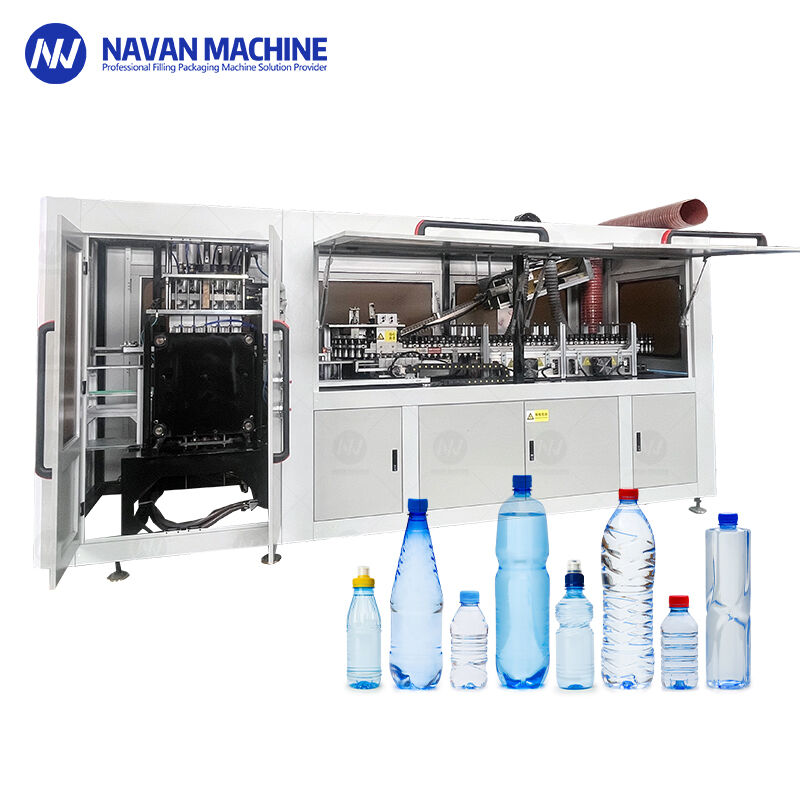
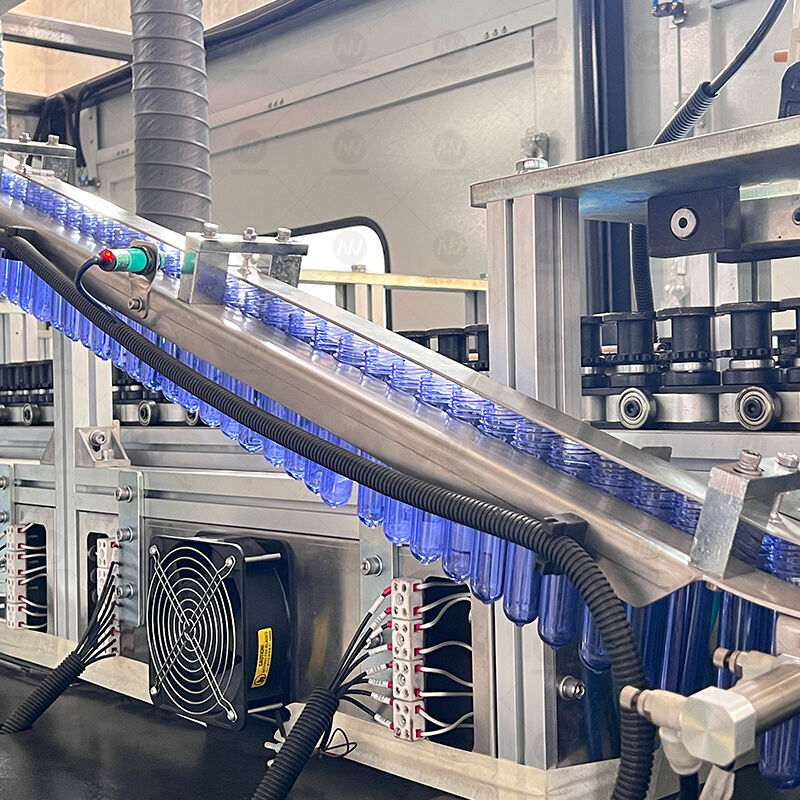
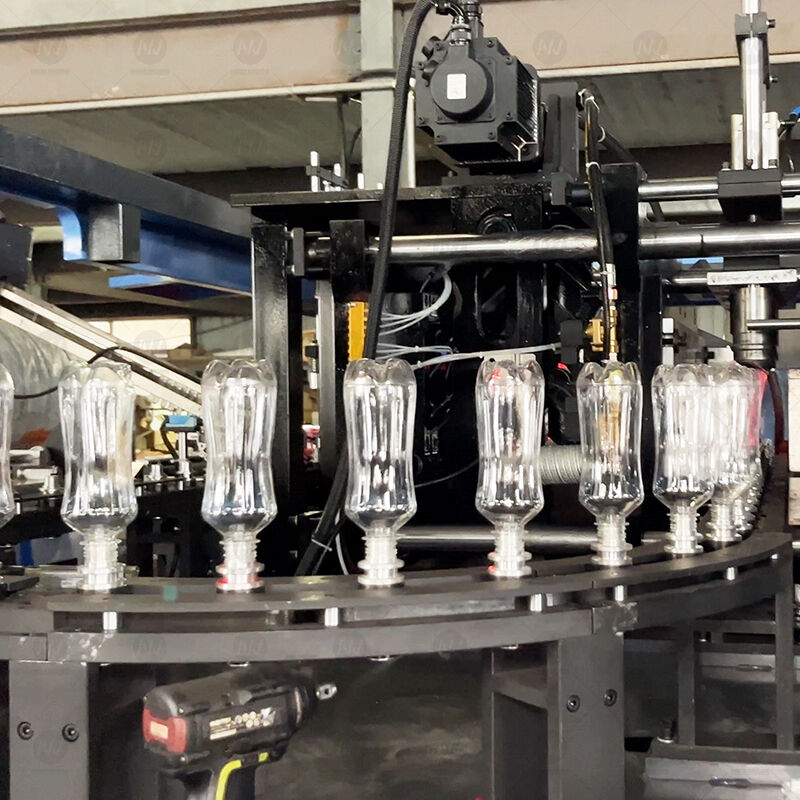
The pet stretch blow moulding machine incorporates an intuitive user interface combined with comprehensive automation features that significantly enhance operational efficiency and reduce dependency on specialized technical expertise. The advanced human-machine interface (HMI) presents complex production parameters through clear, graphical displays that enable operators to monitor and control all aspects of the manufacturing process from a centralized location. This sophisticated interface eliminates the need for extensive technical training while providing experienced operators with detailed control over production variables. Touchscreen functionality simplifies parameter adjustments, recipe storage, and production monitoring, reducing the potential for operator errors that could impact product quality or machine performance. The pet stretch blow moulding machine's automation system manages routine operations including preform feeding, heating cycle control, mould movements, and finished product handling without constant operator intervention. Pre-programmed recipes store optimal settings for different bottle designs and materials, enabling quick changeovers with consistent results across production runs. Automated quality monitoring systems continuously assess bottle properties during production, automatically rejecting defective products and alerting operators to potential issues before they affect large quantities of output. The interface provides real-time production statistics, efficiency metrics, and maintenance alerts that support informed decision-making and proactive equipment management. Remote monitoring capabilities allow supervisors to track production progress and machine status from off-site locations, supporting flexible management approaches and rapid response to operational issues. Diagnostic features built into the pet stretch blow moulding machine's control system identify potential problems early, often before they impact production, enabling scheduled maintenance that minimizes unplanned downtime. The automation system's learning capabilities analyze production patterns and automatically optimize process parameters for improved efficiency and quality consistency. Data logging functions create comprehensive production records that support quality control documentation, process improvement initiatives, and regulatory compliance requirements. Integration capabilities allow the machine to communicate with enterprise resource planning systems and factory automation networks, streamlining information flow and supporting advanced manufacturing strategies that enhance overall operational effectiveness.
 EN
EN