pet bottle blowing machine
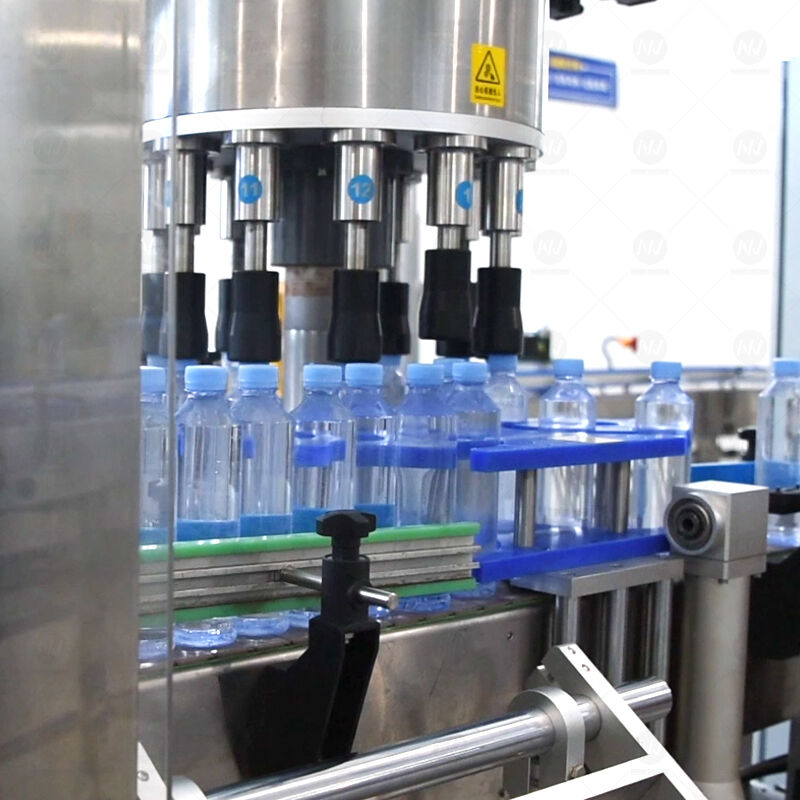
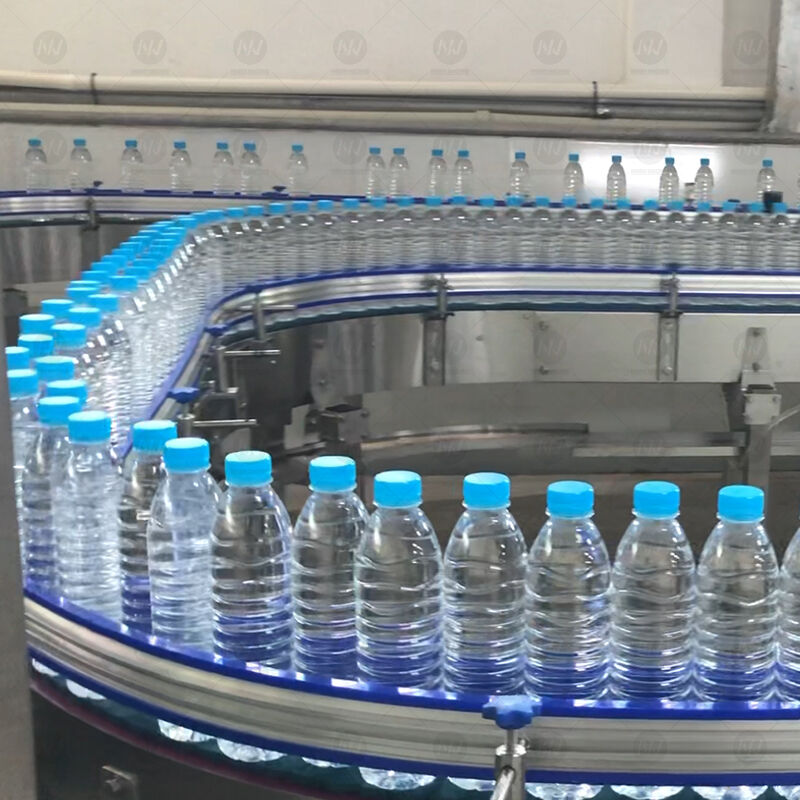
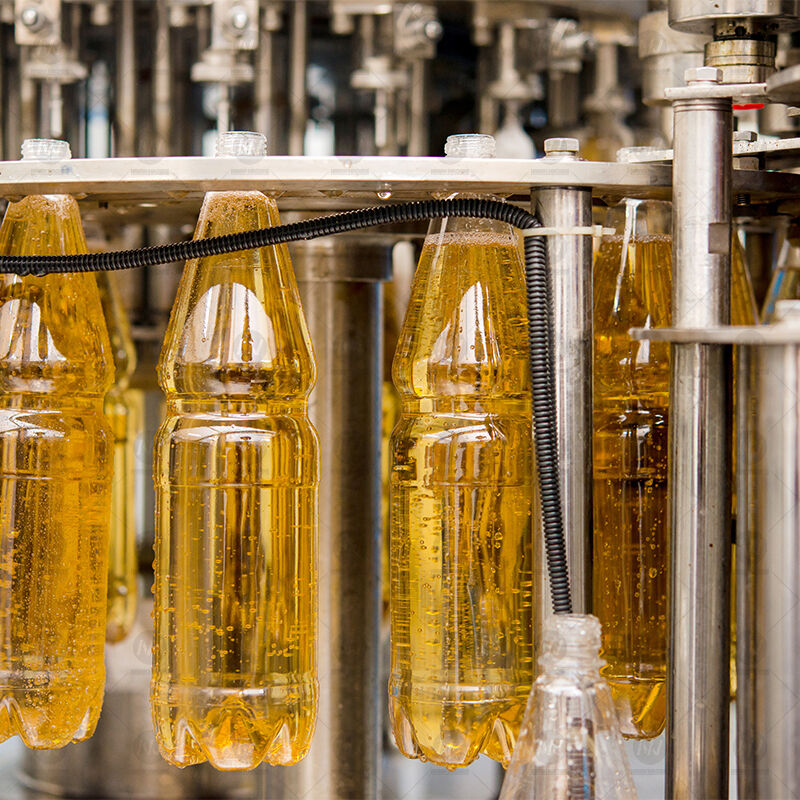
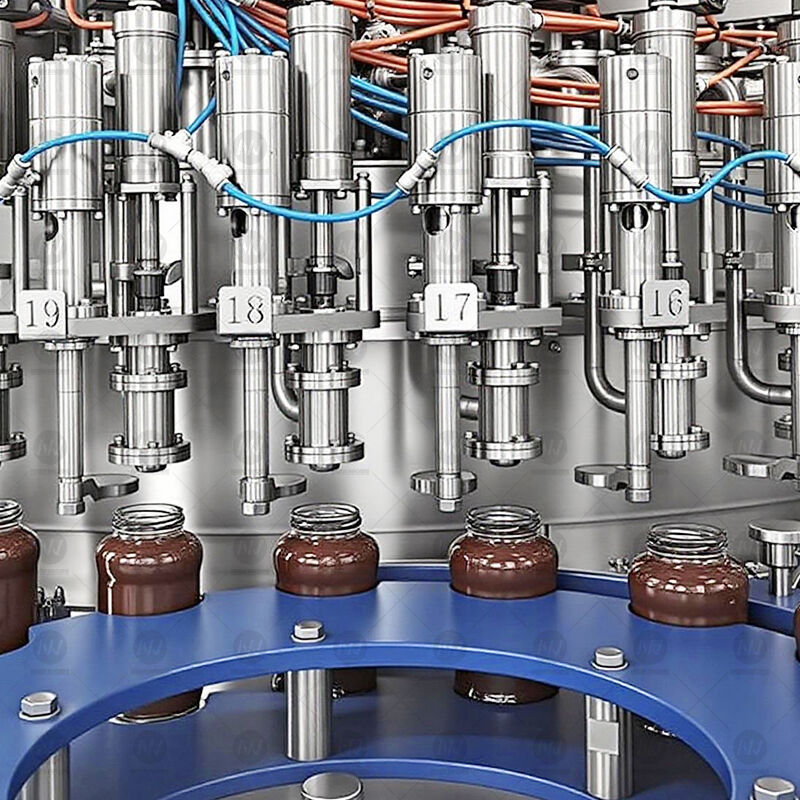
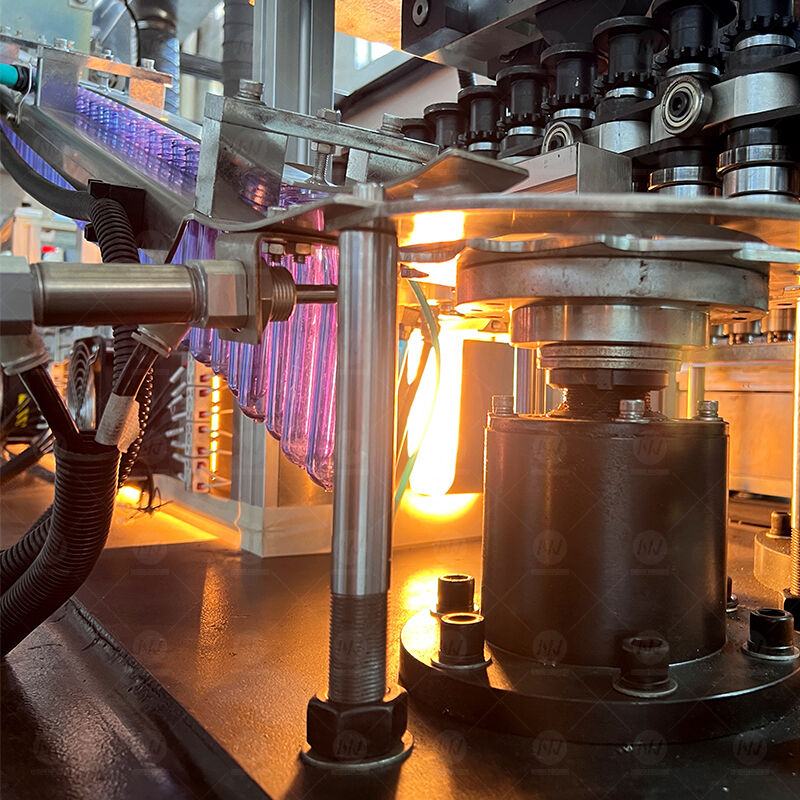
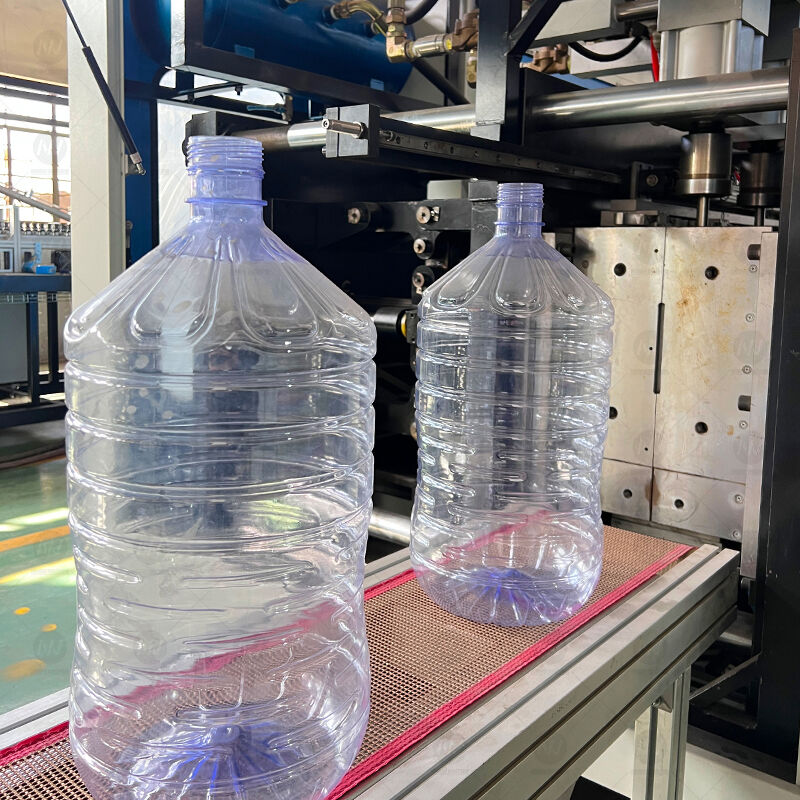
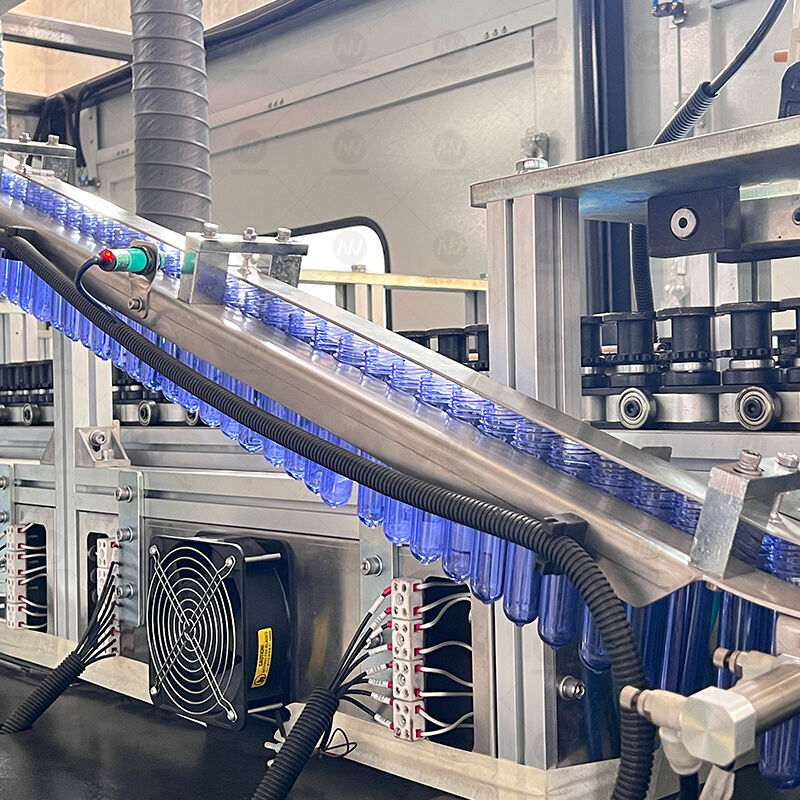
A pet bottle blowing machine represents a sophisticated piece of manufacturing equipment designed to transform preformed plastic materials into finished bottles through an innovative stretch blow molding process. This advanced machinery serves as the backbone of modern beverage and packaging industries, enabling manufacturers to produce high-quality plastic containers with exceptional precision and consistency. The pet bottle blowing machine operates by heating preformed plastic materials to optimal temperatures, then using compressed air to stretch and mold these materials into desired bottle shapes within specially designed molds. The technological framework of these machines incorporates multiple integrated systems working in perfect harmony. The heating system ensures uniform temperature distribution across preforms, while the stretching mechanism provides controlled expansion to achieve optimal bottle wall thickness. The blow molding chamber maintains precise pressure parameters throughout the formation process, ensuring consistent bottle quality and structural integrity. Modern pet bottle blowing machines feature computerized control systems that monitor and adjust various parameters automatically, including temperature settings, pressure levels, timing sequences, and production speeds. These machines accommodate diverse bottle designs, ranging from small water bottles to large containers for industrial applications. The versatility extends to handling different plastic materials, though PET remains the primary focus due to its excellent properties for food and beverage packaging. Safety features are integral components, including emergency stop mechanisms, protective barriers, and automated quality control systems that detect and reject defective products. Energy efficiency has become increasingly important, with newer models incorporating heat recovery systems and optimized heating elements that reduce overall power consumption. The production capacity varies significantly across different models, from small-scale operations producing hundreds of bottles per hour to industrial-grade systems capable of manufacturing thousands of units hourly. Maintenance requirements are designed to be user-friendly, with easily accessible components and comprehensive diagnostic systems that facilitate preventive maintenance schedules and minimize unexpected downtime.

 EN
EN