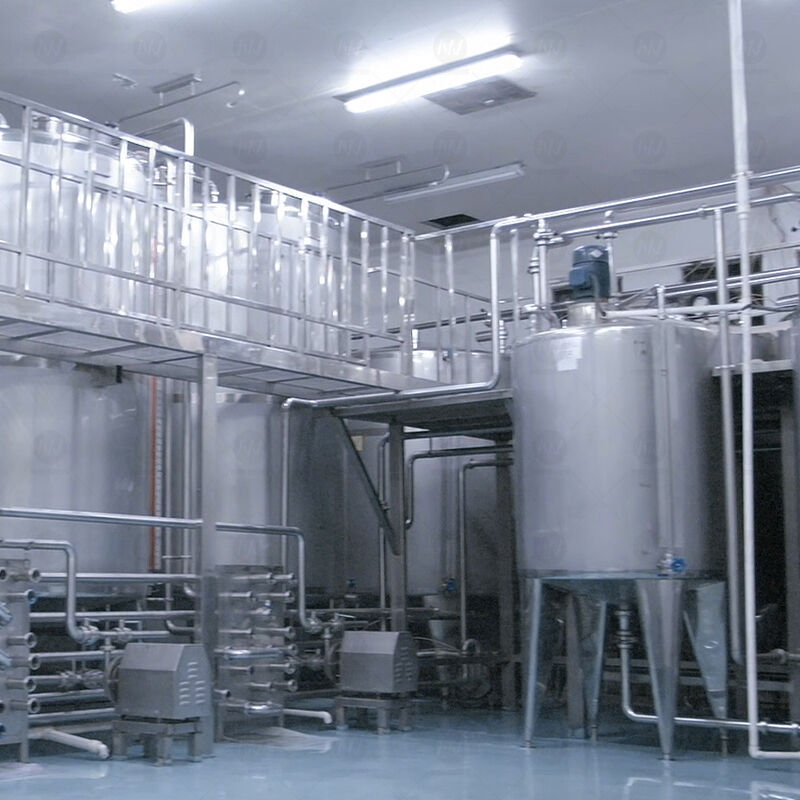
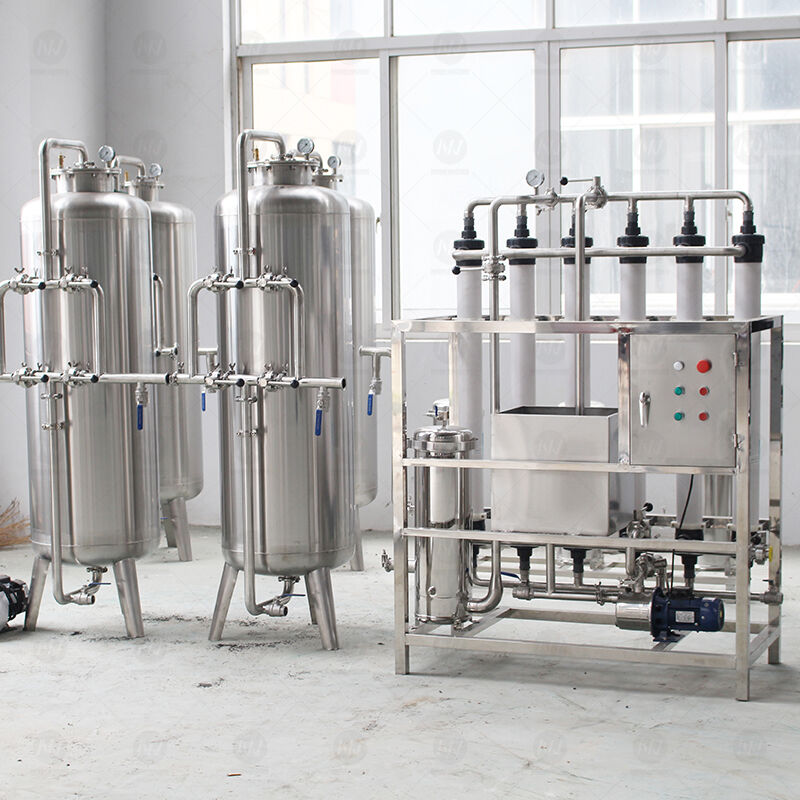
pure water machine price
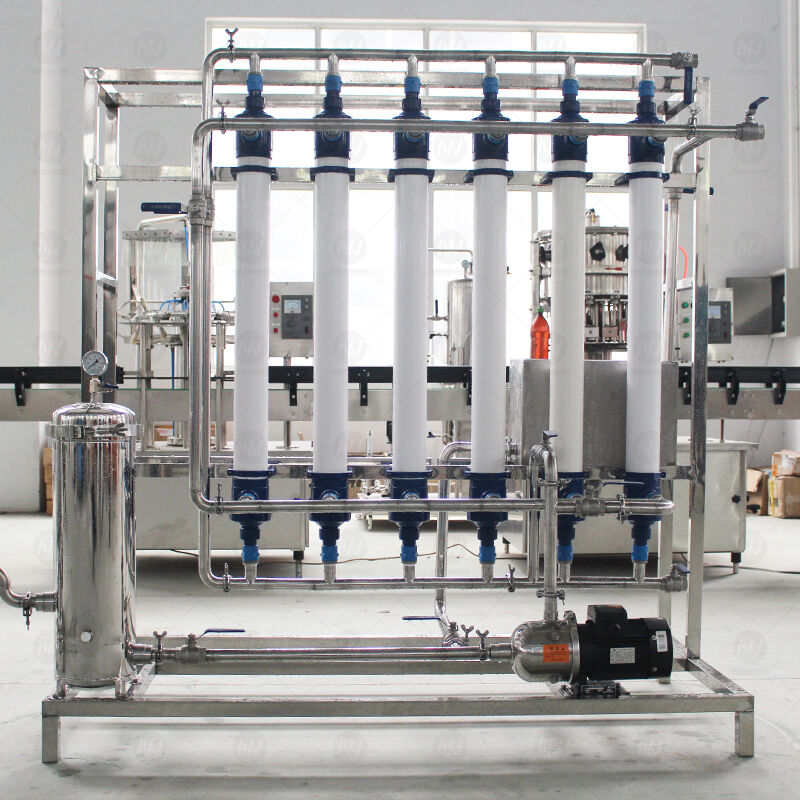
Understanding pure water machine price requires examining the comprehensive value these systems deliver across residential, commercial, and industrial applications. Modern pure water machines utilize advanced filtration technologies including reverse osmosis, UV sterilization, and multi-stage carbon filtration to remove contaminants, bacteria, viruses, and dissolved solids from water sources. The pure water machine price varies significantly based on capacity, technology sophistication, and intended usage scenarios. Entry-level residential units typically start around $200-500, while commercial-grade systems can range from $1,000-5,000, and industrial pure water machines often exceed $10,000 depending on production capacity and specialized requirements. These machines incorporate cutting-edge features such as automated monitoring systems, smart sensors for water quality detection, and programmable maintenance schedules. The technology behind pure water machine price determination includes consideration of filtration stages, membrane quality, pump efficiency, and control system sophistication. Most units feature multiple purification methods working simultaneously, ensuring water meets stringent purity standards for drinking, cooking, medical applications, or manufacturing processes. Installation requirements, maintenance costs, and operational efficiency significantly impact the overall pure water machine price structure. Advanced models include real-time water quality displays, smartphone connectivity for remote monitoring, and energy-efficient designs that reduce long-term operating expenses. The pure water machine price reflects not only initial equipment costs but also filter replacement schedules, electricity consumption, and professional service requirements. Modern systems are designed for user-friendly operation with automatic flushing cycles, self-diagnostic capabilities, and alert systems for maintenance needs. When evaluating pure water machine price options, consumers should consider water source quality, daily consumption requirements, space constraints, and specific purity standards needed for their applications.

 EN
EN