purifying water machine prices
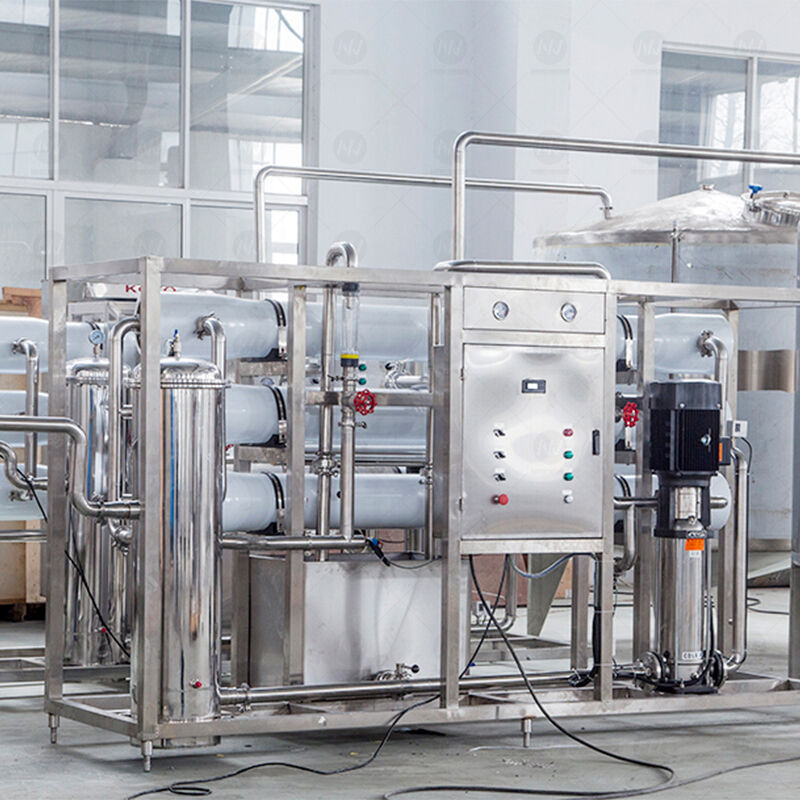
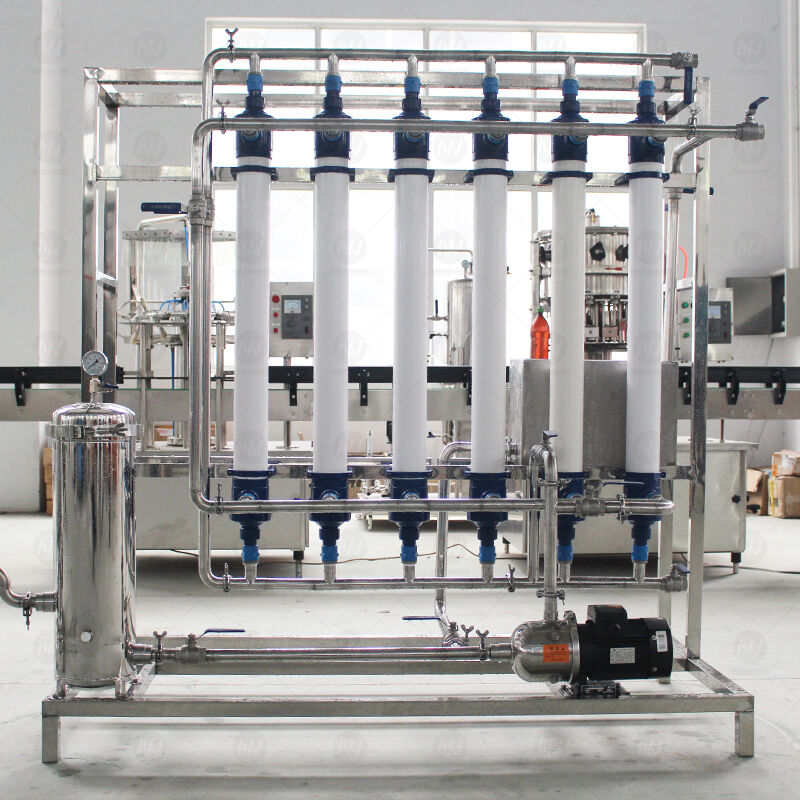
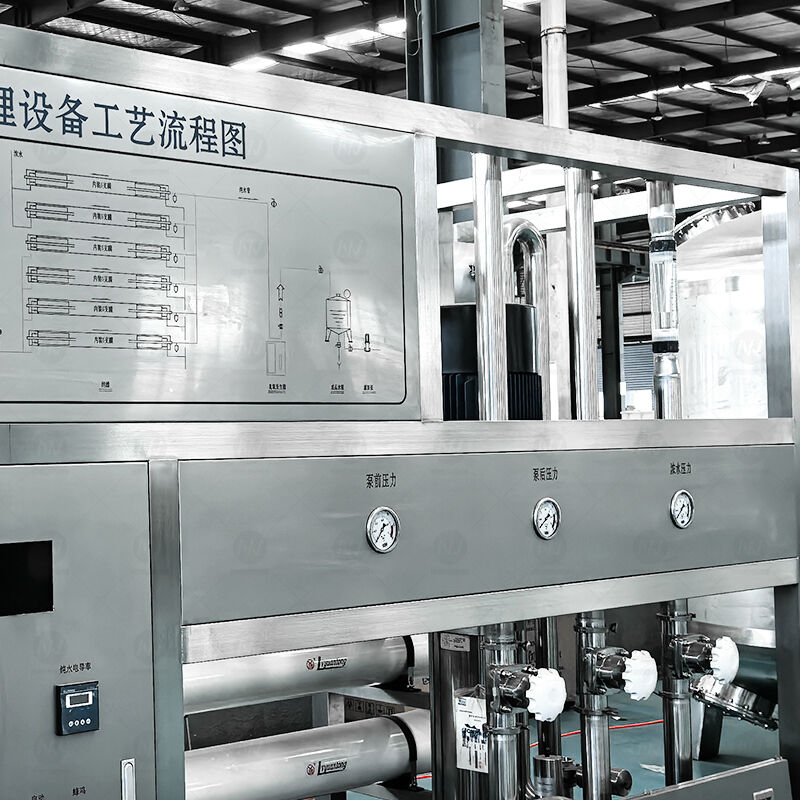
Understanding purifying water machine prices requires examining the comprehensive value these systems deliver through advanced filtration technology and reliable performance. Modern water purification systems incorporate multiple filtration stages, typically featuring sediment filters, activated carbon blocks, reverse osmosis membranes, and UV sterilization components. These technological features work synergistically to eliminate contaminants including chlorine, heavy metals, bacteria, viruses, and dissolved solids from your water supply. The main functions encompass comprehensive contaminant removal, taste and odor improvement, mineral retention capabilities, and consistent water quality maintenance. Purifying water machine prices vary significantly based on filtration capacity, technology sophistication, and brand reputation, with residential units ranging from budget-friendly countertop models to premium whole-house systems. Applications span residential kitchens, commercial establishments, industrial facilities, and healthcare environments where water quality standards demand exceptional purity levels. The technological features include smart monitoring systems that track filter life, automatic shut-off mechanisms for safety, and digital displays providing real-time water quality information. Advanced models integrate IoT connectivity, enabling remote monitoring and maintenance scheduling through smartphone applications. Purifying water machine prices reflect the engineering complexity behind multi-stage filtration processes, incorporating cutting-edge membrane technology and sophisticated control systems. These systems effectively address various water quality challenges, from municipal treatment plant limitations to well water contamination issues. The price spectrum accommodates different household sizes and consumption patterns, ensuring suitable options for apartments, single-family homes, and large commercial operations. Understanding purifying water machine prices helps consumers make informed decisions based on their specific water quality needs, budget constraints, and long-term operational considerations, ultimately delivering clean, safe, and great-tasting water for daily consumption and cooking applications.
 EN
EN