Advanced Water Bottling Line Solutions - Complete Automated Production Systems for Premium Water Manufacturing

Requesting a Call:

+8615601563990

Online Support

[email protected]

WhatsApp

+86-15601563990

water bottling line

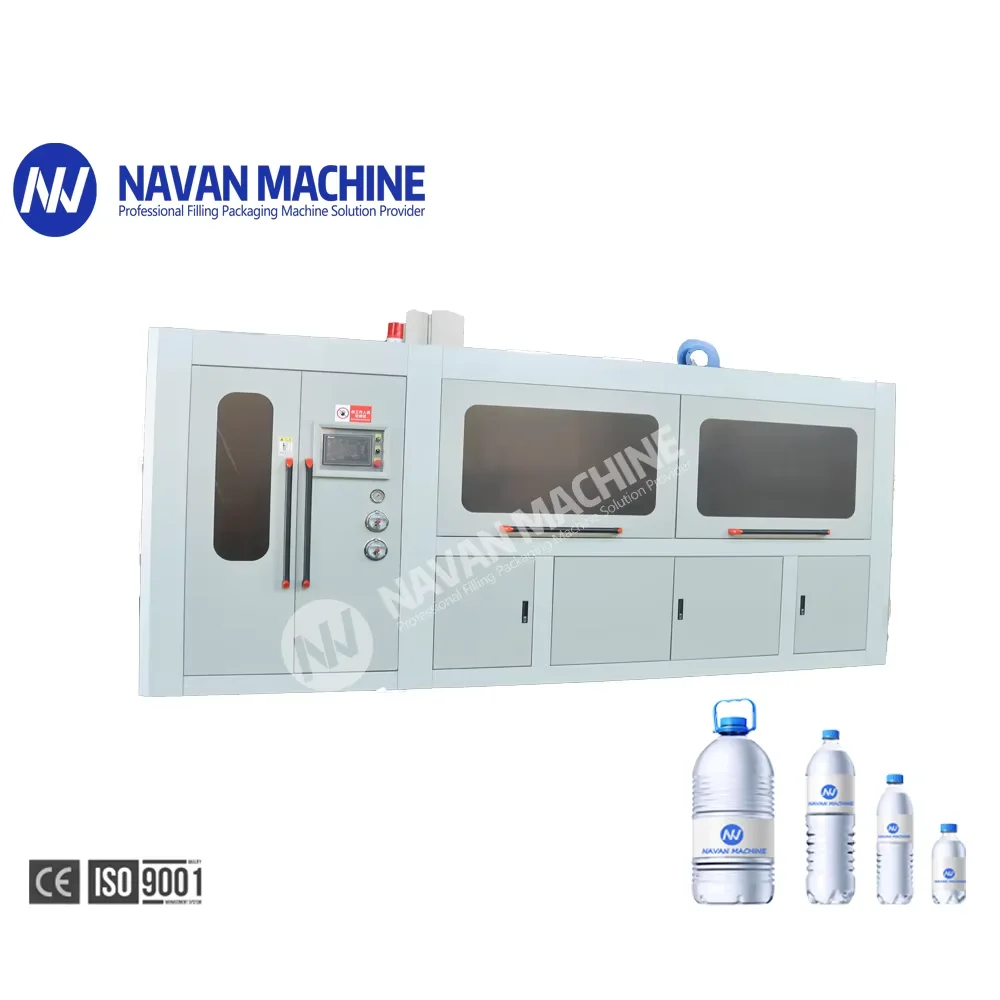
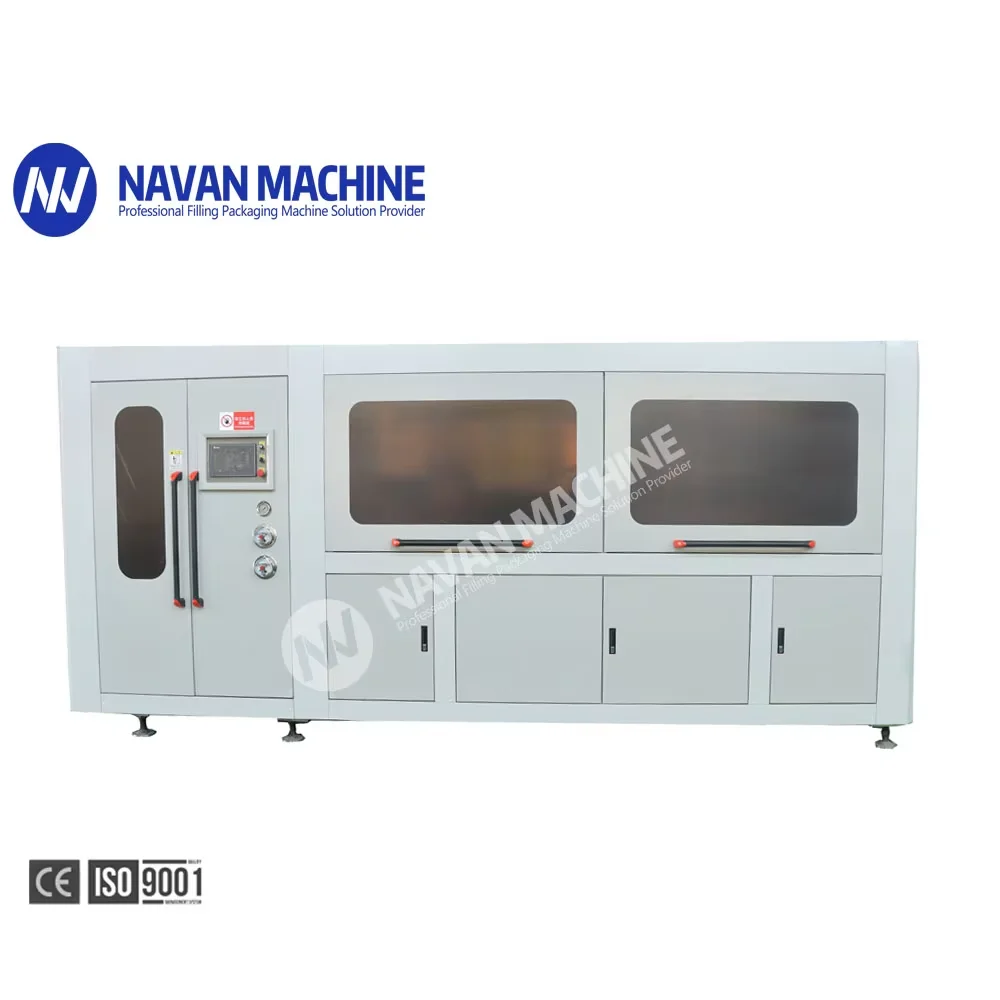
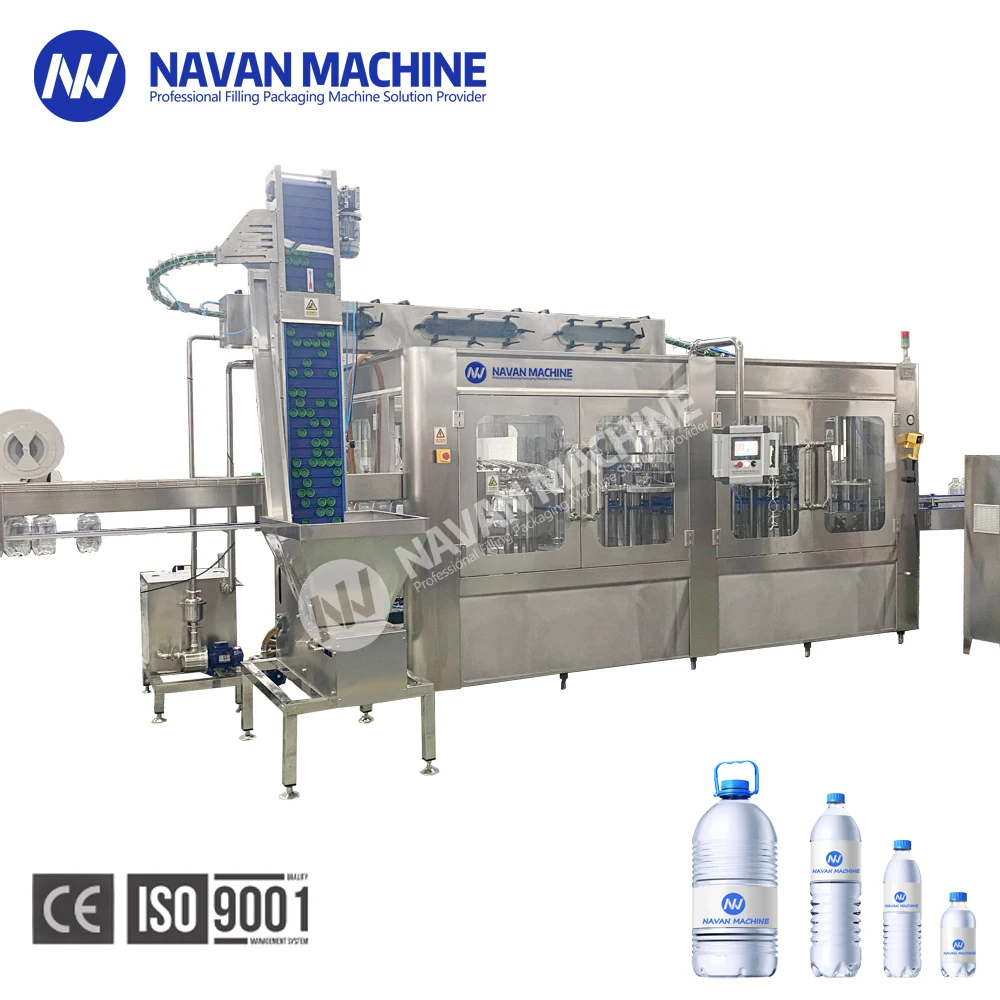
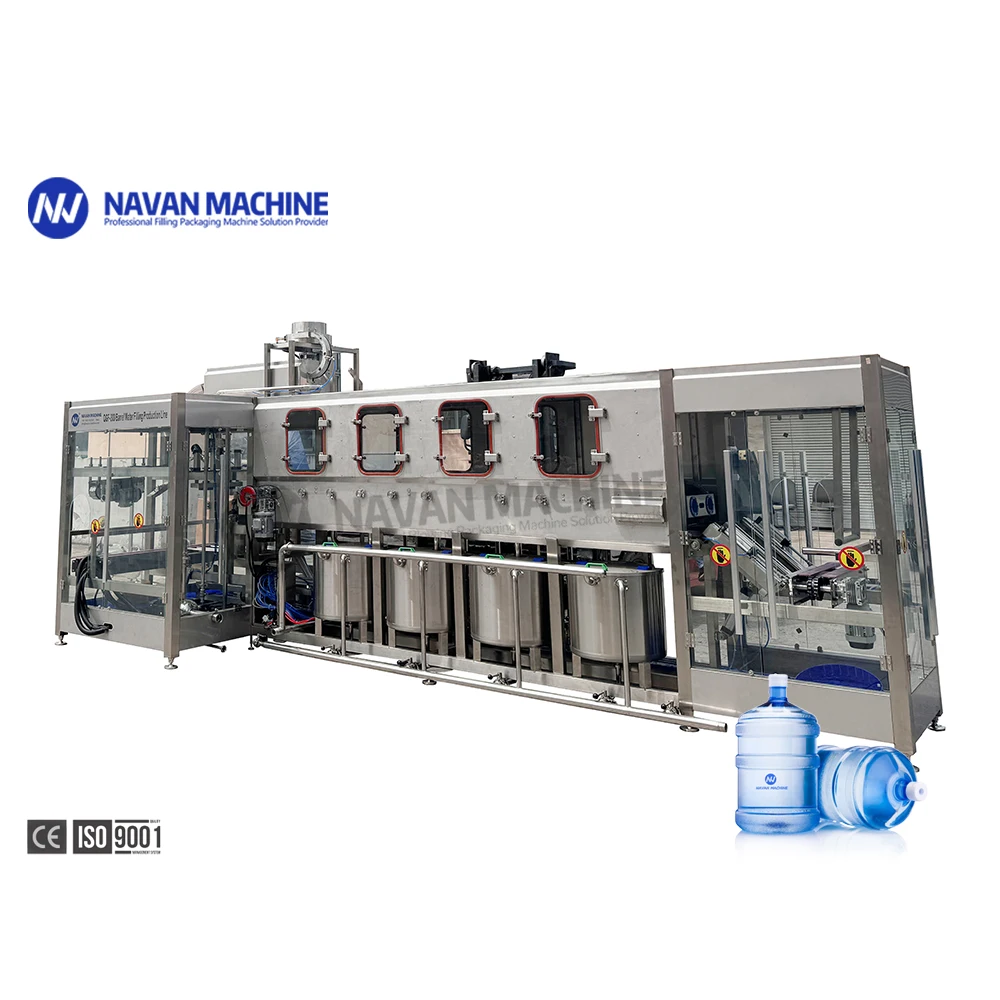
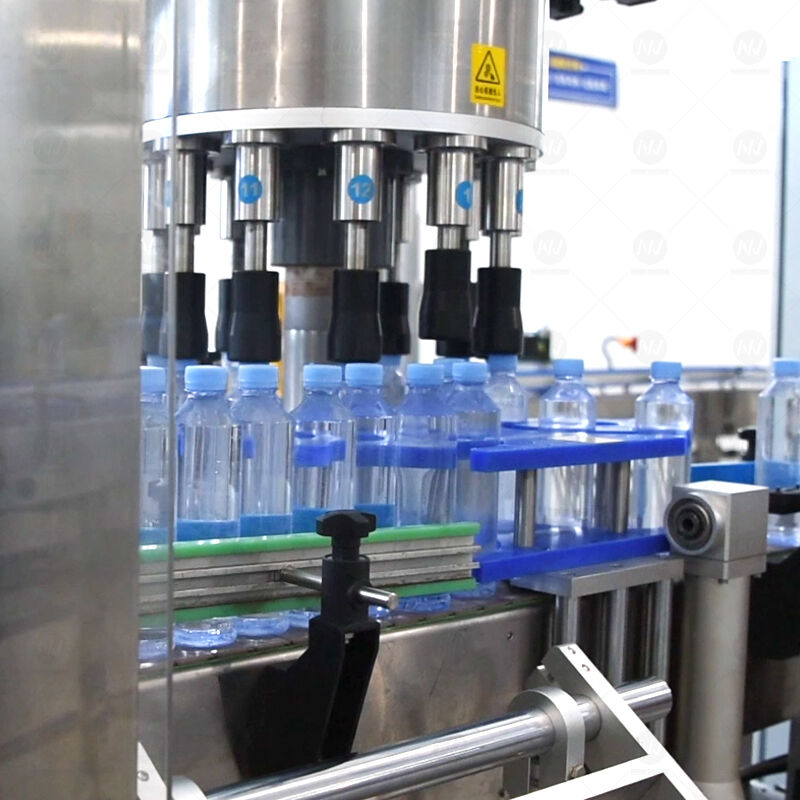
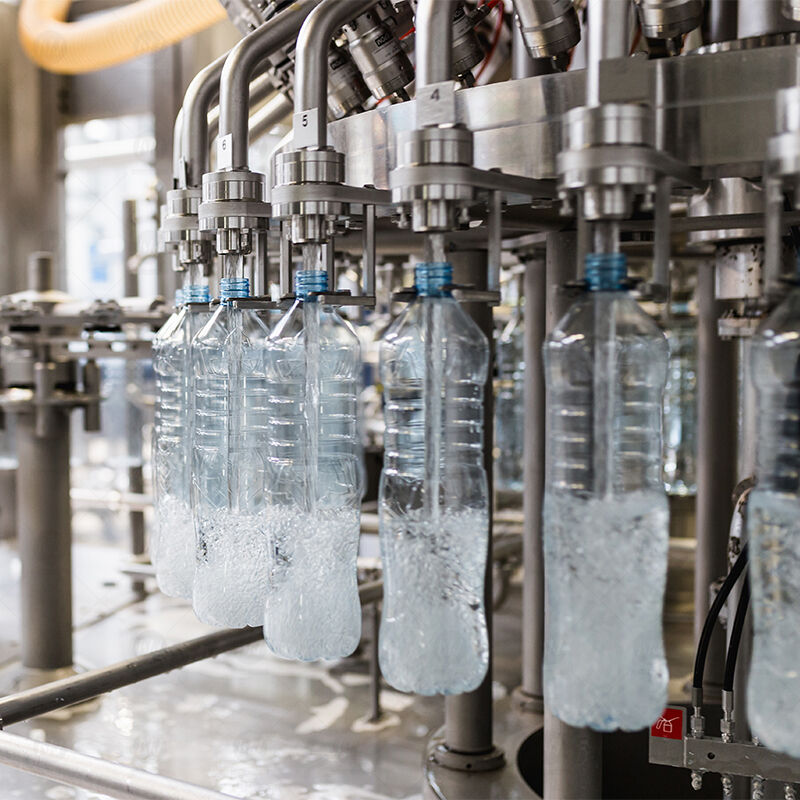
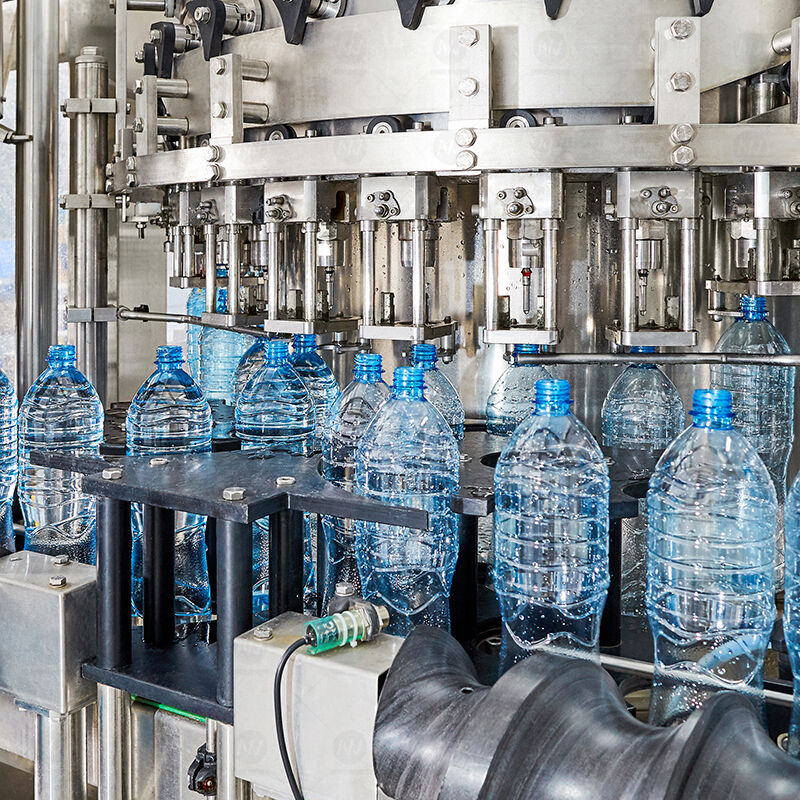
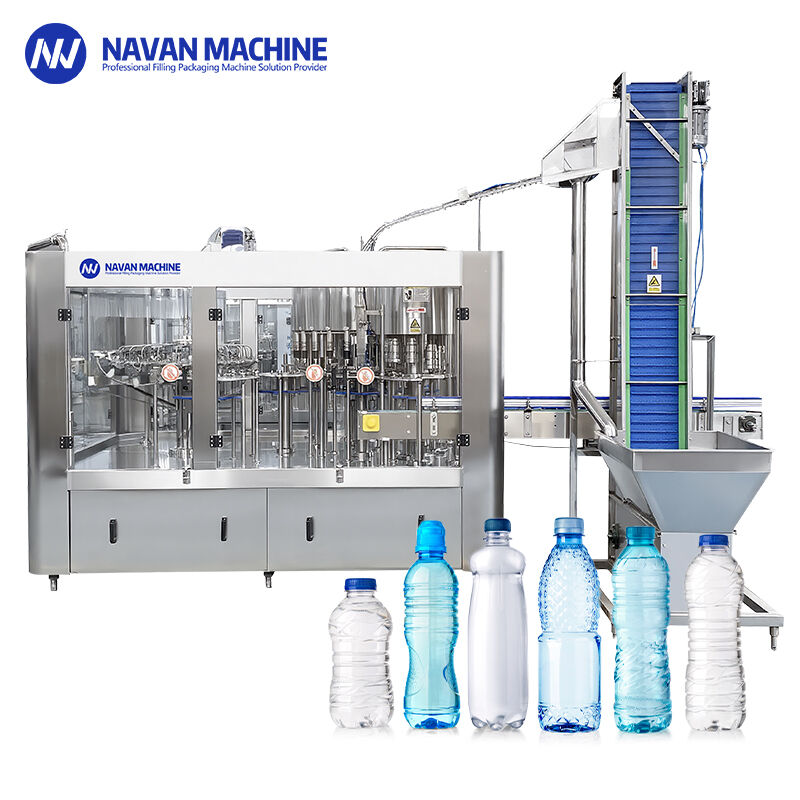
A water bottling line represents a comprehensive automated manufacturing system designed to transform raw water into packaged consumer products through a series of interconnected processes. This sophisticated production system encompasses multiple stages including water treatment, purification, sterilization, bottle preparation, filling, capping, labeling, and packaging. Modern water bottling lines integrate cutting-edge technology to ensure consistent product quality while maximizing operational efficiency and maintaining strict hygiene standards throughout the entire production cycle. The water bottling line begins with raw water intake where source water undergoes preliminary filtration to remove larger particles and sediments. Advanced filtration systems then employ multiple stages of purification including sand filtration, carbon filtration, reverse osmosis, and ultraviolet sterilization to eliminate contaminants, bacteria, and unwanted minerals. The purified water is temporarily stored in sanitized holding tanks before entering the filling station. Simultaneously, empty bottles undergo thorough cleaning through automated washing systems that use hot water rinses and sanitizing solutions to ensure sterility. The filling process utilizes precision volumetric or gravity-fed systems that accurately dispense predetermined quantities of water into each bottle while maintaining consistent fill levels. Capping mechanisms then apply closures with controlled torque specifications to prevent leakage while ensuring easy consumer access. Labeling stations apply product information, branding elements, and regulatory compliance details using adhesive or shrink-wrap technologies. Quality control checkpoints throughout the water bottling line employ sensors, cameras, and automated inspection systems to detect irregularities in fill levels, cap placement, label alignment, and overall product integrity. Finally, packaging systems group bottles into cases, shrink-wrap multipacks, or palletize units for distribution. Modern water bottling lines incorporate programmable logic controllers, human-machine interfaces, and data monitoring systems that enable real-time production tracking, predictive maintenance scheduling, and comprehensive quality assurance reporting for optimal operational performance.

New Products

Water bottling lines deliver substantial cost savings through automated processes that significantly reduce labor requirements while simultaneously increasing production capacity beyond traditional manual operations. These systems eliminate human error in critical processes like filling accuracy, cap application, and quality inspection, resulting in consistent product standards that enhance brand reputation and customer satisfaction. The automated nature of water bottling lines enables manufacturers to achieve higher output volumes with fewer personnel, directly translating to lower per-unit production costs and improved profit margins. Energy efficiency represents another major advantage as modern water bottling lines incorporate variable frequency drives, optimized motor systems, and intelligent power management that reduce electricity consumption compared to older mechanical systems. Water bottling lines provide exceptional flexibility in accommodating different bottle sizes, shapes, and materials without requiring extensive equipment modifications, allowing manufacturers to diversify product offerings and respond quickly to market demands. The integrated quality control systems continuously monitor every aspect of production, immediately identifying and rejecting defective products before they reach consumers, thereby protecting brand integrity and reducing costly recalls or customer complaints. Hygiene maintenance becomes streamlined through automated cleaning-in-place systems that sanitize equipment surfaces and piping networks without manual intervention, ensuring compliance with stringent food safety regulations while minimizing downtime. Water bottling lines generate comprehensive production data that enables manufacturers to optimize processes, predict maintenance needs, and identify improvement opportunities through detailed analytics and reporting capabilities. The compact footprint of modern water bottling lines maximizes facility utilization while maintaining high production volumes, making them suitable for both large-scale industrial operations and smaller regional facilities. Scalability features allow businesses to expand production capacity incrementally by adding modules or upgrading components rather than replacing entire systems, providing cost-effective growth solutions. The reduced physical demands on workers improve workplace safety by eliminating repetitive manual tasks and exposure to potential hazards associated with heavy lifting, chemical handling, and equipment operation. Finally, water bottling lines contribute to environmental sustainability through precise resource management that minimizes water waste, reduces packaging material consumption, and optimizes energy usage throughout the production process.

Tips And Tricks

How Does a Water Filling Line Maintain Hygiene and Product Purity?

31

Oct

How Does a Water Filling Line Maintain Hygiene and Product Purity?

Ensuring Safety and Quality in Beverage Production Systems The modern beverage industry faces an ever-growing challenge to maintain impeccable hygiene standards while meeting increasing production demands. At the heart of this challenge lies the wate...
View More
What Factors Should You Consider When Choosing a Bottle Filling Machine?

31

Oct

What Factors Should You Consider When Choosing a Bottle Filling Machine?

Essential Considerations for Industrial Bottle Filling Equipment Selecting the right bottle filling machine for your production line is a crucial decision that impacts efficiency, product quality, and bottom-line profitability. Whether you're expandi...
View More
What Technologies Ensure Freshness and Shelf Life in Beer Filling Systems?

31

Oct

What Technologies Ensure Freshness and Shelf Life in Beer Filling Systems?

Modern Innovations in Beer Filling Technology The brewing industry has witnessed remarkable technological advancements in beer filling systems, revolutionizing how breweries maintain product freshness and extend shelf life. Today's sophisticated beer...
View More
How Does a Jam Filling Machine Handle Thick and Sticky Products Efficiently?

31

Oct

How Does a Jam Filling Machine Handle Thick and Sticky Products Efficiently?

Understanding Modern Industrial Jam Processing Equipment The food processing industry has witnessed remarkable technological advancements, particularly in the realm of handling viscous products. At the heart of efficient jam production lies the sophi...
View More

Get a Free Quote

Our representative will contact you soon.
Email
Name
Company Name
Message
0/1000

water bottling line

Advanced Automation Technology

Advanced Automation Technology

The cornerstone of modern water bottling lines lies in their sophisticated automation technology that revolutionizes beverage manufacturing through intelligent process control and seamless integration of multiple production stages. These systems employ state-of-the-art programmable logic controllers that coordinate every aspect of production from water treatment initiation to final product packaging with precision timing and exceptional reliability. The automation technology encompasses servo-driven filling stations that achieve remarkable accuracy in volume dispensing, ensuring each bottle contains the exact specified amount of water while maintaining consistency across thousands of units per hour. Robotic handling systems manage bottle transportation throughout the production line with gentle precision that prevents damage while maintaining optimal throughput rates. Vision inspection systems utilize high-resolution cameras and advanced image processing algorithms to detect even microscopic defects in bottles, caps, labels, and fill levels, automatically rejecting substandard products before they proceed to packaging stages. The human-machine interface provides operators with intuitive touchscreen controls that simplify complex operations while offering real-time monitoring of production parameters, equipment status, and quality metrics. Smart sensors throughout the water bottling line continuously collect data on temperature, pressure, flow rates, and other critical variables, feeding this information to centralized control systems that make instantaneous adjustments to maintain optimal operating conditions. Predictive maintenance capabilities analyze equipment performance patterns to forecast potential failures before they occur, scheduling preventive maintenance during planned downtime periods that minimize production interruptions. The automation technology also includes automatic recipe management that stores multiple product configurations, enabling rapid changeovers between different bottle sizes or water types with minimal setup time. Remote monitoring capabilities allow technical support teams to diagnose issues and provide assistance from distant locations, reducing response times and minimizing production delays. This comprehensive automation approach not only maximizes operational efficiency but also ensures consistent product quality that meets the highest industry standards while reducing the skill level required for routine operation and maintenance tasks.
Comprehensive Quality Assurance Systems

Comprehensive Quality Assurance Systems

Water bottling lines incorporate multi-layered quality assurance systems that establish uncompromising standards for product safety, consistency, and regulatory compliance throughout every stage of the manufacturing process. These comprehensive systems begin with incoming water quality analysis that employs advanced testing equipment to verify source water meets predetermined purity specifications before treatment begins. Real-time monitoring of filtration and purification stages tracks contaminant removal efficiency, ensuring treated water consistently achieves target quality parameters for minerals, bacteria, and chemical compounds. The quality assurance framework includes automated bottle inspection stations that examine container integrity, detecting cracks, chips, or dimensional irregularities that could compromise product safety or consumer satisfaction. Precision fill level verification utilizes sophisticated measurement technologies to confirm each bottle contains the correct volume while identifying overfills or underfills that could result in customer complaints or regulatory violations. Cap torque monitoring systems verify proper closure application with appropriate sealing force that prevents leakage during transportation and storage while ensuring easy opening for consumers. Label inspection technologies examine placement accuracy, print quality, and adhesion strength to maintain professional product appearance and regulatory compliance with required information display. Microbiological testing protocols sample products at regular intervals throughout production runs, conducting rapid pathogen detection to confirm sterility and prevent contaminated products from reaching distribution channels. Documentation systems maintain detailed records of all quality control measurements, test results, and corrective actions, creating comprehensive traceability that supports regulatory audits and facilitates rapid response to any quality concerns. The quality assurance systems also include environmental monitoring of production areas, tracking air quality, temperature, and humidity levels that could impact product integrity or equipment performance. Automated rejection mechanisms immediately remove non-conforming products from production lines while generating alerts that notify operators of potential issues requiring attention. Statistical process control capabilities analyze quality data trends to identify process variations before they result in defective products, enabling proactive adjustments that maintain consistent output quality and minimize waste generation throughout the entire production cycle.
Flexible Production Capabilities

Flexible Production Capabilities

Modern water bottling lines demonstrate exceptional versatility through flexible production capabilities that enable manufacturers to adapt quickly to changing market demands, accommodate diverse product portfolios, and optimize facility utilization across multiple applications. These adaptable systems feature modular designs that support rapid format changeovers between different bottle sizes, ranging from small single-serve containers to large family-size jugs, without requiring extensive mechanical modifications or lengthy setup procedures. The flexibility extends to bottle materials, accommodating PET, glass, and various plastic formulations while maintaining optimal handling characteristics and processing parameters for each material type. Quick-change components throughout the water bottling line enable efficient transitions between product variants, including still water, flavored varieties, and enhanced formulations with added minerals or vitamins. Adjustable conveyor systems automatically reconfigure spacing, height, and guidance parameters to match specific container dimensions, ensuring smooth product flow regardless of packaging format. Variable speed controls allow operators to optimize production rates for different products or market conditions, scaling output from minimal pilot runs to maximum capacity operations while maintaining quality standards. The flexible production capabilities include programmable recipe management that stores detailed parameters for numerous product configurations, enabling one-touch changeovers that minimize downtime and reduce the potential for setup errors. Multi-format labeling stations accommodate various label sizes, shapes, and application methods, supporting diverse branding requirements and seasonal promotional campaigns without equipment modifications. Packaging flexibility allows the same water bottling line to produce individual bottles, multi-packs, cases, or bulk packaging configurations using interchangeable end-of-line equipment modules. The systems also support co-packing operations where manufacturers can produce private label products for multiple brands using the same equipment with different packaging specifications. Advanced scheduling software optimizes production sequences to minimize changeover frequency while maximizing overall equipment effectiveness across diverse product mixes. This remarkable flexibility enables businesses to respond rapidly to market opportunities, test new product concepts with minimal investment, and maintain competitive advantages through efficient utilization of manufacturing assets while serving multiple market segments from a single production facility.

Get a Free Quote

Our representative will contact you soon.
Email
Name
Company Name
Message
0/1000

Get a Free Quote

Our representative will contact you soon.
Email
Name
Company Name
Message
0/1000
TopTop