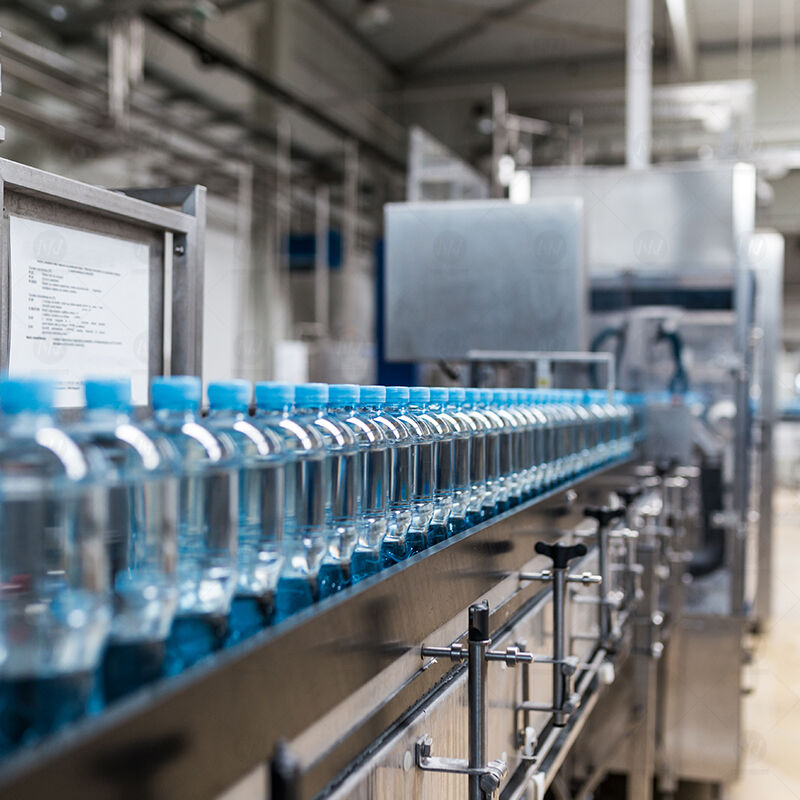
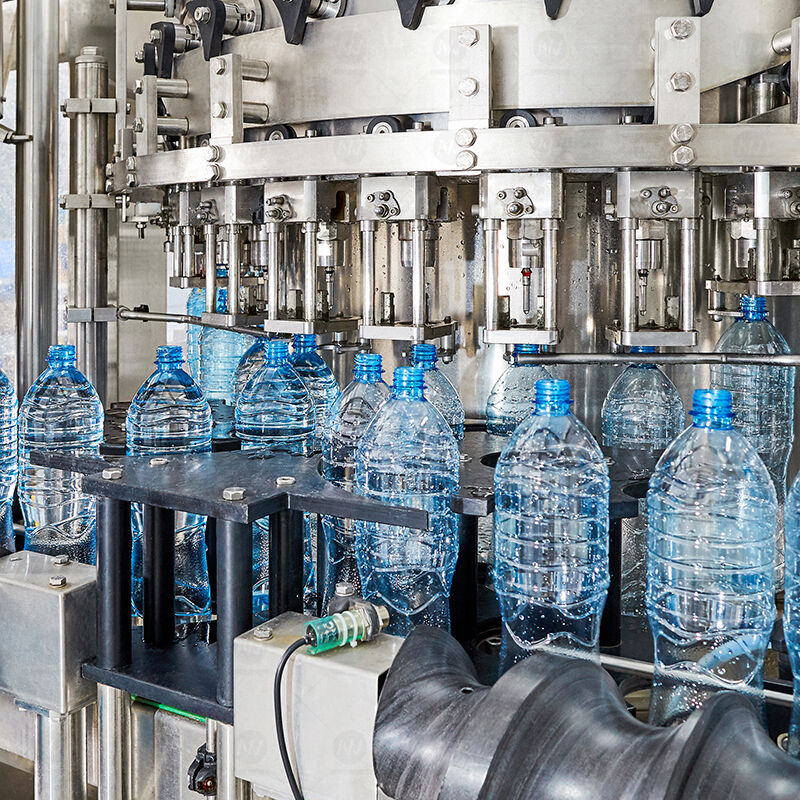
water bottling systems
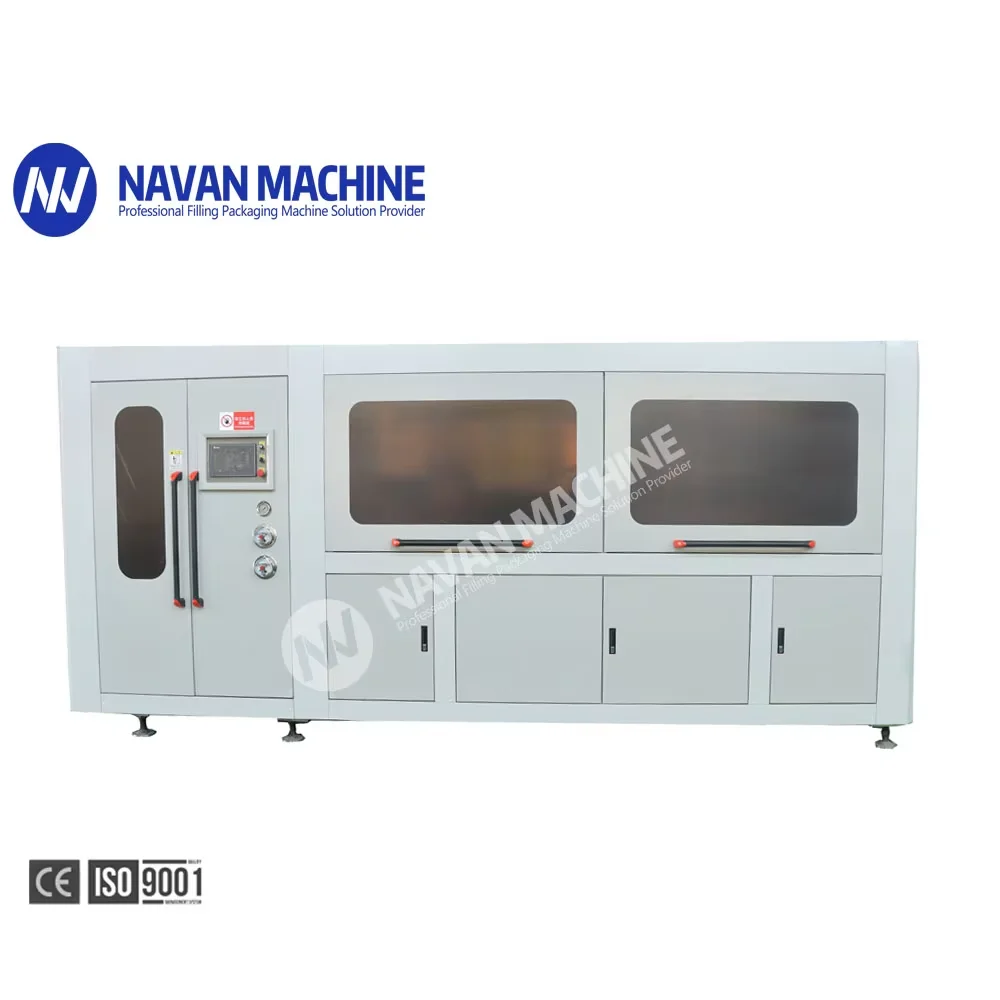
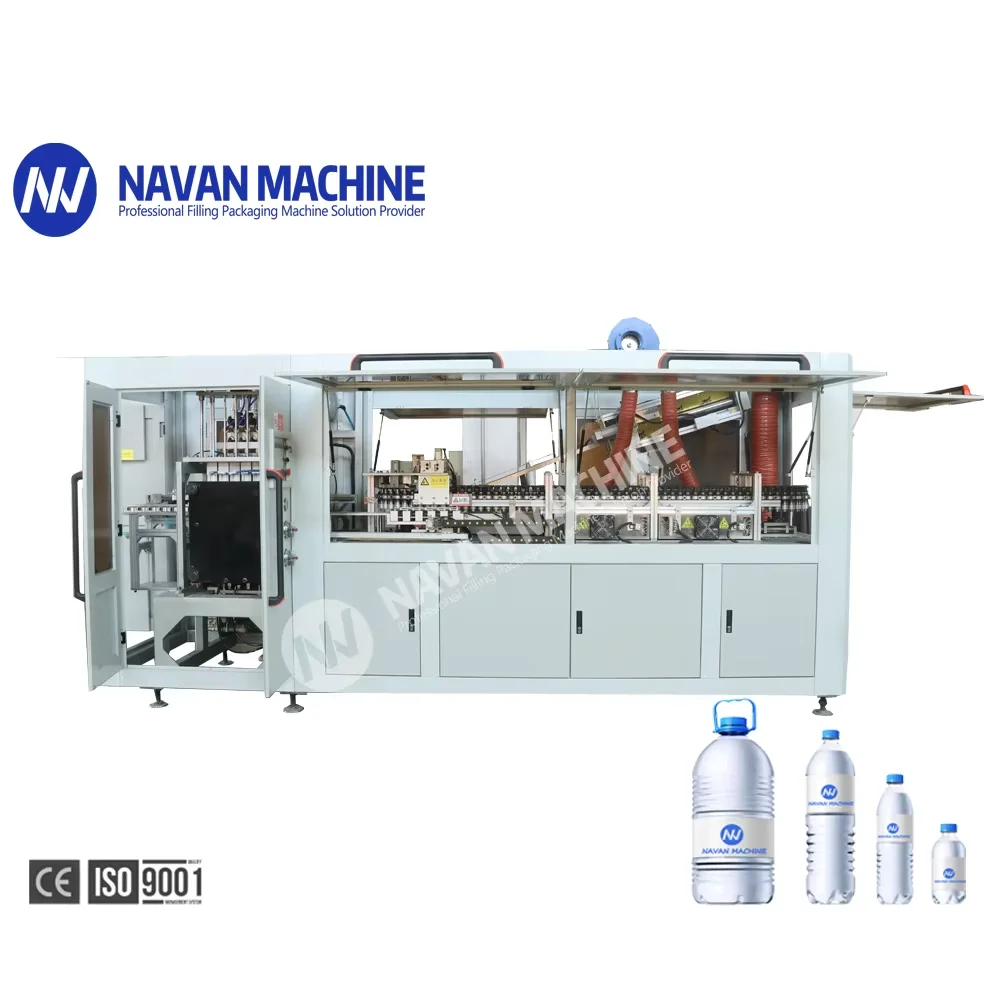
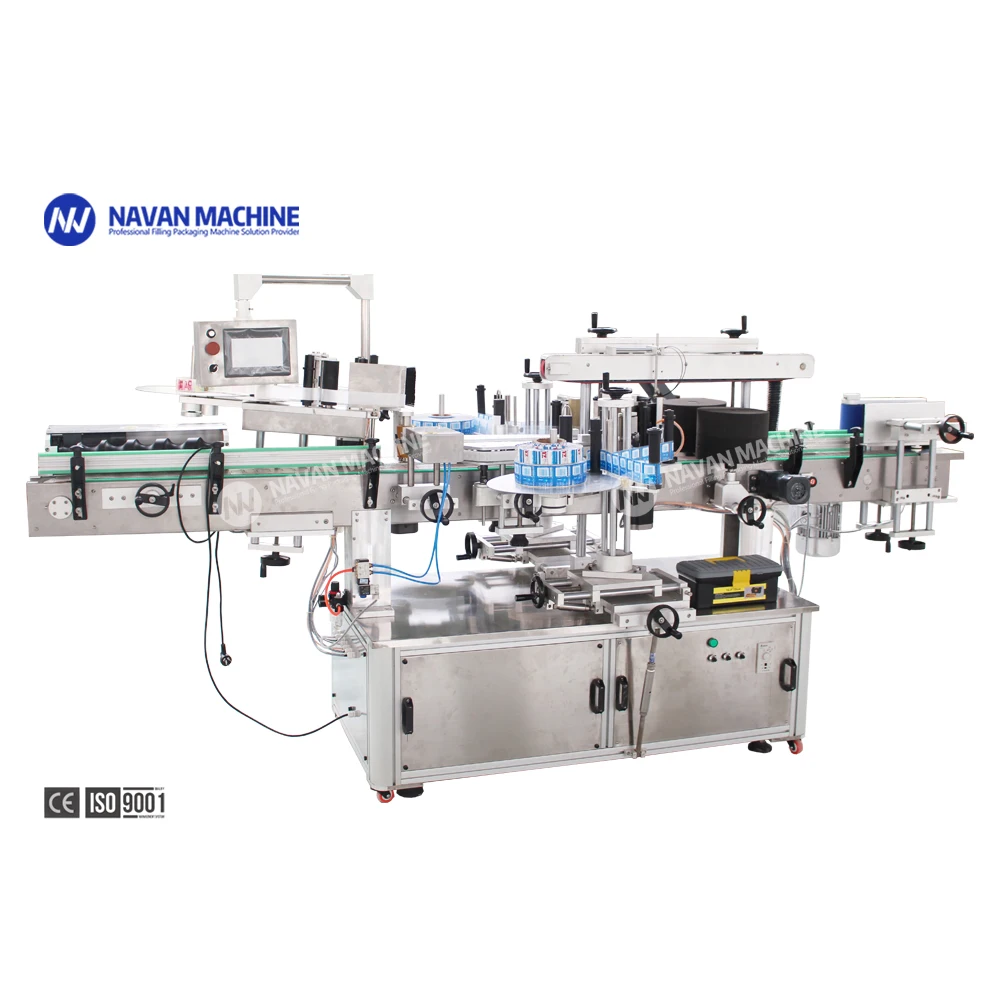
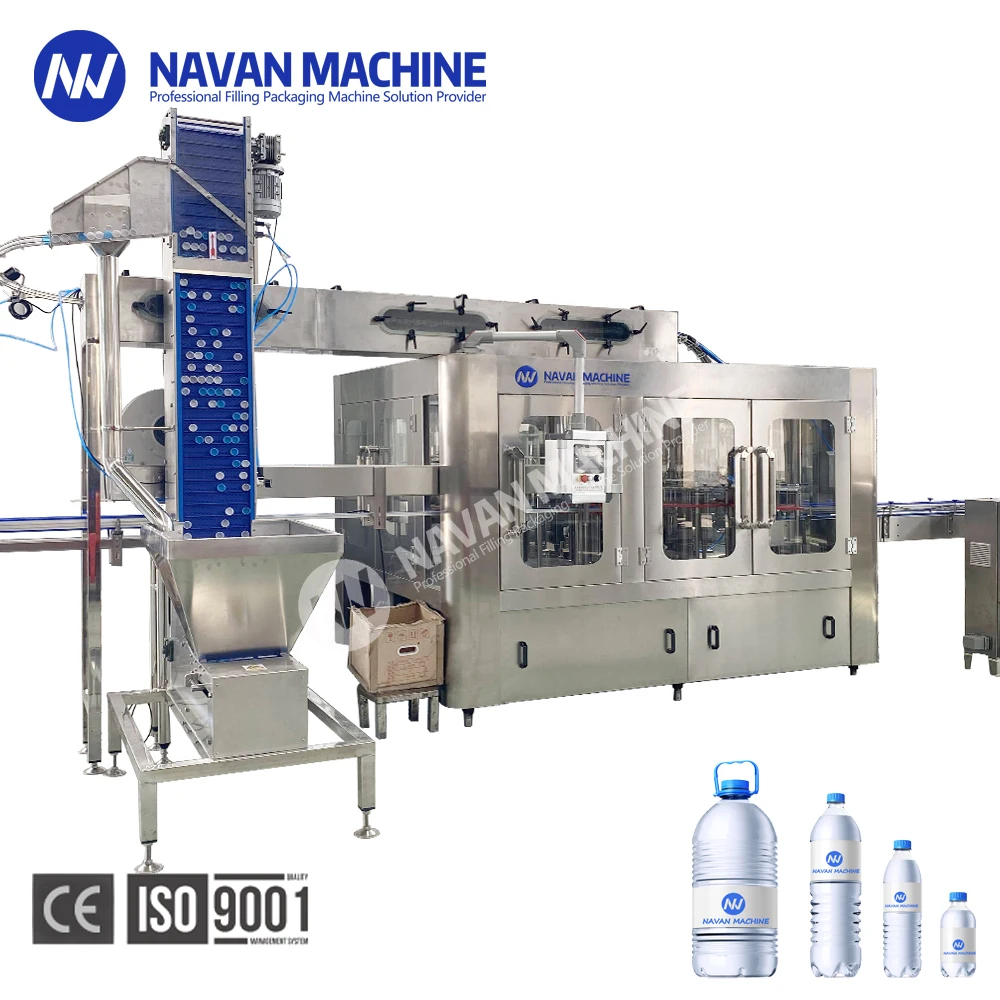
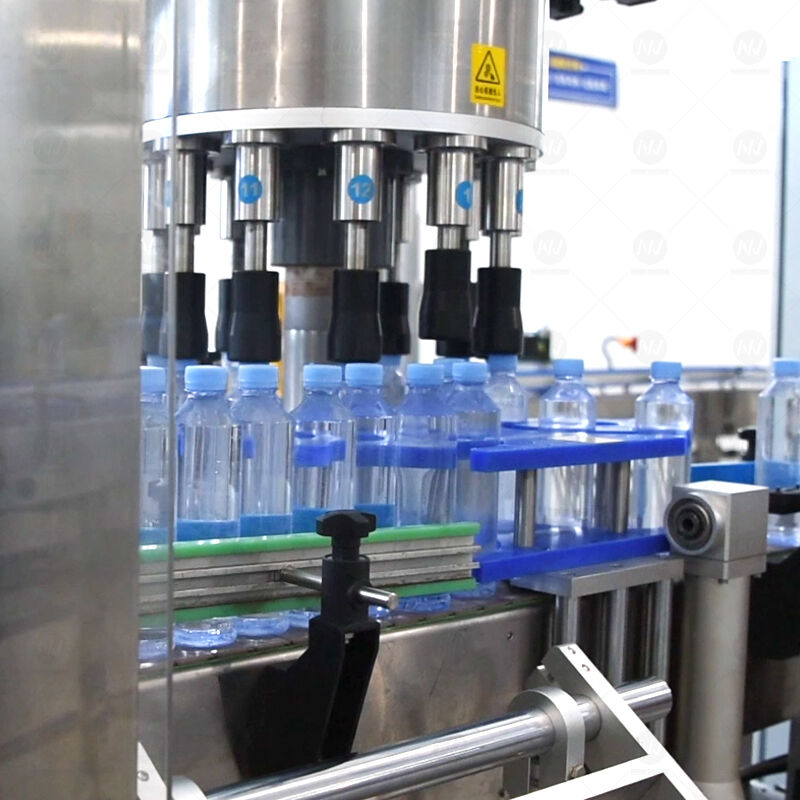
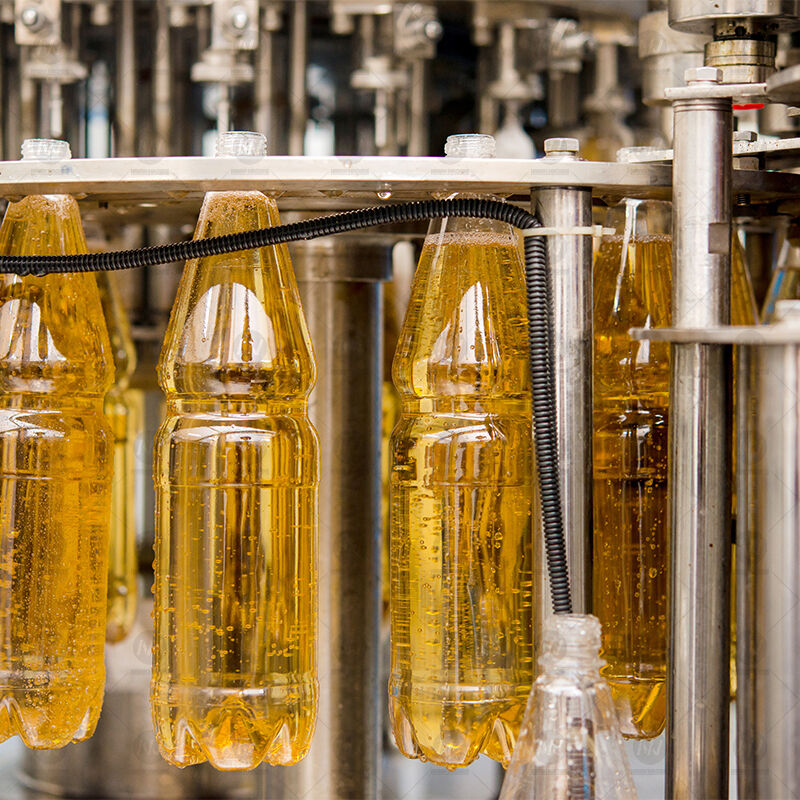
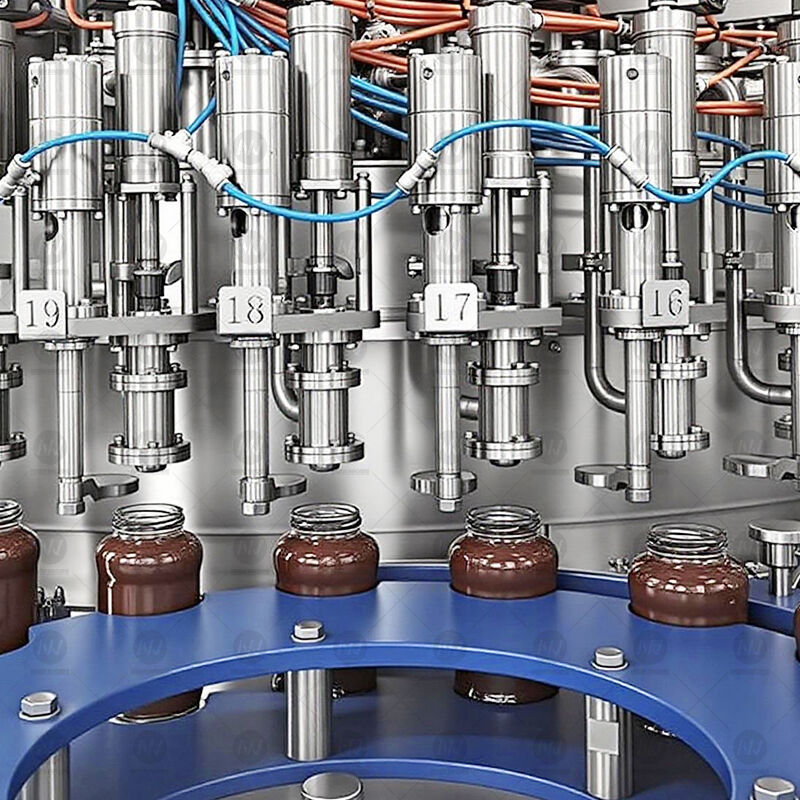
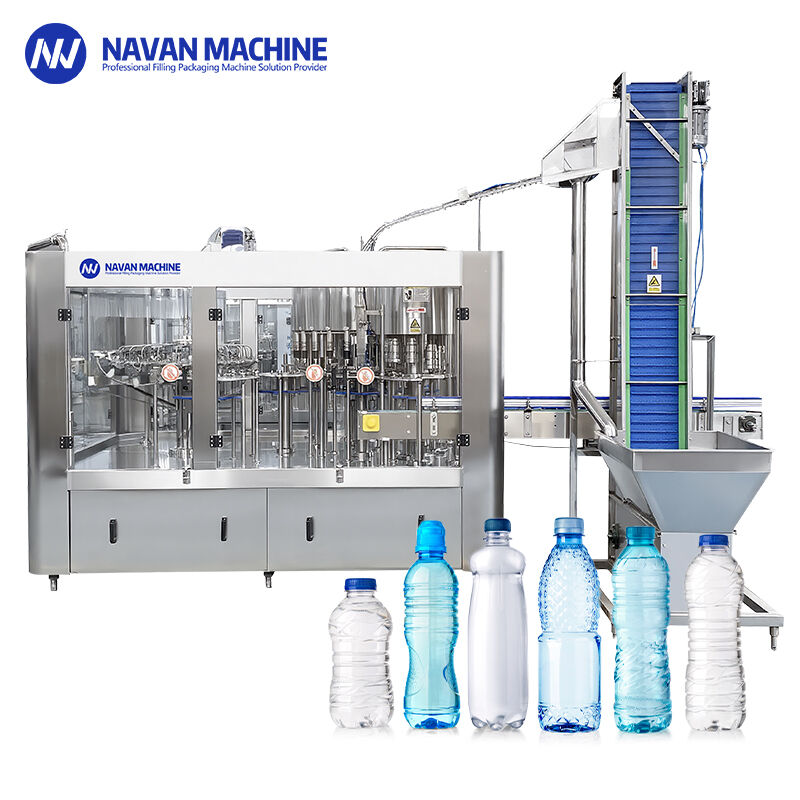
Water bottling systems represent sophisticated industrial machinery designed to transform raw water sources into packaged consumer products through automated processing and packaging operations. These comprehensive systems integrate multiple technological components to ensure efficient production, consistent quality control, and regulatory compliance throughout the bottling process. Modern water bottling systems incorporate advanced filtration technologies, including reverse osmosis, ultraviolet sterilization, and multi-stage purification methods that remove contaminants, bacteria, and impurities from source water. The primary functions of water bottling systems encompass water intake and pretreatment, purification through various filtration stages, quality testing and monitoring, bottle preparation and sterilization, filling operations, capping and sealing, labeling and coding, and final packaging for distribution. These systems feature automated control panels with programmable logic controllers that monitor production parameters, maintain consistent fill levels, and detect potential issues before they affect product quality. The technological architecture includes high-capacity pumps, precision filling valves, automatic bottle handling equipment, and integrated quality assurance sensors that continuously monitor water purity, temperature, and flow rates. Water bottling systems accommodate various container sizes and materials, from small single-serve bottles to large family-sized containers, while maintaining production speeds that can range from hundreds to thousands of bottles per hour depending on system specifications. Applications span commercial beverage production, municipal water distribution, industrial processing facilities, and specialized markets requiring purified water products. The modular design of contemporary water bottling systems allows manufacturers to customize configurations based on production requirements, available space, and specific quality standards. Integration capabilities enable seamless connection with existing facility infrastructure, including power systems, water sources, and waste management protocols, ensuring optimal operational efficiency and minimal environmental impact throughout the production cycle.
 EN
EN