Intelligent Automation and Control Integration
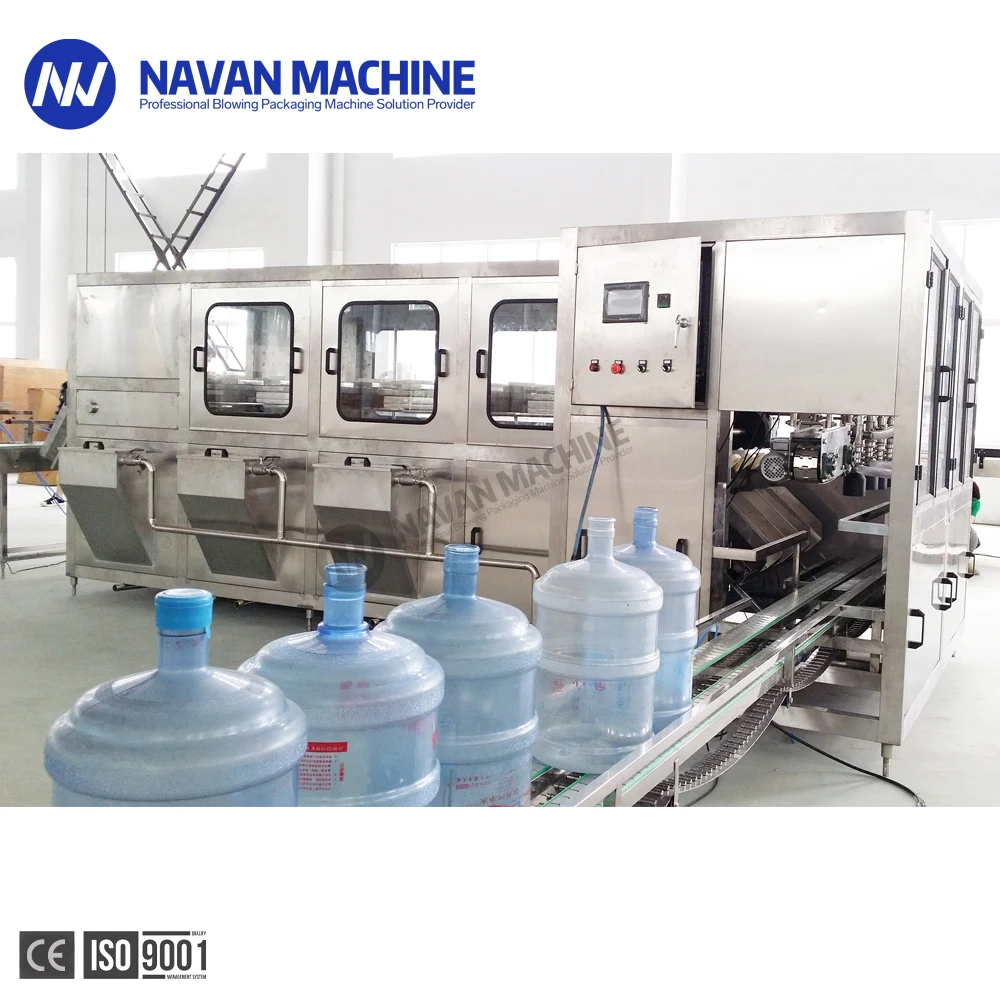
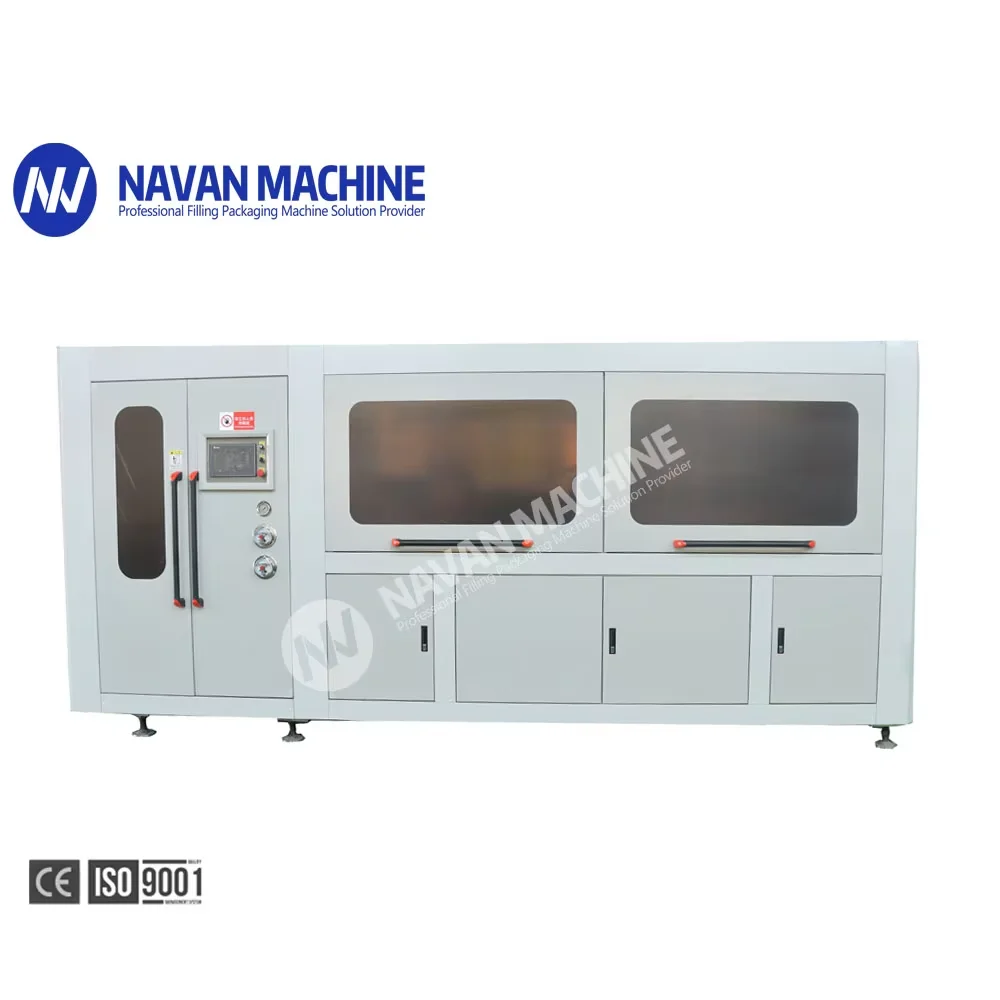
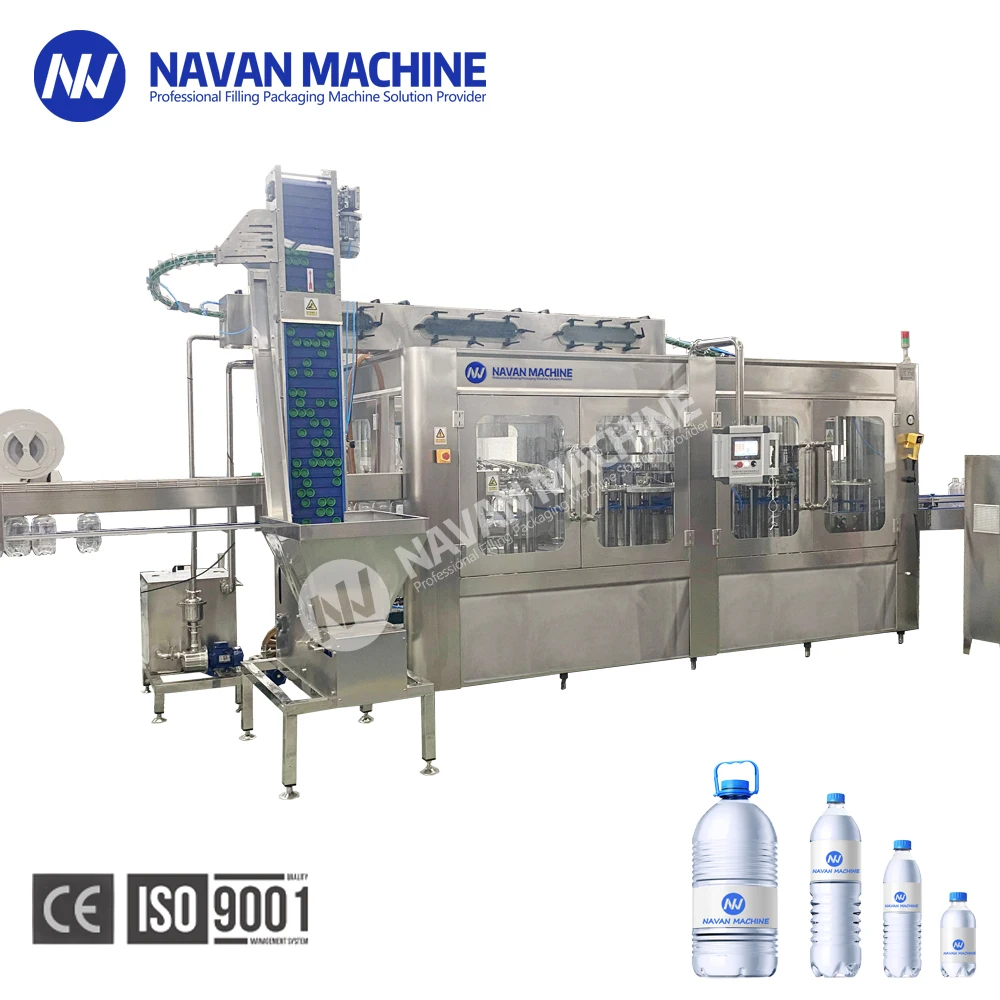
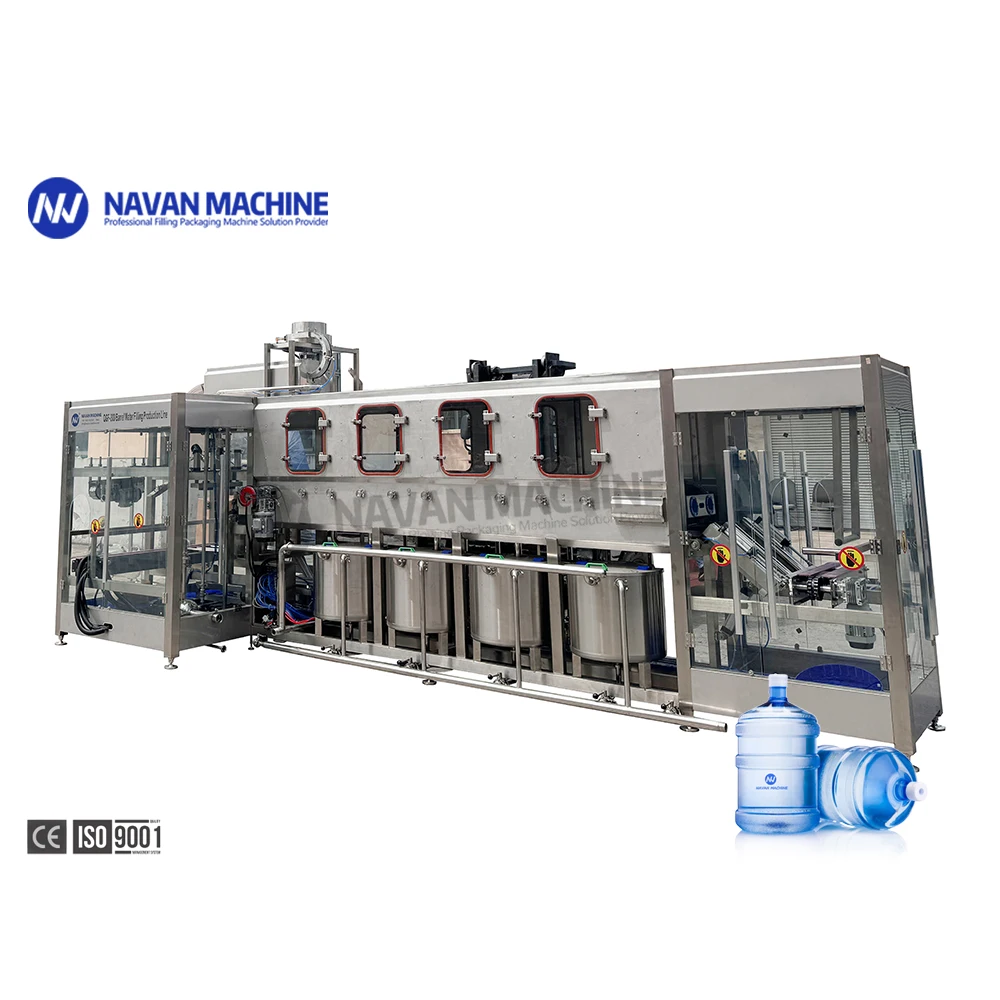
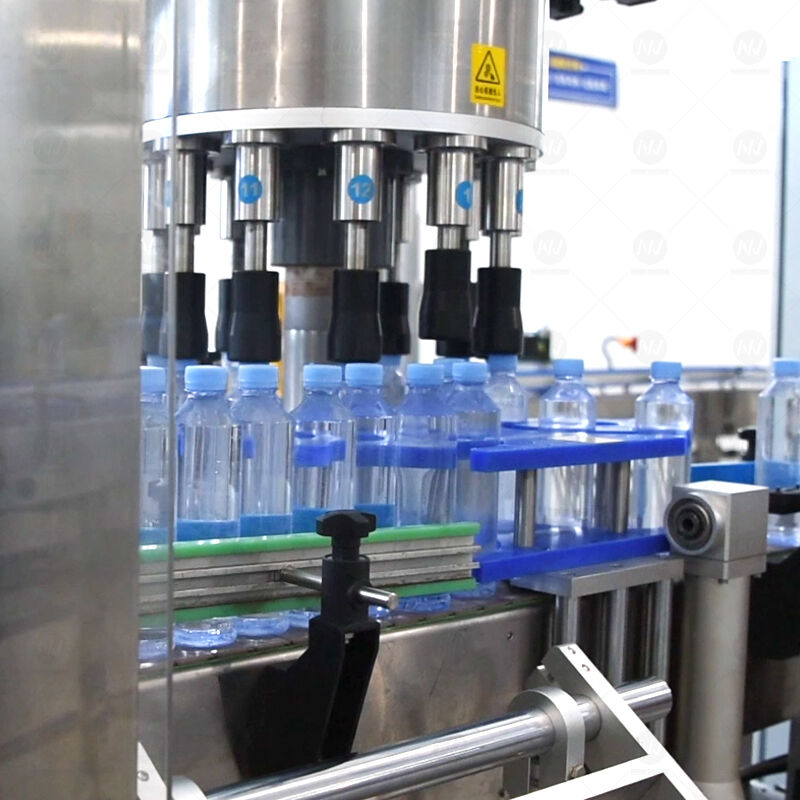
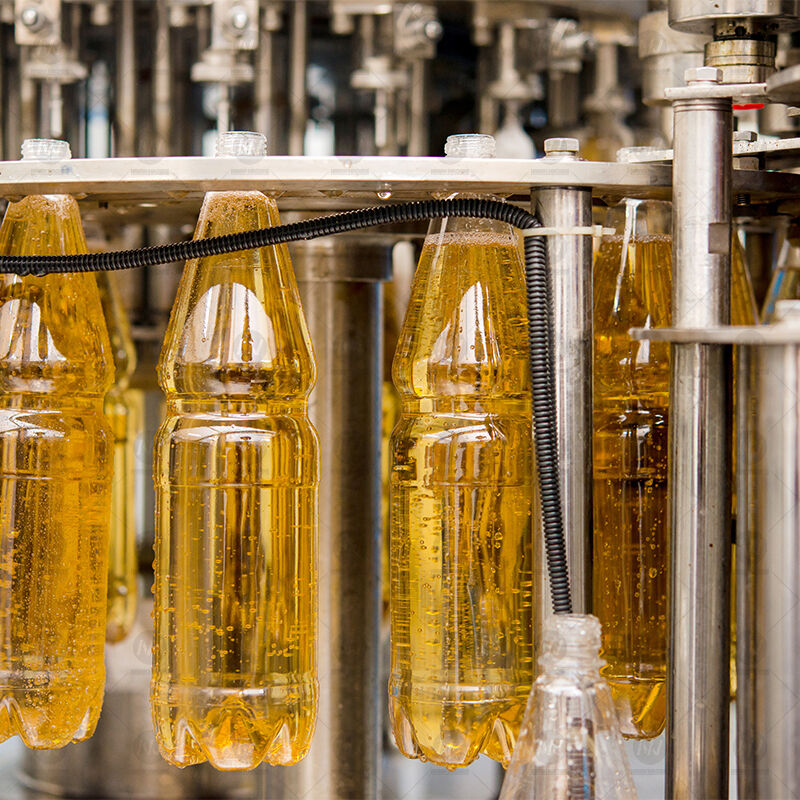
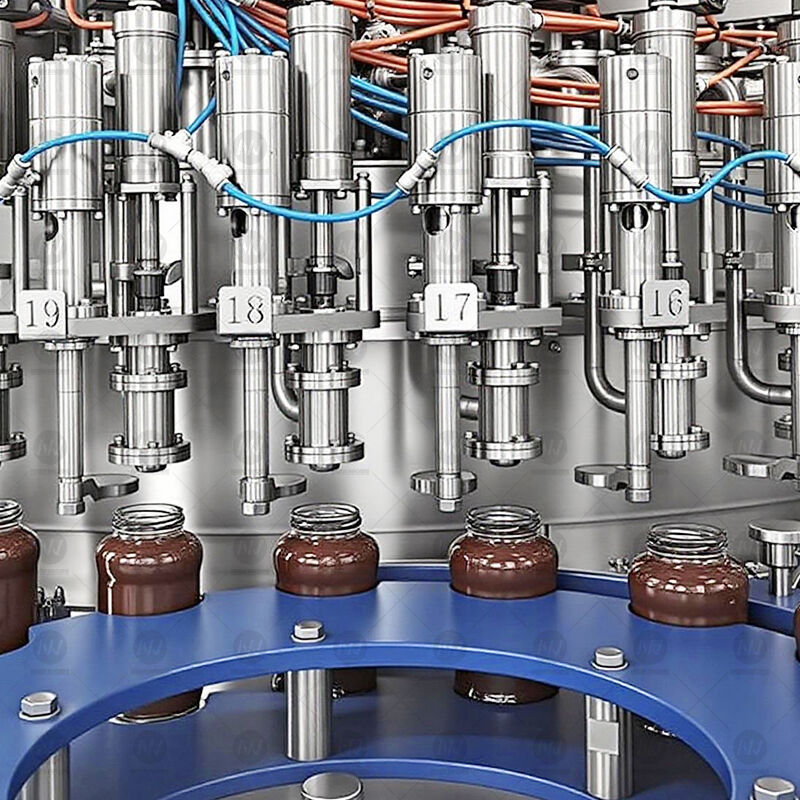
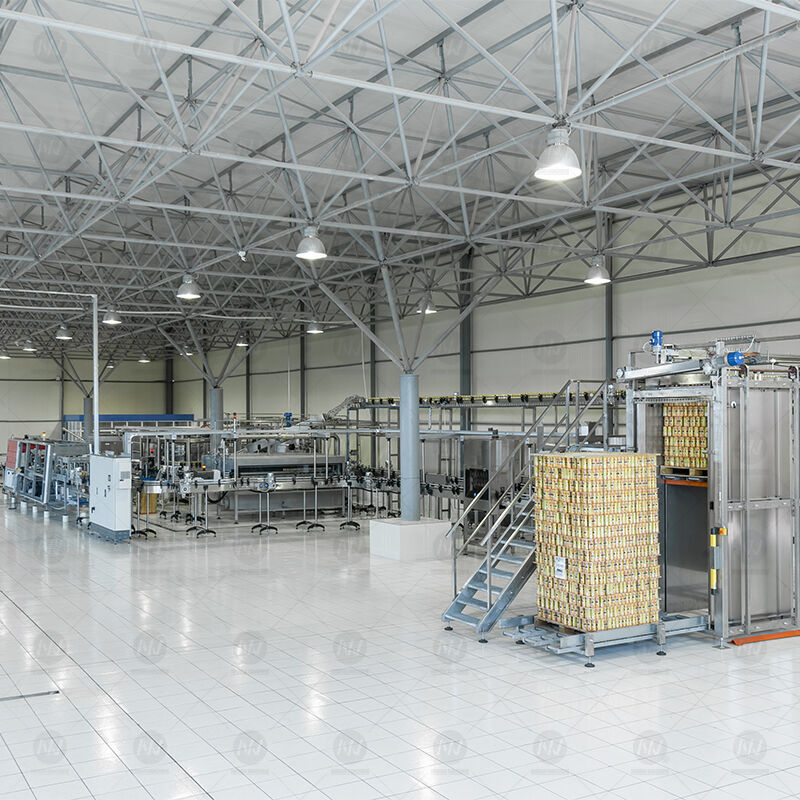
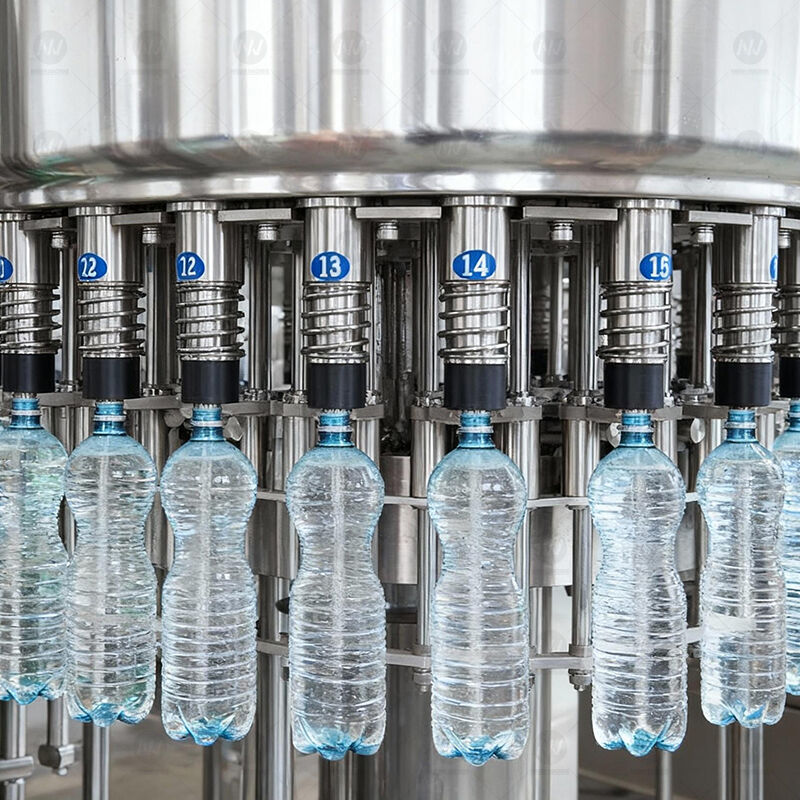
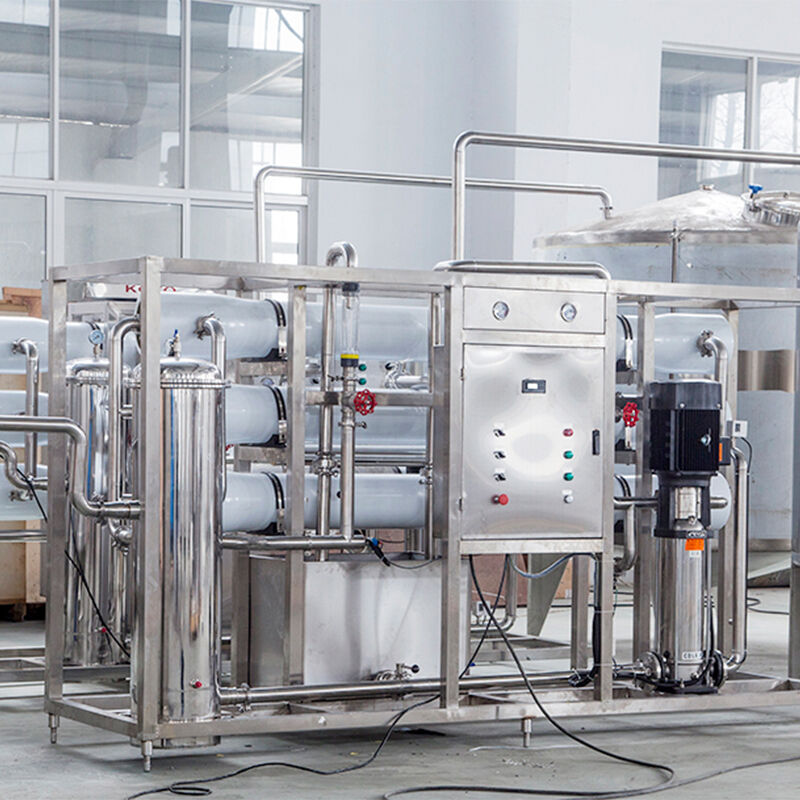
The intelligence embedded within modern water filling line systems represents a revolutionary approach to beverage production that transforms traditional manufacturing into smart, responsive operations capable of adapting to changing conditions in real-time. This sophisticated automation architecture employs advanced programmable logic controllers working in conjunction with human-machine interfaces that provide operators with intuitive control over every aspect of the filling process. The intelligent system continuously collects data from hundreds of sensors throughout the water filling line, analyzing performance metrics, quality parameters, and operational efficiency indicators to optimize production automatically. Machine learning algorithms built into the control system recognize patterns in production data, predicting maintenance needs, identifying efficiency opportunities, and suggesting operational improvements that enhance overall performance. The automation extends beyond simple process control to include comprehensive production planning capabilities that optimize scheduling, raw material usage, and energy consumption based on demand forecasts and operational constraints. Remote monitoring capabilities allow technical support teams to diagnose issues and provide assistance without physical presence, reducing downtime and maintenance costs while ensuring optimal performance. The intelligent control system integrates seamlessly with enterprise resource planning software, providing real-time production data that enables better business decision-making and inventory management. Adaptive control algorithms automatically adjust filling parameters based on incoming bottle variations, water temperature changes, and environmental conditions, maintaining consistent quality without operator intervention. Advanced diagnostic capabilities predict component wear and potential failures before they occur, scheduling maintenance activities during planned downtime to minimize production disruption. The system learns from historical data to optimize changeover procedures when switching between different products or bottle sizes, reducing setup time and material waste. Quality control integration allows the intelligent system to automatically adjust process parameters when quality metrics indicate deviation from established standards, maintaining product consistency throughout extended production runs. Energy management features optimize power consumption by coordinating equipment operation, reducing utility costs while maintaining production targets. Comprehensive reporting capabilities generate detailed analytics that help identify trends, measure key performance indicators, and demonstrate regulatory compliance. The intelligent automation transforms the water filling line from a simple mechanical system into a smart manufacturing platform that continuously improves its own performance while providing valuable business intelligence that drives strategic decision-making and competitive advantage.
 EN
EN