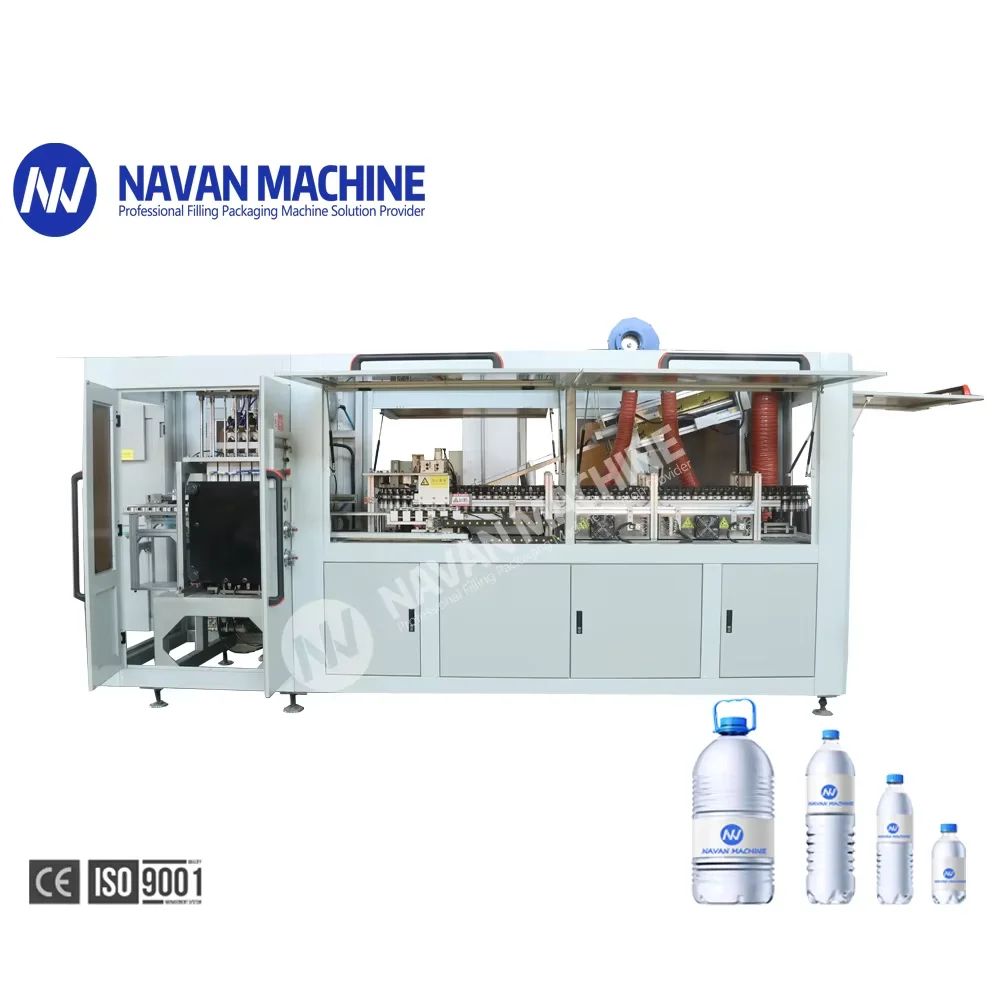
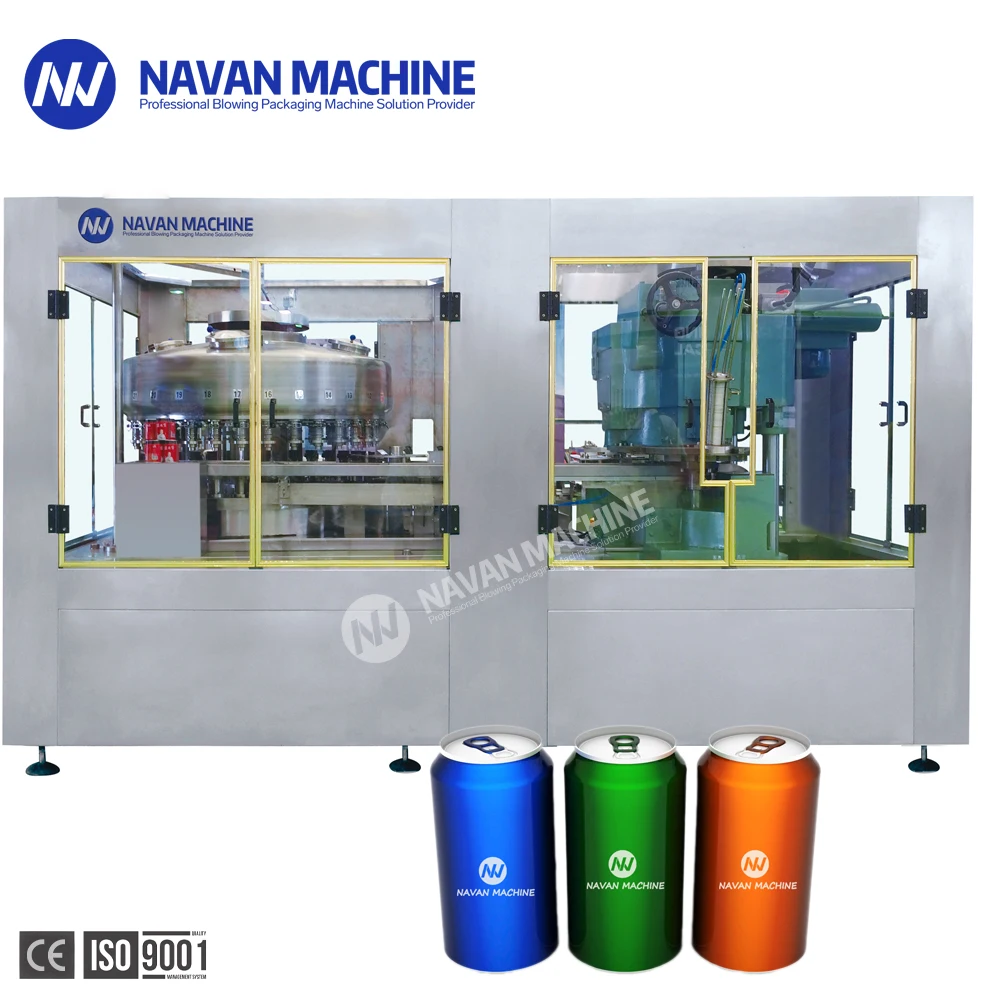
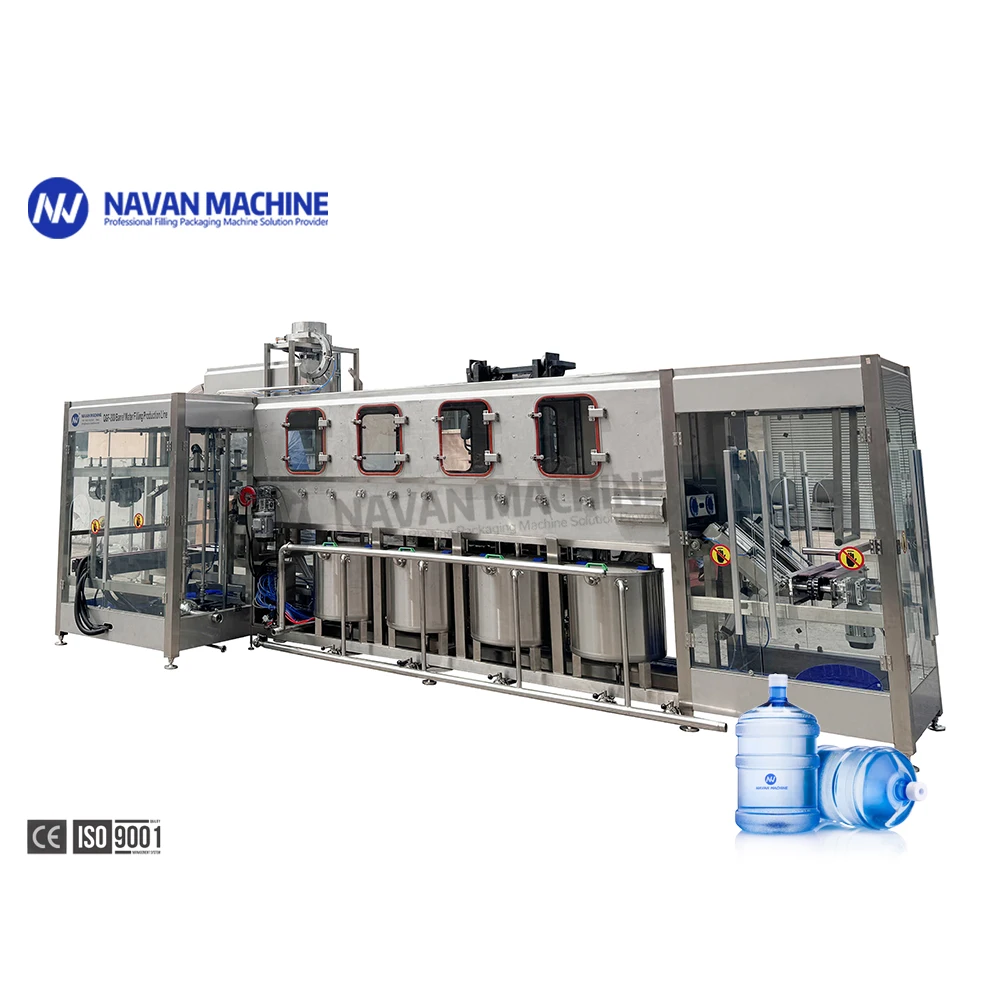
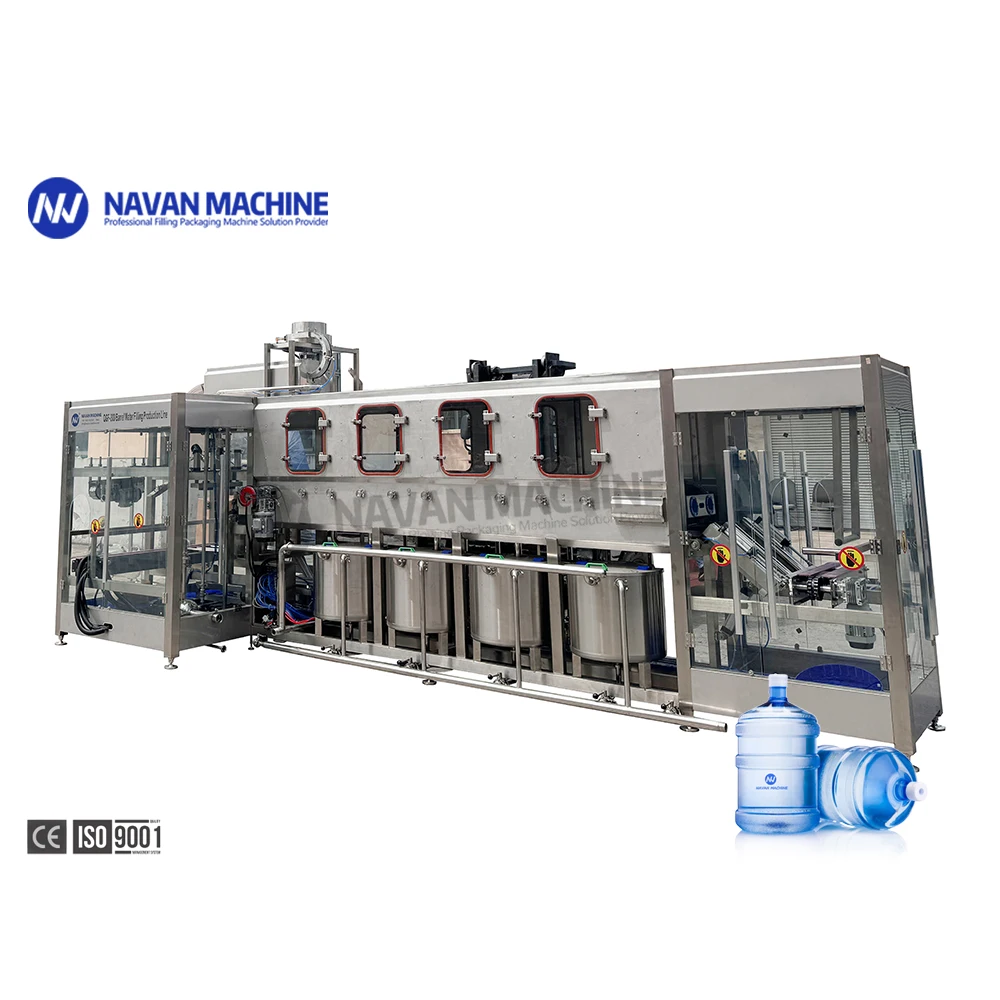
water filling production line
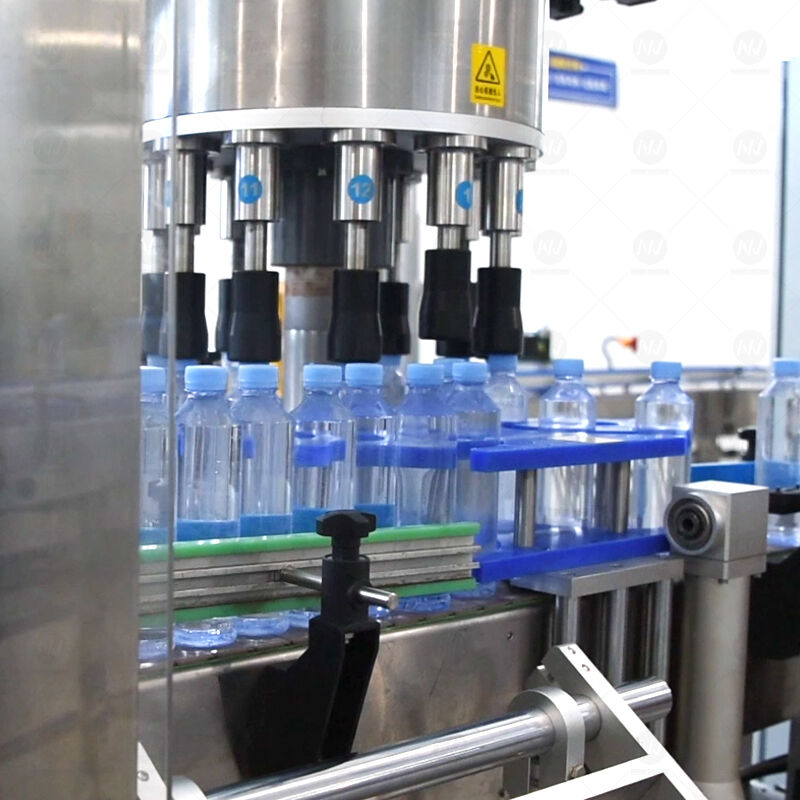
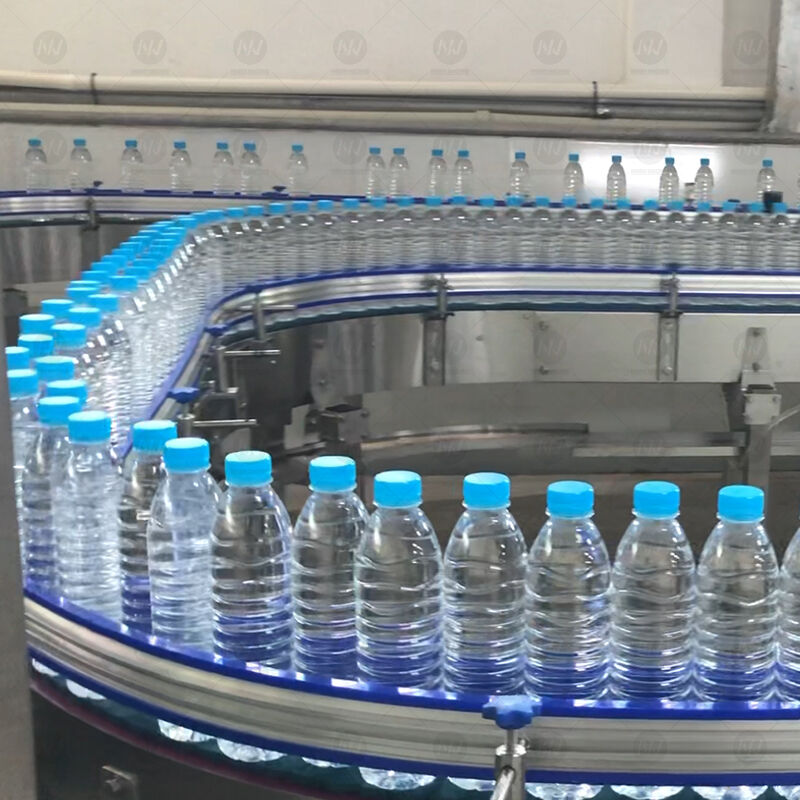
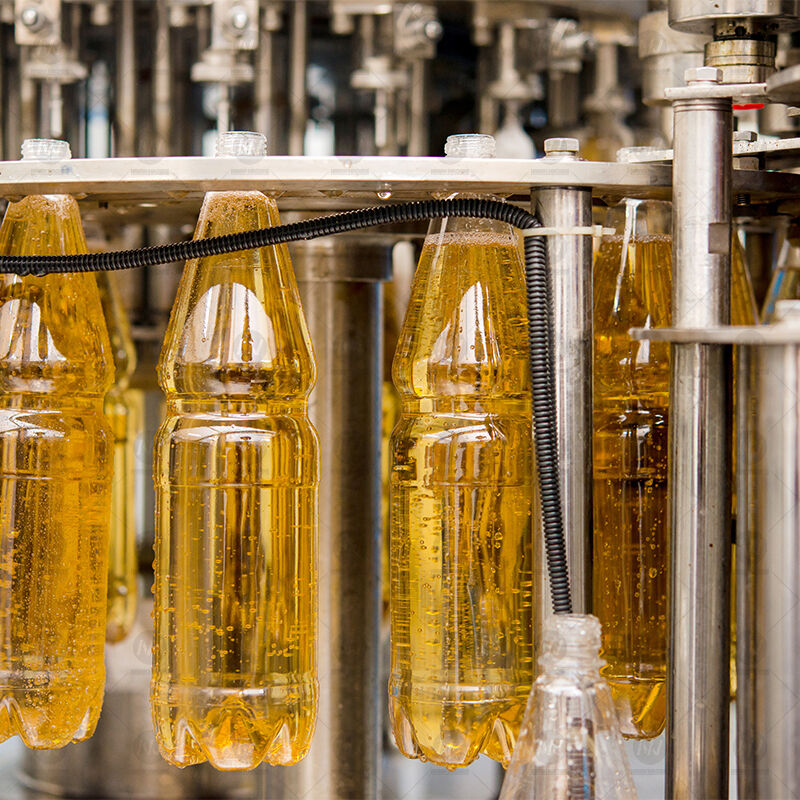
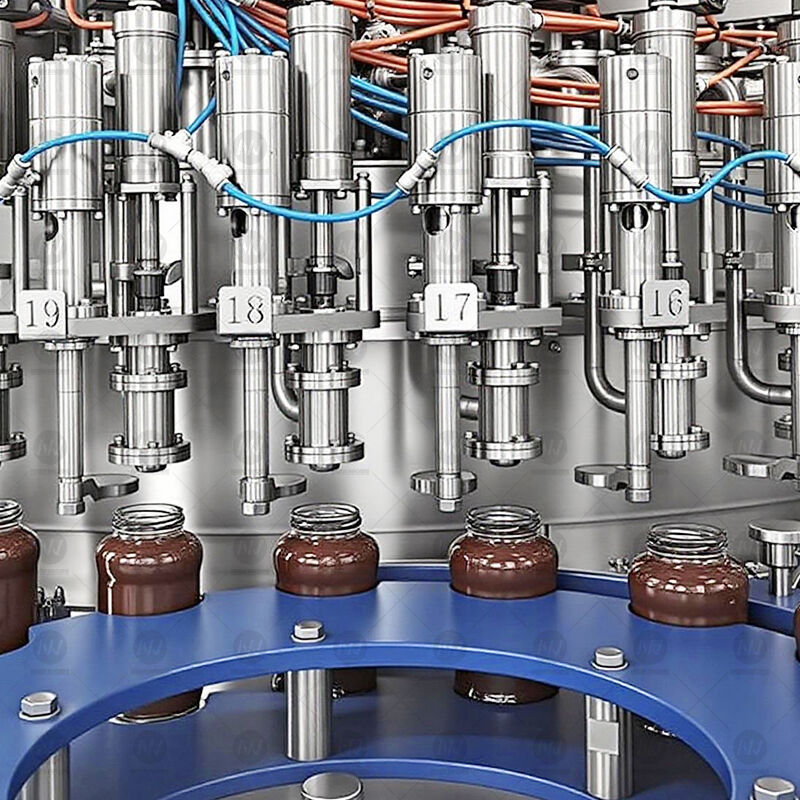
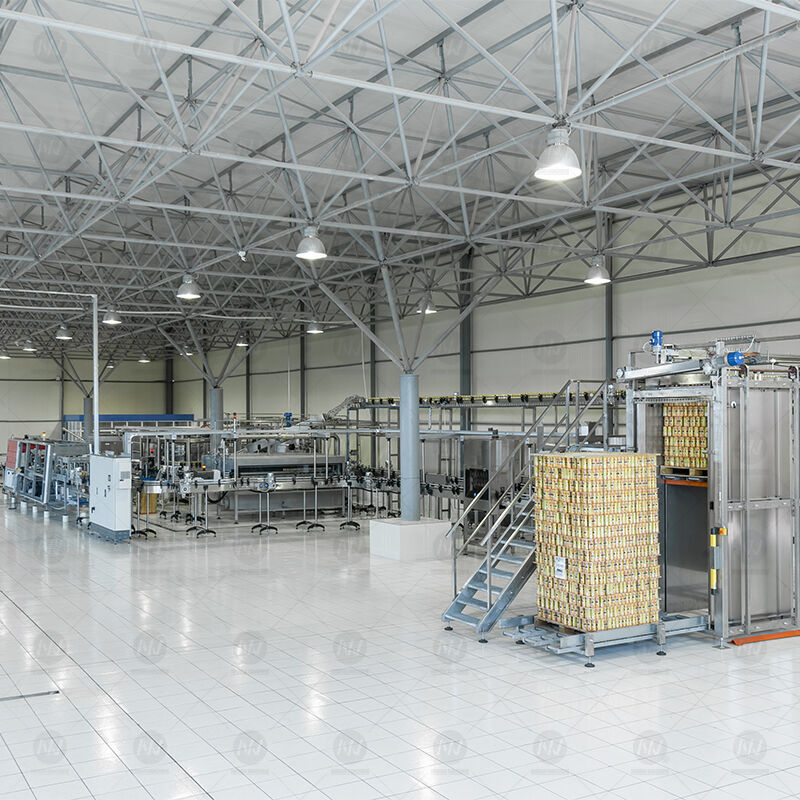
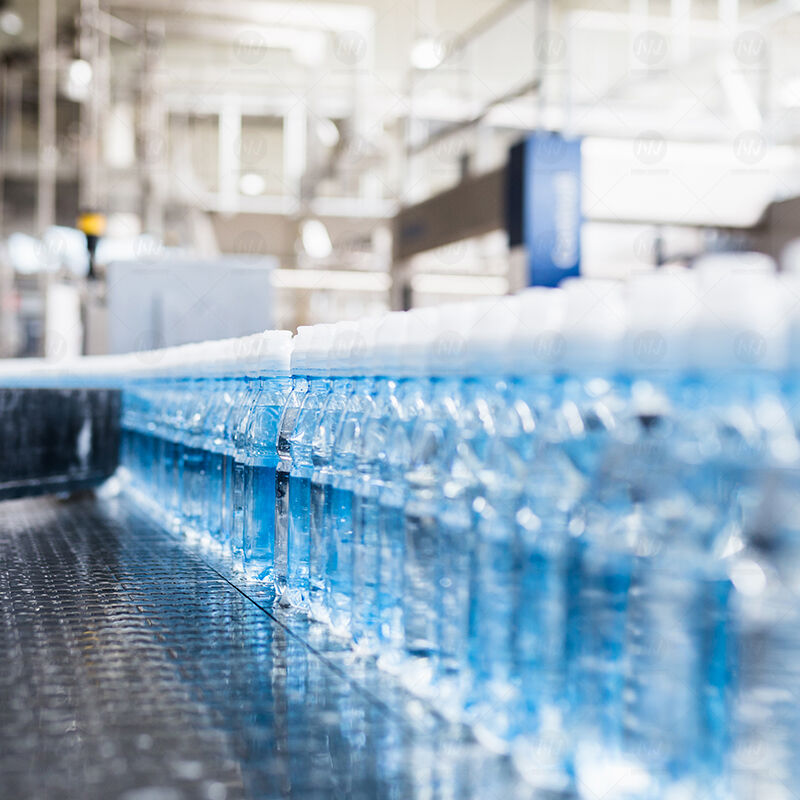
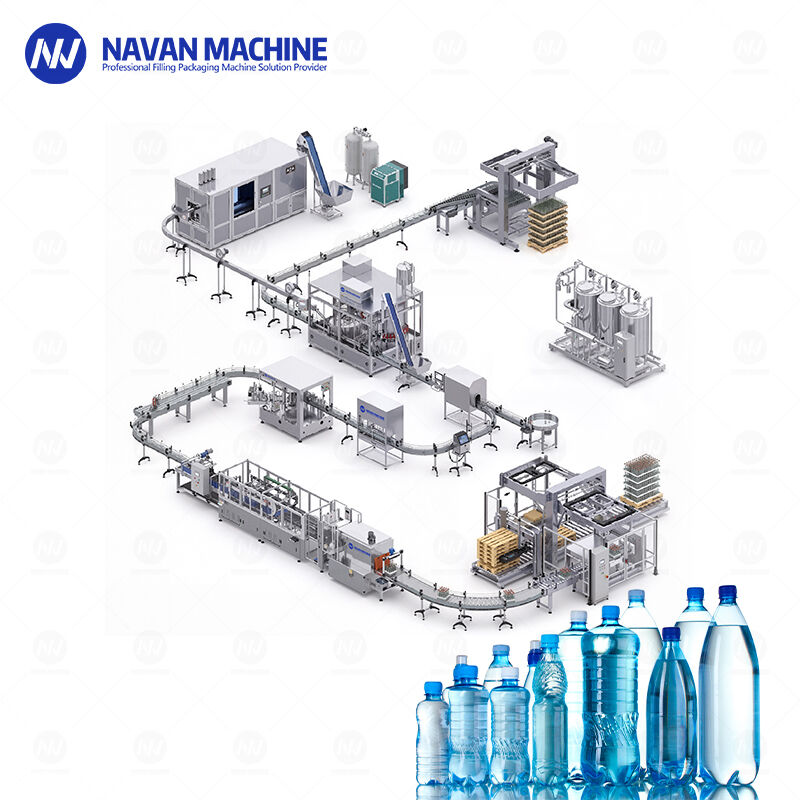
A water filling production line represents a sophisticated automated manufacturing system designed to efficiently bottle purified water, spring water, and various beverage products. This comprehensive industrial solution integrates multiple stages of production, from initial bottle preparation through final packaging, creating a seamless workflow that maximizes productivity while maintaining stringent quality standards. The water filling production line typically encompasses several critical components including bottle unscrambling systems, rinsing stations, filling mechanisms, capping units, labeling equipment, and packaging machinery. Modern water filling production line configurations utilize advanced PLC control systems that monitor every aspect of the operation, ensuring consistent performance and reducing human error. The technological framework of a water filling production line incorporates precision dosing systems that accurately measure liquid volumes, preventing waste and ensuring product uniformity. Stainless steel construction throughout the water filling production line guarantees hygienic conditions and corrosion resistance, meeting international food safety regulations. The system operates through synchronized mechanical processes where bottles move along conveyor belts through each production stage at predetermined speeds. Sensors and quality control mechanisms continuously monitor bottle integrity, fill levels, and cap placement throughout the water filling production line operation. These production systems accommodate various bottle sizes and shapes, offering flexibility for manufacturers producing different product lines. The water filling production line can handle production capacities ranging from small-scale operations producing hundreds of bottles per hour to large industrial facilities processing thousands of units hourly. Advanced filtration and sterilization technologies integrated within the water filling production line ensure that the final product meets strict purity standards. The entire system operates under positive pressure environments to prevent contamination, while automated cleaning-in-place systems maintain sanitary conditions between production runs.
 EN
EN