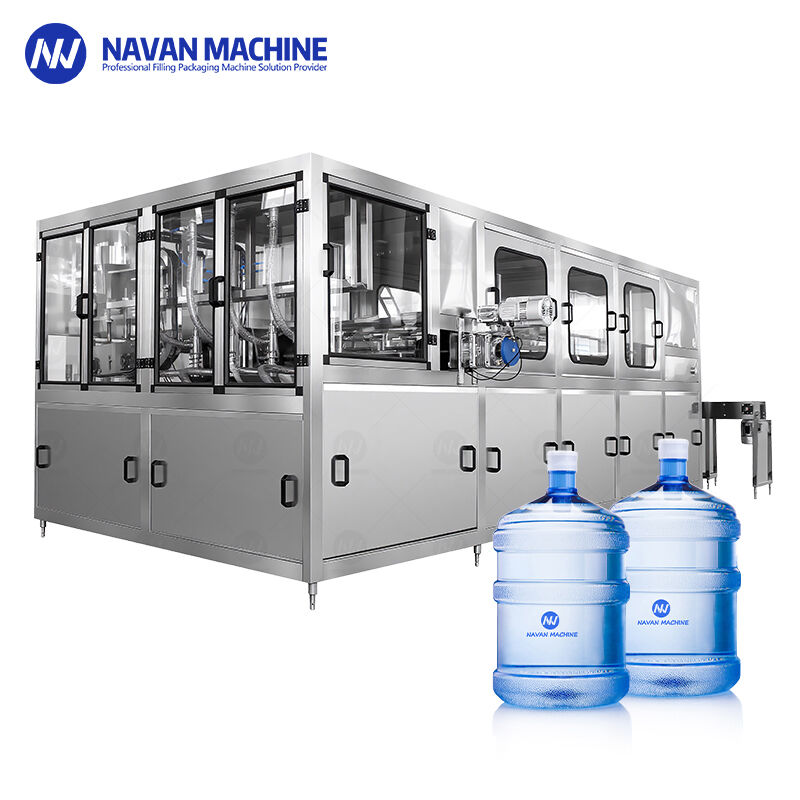
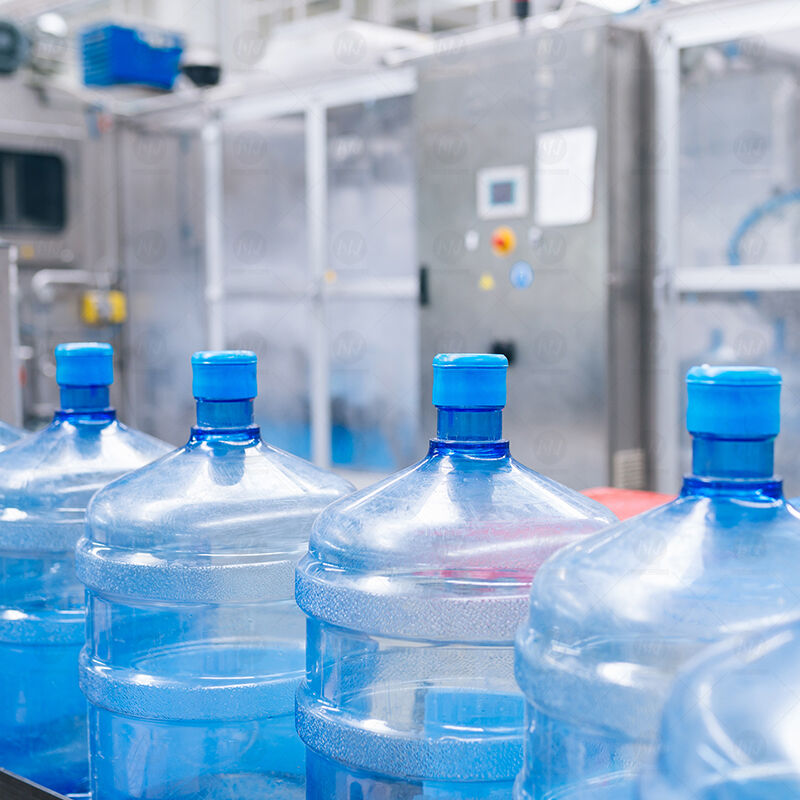
5 gallon bottling line
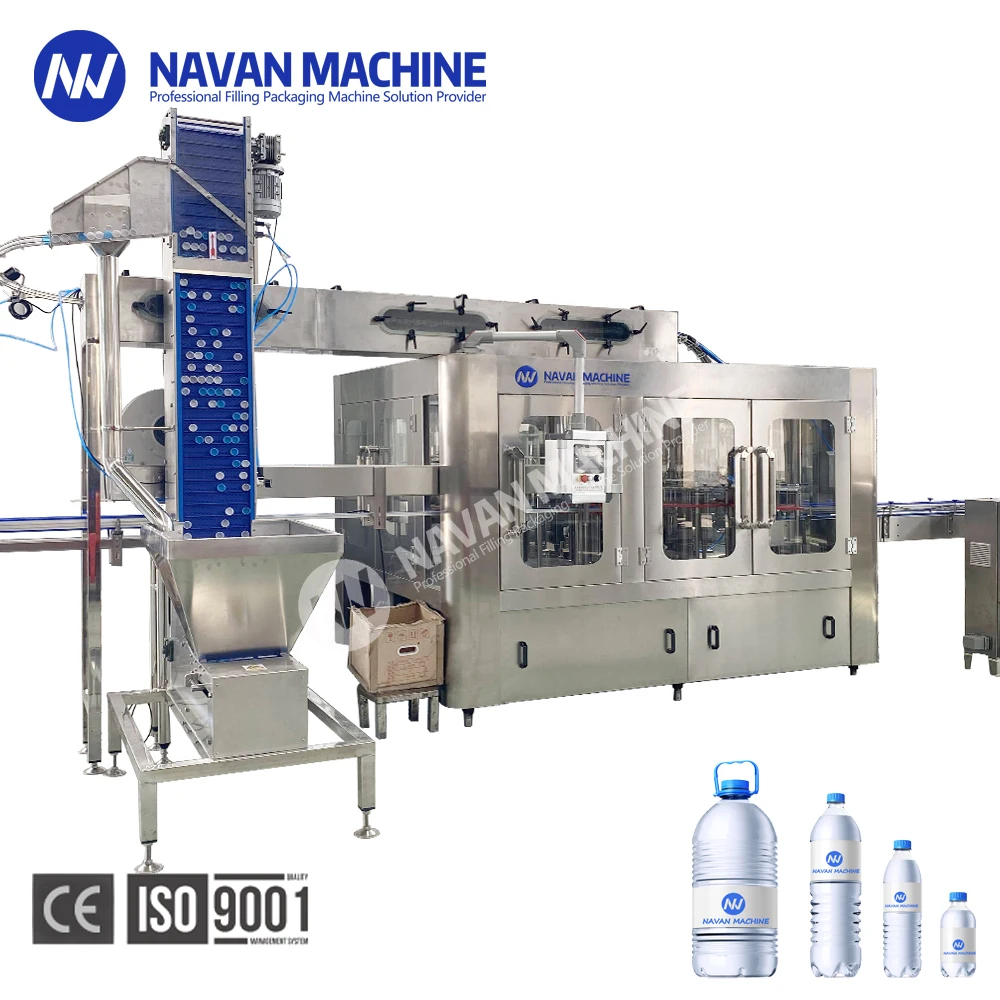
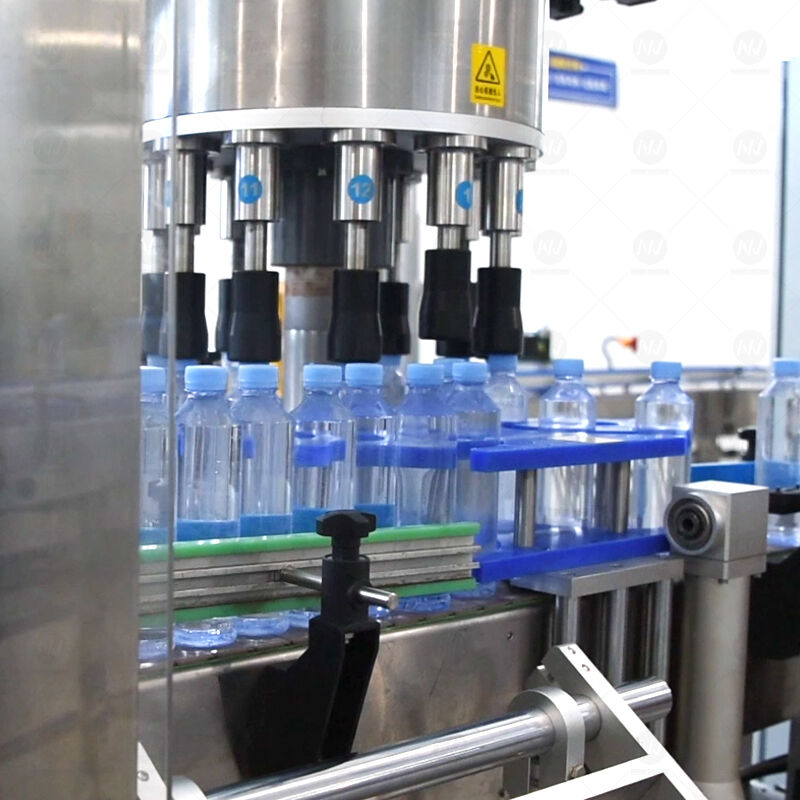
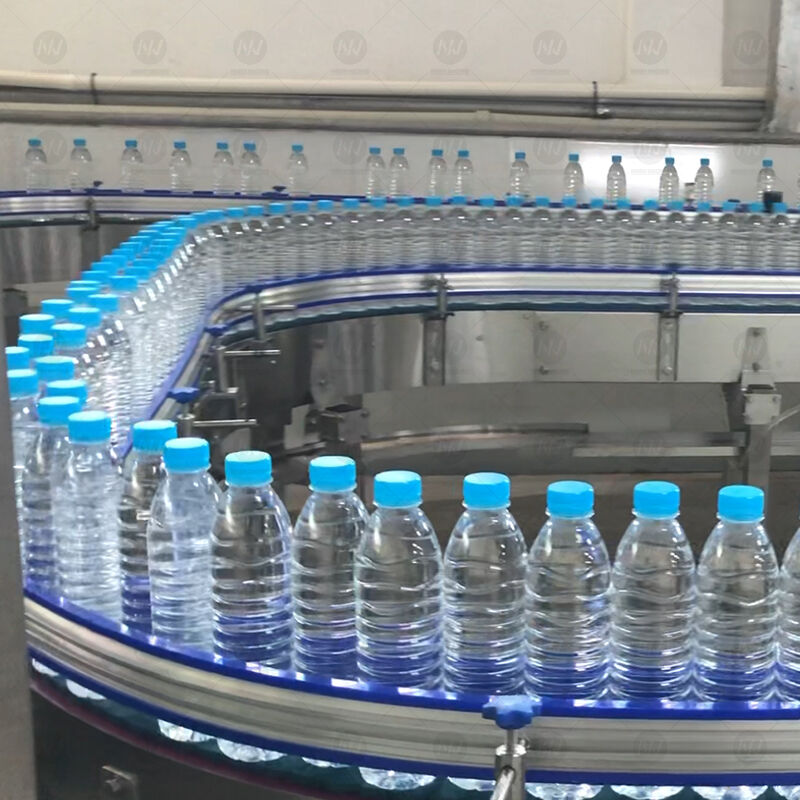
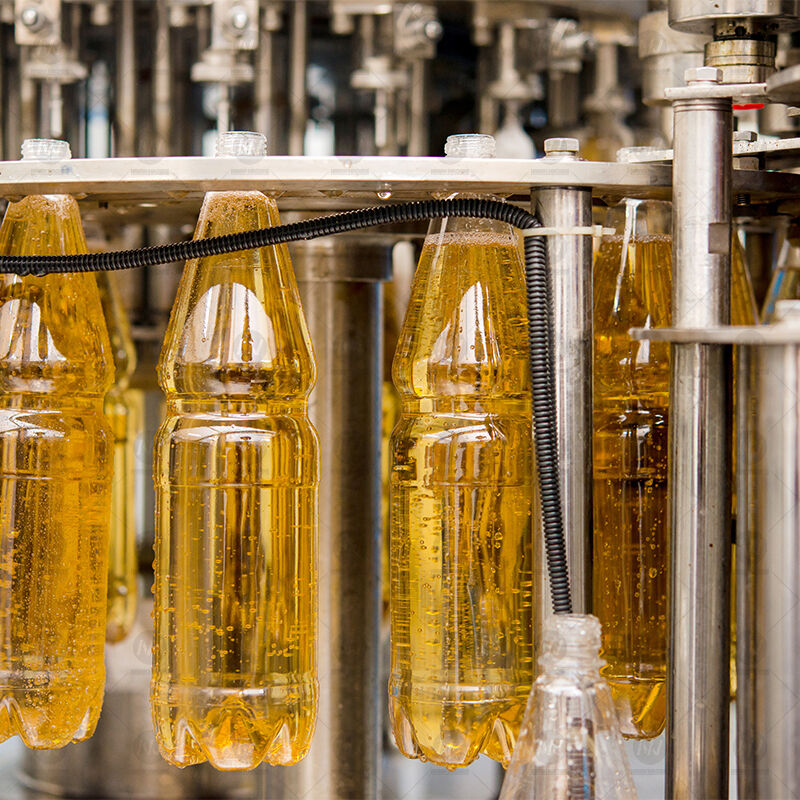
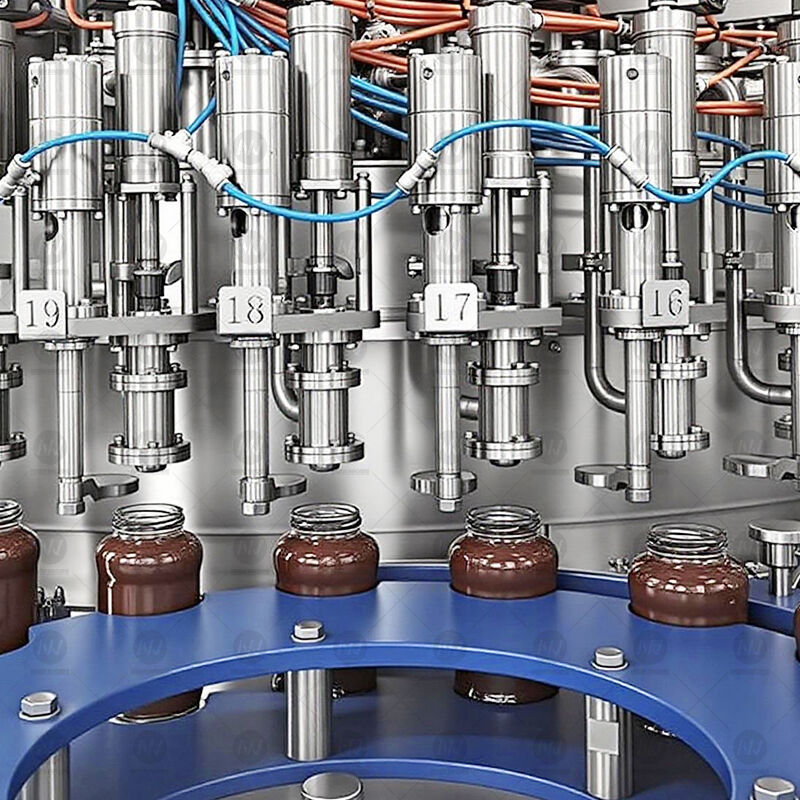
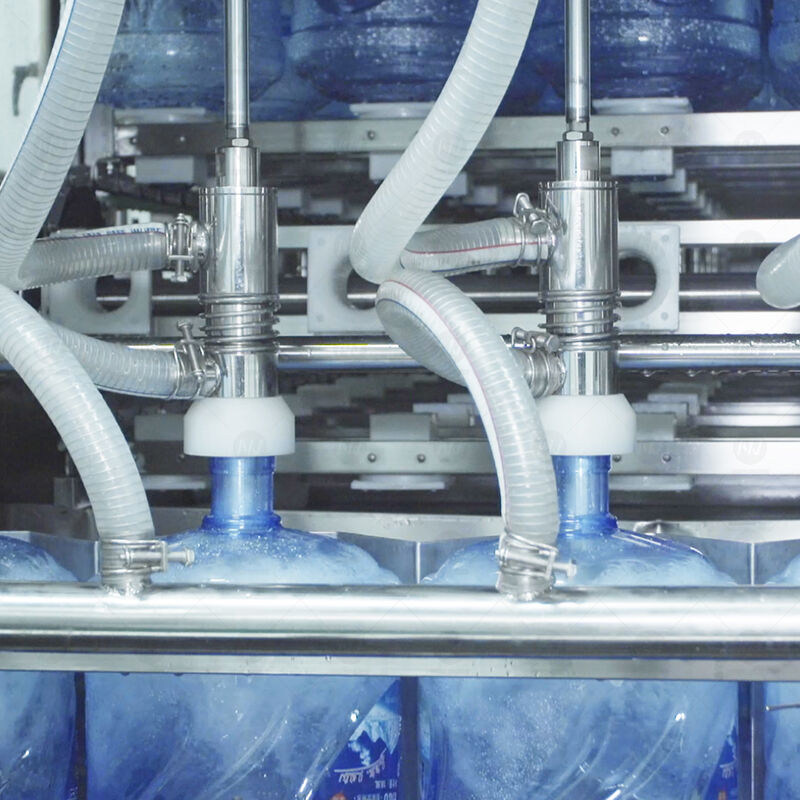
The 5 gallon bottling line represents a comprehensive automated system designed specifically for efficient filling, capping, and packaging of large-volume water containers. This industrial equipment serves as the backbone of water production facilities, combining precision engineering with high-throughput capabilities to meet demanding commercial requirements. The 5 gallon bottling line integrates multiple sophisticated components including bottle washing systems, filling stations, capping mechanisms, and quality control modules that work in seamless coordination. Modern 5 gallon bottling line configurations incorporate advanced PLC control systems that enable operators to monitor and adjust production parameters in real-time. The technological framework includes stainless steel construction materials that ensure durability and compliance with food safety standards. Key functions encompass automated bottle handling from initial washing through final packaging stages. The washing module utilizes multi-stage cleaning protocols with sanitizing agents to eliminate contaminants and prepare containers for filling. Subsequently, the filling station employs precision volumetric controls that guarantee accurate liquid dispensing while minimizing waste and maintaining consistency. Capping operations utilize torque-controlled mechanisms that secure closures without damaging bottle integrity. Quality assurance features include leak detection systems, fill level verification, and contamination monitoring capabilities. Applications span across various industries including municipal water treatment facilities, private bottling companies, beverage manufacturers, and industrial water processing plants. The 5 gallon bottling line accommodates different bottle materials such as polycarbonate, PET, and glass containers while maintaining operational flexibility. Production capacities typically range from 100 to 1200 bottles per hour depending on configuration specifications. Integration capabilities allow connection with existing plant infrastructure including water treatment systems, storage tanks, and packaging equipment to create comprehensive production environments.
 EN
EN