Advanced Aseptic Filling Machines: Complete Guide to Sterile Packaging Solutions

Requesting a Call:

+8615601563990

Online Support

[email protected]

WhatsApp

+86-15601563990

aseptic filling machine

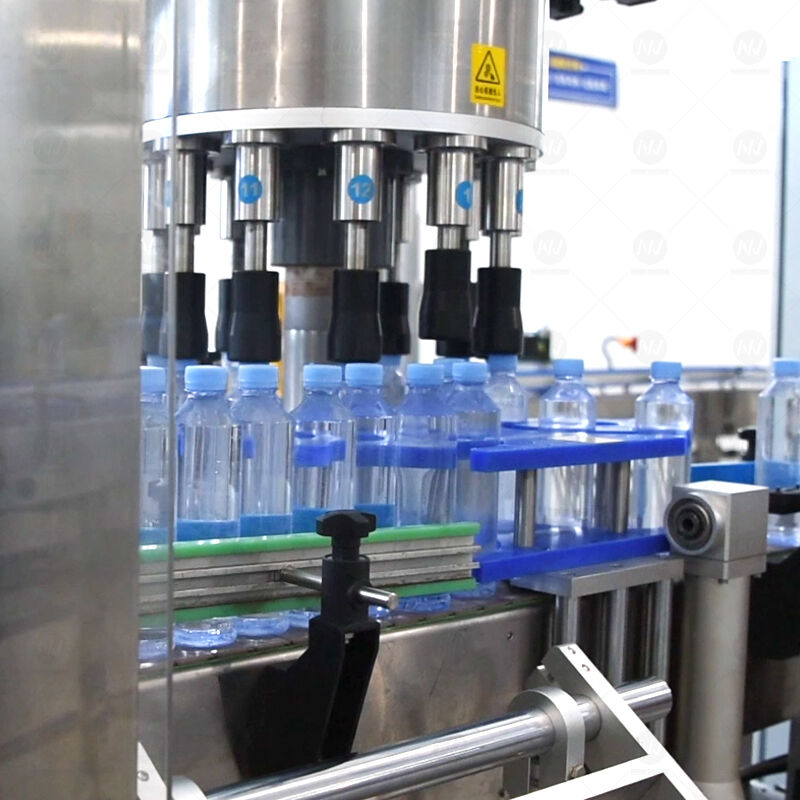
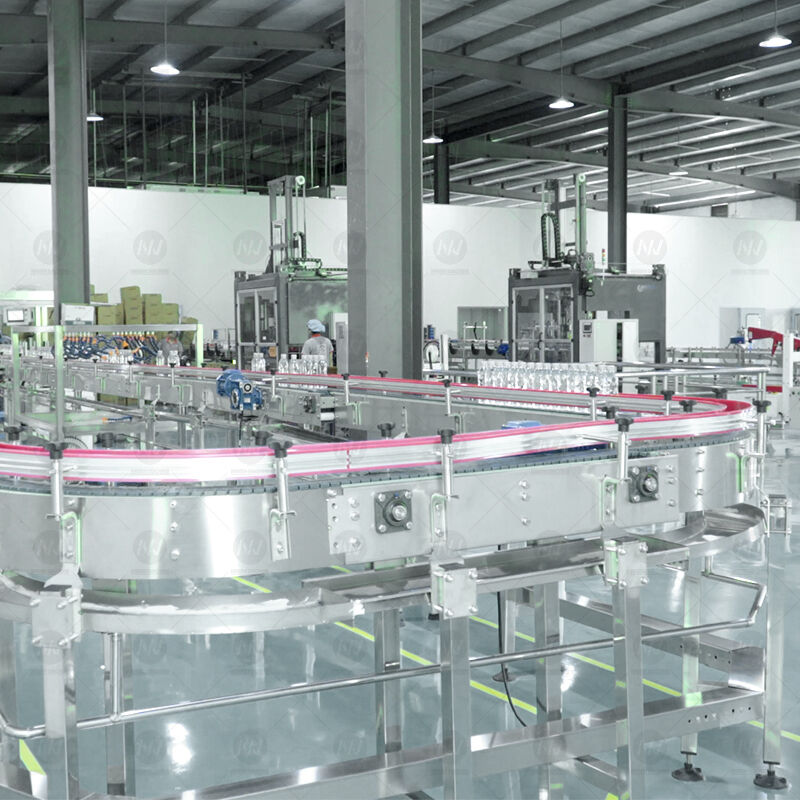
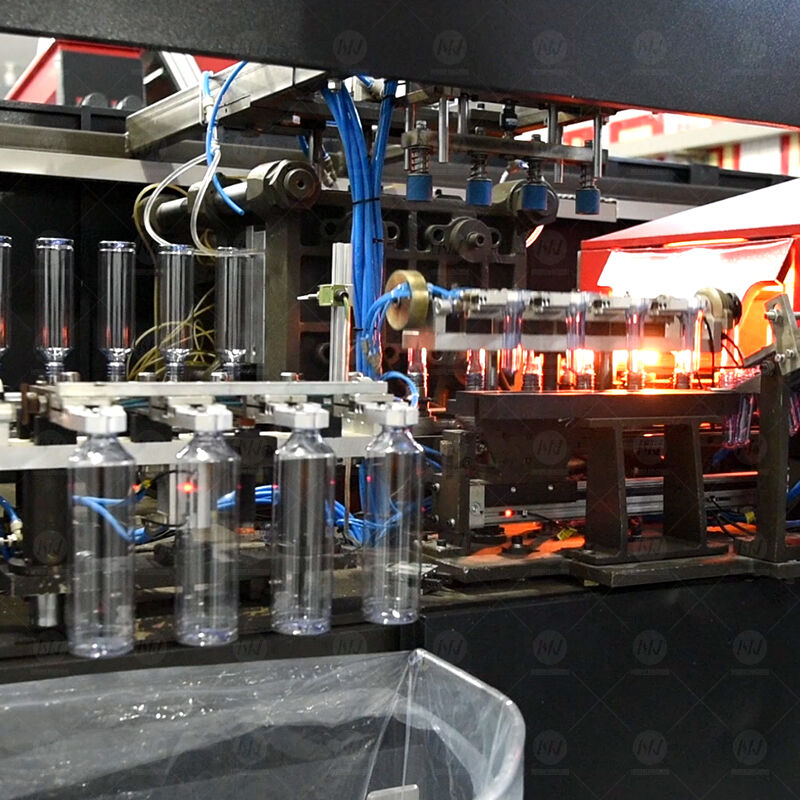
An aseptic filling machine represents a sophisticated packaging solution designed to maintain product sterility throughout the filling process. This advanced equipment operates in a completely sterile environment, ensuring that beverages, dairy products, pharmaceuticals, and other liquid consumables retain their quality and safety standards without requiring preservatives or refrigeration during storage. The aseptic filling machine utilizes cutting-edge sterilization technology to eliminate harmful microorganisms from both the product and packaging materials before the filling operation begins. The primary functions of this equipment include sterilizing containers through various methods such as hydrogen peroxide vapor, UV radiation, or heat treatment, followed by filling the pre-sterilized product into these containers under strictly controlled sterile conditions. The machine maintains a positive pressure environment using filtered air to prevent contamination during the entire process. Technological features of modern aseptic filling machines encompass automated control systems with real-time monitoring capabilities, precision dosing mechanisms that ensure accurate fill volumes, and integrated quality assurance sensors that continuously verify sterility parameters. These machines typically feature modular designs allowing for flexible production configurations, high-speed operation capabilities reaching thousands of units per hour, and compatibility with various container types including bottles, pouches, cartons, and cans. The equipment incorporates advanced Human Machine Interface systems enabling operators to monitor production parameters, adjust settings, and troubleshoot issues efficiently. Applications of aseptic filling machines span across multiple industries including food and beverage manufacturing, pharmaceutical production, cosmetic packaging, and specialty chemical processing. In the beverage industry, these machines handle fruit juices, milk products, sports drinks, and ready-to-drink teas and coffees. Pharmaceutical applications include liquid medications, vaccines, and nutritional supplements that require sterile packaging conditions. The versatility of aseptic filling machines makes them indispensable for manufacturers seeking to extend product shelf life, reduce production costs, and meet stringent regulatory requirements while maintaining exceptional product quality and consumer safety standards.

New Products

Aseptic filling machines deliver exceptional value to manufacturers through multiple practical benefits that directly impact operational efficiency and product quality. The most significant advantage lies in extended shelf life capabilities, allowing products to remain fresh and safe for consumption for months or even years without refrigeration requirements. This benefit translates into substantial cost savings for distributors and retailers who no longer need expensive cold storage facilities throughout the supply chain. Manufacturers can expand their market reach geographically, shipping products to distant locations without concerns about spoilage during transport. The elimination of preservatives represents another crucial advantage, enabling companies to meet growing consumer demand for natural and clean-label products. Modern consumers increasingly prefer products without artificial additives, making aseptic processing a competitive advantage in health-conscious markets. Production flexibility stands as a key operational benefit, as aseptic filling machines can handle various product formulations and container sizes with minimal changeover time. This adaptability allows manufacturers to respond quickly to market demands, seasonal variations, and new product launches without investing in additional equipment. Cost efficiency emerges through reduced product waste, lower energy consumption compared to traditional hot-fill processes, and decreased packaging material requirements since lighter-weight containers can be used due to the sterile environment. Quality consistency represents a fundamental advantage, as the controlled sterile environment ensures uniform product characteristics batch after batch. This consistency builds consumer trust and reduces quality-related complaints and returns. Regulatory compliance becomes simplified with aseptic filling machines, as these systems are designed to meet international food safety standards and pharmaceutical regulations. The automated documentation and monitoring capabilities provide complete traceability, essential for regulatory audits and quality certifications. Environmental benefits include reduced carbon footprint through ambient temperature storage and transportation, decreased packaging waste due to extended shelf life, and lower energy consumption during production. Speed and efficiency advantages allow manufacturers to meet high-volume production demands while maintaining sterile conditions, increasing overall productivity and profitability. Risk mitigation occurs through the elimination of post-processing contamination possibilities, protecting brand reputation and avoiding costly product recalls that can devastate business operations and consumer confidence.

Practical Tips

How Does a Water Filling Line Maintain Hygiene and Product Purity?

31

Oct

How Does a Water Filling Line Maintain Hygiene and Product Purity?

Ensuring Safety and Quality in Beverage Production Systems The modern beverage industry faces an ever-growing challenge to maintain impeccable hygiene standards while meeting increasing production demands. At the heart of this challenge lies the wate...
View More
What Factors Should You Consider When Choosing a Bottle Filling Machine?

31

Oct

What Factors Should You Consider When Choosing a Bottle Filling Machine?

Essential Considerations for Industrial Bottle Filling Equipment Selecting the right bottle filling machine for your production line is a crucial decision that impacts efficiency, product quality, and bottom-line profitability. Whether you're expandi...
View More
What Are the Long-Term Benefits of Investing in Advanced Water Filling Lines?

31

Oct

What Are the Long-Term Benefits of Investing in Advanced Water Filling Lines?

Transforming Beverage Production Through Modern Automation The beverage industry is witnessing a revolutionary transformation as manufacturers increasingly turn to advanced water filling lines to streamline their operations. These sophisticated syste...
View More
What Technologies Ensure Freshness and Shelf Life in Beer Filling Systems?

31

Oct

What Technologies Ensure Freshness and Shelf Life in Beer Filling Systems?

Modern Innovations in Beer Filling Technology The brewing industry has witnessed remarkable technological advancements in beer filling systems, revolutionizing how breweries maintain product freshness and extend shelf life. Today's sophisticated beer...
View More

Get a Free Quote

Our representative will contact you soon.
Email
Name
Company Name
Message
0/1000

aseptic filling machine

Advanced Sterile Environment Control Technology

Advanced Sterile Environment Control Technology

The cornerstone of any effective aseptic filling machine lies in its sophisticated sterile environment control technology, which creates and maintains an absolutely contamination-free zone throughout the entire packaging process. This technology employs multiple layers of protection, beginning with high-efficiency particulate air filtration systems that remove microscopic contaminants from the processing atmosphere. The machine generates positive pressure zones using sterile compressed air, creating barriers that prevent external contaminants from entering critical areas during operation. Advanced sterilization chambers utilize hydrogen peroxide vapor or other approved sterilizing agents to eliminate all potential microorganisms from containers before filling begins. The system continuously monitors air quality, pressure differentials, and sterility parameters using precision sensors and automated feedback loops. Temperature and humidity controls maintain optimal conditions for sterile processing while preventing condensation that could harbor bacterial growth. The importance of this technology cannot be overstated, as it directly determines product safety, shelf life, and regulatory compliance. For manufacturers, this translates into consistent product quality, reduced risk of contamination-related recalls, and the ability to guarantee product safety to consumers and regulatory authorities. The value proposition extends beyond safety to include operational benefits such as reduced testing requirements, faster product release times, and enhanced brand reputation. Customers gain confidence knowing their products are packaged using the most advanced sterile technology available, while manufacturers benefit from lower insurance costs, reduced liability exposure, and expanded market opportunities. The sophisticated monitoring systems provide real-time data logging and automated alerts, enabling proactive quality management and rapid response to any deviations from optimal conditions. This level of control ensures that every package meets the highest sterility standards, protecting both consumer health and brand integrity in an increasingly competitive marketplace where product safety is paramount to success.
Precision Filling Accuracy and Volume Control

Precision Filling Accuracy and Volume Control

Precision filling accuracy represents a critical competitive advantage of modern aseptic filling machines, utilizing advanced servo-driven systems and electronic controls to achieve exceptional volume consistency across all production runs. These machines employ sophisticated weighing technologies, including load cells and electronic scales, combined with real-time feedback mechanisms to ensure each container receives exactly the specified amount of product. The precision control systems can adjust filling volumes in real-time, compensating for variations in container dimensions, product temperature, and viscosity changes that occur during extended production runs. Advanced flow meters monitor product delivery rates continuously, while programmable logic controllers maintain optimal filling parameters for different product formulations and container types. The importance of this precision extends far beyond simple volume accuracy, directly impacting profit margins, regulatory compliance, and customer satisfaction. Overfilling results in product giveaway that reduces profitability, while underfilling creates regulatory violations and consumer complaints that damage brand reputation. The economic value of precision filling becomes substantial when calculated across millions of units produced annually, where even small volume variations can translate into significant financial losses or gains. For manufacturers, consistent fill accuracy means predictable material usage, accurate inventory management, and reliable production planning. Quality assurance benefits include reduced sampling requirements, faster batch release times, and enhanced statistical process control capabilities. Customers value the reliability and consistency that comes with precision-filled products, knowing they receive full value for their purchase every time. The technology also enables manufacturers to optimize packaging designs, using exact fill volumes to minimize material costs while maintaining product presentation standards. Advanced calibration systems ensure long-term accuracy, while automated adjustment capabilities maintain precision even as wear occurs on mechanical components. This reliability reduces maintenance costs, minimizes production interruptions, and extends equipment lifespan, providing exceptional return on investment for manufacturers seeking to optimize their packaging operations while maintaining the highest quality standards in an increasingly competitive global marketplace.
Multi-Container Flexibility and Quick Changeover Capabilities

Multi-Container Flexibility and Quick Changeover Capabilities

Multi-container flexibility stands as a defining characteristic of premium aseptic filling machines, offering manufacturers unprecedented adaptability to meet diverse market demands and packaging requirements without significant downtime or equipment modifications. These advanced systems accommodate various container types including glass bottles, plastic bottles, flexible pouches, cartons, cans, and specialty shapes through modular design components and adjustable mechanisms. Quick-change tooling systems enable operators to transition between different container sizes and formats in minimal time, often requiring less than thirty minutes for complete changeovers compared to hours required by traditional filling equipment. The flexibility extends beyond container compatibility to include product versatility, handling different viscosities, temperatures, and formulations with simple parameter adjustments rather than mechanical modifications. Servo-driven conveyor systems automatically adjust to different container heights and diameters, while programmable filling heads accommodate various neck sizes and closure types. This flexibility provides immense value for manufacturers operating in dynamic markets where product portfolios change frequently or seasonal variations require different packaging formats. The ability to quickly switch between products and containers enables manufacturers to maximize equipment utilization, reduce inventory carrying costs for packaging materials, and respond rapidly to market opportunities without capital investment in additional machinery. Production planning becomes more efficient when one machine can handle multiple product lines, reducing scheduling conflicts and improving overall facility productivity. Quality benefits include consistent processing parameters regardless of container type, ensuring uniform product quality across different packaging formats. Cost advantages emerge through reduced need for multiple dedicated filling lines, lower maintenance expenses, and decreased spare parts inventory requirements. Market responsiveness improves dramatically when manufacturers can test new packaging concepts, accommodate special customer requests, or launch limited edition products using existing equipment. The economic impact extends to reduced capital expenditure requirements, as one flexible aseptic filling machine can replace multiple dedicated systems while providing superior performance and reliability. Training requirements decrease when operators become proficient on versatile equipment rather than multiple specialized machines, reducing labor costs and improving operational consistency across different production scenarios.

Get a Free Quote

Our representative will contact you soon.
Email
Name
Company Name
Message
0/1000

Get a Free Quote

Our representative will contact you soon.
Email
Name
Company Name
Message
0/1000
TopTop