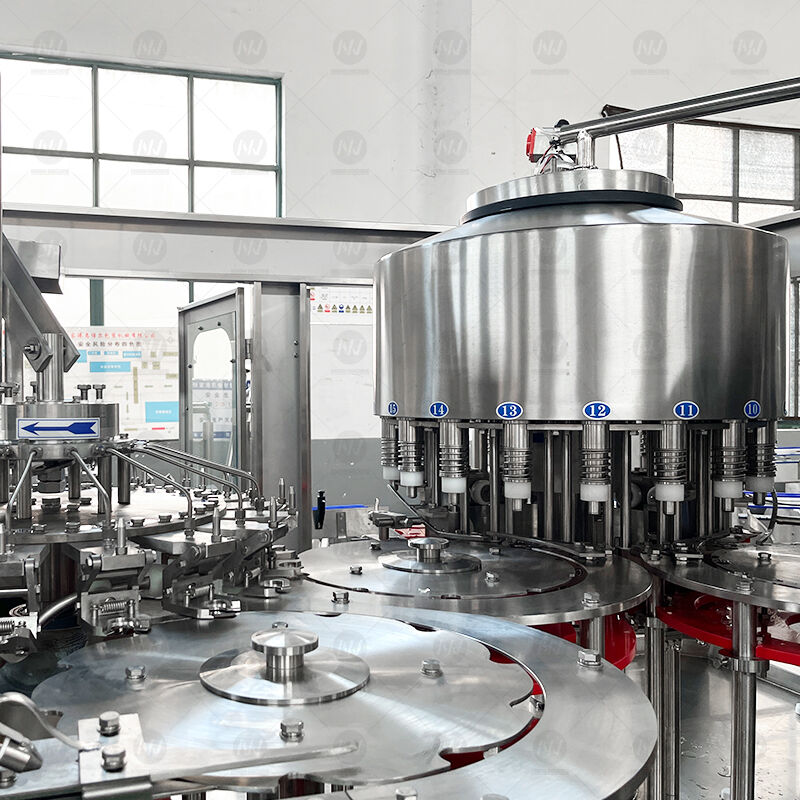
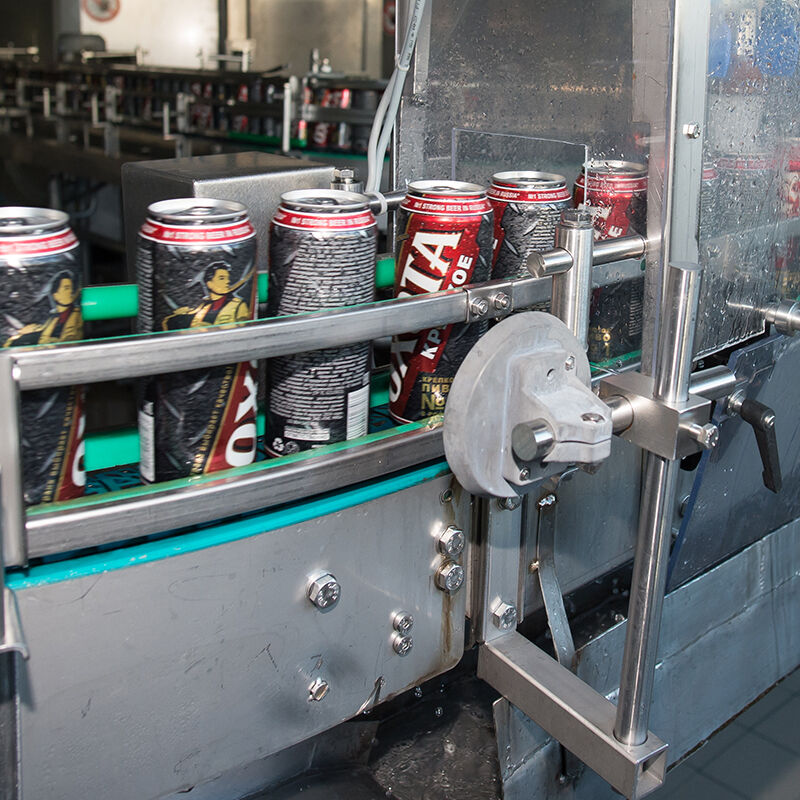
fruit juice filling machine
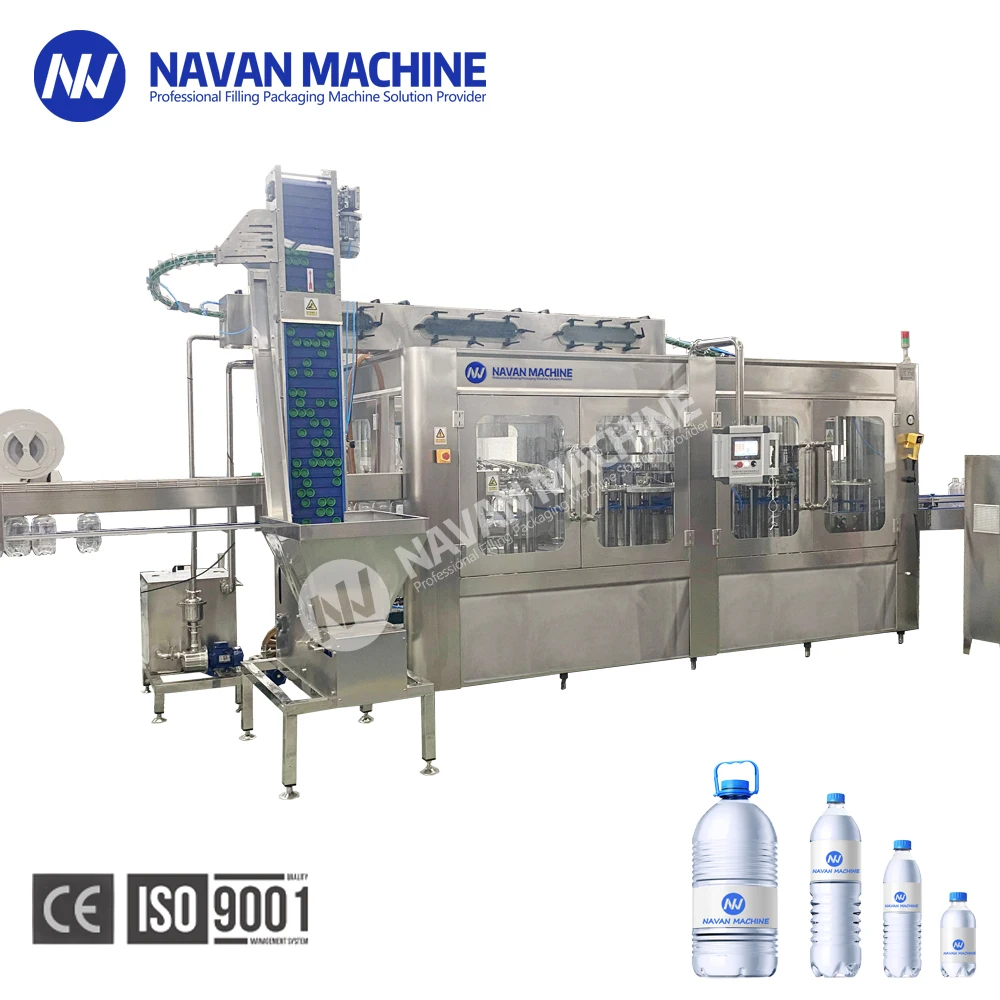
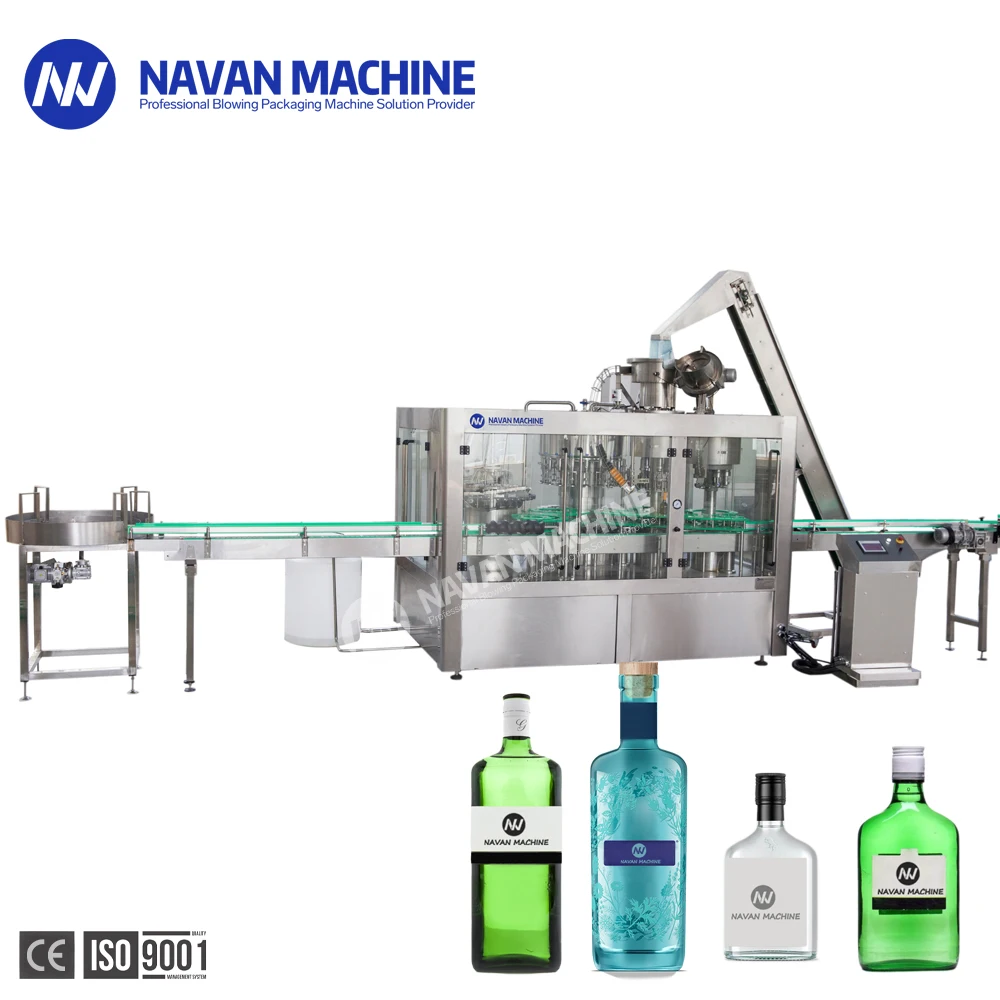
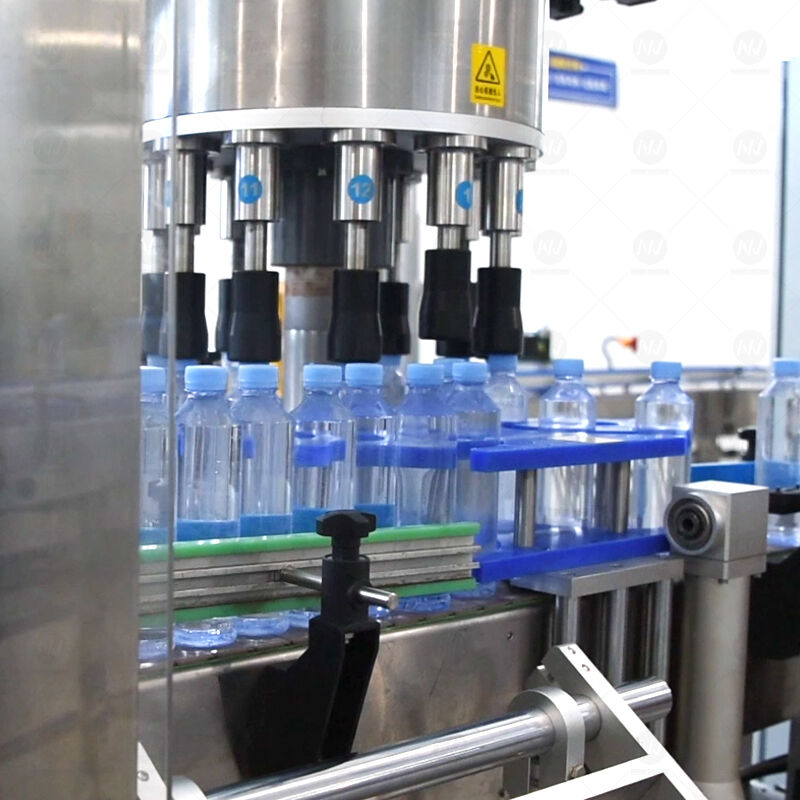
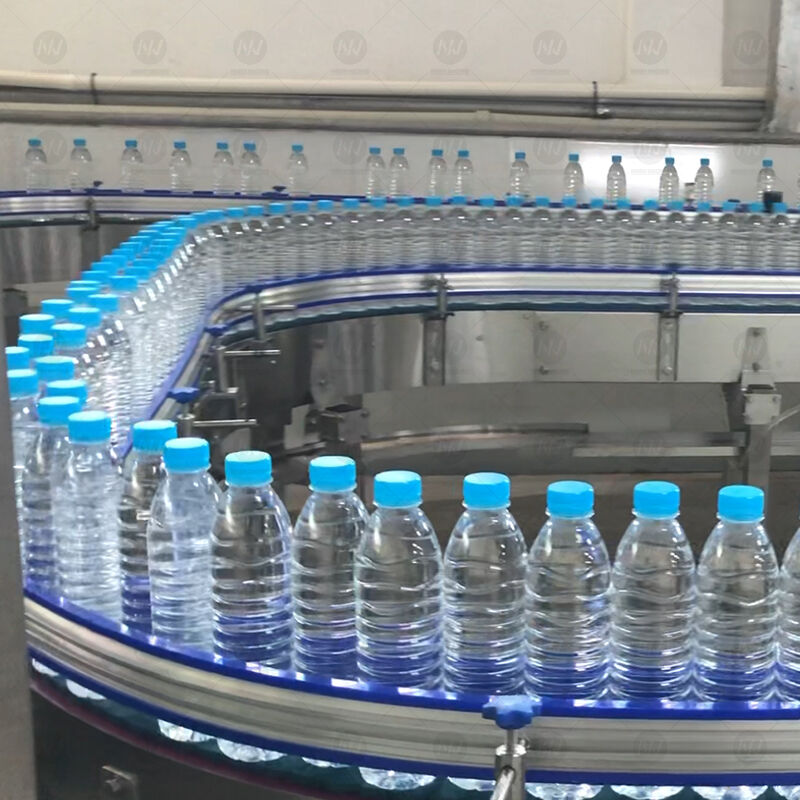
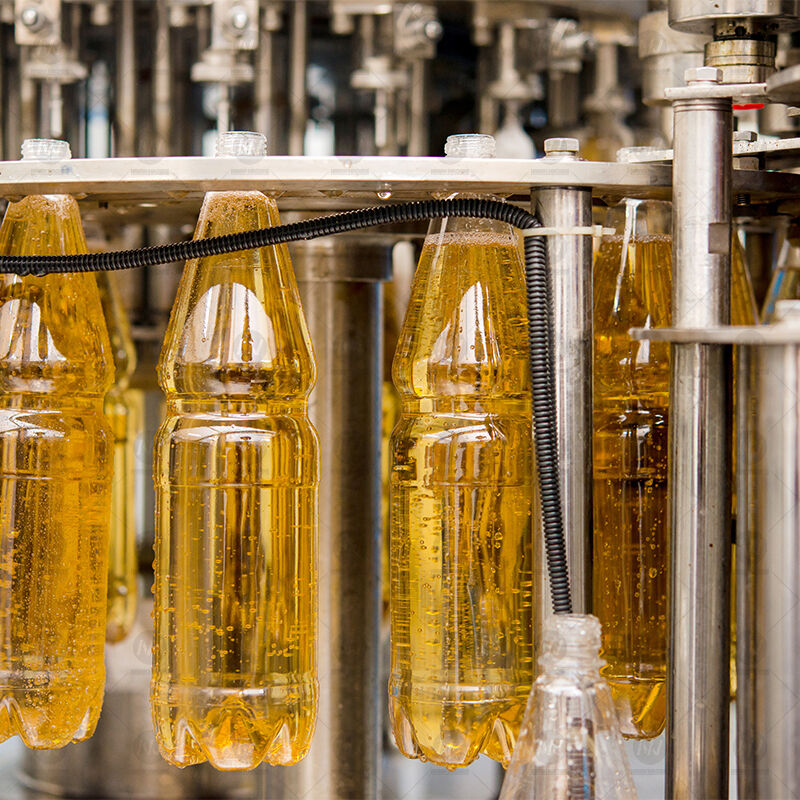
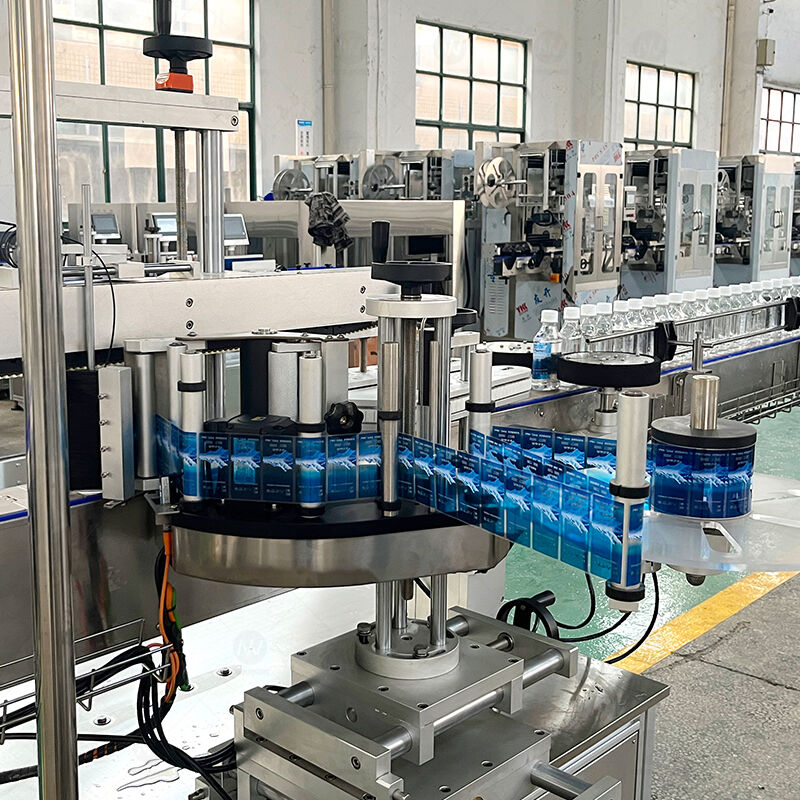
The fruit juice filling machine represents a sophisticated piece of industrial equipment designed to automate the packaging process of various liquid beverages into containers with exceptional precision and efficiency. This advanced machinery serves as the cornerstone of modern beverage production lines, enabling manufacturers to achieve consistent quality standards while maximizing operational productivity. The primary function of a fruit juice filling machine centers around accurately dispensing predetermined volumes of liquid products into bottles, cans, or other suitable containers through precisely calibrated filling mechanisms. These machines incorporate advanced sensor technology and programmable logic controllers that ensure each container receives the exact amount of product specified, eliminating waste and maintaining uniformity across production batches. The technological framework of modern fruit juice filling machines includes stainless steel construction that meets stringent food safety standards, corrosion-resistant components that withstand acidic fruit juices, and sanitary design features that facilitate thorough cleaning and maintenance procedures. Many systems feature servo-driven filling valves that provide exceptional control over flow rates and filling speeds, while integrated quality control sensors monitor fill levels in real-time to detect and reject improperly filled containers. The applications for fruit juice filling machines span across numerous beverage categories including fresh fruit juices, concentrated juice products, smoothies, nectars, and blended fruit drinks. These versatile machines accommodate various container sizes and shapes, from small single-serving bottles to large family-sized containers, making them suitable for diverse market segments. Production capacities range from small-scale operations handling hundreds of containers per hour to high-speed industrial systems capable of processing thousands of units hourly. The integration capabilities allow seamless connection with upstream preparation equipment and downstream packaging machinery, creating complete automated production lines that minimize human intervention and reduce contamination risks while maintaining optimal hygiene standards throughout the entire filling process.
 EN
EN