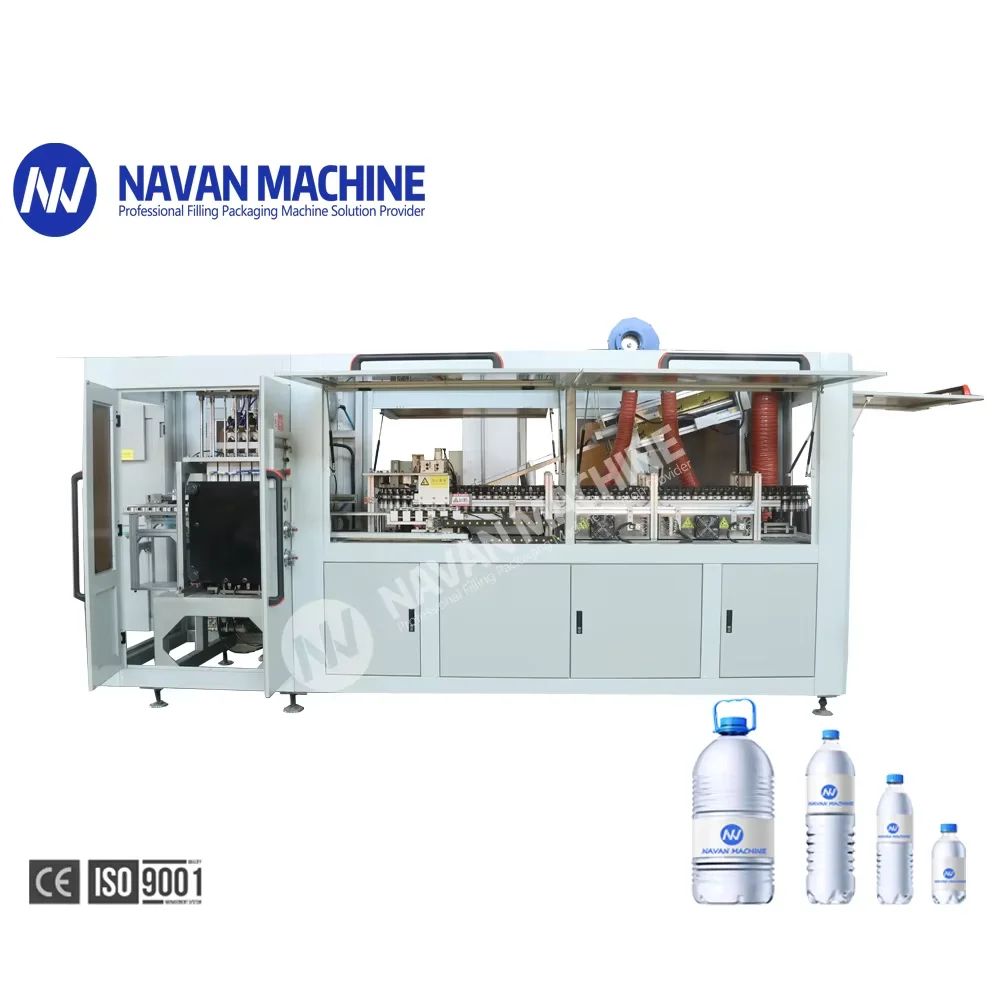
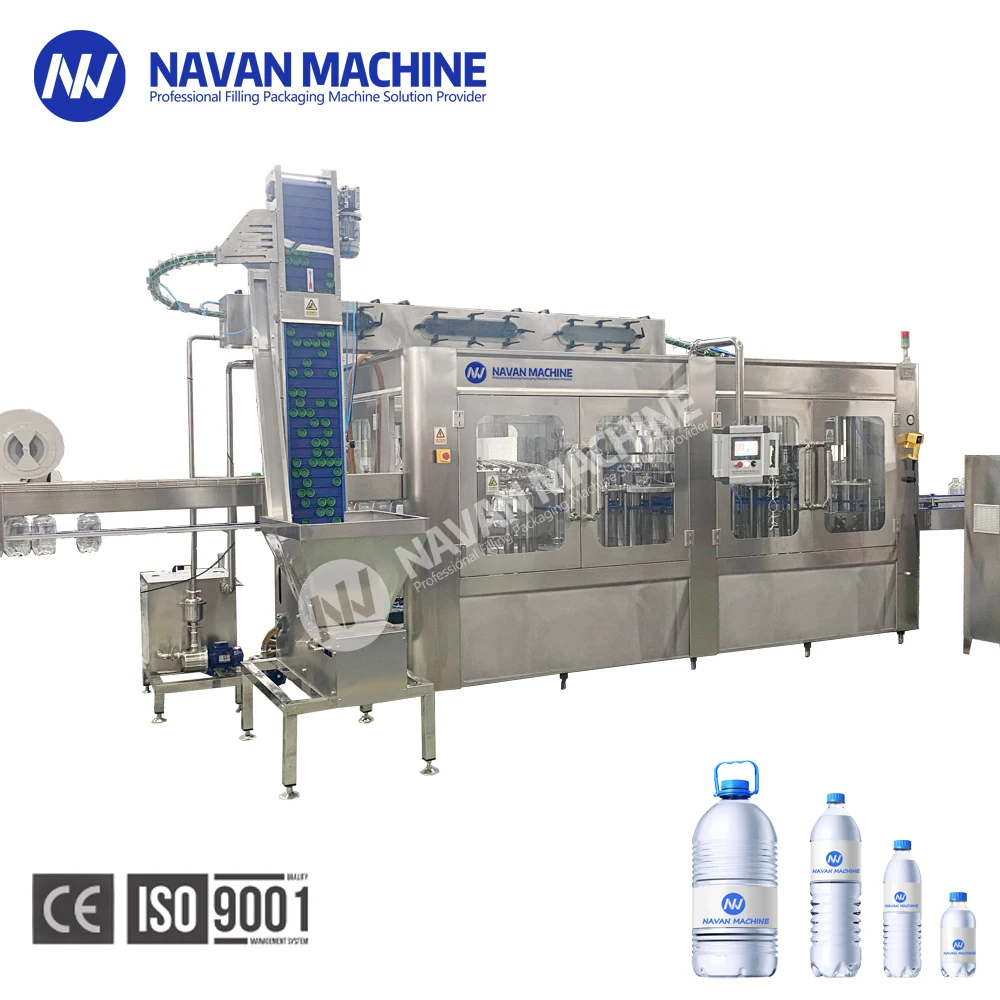
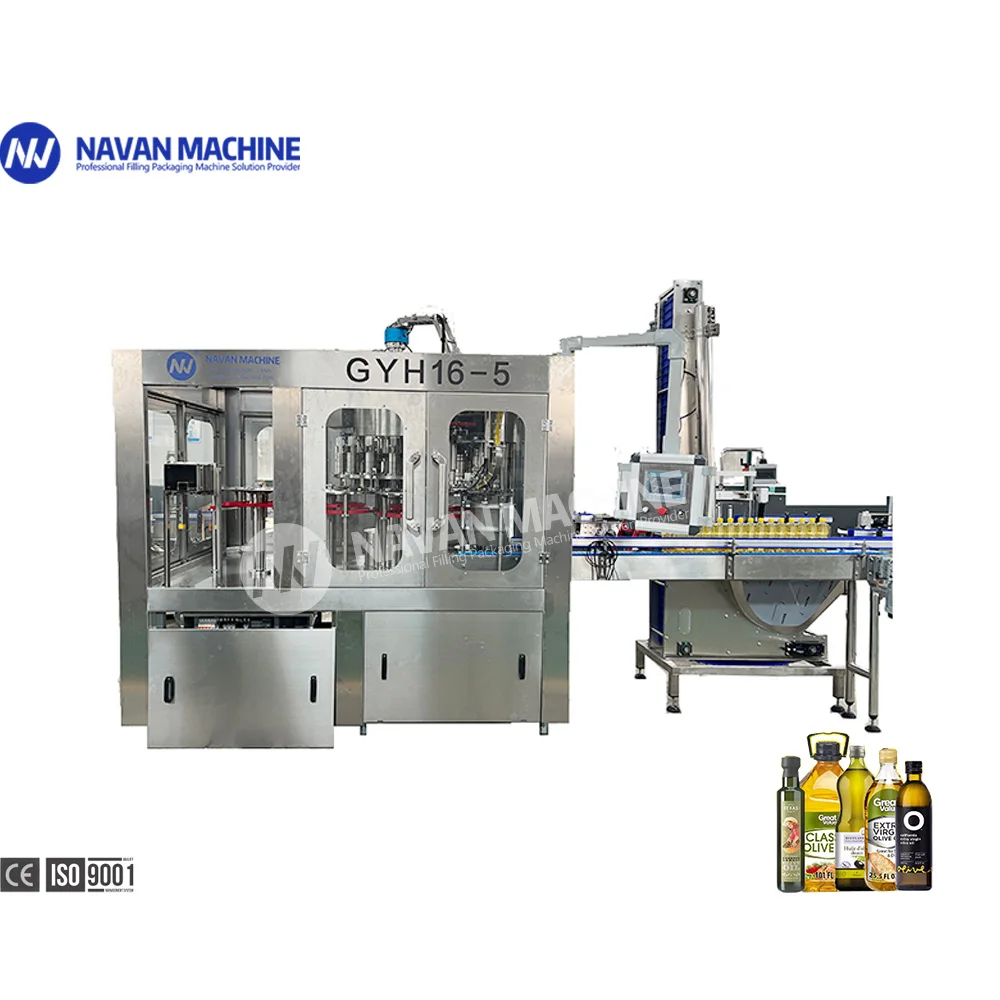
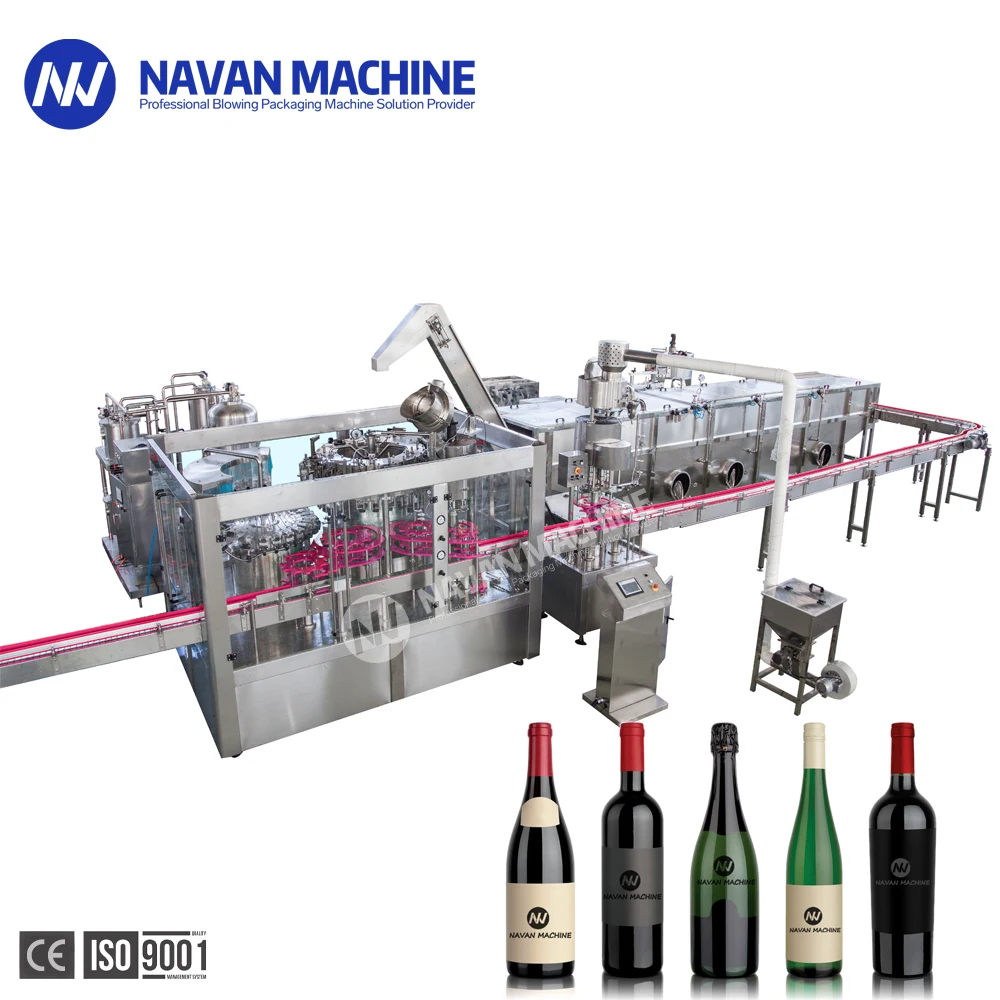
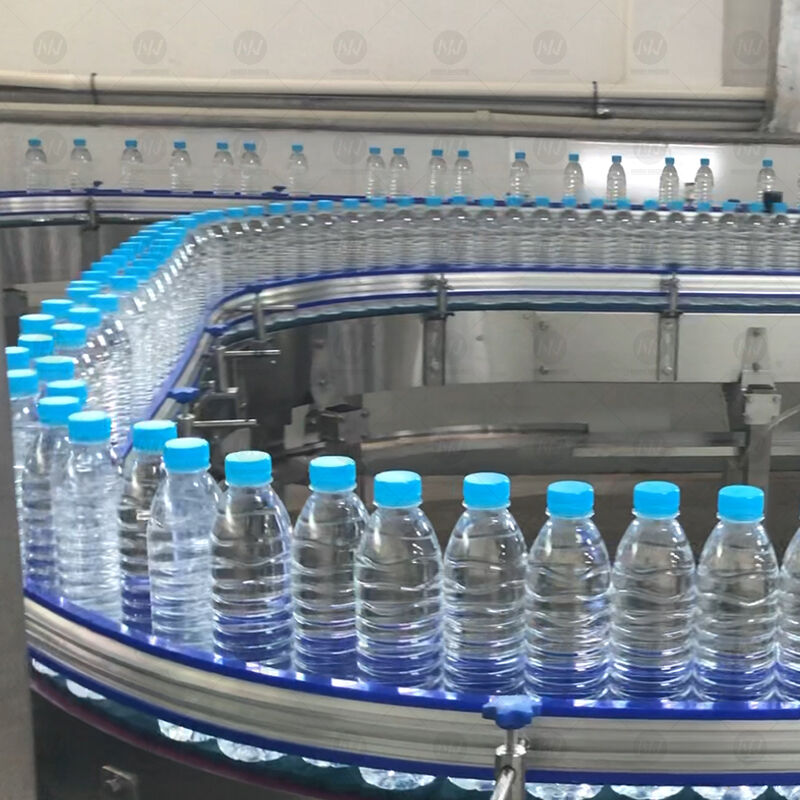
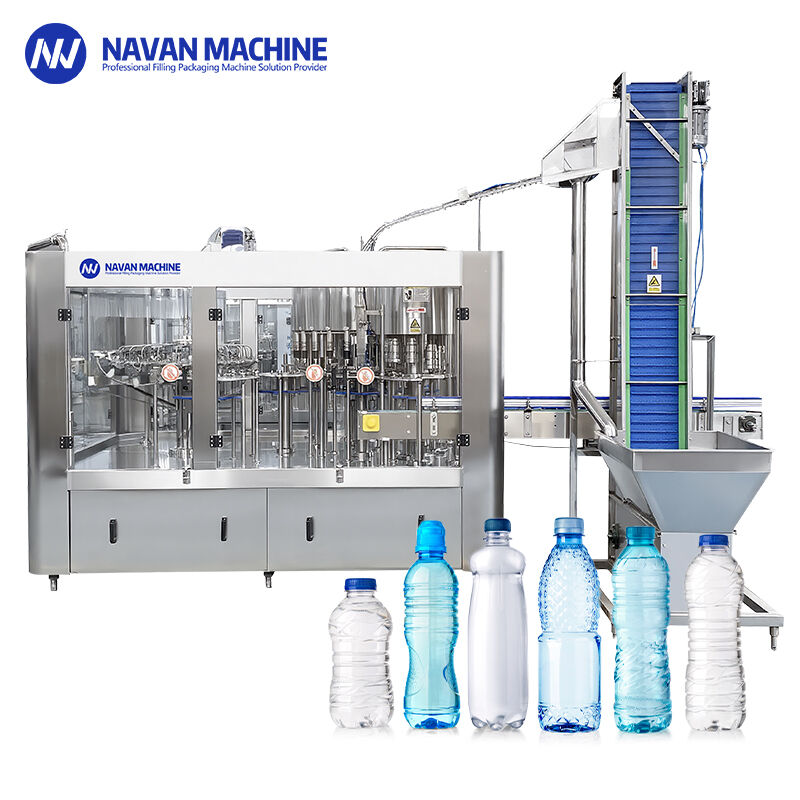
hot juice filling machine
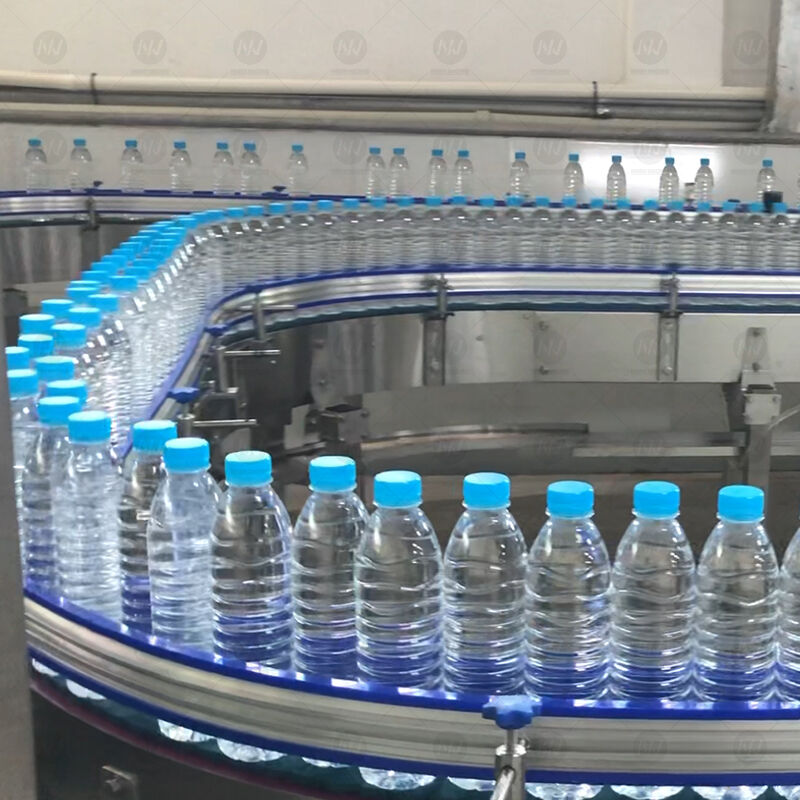
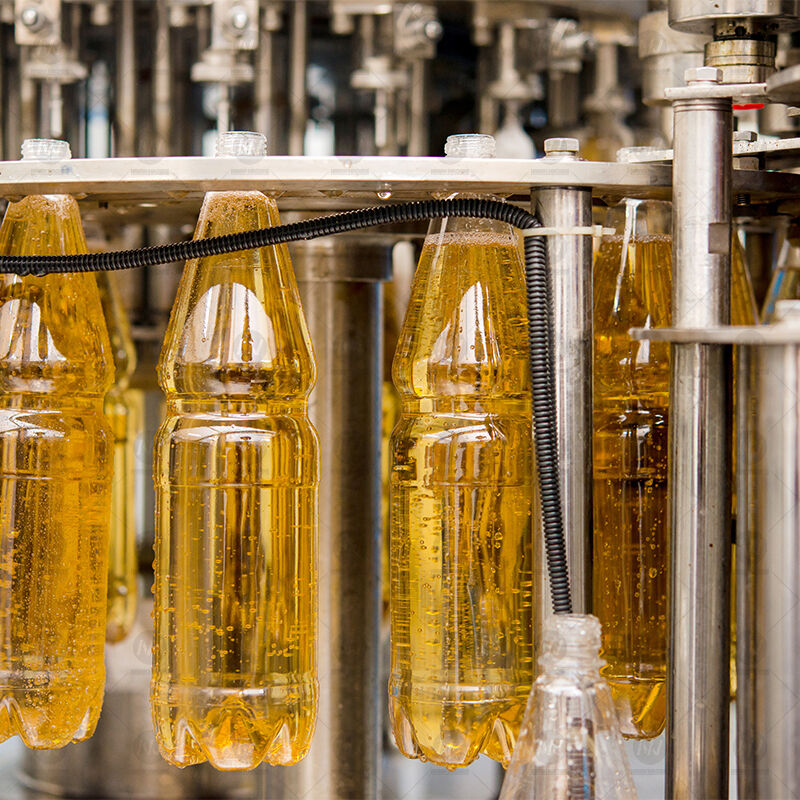
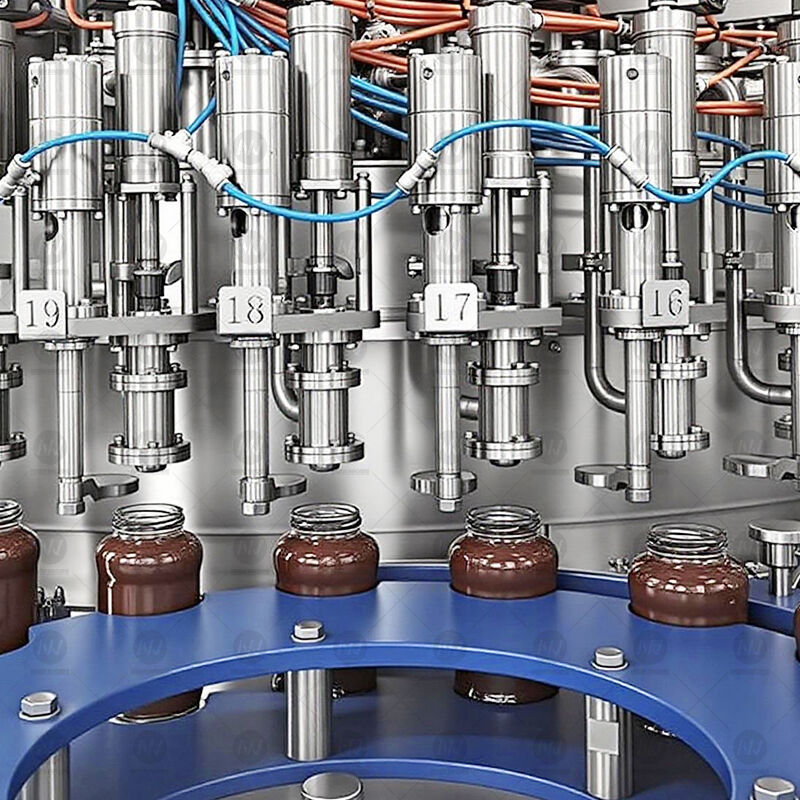
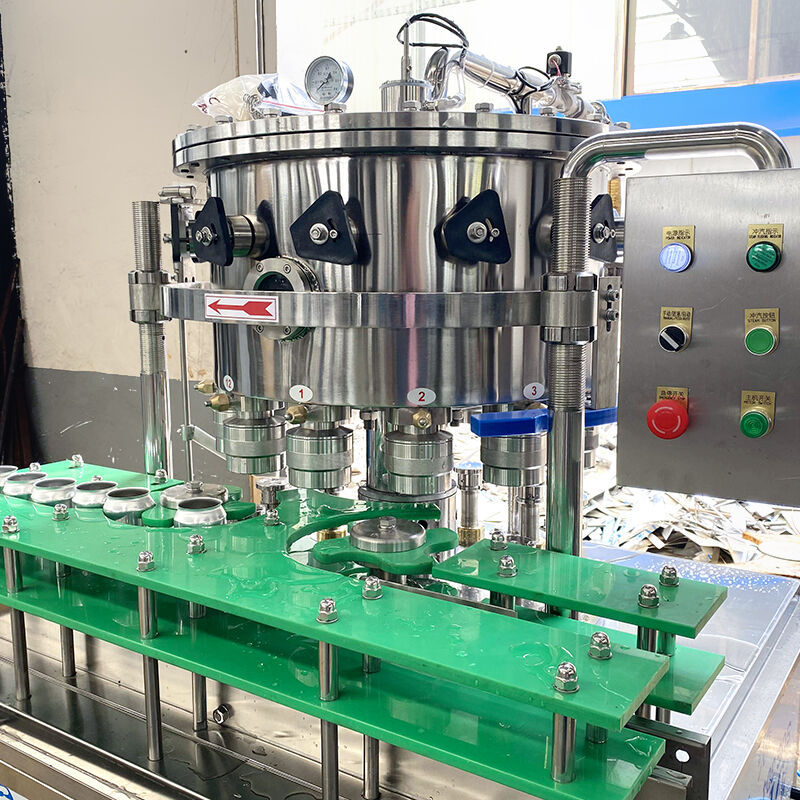
A hot juice filling machine represents a sophisticated piece of industrial equipment designed specifically for the aseptic packaging of fruit juices, nectars, and other liquid beverages at elevated temperatures. This specialized machinery operates by heating juice products to temperatures typically ranging from 85 to 95 degrees Celsius before dispensing them into sterilized containers. The primary purpose of this heating process is to eliminate harmful microorganisms and extend product shelf life without compromising nutritional value or taste quality. Modern hot juice filling machines incorporate advanced automation systems that control temperature regulation, flow rates, and container positioning with remarkable precision. These systems feature stainless steel construction throughout all product contact surfaces, ensuring compliance with strict food safety standards and regulations. The machine's core components include a heating system, temperature monitoring sensors, filling valves, container handling mechanisms, and capping units that work in seamless coordination. Professional-grade hot juice filling machines can accommodate various container sizes, from small bottles to large cartons, making them versatile solutions for different production requirements. The filling process begins with pre-heating the juice to the designated temperature, followed by precise dispensing into containers that have been pre-sterilized or treated with antimicrobial solutions. Advanced models incorporate programmable logic controllers that allow operators to customize filling parameters for different product formulations and container specifications. Quality control systems integrated within these machines monitor fill levels, detect container defects, and ensure consistent product quality throughout production runs. The technology behind hot juice filling machines has evolved significantly, incorporating features such as nitrogen flushing capabilities to minimize oxidation, variable speed controls for different production demands, and automated cleaning systems that reduce downtime between batches. These machines serve as essential equipment for beverage manufacturers seeking to produce shelf-stable products that maintain freshness and nutritional integrity while meeting commercial distribution requirements.

 EN
EN