Comprehensive Quality Control Integration
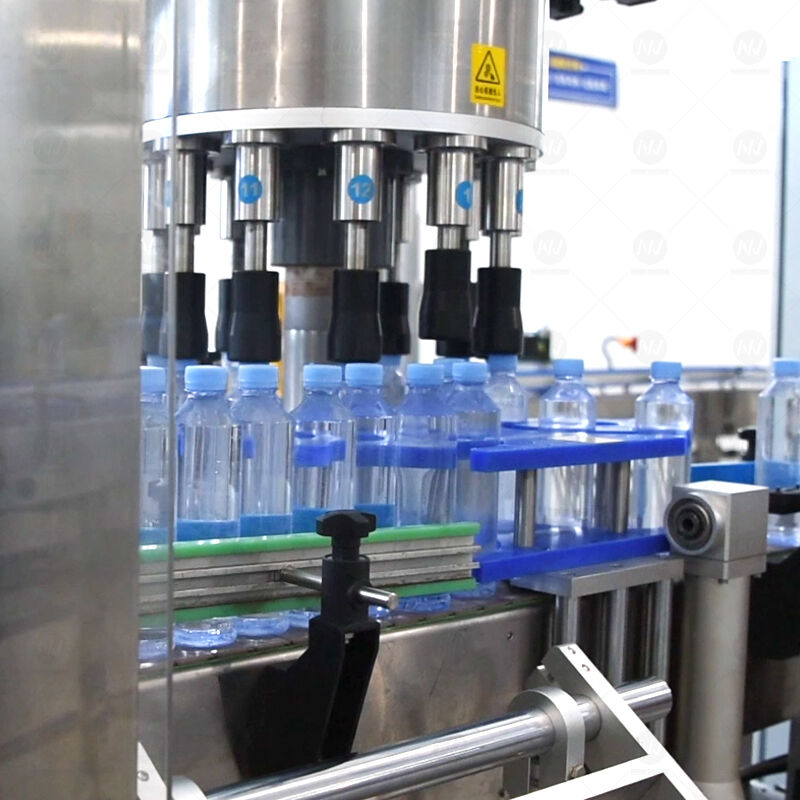
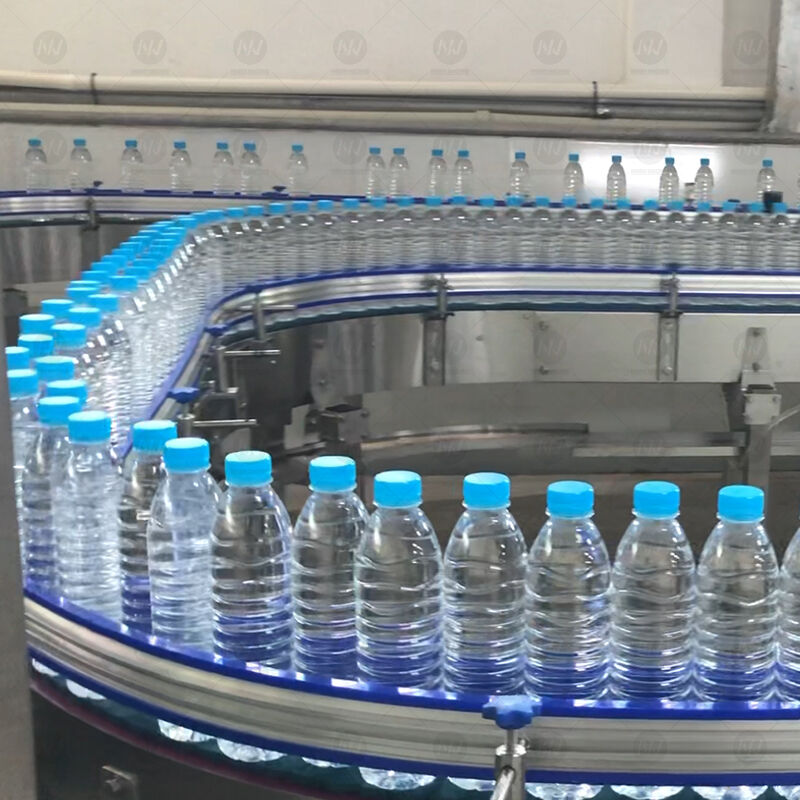
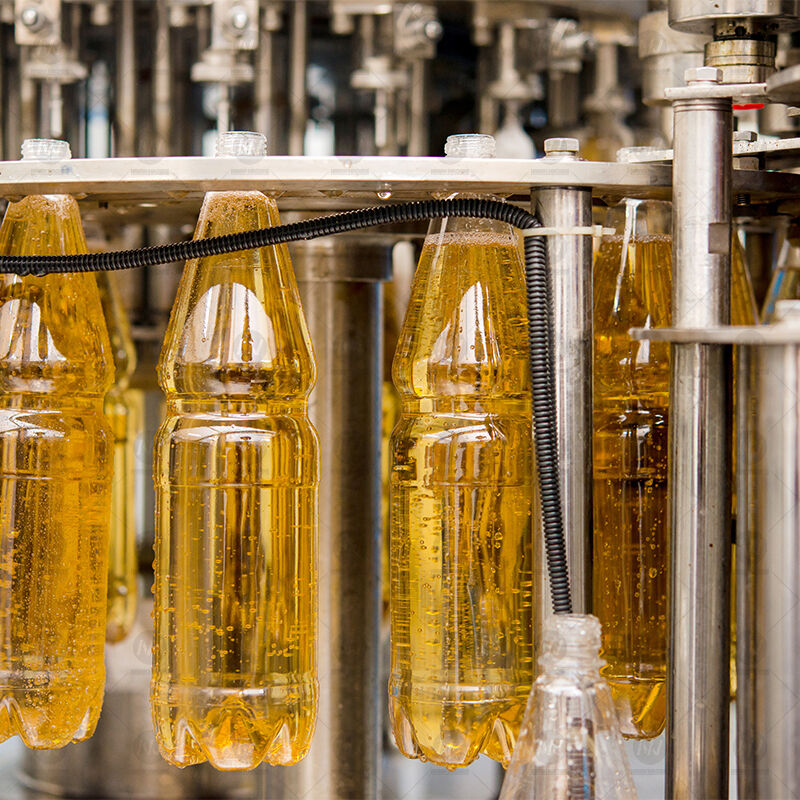
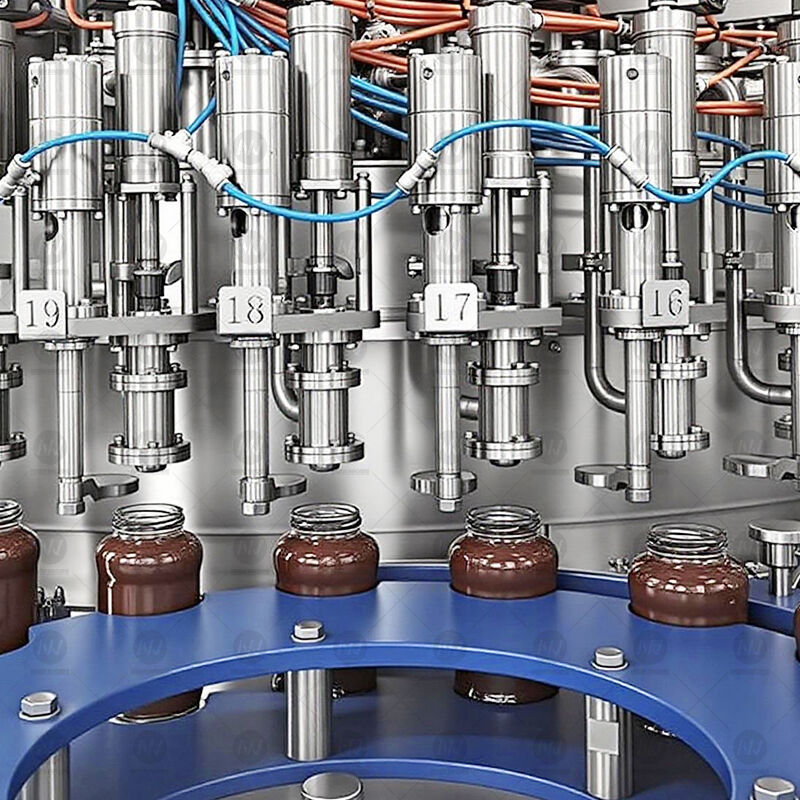
Quality control integration within the juice filling line transforms traditional post-production inspection into real-time process monitoring and correction, ensuring every container meets specifications before leaving the production area. This comprehensive system employs multiple inspection technologies including vision systems, weight checkers, level sensors, and leak detection equipment strategically positioned throughout the filling process. High-resolution cameras capture images of each container, analyzing fill levels, detecting foreign particles, and verifying cap placement with millisecond precision. Weight verification systems compare actual container weights against predetermined targets, automatically rejecting units that fall outside acceptable ranges while tracking statistical trends that indicate potential equipment drift. The integration extends beyond basic measurements to include product quality parameters such as color consistency, turbidity levels, and foam characteristics that could indicate formulation issues or equipment malfunctions. Automated rejection systems remove non-conforming products without stopping production, maintaining line efficiency while protecting brand quality standards. Data logging capabilities create comprehensive production records that support traceability requirements and regulatory compliance documentation. Statistical process control algorithms analyze quality trends in real-time, alerting operators to developing issues before they result in product rejections or quality deviations. The quality control system interfaces with upstream processes, providing feedback that enables automatic adjustments to mixing, temperature, or flow parameters when quality variations are detected. Barcode and lot code verification ensures proper product identification and traceability throughout the supply chain. Container integrity inspection detects cracks, chips, or deformations that could compromise product safety or shelf presentation. The integrated approach reduces quality-related waste by catching problems early in the process rather than discovering them during final inspection or, worse, after products reach consumers. Customizable quality parameters accommodate different product specifications and customer requirements without reprogramming the entire system.
 EN
EN