Professional Beer Filling Machine Solutions - Advanced Brewing Equipment for Efficient Production

Requesting a Call:

+8615601563990

Online Support

[email protected]

WhatsApp

+86-15601563990

beer filling machine

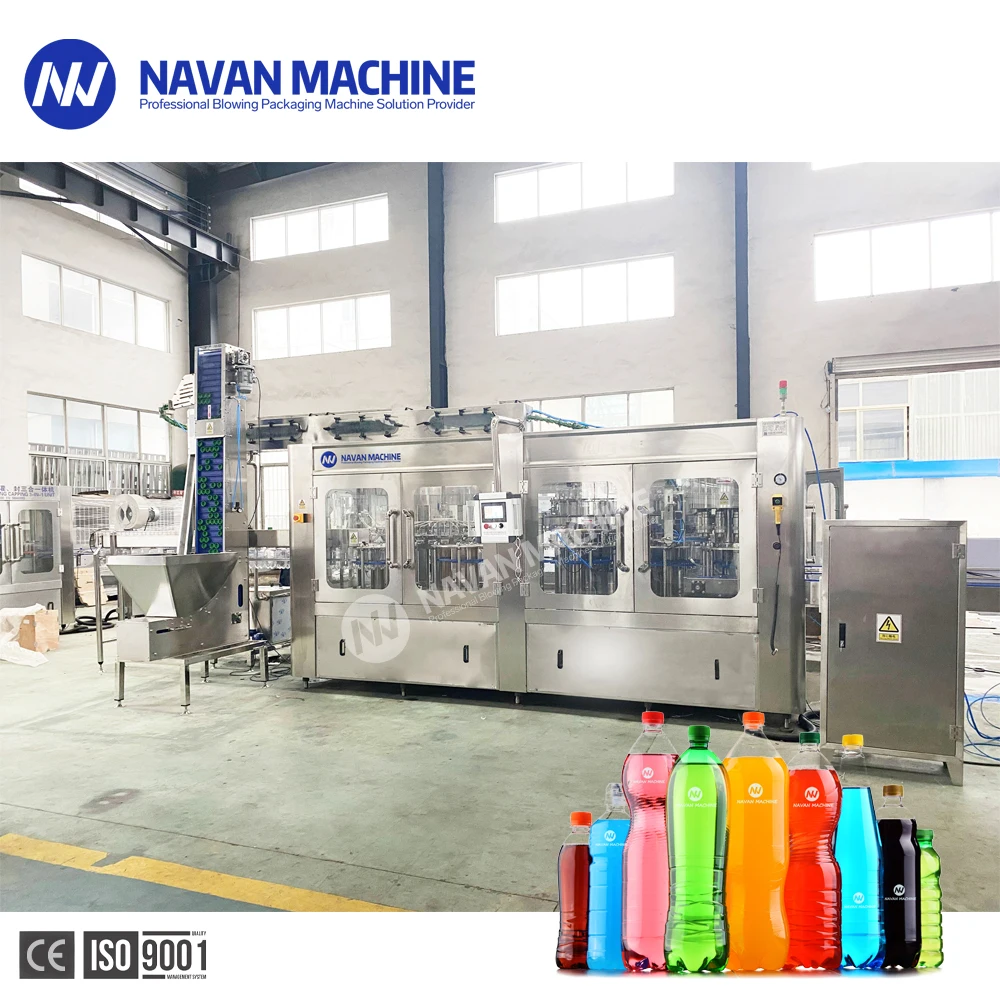
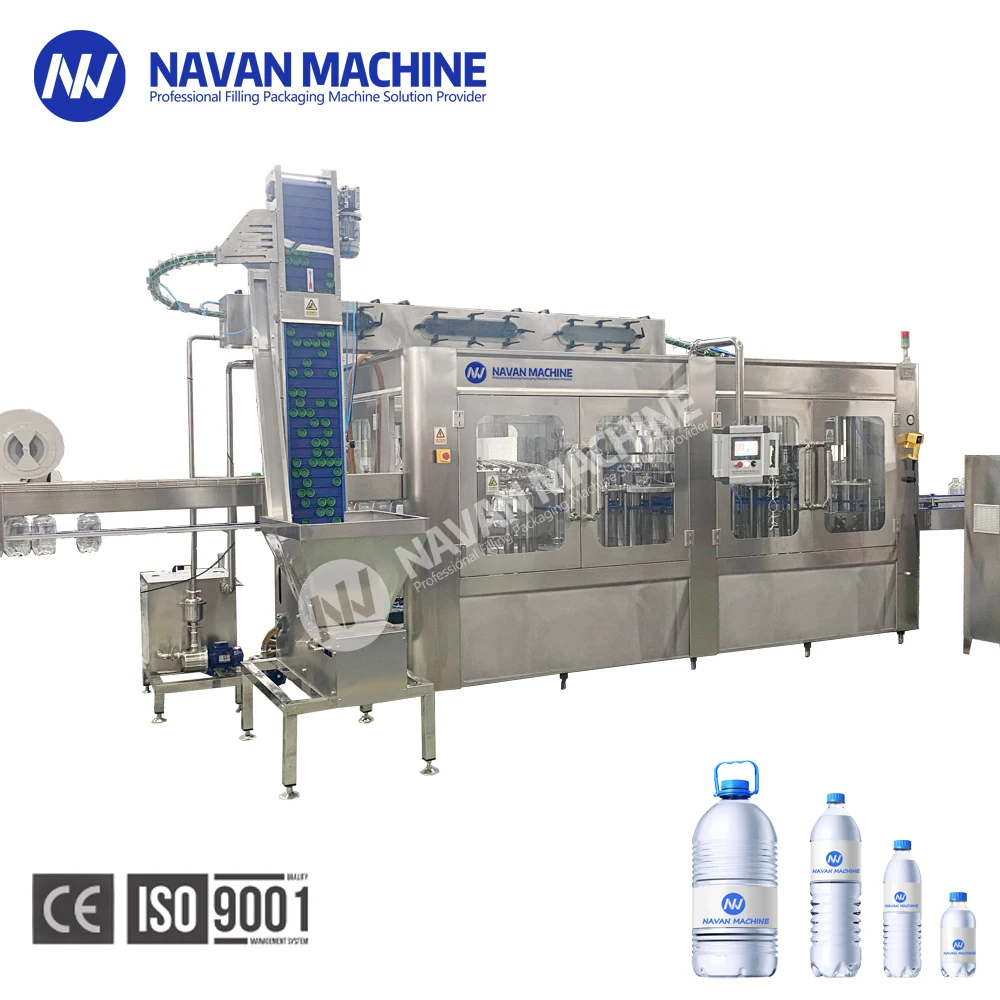
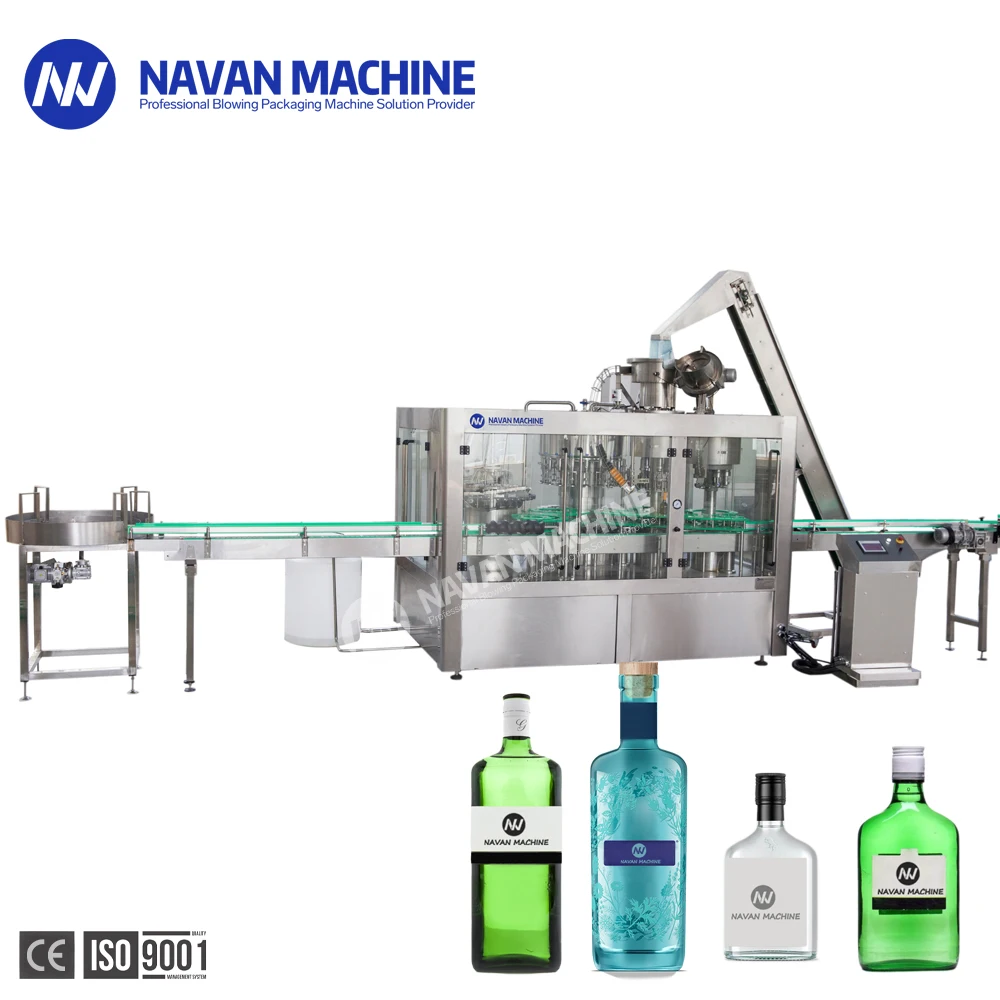
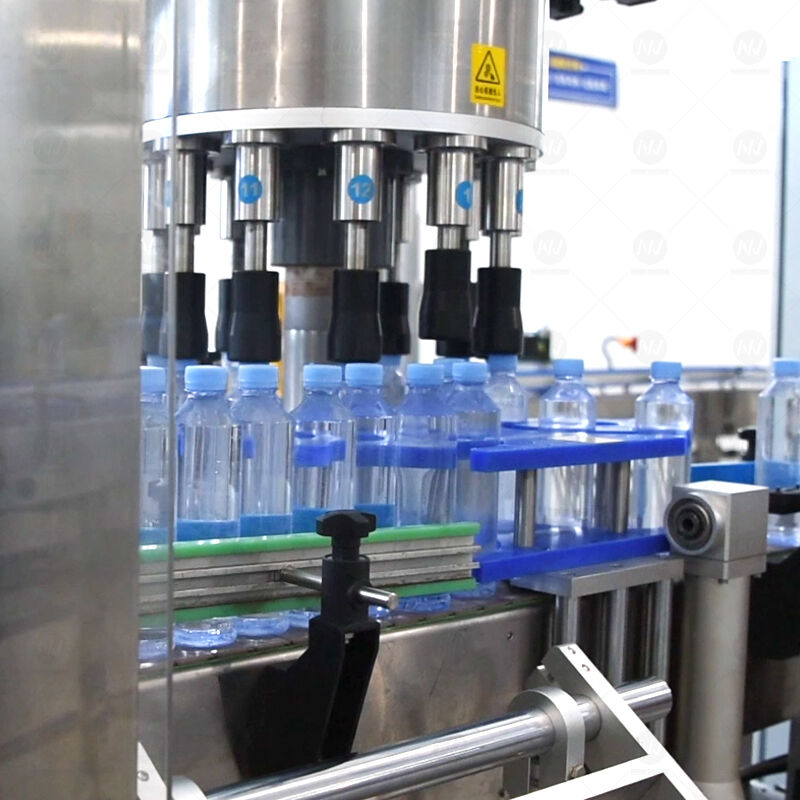
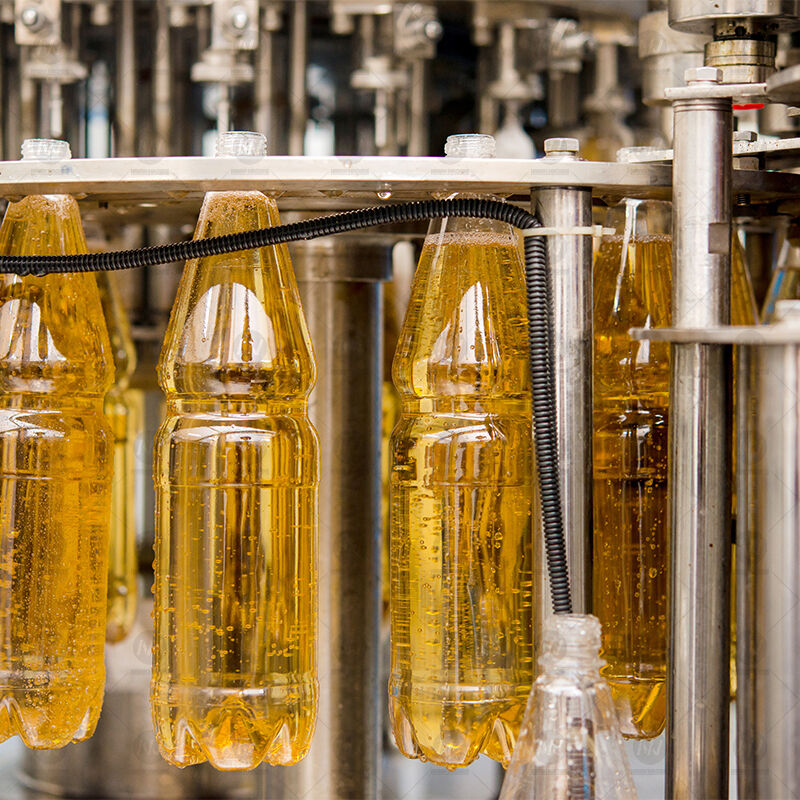
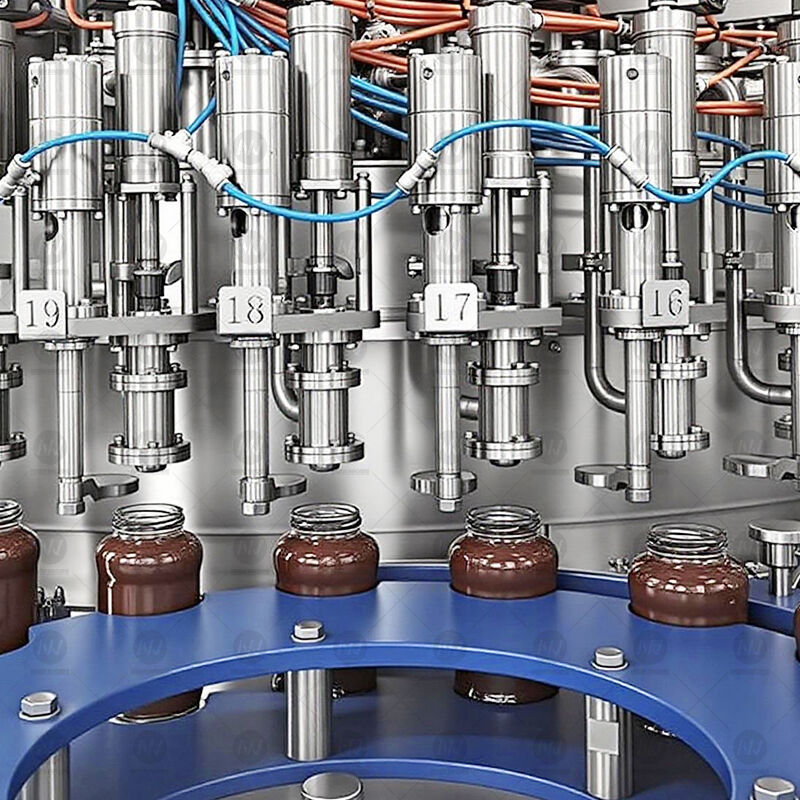
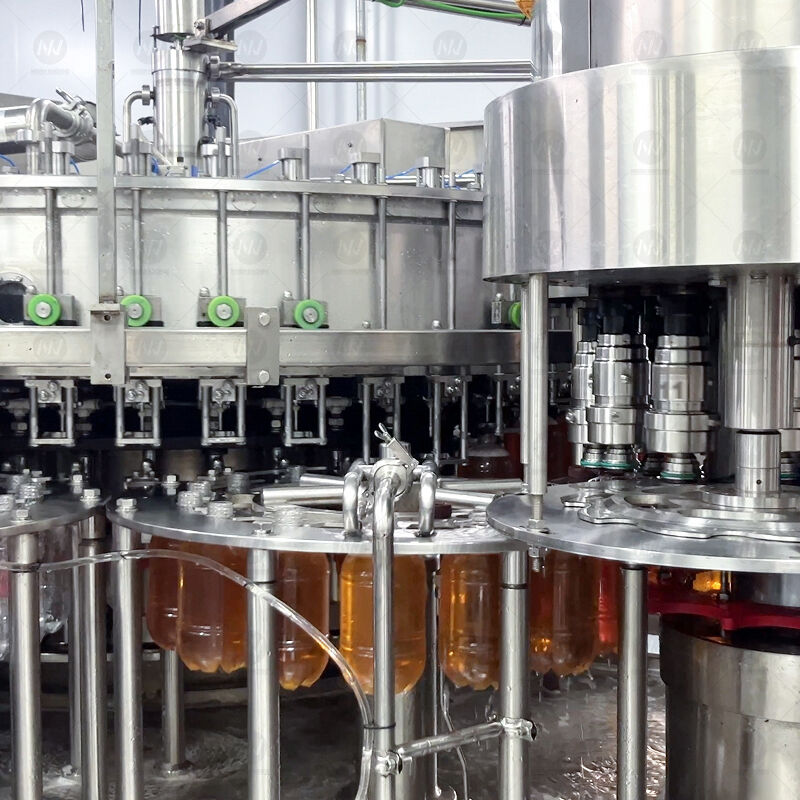
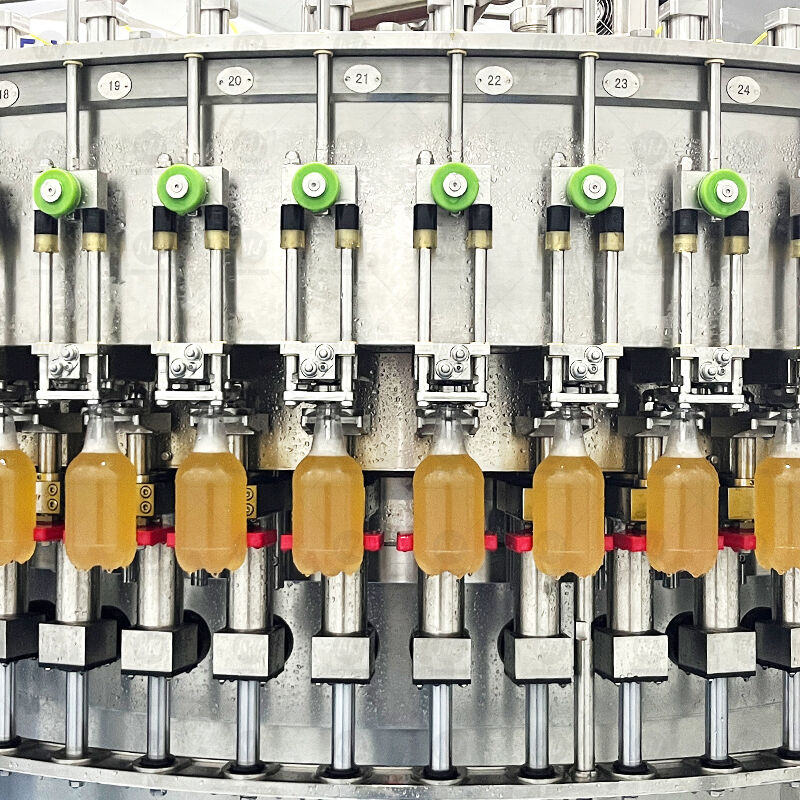
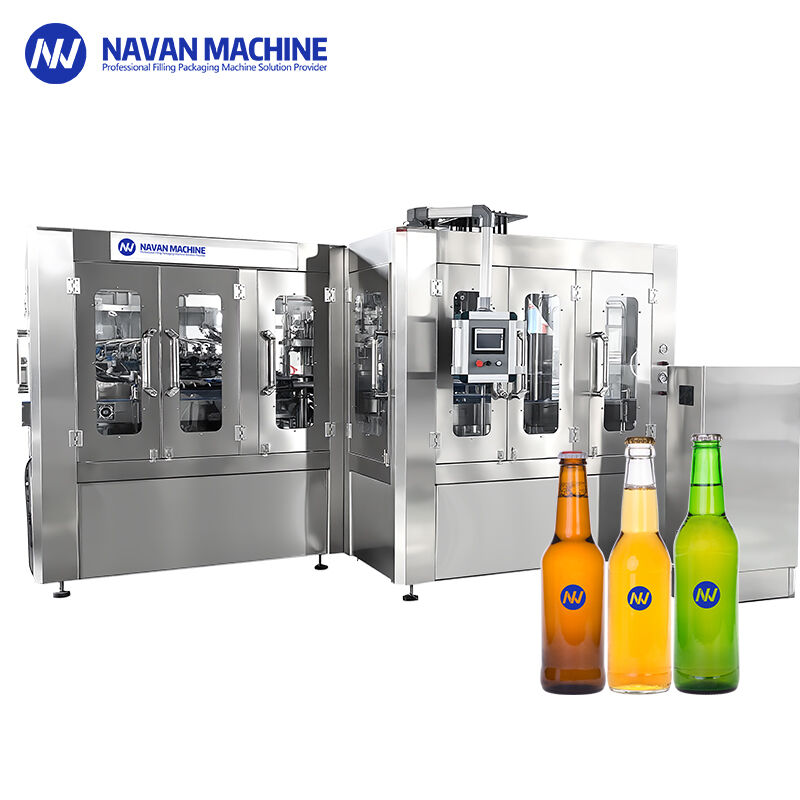
A beer filling machine represents a sophisticated automated system designed specifically for packaging beer into bottles, cans, or kegs with precision and efficiency. This essential equipment serves as the cornerstone of modern brewery operations, enabling manufacturers to maintain consistent product quality while maximizing production capacity. The beer filling machine operates through a carefully orchestrated process that begins with container preparation, followed by precise volume dispensing, and concludes with proper sealing to preserve freshness and carbonation levels. Modern beer filling machines incorporate advanced sensor technology to detect container presence, monitor fill levels, and ensure each package meets exact specifications. The system typically features multiple filling heads that work simultaneously, dramatically increasing throughput compared to manual filling methods. These machines handle various container sizes and materials, from standard glass bottles to aluminum cans and plastic containers. The filling process maintains strict hygiene standards through sanitization cycles and sterile environments, preventing contamination that could compromise beer quality. Temperature control mechanisms ensure optimal filling conditions, while pressure regulation systems preserve carbonation throughout the packaging process. Integration capabilities allow these machines to connect seamlessly with existing production lines, creating efficient workflows from brewing to final packaging. Quality control sensors continuously monitor parameters such as foam levels, fill accuracy, and container integrity, automatically rejecting products that fail to meet standards. The beer filling machine's modular design enables customization based on specific production requirements, whether for craft breweries producing small batches or large-scale commercial operations handling millions of units annually. Maintenance features include accessible components for routine cleaning and service, minimizing downtime and ensuring consistent operation. These machines represent a critical investment for breweries seeking to scale operations while maintaining product excellence and meeting increasing market demands for consistent, high-quality beer products.

New Product Releases

Beer filling machines deliver substantial operational benefits that transform brewery efficiency and product quality standards. These automated systems significantly reduce labor costs by eliminating the need for manual filling processes, allowing staff to focus on higher-value activities such as quality control and production planning. The precision filling technology ensures consistent volume accuracy, reducing product waste and maximizing profit margins through exact portion control. Speed advantages become immediately apparent as modern beer filling machines can process thousands of containers per hour, far exceeding manual capabilities and enabling breweries to meet growing market demands without proportional increases in workforce requirements. Quality consistency represents another major advantage, as automated systems eliminate human error variables that can affect fill levels, contamination risks, and sealing integrity. The controlled environment within these machines maintains optimal hygienic conditions, protecting beer from exposure to airborne contaminants and ensuring compliance with strict food safety regulations. Cost efficiency extends beyond labor savings to include reduced material waste, as precise filling mechanisms minimize overfilling and spillage that typically occurs with manual processes. Scalability benefits allow breweries to expand production capacity without complete facility overhauls, as modern beer filling machines can be upgraded or reconfigured to handle increased volumes or different container types. Traceability features enable comprehensive production monitoring, providing detailed records for quality assurance and regulatory compliance requirements. The consistent carbonation preservation achieved through pressure-controlled filling maintains beer taste profiles and extends shelf life, enhancing customer satisfaction and reducing returns. Flexibility in container handling allows breweries to diversify their product offerings across multiple packaging formats without investing in separate equipment for each type. Energy efficiency improvements compared to older filling methods reduce operational costs while supporting sustainability initiatives. The reduced physical strain on workers improves workplace safety and employee satisfaction, contributing to lower turnover rates and improved productivity. Integration capabilities with existing brewery management systems provide real-time production data, enabling better decision-making and optimization of overall manufacturing processes.

Latest News

What Factors Should You Consider When Choosing a Bottle Filling Machine?

31

Oct

What Factors Should You Consider When Choosing a Bottle Filling Machine?

Essential Considerations for Industrial Bottle Filling Equipment Selecting the right bottle filling machine for your production line is a crucial decision that impacts efficiency, product quality, and bottom-line profitability. Whether you're expandi...
View More
What Are the Long-Term Benefits of Investing in Advanced Water Filling Lines?

31

Oct

What Are the Long-Term Benefits of Investing in Advanced Water Filling Lines?

Transforming Beverage Production Through Modern Automation The beverage industry is witnessing a revolutionary transformation as manufacturers increasingly turn to advanced water filling lines to streamline their operations. These sophisticated syste...
View More
What Technologies Ensure Freshness and Shelf Life in Beer Filling Systems?

31

Oct

What Technologies Ensure Freshness and Shelf Life in Beer Filling Systems?

Modern Innovations in Beer Filling Technology The brewing industry has witnessed remarkable technological advancements in beer filling systems, revolutionizing how breweries maintain product freshness and extend shelf life. Today's sophisticated beer...
View More
How Does a Jam Filling Machine Handle Thick and Sticky Products Efficiently?

31

Oct

How Does a Jam Filling Machine Handle Thick and Sticky Products Efficiently?

Understanding Modern Industrial Jam Processing Equipment The food processing industry has witnessed remarkable technological advancements, particularly in the realm of handling viscous products. At the heart of efficient jam production lies the sophi...
View More

Get a Free Quote

Our representative will contact you soon.
Email
Name
Company Name
Message
0/1000

beer filling machine

Advanced Precision Filling Technology

Advanced Precision Filling Technology

The heart of any superior beer filling machine lies in its advanced precision filling technology, which represents a quantum leap from traditional filling methods. This sophisticated system employs state-of-the-art flow meters and electronic sensors that measure liquid volume with microscopic accuracy, ensuring each container receives exactly the predetermined amount of beer. The precision filling technology utilizes multiple measurement points throughout the filling process, creating a fail-safe system that prevents both underfilling and overfilling scenarios. Electronic flow control valves respond instantaneously to sensor feedback, adjusting flow rates in real-time to maintain consistent fill levels regardless of variations in container dimensions or production line speeds. This technology becomes particularly crucial when dealing with different beer types that may have varying viscosities or foam characteristics, as the system automatically adapts filling parameters to accommodate these differences. The precision mechanisms also account for temperature fluctuations and pressure variations that could otherwise affect fill accuracy, maintaining consistent results throughout extended production runs. Advanced algorithms within the control system learn from each filling cycle, continuously optimizing performance and reducing waste through predictive adjustments. The technology includes sophisticated foam detection capabilities that prevent overfilling when beer creates excessive head during the filling process, automatically adjusting fill speeds to minimize foam formation while maintaining proper liquid levels. Quality assurance sensors integrated within the precision filling system perform real-time verification of each filled container, immediately flagging any units that fall outside acceptable tolerance ranges for immediate correction or removal. This level of precision directly translates to significant cost savings for breweries, as accurate filling reduces product giveaway while ensuring compliance with regulatory requirements for package labeling accuracy. The system's ability to handle multiple container sizes simultaneously without manual adjustments streamlines production changeovers and increases overall equipment effectiveness. Regular calibration protocols maintain measurement accuracy over time, ensuring consistent performance throughout the machine's operational lifetime.
Hygienic Design and Contamination Prevention

Hygienic Design and Contamination Prevention

The hygienic design and contamination prevention features of modern beer filling machines establish new standards for food safety and product integrity in brewery operations. These systems incorporate comprehensive sanitary design principles that eliminate potential contamination sources while facilitating thorough cleaning and sanitization procedures. Every surface that contacts beer features smooth, non-porous materials such as pharmaceutical-grade stainless steel, which resists bacterial adhesion and enables complete sanitization between production runs. The machine architecture includes strategically placed Clean-in-Place systems that circulate sanitizing solutions through all product-contact surfaces, eliminating the need for manual disassembly and reducing contamination risks associated with human handling. Advanced air filtration systems create positive pressure environments around filling zones, preventing airborne contaminants from entering the beer stream during the filling process. The design incorporates minimal dead spaces and crevices where bacteria could potentially harbor, while drainage systems ensure complete removal of cleaning solutions and prevent cross-contamination between different beer varieties. Automated sanitization cycles can be programmed to run at predetermined intervals or triggered by specific production events, maintaining consistent hygiene standards without requiring operator intervention. The enclosed filling environment protects beer from external contaminants such as dust, insects, or foreign particles that could compromise product quality or safety. Temperature-controlled sanitization systems use heated cleaning solutions to achieve validated kill rates for potential pathogens, ensuring compliance with strict food safety regulations. The hygienic design extends to operator interfaces, featuring washdown-rated control panels and sealed electrical components that can withstand aggressive cleaning chemicals without degradation. Validation protocols verify the effectiveness of cleaning procedures, providing documented evidence of sanitation efficacy for regulatory compliance and quality assurance purposes. The contamination prevention system includes real-time monitoring of critical control points, immediately alerting operators to any deviations from established hygiene parameters. These comprehensive hygiene features protect brand reputation by ensuring consistent product safety while reducing the risk of costly product recalls or regulatory violations.
Flexible Production Capabilities and Integration

Flexible Production Capabilities and Integration

The flexible production capabilities and seamless integration features of modern beer filling machines provide breweries with unprecedented adaptability to meet diverse market demands and operational requirements. These systems accommodate multiple container types, sizes, and materials through quick-change mechanisms that minimize downtime during product transitions, enabling breweries to efficiently serve varied customer preferences and market segments. Advanced programmable controls allow operators to store multiple filling recipes for different beer styles, container specifications, and production parameters, facilitating rapid changeovers between products without manual recalibration. The modular design architecture enables breweries to start with basic configurations and expand capabilities as business grows, protecting initial investments while providing clear upgrade paths for increased capacity or enhanced functionality. Integration capabilities extend throughout the entire production ecosystem, connecting seamlessly with upstream brewing equipment and downstream packaging systems to create fully automated production lines. Real-time communication protocols enable the beer filling machine to receive production schedules and specifications directly from brewery management systems, automatically adjusting parameters for optimal efficiency. The flexible design accommodates seasonal production variations, allowing breweries to ramp up capacity during peak periods while maintaining efficiency during slower times through adjustable speed controls and modular operation modes. Custom tooling options enable handling of unique container shapes or specialty packaging requirements, providing competitive advantages in niche markets or premium product segments. The system's adaptability extends to different carbonation levels and beer styles, from light lagers to heavy stouts, with automatic parameter adjustments ensuring optimal filling conditions for each product type. Remote monitoring and diagnostic capabilities enable predictive maintenance scheduling and troubleshooting support, minimizing unexpected downtime and maximizing production availability. The integration platform supports Industry 4.0 initiatives through data collection and analysis capabilities that provide insights into production efficiency, quality trends, and optimization opportunities. Scalable control architectures allow multiple beer filling machines to operate in coordinated fashion, optimizing overall plant efficiency and enabling sophisticated production scheduling strategies that maximize throughput while minimizing costs.

Get a Free Quote

Our representative will contact you soon.
Email
Name
Company Name
Message
0/1000

Get a Free Quote

Our representative will contact you soon.
Email
Name
Company Name
Message
0/1000
TopTop