Professional Beer Bottle Filling Machine Solutions - Advanced Automated Brewing Equipment

Requesting a Call:

+8615601563990

Online Support

[email protected]

WhatsApp

+86-15601563990

beer bottle filling machine

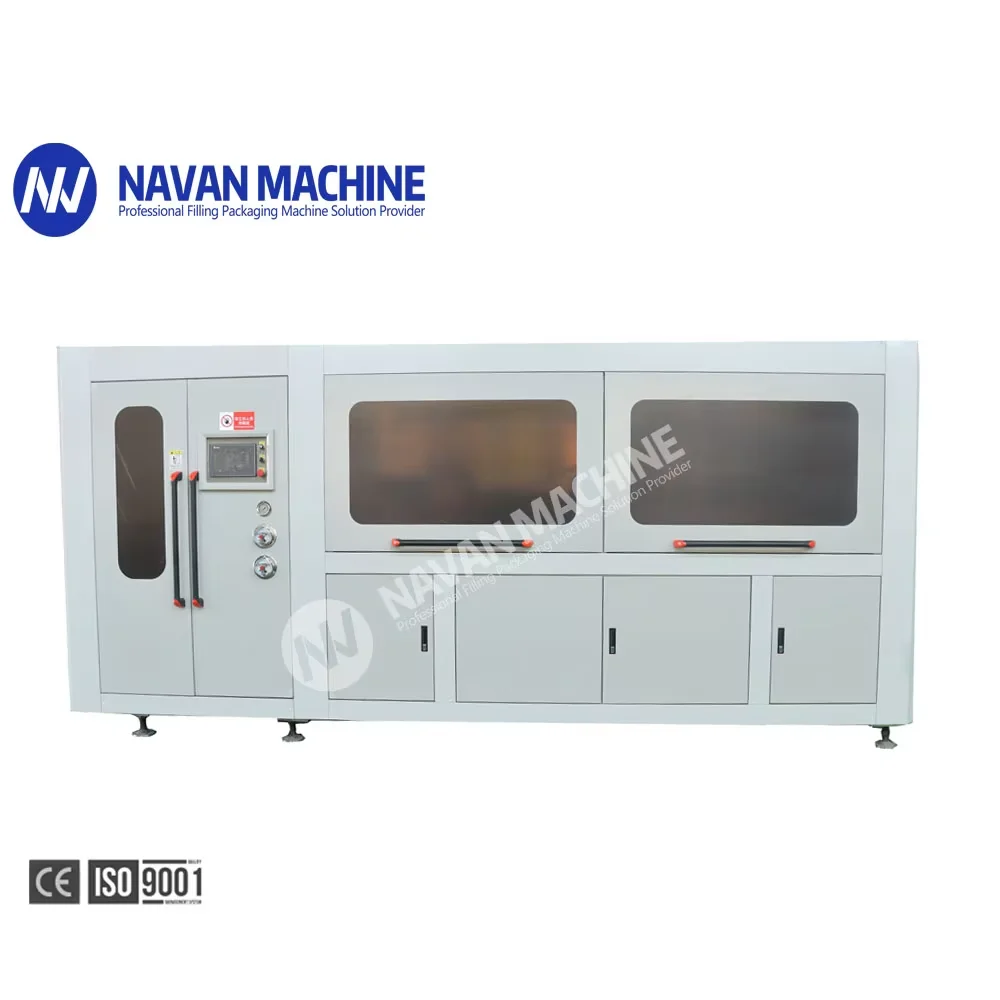
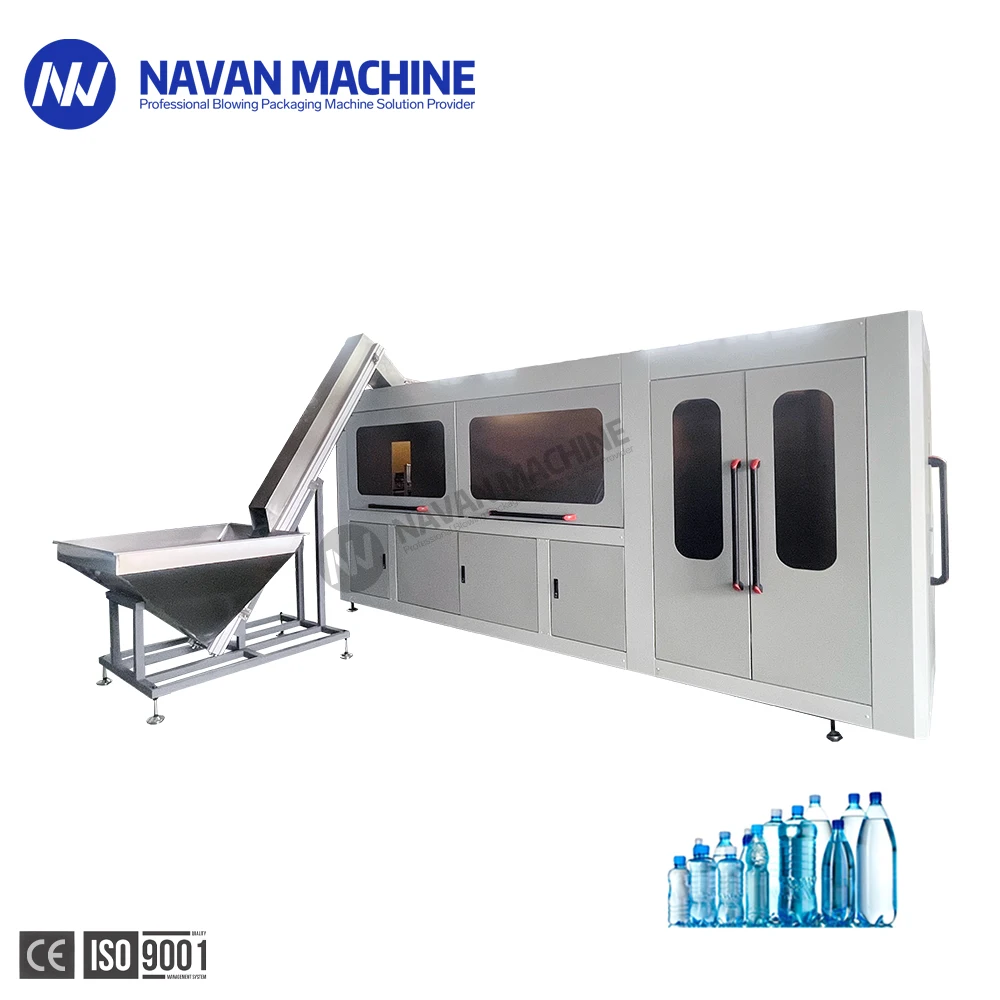
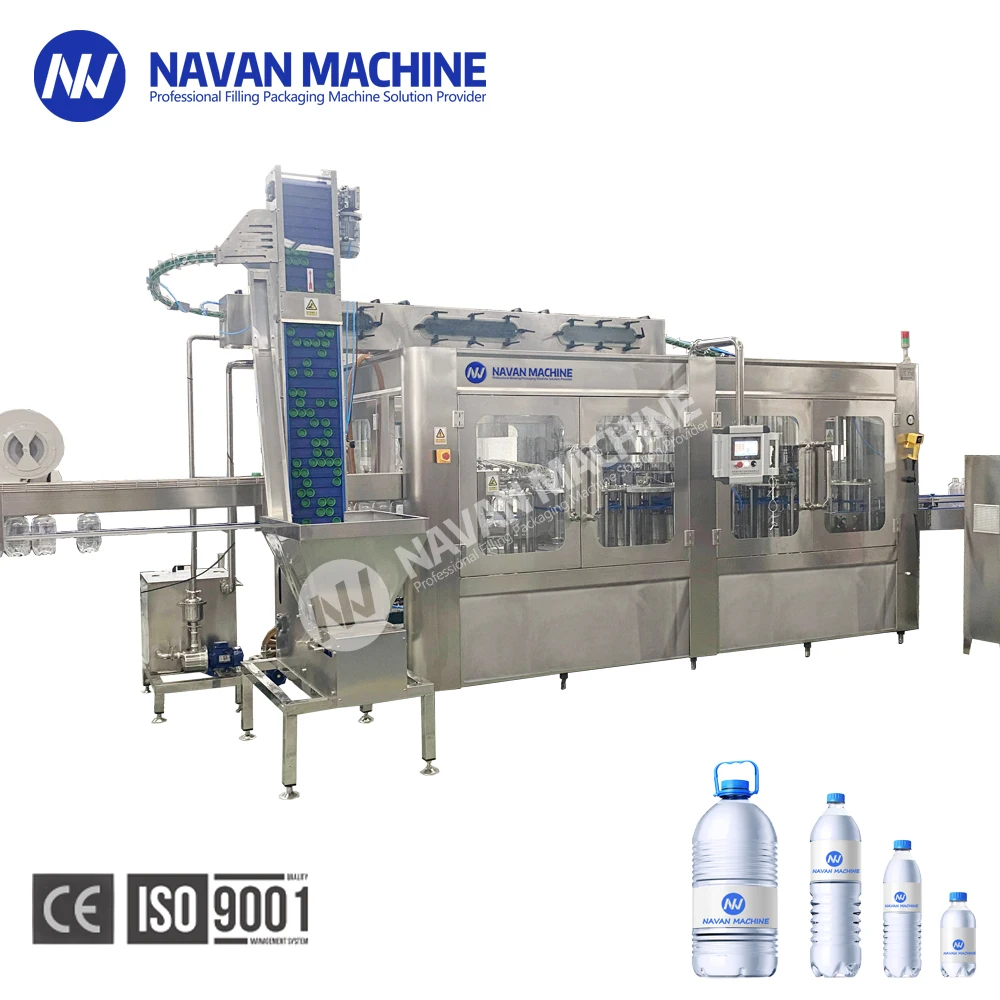
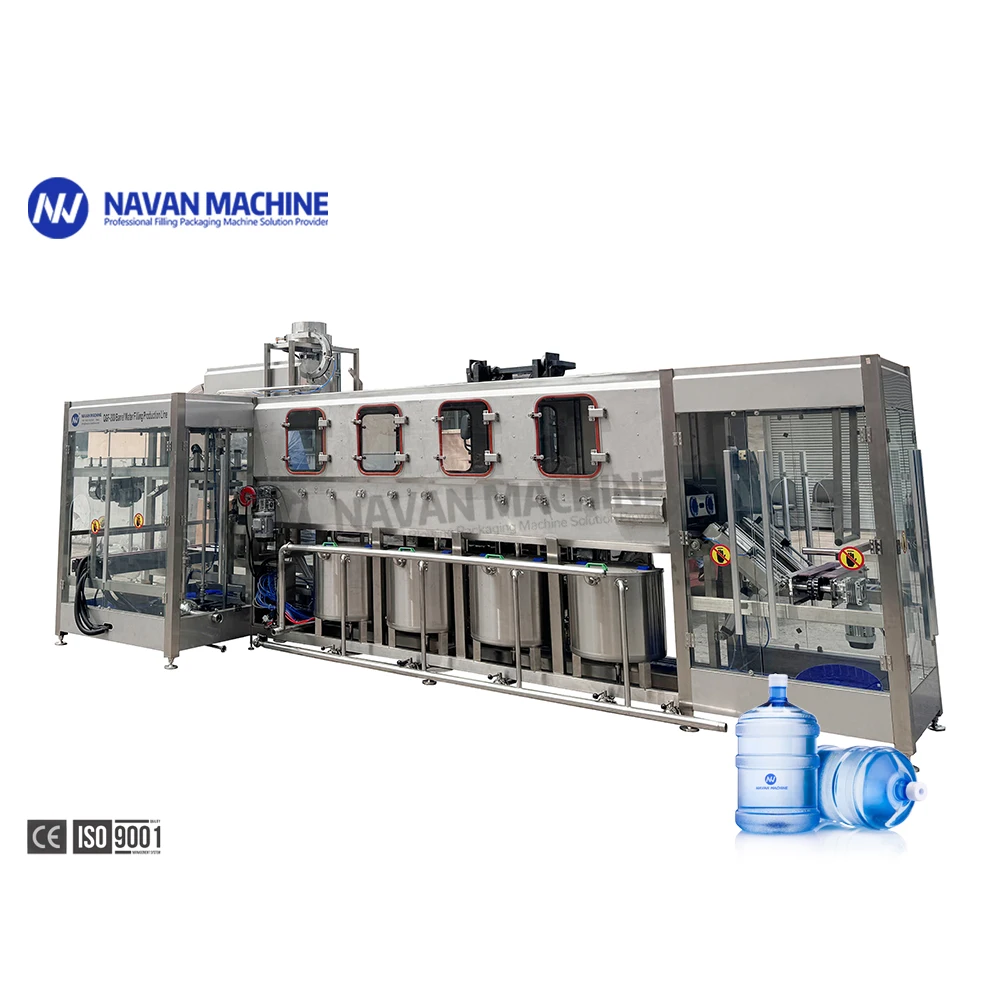
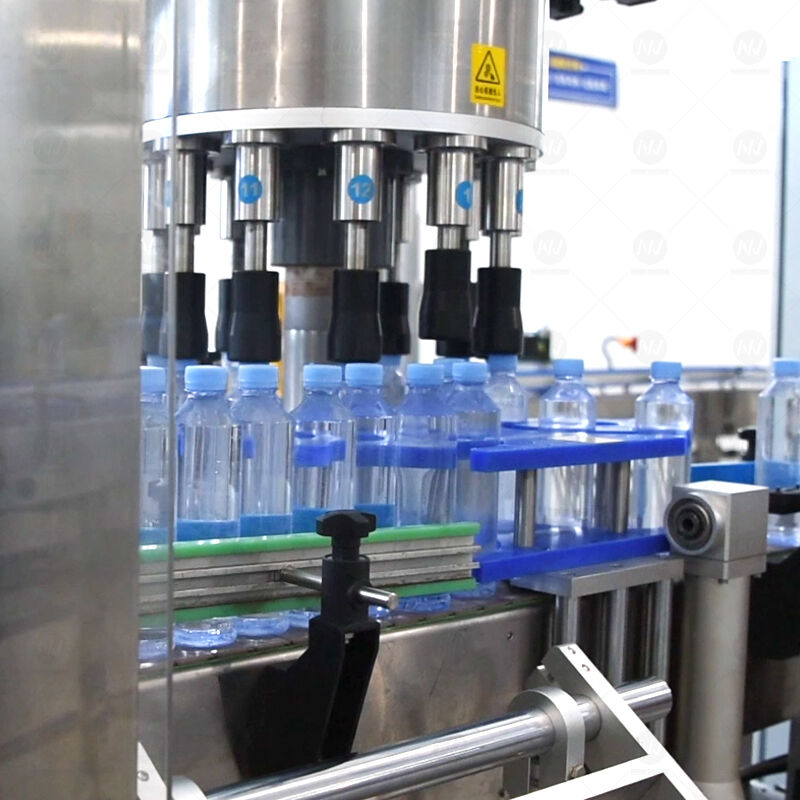
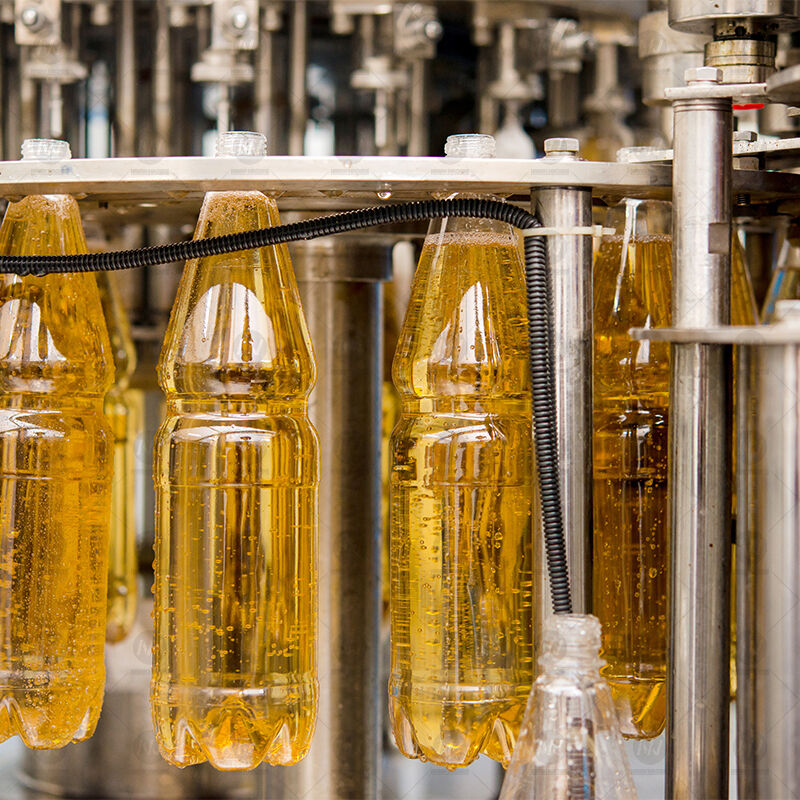
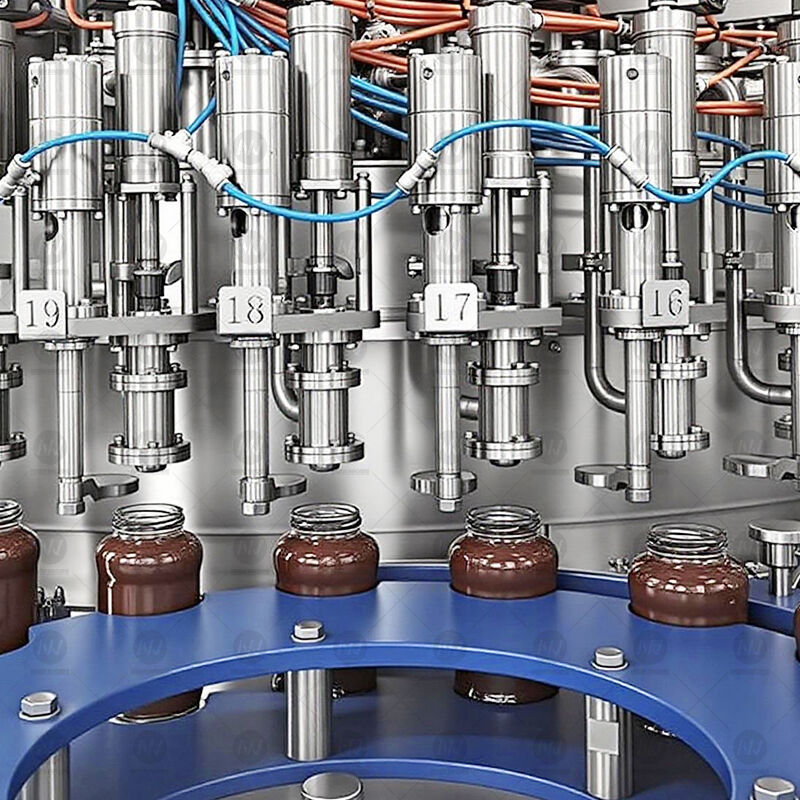
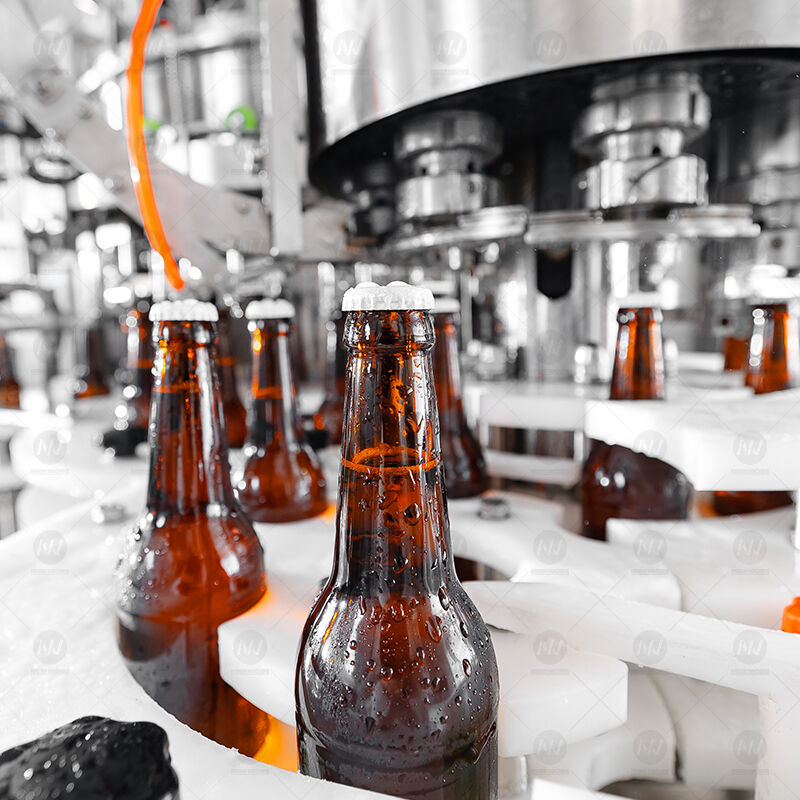
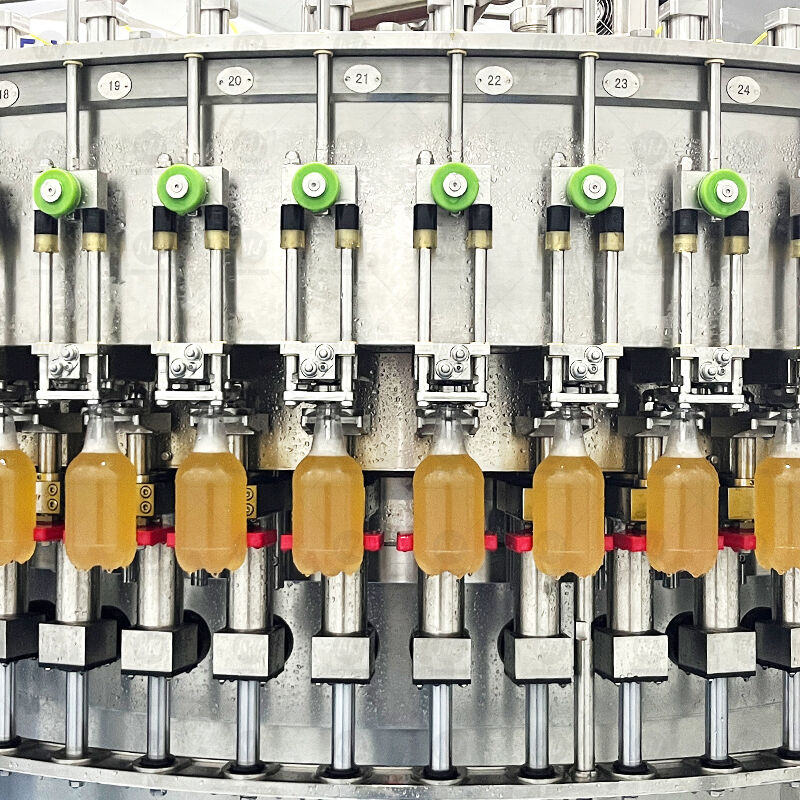
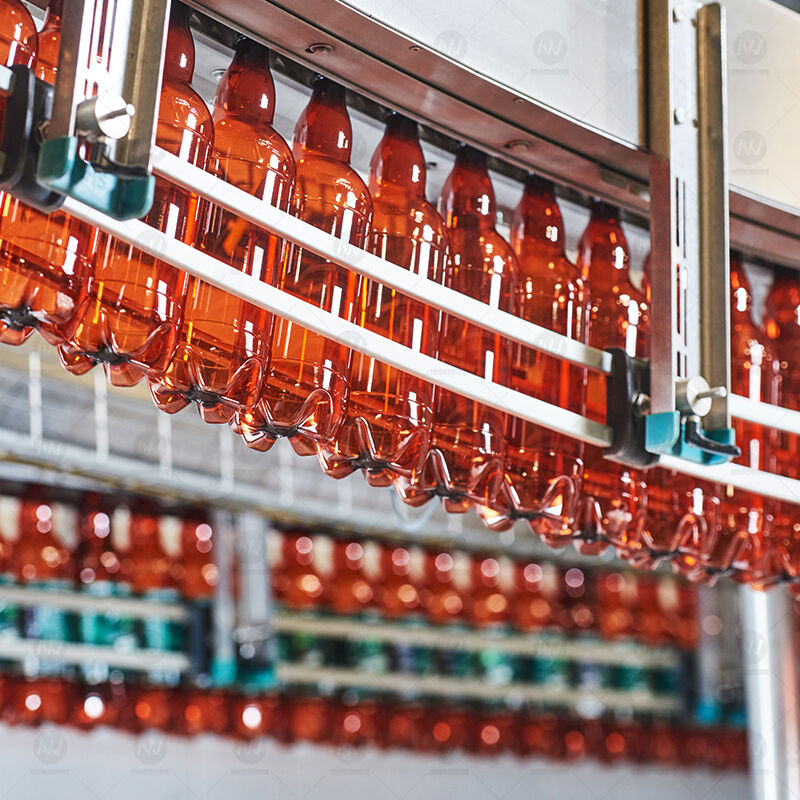
A beer bottle filling machine represents a crucial piece of equipment in modern brewery operations, designed to efficiently transfer beer from storage tanks into bottles with precision and consistency. This automated system combines advanced engineering with sophisticated control mechanisms to ensure optimal product quality while maximizing production efficiency. The machine operates through a systematic process that begins with bottle cleaning and sanitization, followed by controlled filling, and concludes with proper sealing to maintain freshness and carbonation levels. Modern beer bottle filling machines incorporate multiple technological innovations including pressure-sensitive filling valves, automated bottle handling systems, and integrated quality control sensors. These systems can accommodate various bottle sizes and shapes, making them versatile solutions for craft breweries, microbreweries, and large-scale commercial operations. The filling process utilizes counter-pressure technology, which maintains the beer's carbonation by equalizing pressure between the storage tank and bottles during transfer. Advanced models feature programmable logic controllers that allow operators to adjust filling parameters such as flow rates, pressure levels, and timing sequences. The machine's construction typically involves food-grade stainless steel components that resist corrosion and facilitate thorough cleaning between production runs. Integrated conveyor systems transport bottles through different stations including rinsing, filling, and capping, creating a seamless production line. Quality assurance features include foam detection systems, fill-level monitoring, and automatic rejection mechanisms for defective bottles. The beer bottle filling machine's modular design allows for easy maintenance and component replacement, minimizing downtime during production schedules. Environmental considerations have led to the development of energy-efficient models that reduce power consumption while maintaining high throughput rates. These machines can process hundreds to thousands of bottles per hour, depending on their size and configuration, making them suitable for various production scales from boutique breweries to industrial facilities.

New Product Recommendations

Beer bottle filling machines deliver significant operational benefits that transform brewery productivity and product quality standards. These automated systems eliminate manual labor requirements, reducing staffing costs while increasing production speed dramatically. Where manual filling might process dozens of bottles hourly, automated beer bottle filling machines handle hundreds or thousands of bottles within the same timeframe. This increased throughput allows breweries to meet growing market demands without proportional increases in labor expenses. Consistency represents another major advantage, as these machines deliver precise fill volumes for every bottle, eliminating variations that occur with manual processes. This uniformity ensures customer satisfaction and reduces product waste from overfilling or underfilling incidents. The automated nature of beer bottle filling machines also minimizes human contact with the product, significantly reducing contamination risks that could compromise beer quality or safety. Advanced hygiene protocols built into these systems include automated cleaning cycles that sanitize all product-contact surfaces between batches. Quality control features provide real-time monitoring of fill levels, detecting and rejecting bottles that do not meet specifications before they reach consumers. This proactive approach prevents costly recalls and protects brand reputation. Modern beer bottle filling machines incorporate user-friendly interfaces that require minimal training for operators, reducing the learning curve associated with complex manual procedures. Energy efficiency improvements in contemporary models help breweries reduce operational costs while supporting environmental sustainability goals. The machines' ability to handle multiple bottle sizes and formats provides operational flexibility, allowing breweries to diversify their product lines without investing in separate filling equipment. Maintenance requirements are typically straightforward, with modular designs that facilitate quick component access and replacement. This design philosophy minimizes production downtime and extends equipment lifespan. Return on investment calculations typically show positive results within the first year of operation due to increased productivity, reduced waste, and lower labor costs. Insurance premiums may also decrease due to improved workplace safety and reduced product liability risks. The professional appearance and consistent quality achieved through automated filling enhance product marketability and support premium pricing strategies. Integration capabilities allow beer bottle filling machines to connect with existing brewery management systems, providing valuable production data for optimization and planning purposes.

Practical Tips

How Does a Water Filling Line Maintain Hygiene and Product Purity?

31

Oct

How Does a Water Filling Line Maintain Hygiene and Product Purity?

Ensuring Safety and Quality in Beverage Production Systems The modern beverage industry faces an ever-growing challenge to maintain impeccable hygiene standards while meeting increasing production demands. At the heart of this challenge lies the wate...
View More
What Factors Should You Consider When Choosing a Bottle Filling Machine?

31

Oct

What Factors Should You Consider When Choosing a Bottle Filling Machine?

Essential Considerations for Industrial Bottle Filling Equipment Selecting the right bottle filling machine for your production line is a crucial decision that impacts efficiency, product quality, and bottom-line profitability. Whether you're expandi...
View More
What Technologies Ensure Freshness and Shelf Life in Beer Filling Systems?

31

Oct

What Technologies Ensure Freshness and Shelf Life in Beer Filling Systems?

Modern Innovations in Beer Filling Technology The brewing industry has witnessed remarkable technological advancements in beer filling systems, revolutionizing how breweries maintain product freshness and extend shelf life. Today's sophisticated beer...
View More
How Does a Jam Filling Machine Handle Thick and Sticky Products Efficiently?

31

Oct

How Does a Jam Filling Machine Handle Thick and Sticky Products Efficiently?

Understanding Modern Industrial Jam Processing Equipment The food processing industry has witnessed remarkable technological advancements, particularly in the realm of handling viscous products. At the heart of efficient jam production lies the sophi...
View More

Get a Free Quote

Our representative will contact you soon.
Email
Name
Company Name
Message
0/1000

beer bottle filling machine

Advanced Counter-Pressure Technology for Optimal Carbonation Preservation

Advanced Counter-Pressure Technology for Optimal Carbonation Preservation

The sophisticated counter-pressure technology integrated into modern beer bottle filling machines represents a breakthrough in beverage processing that ensures optimal carbonation retention throughout the filling process. This innovative system works by creating an equilibrium between the pressure in the beer storage tank and the pressure within each bottle during filling, preventing the loss of dissolved carbon dioxide that gives beer its characteristic fizz and mouthfeel. The process begins when bottles enter the filling station, where they are first purged with carbon dioxide to remove oxygen that could negatively impact beer quality and shelf life. Subsequently, the bottles are pressurized to match the pressure level of the incoming beer, creating a controlled environment that maintains carbonation integrity. As the beer flows into the bottle through precision-engineered filling valves, the pressure differential remains minimal, preventing the violent agitation that would otherwise cause excessive foam formation and CO2 loss. This technology is particularly crucial for beer production because carbonation levels directly influence taste, aroma, and overall consumer experience. Traditional filling methods without counter-pressure systems often result in inconsistent carbonation levels, leading to flat-tasting products that fail to meet quality standards. The beer bottle filling machine's counter-pressure system includes sophisticated pressure sensors and control valves that automatically adjust to maintain optimal conditions throughout the filling cycle. These components work together to ensure that each bottle receives the same precise amount of beer with identical carbonation characteristics, eliminating batch-to-batch variations that could affect product quality. The system's ability to handle different beer styles, from light lagers to heavily carbonated wheat beers, makes it incredibly versatile for diverse brewing operations. Additionally, the controlled environment created by counter-pressure technology reduces oxidation risks, extending product shelf life and maintaining flavor stability. This technological advancement not only improves product quality but also reduces waste from rejected bottles due to improper fill levels or carbonation issues. The economic benefits include reduced raw material costs, improved customer satisfaction scores, and enhanced brand reputation in competitive markets where consistency and quality are paramount.
Intelligent Automated Quality Control Systems for Zero-Defect Production

Intelligent Automated Quality Control Systems for Zero-Defect Production

Revolutionary automated quality control systems embedded within modern beer bottle filling machines provide comprehensive monitoring and real-time correction capabilities that virtually eliminate defective products from reaching consumers. These intelligent systems employ multiple sensor technologies including optical inspection, weight measurement, and fill-level detection to continuously monitor every bottle throughout the filling process. High-resolution cameras equipped with advanced image processing software scan each bottle for visual defects such as cracks, chips, or foreign particles that could compromise product integrity or consumer safety. Simultaneously, precision load cells measure the exact weight of filled bottles, comparing results against predetermined specifications to identify overfilled or underfilled containers. The beer bottle filling machine's quality control system operates at production speeds, processing hundreds of bottles per minute without slowing down the overall filling operation. When defects are detected, automated rejection mechanisms immediately remove problematic bottles from the production line, preventing contaminated or substandard products from advancing to packaging stages. These systems maintain detailed production logs that track rejection rates, defect types, and quality trends over time, providing valuable data for continuous improvement initiatives. The integration of artificial intelligence algorithms enables the system to learn from historical data and predict potential quality issues before they occur. Machine learning capabilities allow the beer bottle filling machine to automatically adjust filling parameters when quality metrics begin to drift from acceptable ranges. This proactive approach minimizes waste and reduces the likelihood of producing entire batches that fail to meet quality standards. The quality control system's user interface provides operators with real-time dashboards displaying key performance indicators, alarm notifications, and trend analysis reports. Remote monitoring capabilities enable quality managers to oversee multiple production lines from centralized control rooms, improving supervision efficiency while reducing staffing requirements. Compliance with international food safety standards including HACCP and FDA regulations is built into the system's design, ensuring that all quality control procedures meet or exceed regulatory requirements. The comprehensive documentation generated by these systems supports traceability requirements and facilitates rapid response to any quality concerns that may arise in the market. Cost savings from reduced waste, fewer customer complaints, and decreased recall risks typically justify the investment in advanced quality control features within the first year of operation.
Modular Design Architecture for Maximum Operational Flexibility and Scalability

Modular Design Architecture for Maximum Operational Flexibility and Scalability

The innovative modular design architecture of contemporary beer bottle filling machines provides unprecedented operational flexibility and scalability options that adapt to evolving brewery needs and production requirements. This engineering approach breaks down the filling system into discrete, interconnected modules that can be independently configured, maintained, and upgraded without disrupting the entire production line. The modular concept typically includes separate units for bottle handling, cleaning, filling, capping, and quality inspection, each designed to operate independently while integrating seamlessly with adjacent modules. This architectural philosophy allows breweries to start with a basic configuration and expand capabilities by adding modules as production volumes increase or product lines diversify. For instance, a craft brewery might initially install a simple filling and capping configuration, then later add automated bottle cleaning modules, advanced quality control systems, or higher-capacity conveyor networks as business growth demands. The beer bottle filling machine's modular design facilitates rapid changeover between different bottle sizes and beer styles, with many modules featuring tool-free adjustment mechanisms that minimize downtime during product transitions. This flexibility is particularly valuable for breweries producing seasonal varieties or limited-edition releases that require frequent production line modifications. Maintenance advantages of modular design include the ability to service individual components without shutting down the entire system, significantly reducing production interruptions and associated revenue losses. Spare parts inventory requirements are simplified because many components are standardized across different modules, reducing storage costs and ensuring availability when replacement parts are needed. The modular approach also supports phased investment strategies, allowing breweries to spread equipment costs over time rather than making large capital expenditures upfront. Technology upgrades become more manageable because individual modules can be enhanced or replaced without requiring complete system overhauls. This evolutionary capability ensures that beer bottle filling machines remain current with advancing technology trends and regulatory requirements throughout their operational lifespan. Quality control benefits include the ability to isolate and diagnose problems quickly when issues arise, as each module's performance can be monitored and evaluated independently. The standardized interfaces between modules simplify integration with existing brewery equipment and future expansions. Training requirements are reduced because operators can focus on specific module functions rather than mastering complex integrated systems. The modular design philosophy also supports customization for unique brewery requirements, as standard modules can be combined with specialized components to create tailored solutions that address specific production challenges or market opportunities.

Get a Free Quote

Our representative will contact you soon.
Email
Name
Company Name
Message
0/1000

Get a Free Quote

Our representative will contact you soon.
Email
Name
Company Name
Message
0/1000
TopTop