Professional Brewery Bottle Filler Systems - Advanced Beer Packaging Solutions

Requesting a Call:

+8615601563990

Online Support

[email protected]

WhatsApp

+86-15601563990

brewery bottle filler

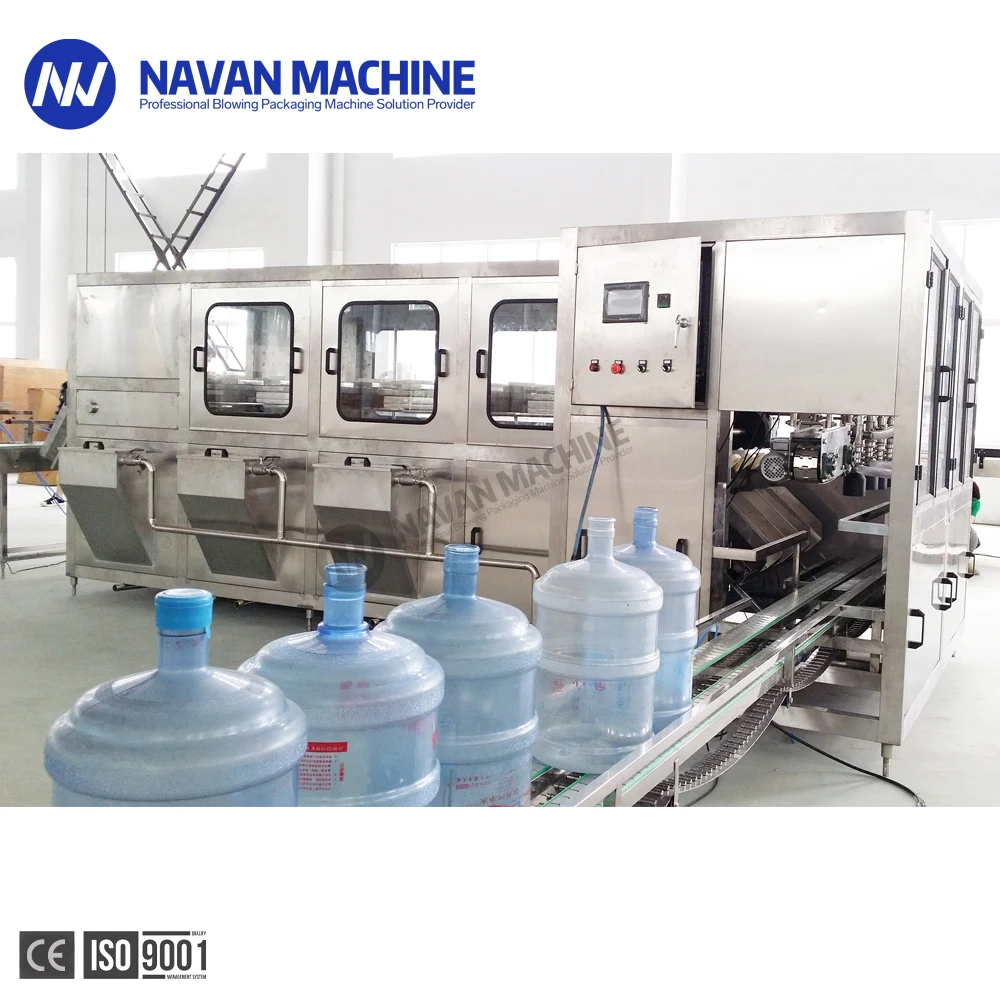
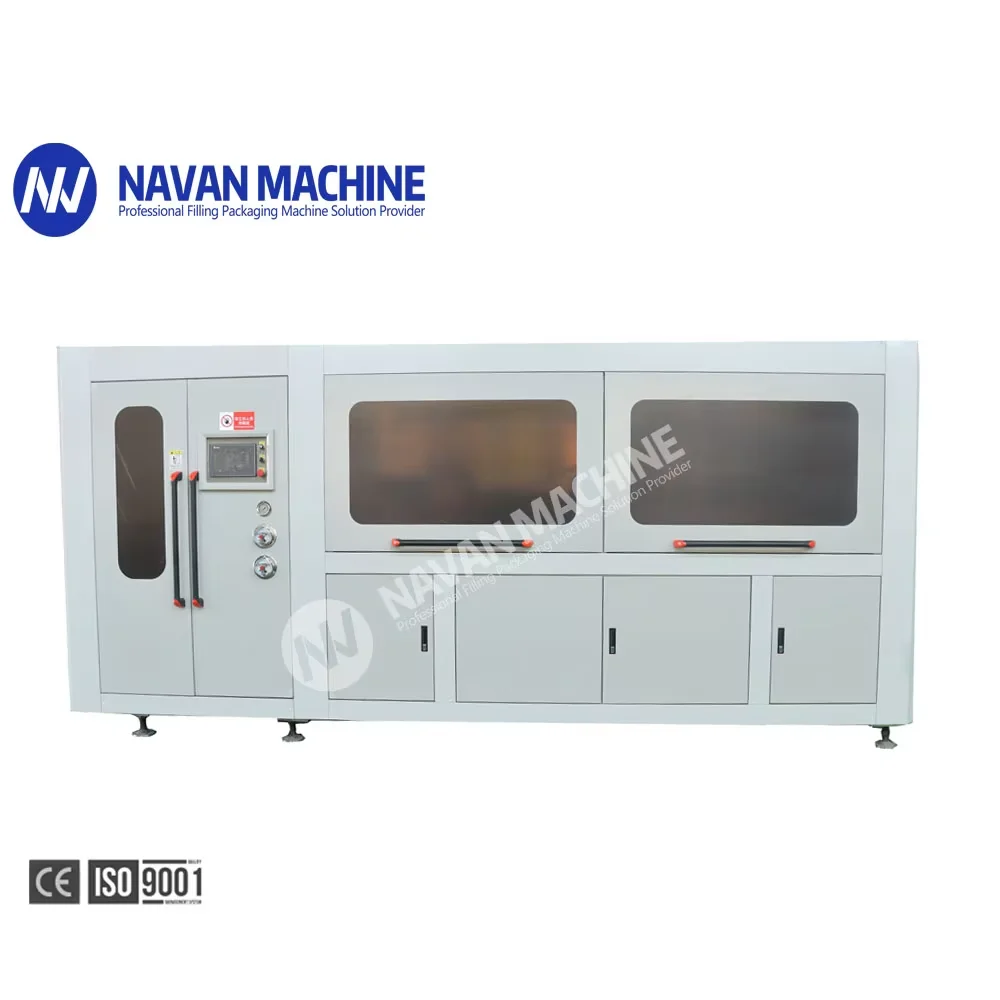
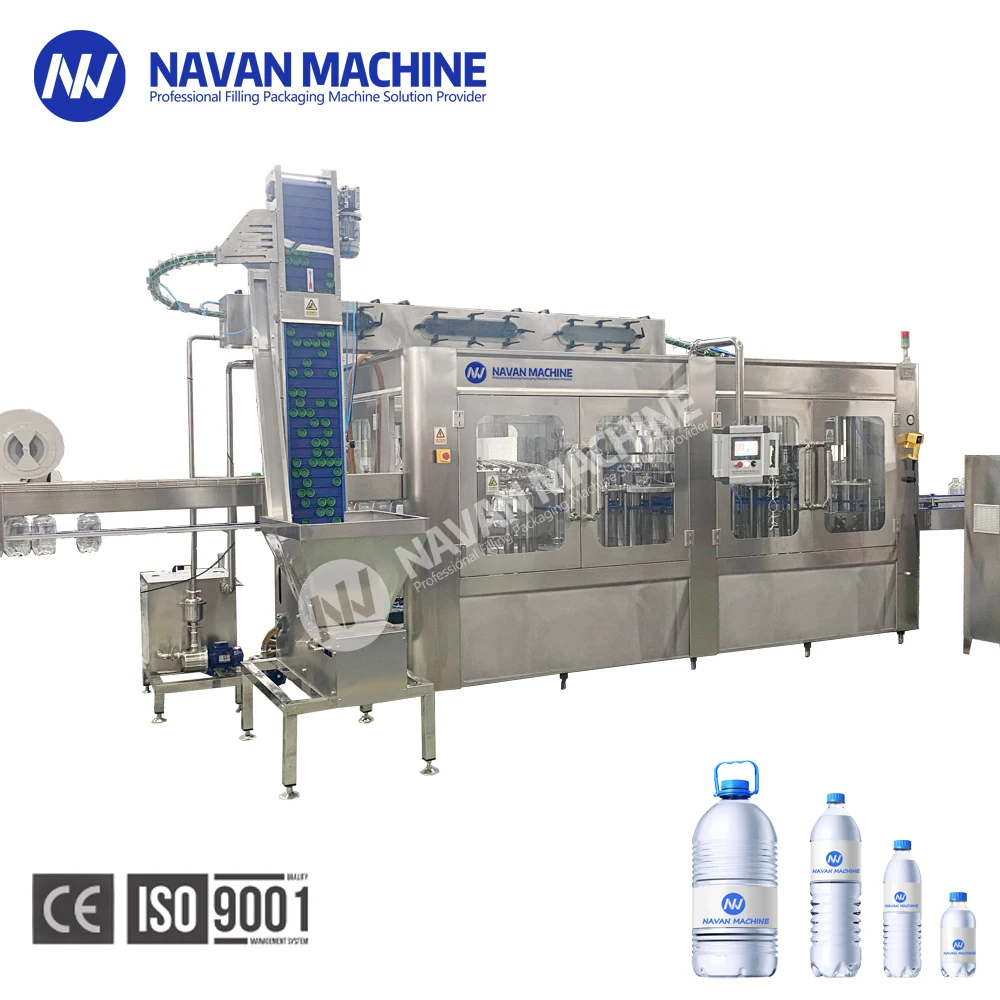
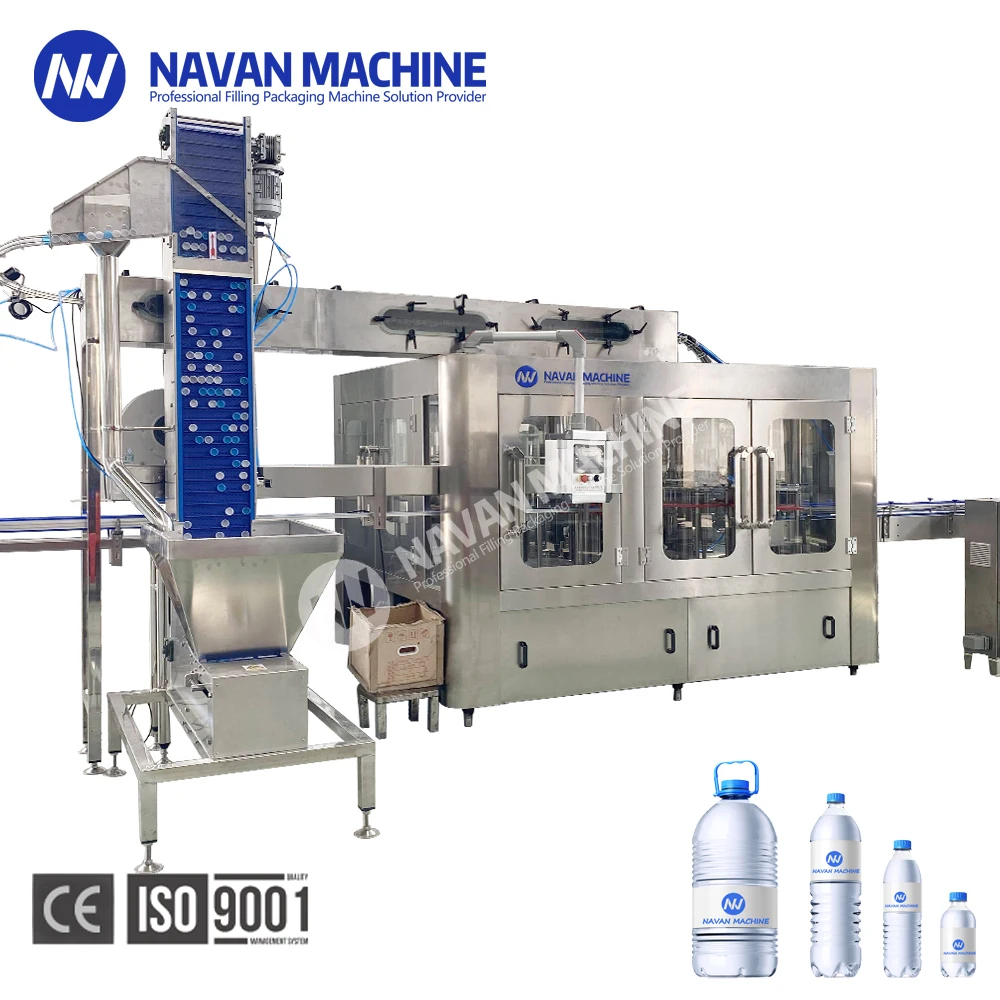
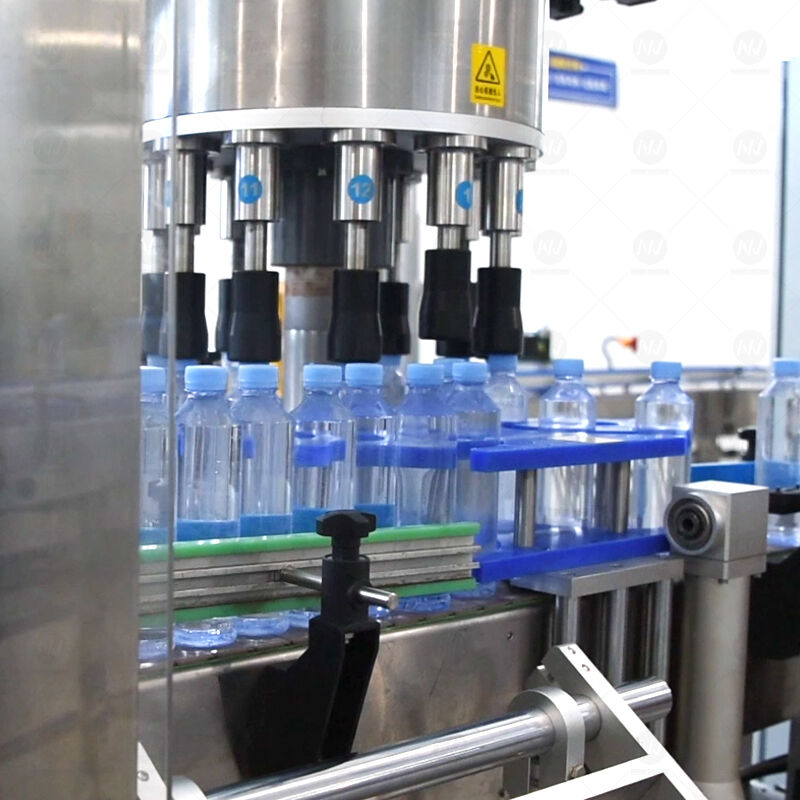
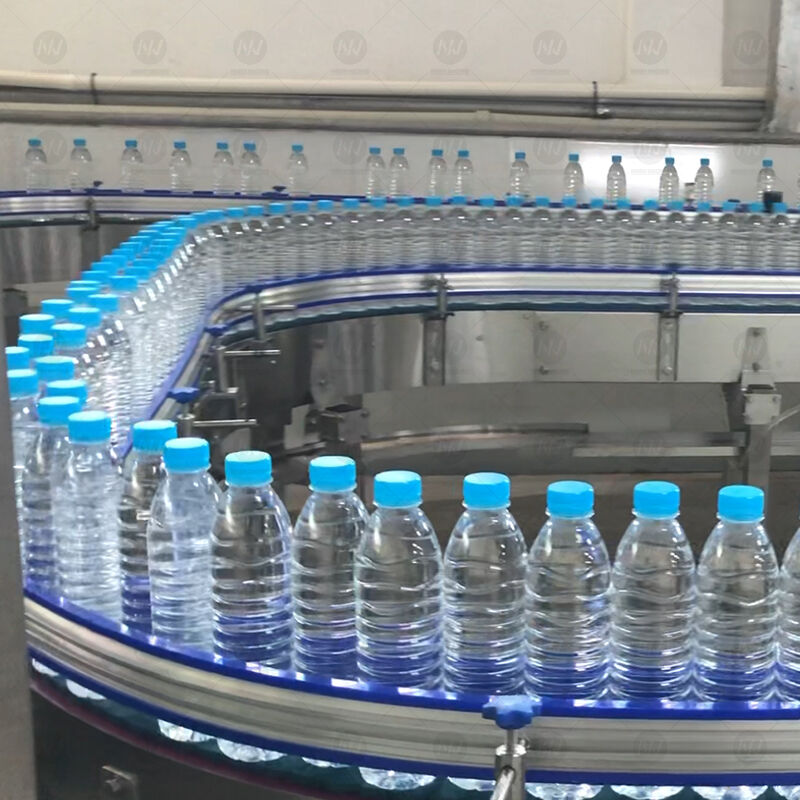
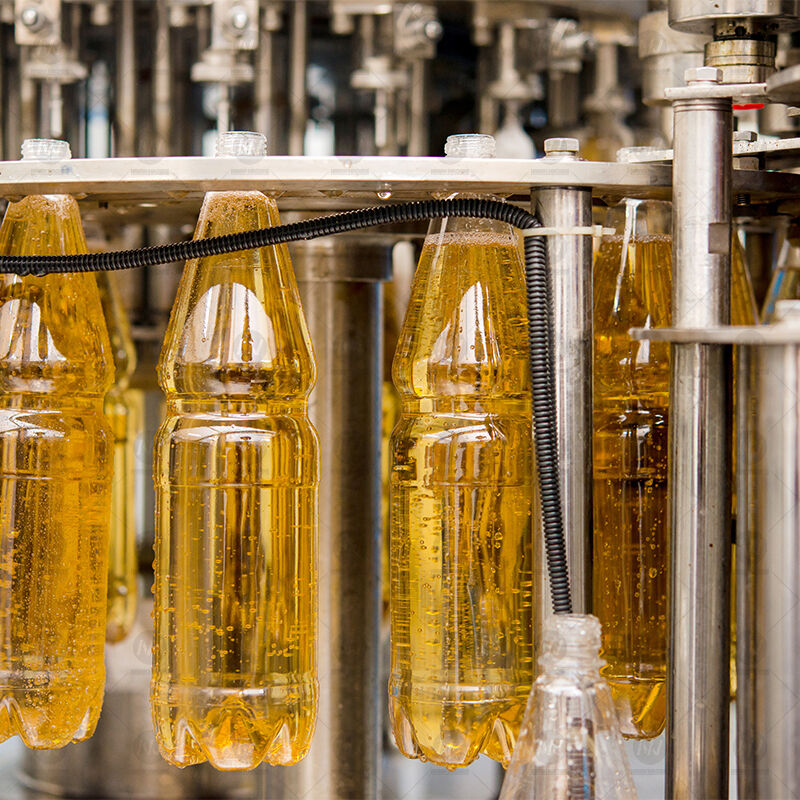
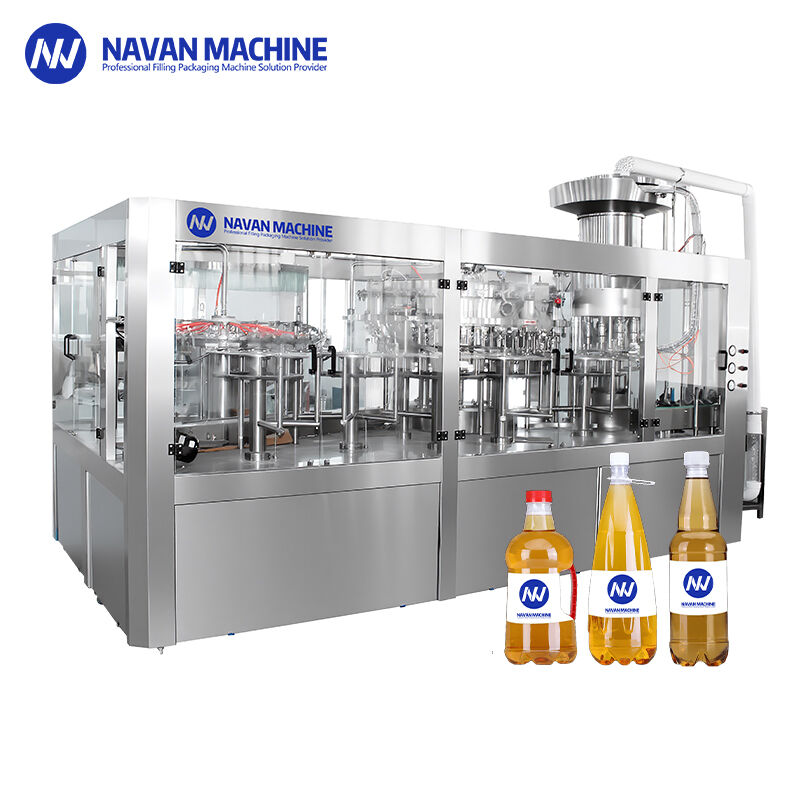
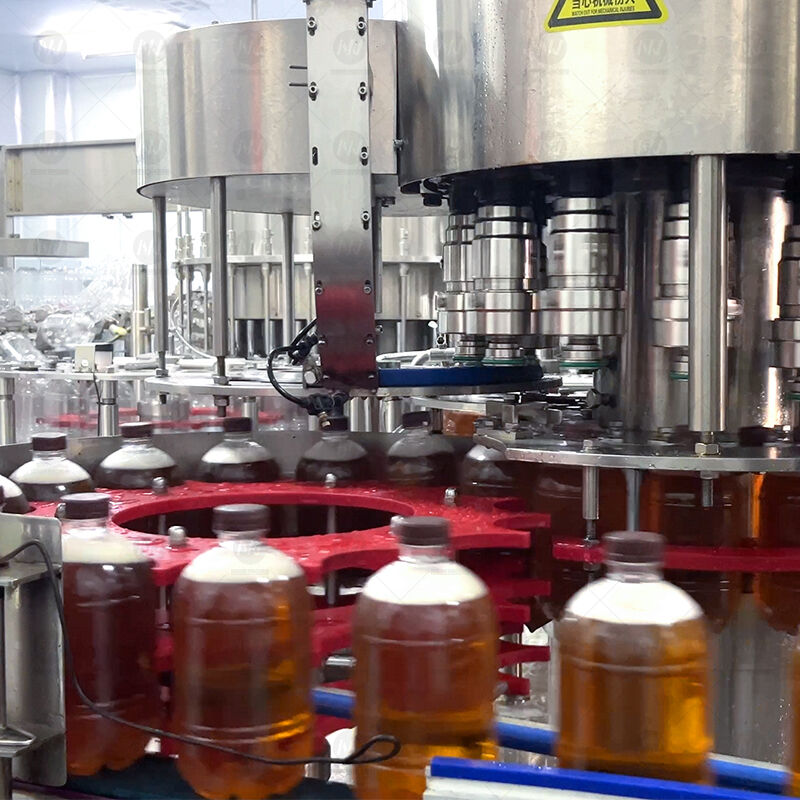
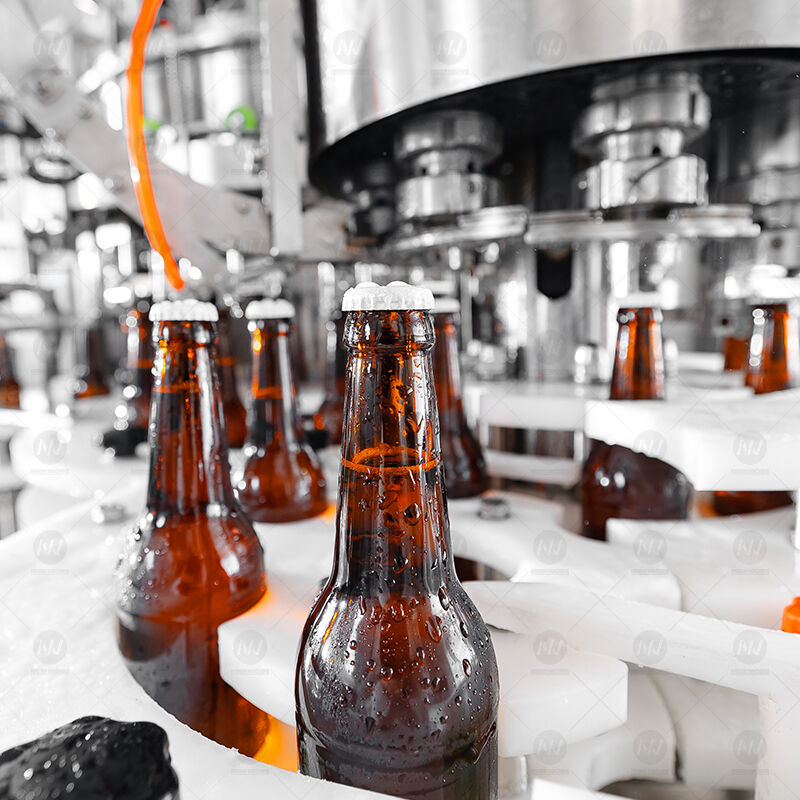
A brewery bottle filler represents a crucial piece of equipment in beer production facilities, designed to efficiently transfer finished beer from storage tanks into bottles while maintaining product quality and minimizing waste. This sophisticated machinery serves as the bridge between brewing completion and final packaging, ensuring that every bottle receives the precise amount of beer with consistent fill levels and optimal carbonation retention. The brewery bottle filler operates through a systematic process that begins with sanitized bottles entering the filling station, where they undergo a precise filling sequence controlled by advanced pneumatic or electronic systems. Modern brewery bottle fillers incorporate counter-pressure filling technology, which maintains the beer's carbonation by equalizing pressure between the filling tank and the bottle before liquid transfer begins. This process prevents foaming and ensures that the beer retains its intended flavor profile and carbonation levels. The equipment typically features multiple filling heads arranged in a circular or linear configuration, allowing for simultaneous filling of several bottles to maximize production efficiency. Each filling head contains precision valves that control both the flow rate and final fill level, ensuring consistent product delivery across all bottles. The brewery bottle filler integrates seamlessly with existing production lines, connecting to upstream processes like bottle washing and downstream operations such as capping and labeling. Quality control mechanisms built into these systems include automatic reject systems for improperly filled bottles, foam detection sensors, and level monitoring devices. The technological framework encompasses stainless steel construction for easy cleaning and sanitization, variable speed controls to accommodate different production requirements, and automated CIP cleaning systems that maintain hygiene standards between production runs. Applications span from small craft breweries processing hundreds of bottles per hour to large-scale commercial operations handling thousands of units daily, making the brewery bottle filler an indispensable component in beer packaging operations of all sizes.

New Product Recommendations

The brewery bottle filler delivers substantial operational benefits that directly impact production efficiency and bottom-line profitability for beer manufacturers across all scales of operation. Production speed increases dramatically when facilities implement automated filling systems, as these machines can process hundreds or thousands of bottles per hour compared to manual filling methods that severely limit output capacity. The precision filling capabilities eliminate product waste by ensuring each bottle receives exactly the correct amount of beer, reducing both material costs and potential customer complaints about inconsistent fill levels. Consistency becomes a hallmark of operations using brewery bottle fillers, as every bottle receives identical treatment regarding fill volume, carbonation retention, and product quality, creating a uniform customer experience that builds brand reliability and trust. Labor cost reductions represent another significant advantage, as automated filling systems require fewer workers to operate compared to manual processes, allowing staff to focus on other critical production tasks while reducing overall operational expenses. The hygienic benefits cannot be overstated, as modern brewery bottle fillers incorporate sanitary design principles that minimize contamination risks and maintain product integrity throughout the filling process. Counter-pressure filling technology preserves beer quality by preventing oxidation and maintaining proper carbonation levels, ensuring that the final product matches the brewer's intended specifications for taste, aroma, and mouthfeel. Flexibility in production planning improves significantly, as these systems can accommodate various bottle sizes and types with minimal changeover time, enabling breweries to respond quickly to market demands and seasonal variations in product mix. Quality control capabilities built into brewery bottle fillers provide real-time monitoring of fill levels, reject improperly filled bottles automatically, and generate production data that helps optimize operations and maintain consistent quality standards. The return on investment proves compelling for most facilities, as increased production capacity, reduced labor costs, and improved product consistency typically offset equipment costs within reasonable timeframes. Integration capabilities with existing production lines streamline overall operations, creating seamless workflow from brewing through packaging that maximizes efficiency and minimizes handling-related contamination risks. Maintenance requirements remain manageable with proper training and scheduled service programs, ensuring long-term reliability and consistent performance that supports continuous production operations.

Practical Tips

How Does a Water Filling Line Maintain Hygiene and Product Purity?

31

Oct

How Does a Water Filling Line Maintain Hygiene and Product Purity?

Ensuring Safety and Quality in Beverage Production Systems The modern beverage industry faces an ever-growing challenge to maintain impeccable hygiene standards while meeting increasing production demands. At the heart of this challenge lies the wate...
View More
What Factors Should You Consider When Choosing a Bottle Filling Machine?

31

Oct

What Factors Should You Consider When Choosing a Bottle Filling Machine?

Essential Considerations for Industrial Bottle Filling Equipment Selecting the right bottle filling machine for your production line is a crucial decision that impacts efficiency, product quality, and bottom-line profitability. Whether you're expandi...
View More
What Are the Long-Term Benefits of Investing in Advanced Water Filling Lines?

31

Oct

What Are the Long-Term Benefits of Investing in Advanced Water Filling Lines?

Transforming Beverage Production Through Modern Automation The beverage industry is witnessing a revolutionary transformation as manufacturers increasingly turn to advanced water filling lines to streamline their operations. These sophisticated syste...
View More
What Technologies Ensure Freshness and Shelf Life in Beer Filling Systems?

31

Oct

What Technologies Ensure Freshness and Shelf Life in Beer Filling Systems?

Modern Innovations in Beer Filling Technology The brewing industry has witnessed remarkable technological advancements in beer filling systems, revolutionizing how breweries maintain product freshness and extend shelf life. Today's sophisticated beer...
View More

Get a Free Quote

Our representative will contact you soon.
Email
Name
Company Name
Message
0/1000

brewery bottle filler

Advanced Counter-Pressure Filling Technology

Advanced Counter-Pressure Filling Technology

The sophisticated counter-pressure filling technology integrated into modern brewery bottle fillers represents a revolutionary advancement in beer packaging that preserves product quality while maximizing production efficiency. This innovative system operates by equalizing the pressure between the beer storage tank and the individual bottles before liquid transfer begins, creating an environment that maintains carbonation levels and prevents excessive foaming during the filling process. The technology employs precision pressure regulation that matches the CO2 levels in the beer with the atmosphere inside each bottle, ensuring that dissolved gases remain stable throughout the filling operation. This pressure equilibrium prevents the violent release of carbonation that typically occurs when beer encounters atmospheric pressure, which would otherwise result in foam formation, product loss, and inconsistent fill levels. The counter-pressure system utilizes specialized valves and sensors that monitor pressure differentials continuously, making real-time adjustments to maintain optimal conditions for each bottle being filled. Beer quality benefits significantly from this technology, as it prevents oxidation that can occur when beer comes into contact with oxygen during filling, preserving the intended flavor profile, aroma characteristics, and overall sensory experience that brewers work meticulously to achieve. The system accommodates various beer styles effectively, from highly carbonated lagers to delicate ales with lower carbonation levels, adapting pressure parameters automatically based on product specifications. Production efficiency gains become apparent through reduced waste, faster filling speeds, and improved consistency across all filled bottles. The technology minimizes cleaning requirements between different beer types, as the closed-system design prevents cross-contamination and reduces the need for extensive line purging procedures. Operators benefit from simplified controls and automated pressure monitoring that reduces the skill level required for consistent operation while maintaining professional-grade results. The counter-pressure filling technology proves particularly valuable for craft breweries seeking to maintain product quality while scaling production volumes, as it delivers commercial-grade results without compromising the artisanal character of specialty beers.
Exceptional Production Flexibility and Scalability

Exceptional Production Flexibility and Scalability

The remarkable production flexibility and scalability offered by contemporary brewery bottle fillers enable beer manufacturers to adapt quickly to changing market demands while maintaining operational efficiency across diverse production scenarios. This adaptability stems from modular design principles that allow facilities to configure equipment based on current needs while preserving the option to expand capacity as business growth requires additional production capabilities. The flexibility manifests in multiple bottle size accommodation, enabling seamless transitions between standard 12-ounce bottles, larger 22-ounce formats, and specialty packaging options without extensive equipment modifications or lengthy changeover procedures. Quick-change components facilitate rapid transitions between different bottle types, with many systems featuring tool-free adjustments that production staff can complete in minutes rather than hours, minimizing downtime and maximizing productive capacity utilization. Variable speed controls provide precise production rate management, allowing operators to match filling speeds to upstream and downstream process capabilities while accommodating different beer styles that may require specific handling procedures. The scalability extends beyond simple capacity increases, encompassing the ability to integrate additional filling heads, incorporate advanced quality control systems, and connect with automated packaging lines as production requirements evolve. Modular expansion capabilities mean that breweries can start with smaller systems and add components systematically as production volumes grow, protecting initial investment while ensuring that equipment remains suitable for long-term operational needs. Recipe management systems store multiple product configurations, enabling rapid switching between different beer formulations with automatic adjustment of filling parameters, pressure settings, and quality control thresholds. The flexibility proves invaluable for seasonal production planning, contract brewing arrangements, and special edition releases that require different packaging specifications. Remote monitoring and control capabilities allow for production optimization and troubleshooting from multiple locations, supporting efficient operations across multi-facility organizations. Integration flexibility accommodates various upstream equipment configurations, from simple gravity-fed systems to complex automated conveyor networks, ensuring compatibility with existing infrastructure investments while supporting future expansion plans.

Comprehensive Quality Control and Monitoring Systems

Comprehensive Quality Control and Monitoring Systems

The integrated quality control and monitoring systems embedded within advanced brewery bottle fillers provide unprecedented oversight and assurance capabilities that guarantee consistent product quality while minimizing waste and maximizing operational efficiency. These sophisticated systems employ multiple sensor technologies and automated inspection protocols that continuously evaluate fill accuracy, detect contamination issues, and identify packaging defects before products reach consumers. Fill level monitoring utilizes precision optical sensors that measure liquid height in each bottle with accuracy measured in millimeters, automatically rejecting containers that fall outside predetermined parameters while documenting variations for trend analysis and process optimization. Foam detection capabilities prevent overfilled bottles and product waste by identifying excessive foam formation during filling and adjusting process parameters in real-time to maintain optimal conditions. Temperature monitoring ensures that beer maintains proper serving temperature throughout the filling process, preventing thermal shock that could affect carbonation retention and flavor stability. The comprehensive data collection systems generate detailed production reports that track fill accuracy, rejection rates, production speeds, and quality metrics, providing valuable insights for continuous improvement initiatives and regulatory compliance documentation. Automated bottle inspection features identify cracked containers, foreign objects, and residual cleaning solution before filling begins, preventing contamination and ensuring that only suitable packages receive product. Integration with facility management systems enables remote monitoring and control capabilities that allow quality managers to oversee operations from multiple locations while receiving instant alerts about quality deviations or equipment issues. Statistical process control algorithms analyze production data continuously, identifying trends that might indicate developing problems before they impact product quality or create significant waste. Traceability systems maintain detailed records of production parameters for each batch, supporting quality investigations and recall procedures when necessary. The monitoring systems adapt to different product specifications automatically, adjusting quality thresholds and inspection parameters based on beer style requirements and packaging formats. Predictive maintenance capabilities analyze equipment performance data to schedule service activities proactively, preventing quality issues caused by worn components or calibration drift while minimizing unplanned downtime that disrupts production schedules.

Get a Free Quote

Our representative will contact you soon.
Email
Name
Company Name
Message
0/1000

Get a Free Quote

Our representative will contact you soon.
Email
Name
Company Name
Message
0/1000
TopTop