Professional Brewery Bottling Equipment - Advanced Automated Bottling Solutions for Craft and Commercial Breweries

Requesting a Call:

+8615601563990

Online Support

[email protected]

WhatsApp

+86-15601563990

brewery bottling equipment

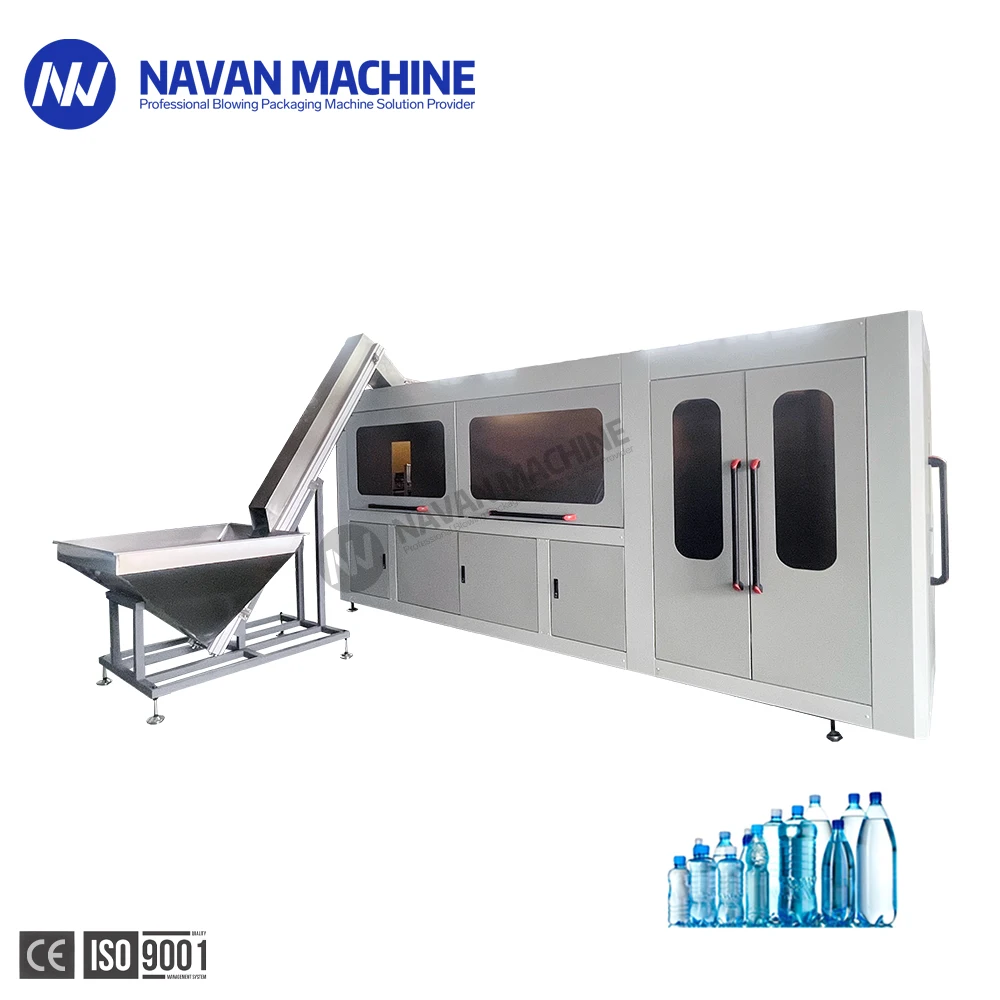
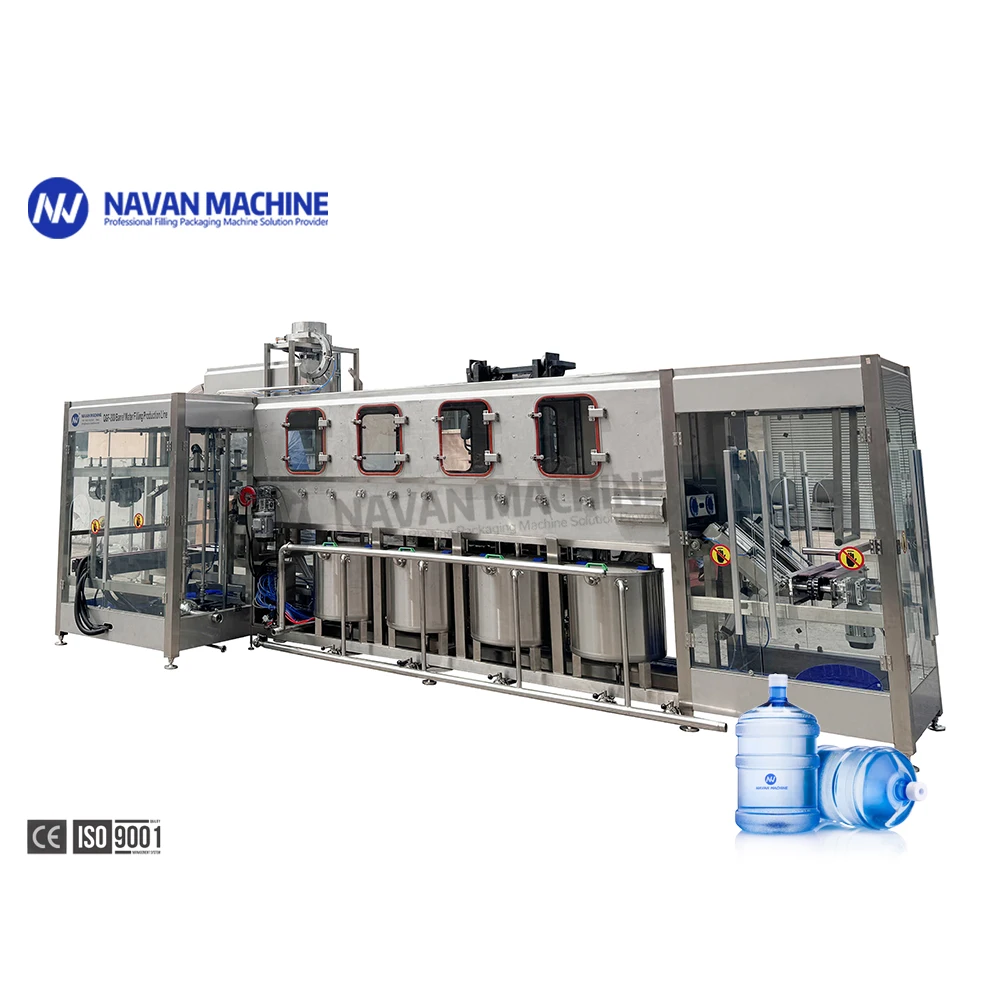
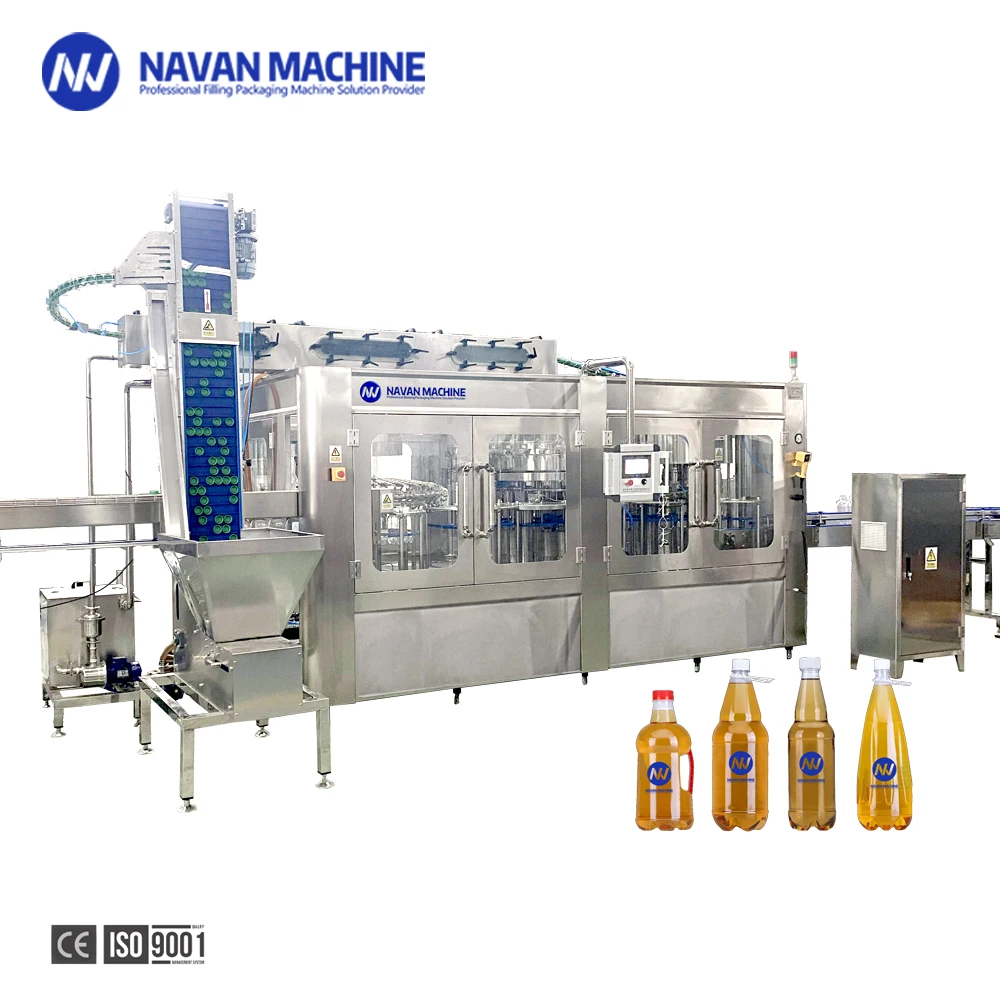
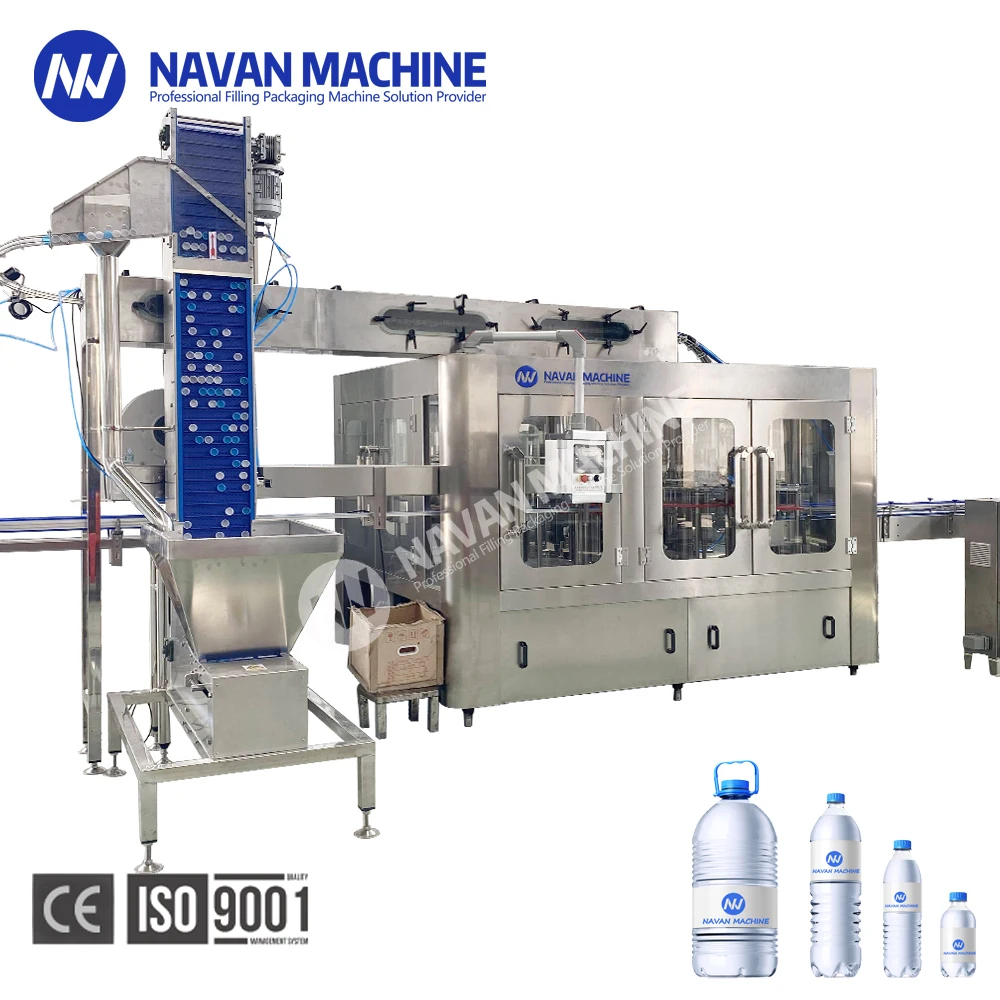
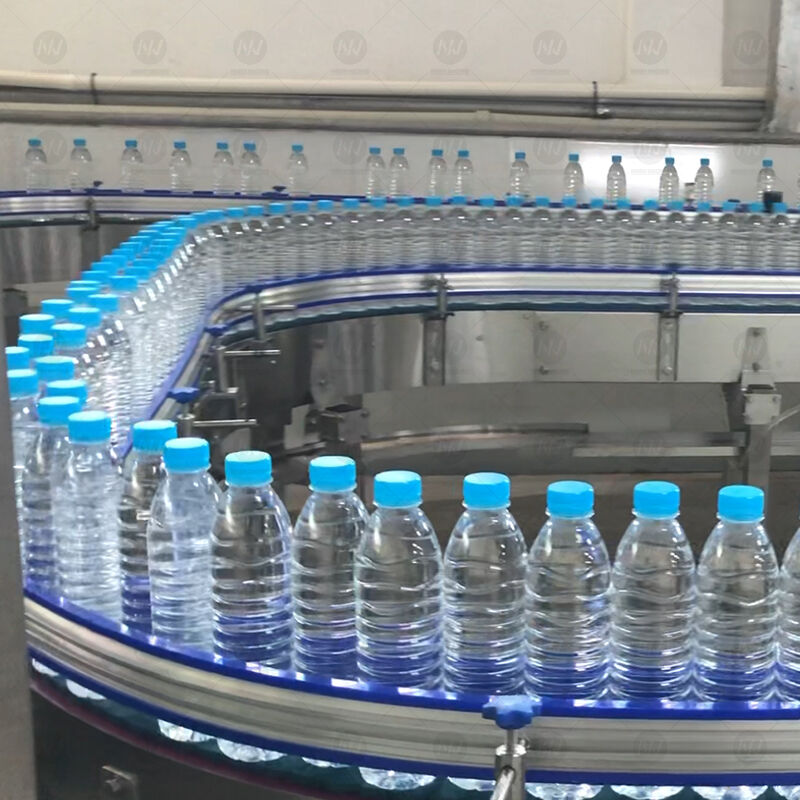
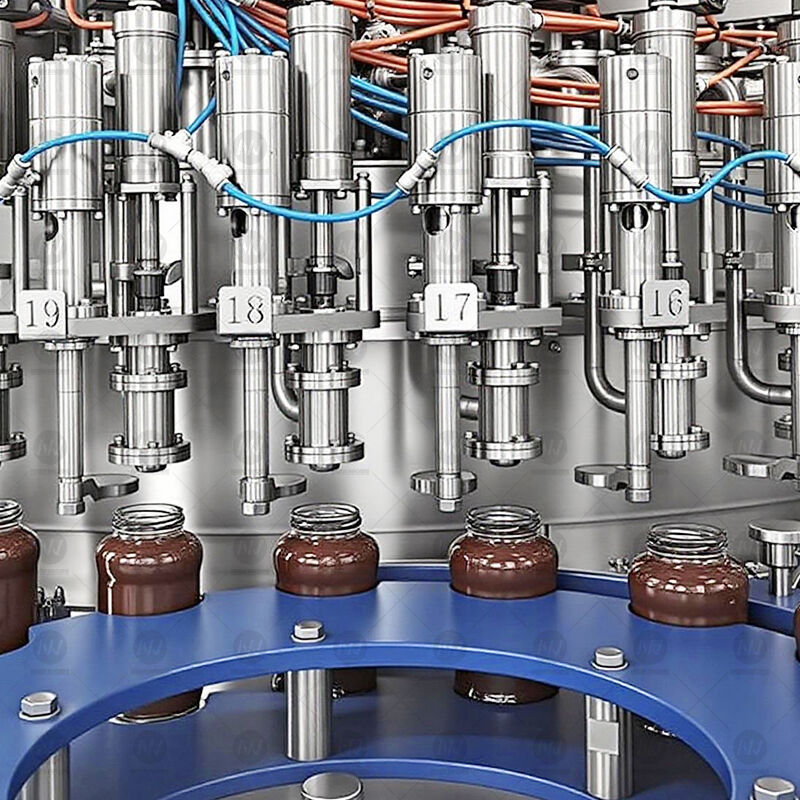
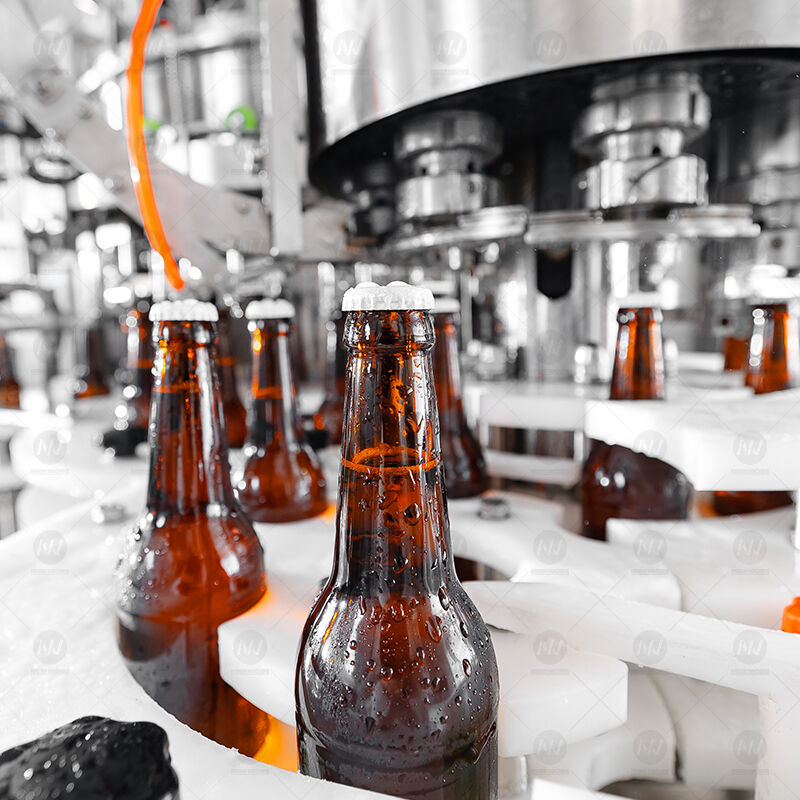
Brewery bottling equipment represents the cornerstone of modern beverage production, serving as the critical link between brewing excellence and market-ready products. This sophisticated machinery encompasses a comprehensive range of automated systems designed to efficiently package beer while maintaining product integrity and quality standards. The primary functions of brewery bottling equipment include precise filling operations, secure capping mechanisms, accurate labeling applications, and rigorous quality control processes. These integrated systems work harmoniously to transform bulk beer from storage tanks into consumer-ready bottles at industrial scales. The technological features of contemporary brewery bottling equipment incorporate advanced sensors, programmable logic controllers, and precision engineering components that ensure consistent performance across production cycles. Modern systems utilize servo-driven mechanisms for enhanced accuracy, stainless steel construction for hygiene compliance, and modular designs that accommodate various bottle sizes and production volumes. The equipment typically features automatic bottle washing stations, CO2 purging systems, counter-pressure filling technology, and integrated inspection capabilities that detect and reject defective products. Applications for brewery bottling equipment span from craft brewing operations requiring flexibility and smaller batch capabilities to large-scale commercial breweries demanding high-speed production rates exceeding thousands of bottles per hour. These versatile systems adapt to different beer styles, bottle formats, and packaging requirements while maintaining strict sanitation protocols essential for beverage safety. The equipment integrates seamlessly with existing brewery infrastructure, including fermentation systems, storage tanks, and downstream packaging machinery. Advanced brewery bottling equipment incorporates real-time monitoring capabilities, data logging functions, and remote diagnostic features that enable predictive maintenance and operational optimization, making it indispensable for modern brewing operations seeking efficiency, consistency, and market competitiveness.


New Product Recommendations

Brewery bottling equipment delivers substantial operational benefits that directly impact production efficiency and profitability for brewing businesses of all sizes. The automated nature of modern systems significantly reduces labor requirements while simultaneously increasing production speeds, allowing breweries to meet growing market demands without proportional increases in staffing costs. These machines operate continuously with minimal human intervention, enabling 24-hour production schedules that maximize facility utilization and return on investment. The precision engineering inherent in quality brewery bottling equipment ensures consistent fill levels, proper carbonation retention, and uniform product presentation that builds brand confidence among consumers. This consistency translates into reduced product waste, lower rejection rates, and improved customer satisfaction metrics that support long-term business growth. The hygienic design features of brewery bottling equipment maintain product safety standards while simplifying cleaning and sanitization procedures, reducing downtime between production runs and minimizing contamination risks that could result in costly product recalls. Modern systems incorporate energy-efficient components and optimized workflows that reduce utility consumption and operational expenses compared to manual bottling processes. The modular construction of contemporary brewery bottling equipment provides scalability options that allow businesses to expand production capacity incrementally rather than requiring complete system replacements as demand grows. This flexibility protects capital investments while accommodating evolving market conditions and business objectives. Quality control integration within brewery bottling equipment identifies and removes defective products before they reach consumers, protecting brand reputation and reducing liability exposure. The data collection capabilities of advanced systems provide valuable production analytics that support informed decision-making regarding operational improvements, maintenance scheduling, and capacity planning. Brewery bottling equipment also enhances workplace safety by eliminating manual handling of heavy glass bottles and reducing exposure to cleaning chemicals and repetitive motion injuries. The professional appearance and consistent quality achieved through automated bottling processes elevate product presentation standards, supporting premium pricing strategies and improved market positioning for brewery brands.

Latest News

How Does a Water Filling Line Maintain Hygiene and Product Purity?

31

Oct

How Does a Water Filling Line Maintain Hygiene and Product Purity?

Ensuring Safety and Quality in Beverage Production Systems The modern beverage industry faces an ever-growing challenge to maintain impeccable hygiene standards while meeting increasing production demands. At the heart of this challenge lies the wate...
View More
What Are the Long-Term Benefits of Investing in Advanced Water Filling Lines?

31

Oct

What Are the Long-Term Benefits of Investing in Advanced Water Filling Lines?

Transforming Beverage Production Through Modern Automation The beverage industry is witnessing a revolutionary transformation as manufacturers increasingly turn to advanced water filling lines to streamline their operations. These sophisticated syste...
View More
What Technologies Ensure Freshness and Shelf Life in Beer Filling Systems?

31

Oct

What Technologies Ensure Freshness and Shelf Life in Beer Filling Systems?

Modern Innovations in Beer Filling Technology The brewing industry has witnessed remarkable technological advancements in beer filling systems, revolutionizing how breweries maintain product freshness and extend shelf life. Today's sophisticated beer...
View More
How Does a Jam Filling Machine Handle Thick and Sticky Products Efficiently?

31

Oct

How Does a Jam Filling Machine Handle Thick and Sticky Products Efficiently?

Understanding Modern Industrial Jam Processing Equipment The food processing industry has witnessed remarkable technological advancements, particularly in the realm of handling viscous products. At the heart of efficient jam production lies the sophi...
View More

Get a Free Quote

Our representative will contact you soon.
Email
Name
Company Name
Message
0/1000

brewery bottling equipment

Advanced Counter-Pressure Filling Technology

Advanced Counter-Pressure Filling Technology

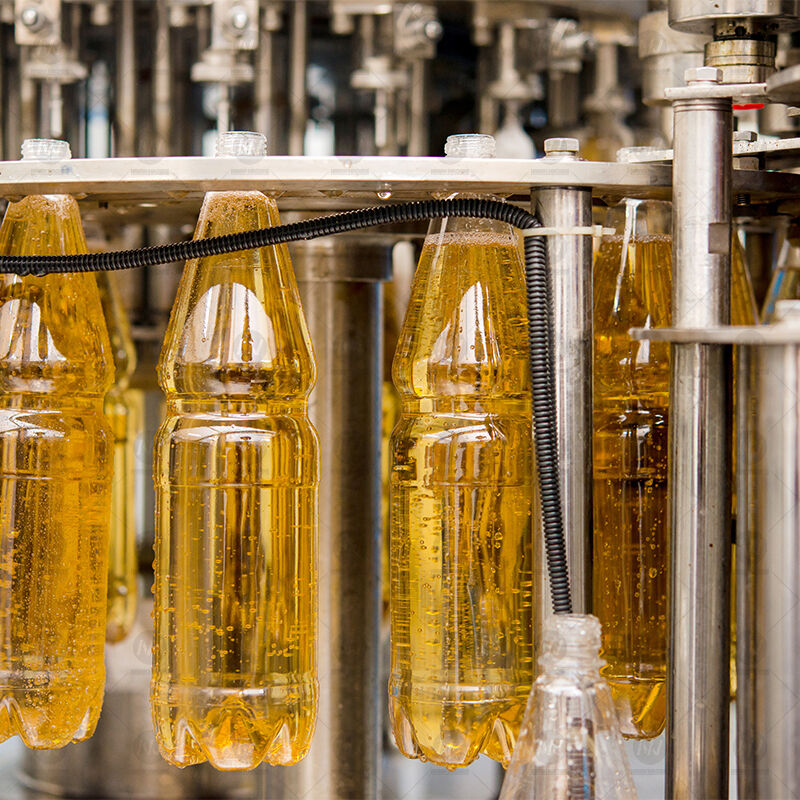
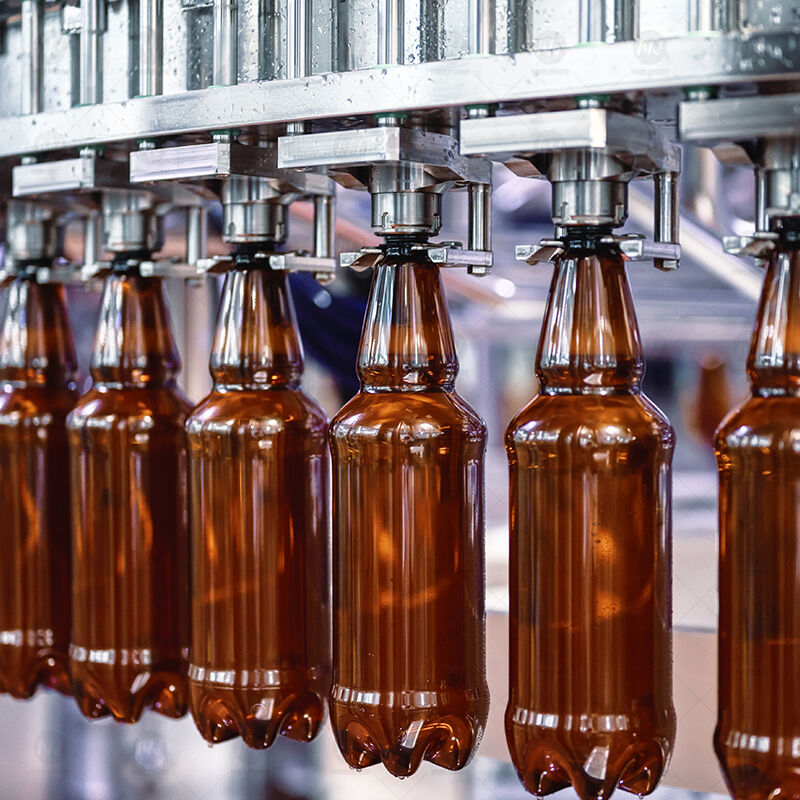
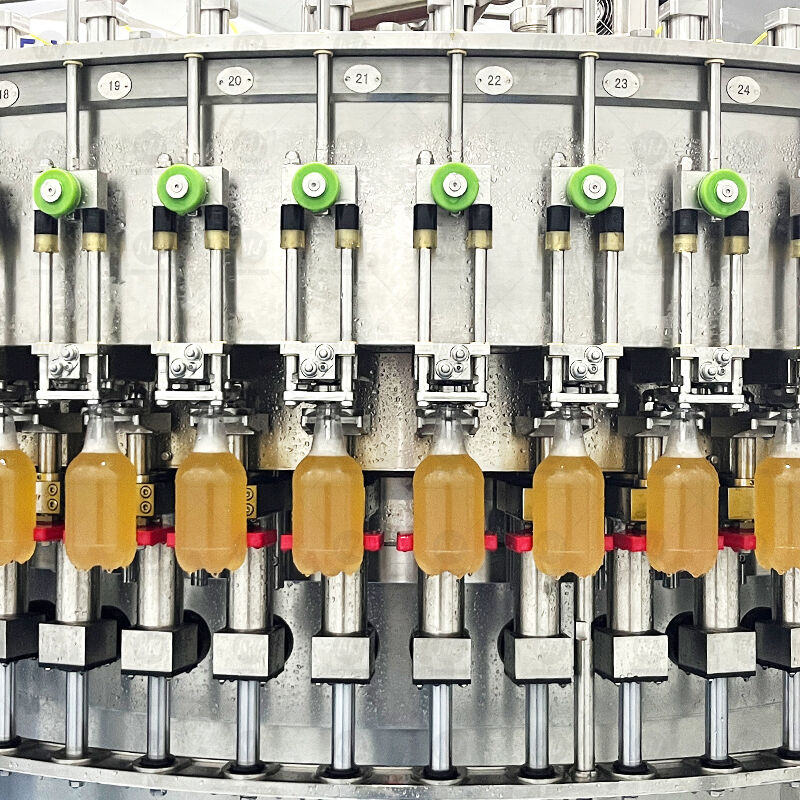
The sophisticated counter-pressure filling technology integrated into modern brewery bottling equipment represents a revolutionary advancement in beverage packaging that preserves beer quality while maximizing production efficiency. This innovative system maintains precise pressure control throughout the filling process, preventing foam formation and carbonation loss that can compromise product integrity and consumer experience. The technology operates by creating an sealed environment where bottles are first purged with CO2 to eliminate oxygen, then pressurized to match the beer pressure before filling begins, ensuring smooth liquid transfer without agitation or turbulence. This process is particularly crucial for maintaining the delicate balance of carbonated beverages, as traditional gravity filling methods often result in excessive foaming, inconsistent fill levels, and flavor degradation due to oxidation exposure. The counter-pressure system incorporates precision valves and flow control mechanisms that regulate filling speeds according to beer characteristics, bottle sizes, and production requirements, delivering consistent results across diverse product lines. Advanced sensors monitor pressure differentials and liquid levels in real-time, automatically adjusting parameters to maintain optimal conditions throughout extended production runs. This technology significantly reduces product waste by eliminating overfilling and underfilling issues while ensuring each bottle meets exact volume specifications required for regulatory compliance and customer satisfaction. The system also minimizes beer exposure to atmospheric conditions, preserving hop aromas, preventing oxidation reactions, and maintaining the fresh taste profiles that distinguish quality craft beers from mass-produced alternatives. Brewery bottling equipment featuring counter-pressure filling technology typically achieves filling accuracies within 1-2ml tolerances, representing substantial improvements over manual methods that often exhibit variations exceeding 10ml per bottle. The enclosed filling environment reduces contamination risks while supporting extended shelf life characteristics that enhance distribution capabilities and market reach for brewery products.
Intelligent Quality Control and Inspection Systems

Intelligent Quality Control and Inspection Systems

State-of-the-art brewery bottling equipment incorporates comprehensive quality control and inspection systems that automatically detect and eliminate defective products before they reach consumers, protecting brand reputation while optimizing production efficiency. These intelligent systems utilize multiple inspection technologies including optical sensors, weight verification, fill level detection, and cap torque monitoring to ensure every bottle meets stringent quality standards without human intervention. The optical inspection components employ high-resolution cameras and advanced image processing algorithms to identify various defects such as cracked bottles, foreign particles, incorrect labeling, and cosmetic imperfections that could negatively impact consumer perception. Fill level inspection systems verify precise volume measurements using laser technology or load cell weighing, automatically rejecting bottles that fall outside acceptable tolerance ranges while providing real-time feedback for process adjustments. Cap application verification ensures proper sealing integrity through torque measurement and visual confirmation, preventing leakage issues that could result in product spoilage during storage and transportation. The integration of these inspection technologies creates a comprehensive quality assurance framework that operates continuously at production speeds, eliminating the need for time-consuming manual sampling and testing procedures. Advanced brewery bottling equipment systems maintain detailed quality control databases that track defect rates, identify trending issues, and generate reports supporting continuous improvement initiatives and regulatory compliance documentation. The rejection mechanisms within these systems operate with minimal production disruption, automatically diverting defective products to designated collection areas while maintaining line speeds and production schedules. This automated quality control capability significantly reduces the risk of defective products reaching market channels, protecting brewery reputation and avoiding costly recall scenarios that can damage brand credibility. The data analytics capabilities of modern inspection systems provide valuable insights into production trends, equipment performance, and quality metrics that support informed decision-making regarding process optimization and preventive maintenance scheduling. These intelligent systems also adapt to different product specifications and packaging formats, automatically adjusting inspection parameters when transitioning between beer styles, bottle sizes, or labeling requirements, ensuring consistent quality standards across diverse product portfolios.
Modular Design and Scalable Production Capacity

Modular Design and Scalable Production Capacity

The modular design philosophy incorporated into contemporary brewery bottling equipment provides unprecedented flexibility and scalability that accommodates evolving business needs while protecting capital investments throughout different growth phases. This innovative approach allows breweries to configure systems according to current production requirements while maintaining expansion capabilities that support future capacity increases without requiring complete equipment replacement. The modular architecture enables selective upgrades of individual components such as filling stations, capping units, or labeling systems, allowing businesses to enhance specific functionalities or address bottlenecks without disrupting entire production lines. This flexibility proves particularly valuable for craft breweries experiencing rapid growth, as they can incrementally add modules to increase throughput capacity in alignment with market demand and financial resources. The standardized interfaces between modules ensure seamless integration and consistent performance regardless of configuration complexity, while maintaining the operational simplicity that minimizes training requirements and reduces operational errors. Brewery bottling equipment with modular design supports diverse bottle formats including various sizes, shapes, and materials, enabling product diversification strategies that respond to market opportunities and consumer preferences. The interchangeable nature of modular components facilitates efficient maintenance procedures by allowing isolation of specific sections for service while maintaining production continuity in unaffected areas. This design approach also supports different production modes, from high-speed continuous operation for large batches to flexible shorter runs for specialty products, maximizing equipment utilization across varied production schedules. The modular framework typically incorporates standardized control systems that provide unified operation interfaces regardless of configuration complexity, simplifying operator training and reducing the likelihood of operational mistakes. Advanced brewery bottling equipment systems offer modular expansion packages that include pre-engineered components, installation support, and integration services that minimize implementation time and disruption to ongoing operations. The cost-effectiveness of modular expansion often proves superior to purchasing larger capacity systems initially, as businesses can optimize investments based on actual growth patterns rather than projected demands that may not materialize as anticipated. This scalable approach also supports geographical expansion strategies by enabling duplication of proven configurations at new facility locations while maintaining operational consistency and quality standards across multiple production sites.

Get a Free Quote

Our representative will contact you soon.
Email
Name
Company Name
Message
0/1000

Get a Free Quote

Our representative will contact you soon.
Email
Name
Company Name
Message
0/1000
TopTop