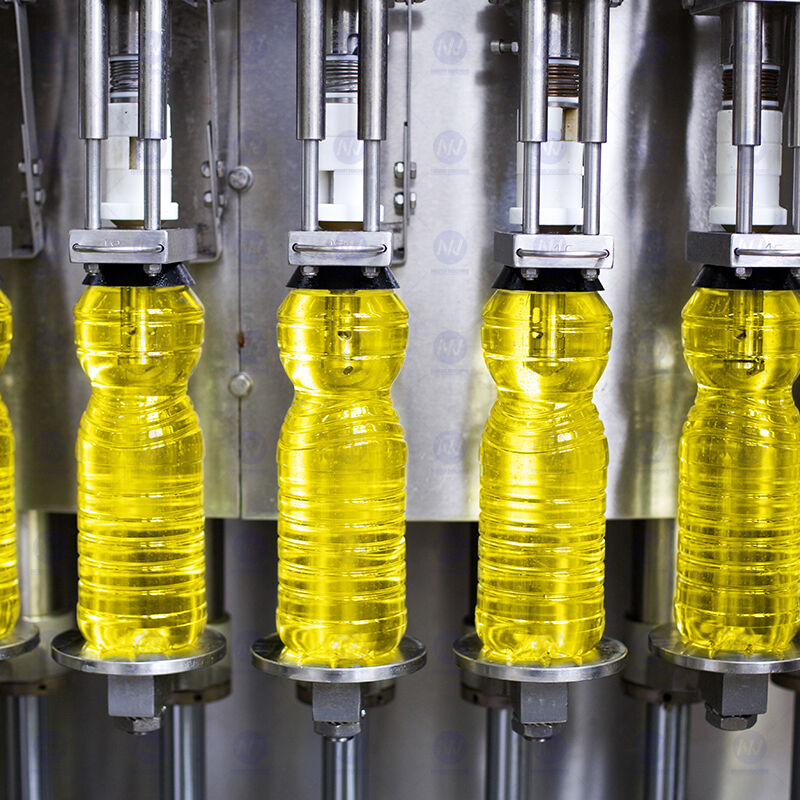
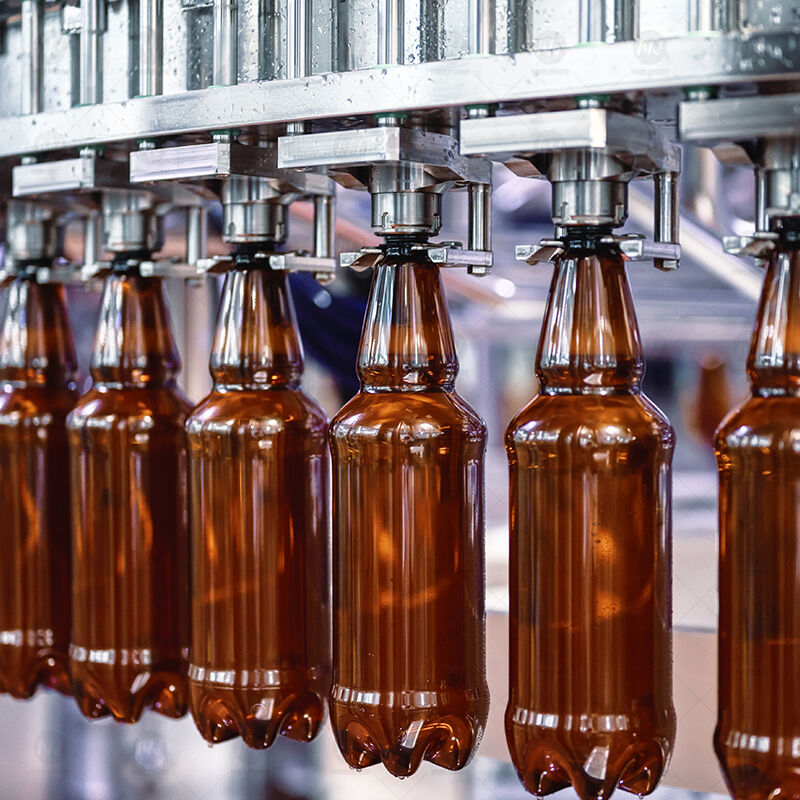
Professional Carbonated Beverage Filling Machine - Advanced Bottling Solutions for High-Volume Production

Requesting a Call:

+8615601563990

Online Support

[email protected]

WhatsApp

+86-15601563990

carbonated beverage filling machine

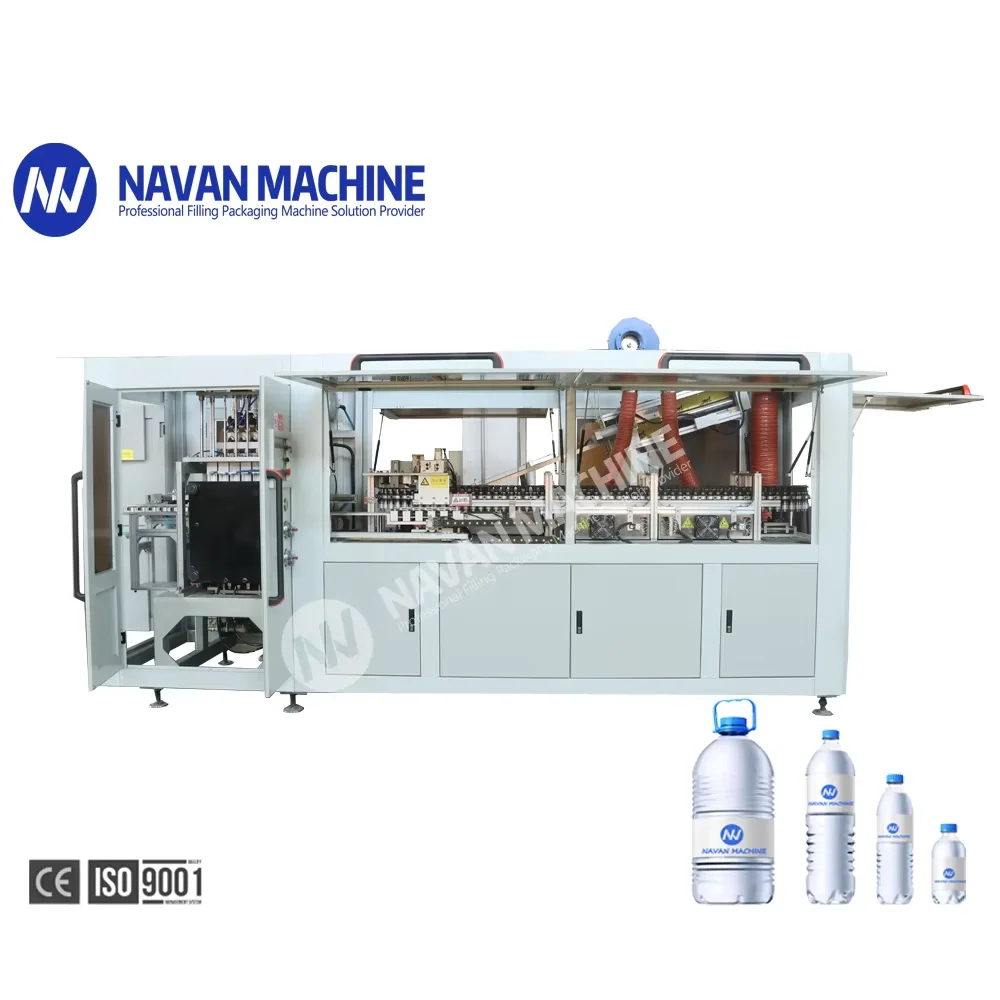
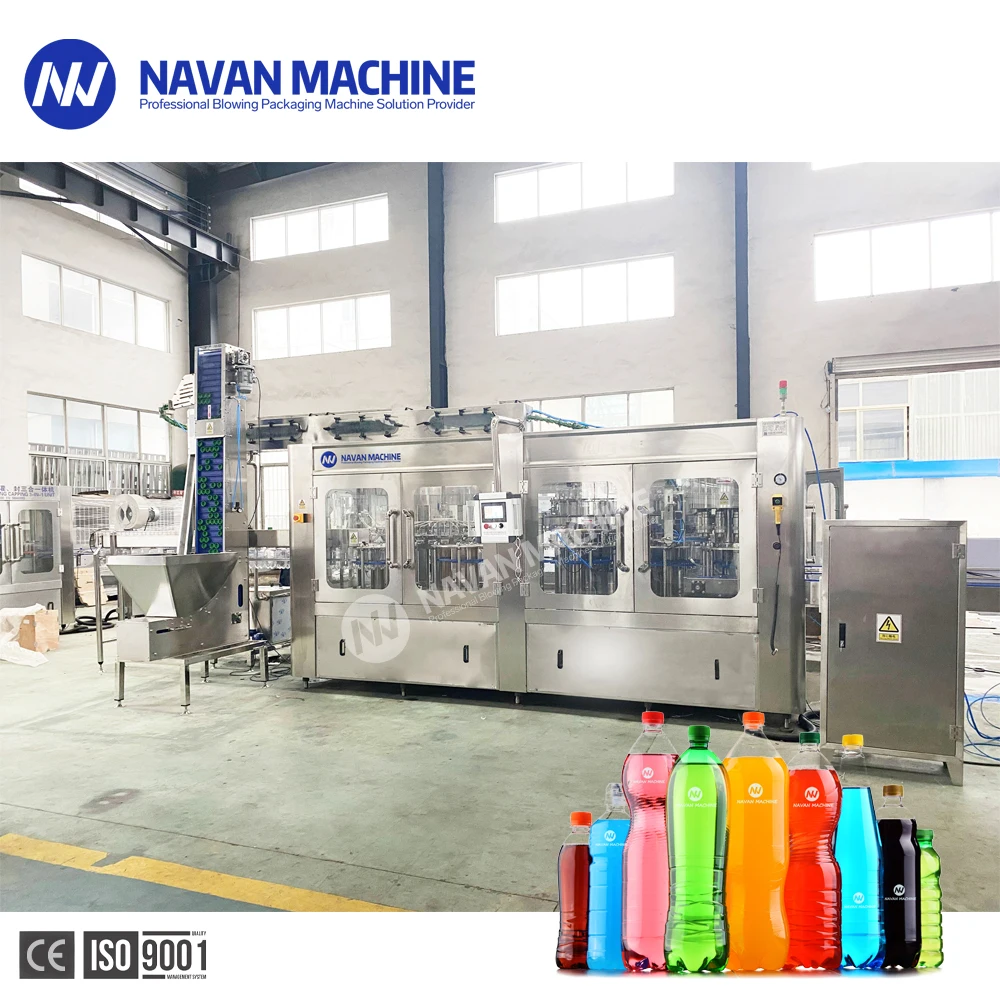
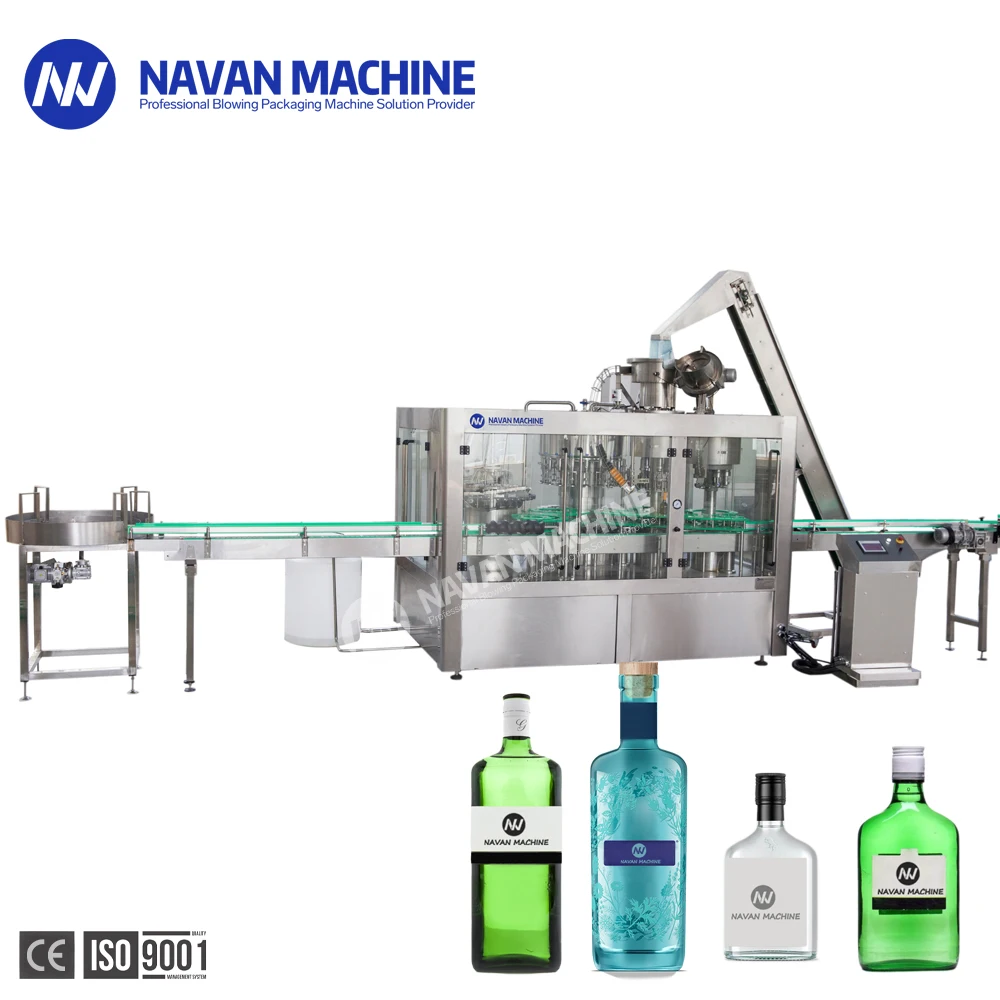
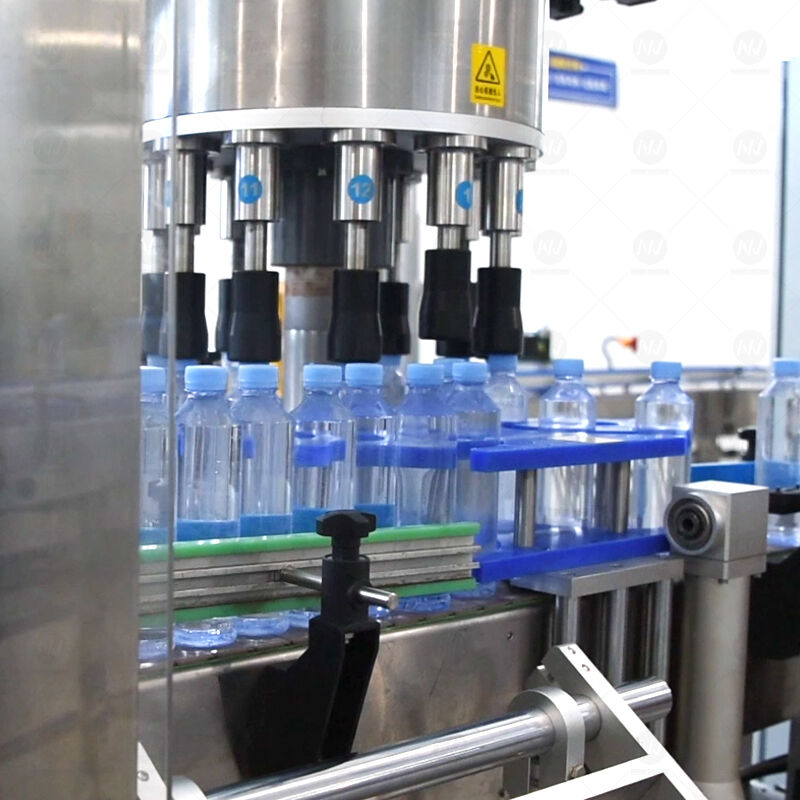
A carbonated beverage filling machine represents a sophisticated piece of industrial equipment designed specifically for the automated bottling of fizzy drinks, sodas, and sparkling beverages. This specialized machinery operates through a precise process that maintains the carbonation levels while efficiently filling bottles or cans with consistent volumes. The carbonated beverage filling machine incorporates advanced pressure control systems that prevent CO2 loss during the filling process, ensuring the final product retains its desired fizz and taste profile. The primary functions of this equipment include bottle handling, precise liquid dispensing, cap application, and quality control monitoring. Modern carbonated beverage filling machines feature stainless steel construction that meets food-grade safety standards and provides excellent resistance to corrosion from acidic beverages. The technological framework includes programmable logic controllers that allow operators to adjust filling speeds, volumes, and pressure settings according to different product specifications. These machines typically integrate conveyor systems, automated bottle feeding mechanisms, and electronic sensors that detect bottle presence and proper positioning before initiating the filling cycle. The filling process utilizes counter-pressure technology where bottles are pre-pressurized with CO2 before liquid introduction, minimizing foam formation and preserving carbonation integrity. Temperature control systems maintain optimal beverage temperatures throughout the filling process, which directly impacts carbonation retention and product quality. Applications for carbonated beverage filling machines span across various industries including soft drink manufacturing, brewery operations, energy drink production, and sparkling water bottling facilities. These machines accommodate different container sizes from small bottles to large format containers, making them versatile solutions for diverse production requirements. The automation capabilities reduce manual labor requirements while increasing production consistency and hygiene standards, essential factors in commercial beverage manufacturing operations.

Popular Products

The carbonated beverage filling machine delivers substantial operational benefits that transform production efficiency and product quality for beverage manufacturers. This equipment reduces production time significantly by automating the entire filling process, enabling companies to fill thousands of bottles per hour compared to manual methods that might handle only dozens. The precision filling technology ensures consistent liquid volumes in every container, eliminating waste from overfilling and preventing customer complaints from underfilled products. This accuracy translates directly into cost savings and improved profit margins for manufacturers. The automated systems minimize human contact with beverages, dramatically improving hygiene standards and reducing contamination risks that could compromise product safety and brand reputation. The carbonated beverage filling machine maintains optimal carbonation levels throughout the production process, ensuring every bottle delivers the expected fizz and taste that consumers demand. This consistency builds customer loyalty and reduces product returns due to quality issues. The equipment operates with remarkable speed and reliability, allowing manufacturers to meet high-volume demands during peak seasons or promotional periods without compromising quality standards. Energy efficiency represents another significant advantage, as modern machines optimize power consumption while maintaining high output levels, reducing operational costs over time. The stainless steel construction ensures longevity and minimal maintenance requirements, providing excellent return on investment through years of reliable service. Quality control features built into these machines detect and reject defective containers automatically, preventing faulty products from reaching the market and protecting brand integrity. The flexibility to handle various container sizes and beverage types allows manufacturers to diversify their product lines without investing in multiple specialized machines. Easy operation interfaces enable staff to learn machine operation quickly, reducing training time and associated costs. The precise temperature and pressure controls preserve beverage flavor profiles and extend shelf life, contributing to reduced spoilage and improved distribution capabilities. Safety features protect operators while maintaining continuous production flow, creating a secure working environment that complies with industrial safety regulations and reduces insurance costs.

Practical Tips

How Does a Water Filling Line Maintain Hygiene and Product Purity?

31

Oct

How Does a Water Filling Line Maintain Hygiene and Product Purity?

Ensuring Safety and Quality in Beverage Production Systems The modern beverage industry faces an ever-growing challenge to maintain impeccable hygiene standards while meeting increasing production demands. At the heart of this challenge lies the wate...
View More
What Factors Should You Consider When Choosing a Bottle Filling Machine?

31

Oct

What Factors Should You Consider When Choosing a Bottle Filling Machine?

Essential Considerations for Industrial Bottle Filling Equipment Selecting the right bottle filling machine for your production line is a crucial decision that impacts efficiency, product quality, and bottom-line profitability. Whether you're expandi...
View More
What Are the Long-Term Benefits of Investing in Advanced Water Filling Lines?

31

Oct

What Are the Long-Term Benefits of Investing in Advanced Water Filling Lines?

Transforming Beverage Production Through Modern Automation The beverage industry is witnessing a revolutionary transformation as manufacturers increasingly turn to advanced water filling lines to streamline their operations. These sophisticated syste...
View More
How Does a Jam Filling Machine Handle Thick and Sticky Products Efficiently?

31

Oct

How Does a Jam Filling Machine Handle Thick and Sticky Products Efficiently?

Understanding Modern Industrial Jam Processing Equipment The food processing industry has witnessed remarkable technological advancements, particularly in the realm of handling viscous products. At the heart of efficient jam production lies the sophi...
View More

Get a Free Quote

Our representative will contact you soon.
Email
Name
Company Name
Message
0/1000

carbonated beverage filling machine

Advanced Counter-Pressure Filling Technology

Advanced Counter-Pressure Filling Technology

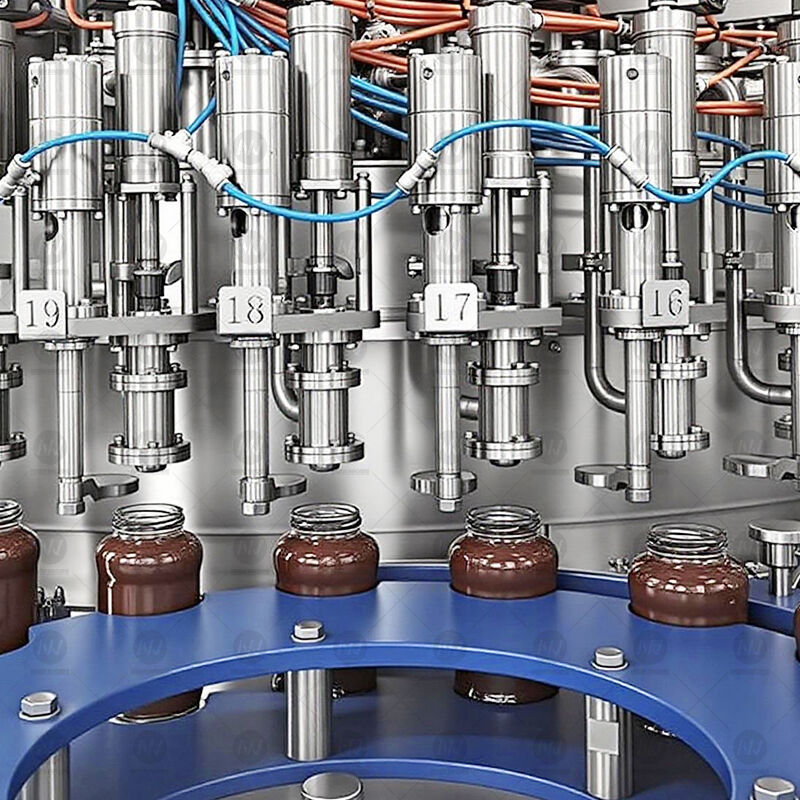
The carbonated beverage filling machine employs sophisticated counter-pressure filling technology that revolutionizes how fizzy drinks maintain their carbonation during the bottling process. This innovative system works by pre-pressurizing empty bottles with carbon dioxide to match the pressure of the incoming beverage, creating an environment where CO2 loss is minimized during liquid transfer. The technology begins when bottles enter the filling station where they are sealed with filling valves that create an airtight environment. Carbon dioxide gas is then introduced to pressurize the bottle interior to the same level as the beverage tank, typically ranging from 3 to 4 atmospheres depending on the specific product requirements. Once pressure equilibrium is achieved, the liquid valve opens gradually to allow beverage flow into the bottle while maintaining constant pressure throughout the container. This controlled environment prevents the rapid expansion and escape of CO2 that would normally occur when carbonated liquid encounters atmospheric pressure, significantly reducing foam formation and preserving the beverage's intended carbonation level. The filling valve design incorporates multiple channels that allow simultaneous gas venting and liquid introduction, ensuring smooth operation without pressure spikes that could cause splashing or inconsistent fill levels. Temperature control integrated within this system maintains beverages at optimal temperatures, typically between 2-4 degrees Celsius, which enhances CO2 solubility and further prevents carbonation loss. The counter-pressure technology also enables precise volume control through electronic monitoring systems that detect liquid levels within bottles and automatically stop filling when predetermined volumes are reached. This precision prevents overflow while ensuring consistent product volumes that meet regulatory requirements and customer expectations. Quality sensors integrated into the filling heads detect any irregularities in pressure or flow rate, automatically rejecting containers that do not meet specifications. The entire counter-pressure system operates under sanitary conditions with CIP cleaning capabilities that ensure hygienic operation between production runs and product changeovers.
High-Speed Automated Production Capabilities

High-Speed Automated Production Capabilities

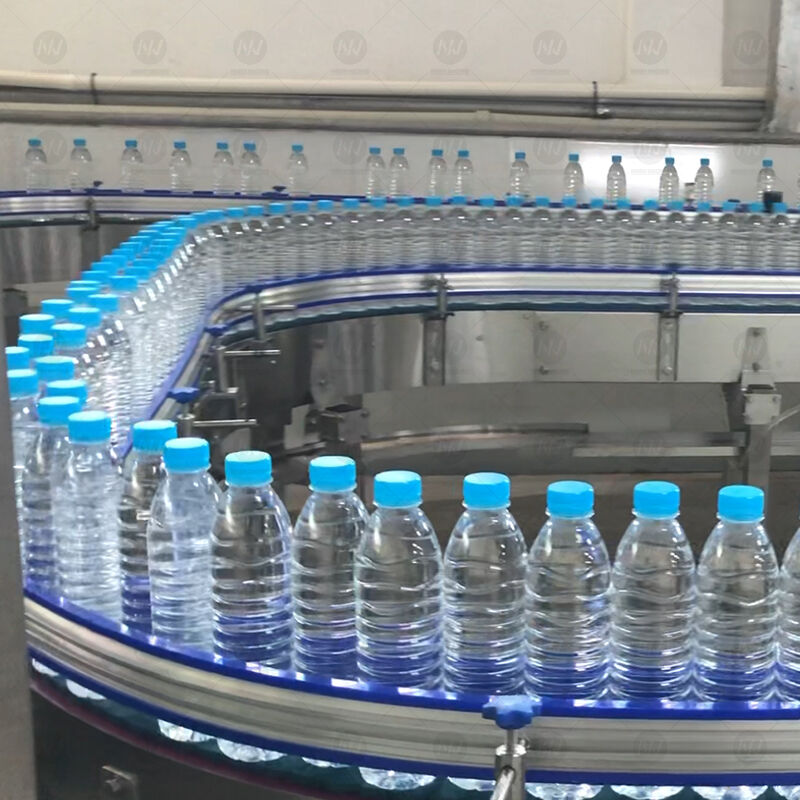
The carbonated beverage filling machine delivers exceptional production speed that transforms manufacturing efficiency through advanced automation systems designed for continuous high-volume operations. These machines typically achieve filling rates ranging from 6,000 to 36,000 bottles per hour depending on container size and configuration, representing a dramatic improvement over manual or semi-automated alternatives. The high-speed capability stems from sophisticated mechanical designs that incorporate rotary filling systems with multiple filling stations operating simultaneously in continuous motion. Each filling head works independently while synchronized with the overall system timing, allowing for seamless bottle handling without production interruptions. The automated bottle feeding system utilizes precision conveyor mechanisms that position containers accurately at each filling station while maintaining optimal spacing for smooth operation flow. Electronic sensors monitor bottle presence, orientation, and quality throughout the production line, automatically rejecting defective containers before they enter the filling process to prevent contamination or equipment damage. The machine's programmable control systems allow operators to adjust production speeds according to specific requirements, enabling flexibility for different product types or production schedules while maintaining consistent quality standards. Servo motor technology provides precise control over all mechanical movements, ensuring accurate timing for bottle positioning, filling valve operation, and capping procedures. The automation extends to cap application systems that select, position, and secure closures with consistent torque specifications that prevent over-tightening or under-sealing issues. Quick changeover capabilities allow manufacturers to switch between different bottle sizes or product types with minimal downtime, typically requiring only 15-30 minutes for complete line reconfiguration. The integrated quality control systems perform real-time monitoring of fill levels, cap application, and overall product integrity, automatically adjusting parameters to maintain optimal performance throughout extended production runs. Predictive maintenance features monitor equipment performance and alert operators to potential issues before they cause production interruptions, maximizing uptime and preventing costly emergency repairs. The user-friendly interface provides comprehensive production data and performance analytics that enable operators to optimize efficiency and identify improvement opportunities.
Comprehensive Sanitation and Safety Systems

Comprehensive Sanitation and Safety Systems

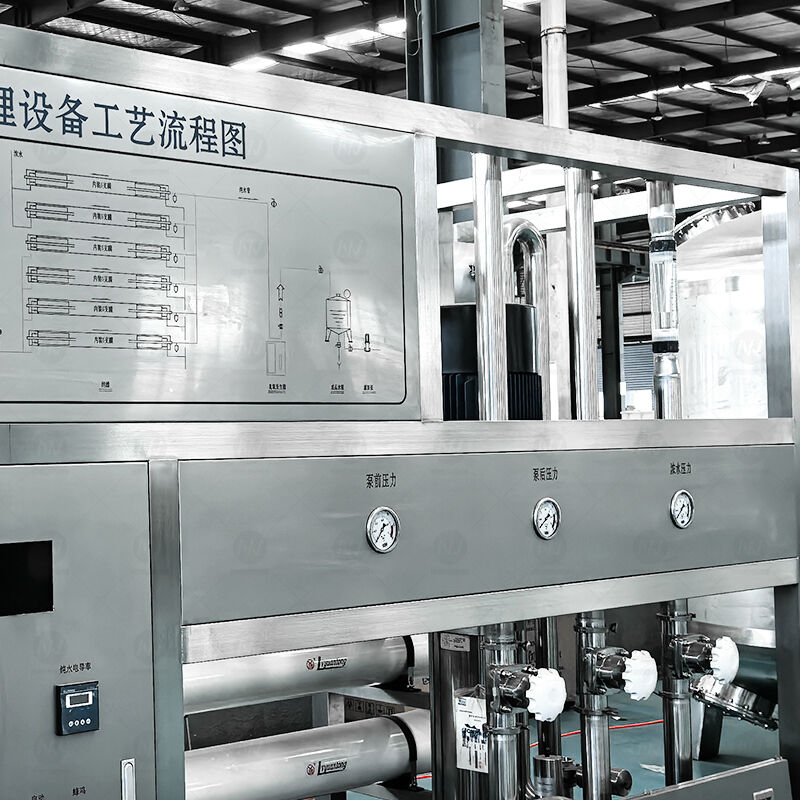
The carbonated beverage filling machine incorporates extensive sanitation and safety systems that ensure product purity and operator protection while maintaining compliance with stringent food and beverage industry regulations. The entire machine construction utilizes food-grade stainless steel materials that resist corrosion from acidic beverages and cleaning chemicals while providing smooth surfaces that prevent bacterial accumulation and facilitate thorough cleaning procedures. Clean-in-Place systems integrated throughout the equipment enable automated sanitization without requiring machine disassembly, significantly reducing downtime between production runs while ensuring complete elimination of contaminants. These CIP systems circulate cleaning solutions through all product contact surfaces including filling valves, piping systems, and storage tanks using predetermined time and temperature cycles that guarantee effective sterilization. The filling environment operates under positive pressure conditions that prevent airborne contaminants from entering the product zone, while HEPA filtration systems ensure only clean air contacts beverages during the filling process. Automated bottle rinsing stations remove dust and debris from containers before filling, while inspection systems detect and reject bottles with cracks, chips, or other defects that could compromise product integrity. Safety features include emergency stop systems positioned throughout the machine perimeter, safety interlocks that prevent operation when guards are open, and light curtains that immediately halt production if operators enter hazardous zones. Electrical systems meet international safety standards with proper grounding, circuit protection, and moisture-resistant enclosures that prevent electrical hazards in wet production environments. The control systems incorporate safety-rated components that ensure fail-safe operation during power interruptions or component failures, preventing equipment damage and protecting personnel from injury. Ergonomic designs minimize operator strain during routine maintenance procedures, while clearly marked service points and intuitive interfaces reduce the likelihood of operating errors. Documentation systems maintain detailed records of cleaning procedures, maintenance activities, and production parameters to support quality assurance programs and regulatory compliance requirements. Training programs provide comprehensive instruction on safe operating procedures, emergency response protocols, and proper maintenance techniques to ensure personnel competency and workplace safety. The machine design facilitates easy access for inspection and maintenance while incorporating guards and barriers that protect operators from moving components and high-pressure systems.

Get a Free Quote

Our representative will contact you soon.
Email
Name
Company Name
Message
0/1000

Get a Free Quote

Our representative will contact you soon.
Email
Name
Company Name
Message
0/1000
TopTop