Advanced Soda Bottle Filling Plant Solutions - Industrial Beverage Production Equipment

Requesting a Call:

+8615601563990

Online Support

[email protected]

WhatsApp

+86-15601563990

soda bottle filling plant

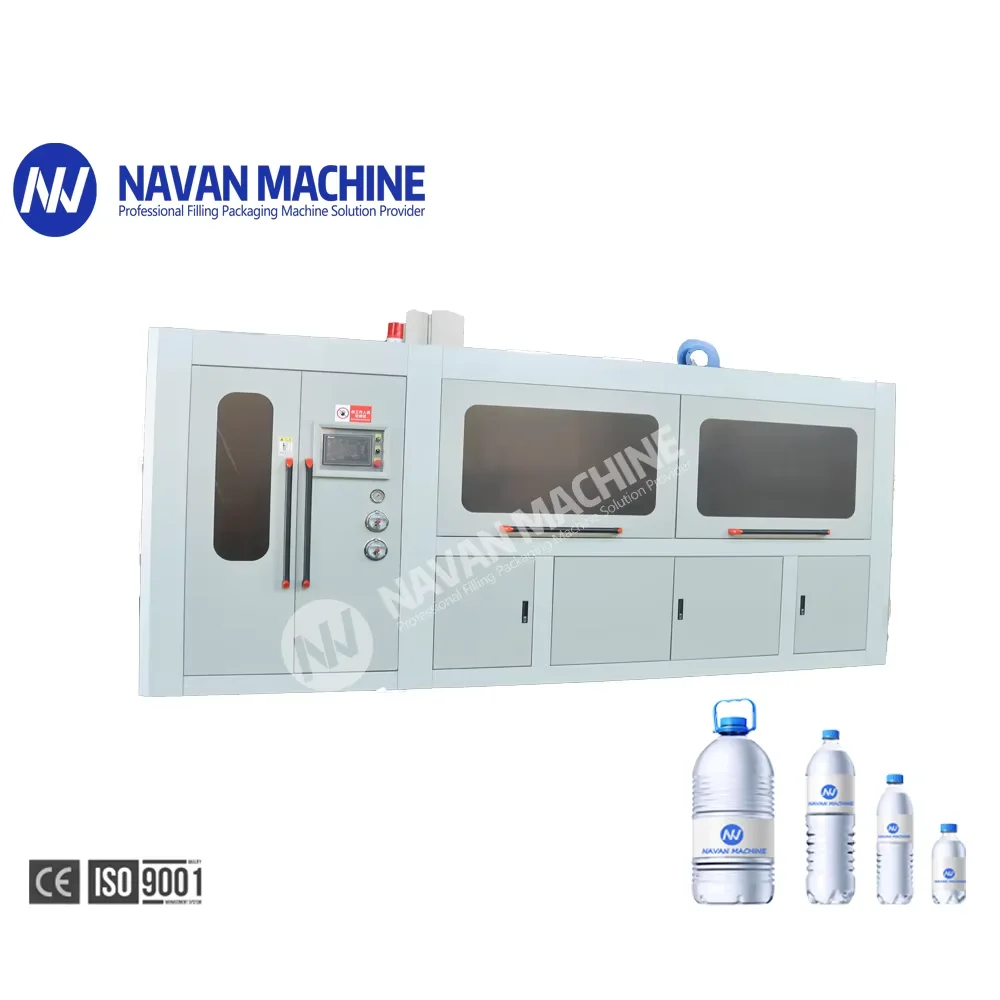
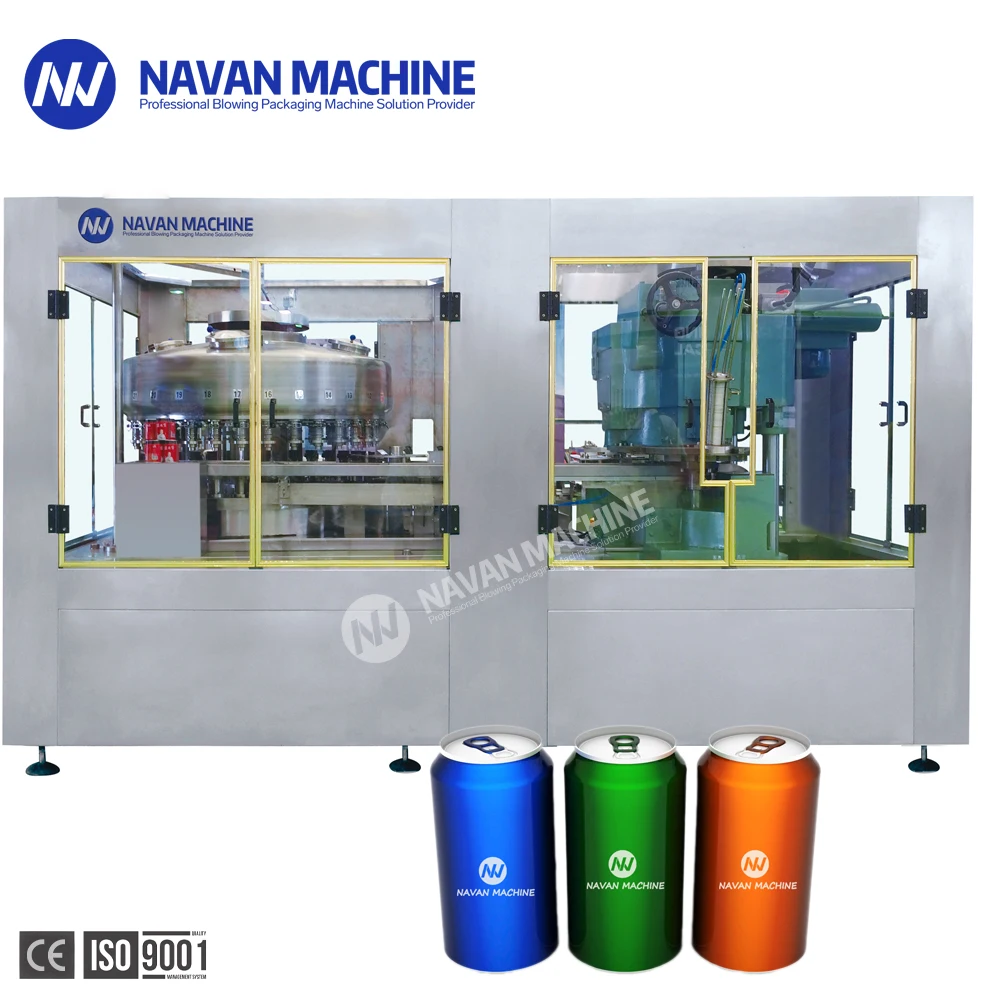
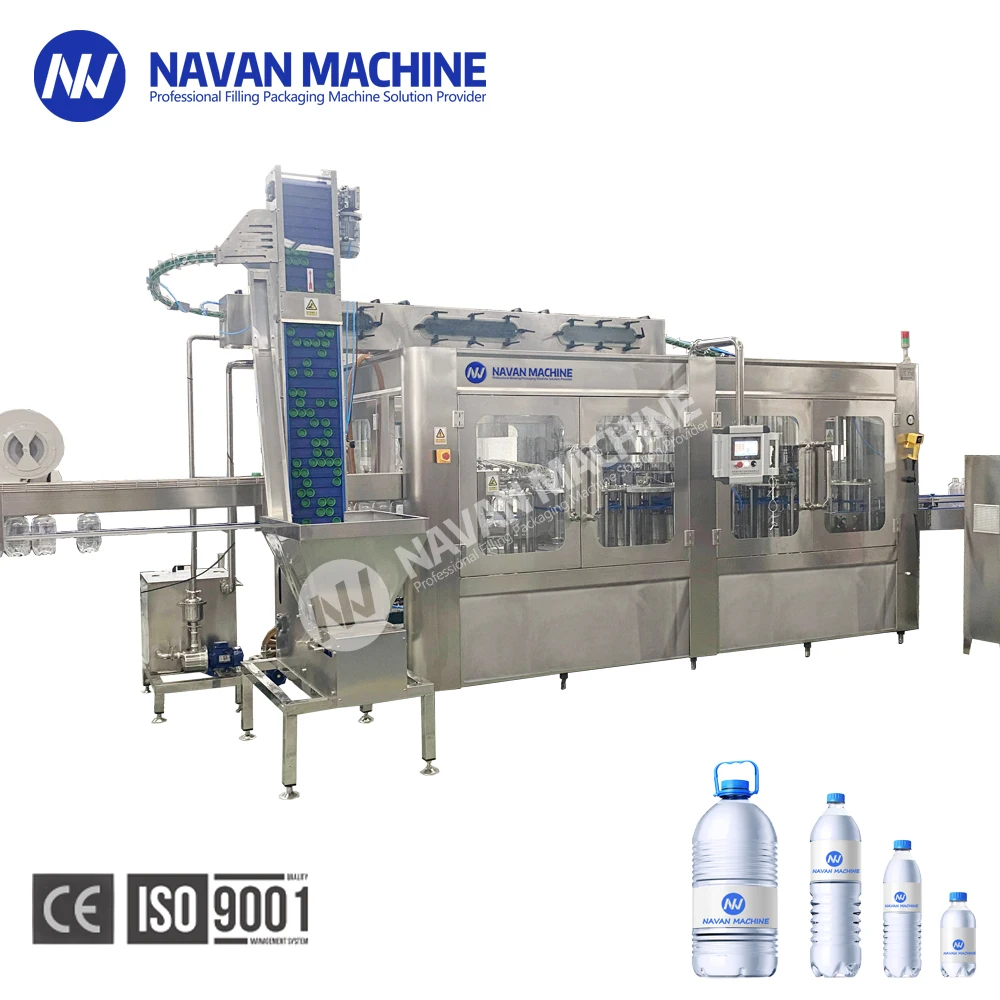
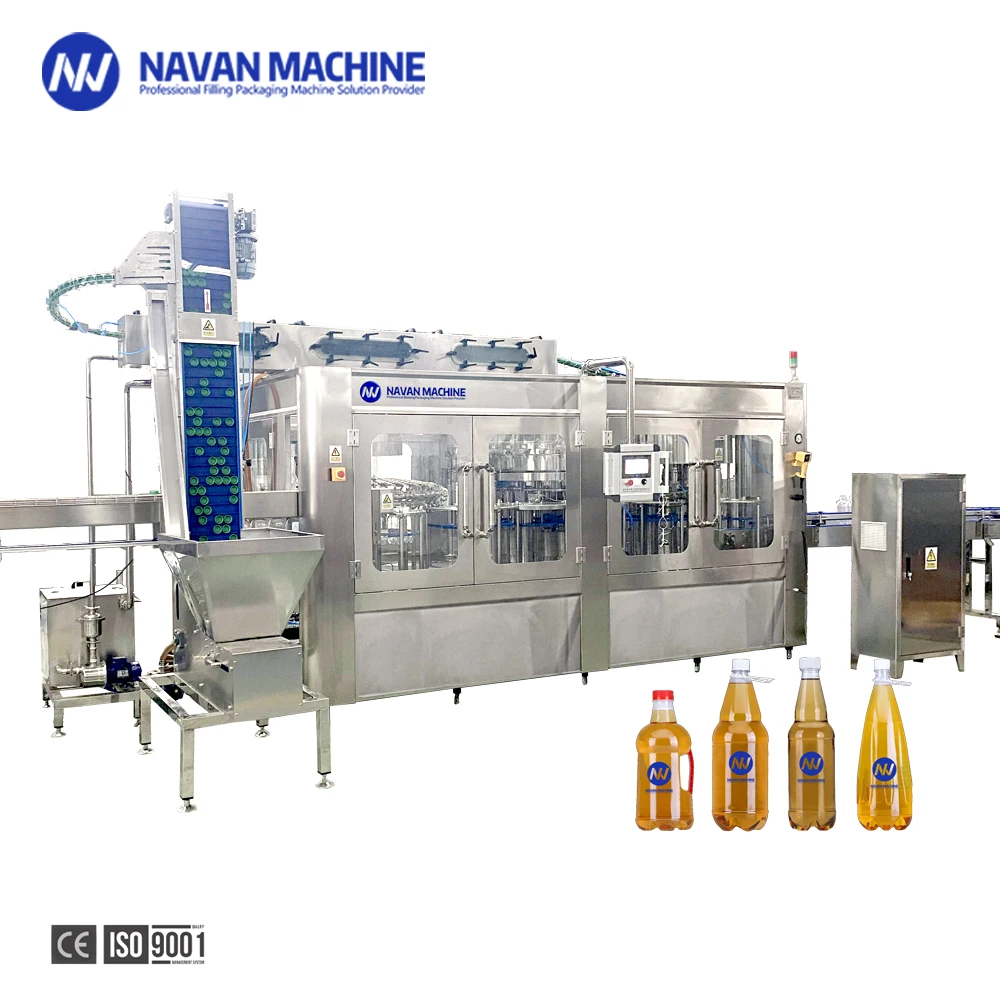
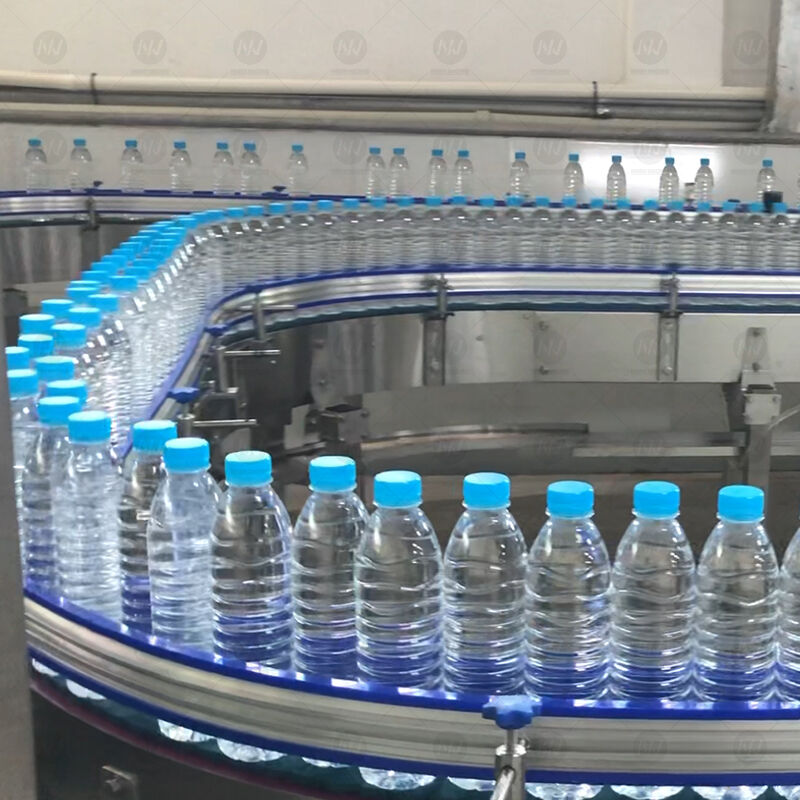
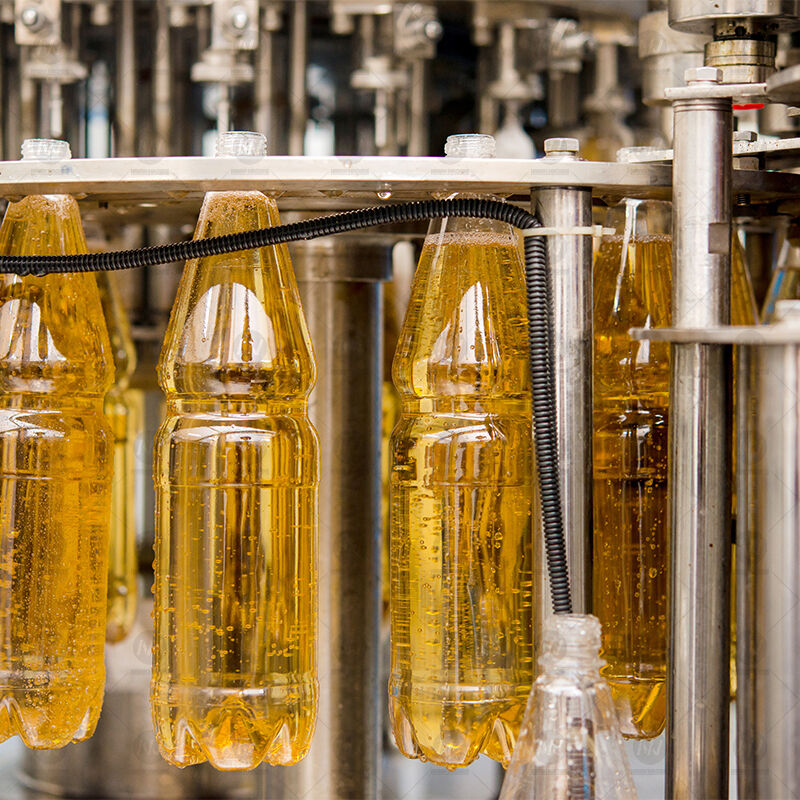
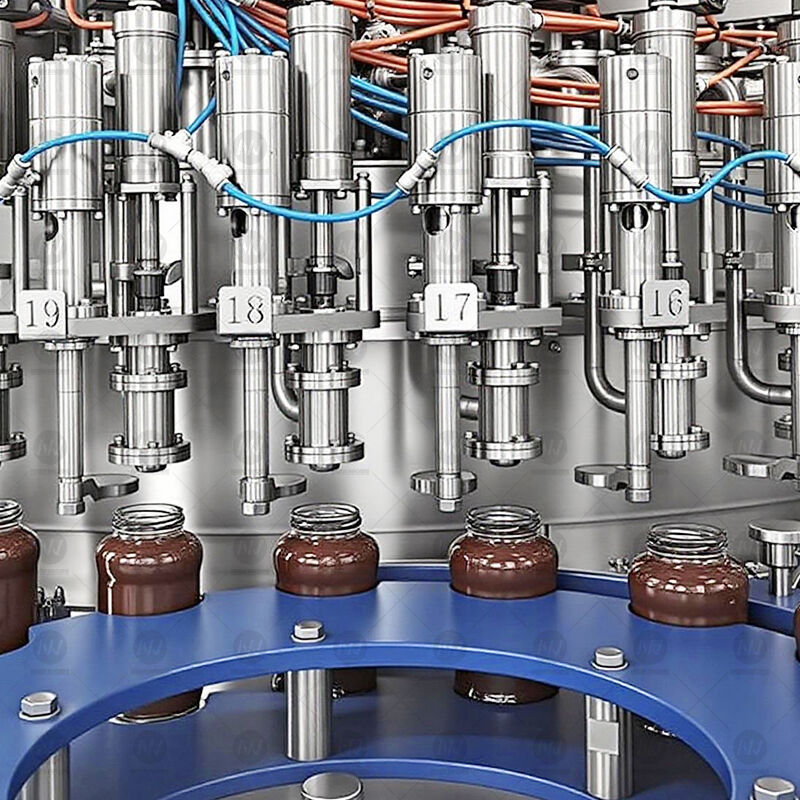
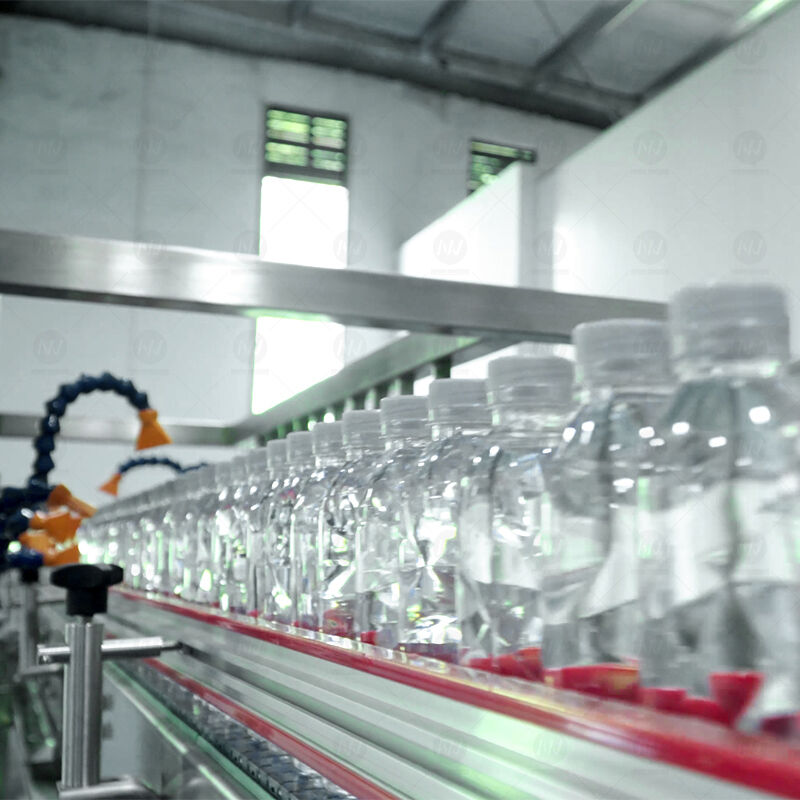
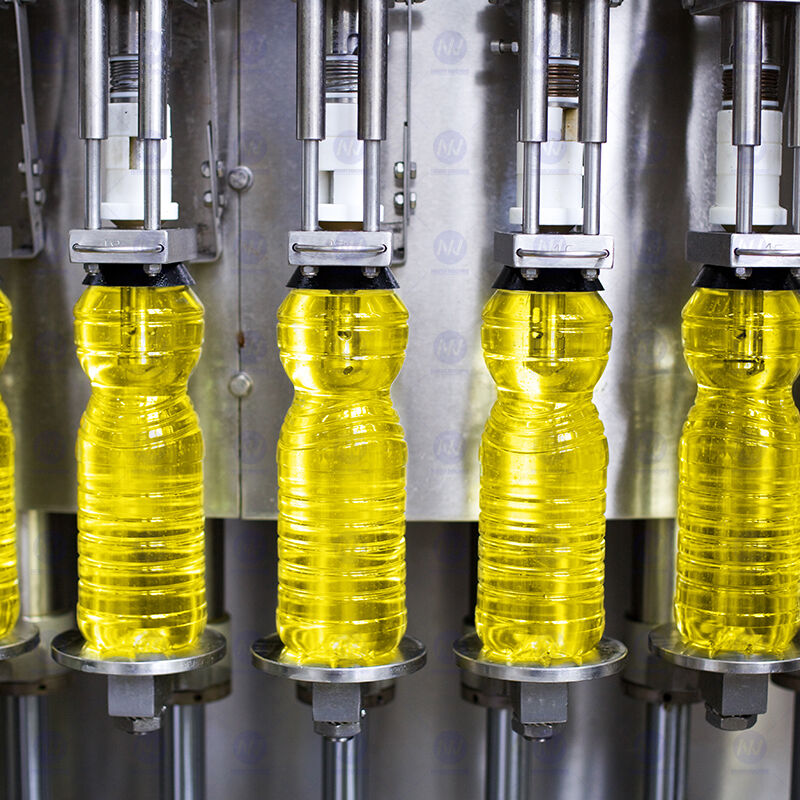
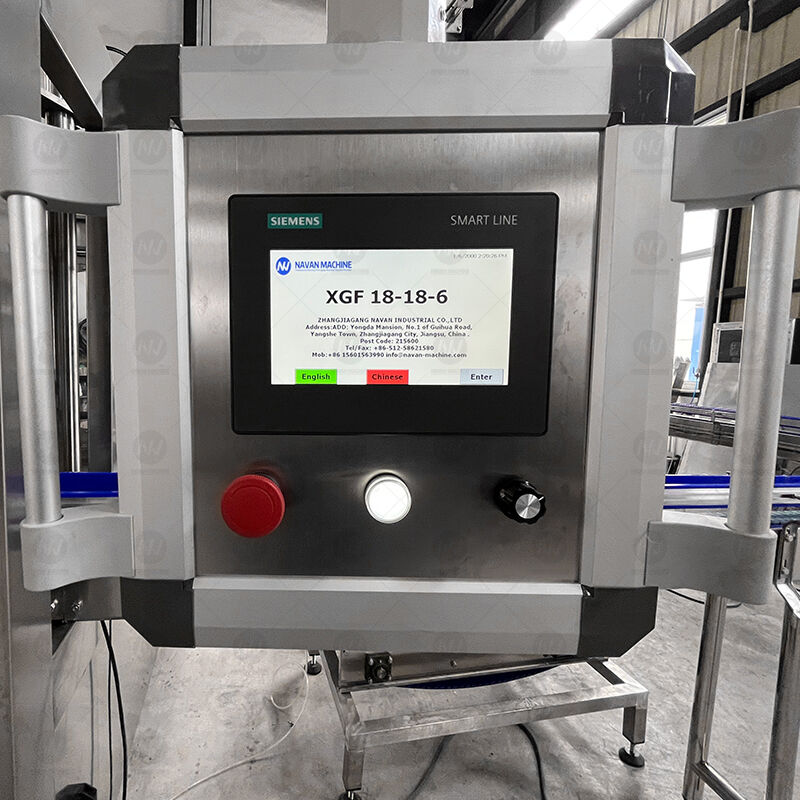
A soda bottle filling plant represents a sophisticated industrial solution designed to automate the complete process of filling carbonated beverages into bottles with precision and efficiency. This advanced manufacturing system integrates multiple technologies to handle the entire production cycle, from bottle preparation to final packaging. The soda bottle filling plant incorporates specialized equipment that manages bottle washing, sterilization, filling, capping, labeling, and quality control processes within a streamlined production environment. Modern facilities utilize state-of-the-art technology including programmable logic controllers, servo-driven mechanisms, and computerized monitoring systems to ensure consistent product quality and operational reliability. The plant's core functionality revolves around maintaining proper carbonation levels while preventing contamination during the filling process. Advanced pressure control systems regulate the flow of carbonated beverages to minimize foam generation and preserve taste integrity. The facility typically features multi-stage filtration systems, temperature control units, and automated cleaning protocols that maintain sanitary conditions throughout production cycles. These plants are engineered to accommodate various bottle sizes and shapes, from standard glass containers to lightweight plastic bottles, making them versatile solutions for diverse market requirements. The technological framework includes high-speed conveyor systems, precision dosing equipment, and real-time monitoring capabilities that track production metrics and identify potential issues before they impact quality. Integration with enterprise resource planning systems allows operators to monitor inventory levels, schedule maintenance activities, and optimize production schedules based on demand forecasting. The soda bottle filling plant serves beverage manufacturers across multiple industry segments, including soft drink producers, mineral water companies, energy drink manufacturers, and craft beverage operations seeking to scale their production capabilities while maintaining consistent product standards and regulatory compliance requirements.

New Products

The soda bottle filling plant delivers exceptional operational benefits that directly impact manufacturing efficiency and profitability for beverage producers. Primary advantages include dramatically increased production speeds compared to manual filling methods, with modern systems capable of processing thousands of bottles per hour while maintaining consistent fill levels and quality standards. This enhanced throughput allows manufacturers to meet growing market demand without proportional increases in labor costs or facility space requirements. The automated nature of the soda bottle filling plant significantly reduces human error risks, ensuring each bottle receives precise fill volumes and proper sealing to prevent product contamination or carbonation loss. Advanced quality control systems integrated within these facilities detect and reject defective bottles before they reach consumers, protecting brand reputation and reducing costly product recalls. Energy efficiency represents another crucial advantage, as modern plants incorporate variable frequency drives, optimized heating systems, and intelligent power management that reduce overall operational costs while supporting environmental sustainability goals. The flexibility offered by contemporary soda bottle filling plants enables manufacturers to quickly adapt to changing market preferences by accommodating different bottle formats, product formulations, and packaging requirements without extensive equipment modifications. Maintenance costs are substantially lower due to modular design principles and predictive maintenance capabilities that identify potential equipment issues before they cause production disruptions. Labor requirements are minimized through comprehensive automation, allowing skilled workers to focus on oversight and quality assurance rather than repetitive manual tasks. The consistent production environment created by these plants ensures uniform product quality that builds consumer confidence and supports premium pricing strategies. Real-time data collection and analysis capabilities provide valuable insights into production efficiency, enabling continuous improvement initiatives that optimize resource utilization and minimize waste generation. Compliance with stringent food safety regulations is simplified through built-in sanitation systems, temperature monitoring, and documentation features that facilitate regulatory inspections and certifications. The scalable architecture of modern soda bottle filling plants allows businesses to expand production capacity incrementally as market opportunities develop, protecting initial capital investments while supporting growth objectives. Return on investment is typically achieved within 18-24 months through reduced labor costs, improved efficiency, enhanced quality control, and increased production capacity that drives revenue growth.

Latest News

How Does a Water Filling Line Maintain Hygiene and Product Purity?

31

Oct

How Does a Water Filling Line Maintain Hygiene and Product Purity?

Ensuring Safety and Quality in Beverage Production Systems The modern beverage industry faces an ever-growing challenge to maintain impeccable hygiene standards while meeting increasing production demands. At the heart of this challenge lies the wate...
View More
What Are the Long-Term Benefits of Investing in Advanced Water Filling Lines?

31

Oct

What Are the Long-Term Benefits of Investing in Advanced Water Filling Lines?

Transforming Beverage Production Through Modern Automation The beverage industry is witnessing a revolutionary transformation as manufacturers increasingly turn to advanced water filling lines to streamline their operations. These sophisticated syste...
View More
What Technologies Ensure Freshness and Shelf Life in Beer Filling Systems?

31

Oct

What Technologies Ensure Freshness and Shelf Life in Beer Filling Systems?

Modern Innovations in Beer Filling Technology The brewing industry has witnessed remarkable technological advancements in beer filling systems, revolutionizing how breweries maintain product freshness and extend shelf life. Today's sophisticated beer...
View More
How Does a Jam Filling Machine Handle Thick and Sticky Products Efficiently?

31

Oct

How Does a Jam Filling Machine Handle Thick and Sticky Products Efficiently?

Understanding Modern Industrial Jam Processing Equipment The food processing industry has witnessed remarkable technological advancements, particularly in the realm of handling viscous products. At the heart of efficient jam production lies the sophi...
View More

Get a Free Quote

Our representative will contact you soon.
Email
Name
Company Name
Message
0/1000

soda bottle filling plant

Advanced Automated Quality Control Systems

Advanced Automated Quality Control Systems

The sophisticated quality control mechanisms integrated into modern soda bottle filling plants represent a revolutionary approach to ensuring product excellence throughout the manufacturing process. These comprehensive systems employ cutting-edge sensor technology, computer vision algorithms, and real-time monitoring capabilities to detect and address quality issues instantaneously. The automated inspection process begins with incoming bottle verification, where high-resolution cameras and laser measurement devices examine each container for cracks, chips, dimensional inconsistencies, or contamination that could compromise product integrity. During the filling stage, precision weight sensors and optical fill-level detectors ensure each bottle receives the exact predetermined volume while maintaining proper headspace requirements for optimal carbonation retention. The soda bottle filling plant incorporates advanced leak detection systems that utilize pressure differential monitoring and sonic testing to identify seal integrity issues before products leave the production line. Contamination prevention protocols include ultraviolet sterilization chambers, sterile air filtration systems, and automated cleaning cycles that eliminate bacterial growth and foreign particle infiltration. The quality assurance framework extends to cap application verification, where torque sensors and vision systems confirm proper closure tightness and alignment to prevent leakage or tampering concerns. Temperature monitoring throughout the production process ensures beverages maintain optimal characteristics while preventing thermal damage that could affect taste or carbonation levels. Batch tracking capabilities enable complete traceability from raw materials to finished products, supporting rapid response protocols if quality issues emerge in the marketplace. Statistical process control algorithms analyze production data in real-time, identifying trends that might indicate equipment drift or process variations before they impact product quality. The integrated quality management system generates comprehensive reports that document compliance with industry standards and regulatory requirements, simplifying audit procedures and certification maintenance. Rejection systems automatically divert non-conforming products to designated areas for evaluation and disposal, preventing defective items from entering distribution channels. These sophisticated quality control measures not only protect consumer safety but also enhance operational efficiency by reducing waste, minimizing recalls, and maintaining consistent brand standards that support market competitiveness and customer loyalty.
Energy-Efficient Sustainable Production Technology

Energy-Efficient Sustainable Production Technology

Contemporary soda bottle filling plants incorporate groundbreaking energy management technologies that substantially reduce environmental impact while lowering operational costs for beverage manufacturers. The implementation of variable frequency drive systems throughout the facility optimizes motor performance by adjusting power consumption based on actual production demands rather than operating at constant maximum capacity. These intelligent control mechanisms can reduce energy consumption by up to 30 percent compared to traditional fixed-speed equipment while maintaining precise operational parameters. Heat recovery systems capture thermal energy from various production processes, including bottle sterilization and product pasteurization, redirecting this recovered energy to preheat incoming materials or maintain facility temperatures. The soda bottle filling plant utilizes advanced insulation materials and thermal barrier technologies that minimize heat loss and reduce the energy required for temperature-sensitive processes. Compressed air systems incorporate high-efficiency compressors with smart controls that eliminate wasteful pressure fluctuations and reduce power consumption during periods of lower demand. LED lighting systems with occupancy sensors and daylight harvesting capabilities significantly reduce electrical consumption while providing optimal illumination for quality inspection and safety operations. Water conservation measures include closed-loop cooling systems, recycled cleaning solutions, and optimized CIP (Clean-in-Place) procedures that minimize fresh water consumption and wastewater generation. The facility design incorporates natural ventilation strategies and energy-efficient HVAC systems that maintain proper environmental conditions while reducing heating and cooling costs. Solar panel installations and renewable energy integration options enable facilities to generate clean electricity and potentially achieve net-zero energy consumption during peak production periods. Waste heat recovery from refrigeration systems can be utilized for bottle warming or facility heating, creating synergistic energy cycles that maximize resource utilization. Smart grid connectivity allows the soda bottle filling plant to participate in demand response programs, adjusting production schedules during peak electricity pricing periods to minimize utility costs. Energy monitoring and management systems provide real-time visibility into consumption patterns, enabling operators to identify optimization opportunities and track sustainability metrics. These comprehensive energy efficiency measures not only reduce operational expenses but also support corporate environmental responsibility initiatives and regulatory compliance requirements while positioning manufacturers as industry leaders in sustainable production practices.
Flexible Multi-Format Production Capabilities

Flexible Multi-Format Production Capabilities

The exceptional versatility of modern soda bottle filling plants enables manufacturers to efficiently produce diverse beverage products across multiple container formats without requiring extensive equipment changeovers or significant production delays. This adaptability represents a crucial competitive advantage in today's dynamic market environment where consumer preferences rapidly evolve and seasonal demand fluctuations require responsive manufacturing capabilities. The sophisticated changeover mechanisms allow seamless transitions between different bottle sizes, ranging from small single-serving containers to large family-size formats, typically completing format switches within 15-30 minutes depending on complexity. Advanced servo-driven adjustment systems automatically configure conveyor guides, filling heads, capping stations, and labeling positions to accommodate varying container dimensions with precision accuracy. The soda bottle filling plant incorporates modular component designs that enable quick installation of specialized equipment for unique product requirements, such as nitrogen dosing systems for enhanced shelf stability or vitamin injection modules for functional beverages. Recipe management software stores detailed parameters for different product formulations, allowing operators to instantly recall and implement specific mixing ratios, carbonation levels, temperature settings, and quality control specifications with a single command. The flexible production architecture supports both glass and plastic containers, with specialized handling systems that adjust pressure settings and contact methods to prevent damage while maintaining filling accuracy. Multi-lane configuration options enable simultaneous processing of different product varieties, maximizing throughput efficiency when producing multiple SKUs during single production runs. Container shape versatility extends beyond standard cylindrical bottles to include specialty formats such as sports bottles, squeeze containers, and ergonomic designs that require customized handling protocols. The integrated control systems seamlessly coordinate all production parameters during format changes, ensuring consistent quality standards regardless of container type or product specifications. Rapid product development capabilities allow manufacturers to test new formulations and packaging concepts using existing equipment configurations, reducing time-to-market for innovative products while minimizing capital investment requirements. The scalable nature of these systems enables incremental capacity expansion by adding production lines or upgrading individual components without disrupting existing operations. This remarkable flexibility empowers beverage manufacturers to respond quickly to market opportunities, seasonal demand patterns, and consumer trend shifts while maintaining operational efficiency and product quality standards that support long-term business growth and market leadership positions.

Get a Free Quote

Our representative will contact you soon.
Email
Name
Company Name
Message
0/1000

Get a Free Quote

Our representative will contact you soon.
Email
Name
Company Name
Message
0/1000
TopTop