Premium Soda Can Filling Machines - Advanced Automated Beverage Production Solutions

Requesting a Call:

+8615601563990

Online Support

[email protected]

WhatsApp

+86-15601563990

soda can filling machine

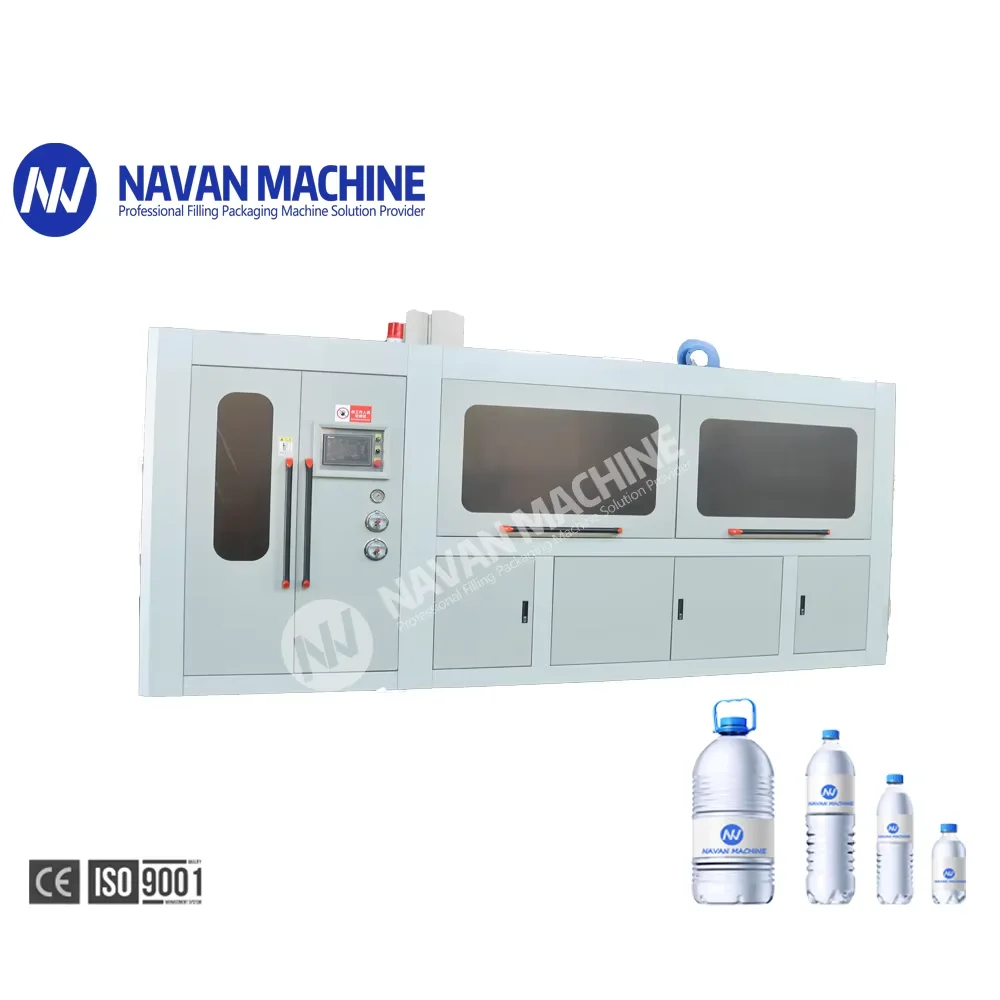
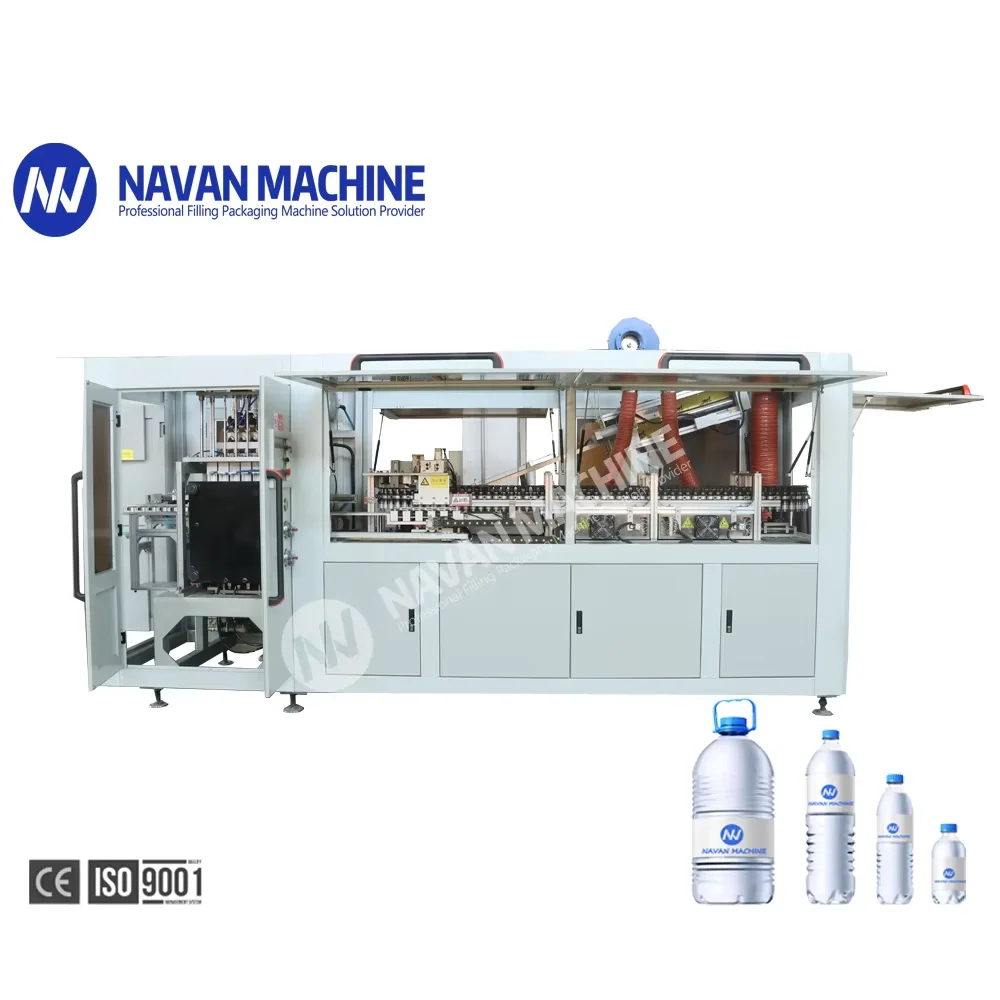
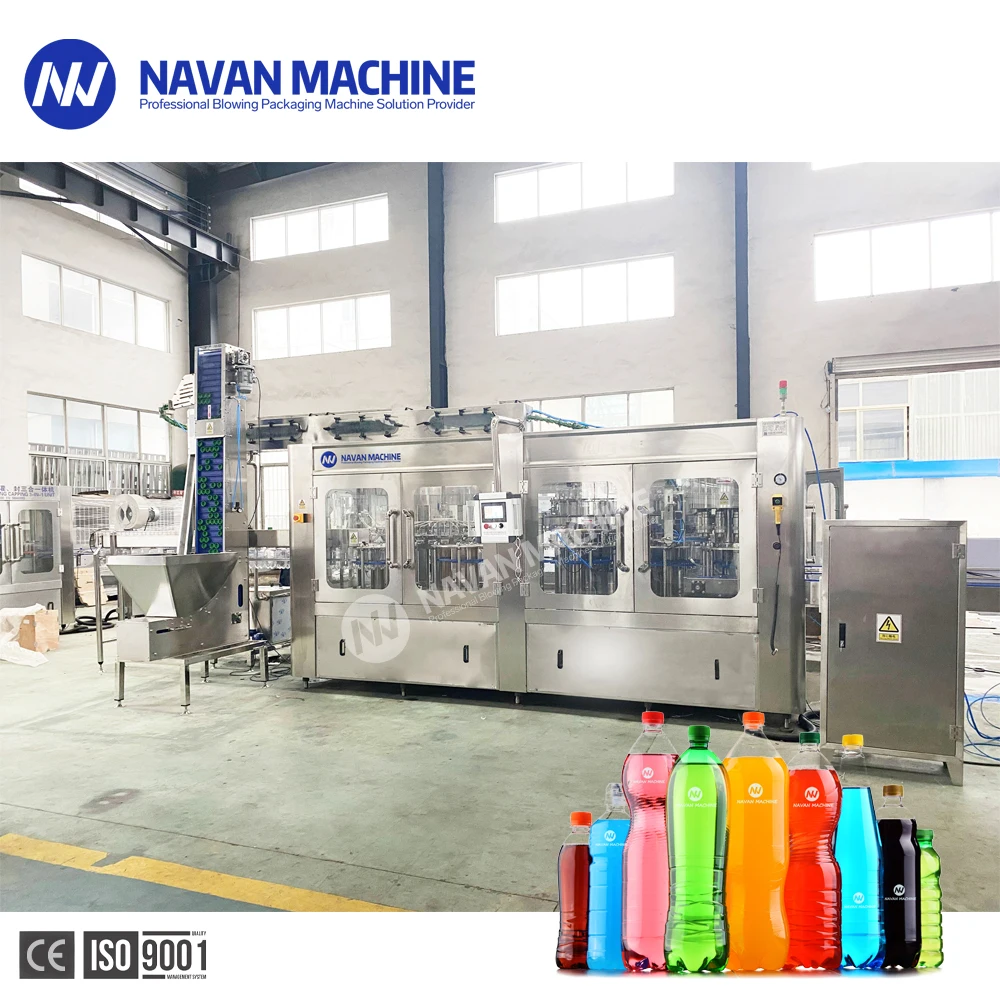
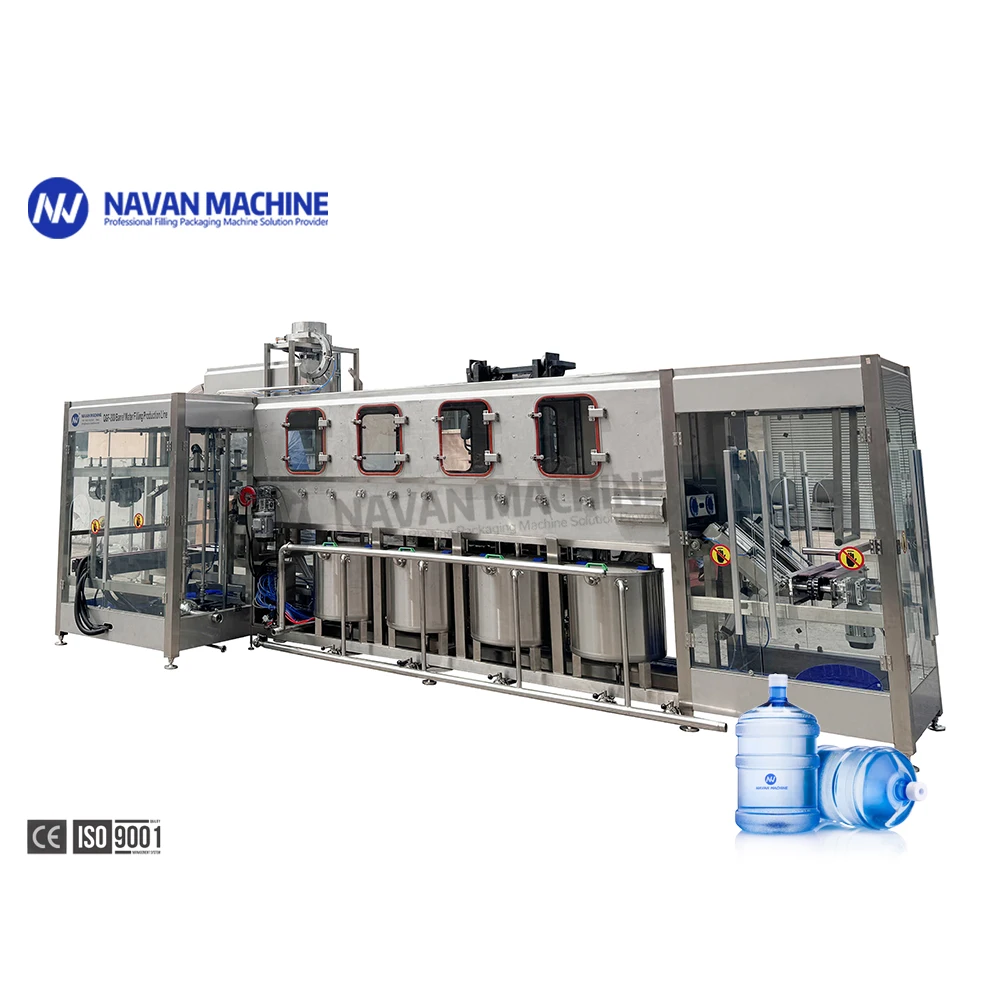
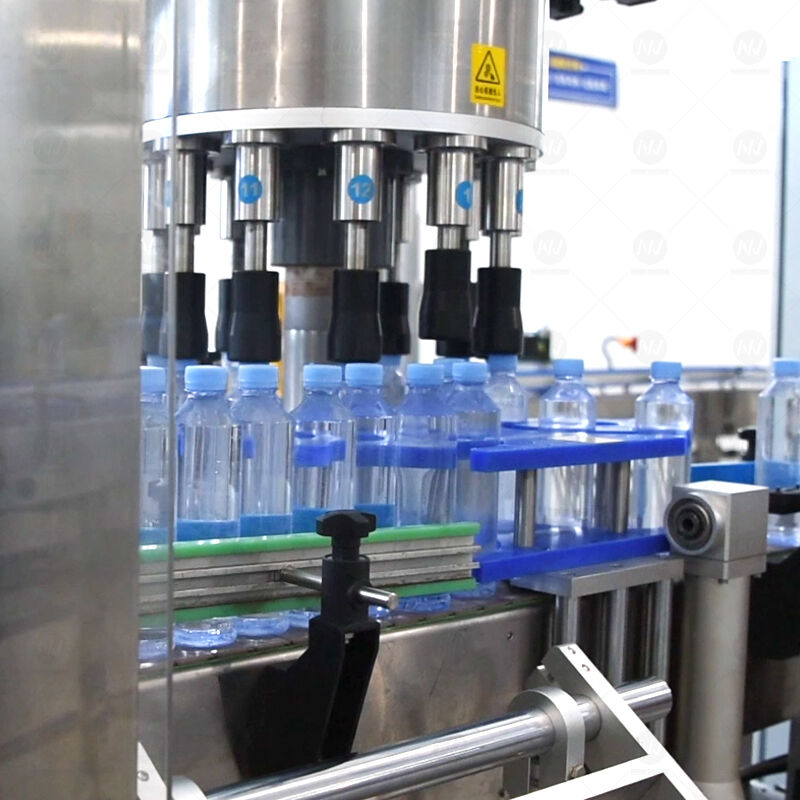
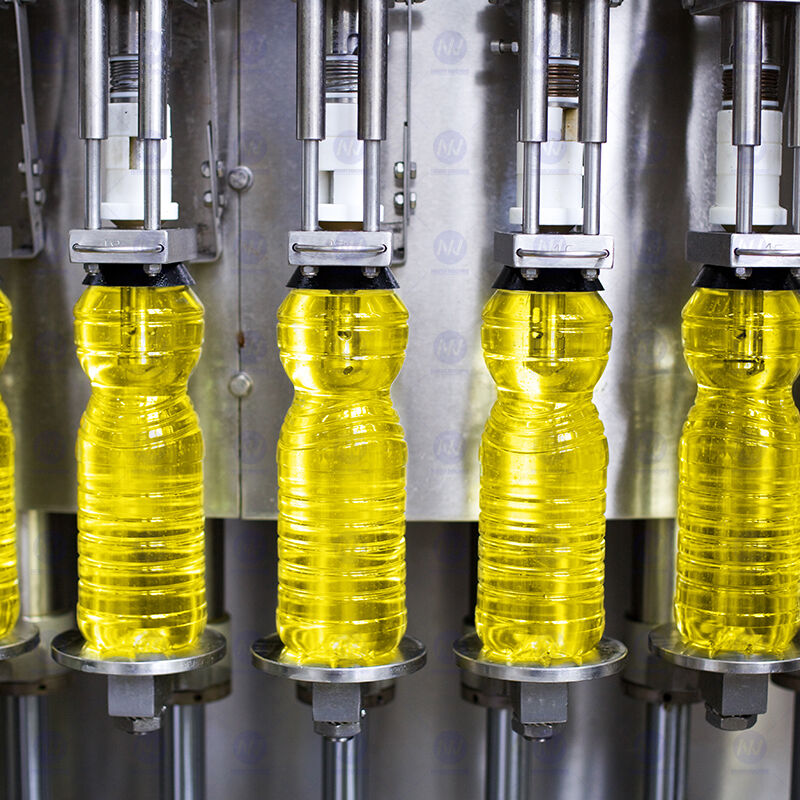
A soda can filling machine represents a sophisticated piece of industrial equipment designed specifically for the automated filling, sealing, and processing of carbonated beverages into aluminum cans. This advanced machinery serves as the backbone of modern beverage production facilities, enabling manufacturers to achieve high-volume output while maintaining consistent quality standards. The soda can filling machine operates through a precise sequence of automated processes that begin with empty can feeding and conclude with sealed, filled products ready for packaging and distribution. The primary function of this equipment involves accurately dispensing predetermined volumes of carbonated beverages into individual cans while preserving the carbonation levels essential for product quality. Modern soda can filling machines incorporate counter-pressure filling technology, which maintains the beverage's carbonation by creating a pressurized environment during the filling process. This technological approach prevents foam formation and ensures optimal flavor retention. The machine's design accommodates various can sizes, from standard 330ml containers to larger 500ml formats, providing manufacturers with operational flexibility. Key technological features include programmable logic controllers that manage filling speeds, volume precision, and quality monitoring systems. Advanced sensors continuously monitor fill levels, detecting any deviations from predetermined parameters and automatically adjusting operations to maintain consistency. The equipment typically features stainless steel construction throughout, ensuring compliance with food safety regulations and facilitating thorough cleaning procedures. Integrated washing systems enable comprehensive sanitization between production runs, maintaining hygienic conditions essential for beverage manufacturing. Temperature control mechanisms preserve product integrity by maintaining optimal beverage temperatures during processing. Applications for soda can filling machines span across diverse beverage categories, including traditional soft drinks, energy beverages, sparkling water, and specialty carbonated products. These machines serve bottling plants, co-packing facilities, and large-scale beverage manufacturers seeking efficient production solutions.

New Product Releases

The soda can filling machine delivers substantial operational benefits that directly impact manufacturing efficiency and profitability for beverage producers. Production speed represents a primary advantage, with modern machines capable of processing thousands of cans per hour, significantly outpacing manual or semi-automated alternatives. This enhanced throughput enables manufacturers to meet growing market demands while reducing per-unit production costs through economies of scale. Consistent fill accuracy ensures every can contains precisely the intended volume, eliminating waste and maintaining product uniformity across entire production batches. This precision reduces material costs and prevents customer complaints related to inconsistent product volumes. The automated nature of soda can filling machines minimizes labor requirements, allowing companies to reallocate human resources to other critical operations while reducing associated payroll expenses. Quality control improvements emerge through integrated monitoring systems that detect and correct deviations in real-time, preventing defective products from reaching consumers and protecting brand reputation. Contamination risks decrease substantially compared to manual filling processes, as the enclosed system limits exposure to environmental contaminants and maintains sterile conditions throughout production. Energy efficiency features incorporated into modern designs reduce operational costs while supporting sustainability initiatives. The machines' ability to handle multiple product formulations without extensive changeover procedures enables manufacturers to diversify their product lines efficiently. Reduced product loss during filling processes translates to improved material utilization and lower waste disposal costs. Maintenance scheduling becomes more predictable with automated systems, preventing unexpected downtime and enabling proactive service planning. The consistent operating parameters achievable with automated filling equipment ensure regulatory compliance with food safety standards and industry regulations. Scalability options allow manufacturers to expand production capacity by adding additional filling stations or upgrading to higher-capacity models as business growth demands. Integration capabilities with existing production line equipment create seamless manufacturing workflows that optimize overall facility efficiency. Documentation and traceability features provide detailed production records essential for quality assurance and regulatory reporting requirements.

Latest News

What Factors Should You Consider When Choosing a Bottle Filling Machine?

31

Oct

What Factors Should You Consider When Choosing a Bottle Filling Machine?

Essential Considerations for Industrial Bottle Filling Equipment Selecting the right bottle filling machine for your production line is a crucial decision that impacts efficiency, product quality, and bottom-line profitability. Whether you're expandi...
View More
What Are the Long-Term Benefits of Investing in Advanced Water Filling Lines?

31

Oct

What Are the Long-Term Benefits of Investing in Advanced Water Filling Lines?

Transforming Beverage Production Through Modern Automation The beverage industry is witnessing a revolutionary transformation as manufacturers increasingly turn to advanced water filling lines to streamline their operations. These sophisticated syste...
View More
What Technologies Ensure Freshness and Shelf Life in Beer Filling Systems?

31

Oct

What Technologies Ensure Freshness and Shelf Life in Beer Filling Systems?

Modern Innovations in Beer Filling Technology The brewing industry has witnessed remarkable technological advancements in beer filling systems, revolutionizing how breweries maintain product freshness and extend shelf life. Today's sophisticated beer...
View More
How Does a Jam Filling Machine Handle Thick and Sticky Products Efficiently?

31

Oct

How Does a Jam Filling Machine Handle Thick and Sticky Products Efficiently?

Understanding Modern Industrial Jam Processing Equipment The food processing industry has witnessed remarkable technological advancements, particularly in the realm of handling viscous products. At the heart of efficient jam production lies the sophi...
View More

Get a Free Quote

Our representative will contact you soon.
Email
Name
Company Name
Message
0/1000

soda can filling machine

Advanced Counter-Pressure Filling Technology

Advanced Counter-Pressure Filling Technology

The sophisticated counter-pressure filling technology integrated into modern soda can filling machines represents a breakthrough in carbonated beverage processing that preserves product quality while maximizing operational efficiency. This innovative system creates a controlled pressure environment within each can before filling begins, matching the internal pressure of the carbonated beverage to prevent degassing and foam formation during the filling process. The technology operates through a precisely calibrated sequence where the can is first pressurized with carbon dioxide to match the beverage's internal pressure, creating equilibrium conditions that allow smooth liquid transfer without agitation. This pressure-matching approach ensures that carbonation levels remain consistent from the storage tank through to the sealed final product, maintaining the crisp, refreshing taste that consumers expect from carbonated beverages. The counter-pressure system incorporates multiple pressure sensors and automated valves that continuously monitor and adjust pressure levels throughout the filling cycle, ensuring optimal conditions for each individual can. Temperature control integration within this system prevents pressure fluctuations caused by thermal variations, maintaining stable filling conditions regardless of ambient temperature changes. The technology's precision filling capabilities eliminate overfilling and underfilling issues that commonly plague traditional filling methods, resulting in consistent product volumes and reduced material waste. Quality benefits extend beyond carbonation preservation to include enhanced flavor stability, as the controlled environment prevents oxidation and contamination that can compromise taste profiles. The system's ability to handle various carbonation levels accommodates different product formulations without requiring extensive equipment modifications, providing manufacturers with operational flexibility to produce diverse beverage lines. Maintenance requirements remain minimal due to the system's robust design and automated cleaning capabilities that prevent buildup of residues that could affect performance. The counter-pressure technology also contributes to extended product shelf life by maintaining optimal carbonation levels that preserve beverage quality during storage and distribution phases.
Intelligent Quality Control and Monitoring Systems

Intelligent Quality Control and Monitoring Systems

The comprehensive quality control and monitoring systems embedded within advanced soda can filling machines provide manufacturers with unprecedented oversight and control over their production processes, ensuring consistent product quality while minimizing waste and maximizing operational efficiency. These intelligent systems utilize a network of precision sensors, cameras, and measurement devices strategically positioned throughout the filling line to monitor critical parameters in real-time. Fill level detection systems employ advanced optical sensors that accurately measure liquid levels in each can, automatically rejecting units that fall outside predetermined tolerance ranges and preventing defective products from progressing through the production line. Weight verification systems provide secondary quality confirmation by measuring the total weight of filled cans and comparing results against target specifications, identifying potential issues with fill accuracy or can integrity. Integrated vision systems inspect can positioning, label application, and overall product appearance, detecting cosmetic defects that could impact consumer perception and brand image. The monitoring technology continuously tracks production metrics including fill rates, rejection percentages, and equipment performance indicators, providing operators with comprehensive data for process optimization and troubleshooting. Automated data logging creates detailed production records that support quality assurance protocols and regulatory compliance requirements while enabling trend analysis for continuous improvement initiatives. Alert systems notify operators immediately when parameters drift outside acceptable ranges, enabling prompt corrective action before significant quantities of defective product are produced. The intelligent systems interface with central control panels that display real-time status information and provide operators with intuitive controls for adjusting parameters and responding to alerts. Predictive maintenance capabilities analyze equipment performance data to identify potential issues before they result in unplanned downtime, reducing maintenance costs and ensuring consistent production schedules. Integration with enterprise resource planning systems enables seamless data flow between production and business management systems, supporting inventory management and production planning activities. The quality control systems also facilitate product traceability by maintaining detailed records of production batches, enabling rapid response to quality issues and supporting recall procedures when necessary.
Versatile Production Flexibility and Changeover Efficiency

Versatile Production Flexibility and Changeover Efficiency

The exceptional production flexibility and rapid changeover capabilities of modern soda can filling machines enable manufacturers to respond quickly to market demands while maintaining efficient operations across diverse product portfolios. This versatility stems from innovative modular design concepts that accommodate multiple can sizes, product formulations, and packaging configurations without requiring extensive equipment modifications or lengthy setup procedures. Quick-change tooling systems allow operators to transition between different can sizes within minutes rather than hours, dramatically reducing downtime associated with product changeovers and enabling manufacturers to produce smaller batch sizes economically. The machines' programmable control systems store recipes for different products, automatically adjusting filling volumes, pressures, temperatures, and timing parameters when switching between formulations, eliminating manual setup errors and ensuring consistent results across all products. Format flexibility extends beyond basic can sizes to include specialized containers such as slim cans, wide-mouth cans, and promotional packaging formats, allowing manufacturers to capitalize on market trends and seasonal opportunities without investing in additional equipment. The filling systems accommodate products with varying carbonation levels, viscosities, and temperature requirements, supporting production of traditional sodas, energy drinks, sparkling waters, and innovative beverage categories within the same facility. Automated cleaning and sanitization systems facilitate rapid transitions between different product types, including flavor changes and switching between regular and diet formulations, while maintaining strict hygiene standards required for food safety compliance. The modular architecture enables capacity scaling by adding or removing filling stations as production demands fluctuate, providing manufacturers with investment protection and operational adaptability. Integration capabilities with upstream and downstream equipment ensure seamless coordination during changeovers, preventing bottlenecks and maintaining overall line efficiency. Advanced scheduling software optimizes production sequences to minimize changeover frequency while maximizing throughput, considering factors such as product compatibility, cleaning requirements, and delivery schedules. The flexibility extends to packaging options, with machines capable of handling various closure types and label applications without significant reconfiguration. This adaptability enables contract manufacturers and co-packers to serve multiple clients efficiently while maintaining the specialized capabilities required for each customer's unique products.

Get a Free Quote

Our representative will contact you soon.
Email
Name
Company Name
Message
0/1000

Get a Free Quote

Our representative will contact you soon.
Email
Name
Company Name
Message
0/1000
TopTop