Comprehensive Quality Control and Monitoring Systems
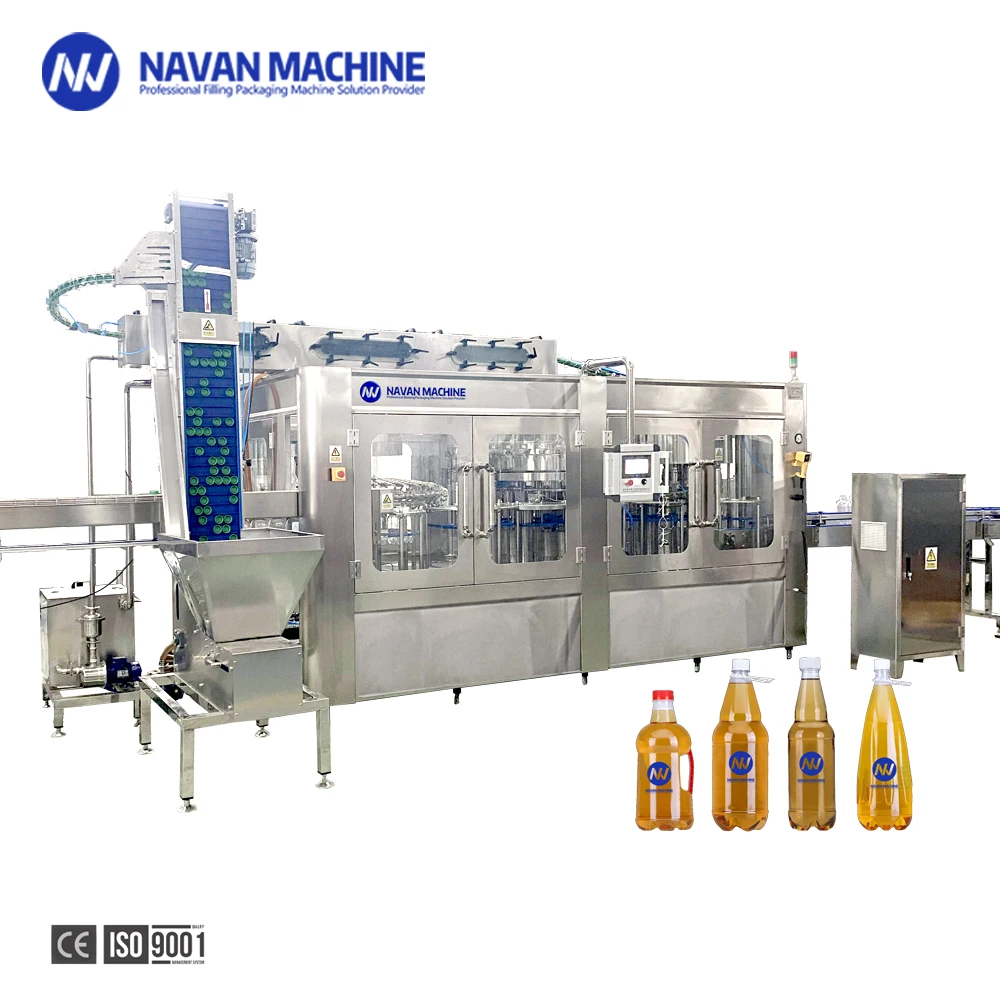
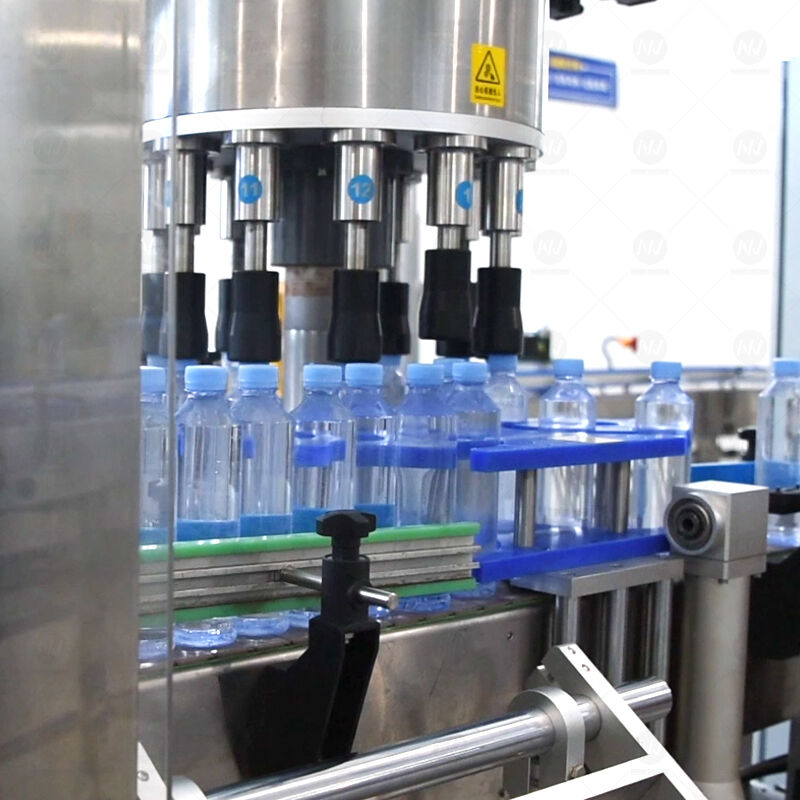
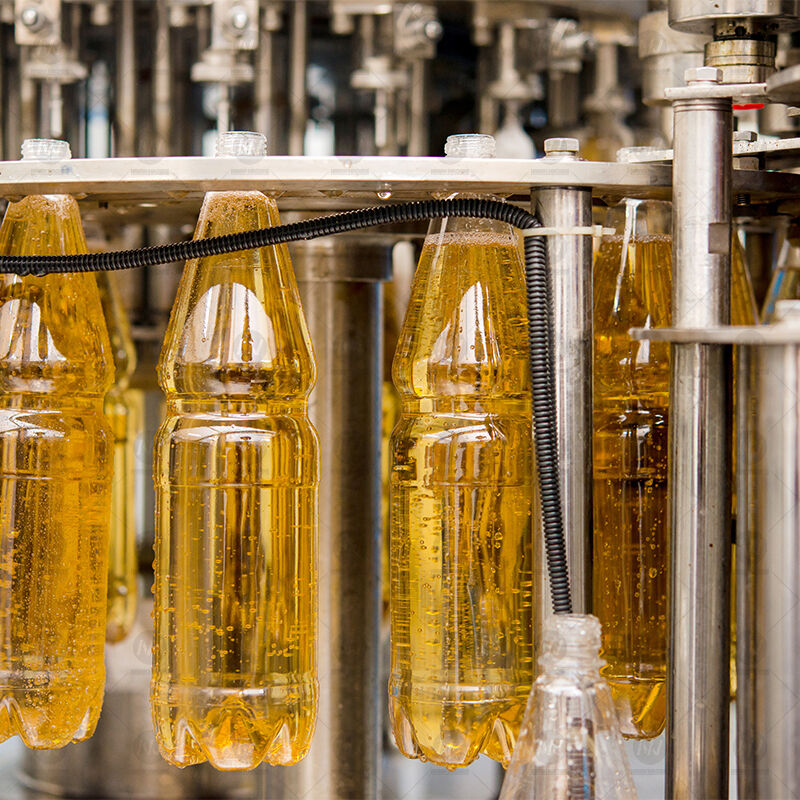
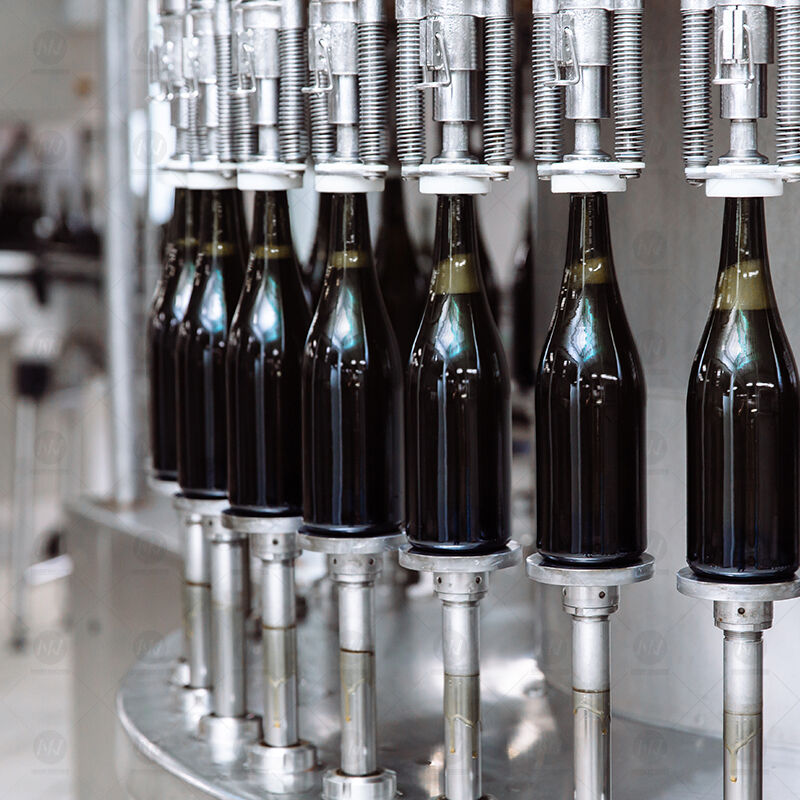
State-of-the-art carbonated water filling machines incorporate sophisticated quality control and monitoring systems that ensure consistent product excellence while providing comprehensive production oversight capabilities. These integrated systems combine multiple sensor technologies, data analytics, and automated feedback mechanisms to maintain optimal filling performance and detect potential issues before they impact product quality. Vision inspection systems examine bottles before, during, and after filling to identify defects such as cracks, foreign objects, incorrect fill levels, or improper cap placement. Weight monitoring stations verify precise fill volumes by comparing actual bottle weights against predetermined specifications, automatically rejecting products that fall outside acceptable tolerances. Carbonation level sensors measure dissolved CO2 content in real-time, ensuring every bottle meets specified fizz requirements while alerting operators to potential system issues that could affect carbonation retention. Temperature monitoring throughout the filling process maintains optimal conditions for carbonation stability and product safety, with automated cooling systems responding to temperature variations that could compromise quality. Pressure sensors track system performance across all filling heads, identifying irregularities that might indicate wear, blockages, or calibration drift requiring attention. Data logging capabilities record comprehensive production statistics including fill rates, reject percentages, quality metrics, and equipment performance indicators for analysis and regulatory compliance. Automated cleaning validation systems monitor CIP cycle effectiveness through conductivity sensors and temperature verification, ensuring sanitation standards meet food safety requirements. Remote connectivity enables real-time monitoring from mobile devices or central control rooms, allowing supervisors to track production status and receive immediate alerts regarding quality deviations or equipment issues. Predictive maintenance algorithms analyze performance trends to schedule preventive maintenance before equipment failures occur, minimizing unexpected downtime and maintaining consistent production schedules. Integration with enterprise resource planning systems provides seamless data flow for inventory management, production planning, and quality documentation required by regulatory agencies. The comprehensive monitoring approach reduces human error through automated decision-making while providing operators with actionable insights to optimize production efficiency and maintain superior product quality that exceeds customer expectations and industry standards.
 EN
EN