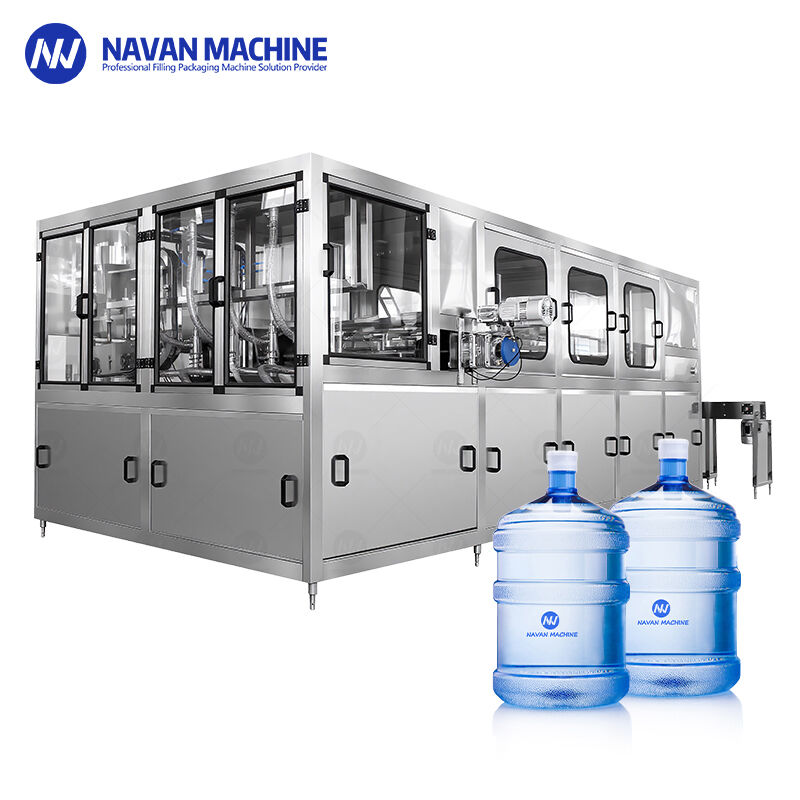
carbonated beverage filler
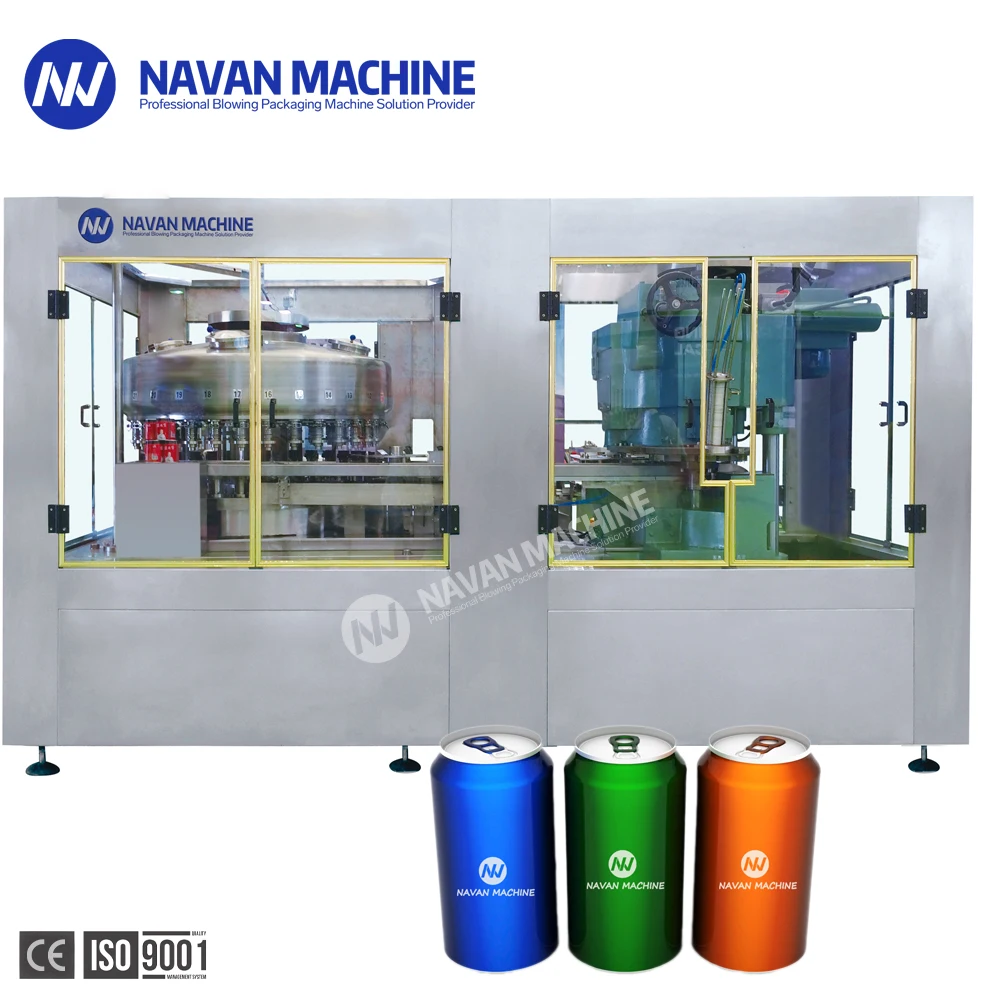
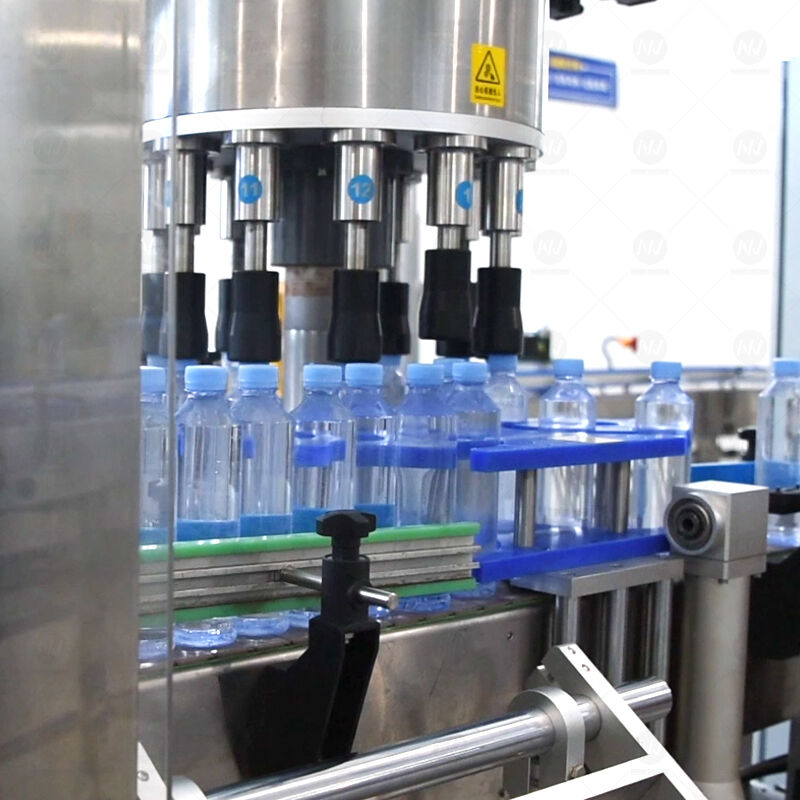
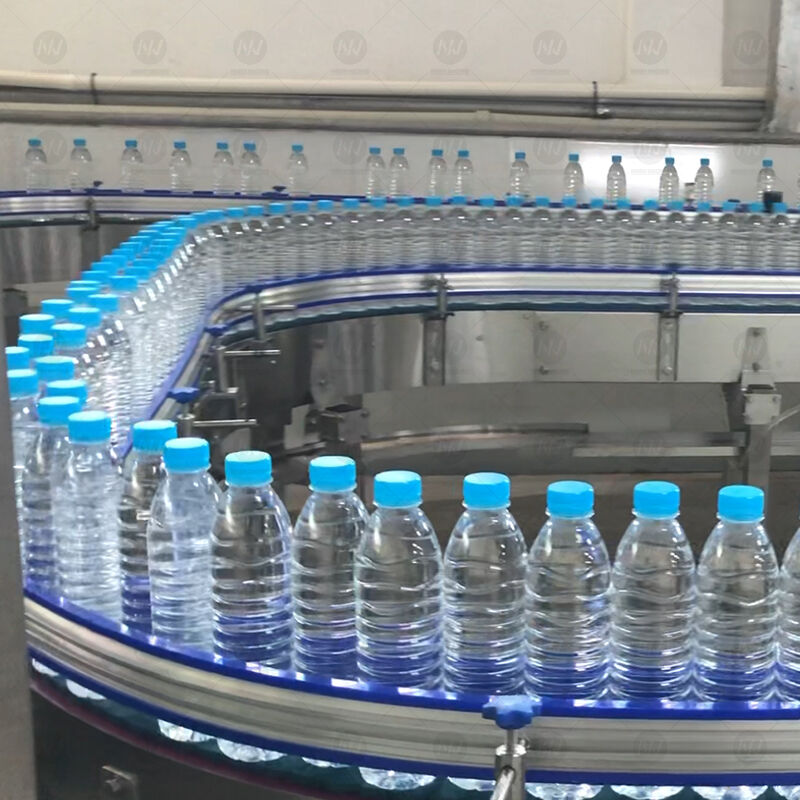
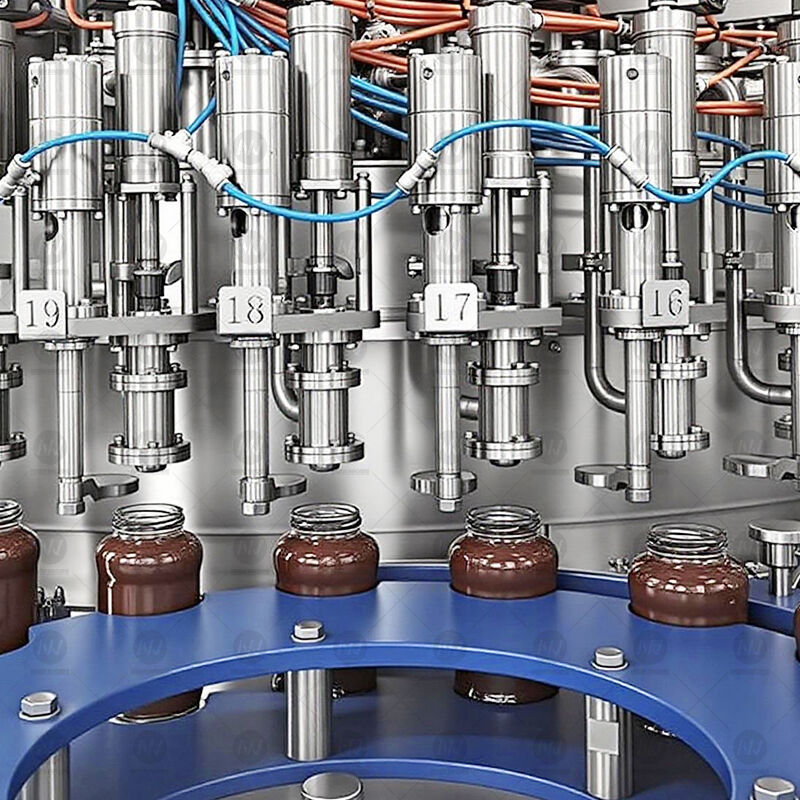
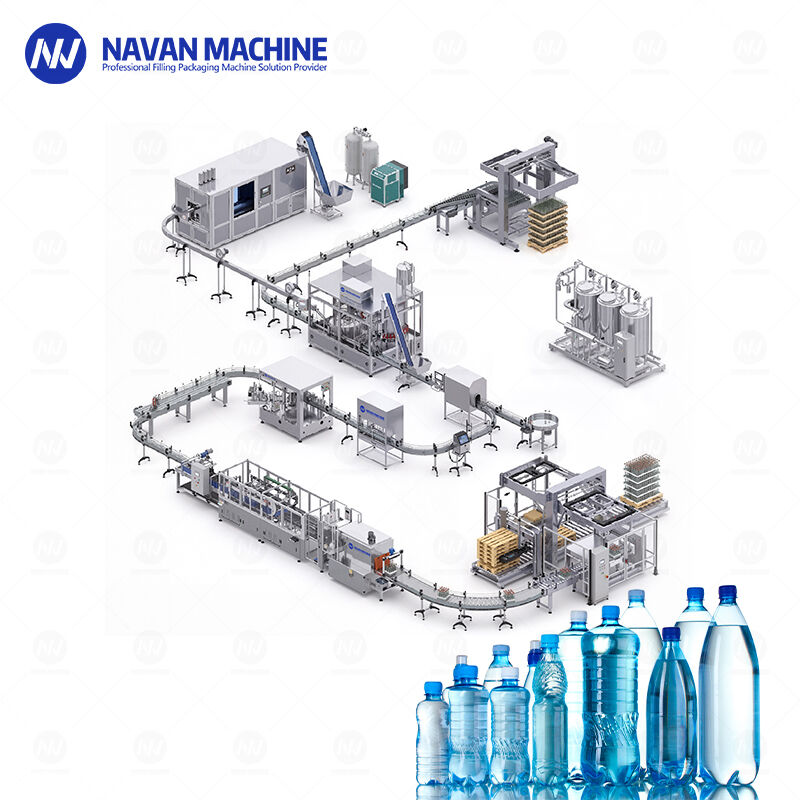
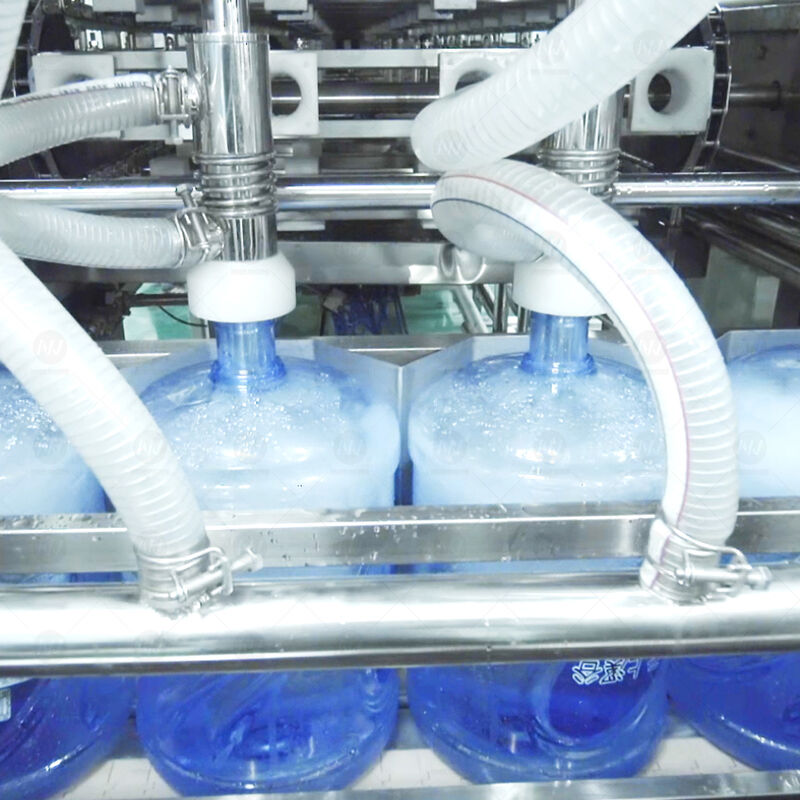
A carbonated beverage filler represents a sophisticated piece of industrial equipment designed specifically for the precise filling of carbonated drinks into containers while maintaining optimal CO2 levels and product quality. This specialized machinery serves as the cornerstone of modern beverage production facilities, handling the complex process of transferring carbonated liquids from storage tanks to bottles or cans without losing carbonation or compromising product integrity. The carbonated beverage filler operates through advanced pressure control systems that maintain the delicate balance between atmospheric pressure and internal carbonation levels, ensuring consistent fill volumes and preventing foam formation during the filling process. These systems incorporate cutting-edge technology including pneumatic controls, electronic sensors, and automated valve mechanisms that work in harmony to deliver reliable performance across various production speeds. The equipment typically features multiple filling heads arranged in circular or linear configurations, allowing for simultaneous filling of numerous containers to maximize throughput efficiency. Modern carbonated beverage filler units integrate seamlessly with existing production lines, connecting upstream with carbonation systems and downstream with capping and labeling equipment. The technological framework includes precise pressure regulation, temperature control mechanisms, and sophisticated monitoring systems that continuously track filling parameters to ensure product consistency. Applications span across diverse beverage categories including sodas, sparkling water, energy drinks, carbonated juices, and specialty beverages requiring controlled carbonation levels. The versatility of these systems allows manufacturers to handle various container sizes and materials, from glass bottles to plastic containers and aluminum cans. Quality assurance features built into the carbonated beverage filler include automated cleaning protocols, sanitary design elements, and real-time monitoring capabilities that help maintain food safety standards and regulatory compliance throughout production cycles.
 EN
EN