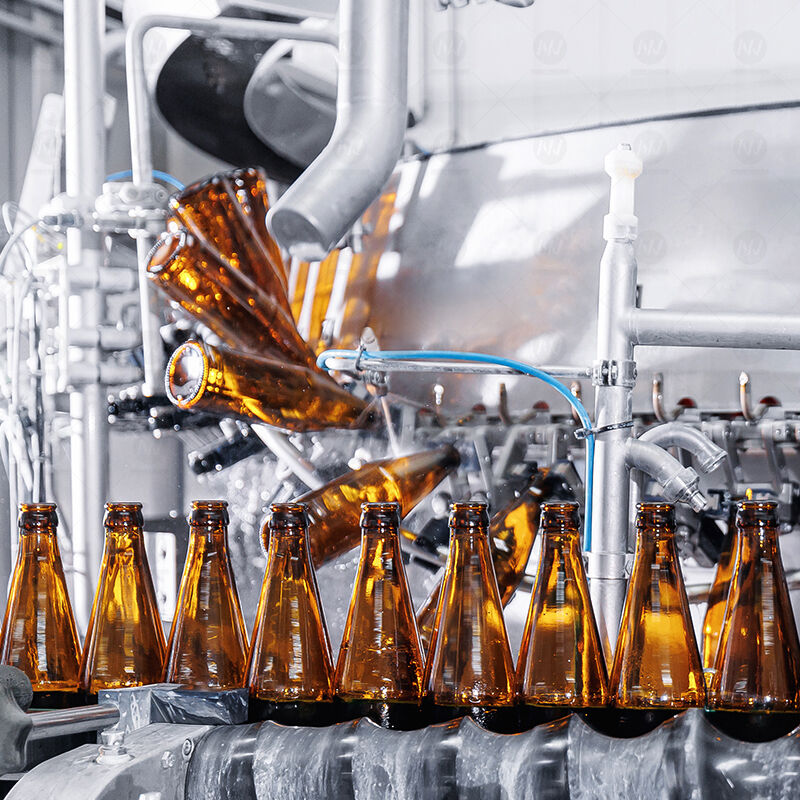
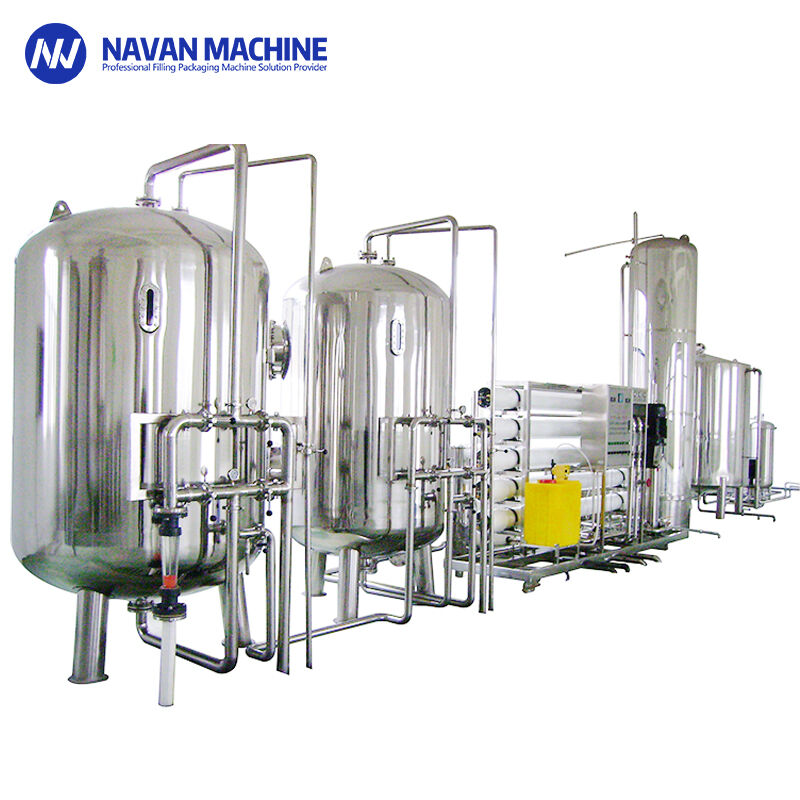
carbonated bottling machine
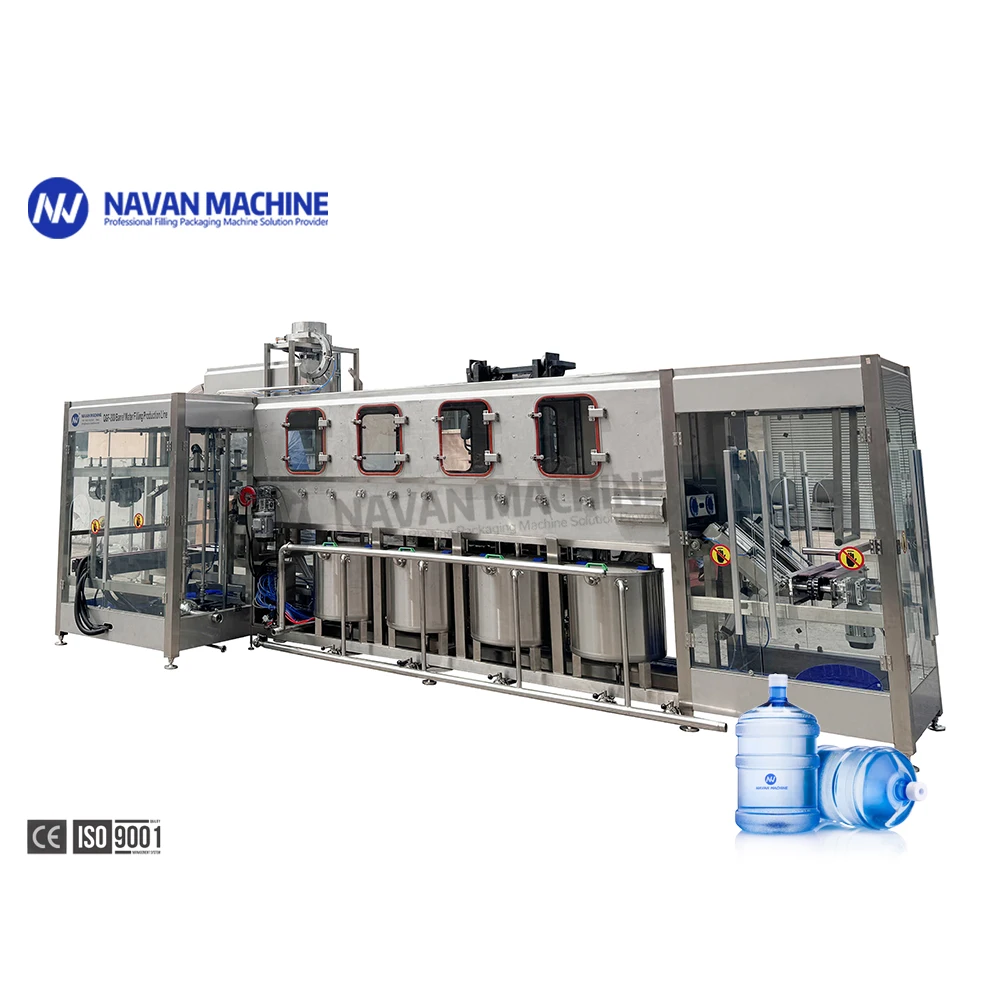
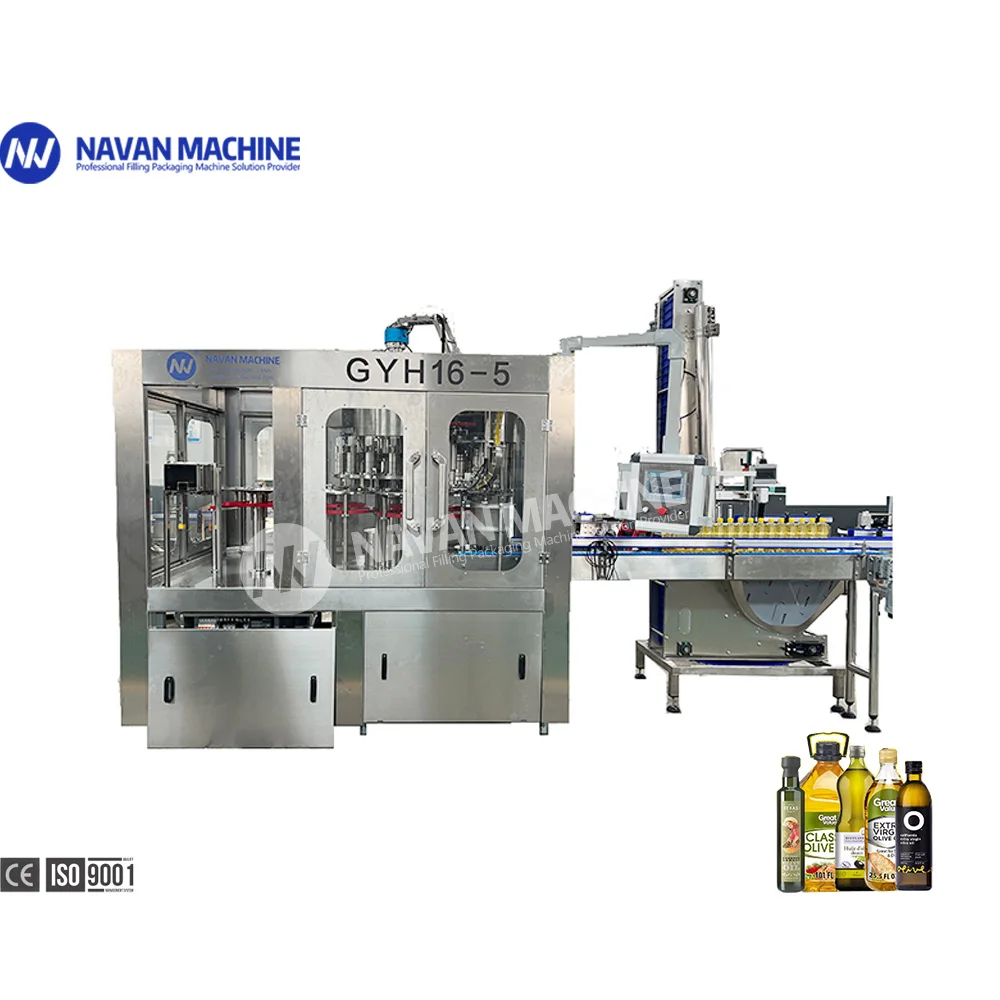
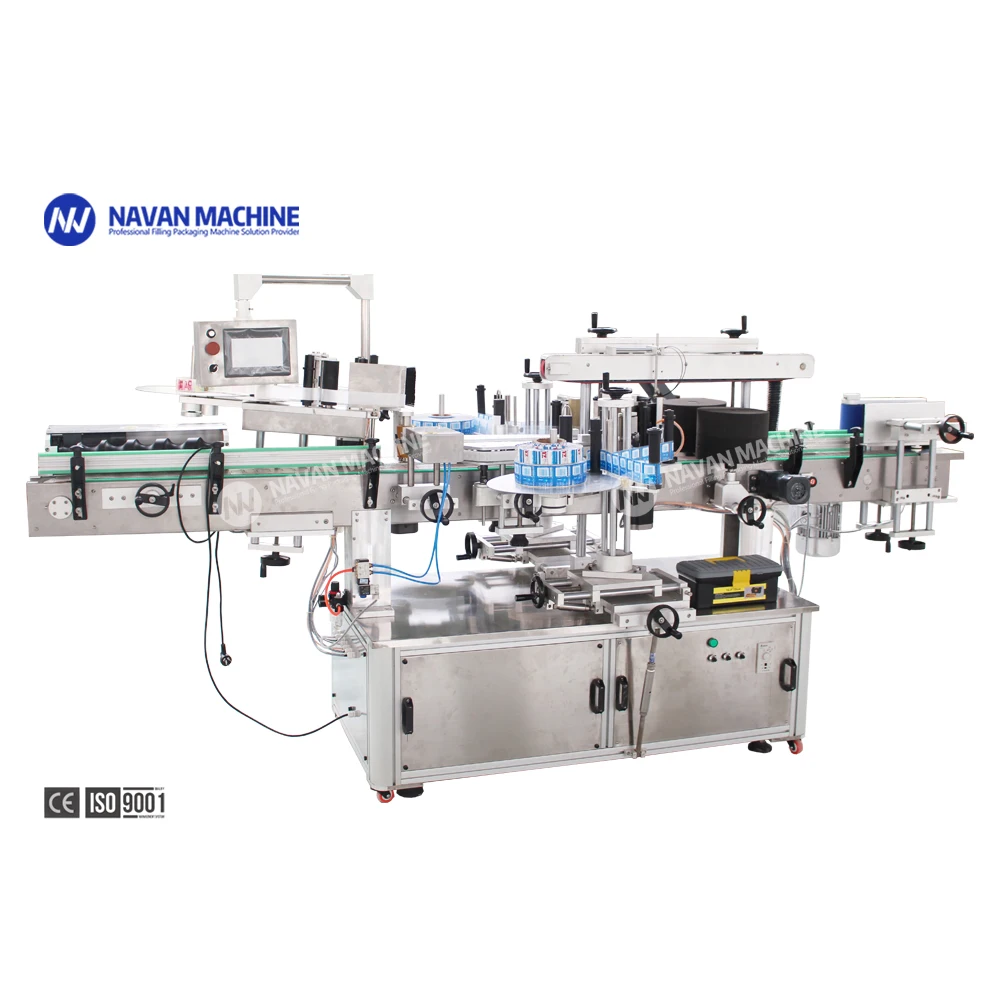
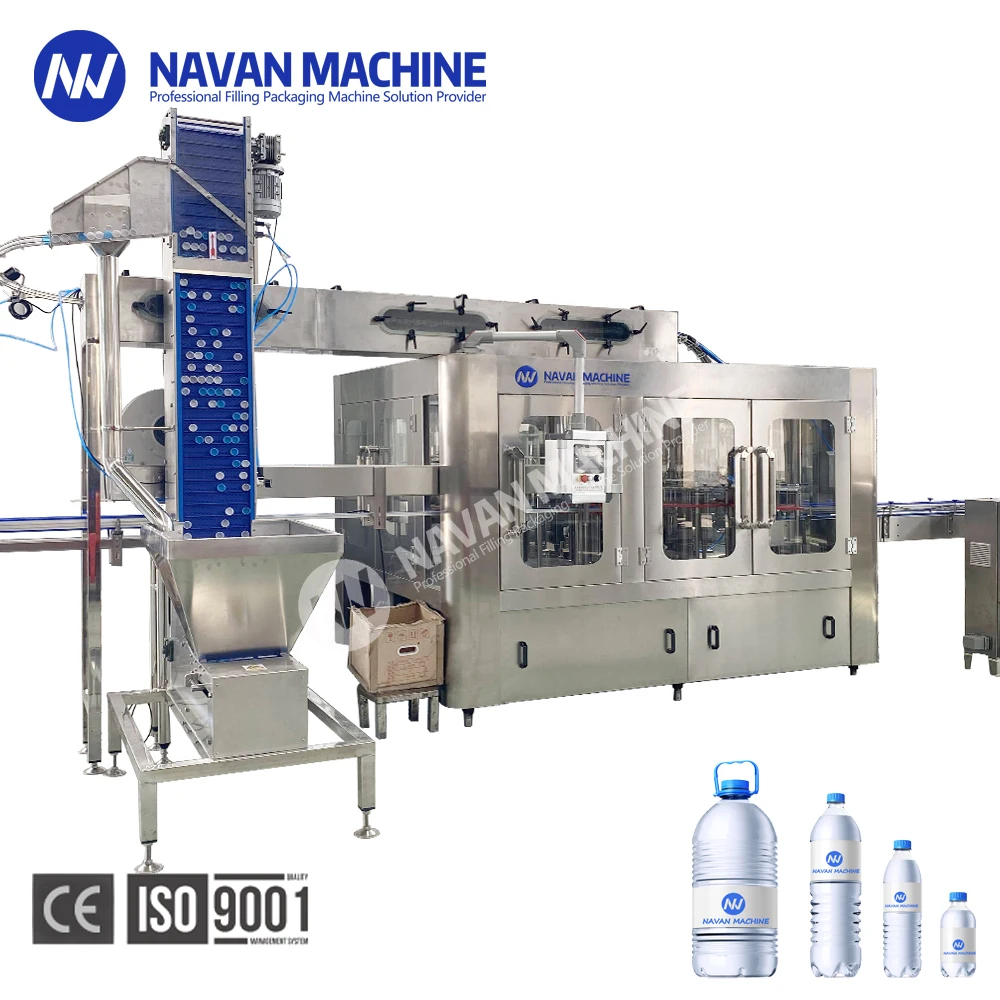
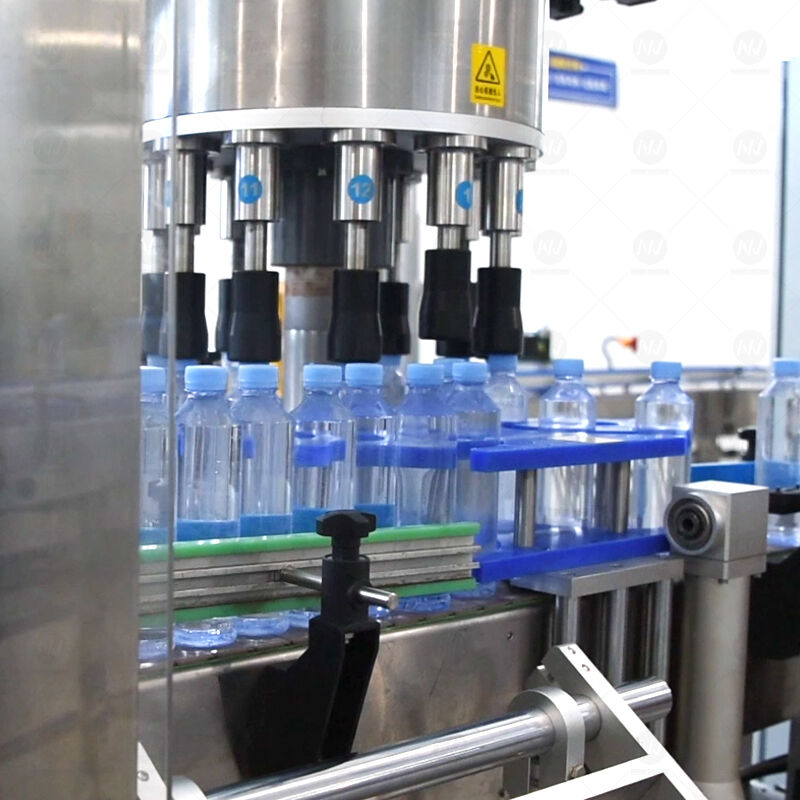
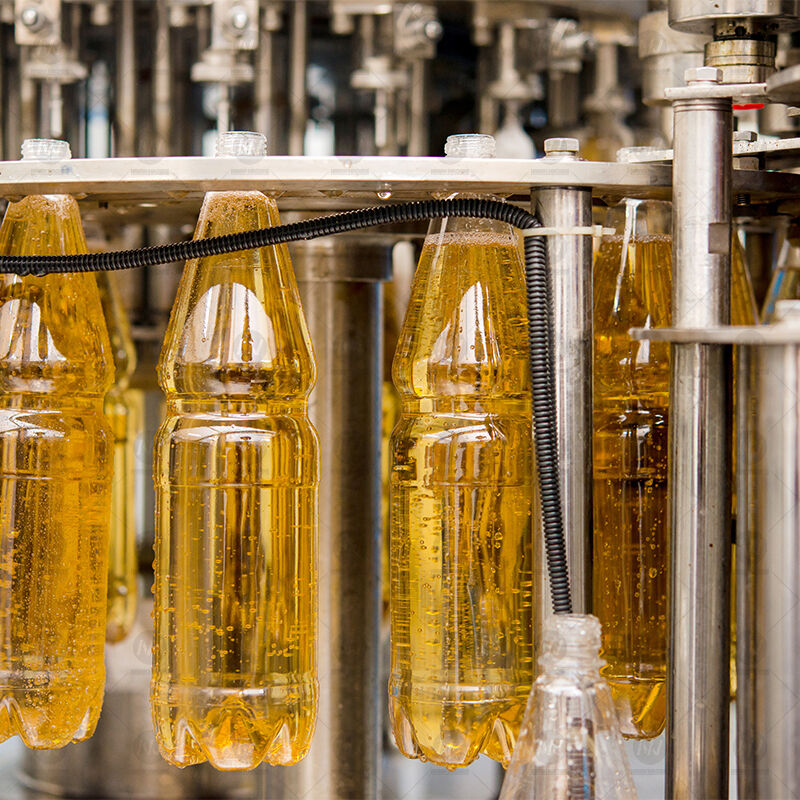
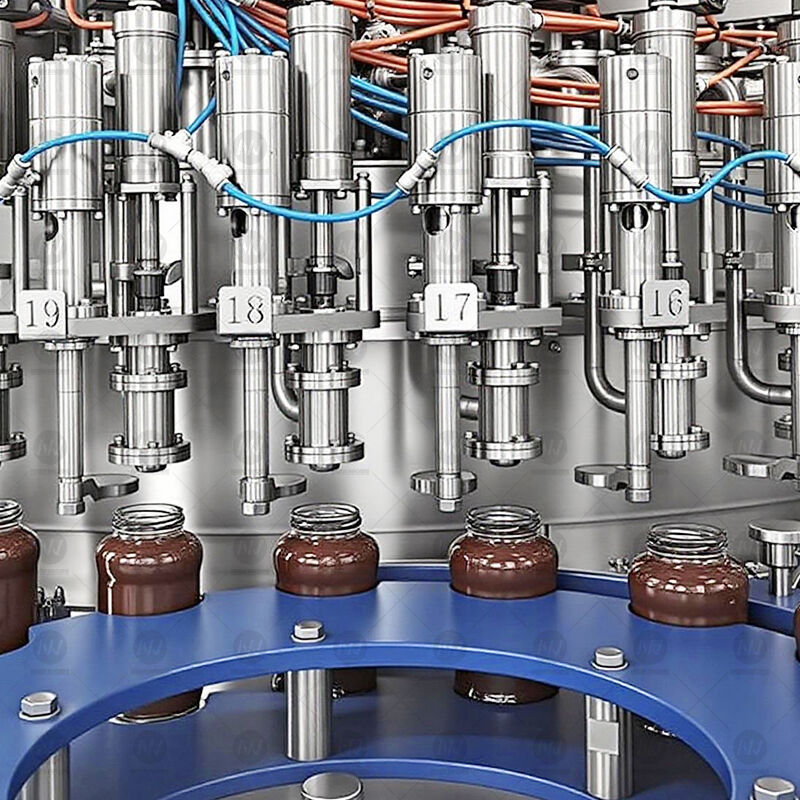
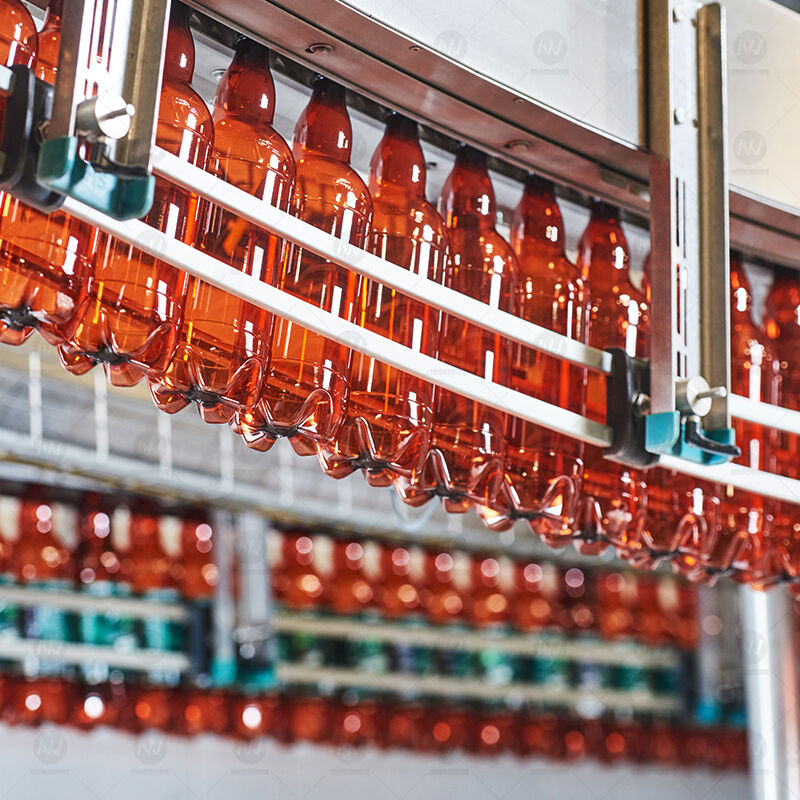
The carbonated bottling machine represents a sophisticated piece of industrial equipment designed to efficiently fill, seal, and package carbonated beverages while maintaining optimal CO2 levels and product quality. This automated system integrates multiple processing stages into a seamless production line, combining precision engineering with advanced control technology. The primary function of a carbonated bottling machine involves receiving empty bottles, thoroughly cleaning and sanitizing them, filling each container with carbonated beverages at precise volumes, maintaining consistent carbonation levels throughout the process, and securely capping bottles to prevent CO2 escape. The machine operates through a continuous conveyor system that transports bottles through each processing station, ensuring steady production flow and minimal contamination risks. Key technological features include pressure-controlled filling valves that prevent foam formation, automated bottle inspection systems using optical sensors, programmable logic controllers for precise timing coordination, stainless steel construction ensuring hygienic conditions, and variable speed drives allowing production rate adjustments. Advanced models incorporate servo-driven mechanisms for enhanced accuracy, touchscreen interfaces for operator convenience, and integrated quality control systems that automatically reject defective products. The carbonated bottling machine finds extensive applications across beverage manufacturing facilities, including soft drink producers, brewery operations, sparkling water companies, energy drink manufacturers, and specialty carbonated beverage creators. These machines accommodate various bottle sizes ranging from small single-serve containers to large family-sized bottles, supporting different closure types including crown caps, screw caps, and specialty closures. Modern carbonated bottling machines feature modular designs allowing customization based on specific production requirements, with capabilities extending from small-scale craft operations producing hundreds of bottles per hour to large industrial installations capable of processing thousands of units hourly. The integration of digital monitoring systems enables real-time production tracking, quality assurance protocols, and predictive maintenance scheduling, ensuring consistent output quality while minimizing operational downtime and maximizing overall equipment effectiveness in competitive beverage markets.
 EN
EN