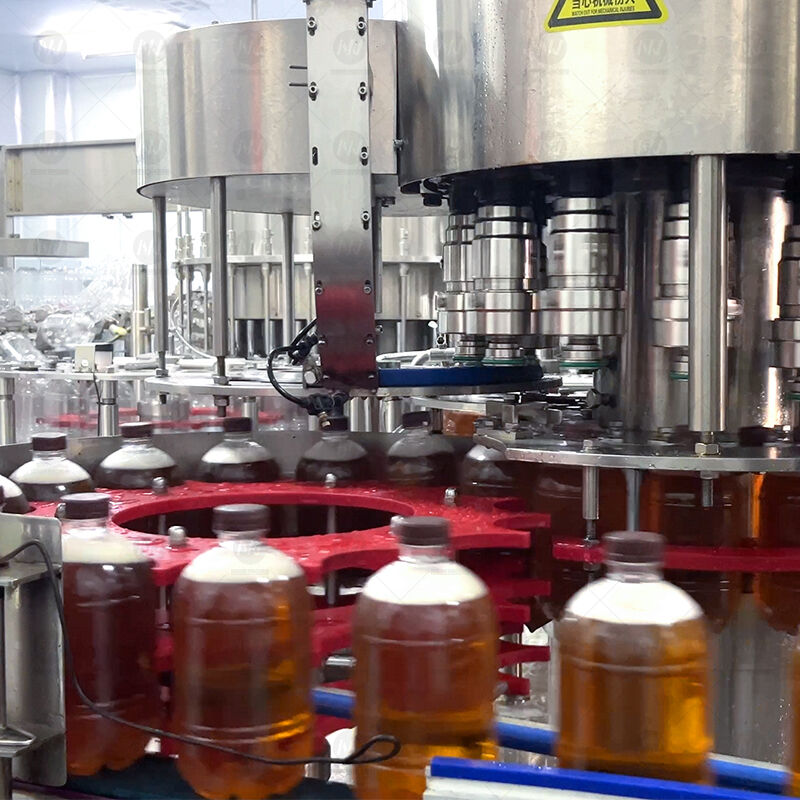
Integrated Quality Control and Automation Systems
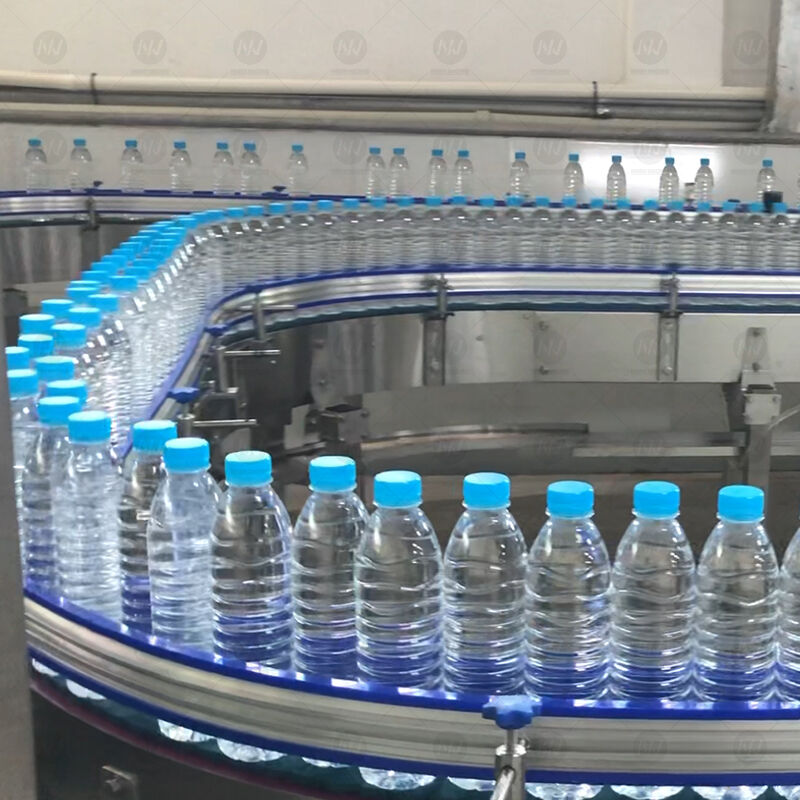
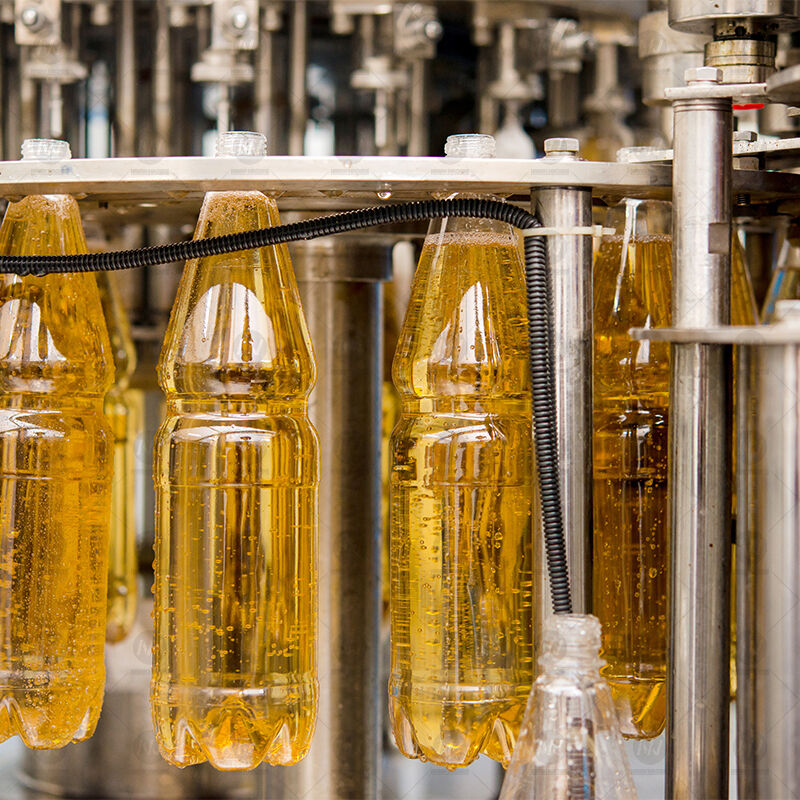
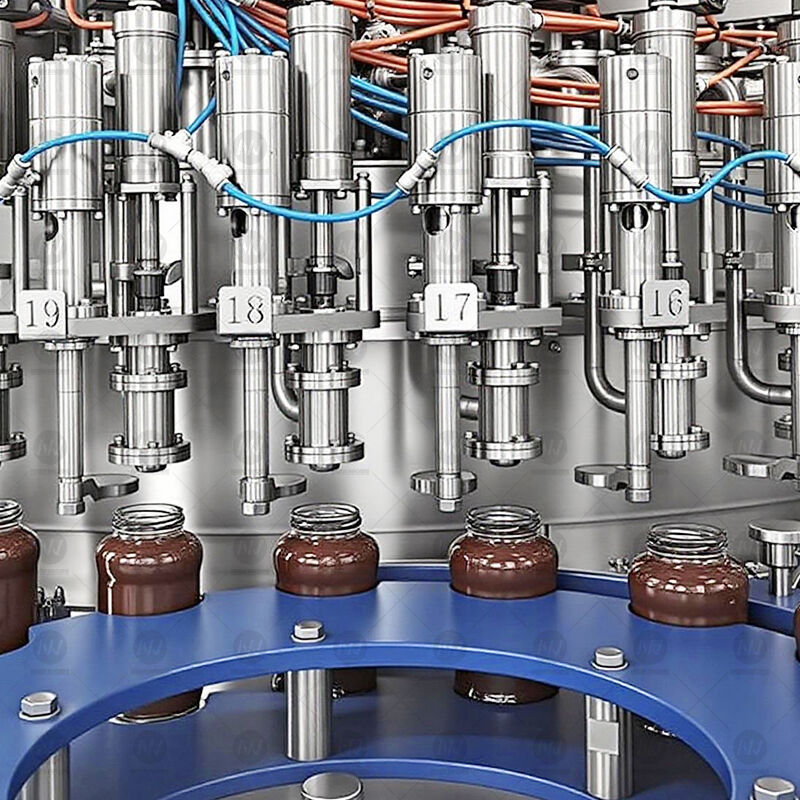
Modern soda bottle plant machines feature comprehensive integrated automation and quality control systems that revolutionize production management through real-time monitoring, predictive analytics, and intelligent process optimization. These sophisticated systems combine multiple technologies including machine vision, sensor networks, and artificial intelligence to create a fully automated production environment that consistently delivers superior product quality while maximizing operational efficiency. The vision inspection systems utilize high-resolution cameras positioned at strategic points throughout the production line to examine every bottle for defects including cracks, contamination, improper fill levels, crooked caps, and label placement accuracy. Advanced image processing algorithms analyze thousands of images per minute, comparing each bottle against predetermined quality standards and automatically rejecting any units that fail to meet specifications. The inspection process covers both aesthetic and functional parameters, ensuring that products not only look perfect but also perform correctly throughout their shelf life. Sensor networks throughout the soda bottle plant machine continuously monitor critical parameters including temperature, pressure, flow rates, and mechanical positions, providing operators with comprehensive real-time data about system performance. This information feeds into centralized control systems that can automatically adjust process parameters to maintain optimal conditions, preventing quality issues before they occur rather than simply detecting them after the fact. The automation system includes sophisticated recipe management capabilities that store detailed production parameters for different products, allowing operators to quickly switch between various bottle sizes, product formulations, and production speeds with minimal manual intervention. Predictive maintenance algorithms analyze equipment performance data to identify potential problems before they cause production disruptions, scheduling maintenance activities during planned downtime periods to minimize impact on production schedules. The human-machine interface features intuitive touchscreen displays that present complex information in easily understood formats, allowing operators to monitor multiple aspects of production simultaneously while providing quick access to detailed diagnostic information when needed. Remote connectivity capabilities enable plant managers and technical support personnel to monitor operations from anywhere in the world, facilitating rapid response to production issues and enabling continuous improvement through data analysis. Integration with enterprise resource planning systems provides seamless communication between production operations and business management functions, automatically updating inventory levels, production schedules, and quality records as bottles are produced and packaged.
 EN
EN