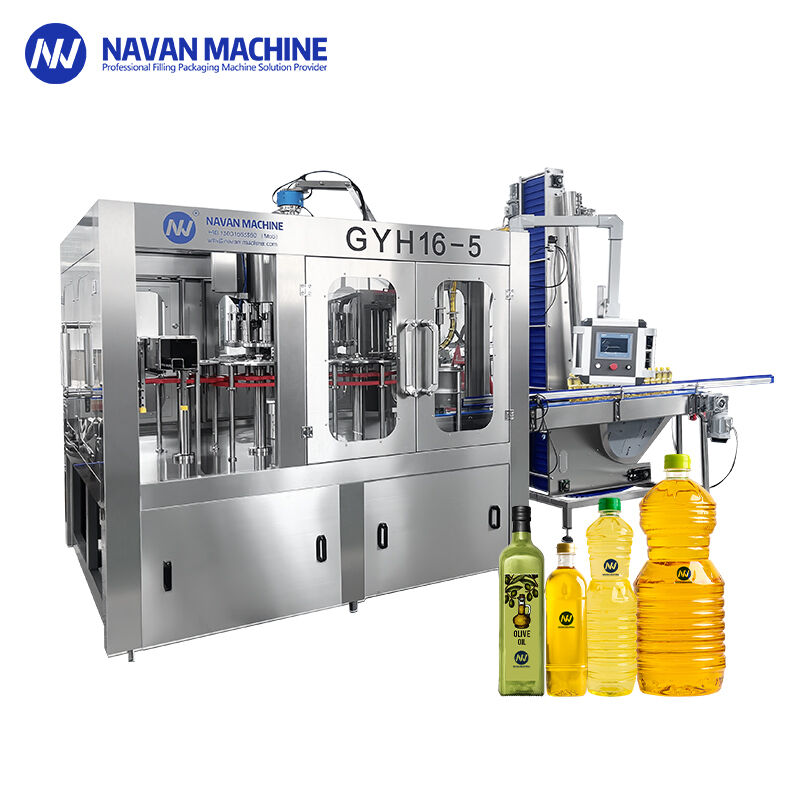
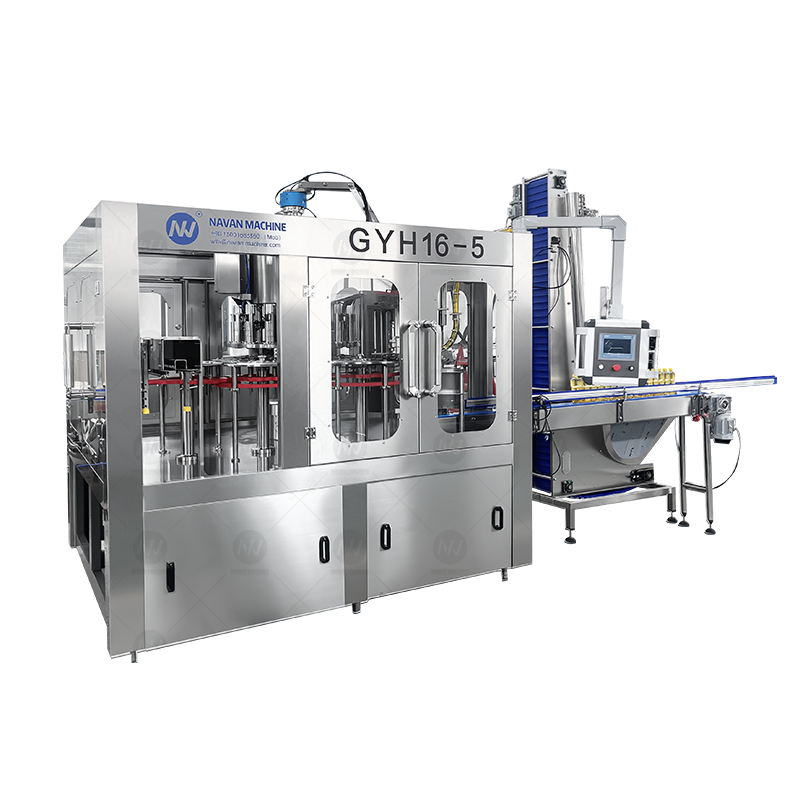
cooking oil filling machine
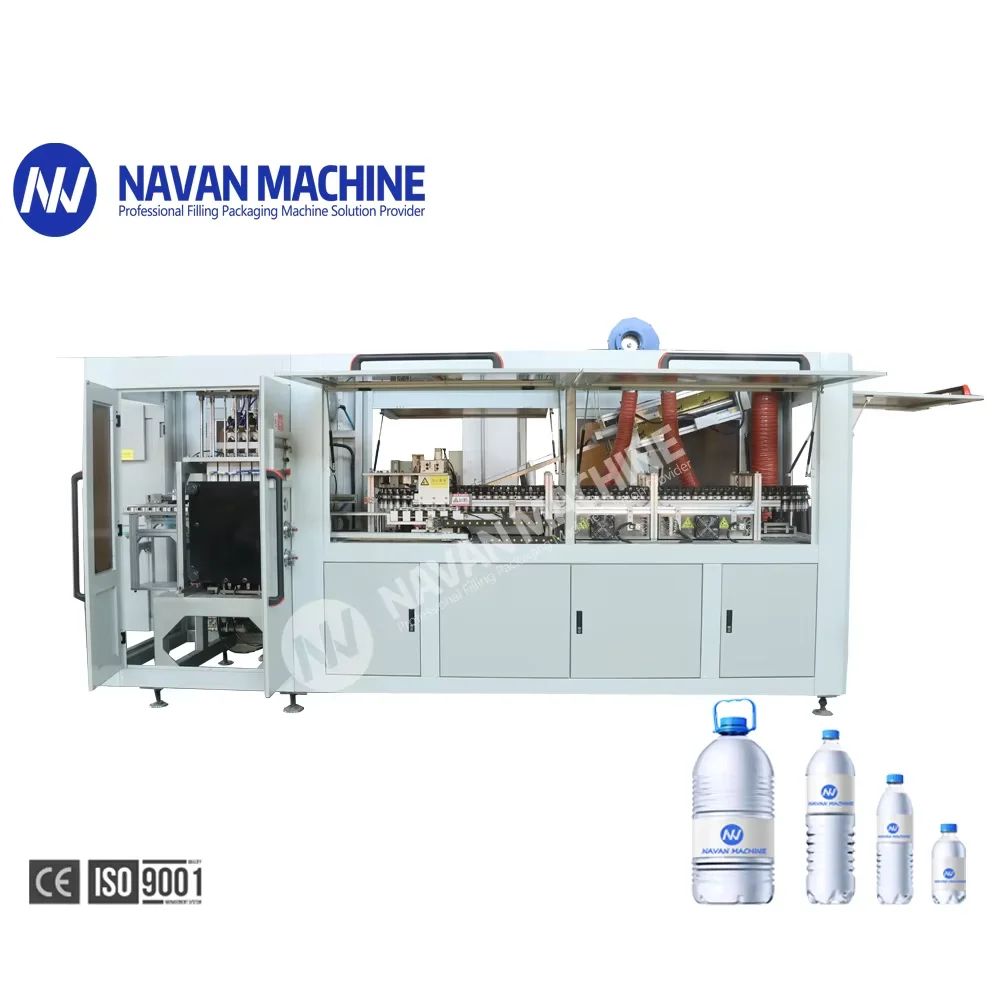
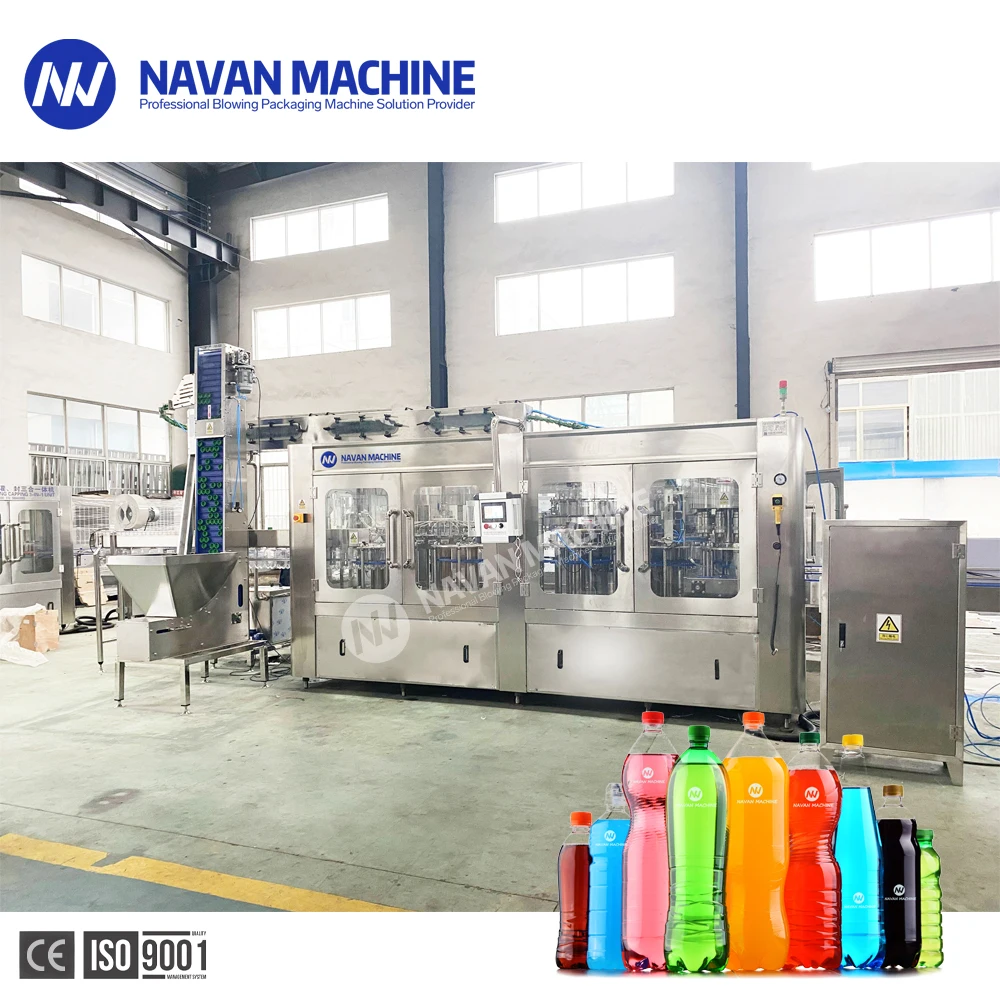
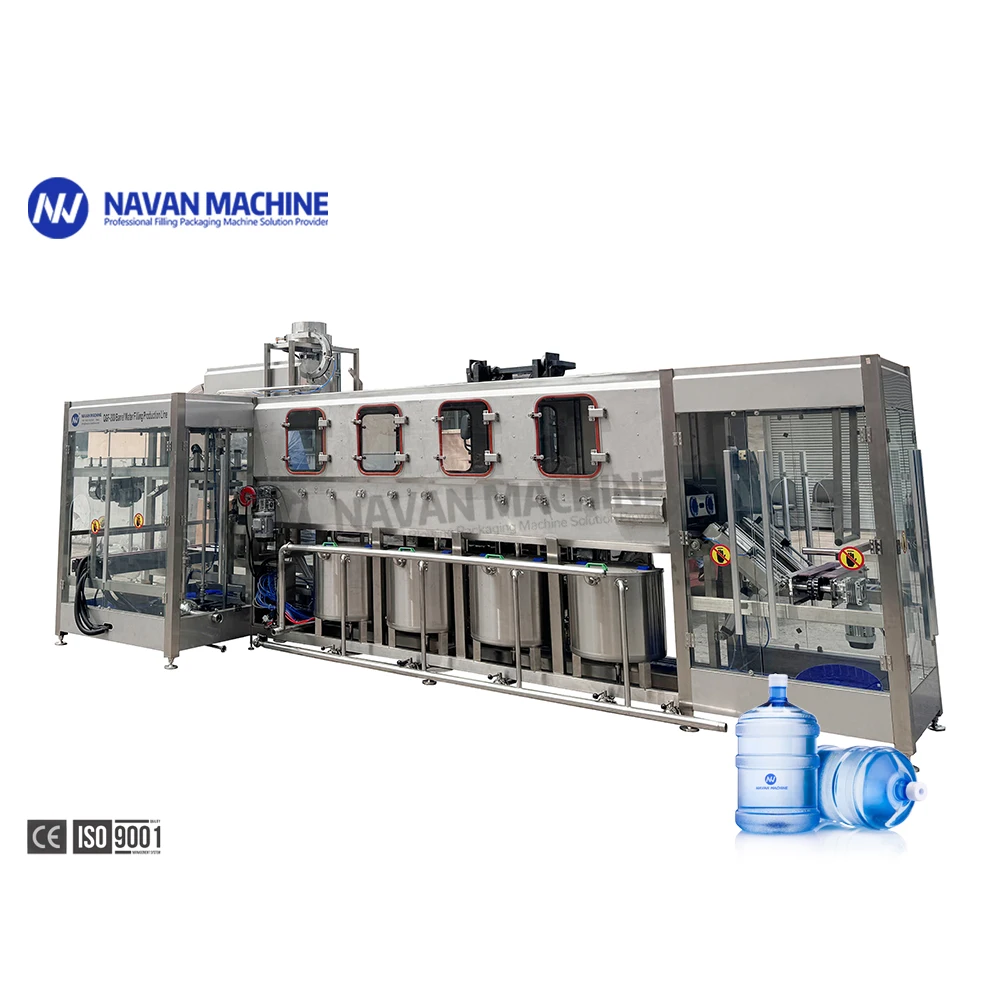
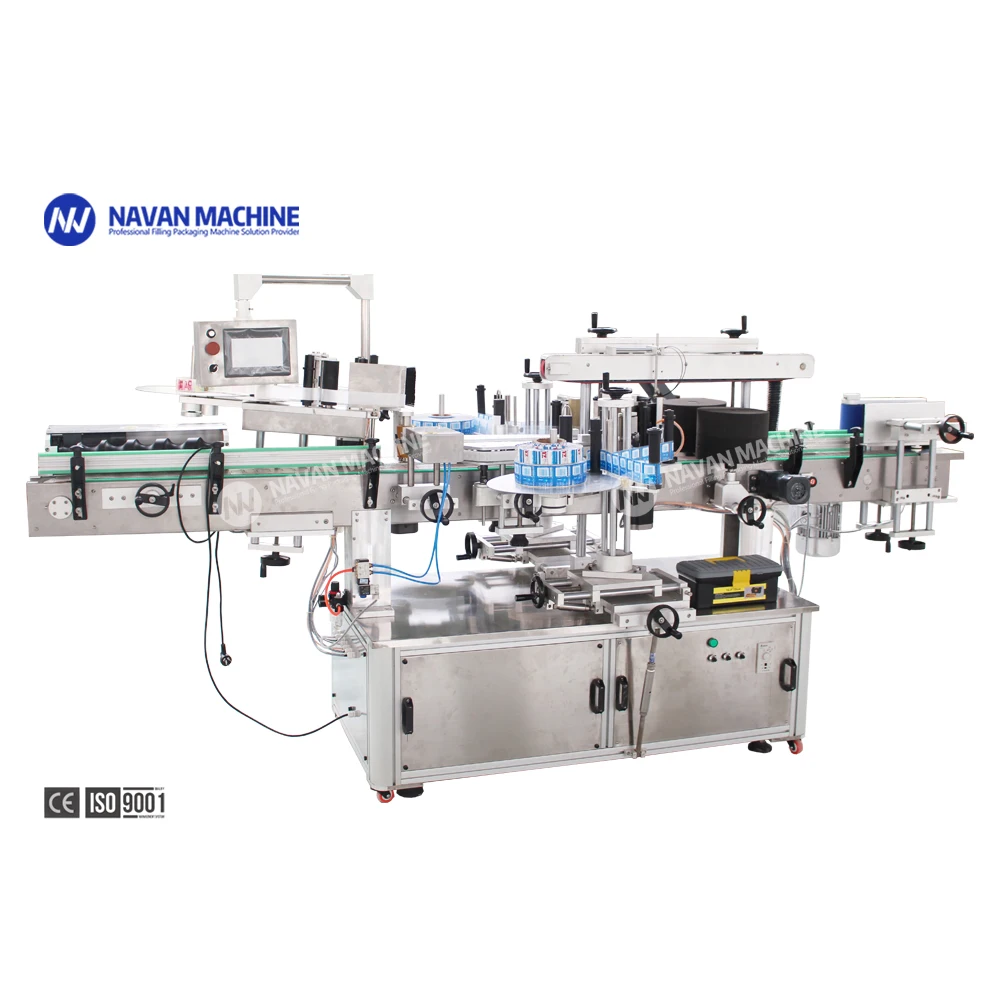
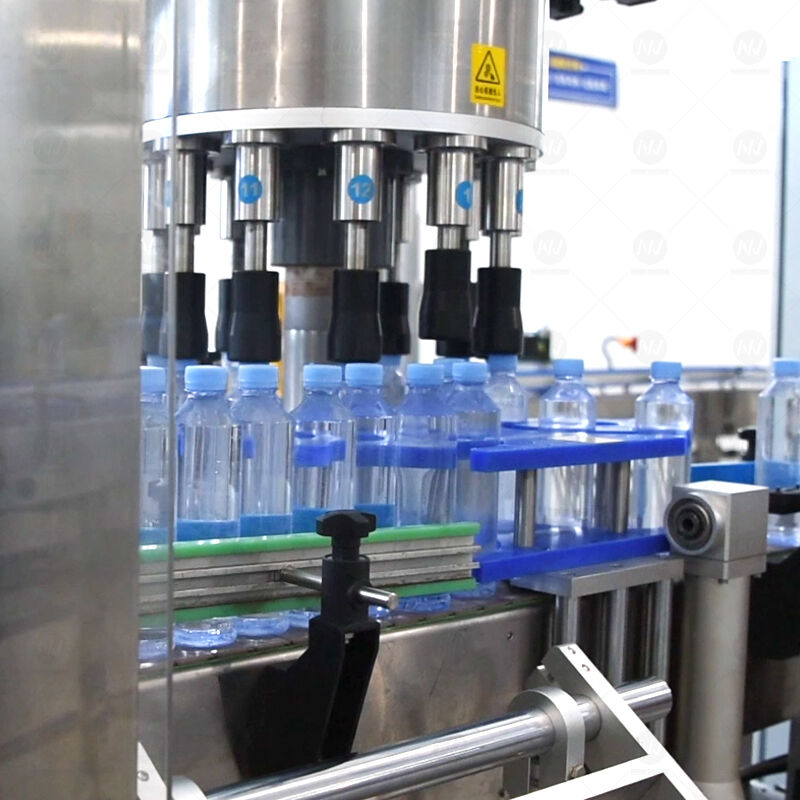
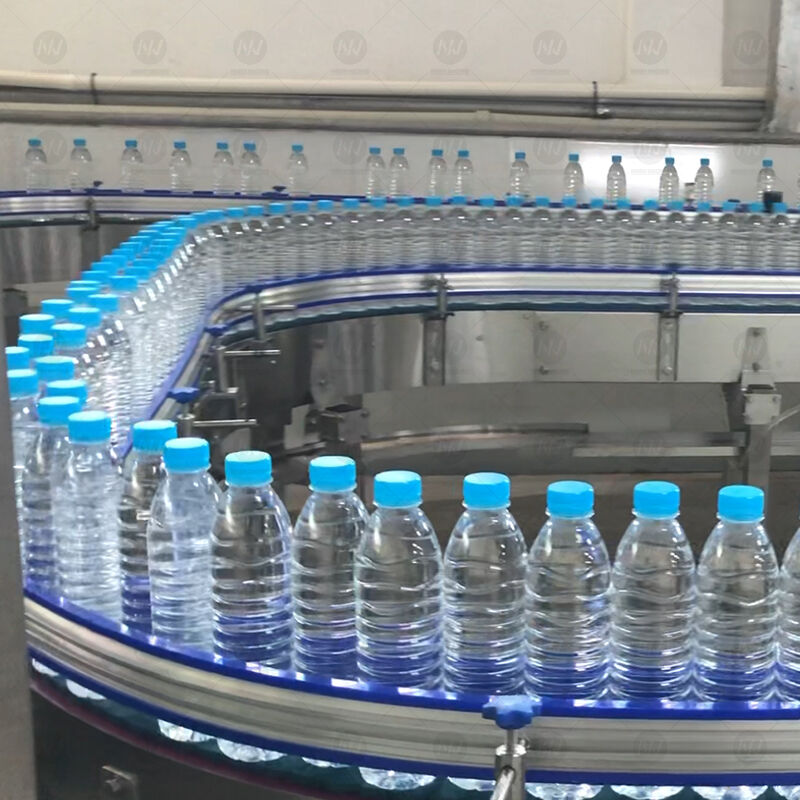
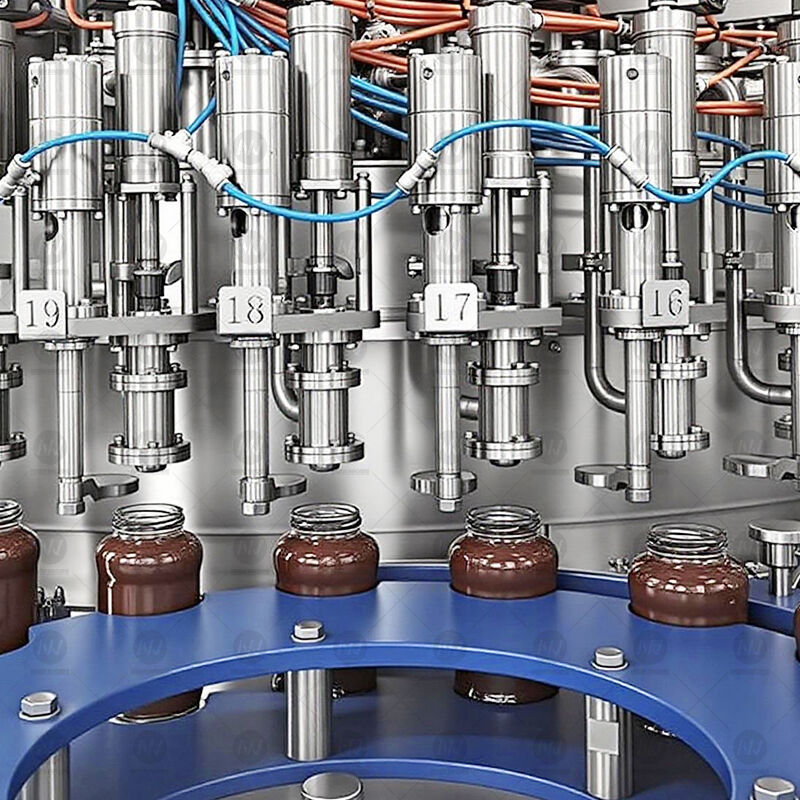
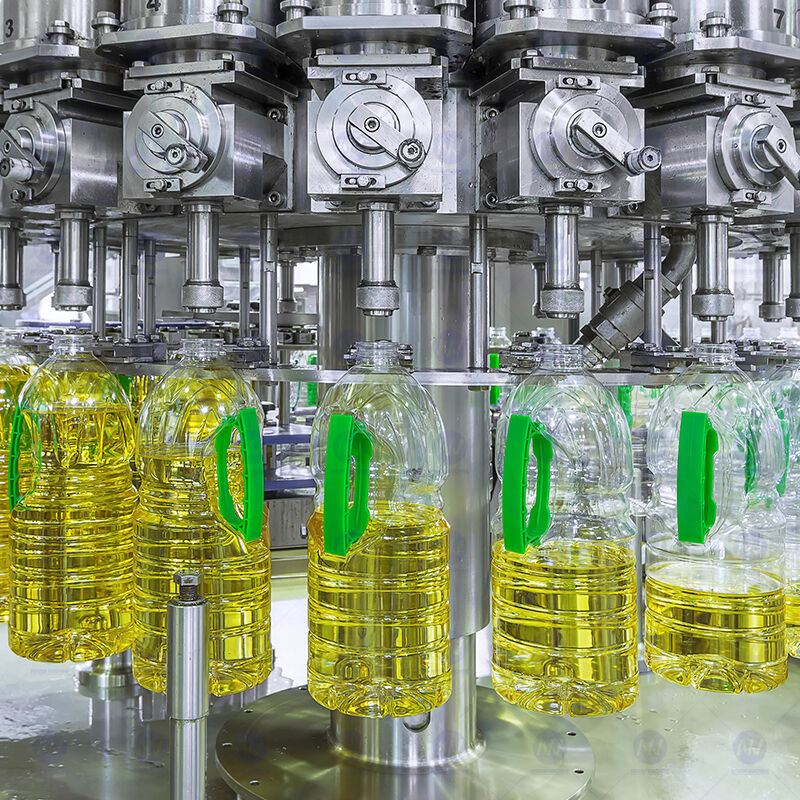
A cooking oil filling machine represents sophisticated industrial equipment designed to automate the precise dispensing and packaging of various cooking oils into containers. This advanced machinery streamlines production processes for edible oil manufacturers, food processing companies, and packaging facilities. The cooking oil filling machine operates through computerized control systems that ensure accurate volume measurements while maintaining consistent flow rates throughout production cycles. Modern cooking oil filling machines incorporate multiple filling heads that work simultaneously to increase throughput capacity. These systems handle different viscosities of cooking oils, from lightweight sunflower oil to thicker olive oil varieties. The equipment features stainless steel construction that meets food safety standards and prevents contamination during filling operations. Temperature control mechanisms within the cooking oil filling machine maintain optimal oil consistency during the filling process. The machine's conveyor system transports containers through filling stations with precise positioning accuracy. Servo motor technology drives the filling mechanisms, providing exceptional control over dispensing volumes. Built-in quality control sensors detect container presence and monitor fill levels to prevent overfilling or underfilling incidents. The cooking oil filling machine integrates seamlessly with existing production lines, including capping machines, labeling equipment, and packaging systems. Programmable logic controllers allow operators to adjust filling parameters for different container sizes and oil types. The equipment supports various container formats, including plastic bottles, glass jars, metal cans, and flexible pouches. Advanced cooking oil filling machines feature touchscreen interfaces that simplify operation and monitoring procedures. Anti-drip nozzles prevent oil waste and maintain clean container exteriors. The machinery includes safety features such as emergency stops, protective guards, and automatic shutdown protocols. Regular maintenance schedules ensure optimal performance and extend equipment lifespan while minimizing production downtime.

 EN
EN