Industrial Distilled Water Production Line - Advanced Purification Systems for Pharmaceutical & Laboratory Applications

Requesting a Call:

+8615601563990

Online Support

[email protected]

WhatsApp

+86-15601563990

distilled water production line

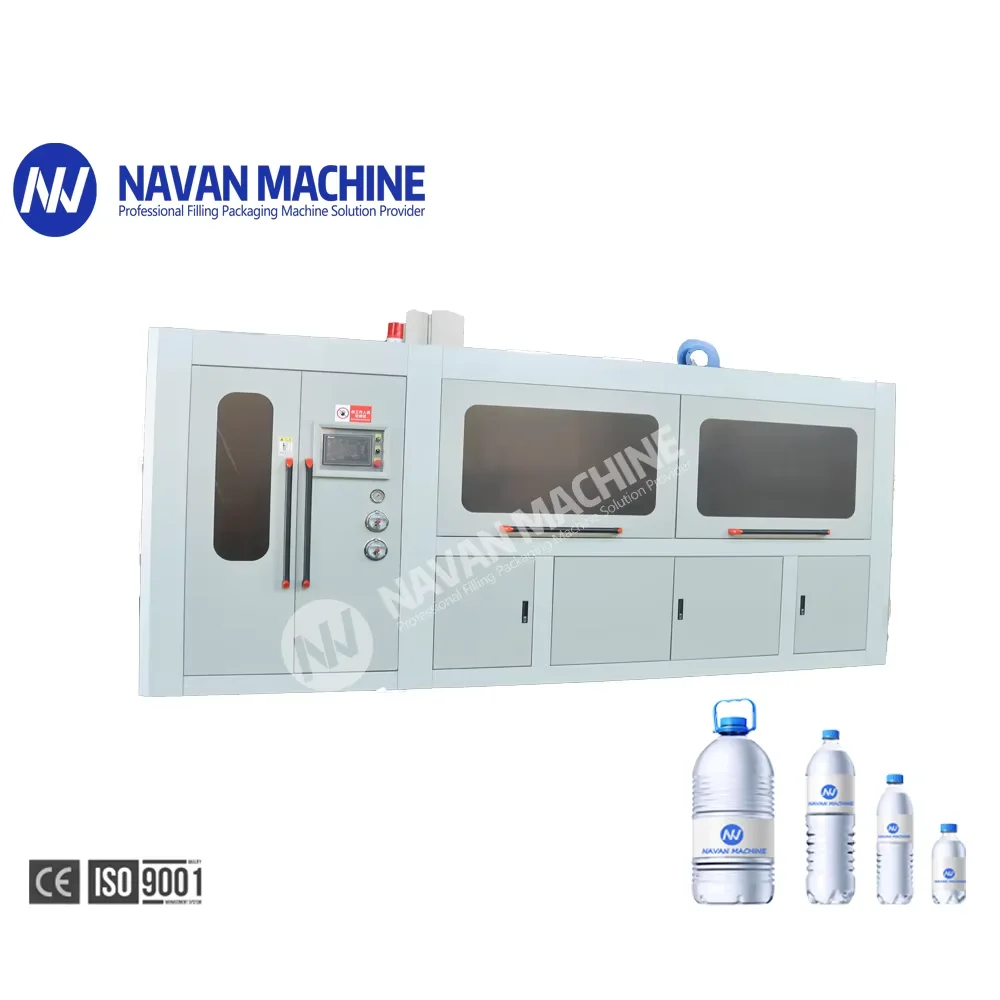
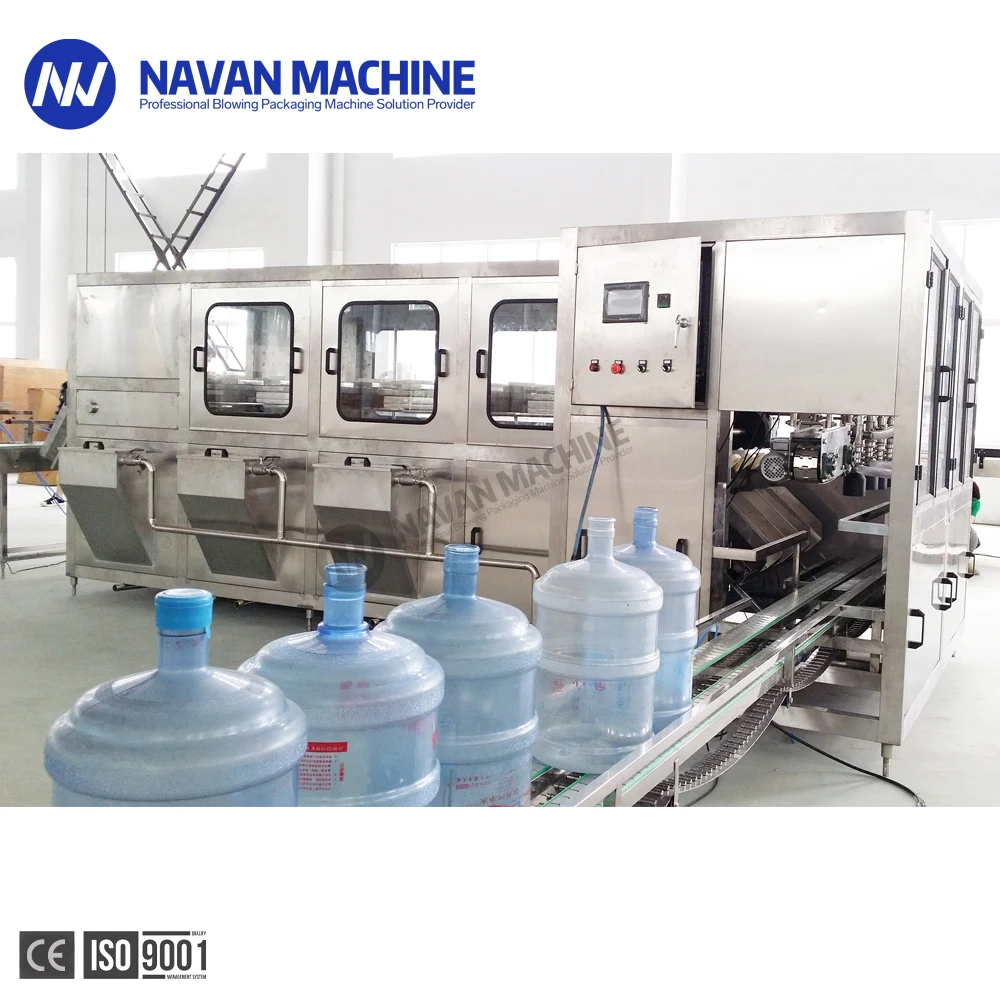
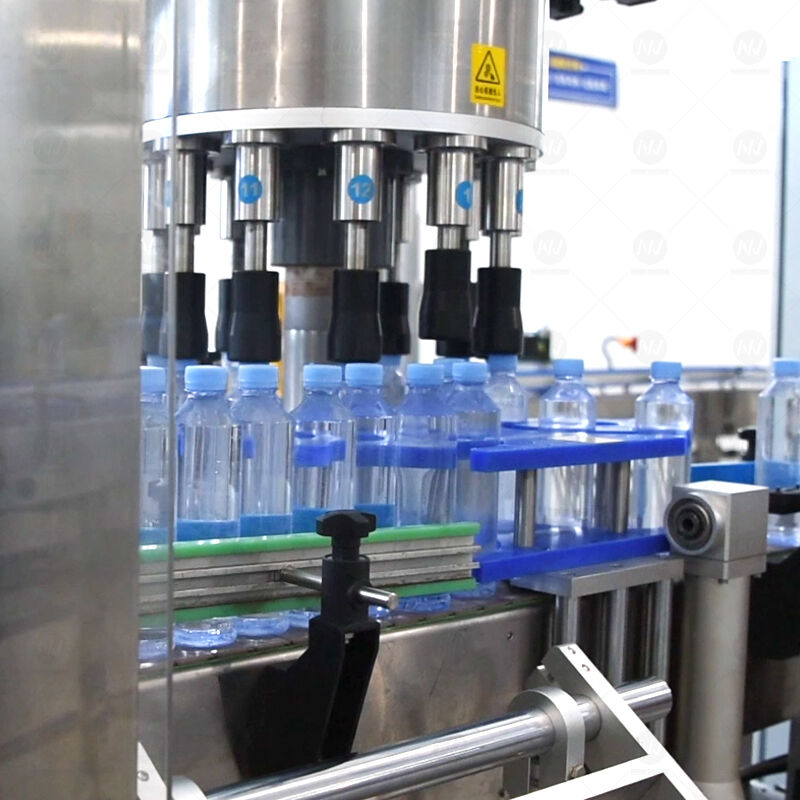
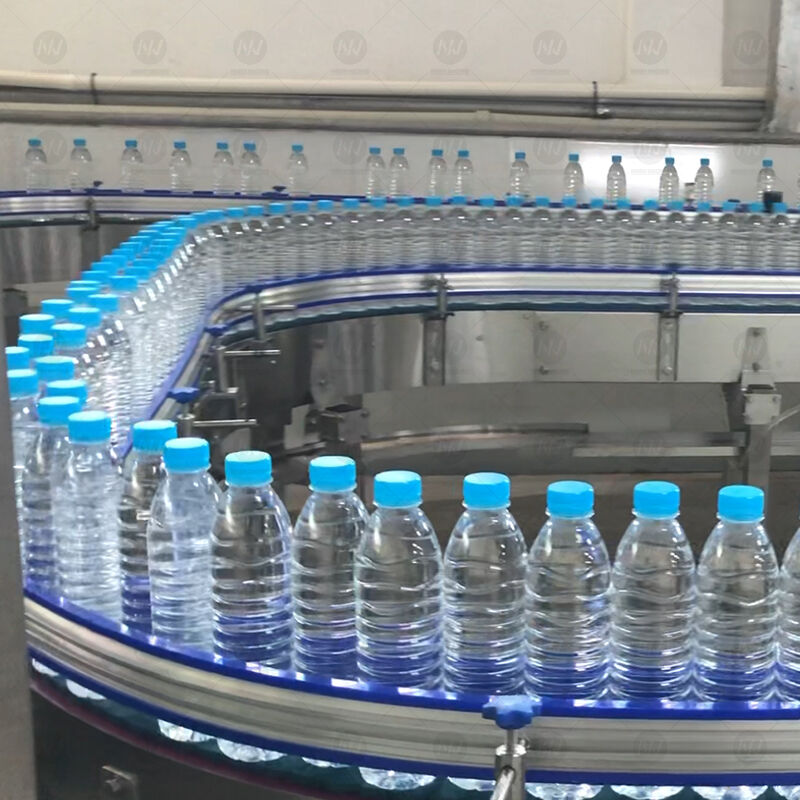
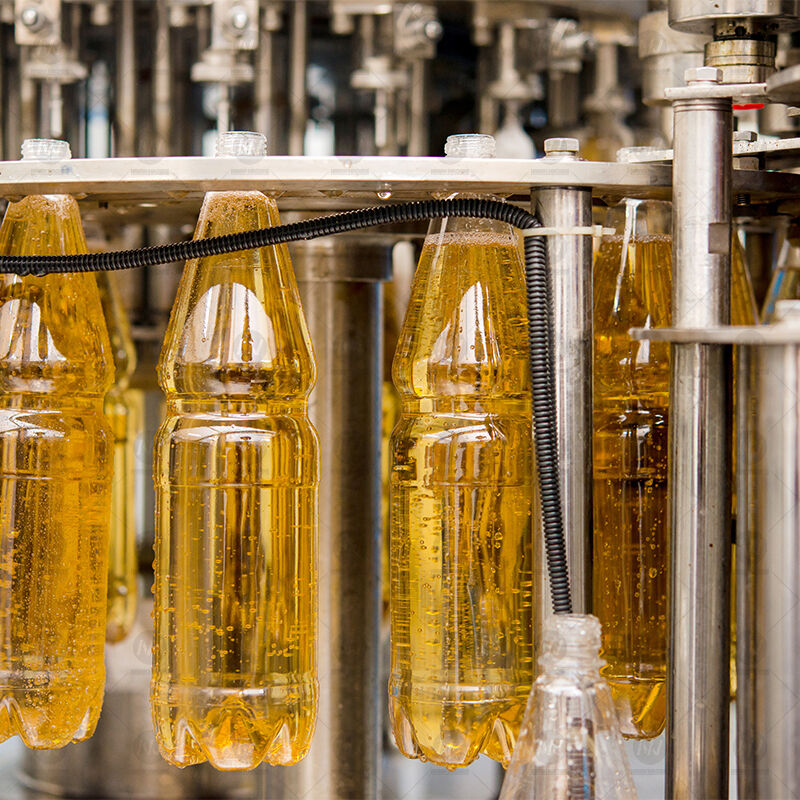
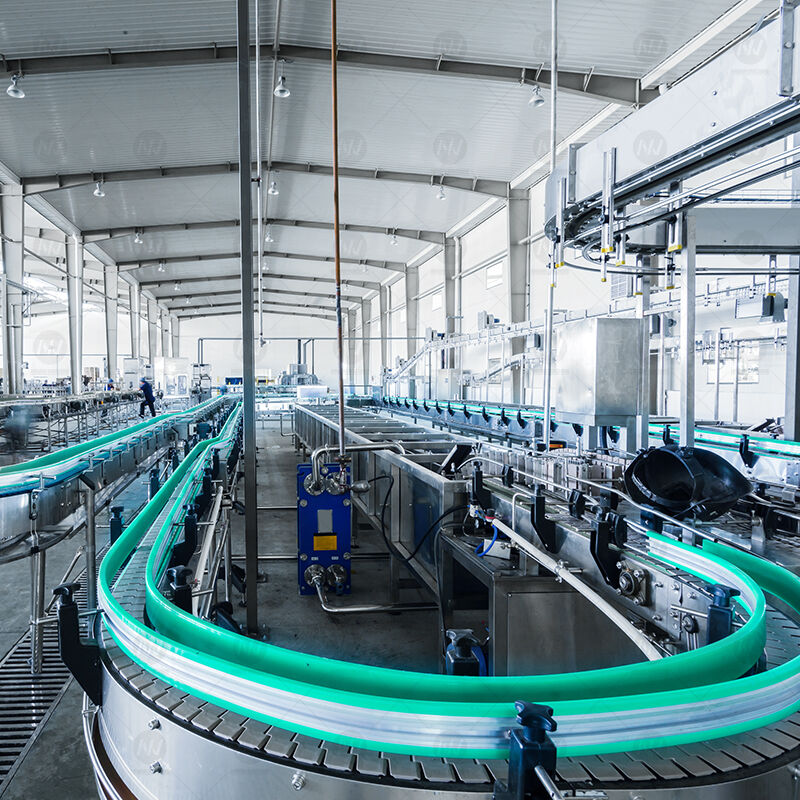
A distilled water production line represents a sophisticated industrial system designed to produce high-purity water through advanced distillation processes. This comprehensive manufacturing solution transforms ordinary water into ultra-pure distilled water by removing impurities, minerals, and contaminants through controlled evaporation and condensation cycles. The distilled water production line incorporates multiple stages of purification, including pre-treatment filtration, heating systems, evaporation chambers, condensation units, and quality control mechanisms. Modern distilled water production lines utilize cutting-edge technology to ensure consistent output quality while maintaining energy efficiency and operational reliability. These systems feature automated control panels that monitor temperature, pressure, conductivity levels, and flow rates throughout the entire production process. The production line typically includes stainless steel construction materials that resist corrosion and maintain sanitary conditions essential for pharmaceutical-grade water production. Key technological features encompass multi-effect distillation columns, heat recovery systems, and continuous monitoring sensors that guarantee product consistency. The distilled water production line serves diverse industries including pharmaceuticals, electronics manufacturing, laboratory research, cosmetics production, and medical device sterilization. Advanced models incorporate smart technology integration, allowing remote monitoring and predictive maintenance capabilities. The system's modular design enables scalable production capacity, accommodating various output requirements from small laboratory quantities to large industrial volumes. Quality assurance protocols integrated within the distilled water production line ensure compliance with international standards such as USP, BP, and EP specifications. Environmental considerations are addressed through energy-efficient heat exchangers and waste water recovery systems, making the production line both economically viable and environmentally responsible for sustainable manufacturing operations.

New Product Releases

The distilled water production line offers numerous compelling benefits that make it an essential investment for businesses requiring high-quality water purification solutions. First and foremost, these systems deliver exceptional purity levels, consistently producing water with conductivity readings below 1.3 μS/cm, which exceeds pharmaceutical industry standards and ensures compliance with regulatory requirements across multiple sectors. The automated operation of a modern distilled water production line significantly reduces labor costs while eliminating human error risks associated with manual water purification processes. Energy efficiency stands as another major advantage, with contemporary systems incorporating heat recovery mechanisms that capture and reuse thermal energy, reducing operational expenses by up to 40% compared to traditional distillation methods. The robust construction and reliable engineering of industrial distilled water production lines ensure minimal downtime and extended equipment lifespan, typically operating continuously for years with proper maintenance protocols. Scalability represents a crucial benefit, as modular distilled water production line designs allow businesses to expand capacity incrementally based on growing demand without requiring complete system replacement. Cost-effectiveness becomes apparent through reduced dependency on purchased distilled water supplies, enabling organizations to achieve rapid return on investment while maintaining complete control over production schedules and quality parameters. Advanced monitoring systems integrated into modern distilled water production lines provide real-time data analytics, enabling predictive maintenance strategies that prevent costly equipment failures and production interruptions. The versatility of these systems accommodates various water sources, from municipal supplies to well water, making them suitable for diverse geographical locations and water quality conditions. Compliance assurance is built into every distilled water production line, with validation protocols and documentation systems that satisfy FDA, GMP, and other regulatory framework requirements. Environmental sustainability is enhanced through water recovery systems and reduced packaging waste associated with bottled distilled water procurement. The consistent quality output eliminates batch-to-batch variations that can compromise sensitive manufacturing processes or research applications. Additionally, the compact footprint of modern distilled water production lines optimizes facility space utilization while maintaining high production capacity, making them ideal for both large industrial facilities and smaller specialized operations requiring reliable, high-purity water generation capabilities.

Practical Tips

How Does a Water Filling Line Maintain Hygiene and Product Purity?

31

Oct

How Does a Water Filling Line Maintain Hygiene and Product Purity?

Ensuring Safety and Quality in Beverage Production Systems The modern beverage industry faces an ever-growing challenge to maintain impeccable hygiene standards while meeting increasing production demands. At the heart of this challenge lies the wate...
View More
What Factors Should You Consider When Choosing a Bottle Filling Machine?

31

Oct

What Factors Should You Consider When Choosing a Bottle Filling Machine?

Essential Considerations for Industrial Bottle Filling Equipment Selecting the right bottle filling machine for your production line is a crucial decision that impacts efficiency, product quality, and bottom-line profitability. Whether you're expandi...
View More
What Are the Long-Term Benefits of Investing in Advanced Water Filling Lines?

31

Oct

What Are the Long-Term Benefits of Investing in Advanced Water Filling Lines?

Transforming Beverage Production Through Modern Automation The beverage industry is witnessing a revolutionary transformation as manufacturers increasingly turn to advanced water filling lines to streamline their operations. These sophisticated syste...
View More
What Technologies Ensure Freshness and Shelf Life in Beer Filling Systems?

31

Oct

What Technologies Ensure Freshness and Shelf Life in Beer Filling Systems?

Modern Innovations in Beer Filling Technology The brewing industry has witnessed remarkable technological advancements in beer filling systems, revolutionizing how breweries maintain product freshness and extend shelf life. Today's sophisticated beer...
View More

Get a Free Quote

Our representative will contact you soon.
Email
Name
Company Name
Message
0/1000

distilled water production line

Advanced Multi-Stage Purification Technology

Advanced Multi-Stage Purification Technology

The cornerstone of any superior distilled water production line lies in its sophisticated multi-stage purification technology, which represents the pinnacle of water treatment engineering. This advanced system employs a carefully orchestrated sequence of purification processes that systematically eliminate contaminants, dissolved solids, and impurities to achieve pharmaceutical-grade water quality. The multi-stage approach begins with comprehensive pre-treatment filtration that removes particulate matter, chlorine, and organic compounds through activated carbon and sediment filters. Subsequently, the water enters the primary distillation chamber where precisely controlled heating transforms liquid water into steam, leaving behind non-volatile contaminants and dissolved minerals. The resulting steam then passes through multiple distillation columns, each operating at different temperature and pressure parameters to ensure complete separation of remaining impurities. Advanced condensation systems capture the purified steam and convert it back to liquid form while maintaining sterility and preventing recontamination. The multi-stage purification technology incorporated in modern distilled water production lines utilizes fractional distillation principles, allowing for the removal of substances with varying boiling points through sequential separation processes. Temperature monitoring sensors throughout each stage ensure optimal operating conditions while preventing thermal degradation of the equipment. The system's intelligent control algorithms automatically adjust parameters based on incoming water quality, ensuring consistent output regardless of source water variations. Quality assurance is integrated at every stage through continuous conductivity monitoring, total organic carbon analysis, and endotoxin testing protocols. This comprehensive approach guarantees that the final product meets or exceeds international pharmacopeial standards for purified water applications. The multi-stage design also incorporates redundancy features that maintain production continuity even during maintenance of individual components, ensuring uninterrupted supply for critical operations. Energy optimization is achieved through heat integration between stages, recovering thermal energy from condensation processes to preheat incoming feed water, resulting in significant operational cost savings while maintaining the highest purity standards expected from a professional distilled water production line.
Automated Quality Control and Monitoring Systems

Automated Quality Control and Monitoring Systems

Revolutionary automated quality control and monitoring systems distinguish premium distilled water production lines from conventional purification equipment, providing unprecedented precision in water quality management and operational oversight. These sophisticated monitoring networks employ real-time sensors strategically positioned throughout the production process to continuously measure critical parameters including conductivity, pH levels, total organic carbon content, bacterial counts, and endotoxin concentrations. The automated quality control system utilizes advanced data acquisition technology that samples and analyzes water quality parameters every few seconds, creating comprehensive databases that track production trends and identify potential quality deviations before they impact final product specifications. Intelligent alarm systems integrated within the distilled water production line immediately alert operators to any parameter excursions, enabling rapid corrective action to maintain consistent product quality. The monitoring infrastructure includes redundant sensor arrays that provide backup measurement capabilities, ensuring continuous quality surveillance even during sensor maintenance or replacement procedures. Automated documentation features generate detailed batch records, validation reports, and compliance certificates that satisfy regulatory requirements for pharmaceutical, medical device, and laboratory applications. The quality control system incorporates statistical process control algorithms that analyze trend data to predict potential equipment maintenance needs, optimizing production efficiency while preventing quality issues. Remote monitoring capabilities allow facility managers to access real-time production data from mobile devices or off-site locations, enabling proactive management decisions and rapid response to operational changes. The automated systems also feature self-diagnostic capabilities that continuously verify sensor accuracy and calibration status, maintaining measurement integrity throughout extended production campaigns. Data integrity is protected through secure data logging systems with electronic signatures and audit trails that comply with FDA 21 CFR Part 11 requirements. The quality control integration extends to automated cleaning and sanitization cycles that ensure system sterility between production runs, eliminating cross-contamination risks and maintaining consistent product quality. Advanced reporting functions generate customizable quality reports that provide detailed analysis of production performance, helping optimize distilled water production line efficiency while demonstrating compliance with stringent quality standards required by regulated industries.
Energy-Efficient Heat Recovery and Sustainability Features

Energy-Efficient Heat Recovery and Sustainability Features

Modern distilled water production lines incorporate cutting-edge energy-efficient heat recovery and sustainability features that dramatically reduce operational costs while minimizing environmental impact, making them ideal solutions for organizations committed to sustainable manufacturing practices. The sophisticated heat recovery systems capture thermal energy from multiple points within the distillation process, including steam condensation, hot water discharge, and waste heat from heating elements, redirecting this recovered energy to preheat incoming feed water and reduce overall energy consumption. This innovative approach can achieve energy savings of up to 50% compared to conventional distillation systems, resulting in substantial reductions in utility costs and carbon footprint. The distilled water production line utilizes advanced heat exchangers with enhanced surface area designs that maximize heat transfer efficiency while maintaining compact system footprints. Variable frequency drives control pump and fan operations, automatically adjusting motor speeds based on actual process requirements rather than operating at constant maximum capacity, further optimizing energy utilization throughout production cycles. Intelligent thermal management systems monitor temperature differentials across heat exchangers and automatically optimize flow rates to maintain peak heat recovery performance under varying operating conditions. The sustainability features extend beyond energy efficiency to include water conservation technologies that minimize waste water generation through advanced recovery and recycling systems. Condensate recovery systems capture and purify steam condensate for reuse as feed water, reducing both water consumption and waste discharge while maintaining system efficiency. Environmental monitoring integration tracks energy consumption, water usage, and waste generation in real-time, providing comprehensive sustainability metrics that support corporate environmental reporting and continuous improvement initiatives. The production line design incorporates eco-friendly refrigerants and insulation materials that minimize environmental impact while maintaining optimal thermal performance. Automated shutdown procedures ensure efficient system operation during idle periods, preventing unnecessary energy consumption while maintaining system readiness for rapid restart when production resumes. The sustainable design philosophy extends to equipment longevity through corrosion-resistant materials and protective coatings that extend service life and reduce replacement frequency, minimizing waste generation and resource consumption. These comprehensive sustainability features make the distilled water production line an environmentally responsible choice that aligns with corporate sustainability goals while delivering exceptional economic benefits through reduced operating costs and enhanced operational efficiency.

Get a Free Quote

Our representative will contact you soon.
Email
Name
Company Name
Message
0/1000

Get a Free Quote

Our representative will contact you soon.
Email
Name
Company Name
Message
0/1000
TopTop