Complete Drinking Water Production Line Solutions - Advanced Purification & Bottling Systems

Requesting a Call:

+8615601563990

Online Support

[email protected]

WhatsApp

+86-15601563990

drinking water production line

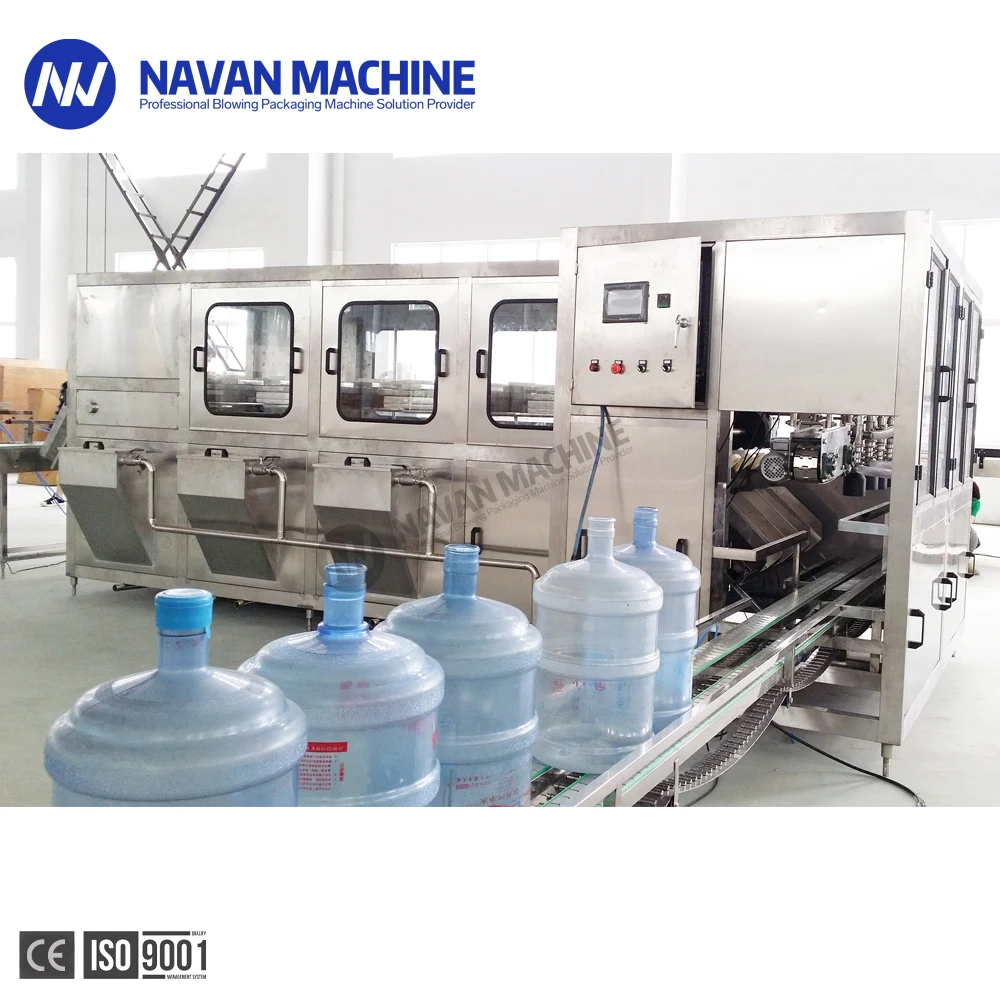
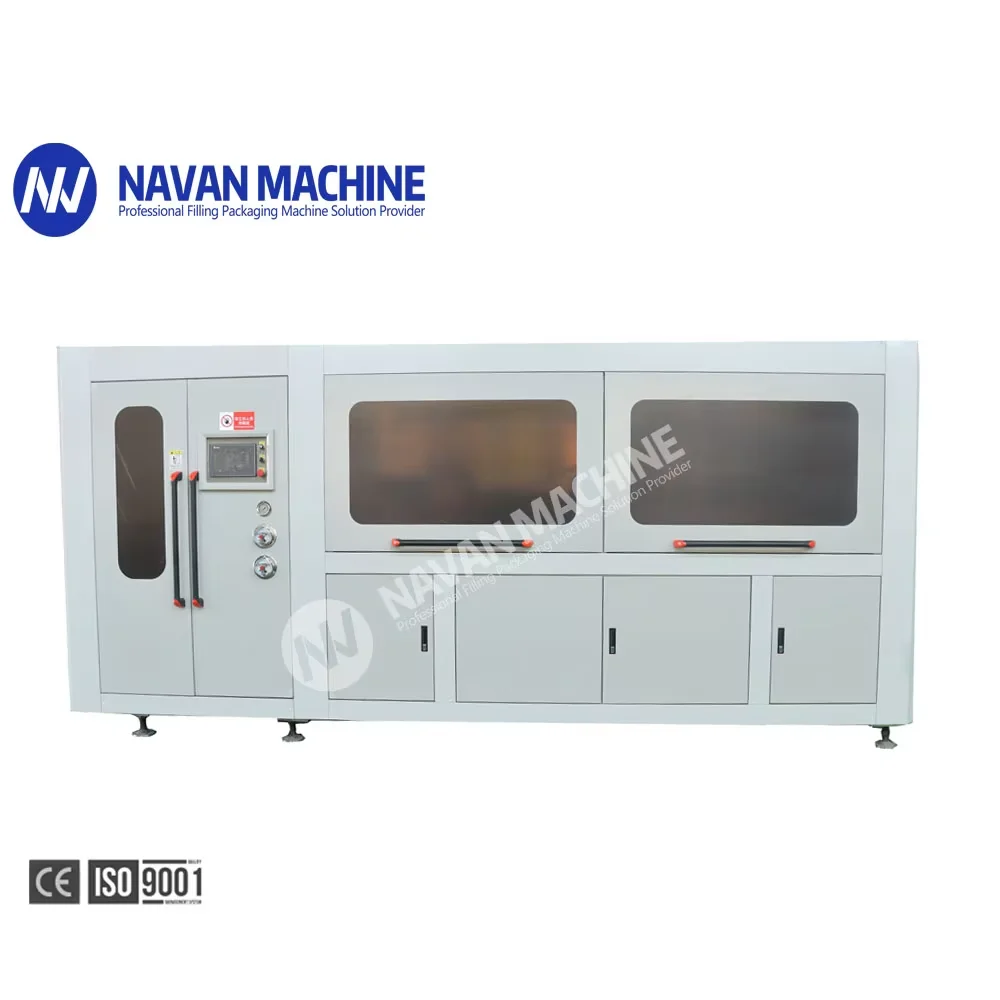
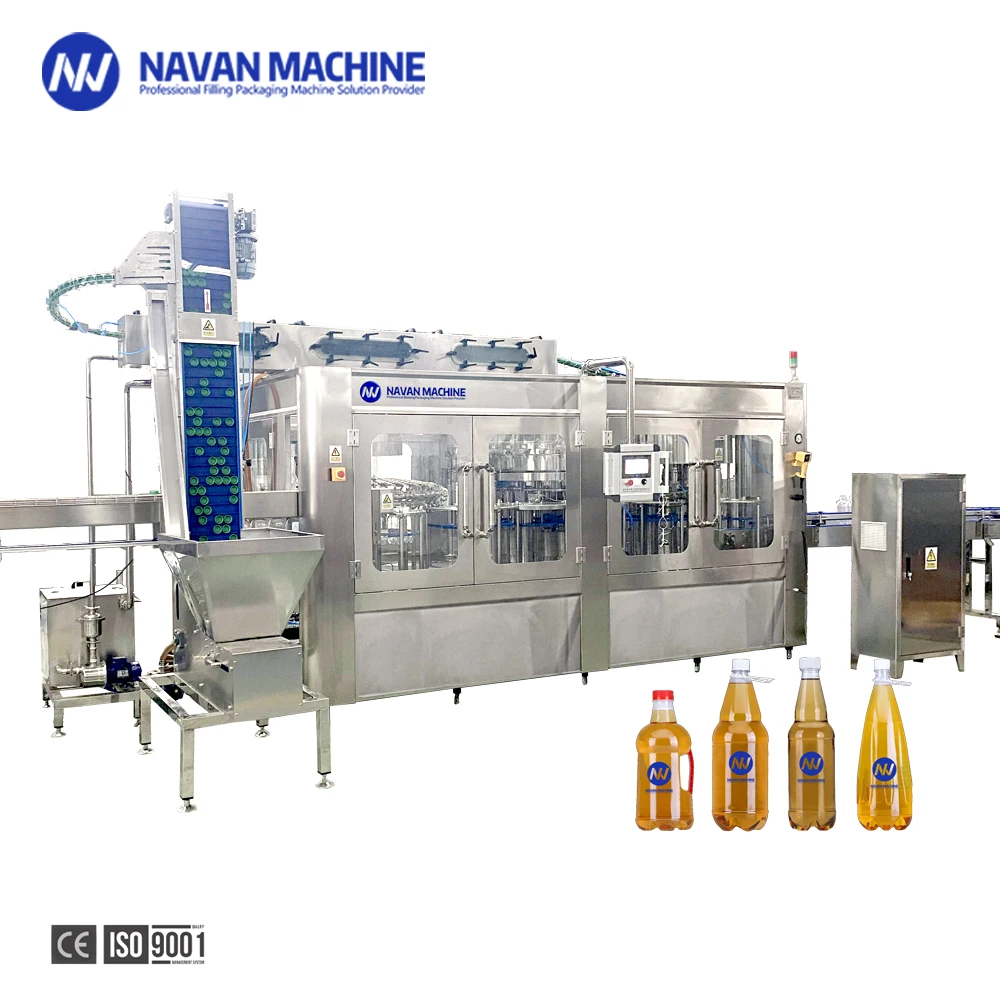
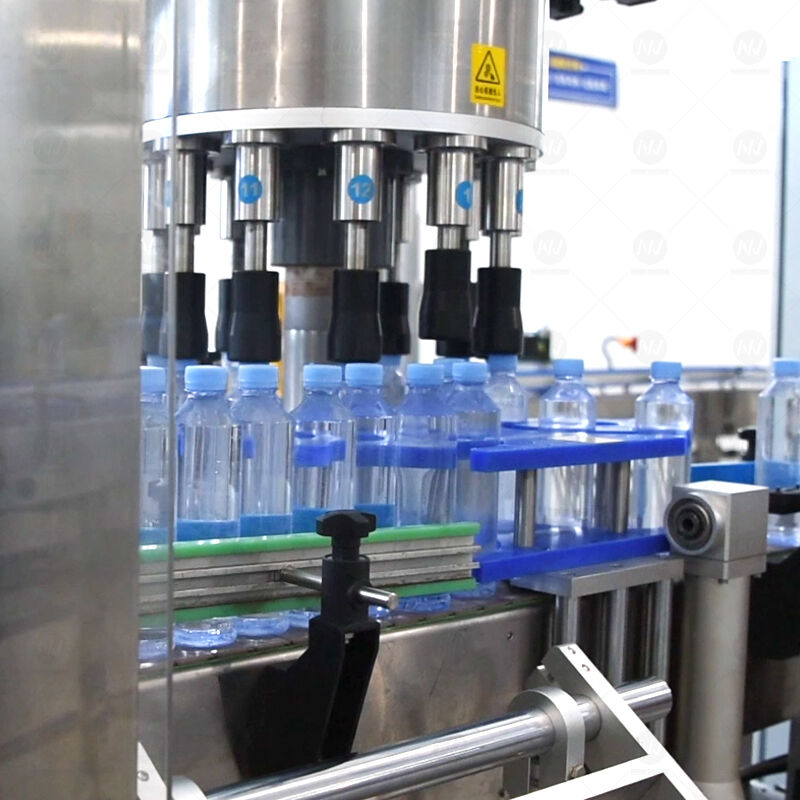
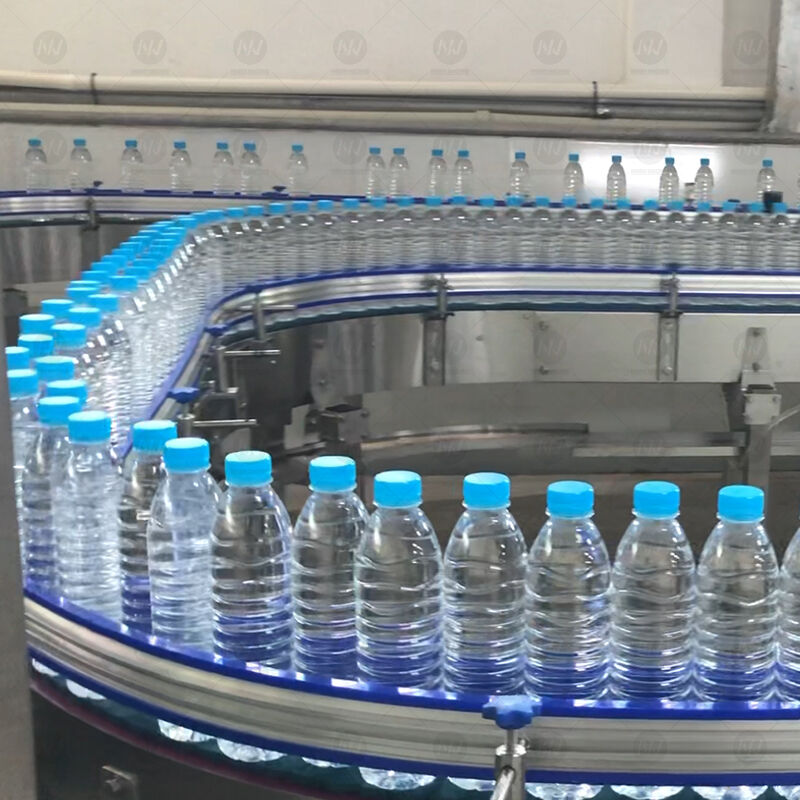
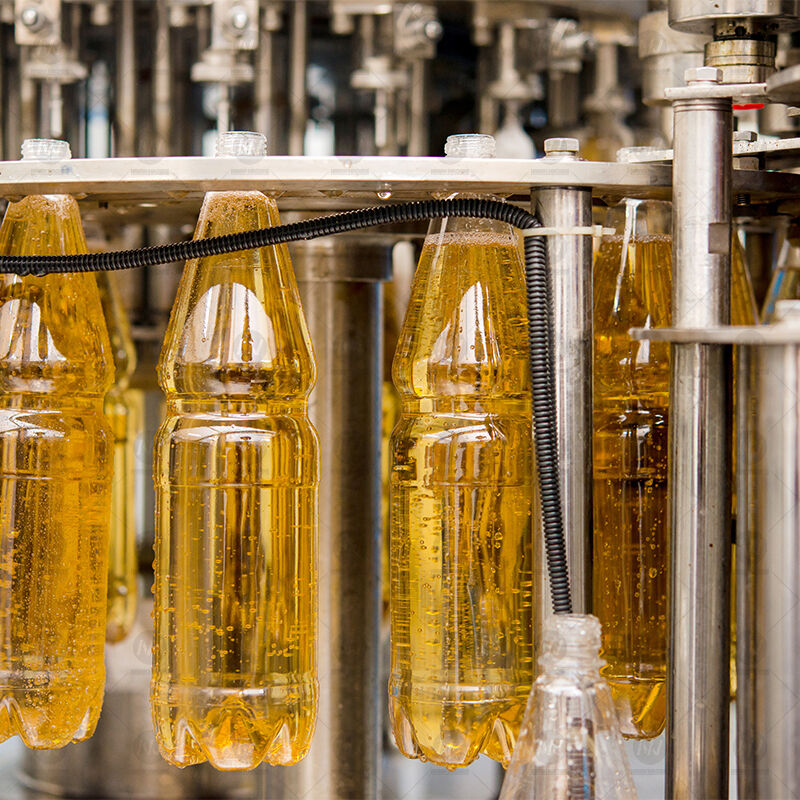
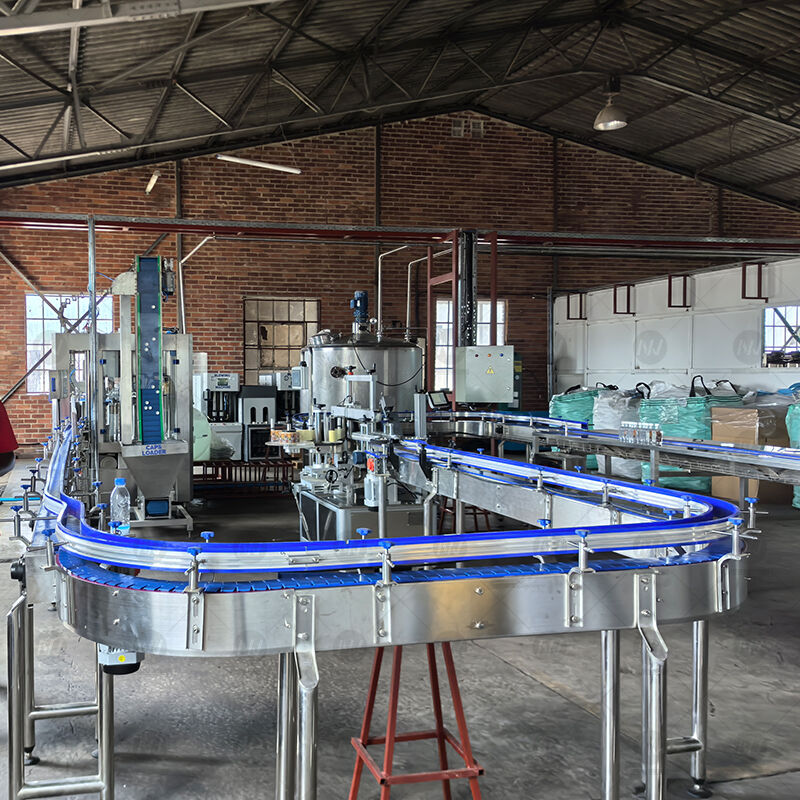
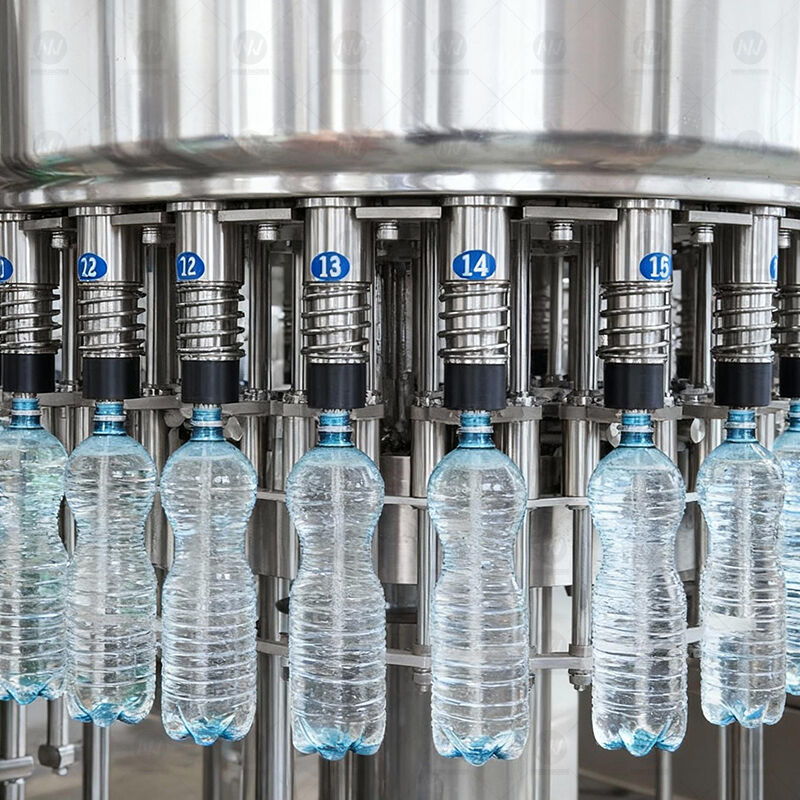
A drinking water production line represents a comprehensive manufacturing system designed to transform raw water sources into safe, pure, and commercially viable bottled water products. This sophisticated industrial setup incorporates multiple stages of treatment, purification, and packaging processes that ensure the highest quality standards for consumer consumption. The drinking water production line begins with raw water intake systems that can handle various source types, including municipal water supplies, groundwater wells, or natural spring sources. The core functionality revolves around systematic water treatment processes that eliminate contaminants, bacteria, viruses, and unwanted minerals while preserving essential nutrients. Modern drinking water production lines feature advanced filtration technologies including sediment filters, activated carbon systems, reverse osmosis membranes, and ultraviolet sterilization units. These components work synergistically to achieve exceptional water purity levels that exceed regulatory requirements. The technological architecture includes automated control systems that monitor water quality parameters in real-time, ensuring consistent product standards throughout the production cycle. Quality assurance mechanisms integrate laboratory testing protocols, automated sampling systems, and digital monitoring dashboards that track conductivity, pH levels, microbial content, and chemical composition. The packaging segment of the drinking water production line encompasses bottle washing, filling, capping, labeling, and shrink-wrapping operations. These processes maintain sterile conditions through clean room environments and automated handling systems that minimize human contact with the final product. Production capacity varies significantly based on facility size and equipment specifications, ranging from small-scale operations producing thousands of bottles daily to large industrial facilities capable of millions of units per day. Applications span across commercial bottling companies, municipal water authorities, beverage manufacturers, and private label producers serving retail, hospitality, and institutional markets worldwide.

Popular Products

Investing in a drinking water production line delivers substantial operational benefits that directly impact profitability and market competitiveness. The automated nature of modern production systems significantly reduces labor costs while maintaining consistent quality standards that manual processes cannot achieve. This automation eliminates human error in critical stages like water treatment monitoring, bottle filling precision, and contamination prevention, resulting in higher product reliability and customer satisfaction. Cost efficiency emerges as a primary advantage through economies of scale, where higher production volumes dramatically reduce per-unit manufacturing costs. The drinking water production line enables businesses to control their entire supply chain, eliminating dependence on external suppliers and reducing procurement expenses. Quality control capabilities surpass traditional bottling methods through integrated monitoring systems that detect irregularities instantly, preventing defective products from reaching consumers and protecting brand reputation. Flexibility in production scheduling allows manufacturers to respond quickly to market demand fluctuations, seasonal variations, and promotional campaigns without compromising product availability. Environmental benefits include reduced transportation costs and carbon footprint when production facilities operate closer to distribution points, supporting sustainability initiatives that increasingly influence consumer purchasing decisions. Regulatory compliance becomes streamlined through built-in safety protocols and documentation systems that automatically generate quality reports required by health authorities and certification bodies. The drinking water production line provides superior contamination prevention through enclosed processing environments, sterile packaging procedures, and minimal human intervention during critical stages. Scalability advantages allow businesses to expand production capacity incrementally by adding modules or upgrading equipment components without complete system overhauls. Market responsiveness improves significantly as companies can introduce new product variations, different bottle sizes, or specialized formulations rapidly using existing infrastructure. Long-term profitability increases through equipment durability, reduced maintenance requirements, and consistent product quality that builds customer loyalty and supports premium pricing strategies in competitive markets.

Practical Tips

How Does a Water Filling Line Maintain Hygiene and Product Purity?

31

Oct

How Does a Water Filling Line Maintain Hygiene and Product Purity?

Ensuring Safety and Quality in Beverage Production Systems The modern beverage industry faces an ever-growing challenge to maintain impeccable hygiene standards while meeting increasing production demands. At the heart of this challenge lies the wate...
View More
What Factors Should You Consider When Choosing a Bottle Filling Machine?

31

Oct

What Factors Should You Consider When Choosing a Bottle Filling Machine?

Essential Considerations for Industrial Bottle Filling Equipment Selecting the right bottle filling machine for your production line is a crucial decision that impacts efficiency, product quality, and bottom-line profitability. Whether you're expandi...
View More
What Are the Long-Term Benefits of Investing in Advanced Water Filling Lines?

31

Oct

What Are the Long-Term Benefits of Investing in Advanced Water Filling Lines?

Transforming Beverage Production Through Modern Automation The beverage industry is witnessing a revolutionary transformation as manufacturers increasingly turn to advanced water filling lines to streamline their operations. These sophisticated syste...
View More
What Technologies Ensure Freshness and Shelf Life in Beer Filling Systems?

31

Oct

What Technologies Ensure Freshness and Shelf Life in Beer Filling Systems?

Modern Innovations in Beer Filling Technology The brewing industry has witnessed remarkable technological advancements in beer filling systems, revolutionizing how breweries maintain product freshness and extend shelf life. Today's sophisticated beer...
View More

Get a Free Quote

Our representative will contact you soon.
Email
Name
Company Name
Message
0/1000

drinking water production line

Advanced Multi-Stage Purification Technology

Advanced Multi-Stage Purification Technology

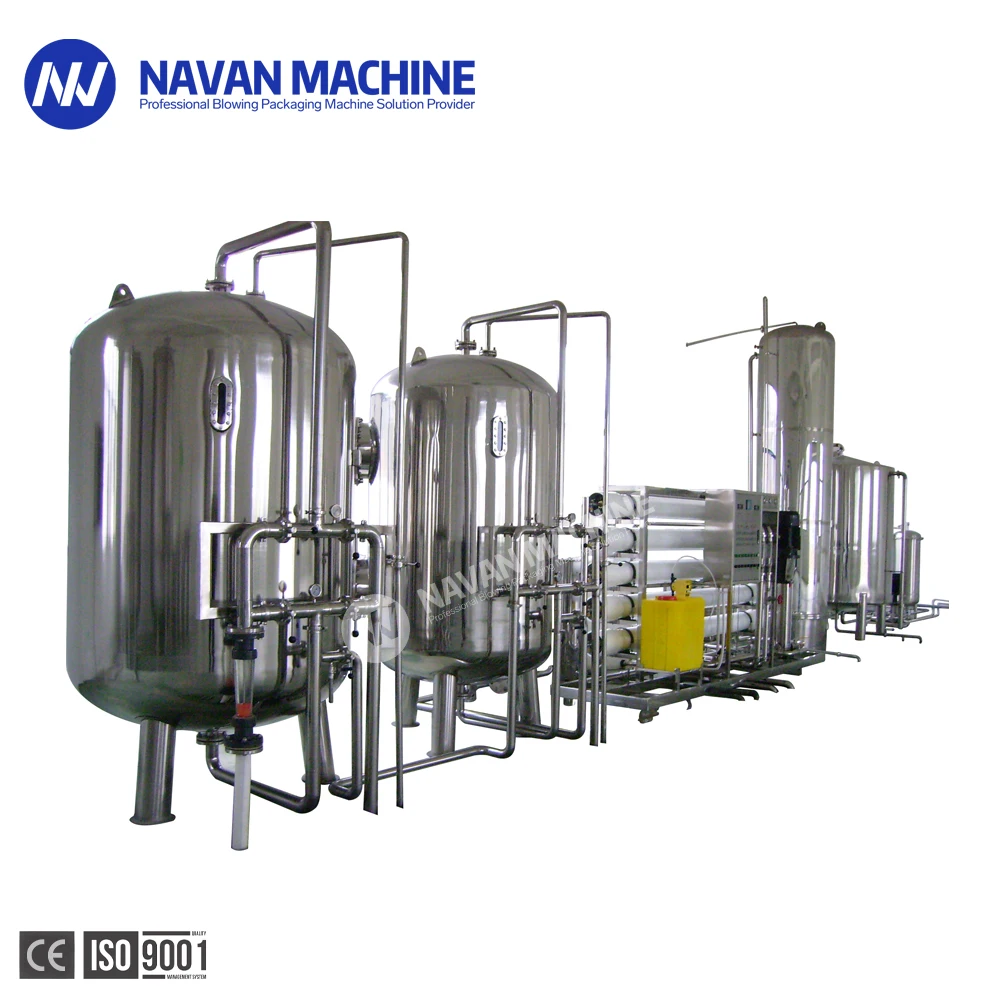
The cornerstone of any effective drinking water production line lies in its sophisticated purification technology that transforms ordinary water into premium-quality drinking water through multiple treatment stages. This advanced system begins with pre-filtration processes that remove large particles, sediments, and visible contaminants using high-capacity mechanical filters designed for continuous operation. The subsequent activated carbon filtration stage eliminates chlorine, organic compounds, and taste-affecting substances that could compromise water palatability. The heart of the purification process features reverse osmosis technology, which forces water through semi-permeable membranes under high pressure, effectively removing dissolved salts, heavy metals, bacteria, and viruses down to molecular levels. This critical stage achieves purification rates exceeding 99 percent for most contaminants, ensuring exceptional water quality that surpasses bottled water industry standards. Following reverse osmosis treatment, the drinking water production line incorporates ultraviolet sterilization systems that eliminate any remaining microorganisms without introducing chemical additives or altering water taste. Advanced oxidation processes may be integrated to break down complex organic molecules and pharmaceutical residues that conventional filtration cannot address. Real-time monitoring systems continuously track water quality parameters including total dissolved solids, conductivity, pH levels, and microbial content, automatically adjusting treatment parameters to maintain optimal purification efficiency. The multi-stage approach ensures redundant protection against contamination while preserving beneficial minerals that contribute to water taste and nutritional value. Quality control laboratories integrated within the drinking water production line perform regular testing using sophisticated analytical equipment that can detect contaminant levels in parts per billion, guaranteeing product safety and regulatory compliance. This comprehensive purification technology not only ensures consumer safety but also extends product shelf life, reduces quality complaints, and supports premium brand positioning in competitive markets where water purity serves as a primary differentiator.
Automated Production Control and Quality Assurance

Automated Production Control and Quality Assurance

Modern drinking water production lines feature sophisticated automation systems that revolutionize manufacturing efficiency while maintaining uncompromising quality standards throughout every production stage. These intelligent control systems integrate programmable logic controllers, human-machine interfaces, and enterprise resource planning software that coordinate all production activities from raw water intake through final packaging. The automation architecture includes sensors and monitoring devices positioned at critical control points that continuously measure flow rates, pressure levels, temperature variations, and water quality parameters in real-time. This comprehensive monitoring capability enables immediate detection of any deviations from established parameters, triggering automatic corrections or production stops to prevent quality issues. The drinking water production line automation extends to bottle handling systems that manage container washing, inspection, filling, capping, and labeling operations with precision timing that eliminates bottlenecks and maximizes throughput. Advanced vision inspection systems examine each bottle for defects, proper fill levels, and cap integrity, automatically rejecting substandard products before they enter distribution channels. Quality assurance protocols are embedded within the automation framework, ensuring that every production batch meets predetermined specifications for purity, taste, and safety. Digital documentation systems maintain detailed production records, batch tracking information, and quality test results that support regulatory compliance and facilitate rapid response to any quality concerns. The automated cleaning-in-place systems maintain equipment hygiene without manual intervention, using precisely controlled chemical concentrations and rinse cycles that eliminate contamination risks while minimizing water waste. Production scheduling algorithms optimize equipment utilization, reduce changeover times between different product types, and coordinate maintenance activities to minimize downtime. Predictive maintenance capabilities analyze equipment performance data to identify potential issues before failures occur, preventing unexpected production interruptions and reducing maintenance costs. The integration of these automated systems within the drinking water production line delivers consistent product quality, reduces operational costs, and enables manufacturers to respond quickly to market demands while maintaining the highest safety and quality standards.
Scalable Production Capacity and Market Flexibility

Scalable Production Capacity and Market Flexibility

The inherent scalability of drinking water production lines provides manufacturers with unprecedented flexibility to adapt their operations according to market demands, business growth objectives, and changing consumer preferences. This scalable architecture allows companies to start with modest production capacities and systematically expand their operations by adding processing modules, upgrading equipment components, or integrating additional packaging lines without disrupting existing production activities. The modular design philosophy underlying modern drinking water production lines enables incremental capacity increases that align with revenue growth, minimizing capital investment risks while supporting sustainable business expansion. Production flexibility extends to bottle size variations, enabling manufacturers to produce different container formats ranging from small single-serve bottles to large family-sized containers using the same core equipment with minor adjustments. This versatility supports diverse market segments and distribution channels, from convenience stores and vending machines to bulk sales and home delivery services. The drinking water production line can accommodate seasonal demand fluctuations that characterize the beverage industry, ramping up production during peak summer months and scaling back during slower periods without compromising operational efficiency. Geographic expansion becomes more manageable through standardized equipment specifications and proven production processes that can be replicated across multiple facilities while maintaining consistent quality standards. Market responsiveness capabilities allow manufacturers to introduce new product variants, such as flavored water, enhanced formulations, or premium offerings, leveraging existing infrastructure investments to capture emerging market opportunities. The scalable nature of these production systems supports both contract manufacturing arrangements and private label production, enabling companies to diversify revenue streams and maximize equipment utilization. Advanced production planning systems optimize resource allocation, coordinate multiple product runs, and balance inventory levels to minimize waste while meeting customer delivery requirements. The drinking water production line scalability also encompasses geographical adaptability, allowing equipment configurations to accommodate local water quality conditions, regulatory requirements, and consumer preferences across different markets. This flexibility proves essential for international expansion strategies where manufacturers must adapt their operations to diverse regulatory environments while maintaining operational consistency and product quality standards.

Get a Free Quote

Our representative will contact you soon.
Email
Name
Company Name
Message
0/1000

Get a Free Quote

Our representative will contact you soon.
Email
Name
Company Name
Message
0/1000
TopTop