Advanced Still Water Production Line - Complete Bottling Solutions with Multi-Stage Filtration Technology

Requesting a Call:

+8615601563990

Online Support

[email protected]

WhatsApp

+86-15601563990

still water production line

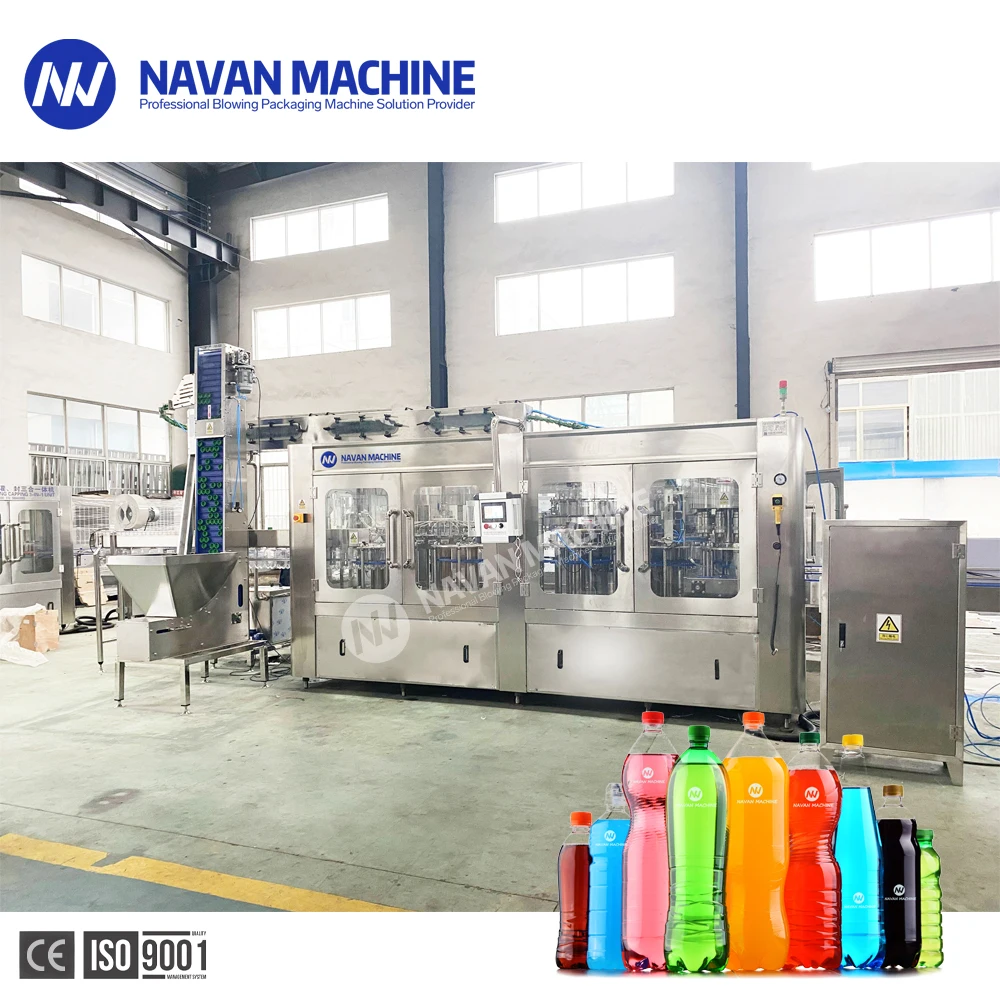
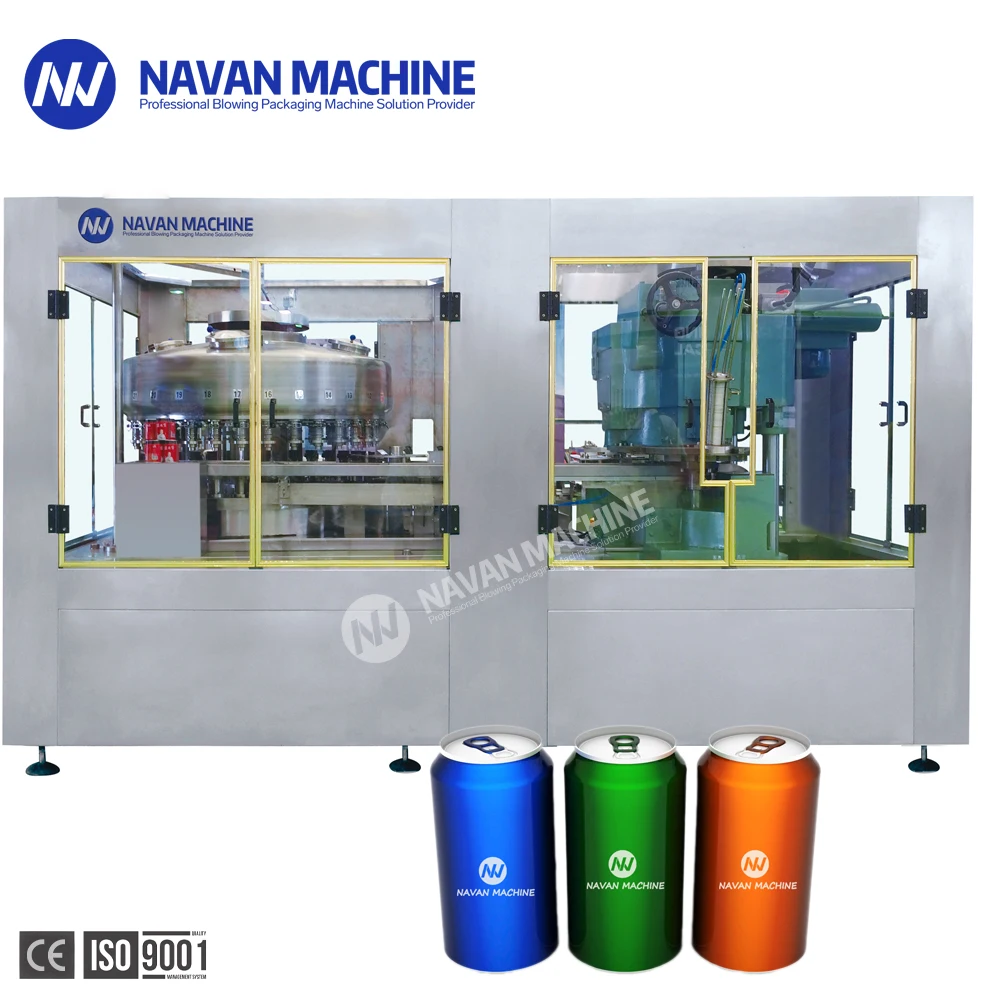
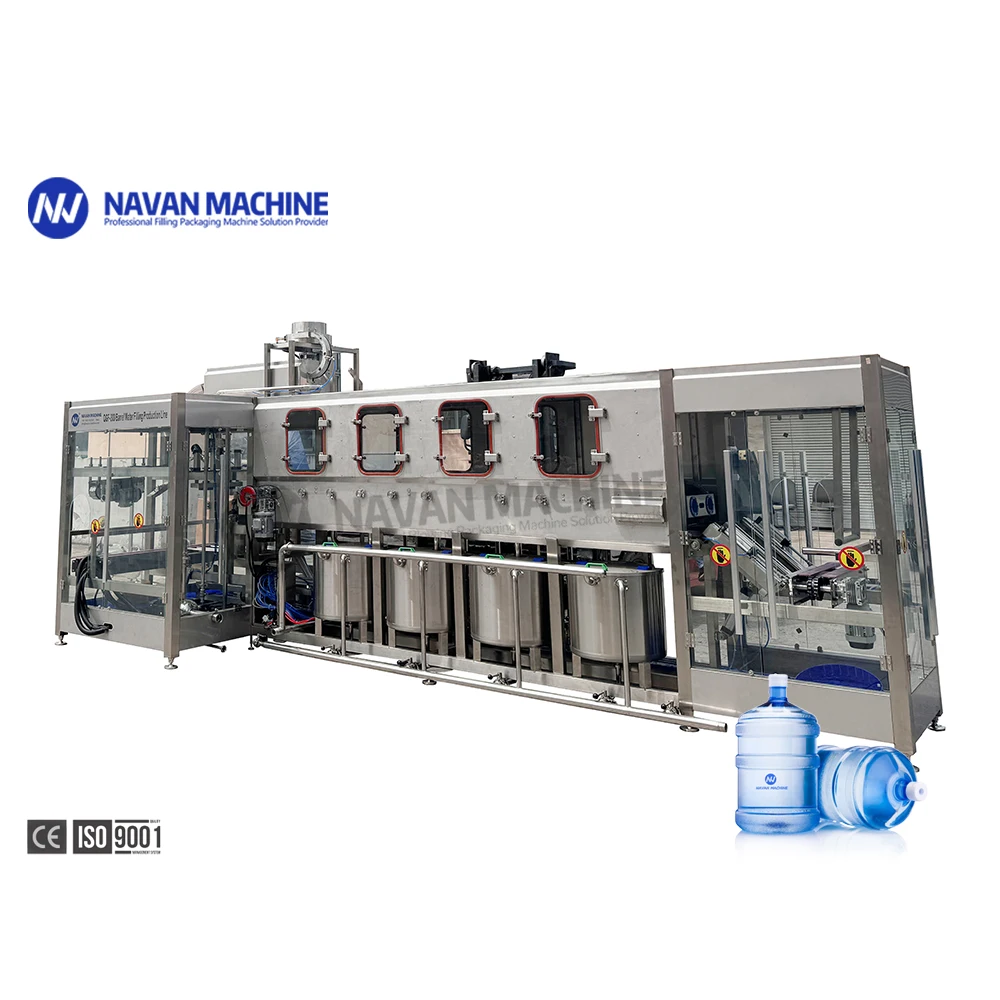
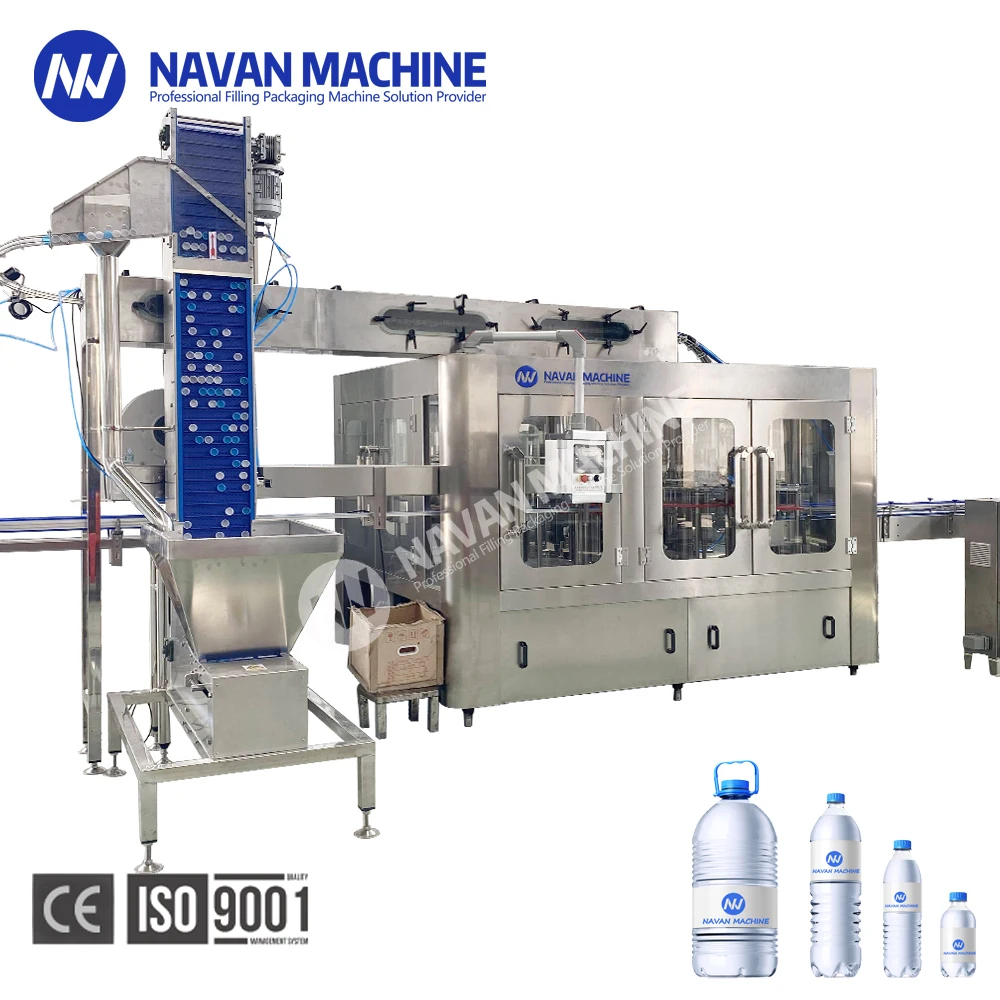
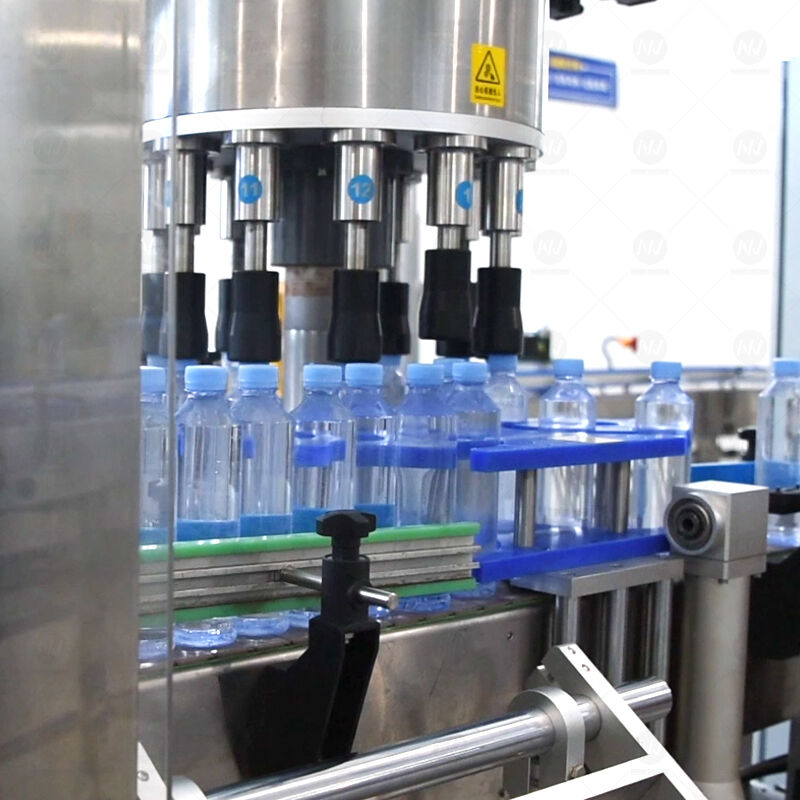
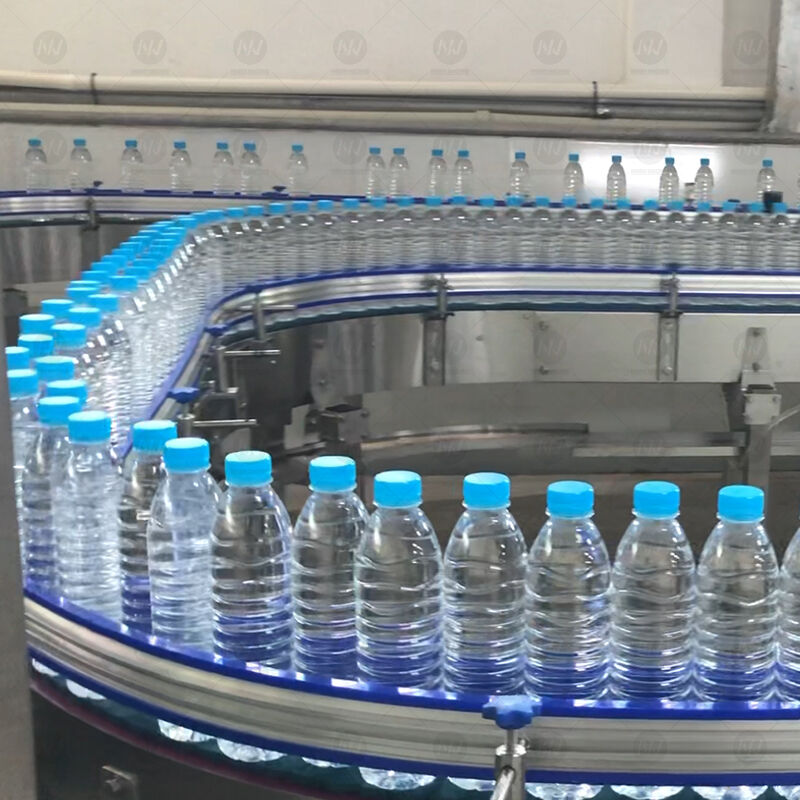
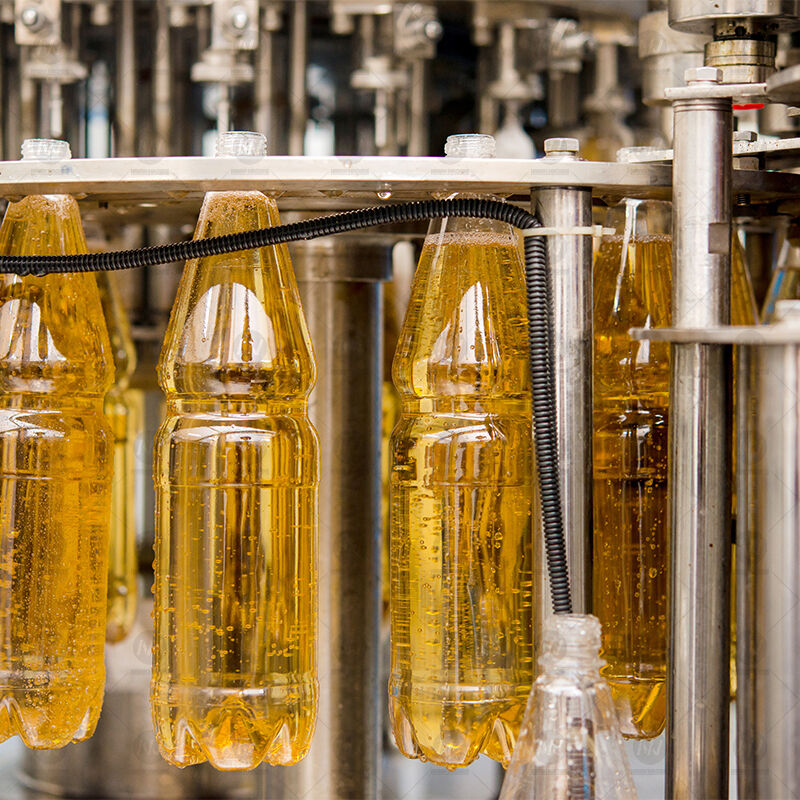
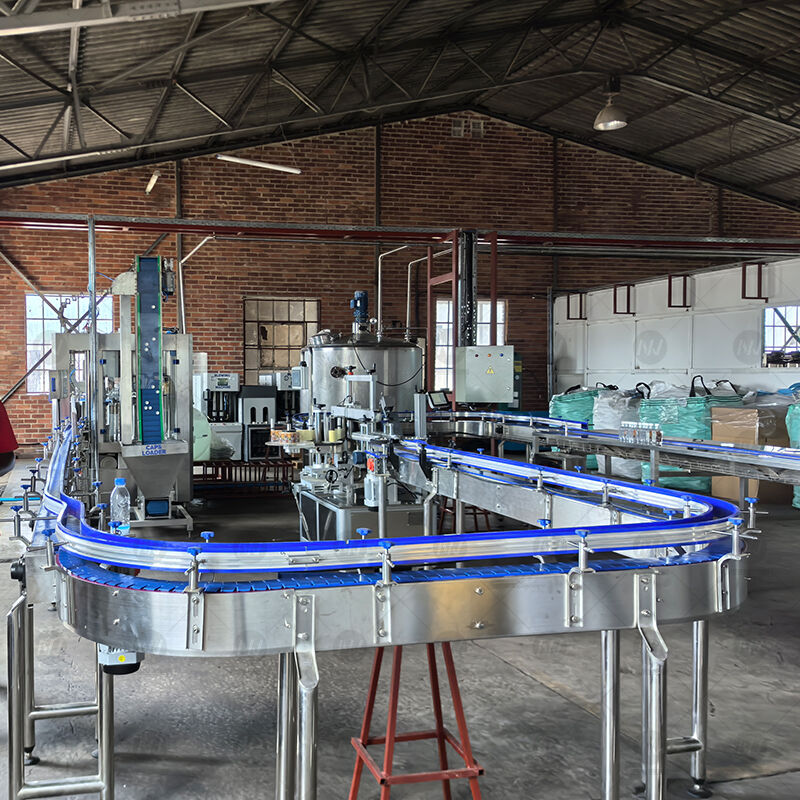
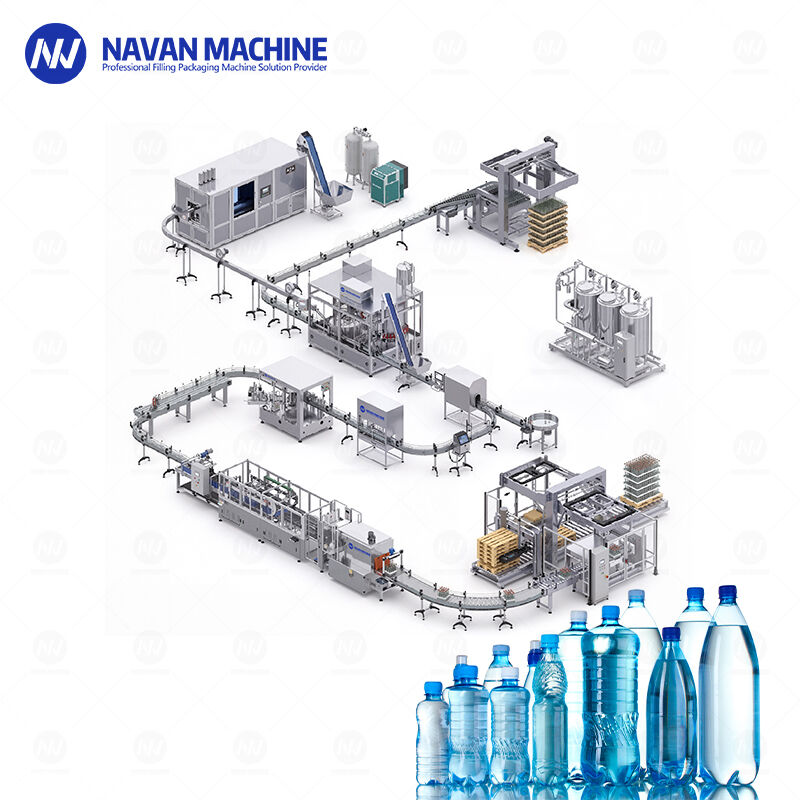
The still water production line represents a sophisticated manufacturing system designed to produce high-quality bottled water through comprehensive purification and packaging processes. This automated production system integrates multiple technological components to transform raw water into commercially viable still water products that meet stringent quality standards and consumer expectations. The still water production line encompasses several critical stages, beginning with water intake and pre-treatment, followed by advanced filtration systems, sterilization processes, and automated bottling operations. Each component works seamlessly together to ensure consistent product quality while maintaining operational efficiency and cost-effectiveness. The primary functions of a still water production line include water source management, where raw water undergoes initial assessment and basic filtration to remove large particles and sediments. Subsequently, the system employs multi-stage filtration technologies, including sand filtration, carbon filtration, and reverse osmosis systems, which effectively eliminate contaminants, chemicals, and microorganisms from the water supply. The technological features of modern still water production lines incorporate advanced monitoring systems that continuously track water quality parameters, ensuring compliance with international safety standards. Automated control systems manage flow rates, pressure levels, and treatment durations, minimizing human intervention while maximizing precision. The packaging segment of the still water production line utilizes high-speed bottling equipment capable of handling various container sizes and materials, from small personal bottles to large commercial containers. Quality control mechanisms integrated throughout the still water production line include real-time testing equipment that monitors pH levels, mineral content, and microbial presence. These systems automatically adjust treatment parameters to maintain consistent product specifications. The applications of still water production lines extend across multiple industries, including commercial bottling companies, hospitality businesses, healthcare facilities, and manufacturing plants requiring high-purity water for operations. The versatility of these systems allows customization based on production capacity requirements, ranging from small-scale operations producing hundreds of bottles per hour to large industrial facilities capable of manufacturing thousands of units daily.

Popular Products

The still water production line delivers numerous practical benefits that significantly impact operational efficiency and profitability for businesses across various sectors. One of the most compelling advantages lies in the substantial cost reduction achieved through automated processes and optimized resource utilization. Companies implementing a still water production line typically experience decreased labor costs due to minimal manual intervention requirements, allowing staff to focus on quality control and maintenance activities rather than repetitive production tasks. The automation inherent in modern still water production lines eliminates human error, resulting in consistent product quality and reduced waste from defective products. This reliability translates directly into improved profit margins and enhanced customer satisfaction rates. Energy efficiency represents another crucial advantage of contemporary still water production lines, as advanced technologies optimize power consumption throughout the manufacturing process. Smart control systems automatically adjust equipment operation based on production demands, preventing unnecessary energy expenditure during low-demand periods. Water recycling capabilities built into many still water production lines further enhance sustainability by reusing treated water for cleaning and maintenance purposes, reducing overall water consumption and operational costs. The scalability feature of still water production lines provides businesses with flexibility to expand operations without requiring complete system overhauls. Modular designs allow companies to add capacity incrementally, accommodating market growth while maintaining investment efficiency. Quality assurance advantages are paramount, as integrated monitoring systems continuously verify product specifications, ensuring compliance with health regulations and industry standards. This proactive approach prevents costly recalls and protects brand reputation. Maintenance efficiency is streamlined through predictive maintenance technologies that monitor equipment performance and alert operators to potential issues before they cause production disruptions. This preventive approach minimizes downtime and extends equipment lifespan, reducing long-term operational costs. The still water production line also offers superior contamination control compared to manual processes, utilizing closed-loop systems that prevent external pollutants from affecting product purity. Automated cleaning cycles maintain sanitary conditions throughout the production process, eliminating cross-contamination risks. Speed and throughput advantages enable businesses to meet high-volume demands efficiently, with modern still water production lines capable of producing thousands of bottles per hour while maintaining consistent quality standards. This rapid production capability allows companies to respond quickly to market fluctuations and seasonal demand variations. Finally, the comprehensive data collection capabilities of modern still water production lines provide valuable insights into production trends, quality metrics, and operational efficiency, enabling data-driven decision-making for continuous improvement initiatives.

Latest News

How Does a Water Filling Line Maintain Hygiene and Product Purity?

31

Oct

How Does a Water Filling Line Maintain Hygiene and Product Purity?

Ensuring Safety and Quality in Beverage Production Systems The modern beverage industry faces an ever-growing challenge to maintain impeccable hygiene standards while meeting increasing production demands. At the heart of this challenge lies the wate...
View More
What Factors Should You Consider When Choosing a Bottle Filling Machine?

31

Oct

What Factors Should You Consider When Choosing a Bottle Filling Machine?

Essential Considerations for Industrial Bottle Filling Equipment Selecting the right bottle filling machine for your production line is a crucial decision that impacts efficiency, product quality, and bottom-line profitability. Whether you're expandi...
View More
What Are the Long-Term Benefits of Investing in Advanced Water Filling Lines?

31

Oct

What Are the Long-Term Benefits of Investing in Advanced Water Filling Lines?

Transforming Beverage Production Through Modern Automation The beverage industry is witnessing a revolutionary transformation as manufacturers increasingly turn to advanced water filling lines to streamline their operations. These sophisticated syste...
View More
What Technologies Ensure Freshness and Shelf Life in Beer Filling Systems?

31

Oct

What Technologies Ensure Freshness and Shelf Life in Beer Filling Systems?

Modern Innovations in Beer Filling Technology The brewing industry has witnessed remarkable technological advancements in beer filling systems, revolutionizing how breweries maintain product freshness and extend shelf life. Today's sophisticated beer...
View More

Get a Free Quote

Our representative will contact you soon.
Email
Name
Company Name
Message
0/1000

still water production line

Advanced Multi-Stage Filtration Technology

Advanced Multi-Stage Filtration Technology

The cornerstone of any exceptional still water production line lies in its sophisticated multi-stage filtration technology, which represents the most critical component for ensuring superior water quality and safety standards. This advanced filtration system employs a carefully orchestrated sequence of purification processes, each targeting specific contaminants and impurities to deliver crystal-clear, pure water that exceeds industry standards and consumer expectations. The initial stage typically involves mechanical filtration using sand filters and sediment removal systems that eliminate larger particles, debris, and suspended solids from the raw water source. This preliminary treatment protects downstream equipment from damage while preparing the water for more refined purification processes. The subsequent activated carbon filtration stage removes chlorine, organic compounds, and chemical residues that affect taste and odor, ensuring the final product maintains neutral characteristics desired in premium still water. The reverse osmosis component represents the technological pinnacle of the still water production line filtration system, utilizing semi-permeable membranes operating under high pressure to remove dissolved salts, bacteria, viruses, and microscopic contaminants down to 0.0001 microns. This process ensures the removal of up to 99.9% of contaminants, including heavy metals, pesticides, and pharmaceutical residues that conventional filtration methods cannot address. Advanced still water production lines often incorporate ultraviolet sterilization systems as a final safeguard, eliminating any remaining microorganisms without introducing chemical additives that could alter water composition. The integration of these multiple filtration stages creates a redundant safety system where each component provides backup protection, ensuring consistent water quality even if one stage experiences reduced efficiency. Modern still water production lines feature automated backwashing systems that maintain filter effectiveness by periodically cleaning filtration media, extending component lifespan and reducing maintenance requirements. Real-time monitoring sensors throughout the filtration process continuously measure water quality parameters, including turbidity, conductivity, and microbial content, providing operators with instant feedback on system performance. This technological sophistication ensures that every bottle produced meets stringent quality standards while minimizing operational complexity and maintenance costs, making the still water production line an ideal investment for businesses prioritizing product excellence and operational reliability.
Intelligent Automation and Control Systems

Intelligent Automation and Control Systems

The intelligent automation and control systems integrated into modern still water production lines revolutionize manufacturing efficiency by providing unprecedented precision, consistency, and operational oversight that traditional manual processes simply cannot match. These sophisticated control systems utilize advanced programmable logic controllers, human-machine interfaces, and real-time data analytics to orchestrate every aspect of the production process with remarkable accuracy and reliability. The central control system monitors and adjusts dozens of parameters simultaneously, including water flow rates, pressure levels, temperature settings, chemical dosing, and timing sequences, ensuring optimal performance across all production stages. This comprehensive automation eliminates human variability and reduces the potential for operational errors that could compromise product quality or system efficiency. The still water production line automation extends beyond basic process control to encompass predictive maintenance capabilities that monitor equipment health through vibration analysis, temperature monitoring, and performance trending. These intelligent systems can identify potential equipment failures before they occur, scheduling maintenance activities during planned downtime to minimize production interruptions and reduce emergency repair costs. Advanced recipe management features allow operators to store and recall specific production parameters for different water types or bottle configurations, enabling rapid changeovers between product variants without manual recalibration. The user-friendly touchscreen interfaces provide intuitive operation for staff members while maintaining sophisticated underlying control algorithms that optimize energy consumption, minimize waste, and maximize throughput. Remote monitoring capabilities enable management to oversee still water production line performance from any location, receiving real-time alerts about system status, production metrics, and quality parameters through mobile applications or web-based dashboards. This connectivity facilitates rapid response to any issues while providing valuable data for performance analysis and continuous improvement initiatives. The automation system includes comprehensive data logging that records all operational parameters, creating detailed production records required for quality certifications and regulatory compliance. Security features protect against unauthorized system modifications while maintaining operator access to essential functions. The scalable architecture of these control systems allows for easy expansion as production requirements grow, accommodating additional equipment or enhanced functionality without requiring complete system replacement. Energy optimization algorithms automatically adjust equipment operation based on production demands and utility rates, reducing operational costs while maintaining production targets. The integration of artificial intelligence and machine learning capabilities enables the still water production line to continuously improve performance by learning from historical data and adapting control strategies to changing conditions, representing the future of intelligent manufacturing in the water treatment industry.
Comprehensive Quality Assurance and Monitoring

Comprehensive Quality Assurance and Monitoring

The comprehensive quality assurance and monitoring capabilities of advanced still water production lines establish an unprecedented level of product safety and consistency that protects both consumer health and brand reputation through continuous verification of water purity and system performance. This sophisticated quality control framework encompasses multiple layers of testing, monitoring, and verification processes that operate continuously throughout the production cycle, ensuring every bottle meets or exceeds stringent quality standards before reaching consumers. The integrated quality assurance system begins with real-time water quality analyzers that continuously monitor critical parameters including pH levels, conductivity, turbidity, dissolved oxygen, and total dissolved solids at multiple points throughout the still water production line. These advanced instruments provide instant feedback on water quality trends, enabling immediate corrective action if any parameter deviates from established specifications. Microbiological monitoring systems utilize automated sampling and analysis equipment to detect bacteria, yeast, mold, and other microorganisms that could compromise product safety, with results available within hours rather than days required by traditional laboratory testing methods. The still water production line incorporates sophisticated leak detection systems that monitor bottle integrity during and after filling, rejecting any containers that fail to meet seal specifications or show signs of contamination. Advanced vision inspection systems examine each bottle for clarity, proper fill levels, cap placement, and label positioning, automatically removing non-conforming products from the production stream. Temperature monitoring throughout the production process ensures optimal conditions for sterilization and prevents bacterial growth during storage and transport phases. Chemical analysis equipment continuously verifies the absence of harmful substances including heavy metals, pesticides, pharmaceutical residues, and industrial chemicals that could pose health risks to consumers. The comprehensive data management system maintains detailed records of all quality tests, creating complete traceability from raw water source through final packaging, enabling rapid identification and isolation of any quality issues. Automated alert systems notify operators immediately when any monitored parameter exceeds acceptable limits, facilitating rapid response to prevent production of non-conforming products. Regular calibration protocols ensure measurement accuracy across all monitoring equipment, maintaining confidence in quality data and regulatory compliance. The still water production line quality system includes environmental monitoring that tracks air quality, surface cleanliness, and personnel hygiene in production areas, preventing contamination from external sources. Statistical process control algorithms analyze quality trends over time, identifying potential issues before they affect product quality and enabling proactive maintenance or adjustment of production parameters. This comprehensive approach to quality assurance provides customers with confidence in product safety while protecting manufacturers from liability risks and regulatory violations, making the still water production line an essential investment for companies committed to delivering superior products.

Get a Free Quote

Our representative will contact you soon.
Email
Name
Company Name
Message
0/1000

Get a Free Quote

Our representative will contact you soon.
Email
Name
Company Name
Message
0/1000
TopTop