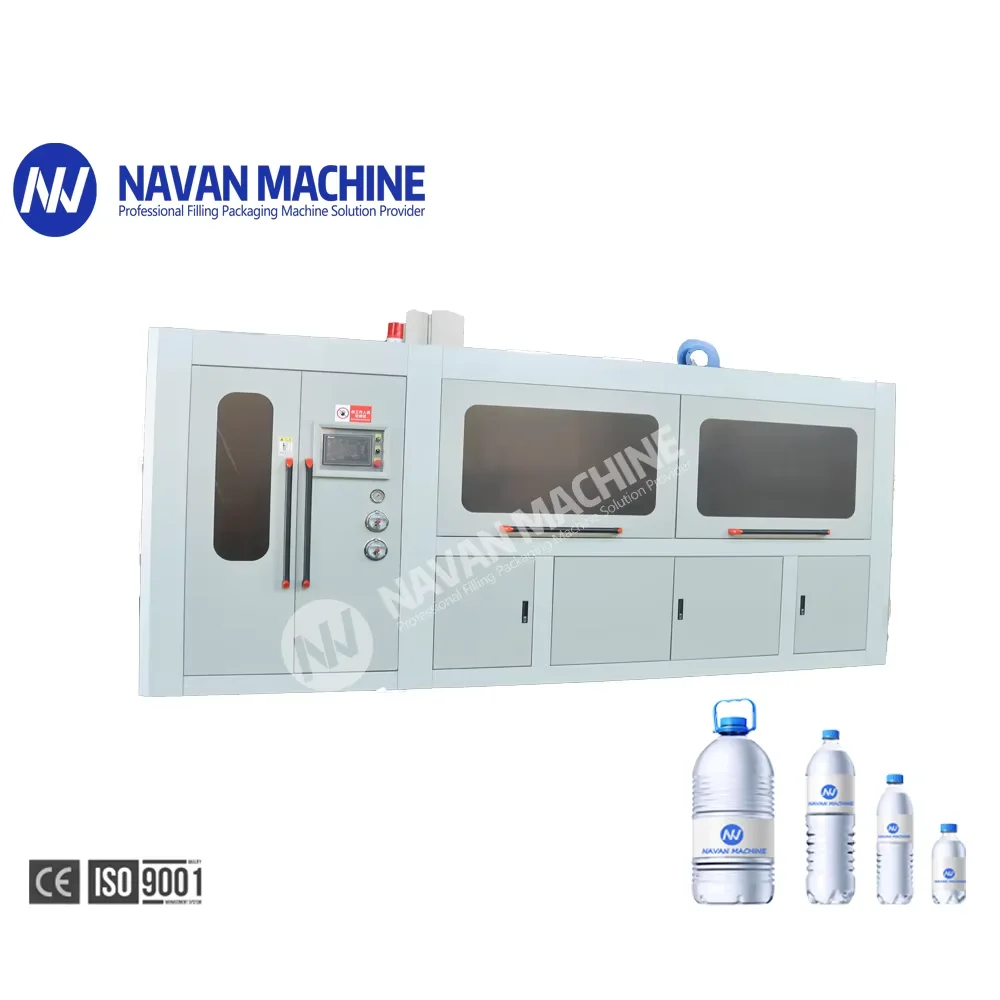
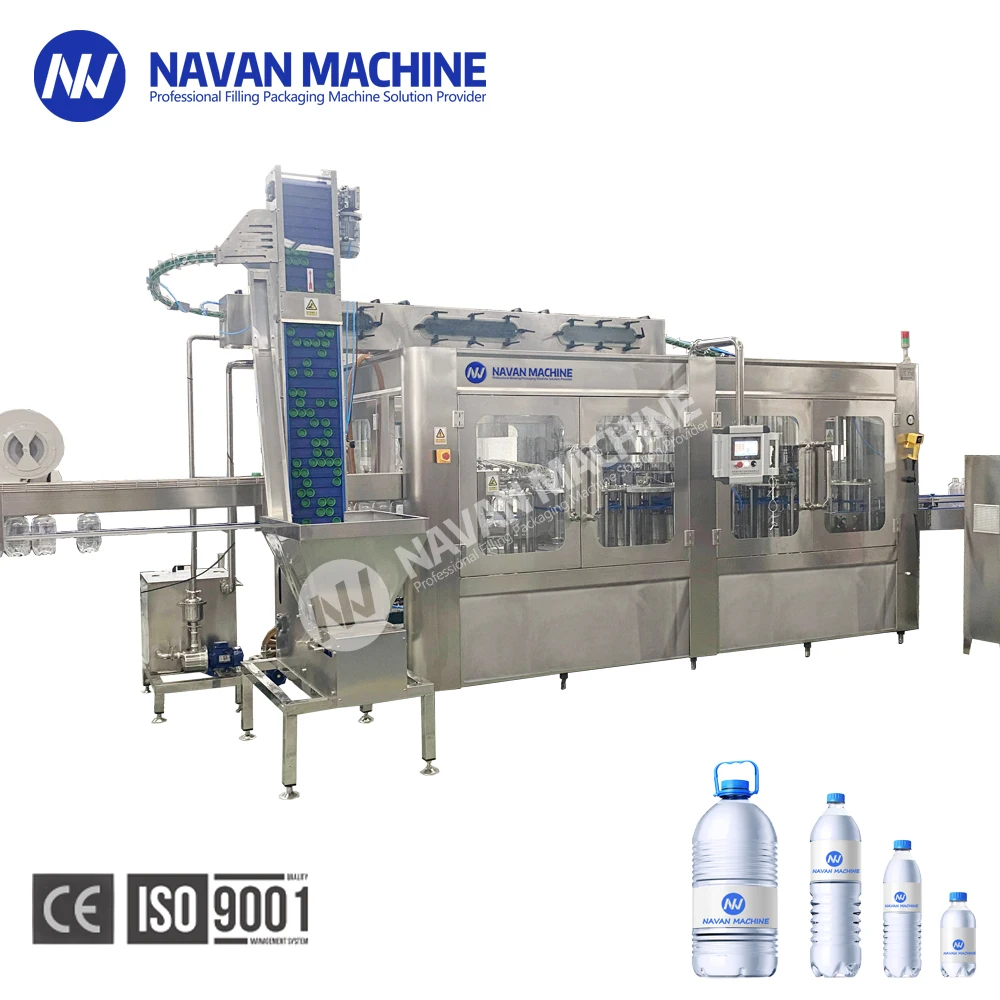
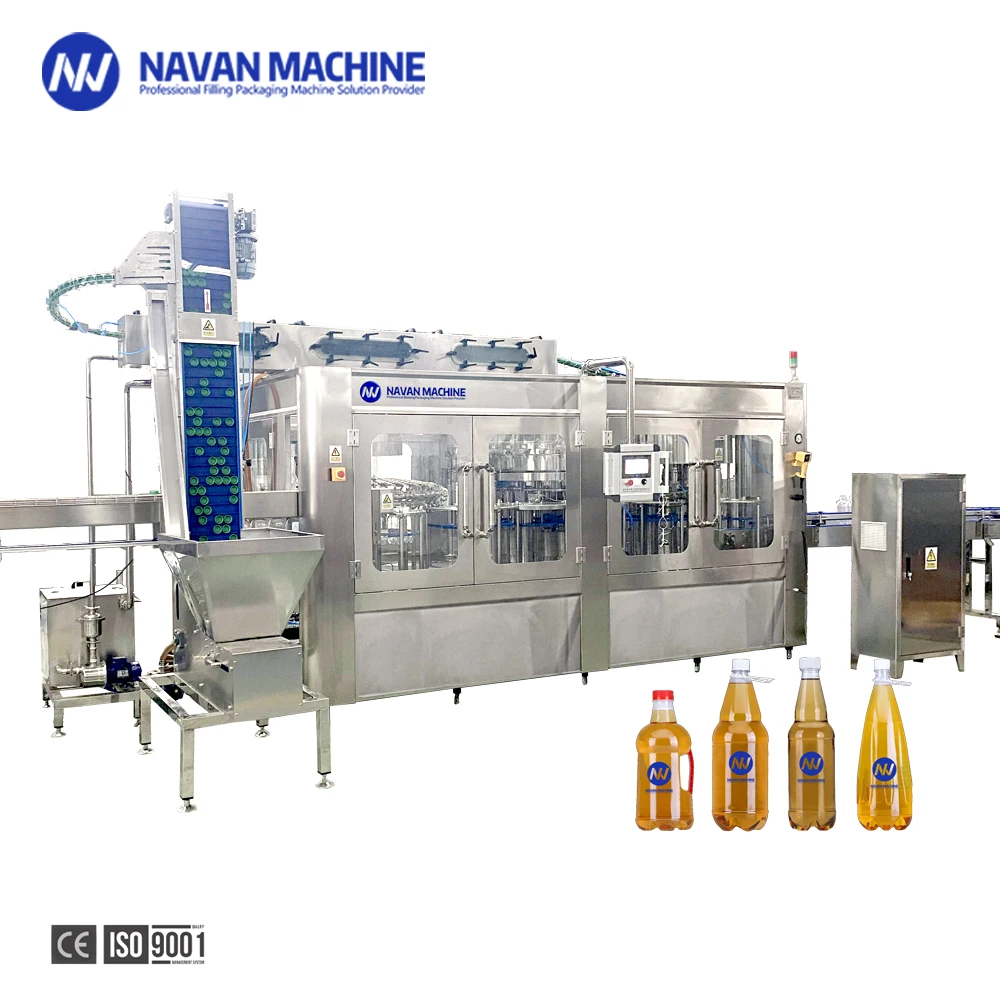
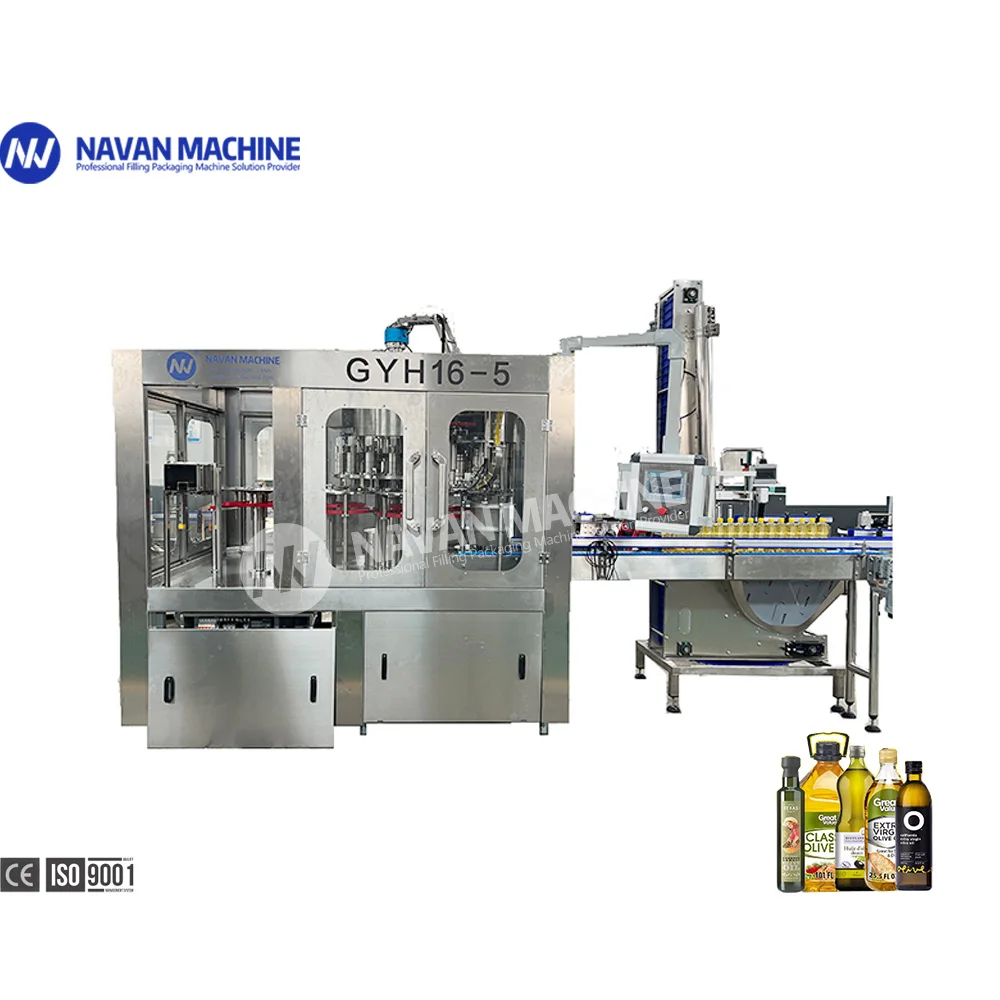
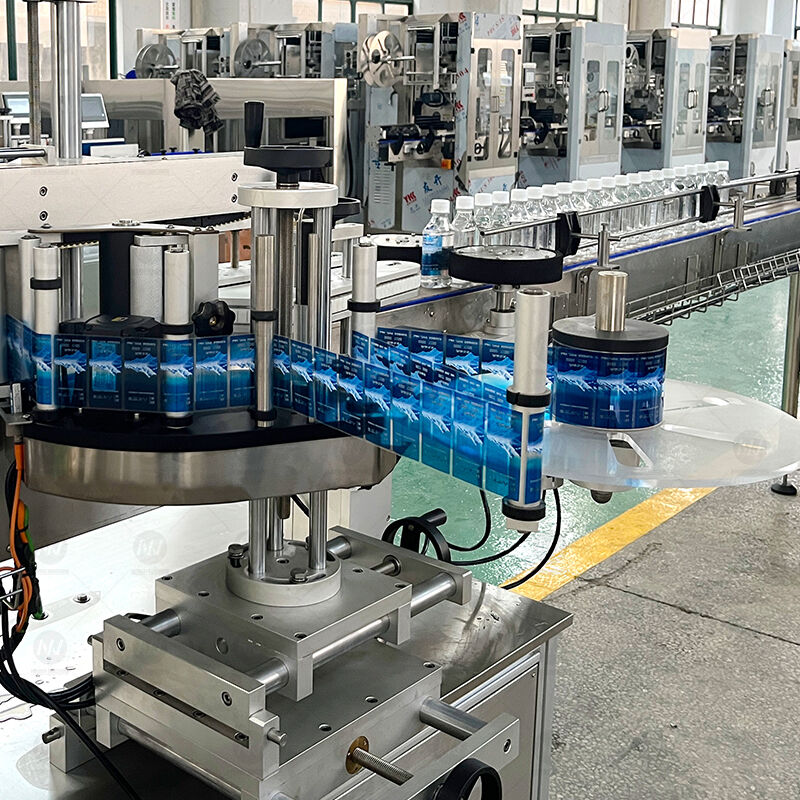
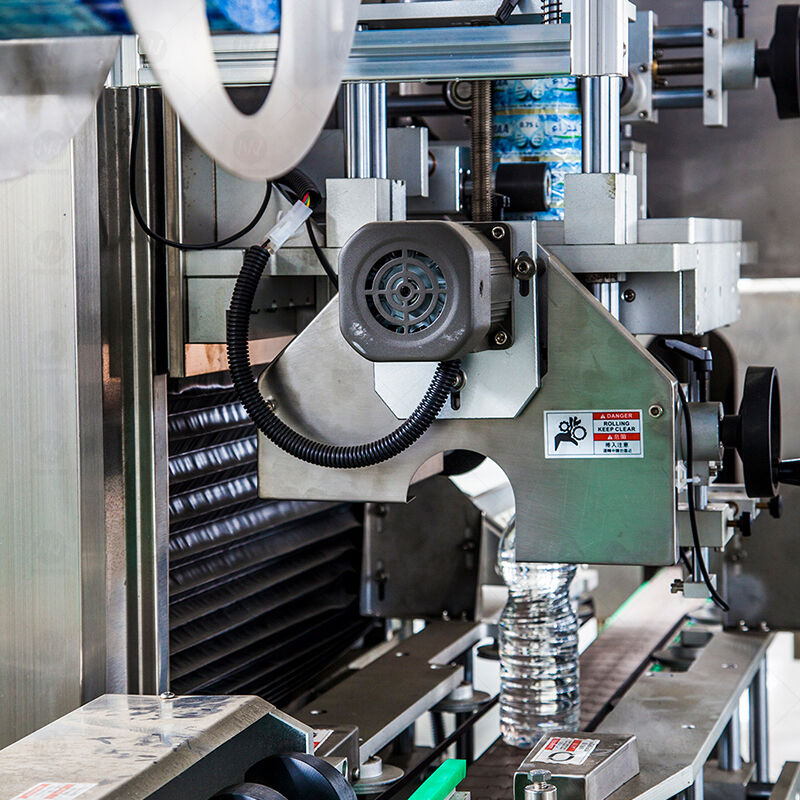
double side labeller
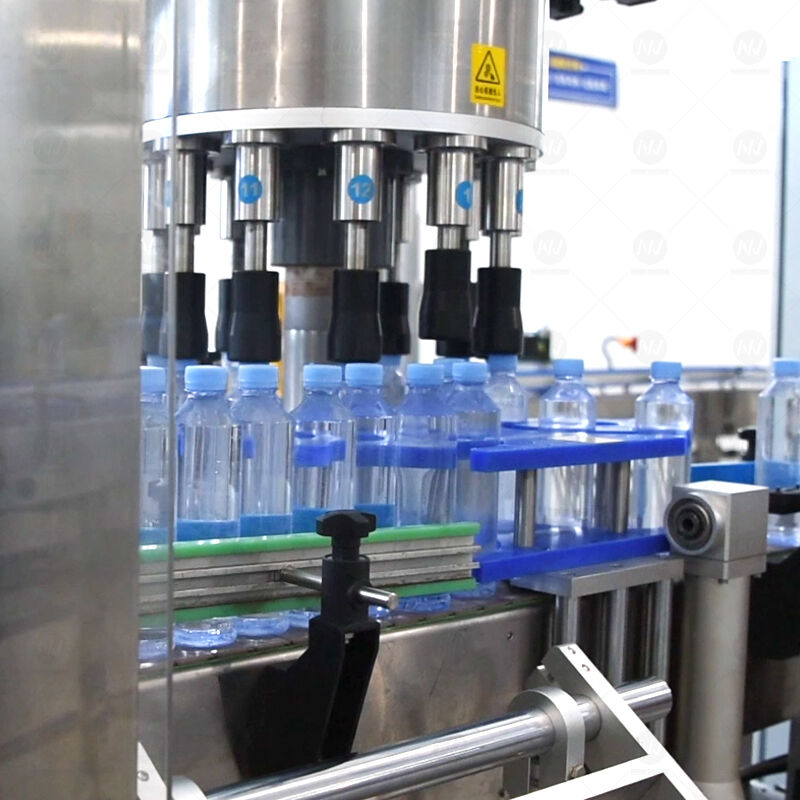
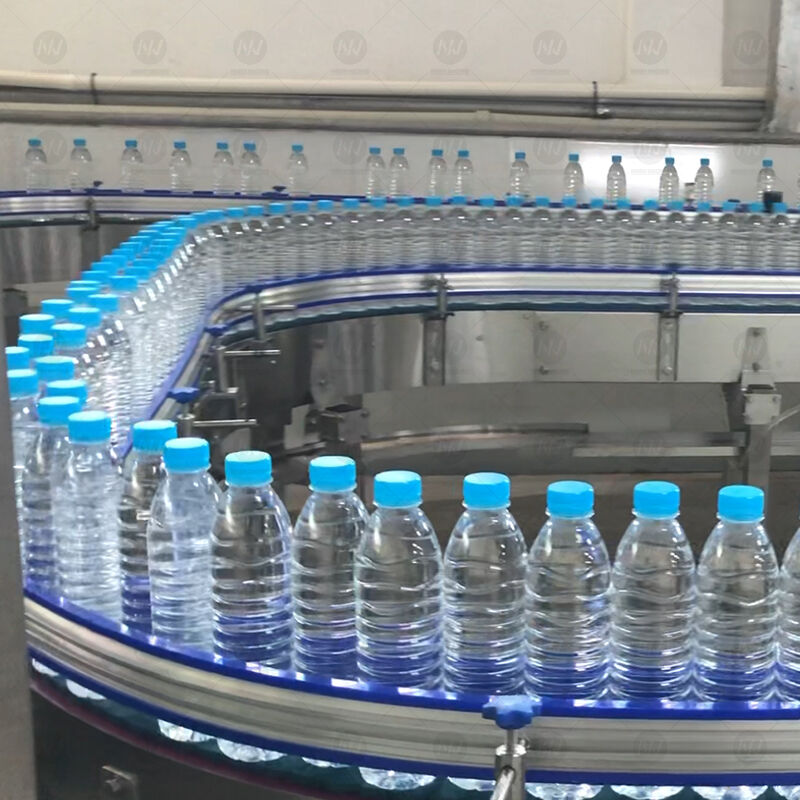
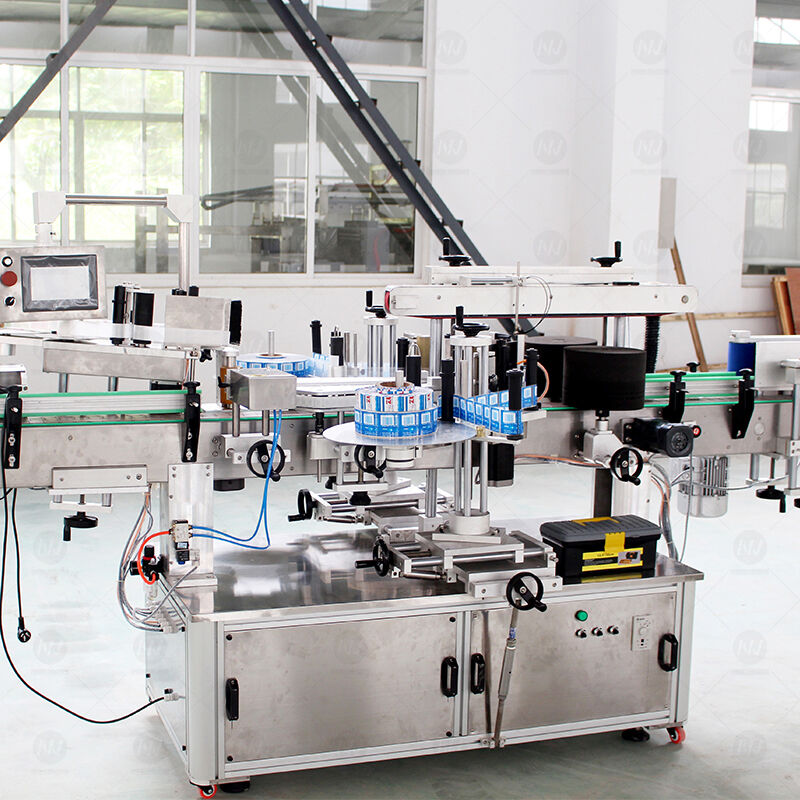
A double side labeller represents a sophisticated packaging automation solution designed to apply labels simultaneously to both sides of products, containers, or packages. This advanced labeling system combines precision engineering with intelligent control mechanisms to deliver consistent, high-quality labeling results across diverse manufacturing environments. The double side labeller operates through a synchronized dual-head configuration that positions labels accurately on opposite surfaces of items as they move through the production line. Modern double side labeller systems incorporate servo-driven motors, advanced sensors, and programmable logic controllers to ensure optimal performance and reliability. The machine features adjustable conveyor systems that accommodate various product sizes and shapes, from cylindrical bottles to rectangular boxes and irregular containers. Key technological components include precision label dispensing mechanisms, automatic label detection systems, and real-time quality monitoring capabilities. The double side labeller integrates seamlessly with existing production lines, offering flexible connectivity options and customizable settings to match specific operational requirements. These systems support multiple label types, including pressure-sensitive adhesive labels, wrap-around labels, and specialized materials for challenging environments. The control interface provides intuitive operation with touchscreen displays, recipe storage for different products, and diagnostic tools for maintenance optimization. Safety features encompass emergency stop functions, protective barriers, and compliance with international manufacturing standards. The double side labeller delivers exceptional throughput rates while maintaining labeling accuracy within tight tolerances. Applications span numerous industries including food and beverage, pharmaceuticals, cosmetics, chemicals, and consumer goods manufacturing. The system's modular design allows for future upgrades and modifications to accommodate evolving production needs. Enhanced productivity results from reduced manual labor requirements and minimized production bottlenecks. Quality assurance benefits include consistent label placement, reduced waste from misapplied labels, and comprehensive traceability capabilities that support regulatory compliance and brand protection initiatives throughout the supply chain.
 EN
EN