Small Bottle Labeler: Precision Automated Labeling Solutions for High-Speed Production

Requesting a Call:

+8615601563990

Online Support

[email protected]

WhatsApp

+86-15601563990

small bottle labeler

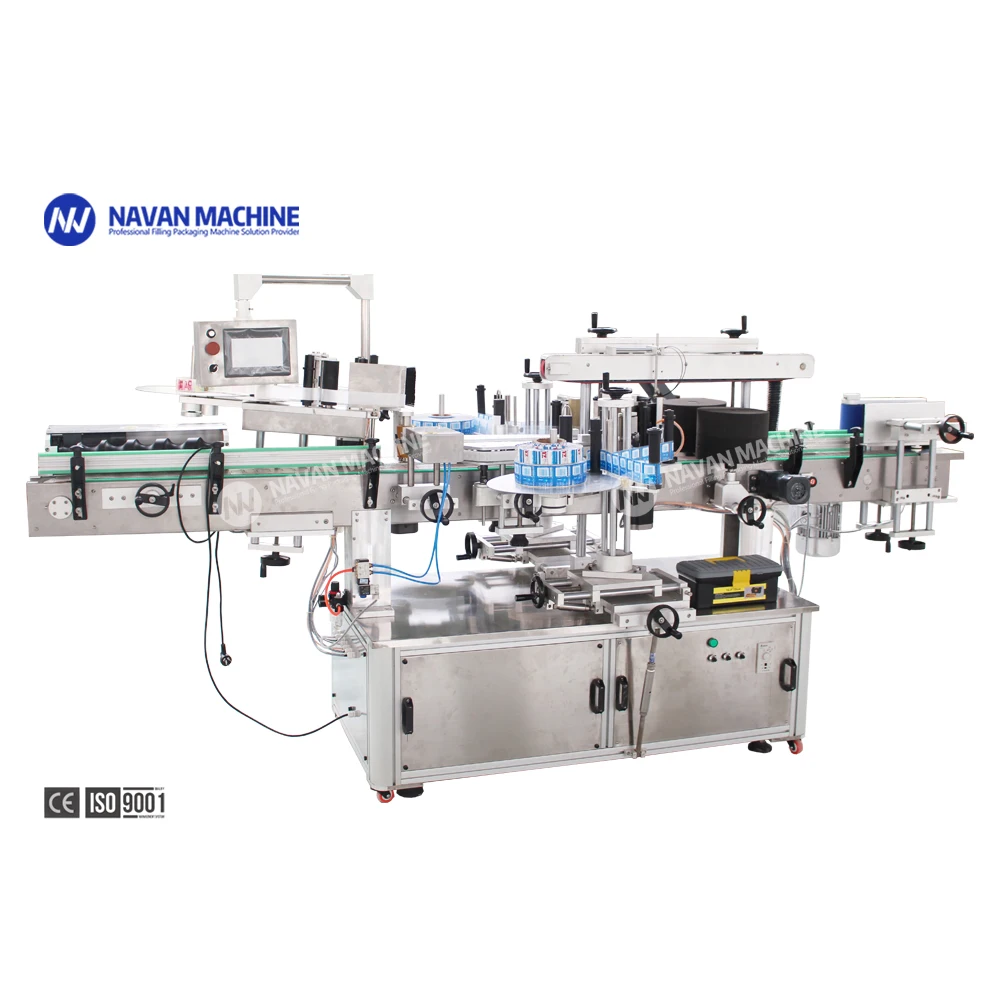
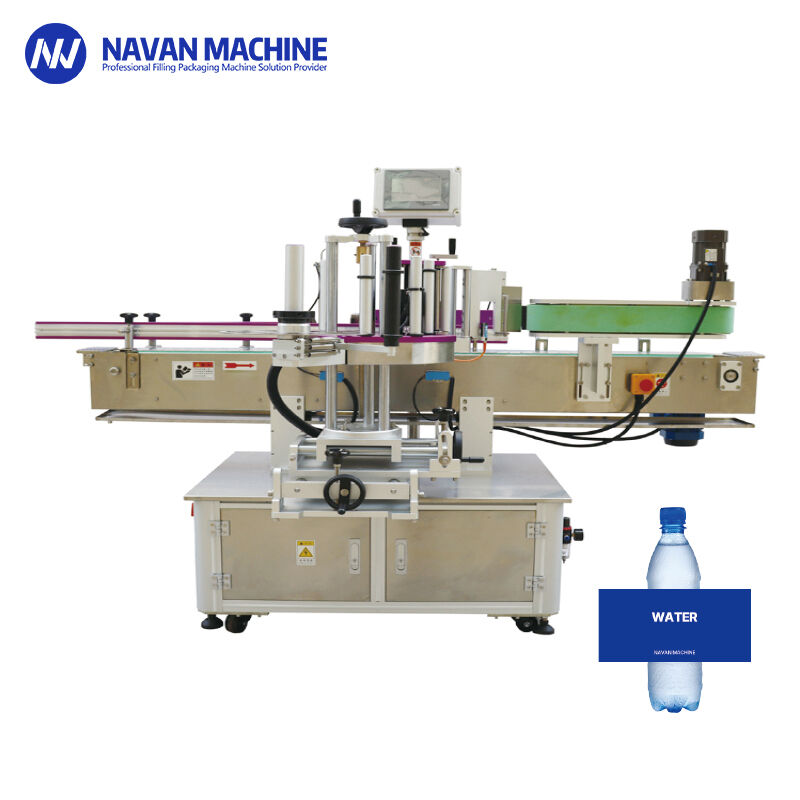
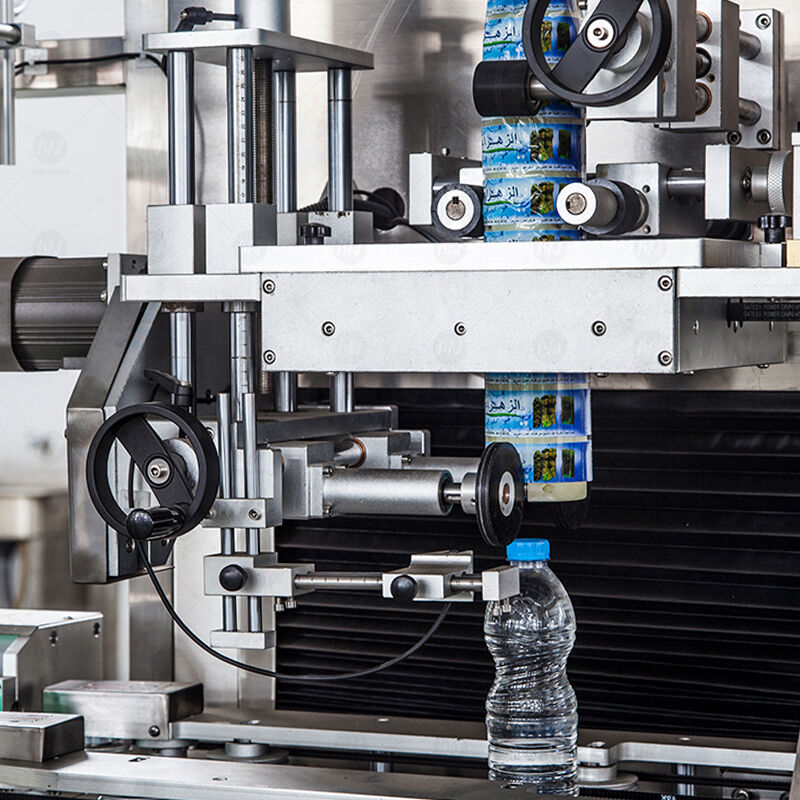
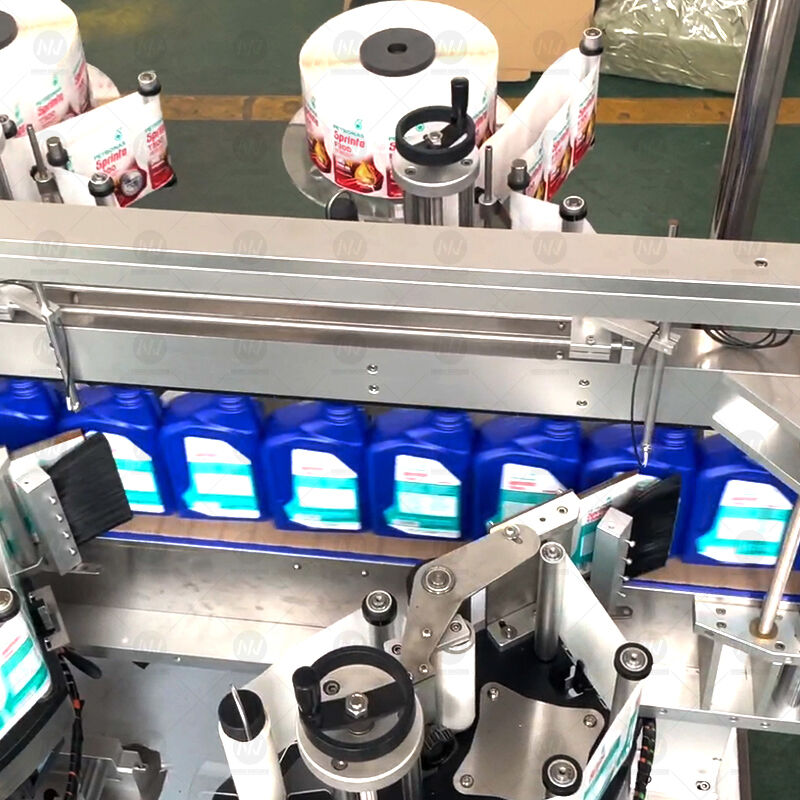
A small bottle labeler represents an essential piece of equipment designed specifically for applying labels to compact containers, vials, and bottles across various industries. This specialized machinery streamlines the labeling process by automatically positioning and securing adhesive labels onto cylindrical surfaces with remarkable precision. The small bottle labeler incorporates advanced sensor technology that detects bottle presence, ensuring consistent label placement regardless of production volume fluctuations. Modern systems feature adjustable conveyor speeds, allowing operators to match labeling rates with overall production line requirements. The equipment typically handles bottles ranging from 10ml to 500ml capacity, making it ideal for pharmaceutical companies, cosmetic manufacturers, food processors, and chemical product suppliers. Core technological features include servo-driven applicators that maintain consistent pressure distribution during label attachment, preventing wrinkles or air bubbles. Digital control panels provide intuitive operation interfaces where operators can easily adjust parameters such as label dispensing speed, bottle spacing intervals, and application pressure settings. Many small bottle labeler units incorporate automatic label detection systems that halt operations when label supplies run low, preventing unlabeled products from proceeding through production lines. The machinery supports various label materials including paper, plastic film, and specialty substrates designed for specific environmental conditions. Integration capabilities allow seamless connection with existing conveyor systems, filling machines, and quality control stations. Advanced models feature memory storage for multiple product configurations, enabling rapid changeovers between different bottle sizes and label specifications. Quality assurance sensors verify proper label adhesion and positioning, automatically rejecting improperly labeled containers. The compact footprint of most small bottle labeler systems makes them suitable for facilities with limited floor space while maintaining high throughput capabilities essential for commercial production environments.

New Products

The small bottle labeler delivers significant operational benefits that directly impact productivity and profitability for businesses handling container packaging operations. Speed enhancement stands as the primary advantage, with most systems capable of processing between 100 to 300 bottles per minute, dramatically reducing manual labor requirements while increasing overall throughput. This automation eliminates human error associated with hand-applied labels, ensuring consistent placement accuracy that maintains brand presentation standards across all products. Cost reduction becomes apparent through decreased labor expenses, as a single operator can manage multiple small bottle labeler units simultaneously, replacing teams of manual workers previously required for equivalent output volumes. The precision engineering of these systems minimizes label waste by accurately dispensing single labels per container, eliminating the overuse commonly seen in manual operations where workers may accidentally dispense multiple labels or misalign applications requiring removal and reapplication. Consistency in label positioning creates professional product appearances that enhance consumer confidence and brand recognition in competitive markets. The small bottle labeler adapts quickly to different container sizes through adjustable guides and changeover components, allowing manufacturers to process diverse product lines without purchasing separate equipment for each bottle specification. Integration flexibility enables these systems to connect seamlessly with existing production infrastructure, creating efficient workflows that optimize overall manufacturing processes. Quality control improvements result from built-in verification systems that detect missing labels, crooked applications, or damaged containers, preventing defective products from reaching distribution channels. Maintenance requirements remain minimal due to robust construction using industrial-grade components designed for continuous operation in demanding production environments. Energy efficiency characteristics help reduce operational costs while supporting sustainability initiatives through lower power consumption compared to larger industrial systems. The compact design maximizes floor space utilization, particularly valuable in facilities where square footage costs significantly impact operational budgets. Return on investment typically occurs within twelve to eighteen months through combined labor savings, increased production capacity, and reduced material waste, making the small bottle labeler an economically sound investment for growing businesses seeking to scale operations efficiently.

Practical Tips

How Does a Water Filling Line Maintain Hygiene and Product Purity?

31

Oct

How Does a Water Filling Line Maintain Hygiene and Product Purity?

Ensuring Safety and Quality in Beverage Production Systems The modern beverage industry faces an ever-growing challenge to maintain impeccable hygiene standards while meeting increasing production demands. At the heart of this challenge lies the wate...
View More
What Factors Should You Consider When Choosing a Bottle Filling Machine?

31

Oct

What Factors Should You Consider When Choosing a Bottle Filling Machine?

Essential Considerations for Industrial Bottle Filling Equipment Selecting the right bottle filling machine for your production line is a crucial decision that impacts efficiency, product quality, and bottom-line profitability. Whether you're expandi...
View More
What Are the Long-Term Benefits of Investing in Advanced Water Filling Lines?

31

Oct

What Are the Long-Term Benefits of Investing in Advanced Water Filling Lines?

Transforming Beverage Production Through Modern Automation The beverage industry is witnessing a revolutionary transformation as manufacturers increasingly turn to advanced water filling lines to streamline their operations. These sophisticated syste...
View More
How Does a Jam Filling Machine Handle Thick and Sticky Products Efficiently?

31

Oct

How Does a Jam Filling Machine Handle Thick and Sticky Products Efficiently?

Understanding Modern Industrial Jam Processing Equipment The food processing industry has witnessed remarkable technological advancements, particularly in the realm of handling viscous products. At the heart of efficient jam production lies the sophi...
View More

Get a Free Quote

Our representative will contact you soon.
Email
Name
Company Name
Message
0/1000

small bottle labeler

Precision Label Application Technology

Precision Label Application Technology

The precision label application technology integrated into modern small bottle labeler systems represents a revolutionary advancement in packaging automation that ensures flawless results across diverse production scenarios. This sophisticated mechanism employs servo-controlled dispensing units that coordinate label release timing with bottle positioning sensors, creating perfect synchronization between container movement and label application processes. The technology utilizes high-resolution optical sensors that detect bottle presence and automatically adjust application parameters based on container dimensions, eliminating the need for manual calibration when switching between different product specifications. Advanced pressure regulation systems maintain consistent contact force during label attachment, preventing common issues such as air bubble formation, edge lifting, or incomplete adhesion that can compromise product presentation quality. The small bottle labeler incorporates real-time feedback loops that monitor application success and automatically compensate for variations in bottle surface conditions, label material characteristics, or environmental factors such as temperature and humidity fluctuations. Digital positioning controls ensure labels align precisely with predetermined reference points on each container, maintaining consistent brand presentation standards that enhance consumer perception and market competitiveness. The technology supports various label orientations including front-only, wrap-around, and multi-panel applications, providing versatility for different marketing requirements and regulatory compliance needs. Quality verification sensors immediately detect application errors such as missing labels, crooked placement, or damaged adhesive materials, triggering automatic rejection mechanisms that prevent defective products from continuing through production lines. This precision technology significantly reduces material waste by eliminating the need for manual corrections or product rework, directly impacting operational profitability through improved efficiency metrics. The system maintains application accuracy even at maximum operating speeds, ensuring that increased production volumes do not compromise labeling quality standards essential for maintaining brand reputation and customer satisfaction levels.
User-Friendly Operation Interface

User-Friendly Operation Interface

The user-friendly operation interface of contemporary small bottle labeler systems transforms complex packaging automation into intuitive processes that operators can master quickly without extensive technical training backgrounds. The interface features large touchscreen displays with graphical representations of all critical system parameters, allowing operators to visualize machine status, production metrics, and configuration settings at a single glance. Menu navigation follows logical hierarchies that guide users through setup procedures, maintenance schedules, and troubleshooting protocols using clear language and visual indicators rather than cryptic codes or technical terminology. Recipe storage capabilities enable operators to save complete configuration profiles for different products, allowing instant changeovers between bottle sizes, label specifications, and production parameters with simple menu selections. The small bottle labeler interface provides real-time production monitoring that displays current throughput rates, efficiency percentages, and quality metrics, enabling supervisors to track performance against established targets and identify optimization opportunities. Diagnostic functions automatically detect potential issues and provide step-by-step guidance for resolution procedures, minimizing downtime and reducing dependence on specialized maintenance technicians. Password-protected access levels ensure that critical system parameters remain secure while allowing appropriate personnel to make necessary adjustments within their authorization scope. Historical data logging captures production statistics, error frequencies, and maintenance activities, providing valuable insights for process improvement initiatives and predictive maintenance scheduling. The interface supports multiple language options, making the small bottle labeler accessible to diverse workforce populations and international operations. Remote monitoring capabilities allow authorized personnel to assess system status and receive alerts through network connections, enabling proactive management of production schedules and maintenance requirements. Training modes provide safe environments where new operators can practice system operation without affecting actual production or risking equipment damage, accelerating skill development and building operator confidence.
Flexible Integration Capabilities

Flexible Integration Capabilities

The flexible integration capabilities of modern small bottle labeler systems enable seamless incorporation into existing production environments while providing scalability for future expansion requirements. These systems feature standardized communication protocols that interface directly with programmable logic controllers, manufacturing execution systems, and enterprise resource planning software, creating unified production management ecosystems that optimize overall operational efficiency. Mechanical integration components include adjustable conveyor heights, variable speed controls, and modular connection systems that adapt to different line configurations without requiring extensive facility modifications or costly infrastructure investments. The small bottle labeler supports both upstream and downstream equipment synchronization, coordinating with filling machines, capping systems, case packers, and quality inspection stations to maintain consistent product flow throughout packaging operations. Electrical integration utilizes industry-standard connection protocols that simplify installation procedures and reduce commissioning time while ensuring reliable communication between interconnected systems. Software integration capabilities allow the small bottle labeler to receive production schedules, quality parameters, and changeover instructions directly from central control systems, minimizing manual intervention requirements and reducing opportunities for human error. The modular design philosophy enables customers to add optional components such as vision inspection systems, reject handling mechanisms, or additional labeling stations without disrupting existing operations or requiring complete system replacement. Network connectivity features support remote diagnostics, performance monitoring, and software updates, enabling manufacturers to maintain optimal system performance while benefiting from continuous technology improvements. The integration architecture accommodates future technology adoption through expandable input/output capabilities and software platforms designed for backward compatibility with legacy equipment investments. Standardized mechanical interfaces ensure compatibility with conveyor systems from various manufacturers, providing procurement flexibility and reducing vendor dependency risks that can impact long-term operational strategies. The small bottle labeler integration capabilities extend to quality management systems, automatically documenting labeling activities, tracking material consumption, and generating compliance reports required for regulated industries such as pharmaceuticals and food production.

Get a Free Quote

Our representative will contact you soon.
Email
Name
Company Name
Message
0/1000

Get a Free Quote

Our representative will contact you soon.
Email
Name
Company Name
Message
0/1000
TopTop