Versatile Multi-Format Compatibility
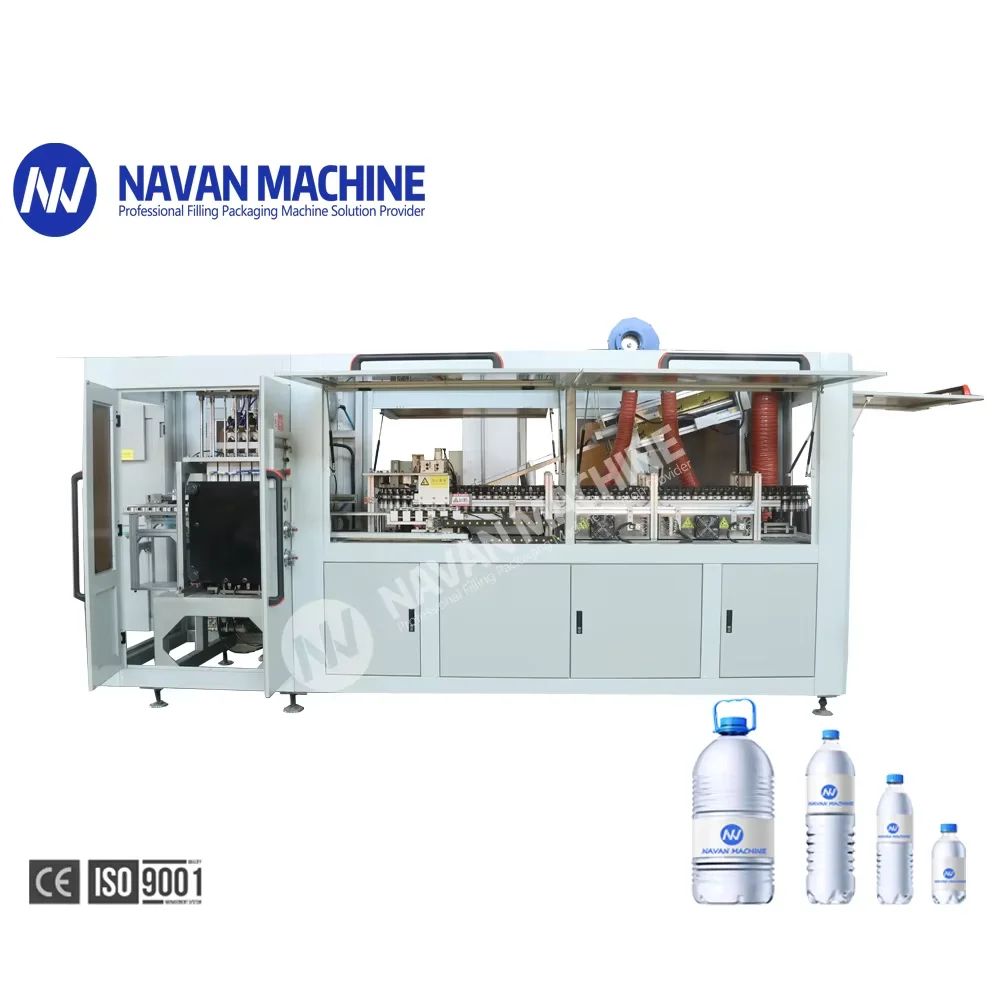
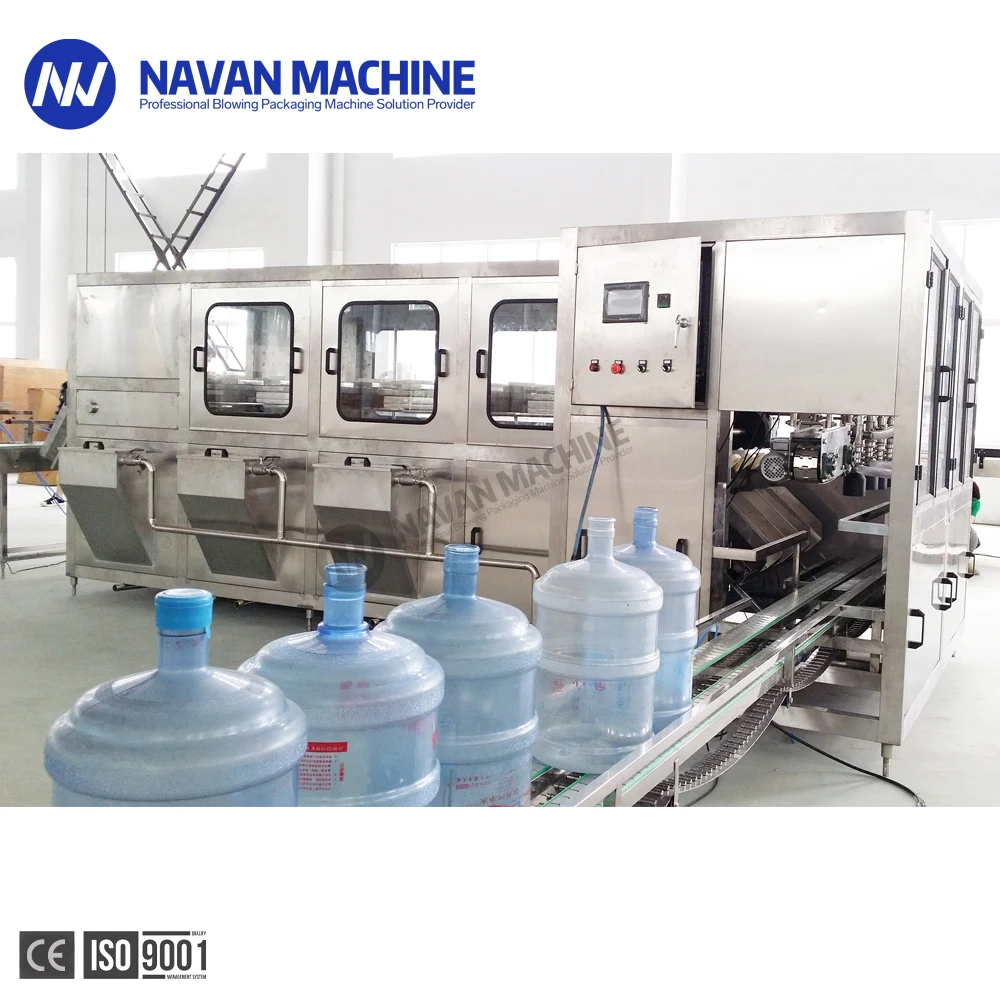
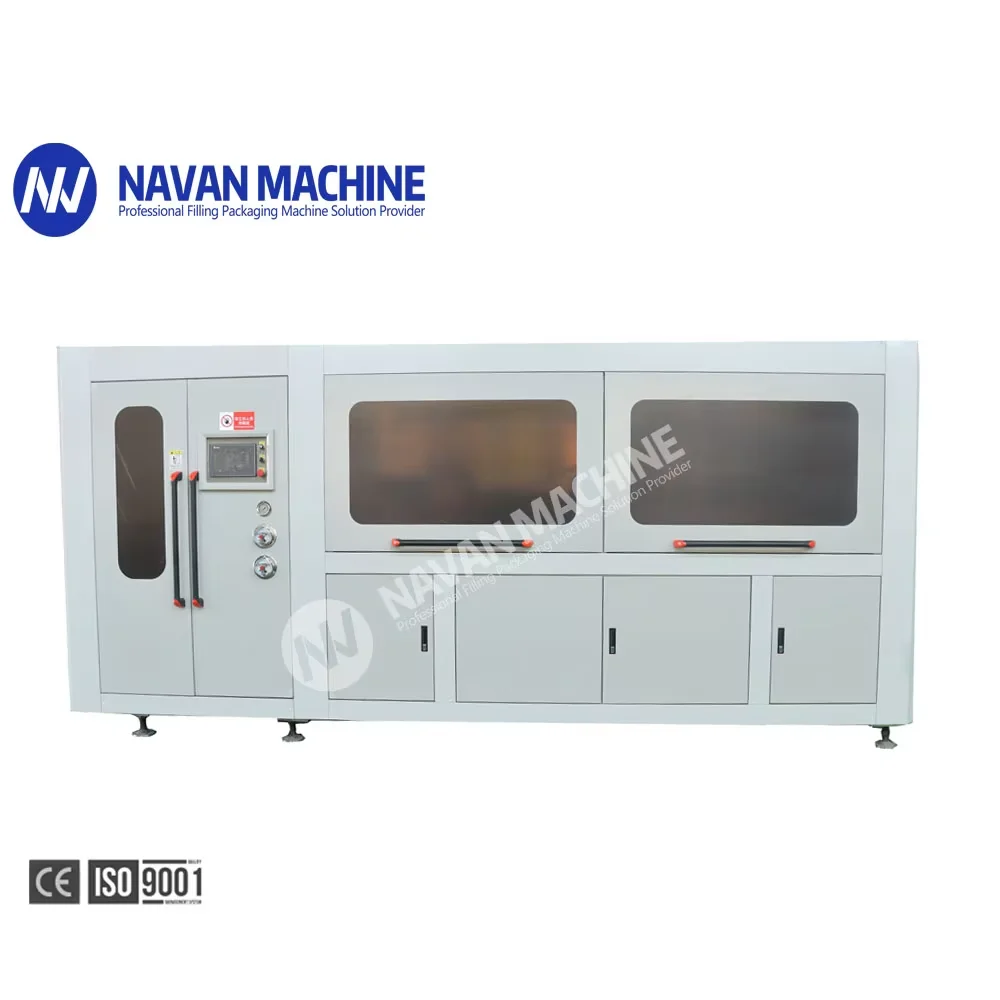
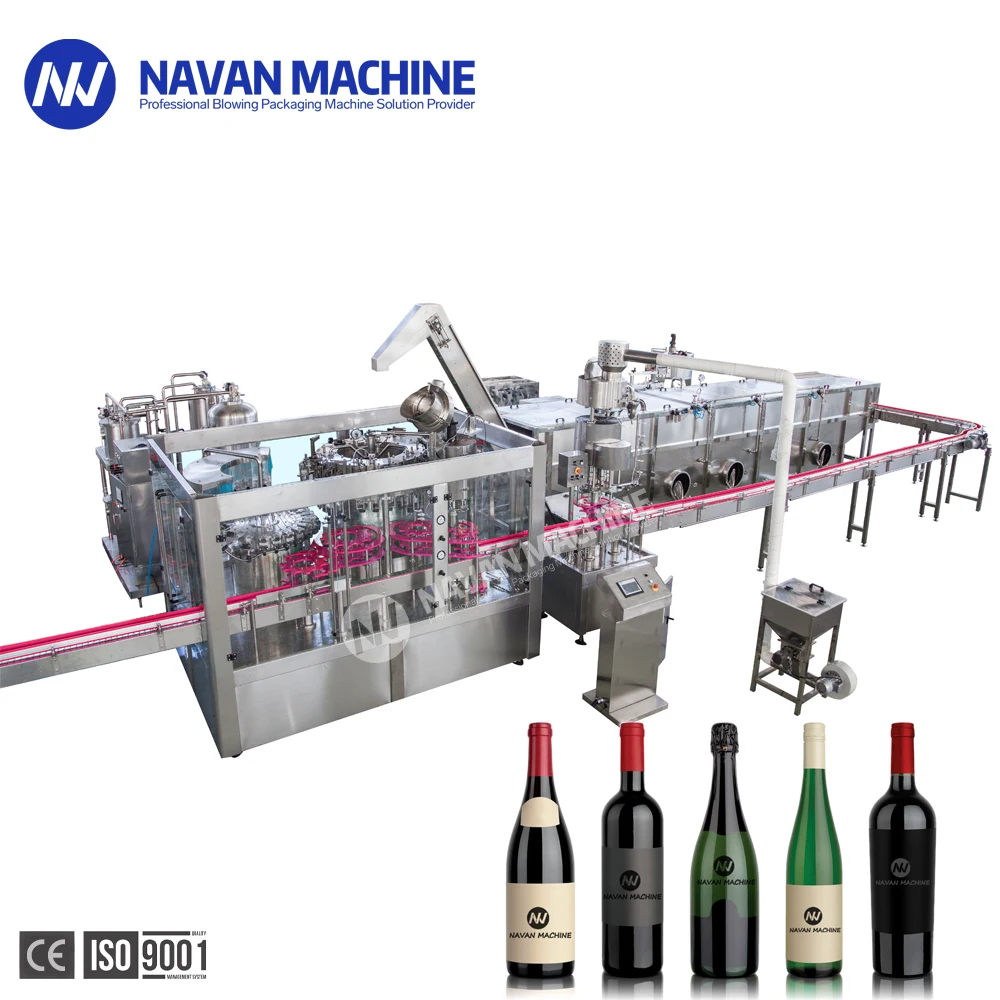
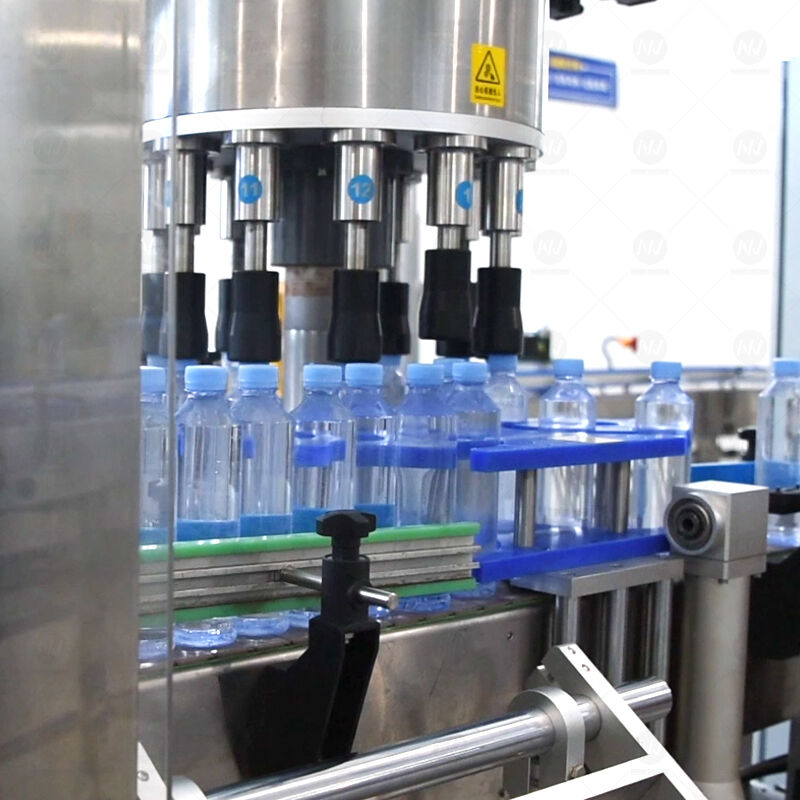
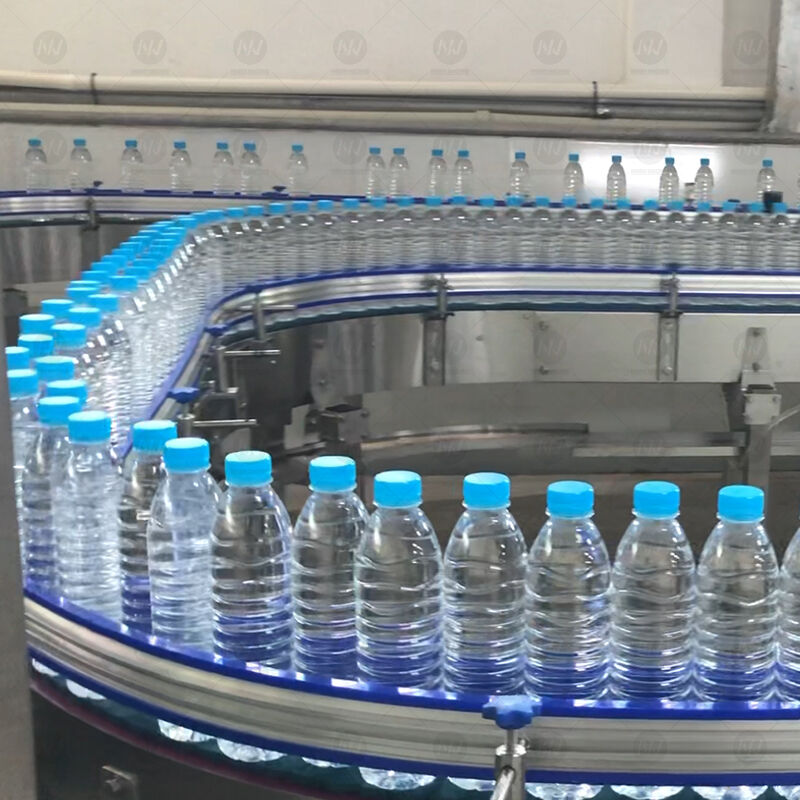
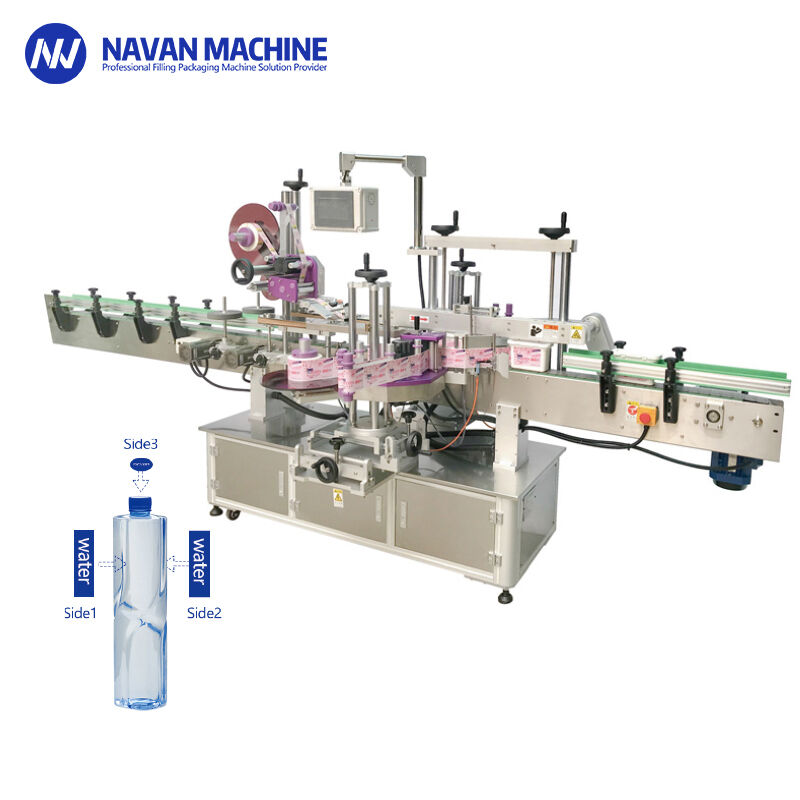
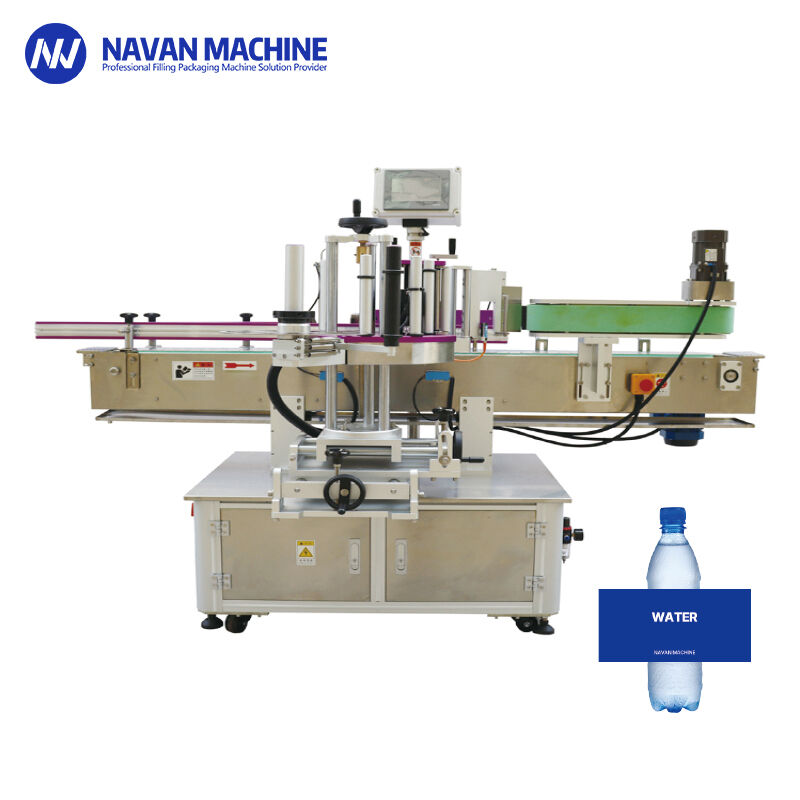
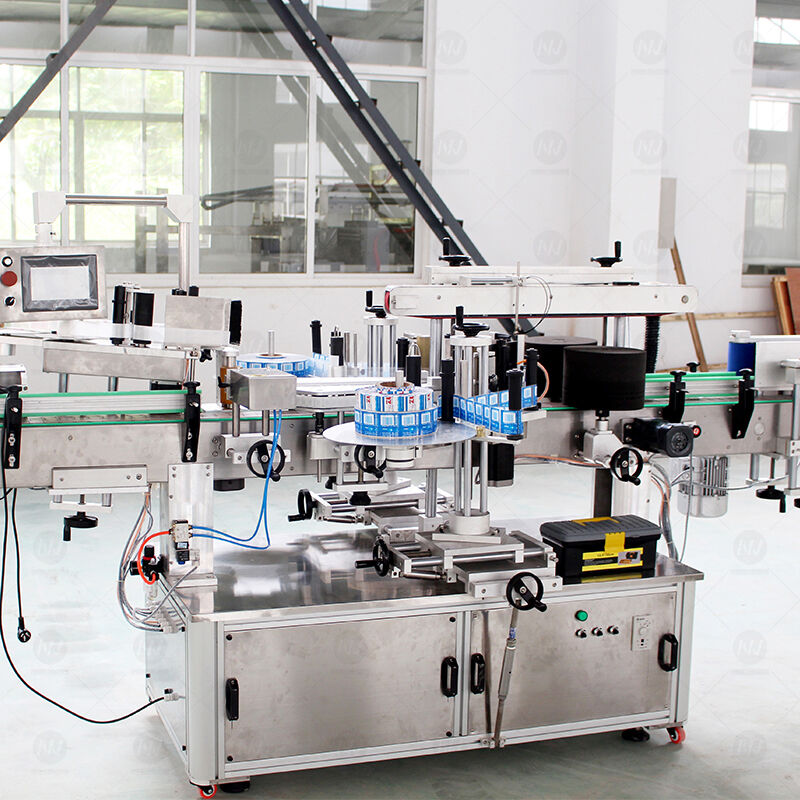
The versatile multi-format compatibility of water bottle labeling machines provides manufacturers with unparalleled flexibility to handle diverse product lines without requiring separate equipment investments or extensive reconfiguration procedures. This adaptability stems from innovative mechanical design features that accommodate bottles ranging from small 8-ounce containers to large 5-gallon jugs, with diameter variations from 40mm to 150mm and height ranges spanning 100mm to 400mm. Quick-change components including adjustable guide rails, bottle grippers, and label applicator heads can be modified within minutes to transition between different bottle formats, minimizing production downtime during product changeovers. The machine frame construction incorporates modular elements that expand or contract to accommodate various bottle dimensions while maintaining stable support throughout the labeling process. Label roll handling systems accept different label widths, lengths, and materials, from transparent films to metallic foils, paper stocks, and synthetic substrates commonly used in water bottle applications. Adhesive compatibility extends across pressure-sensitive, hot-melt, and cold-glue systems, enabling manufacturers to select optimal labeling solutions based on environmental requirements, cost considerations, and aesthetic preferences. The multi-format capability includes support for wrap-around labels, front-and-back labeling configurations, and specialty applications such as tamper-evident seals or promotional stickers. Bottle orientation systems automatically adjust to handle round, square, oval, and custom-shaped containers without compromising labeling accuracy or production speed. Memory storage functions retain specific settings for each product format, enabling operators to recall proven configurations instantly when switching between production runs. This versatility eliminates the need for multiple dedicated labeling machines, reducing capital expenditure, floor space requirements, and maintenance complexity while providing comprehensive coverage for existing and future product development initiatives. Training requirements are minimized as operators become proficient with a single versatile system rather than multiple specialized machines, improving operational efficiency and reducing staffing complexity across manufacturing facilities.
 EN
EN