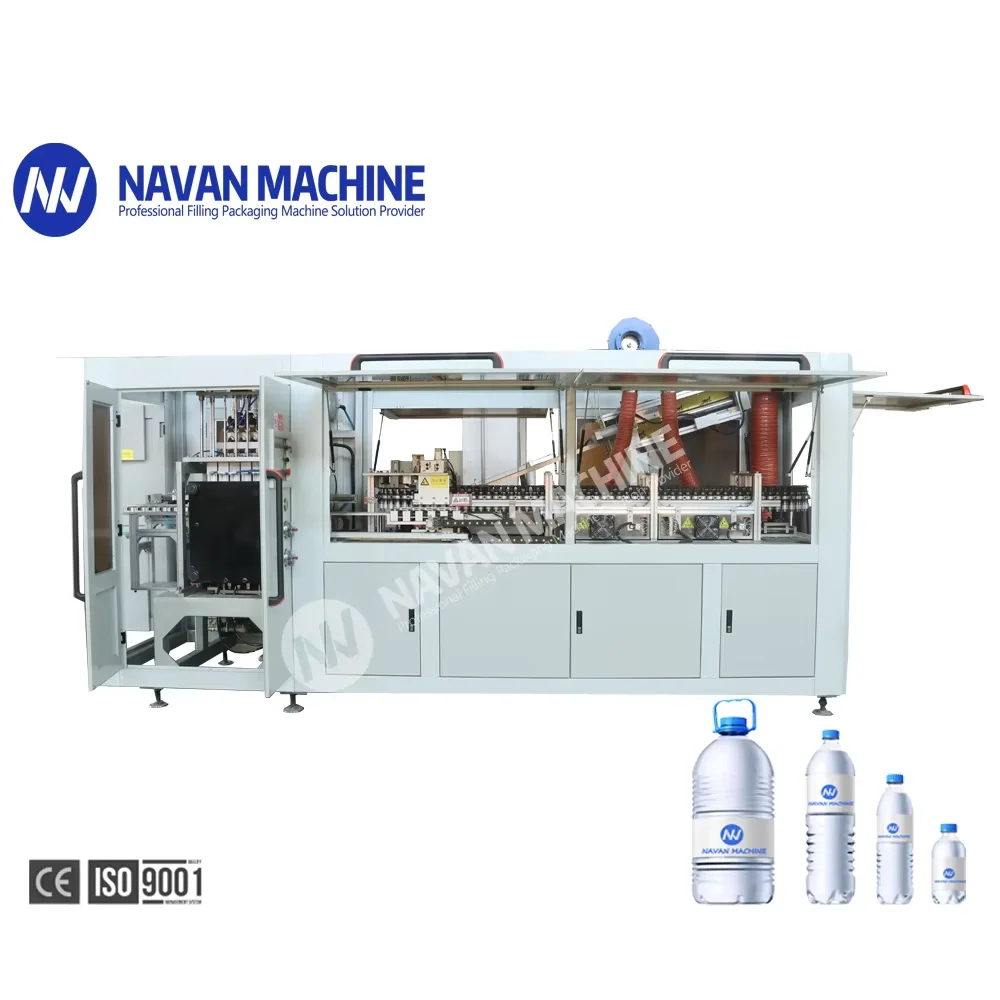
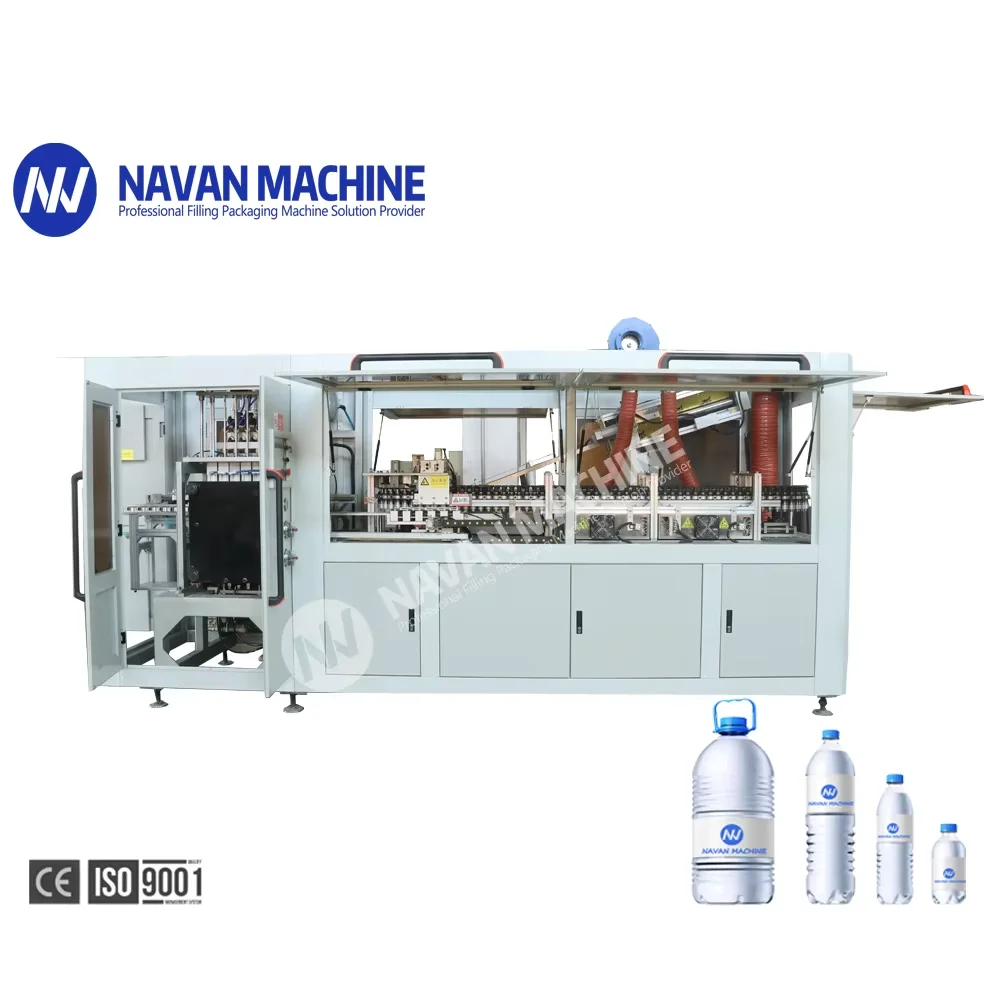
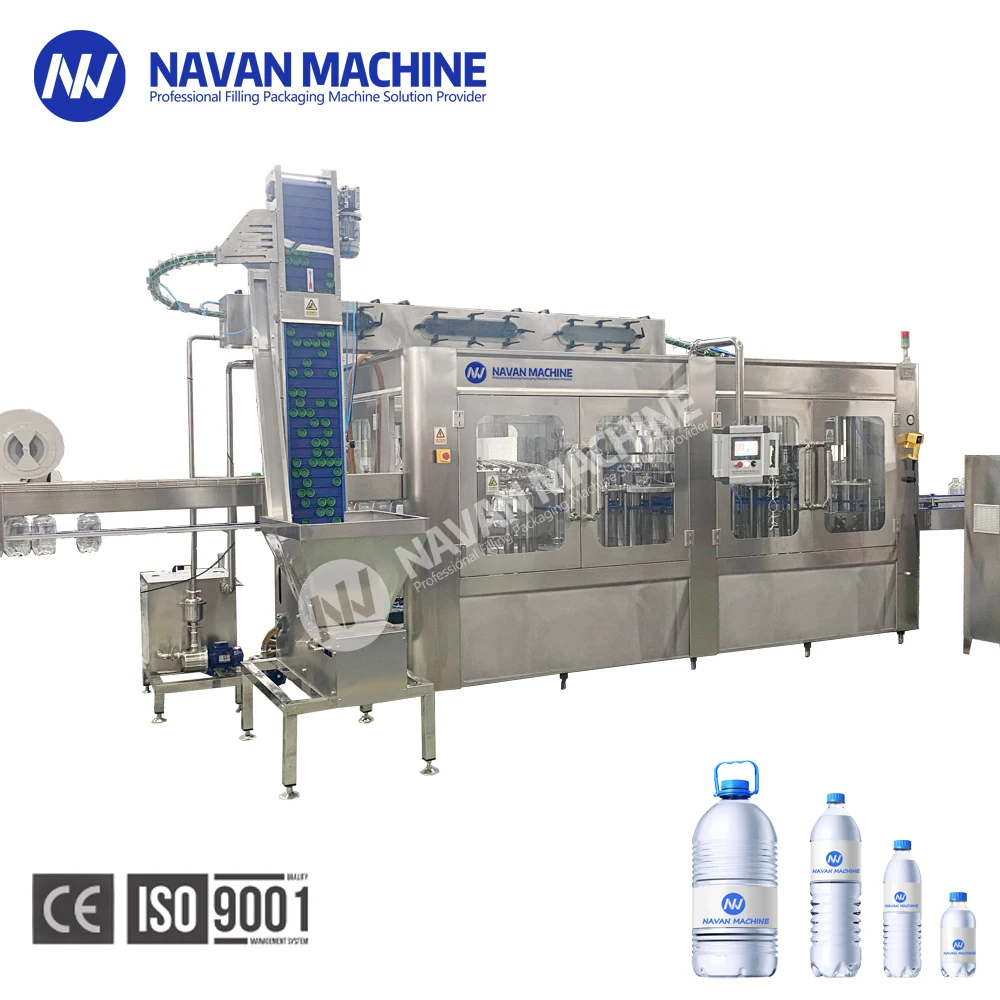
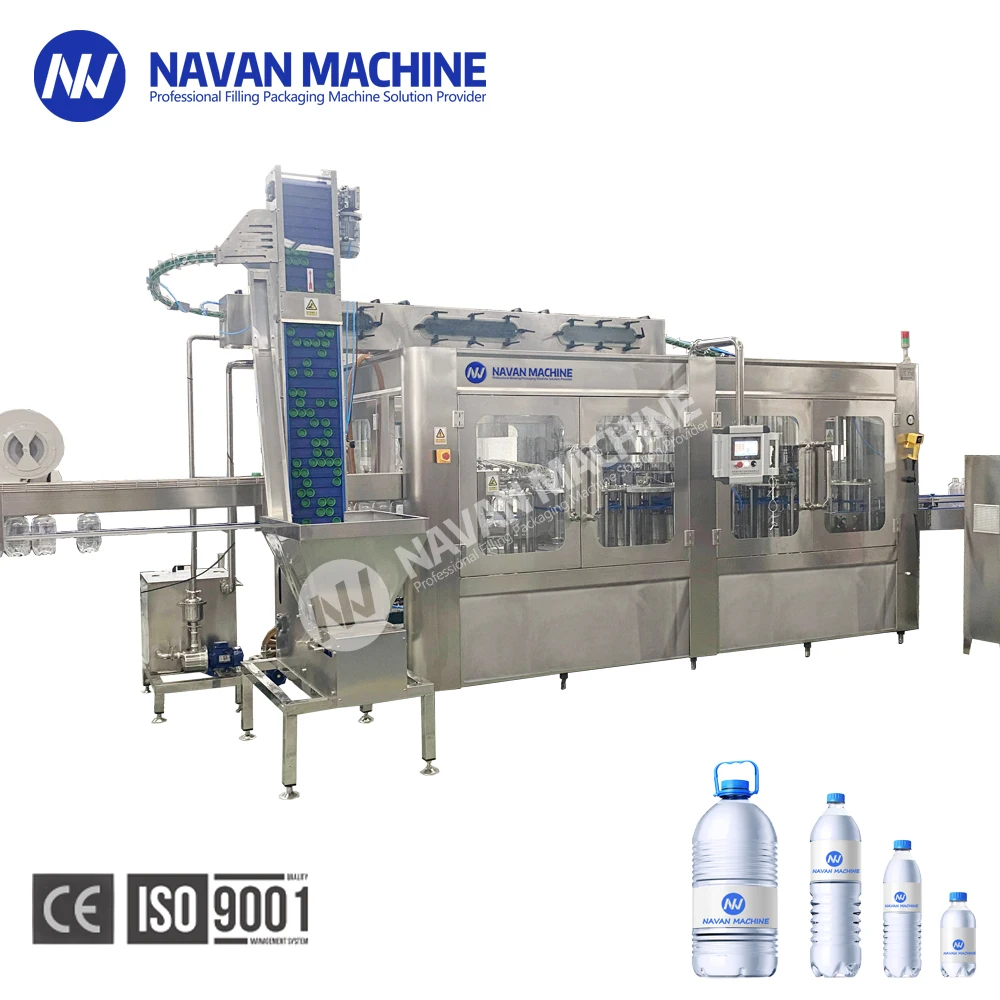
glass bottle filling machine
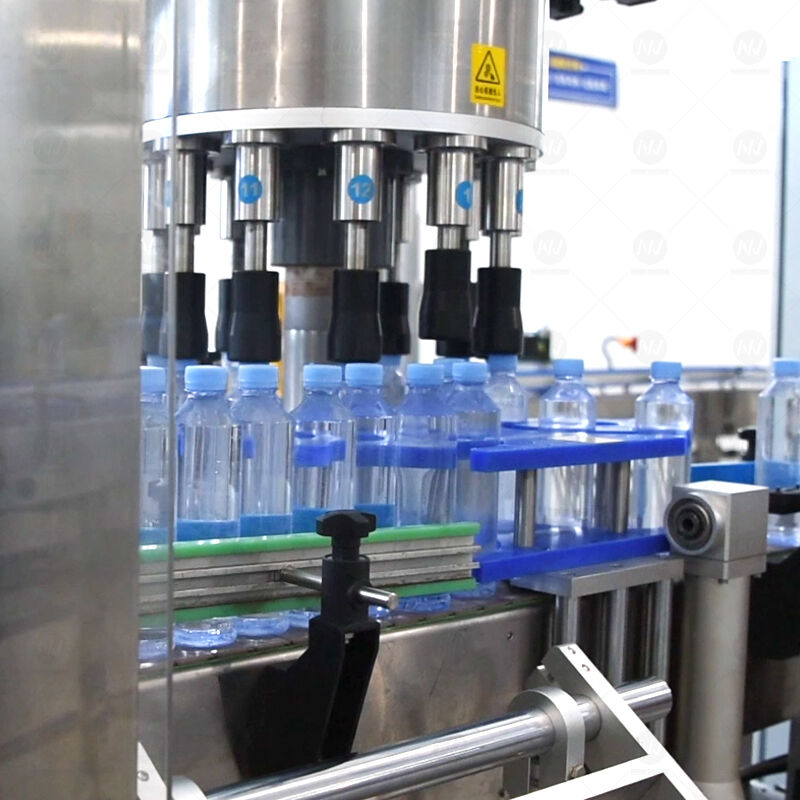
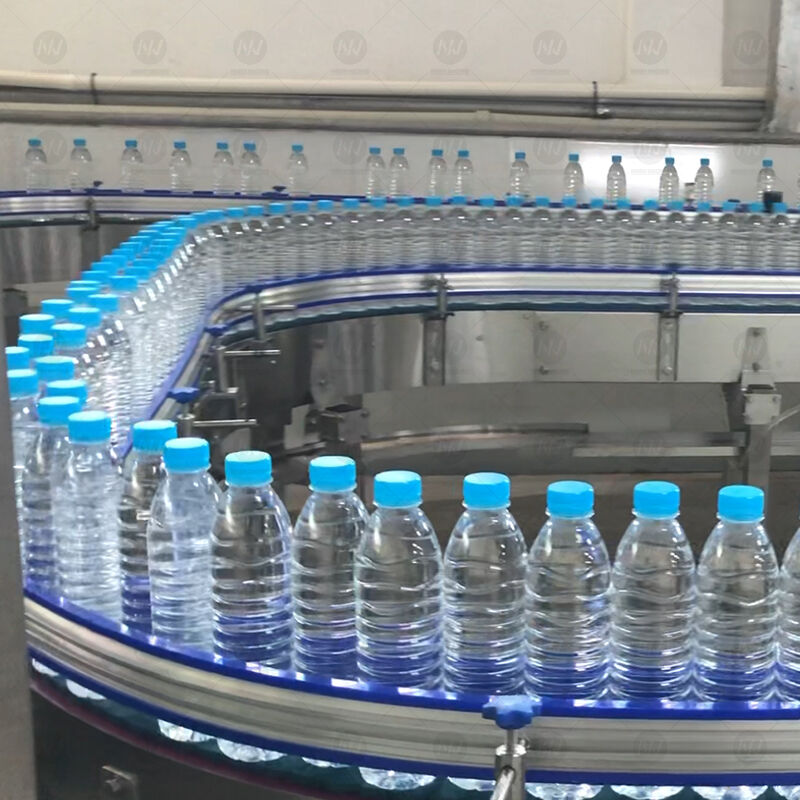
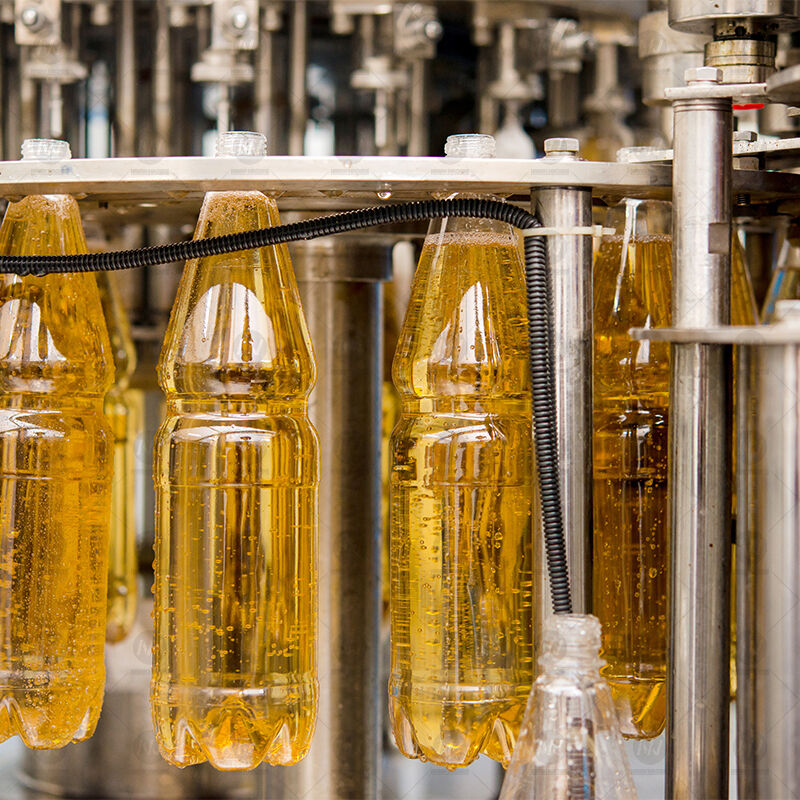
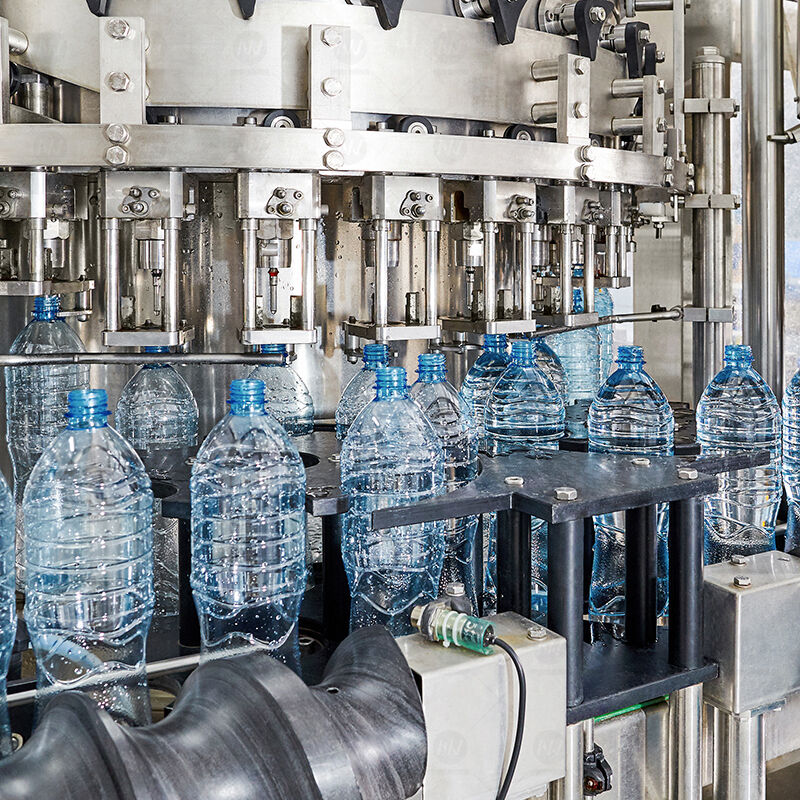
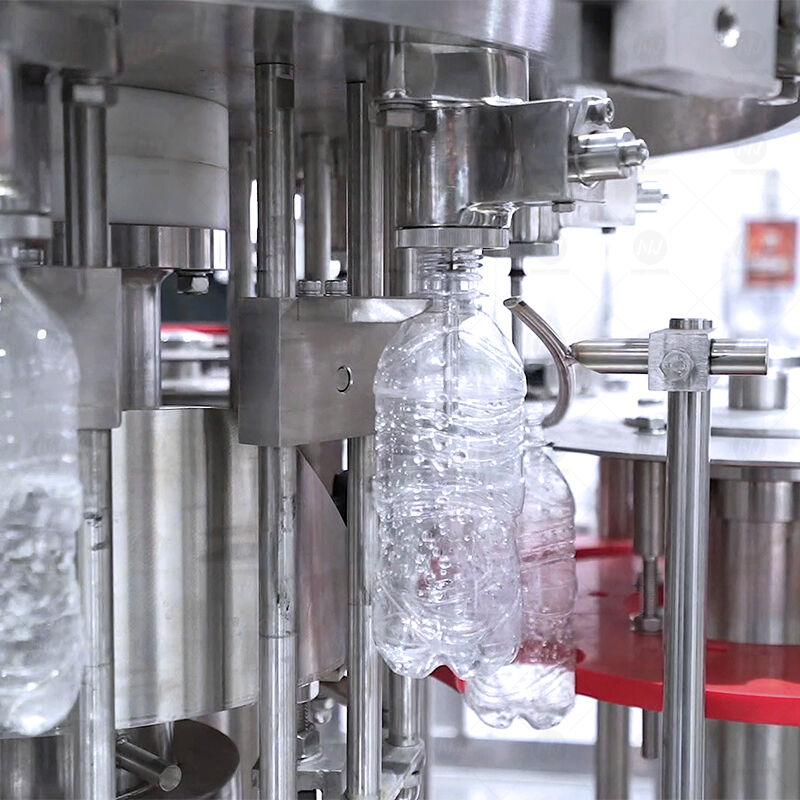
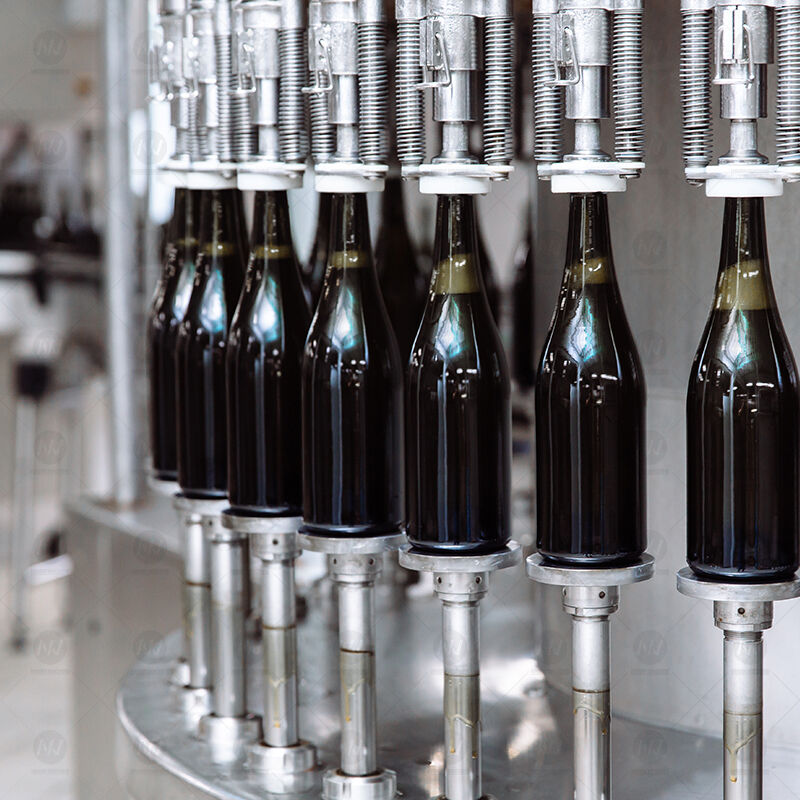
The glass bottle filling machine represents a sophisticated piece of industrial equipment designed to automate the process of filling glass containers with various liquid products. This advanced machinery operates through a combination of precision engineering and automated control systems that ensure consistent, accurate, and hygienic filling operations. Modern glass bottle filling machines incorporate multiple filling heads that work simultaneously to maximize production efficiency while maintaining product quality standards. The equipment features adjustable filling volumes, allowing manufacturers to accommodate different bottle sizes and product specifications without requiring extensive reconfiguration. These machines typically include integrated conveyor systems that transport glass bottles through various stages of the filling process, from initial positioning to final capping. The filling mechanism utilizes either gravity-fed, pressure-fed, or vacuum-assisted methods depending on the specific product characteristics and viscosity requirements. Advanced models incorporate sophisticated sensors and monitoring systems that detect bottle presence, monitor fill levels, and automatically reject improperly filled containers. The glass bottle filling machine construction emphasizes durability and reliability, utilizing stainless steel components and food-grade materials that comply with international safety standards. Temperature control systems maintain optimal product conditions during the filling process, preventing degradation or contamination. The equipment supports various bottle shapes and sizes, from small pharmaceutical vials to large beverage containers, making it versatile for different industry applications. Integration capabilities allow the glass bottle filling machine to connect seamlessly with upstream and downstream equipment, creating comprehensive production lines. Quality control features include automatic level detection, foam control systems, and precision dosing mechanisms that ensure consistent product delivery. The user-friendly interface provides operators with real-time monitoring capabilities and diagnostic information, enabling quick adjustments and troubleshooting. Regular maintenance protocols are simplified through accessible design features and self-cleaning capabilities that reduce downtime and operational costs.
 EN
EN