Advanced Filling and Capping Machine Solutions - Precision Automation for Liquid Packaging

Requesting a Call:

+8615601563990

Online Support

[email protected]

WhatsApp

+86-15601563990

filling and capping machine

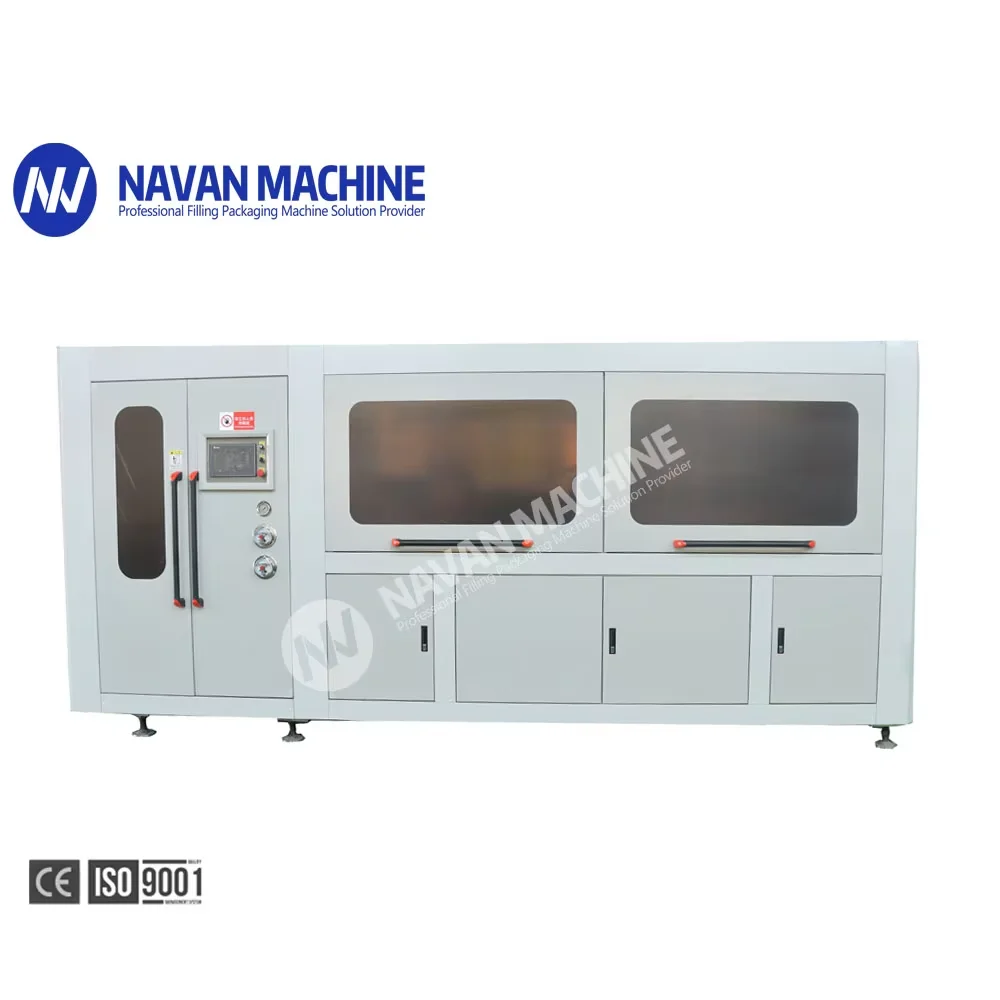
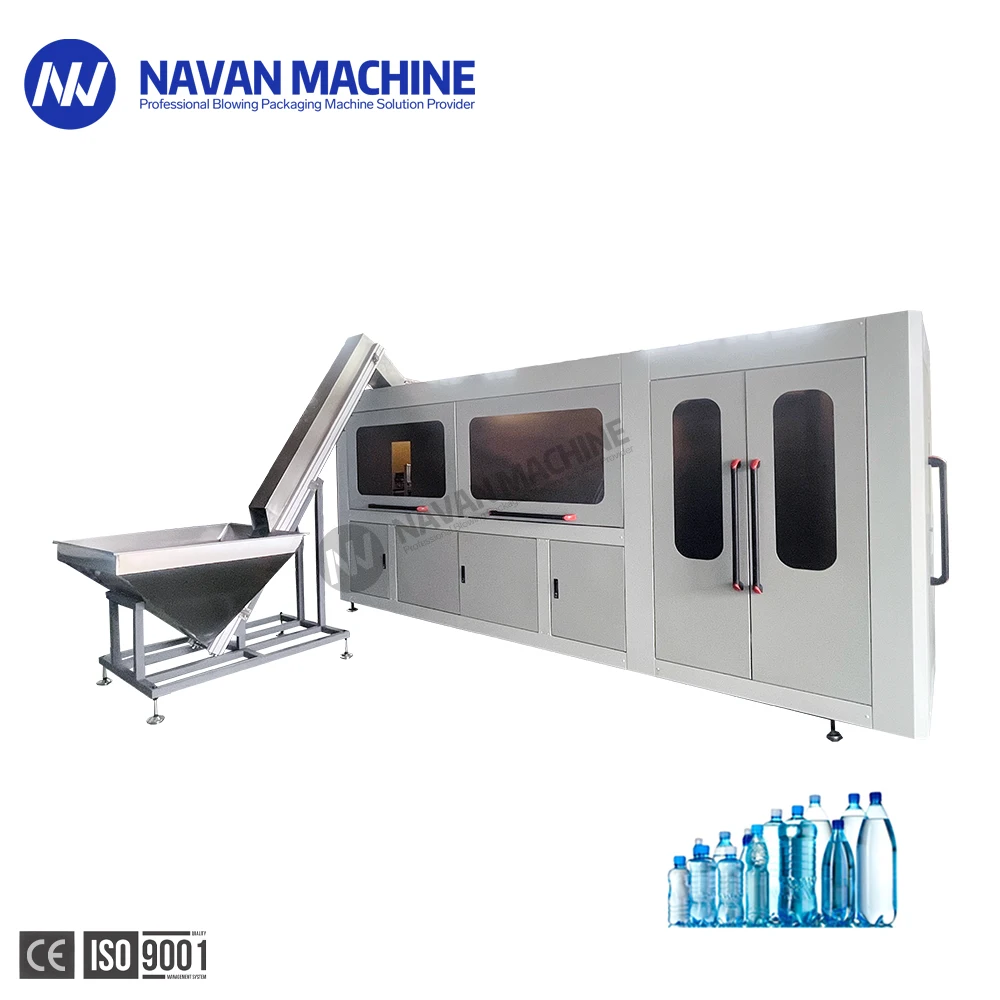
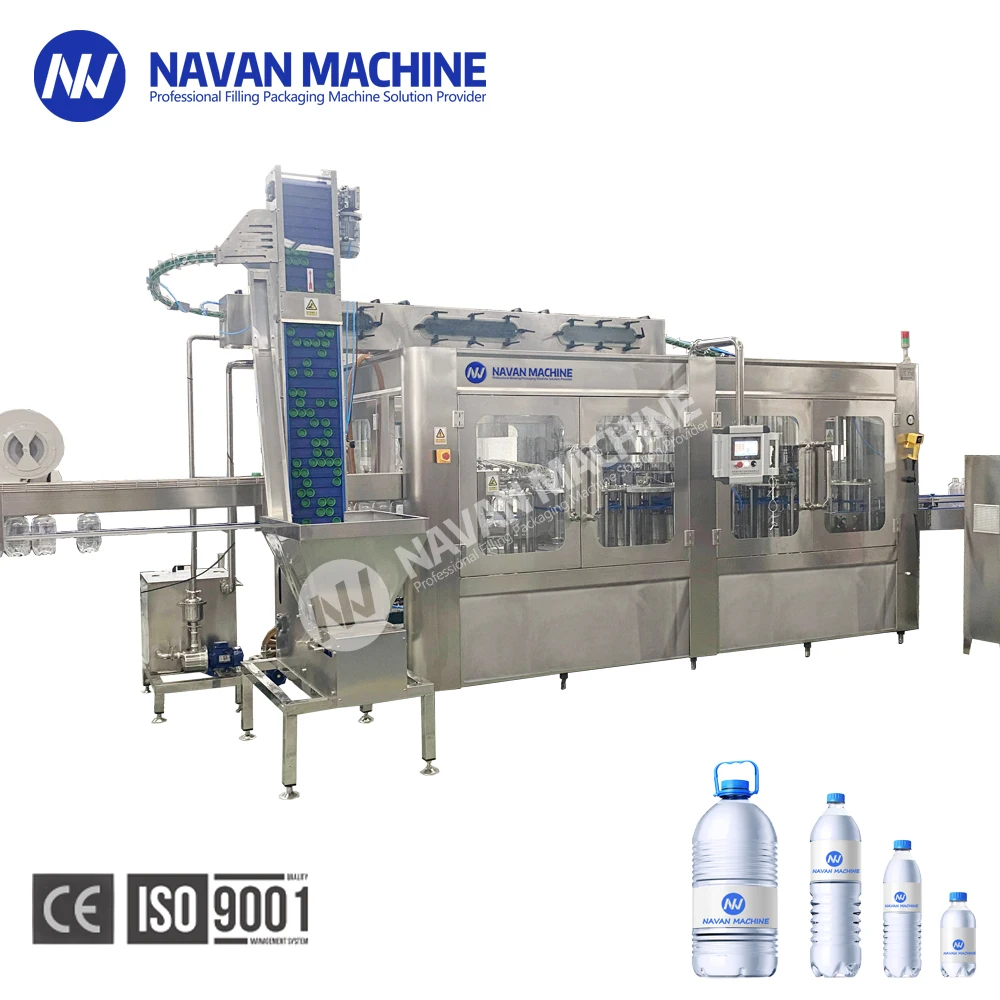
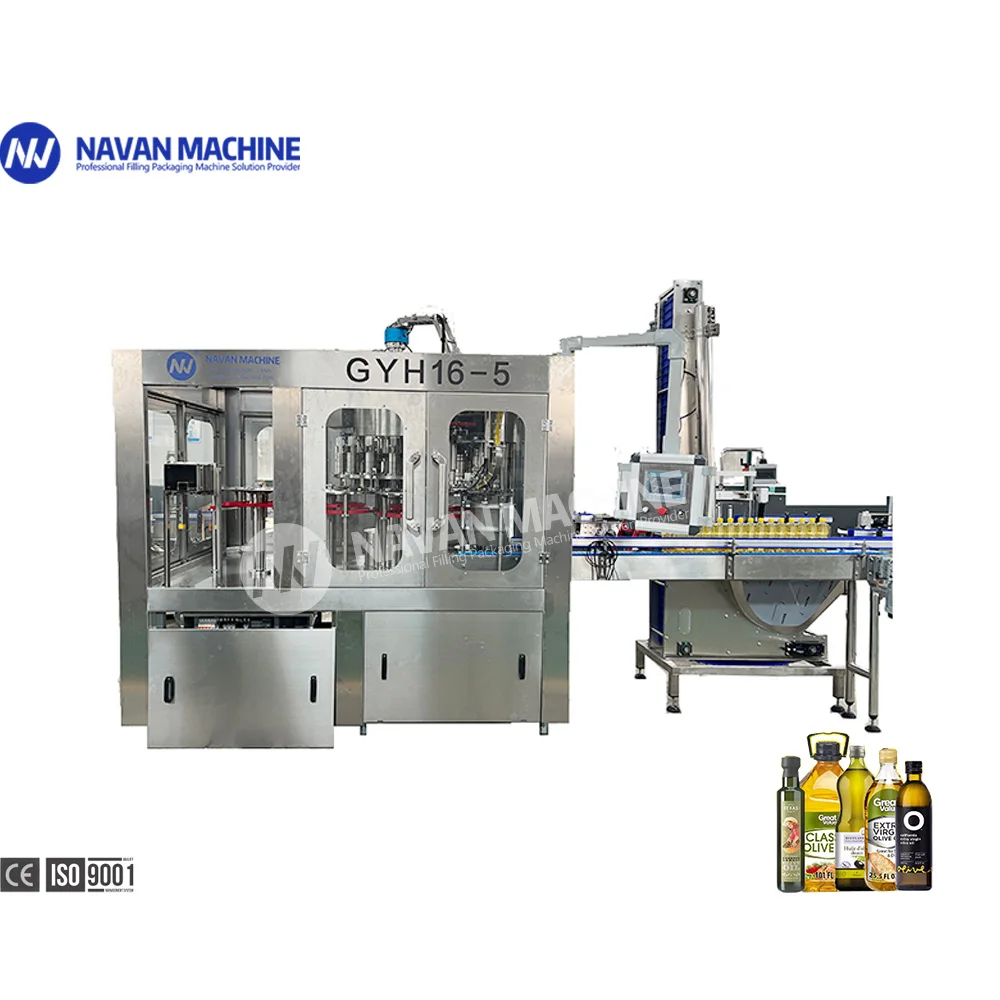
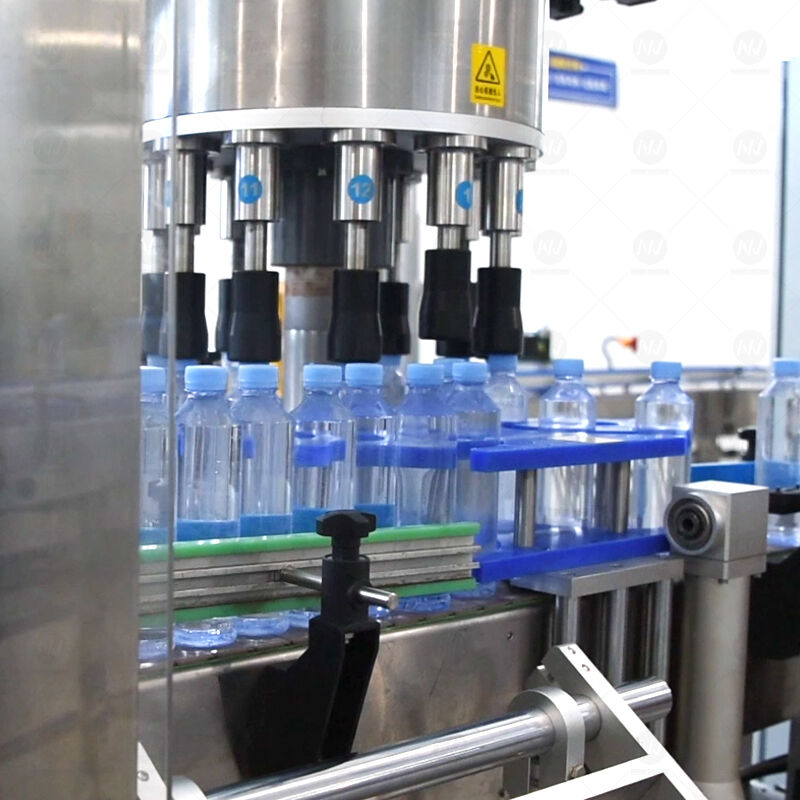
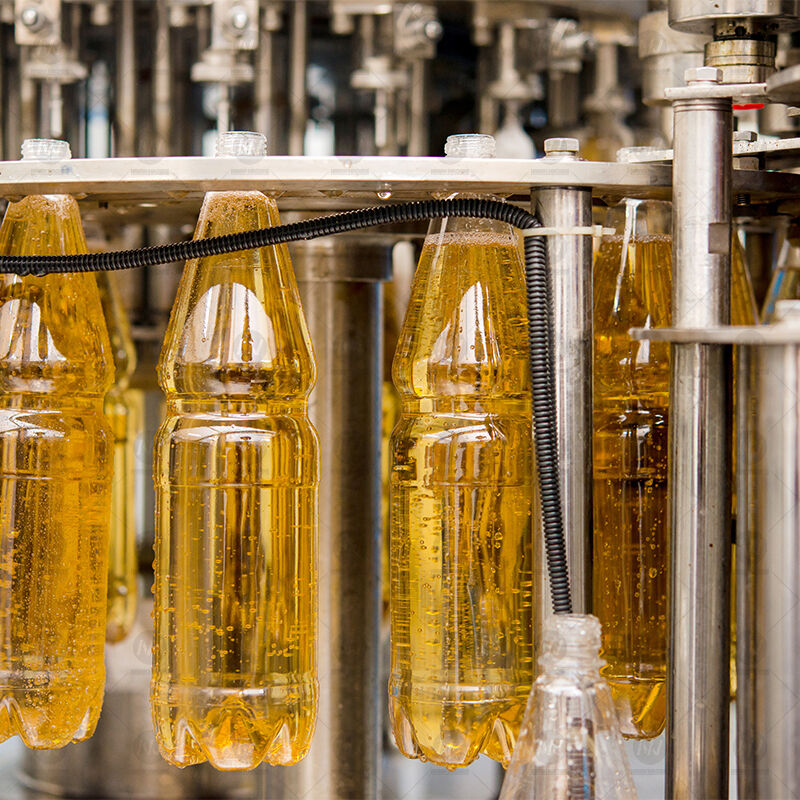
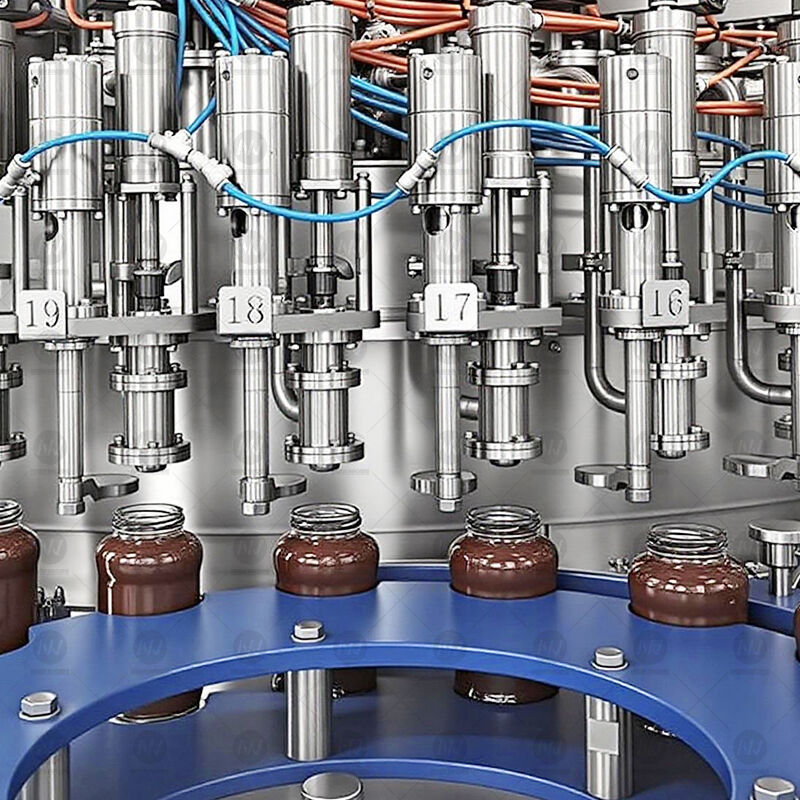
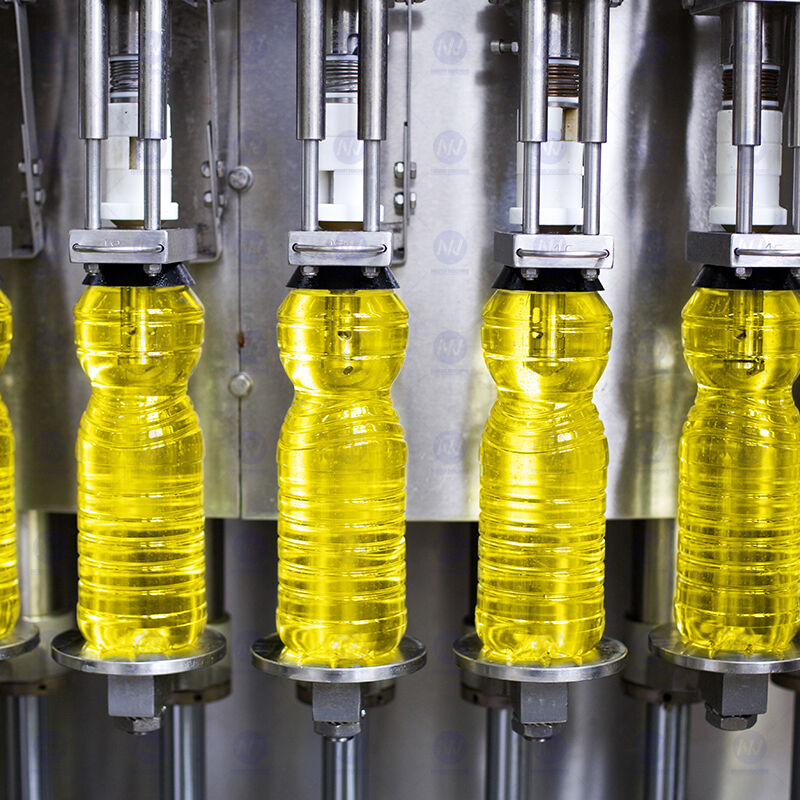
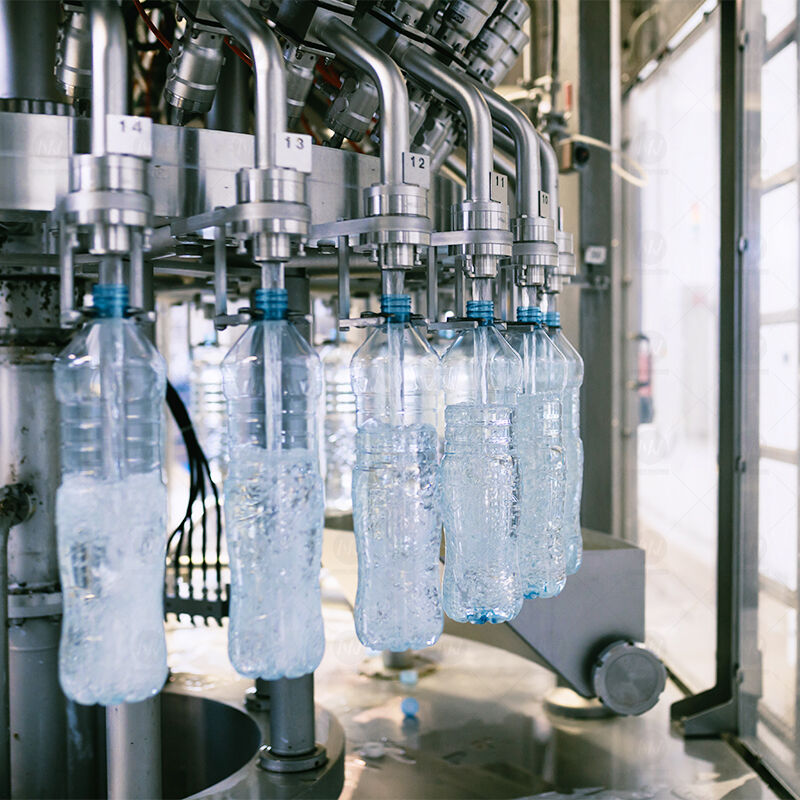
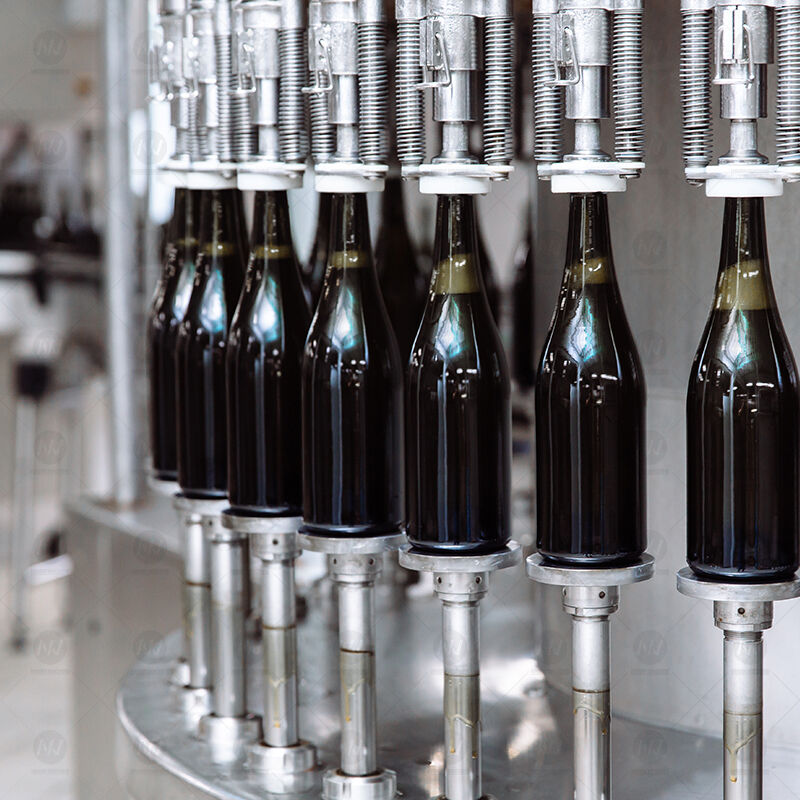
A filling and capping machine represents an essential piece of automated equipment designed to streamline beverage and liquid product packaging operations. This sophisticated system combines two critical manufacturing processes into a single, efficient unit that handles both the precise dispensing of liquids into containers and the secure application of caps or closures. The filling and capping machine operates through a series of synchronized mechanical components that work together to ensure consistent product quality and production efficiency. The primary function of this equipment involves accurately measuring and dispensing predetermined volumes of liquid products into bottles, jars, or other containers while maintaining strict hygiene standards. Following the filling process, the machine automatically positions and secures appropriate caps or closures, creating a complete sealed package ready for distribution. Modern filling and capping machines incorporate advanced technological features including programmable logic controllers, servo-driven motors, and precision flow meters that enable operators to achieve exceptional accuracy and repeatability. These systems typically feature stainless steel construction to meet food-grade safety requirements and facilitate easy cleaning and sanitization procedures. The equipment can accommodate various container sizes and shapes through adjustable components and changeover systems, making it versatile for different product lines. Touch-screen interfaces provide intuitive operation and real-time monitoring capabilities, allowing operators to track production metrics and adjust parameters as needed. Safety features include emergency stop systems, protective guards, and automatic fault detection mechanisms that prevent accidents and minimize downtime. The filling and capping machine finds widespread application across numerous industries including beverage production, pharmaceutical manufacturing, cosmetics, food processing, and chemical products. These machines can handle various liquid viscosities from thin water-like substances to thicker syrups and creams, making them suitable for diverse product portfolios.

Popular Products

The filling and capping machine delivers substantial operational benefits that directly impact your bottom line and production efficiency. These automated systems significantly reduce labor costs by eliminating the need for manual filling and capping operations, allowing companies to reallocate human resources to more strategic tasks while maintaining consistent output levels. Production speed increases dramatically with automated filling and capping machines, as these systems can process hundreds or thousands of containers per hour compared to manual operations that typically handle only dozens of units in the same timeframe. Accuracy represents another major advantage, as modern filling and capping machines achieve precision levels of plus or minus 0.5 percent, ensuring consistent product volumes that meet regulatory requirements and customer expectations while minimizing waste and product giveaway. Quality control improves substantially through automated processes that eliminate human error and variability, resulting in uniform seal integrity and professional package appearance that enhances brand image and customer satisfaction. Hygiene standards reach optimal levels with stainless steel construction and closed-system designs that minimize contamination risks, making these machines ideal for food, beverage, and pharmaceutical applications where product safety is paramount. Flexibility features allow manufacturers to quickly switch between different container sizes and product formulations without extensive downtime, enabling efficient small-batch production and rapid response to market demands. Cost savings accumulate through reduced material waste, lower labor expenses, decreased rework requirements, and improved overall equipment effectiveness that maximizes return on investment. Maintenance requirements remain minimal due to robust construction and quality components, while diagnostic systems provide early warning of potential issues to prevent unexpected breakdowns. Scalability options enable businesses to expand production capacity by adding additional filling and capping machines or upgrading to higher-speed models as demand grows. Compliance capabilities ensure adherence to industry regulations and quality standards through automated documentation and traceability features. Energy efficiency designs reduce operational costs while supporting sustainability initiatives. Integration possibilities allow seamless connection with upstream and downstream equipment to create complete packaging lines that optimize workflow and maximize throughput.

Latest News

How Does a Water Filling Line Maintain Hygiene and Product Purity?

31

Oct

How Does a Water Filling Line Maintain Hygiene and Product Purity?

Ensuring Safety and Quality in Beverage Production Systems The modern beverage industry faces an ever-growing challenge to maintain impeccable hygiene standards while meeting increasing production demands. At the heart of this challenge lies the wate...
View More
What Factors Should You Consider When Choosing a Bottle Filling Machine?

31

Oct

What Factors Should You Consider When Choosing a Bottle Filling Machine?

Essential Considerations for Industrial Bottle Filling Equipment Selecting the right bottle filling machine for your production line is a crucial decision that impacts efficiency, product quality, and bottom-line profitability. Whether you're expandi...
View More
What Technologies Ensure Freshness and Shelf Life in Beer Filling Systems?

31

Oct

What Technologies Ensure Freshness and Shelf Life in Beer Filling Systems?

Modern Innovations in Beer Filling Technology The brewing industry has witnessed remarkable technological advancements in beer filling systems, revolutionizing how breweries maintain product freshness and extend shelf life. Today's sophisticated beer...
View More
How Does a Jam Filling Machine Handle Thick and Sticky Products Efficiently?

31

Oct

How Does a Jam Filling Machine Handle Thick and Sticky Products Efficiently?

Understanding Modern Industrial Jam Processing Equipment The food processing industry has witnessed remarkable technological advancements, particularly in the realm of handling viscous products. At the heart of efficient jam production lies the sophi...
View More

Get a Free Quote

Our representative will contact you soon.
Email
Name
Company Name
Message
0/1000

filling and capping machine

Advanced Precision Control Technology

Advanced Precision Control Technology

The filling and capping machine incorporates cutting-edge precision control technology that revolutionizes liquid packaging accuracy and consistency. This sophisticated system utilizes servo-driven pumps and advanced flow measurement devices to achieve filling accuracy within 0.2 percent tolerance levels, significantly surpassing industry standards and ensuring optimal product consistency across every container. The precision control technology features multiple feedback sensors that continuously monitor flow rates, pressure levels, and volume dispensing to make real-time adjustments and maintain exact specifications throughout production runs. Digital control systems provide operators with comprehensive parameter settings that allow fine-tuning of fill volumes, capping torque specifications, and processing speeds to match specific product requirements and container characteristics. The technology includes automatic calibration routines that verify system accuracy and compensate for environmental factors such as temperature variations and product viscosity changes that could affect filling precision. Weight-based filling options provide additional accuracy verification by comparing actual dispensed weights against target specifications, triggering automatic corrections when deviations occur. The precision control technology extends to the capping function through torque monitoring systems that ensure consistent cap application force, preventing under-tightening that could compromise seal integrity or over-tightening that might damage containers or caps. Advanced sensors detect cap presence and positioning before application, preventing processing errors and reducing waste from improperly sealed containers. This technology also features recipe management capabilities that store multiple product configurations, allowing quick changeovers between different formulations without manual recalibration procedures. Quality assurance integration enables automatic rejection of containers that fall outside specified parameters, maintaining product quality standards and regulatory compliance. The precision control technology includes comprehensive data logging capabilities that track production metrics, quality measurements, and system performance indicators for continuous improvement initiatives and regulatory documentation requirements. Remote monitoring capabilities allow supervisors to track system performance from any location, enabling proactive maintenance scheduling and rapid response to operational issues.
Versatile Multi-Container Compatibility

Versatile Multi-Container Compatibility

The filling and capping machine excels in versatile multi-container compatibility, accommodating an extensive range of bottle sizes, shapes, and materials without requiring substantial equipment modifications or lengthy changeover procedures. This remarkable flexibility enables manufacturers to efficiently process diverse product lines using a single filling and capping machine, maximizing equipment utilization and minimizing capital investment requirements. The system features adjustable container handling components including height-adjustable conveyor systems, variable-width guide rails, and flexible gripper mechanisms that automatically adapt to different container dimensions and configurations. Quick-change tooling systems allow operators to switch between container formats in minutes rather than hours, reducing downtime and enabling efficient small-batch production runs that respond rapidly to market demands. The versatile design accommodates containers ranging from small pharmaceutical vials to large industrial containers, with diameter capabilities spanning from 20mm to 200mm and height adjustments from 50mm to 400mm without compromising processing speed or accuracy. Material compatibility extends across glass, plastic, and metal containers, with specialized handling mechanisms that prevent damage to delicate containers while maintaining secure positioning throughout the filling and capping process. The multi-container compatibility includes various cap styles such as screw caps, snap caps, cork stoppers, and pump dispensers, with automatic cap feeding systems that orient and position closures correctly for consistent application. Container detection systems identify specific container types and automatically adjust processing parameters including fill volumes, capping torque, and handling speeds to optimize performance for each container format. The versatile system accommodates unique container shapes including square, oval, and irregular profiles through customizable gripper configurations and flexible conveyor designs that maintain stable container positioning throughout processing. Special handling capabilities enable processing of containers with unique features such as handles, narrow necks, or fragile construction through specialized gripping mechanisms and gentle handling protocols. Format memory functions store container-specific settings for rapid recall during future production runs, eliminating setup time and ensuring consistent processing parameters. The multi-container compatibility extends to various liquid products with different viscosities, densities, and flow characteristics through adjustable pump systems and specialized nozzle configurations that prevent dripping, foaming, or splashing during filling operations.
Integrated Safety and Compliance Systems

Integrated Safety and Compliance Systems

The filling and capping machine incorporates comprehensive integrated safety and compliance systems that prioritize operator protection while ensuring adherence to stringent industry regulations and quality standards. These advanced safety features create a secure working environment through multiple layers of protection including emergency stop mechanisms, safety light curtains, and protective enclosures that prevent accidental contact with moving components during operation. The integrated compliance systems facilitate adherence to FDA, cGMP, and other regulatory requirements through automated documentation capabilities, batch tracking systems, and validation protocols that provide complete traceability from raw materials to finished products. Safety interlock systems prevent equipment operation when protective guards are removed or when unsafe conditions are detected, while automatic shutdown procedures activate immediately upon detection of any hazardous situations. The filling and capping machine features washdown-rated electrical components and IP65-rated enclosures that enable thorough cleaning and sanitization procedures required for food and pharmaceutical applications without compromising electrical safety. Automated cleaning-in-place systems reduce operator exposure to cleaning chemicals while ensuring consistent sanitation results that meet strict hygiene standards. Emergency response capabilities include clearly marked emergency stops, audible alarms, and visual indicators that immediately alert operators to potential safety concerns or system malfunctions. The compliance systems include electronic batch records that automatically document critical process parameters, quality measurements, and operator actions throughout production runs, eliminating manual record-keeping errors and ensuring regulatory audit readiness. User access controls restrict system modifications to authorized personnel through password-protected interfaces and role-based permissions that prevent unauthorized changes to validated processing parameters. Change control procedures automatically log all system modifications with time stamps and user identification for complete accountability and compliance documentation. The integrated safety systems include fail-safe mechanisms that default to safe operating conditions during power failures or communication interruptions, preventing product contamination or equipment damage. Predictive maintenance capabilities monitor component wear and performance degradation to schedule maintenance activities before failures occur, ensuring continuous compliance with operational standards. Validation support features include installation qualification, operational qualification, and performance qualification documentation packages that streamline regulatory approval processes. The safety and compliance systems extend to environmental monitoring capabilities that track temperature, humidity, and air quality parameters critical for pharmaceutical and food processing applications, with automatic alerts when conditions exceed specified limits.

Get a Free Quote

Our representative will contact you soon.
Email
Name
Company Name
Message
0/1000

Get a Free Quote

Our representative will contact you soon.
Email
Name
Company Name
Message
0/1000
TopTop