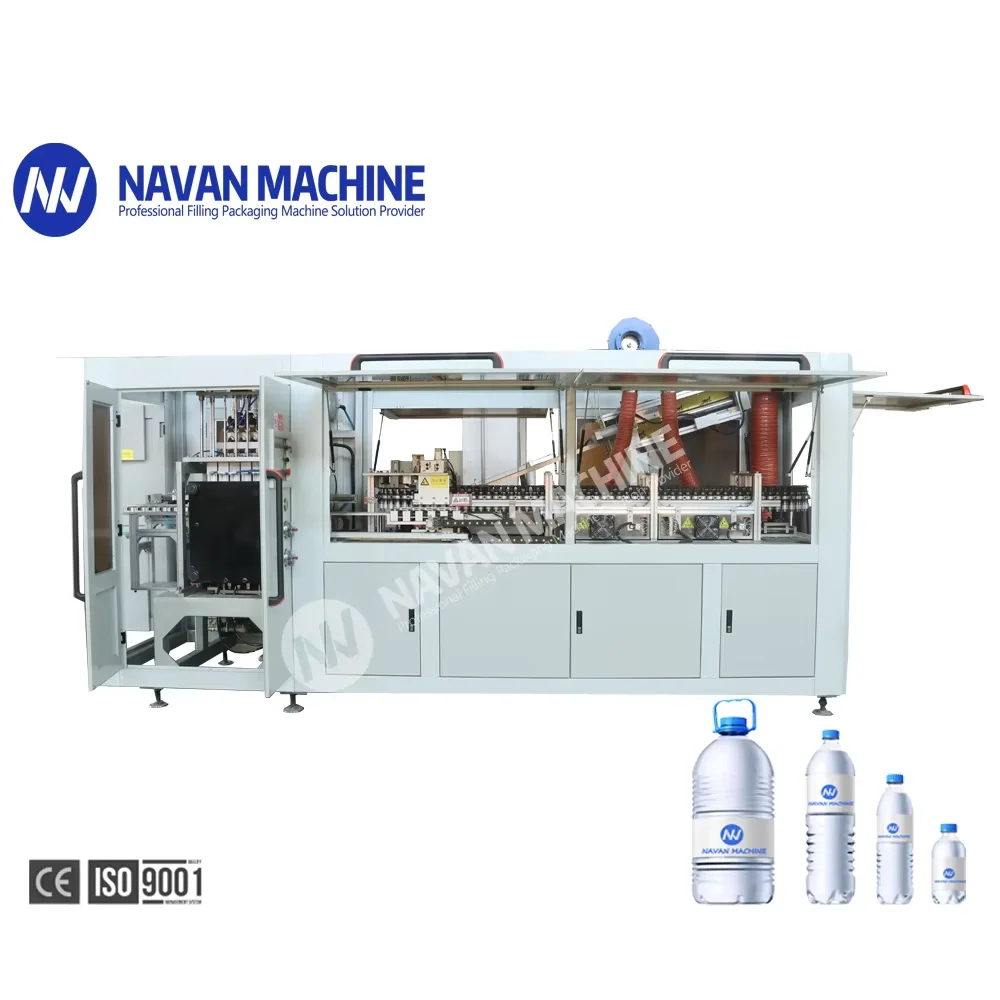
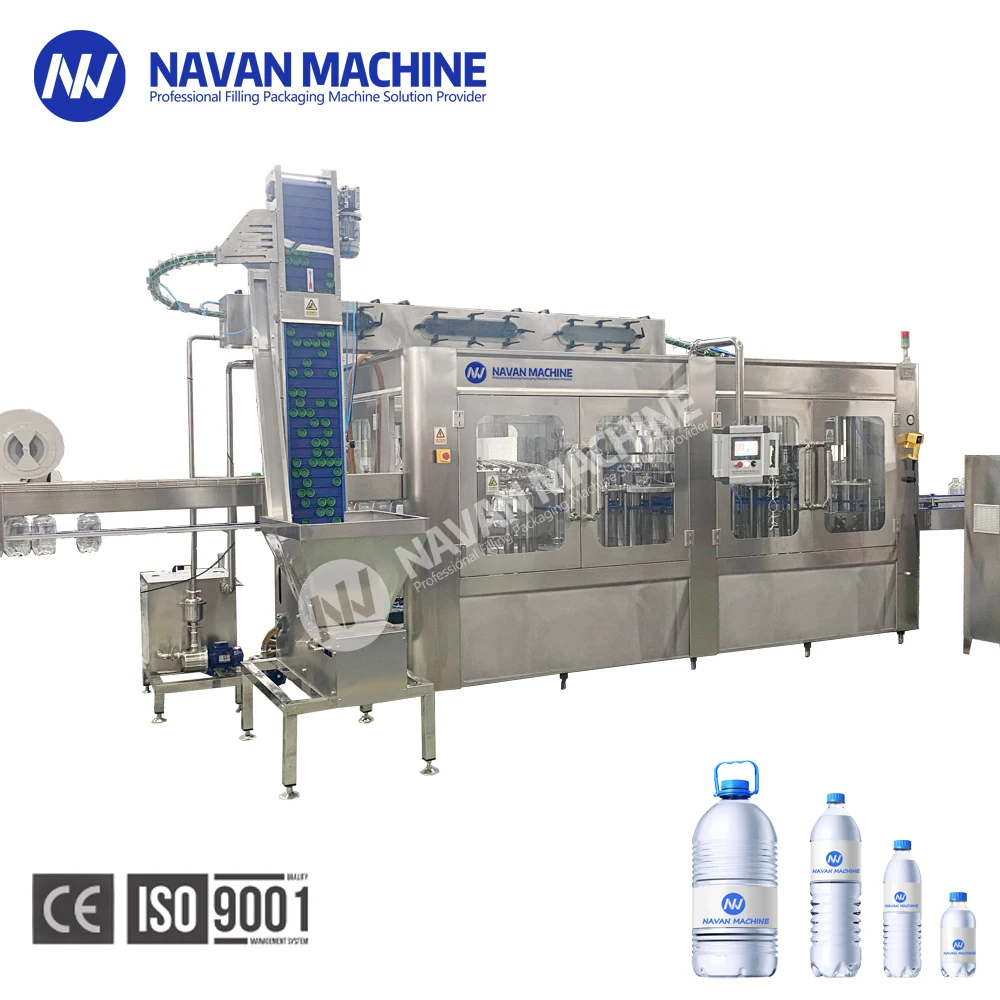
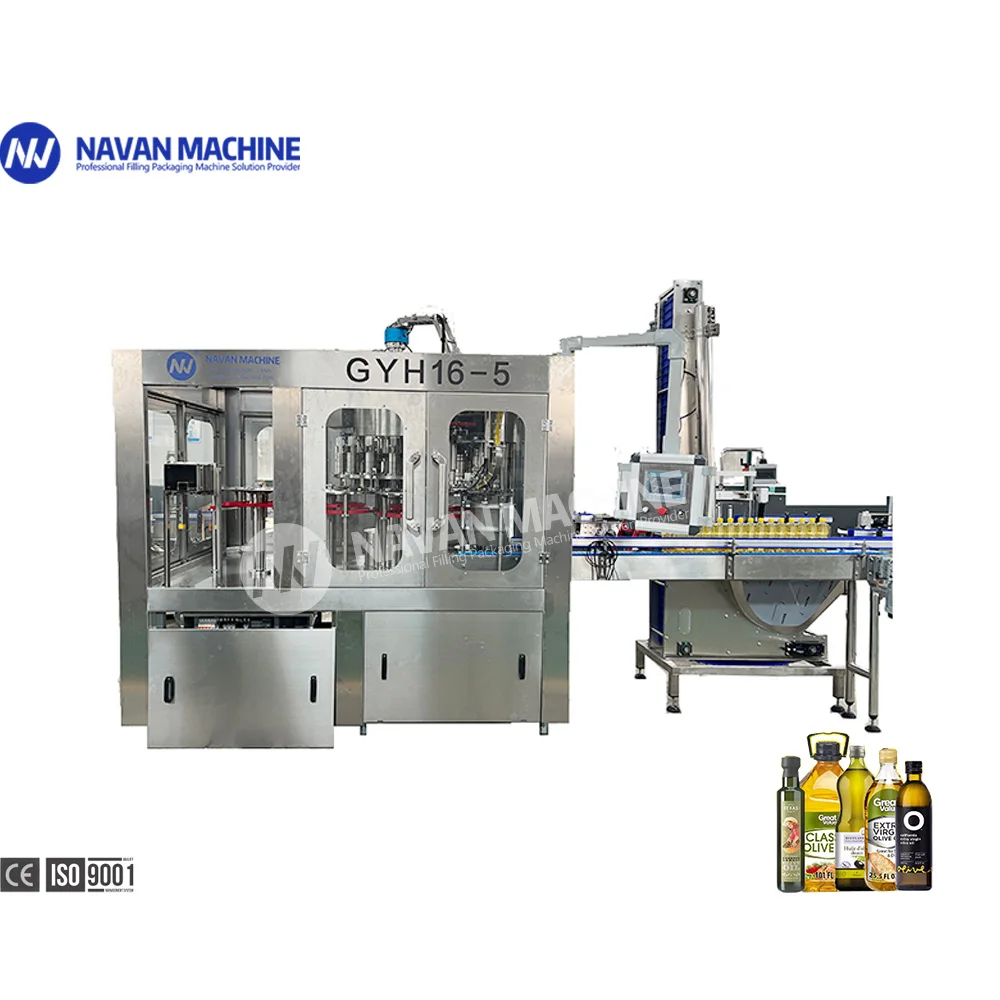
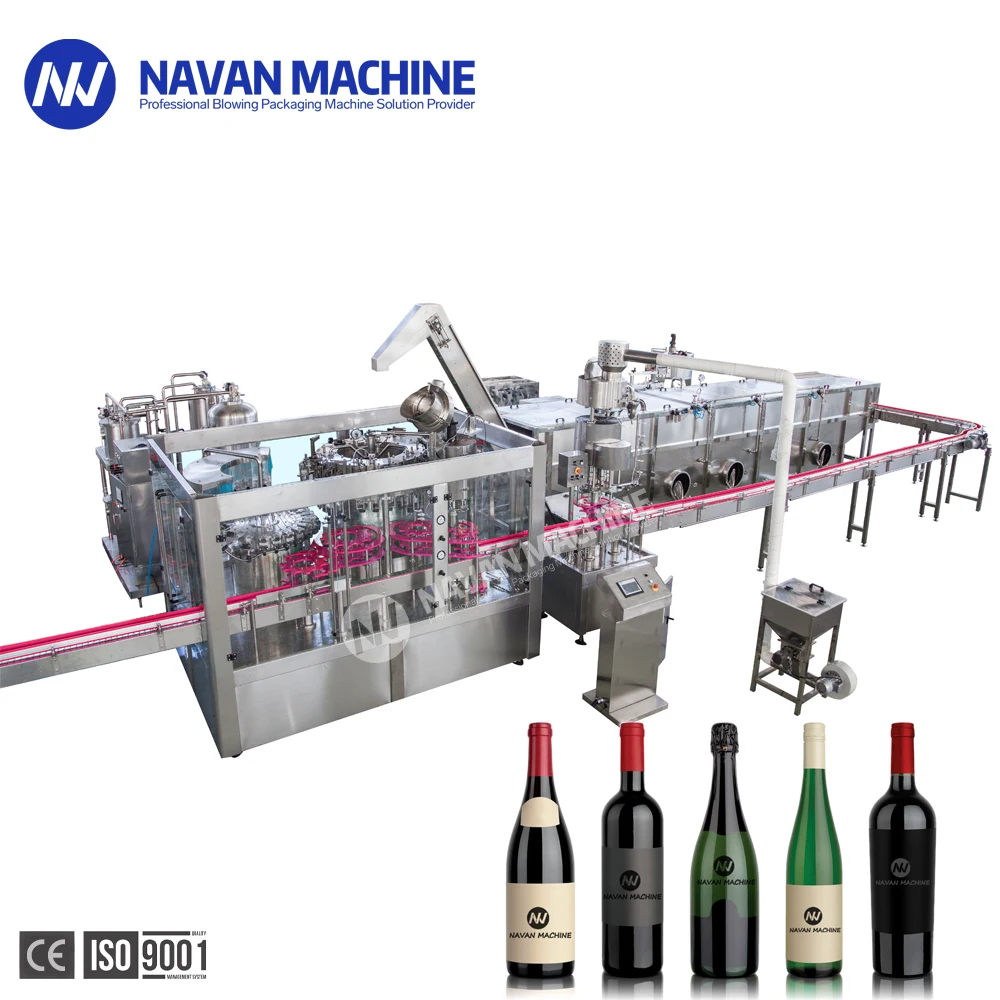
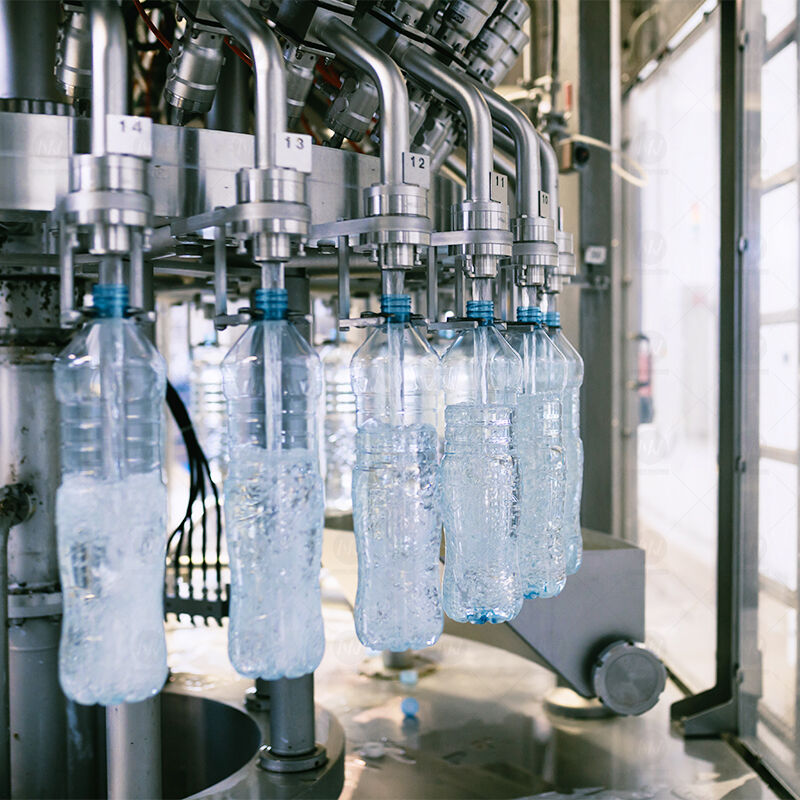
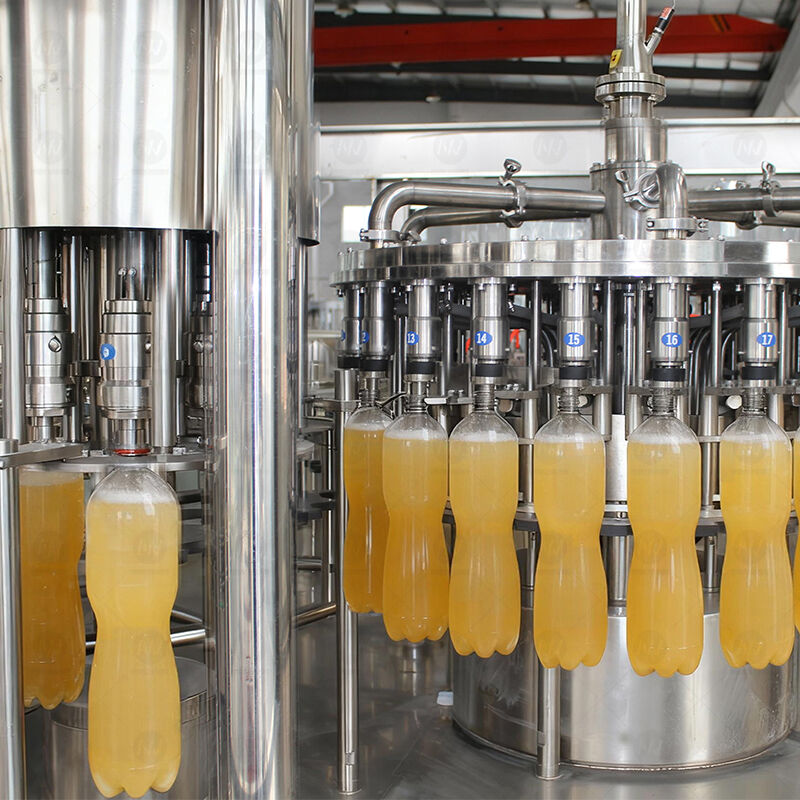
automatic bottle filling machine
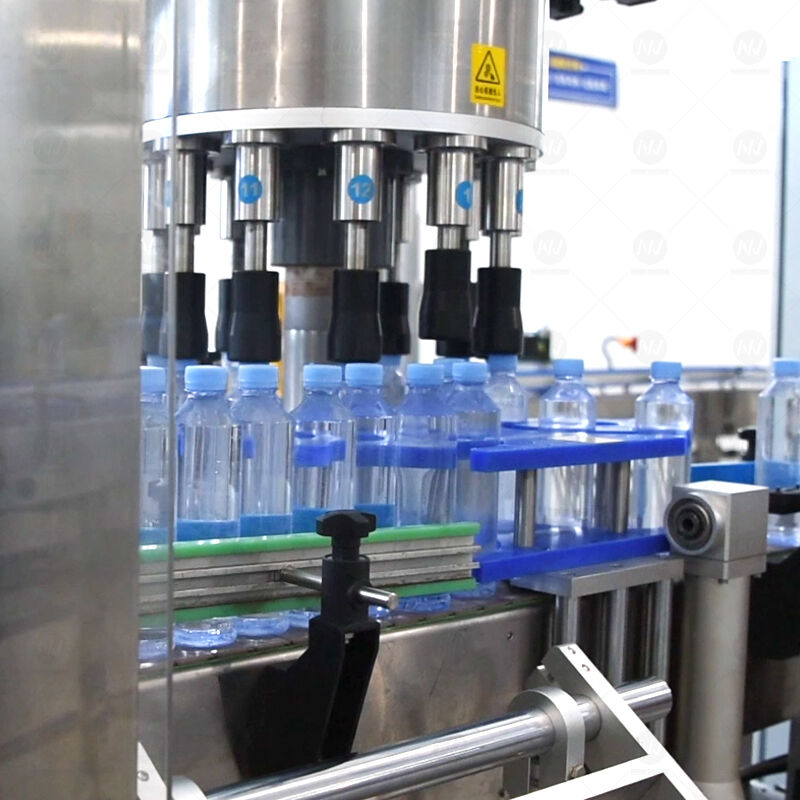
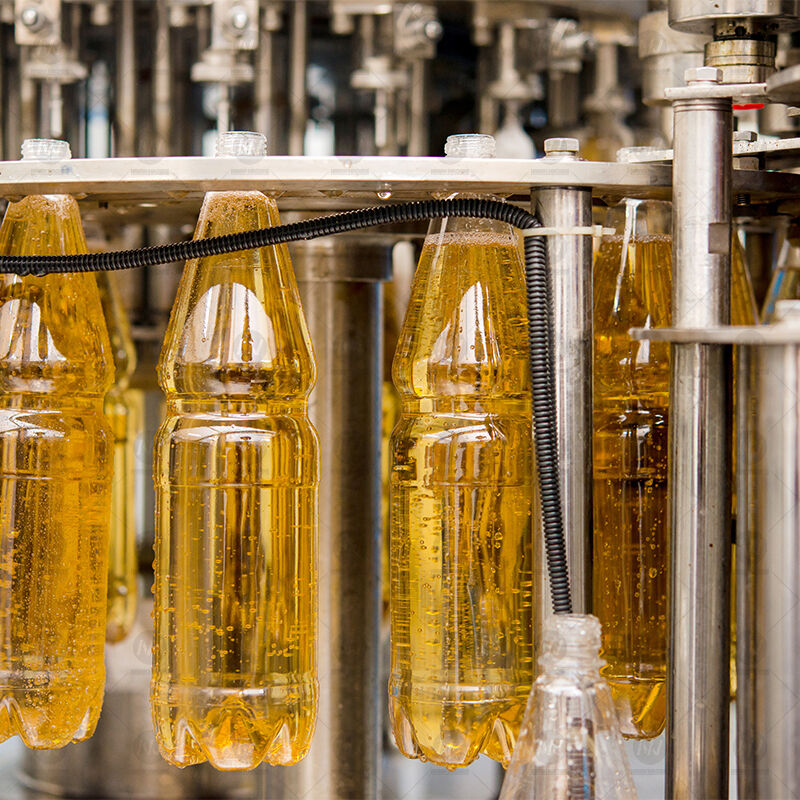
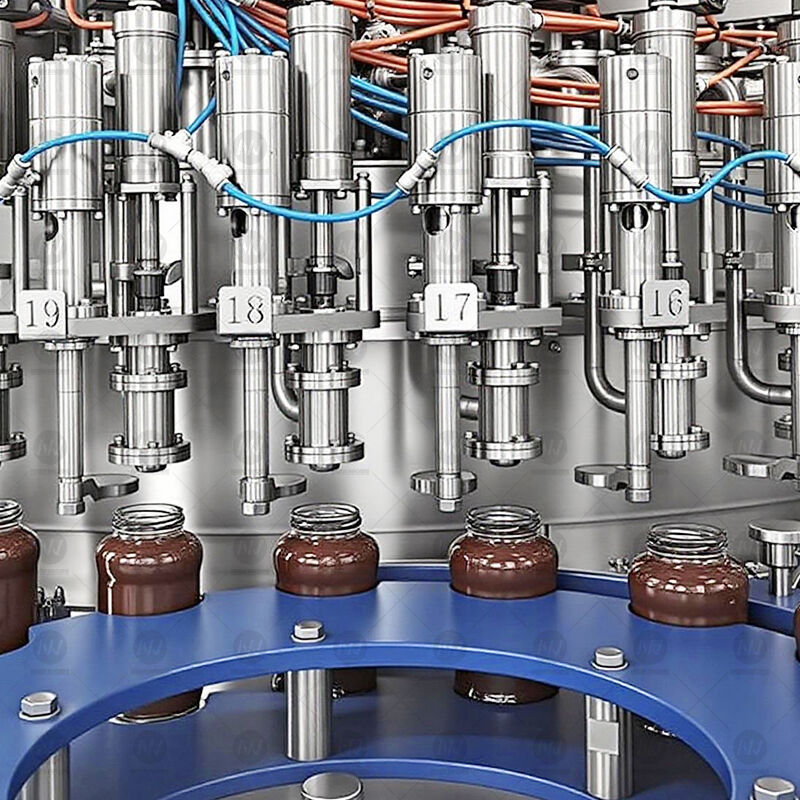
The automatic bottle filling machine represents a revolutionary advancement in packaging technology, designed to streamline production processes across various industries. This sophisticated equipment automatically dispenses precise volumes of liquids into bottles, containers, and vessels with minimal human intervention. The automatic bottle filling machine incorporates advanced sensors, programmable logic controllers, and precision pumping systems to ensure consistent fill levels and optimal production efficiency. Modern automatic bottle filling machine systems feature multiple filling heads that can simultaneously process numerous containers, significantly increasing throughput compared to manual filling methods. These machines accommodate various bottle sizes, shapes, and materials, making them versatile solutions for manufacturers in pharmaceuticals, beverages, cosmetics, chemicals, and food processing industries. The automatic bottle filling machine utilizes different filling technologies including gravity filling, pressure filling, vacuum filling, and piston filling, depending on the specific product characteristics and viscosity requirements. Advanced models incorporate touch-screen interfaces, recipe storage capabilities, and real-time monitoring systems that allow operators to adjust parameters quickly and maintain quality control standards. The automatic bottle filling machine design emphasizes hygiene and sanitation, featuring stainless steel construction and easy-to-clean components that meet strict regulatory requirements. Integration capabilities enable seamless connection with existing production lines, including bottle washing, capping, labeling, and packaging systems. Quality assurance features include automatic reject systems for improperly filled bottles, level detection sensors, and data logging capabilities for traceability purposes. The automatic bottle filling machine reduces product waste through precise dispensing mechanisms and minimizes contamination risks through enclosed filling environments. Maintenance requirements are minimal due to robust construction and self-diagnostic systems that alert operators to potential issues before they impact production efficiency.
 EN
EN