Professional Carbonated Filling Machine Solutions - Advanced CO2 Beverage Packaging Equipment

Requesting a Call:

+8615601563990

Online Support

[email protected]

WhatsApp

+86-15601563990

carbonated filling machine

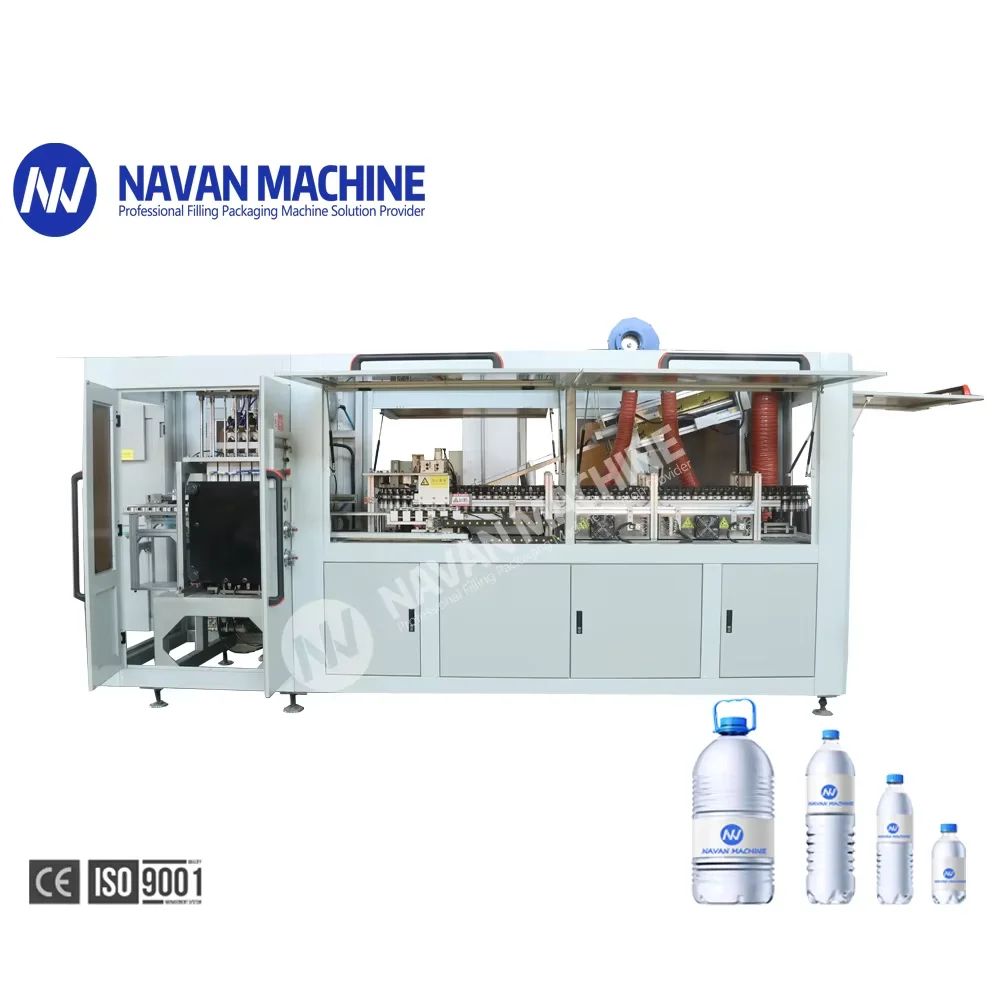
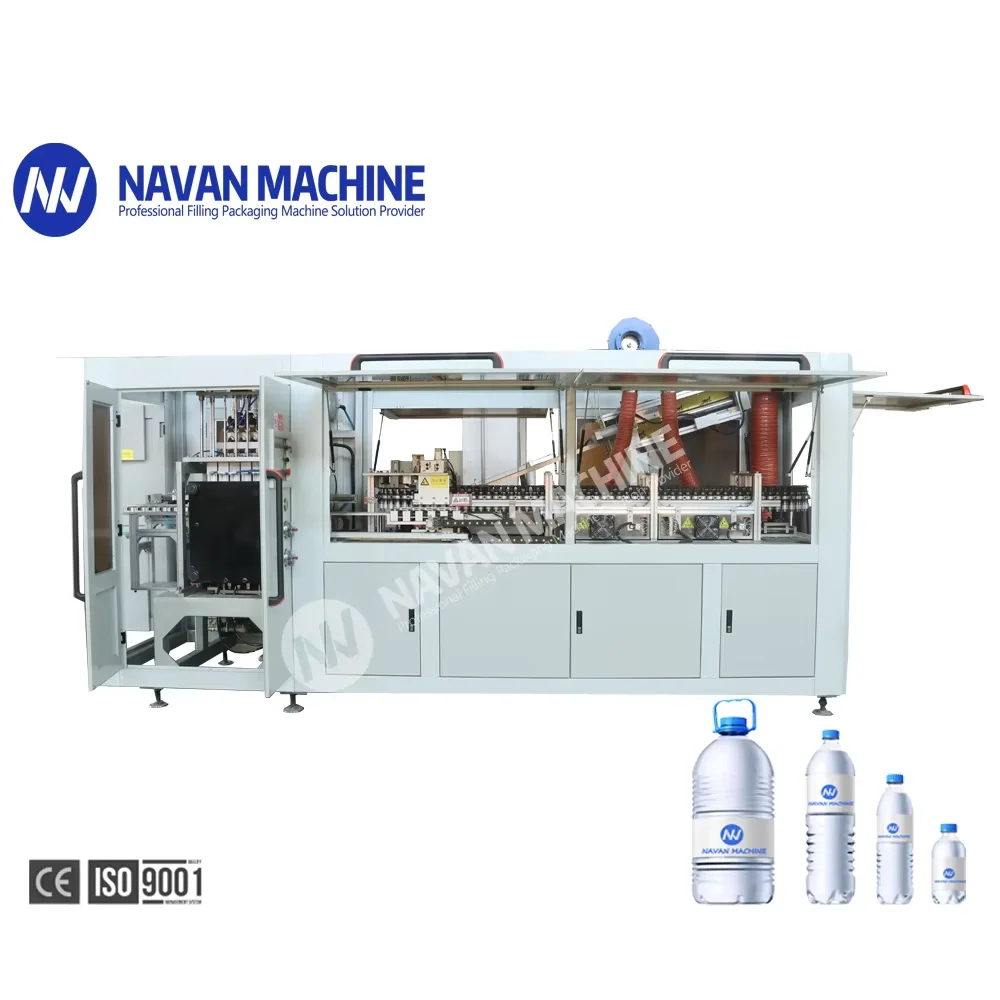
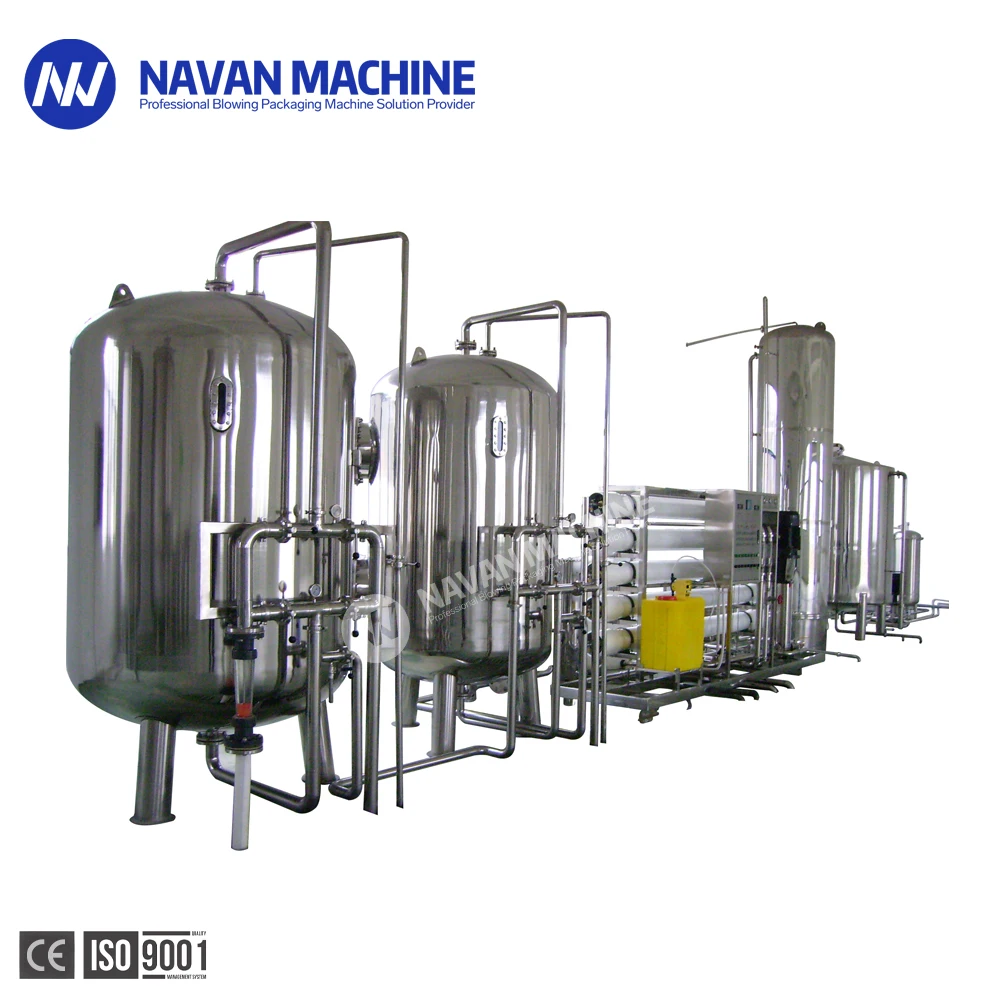
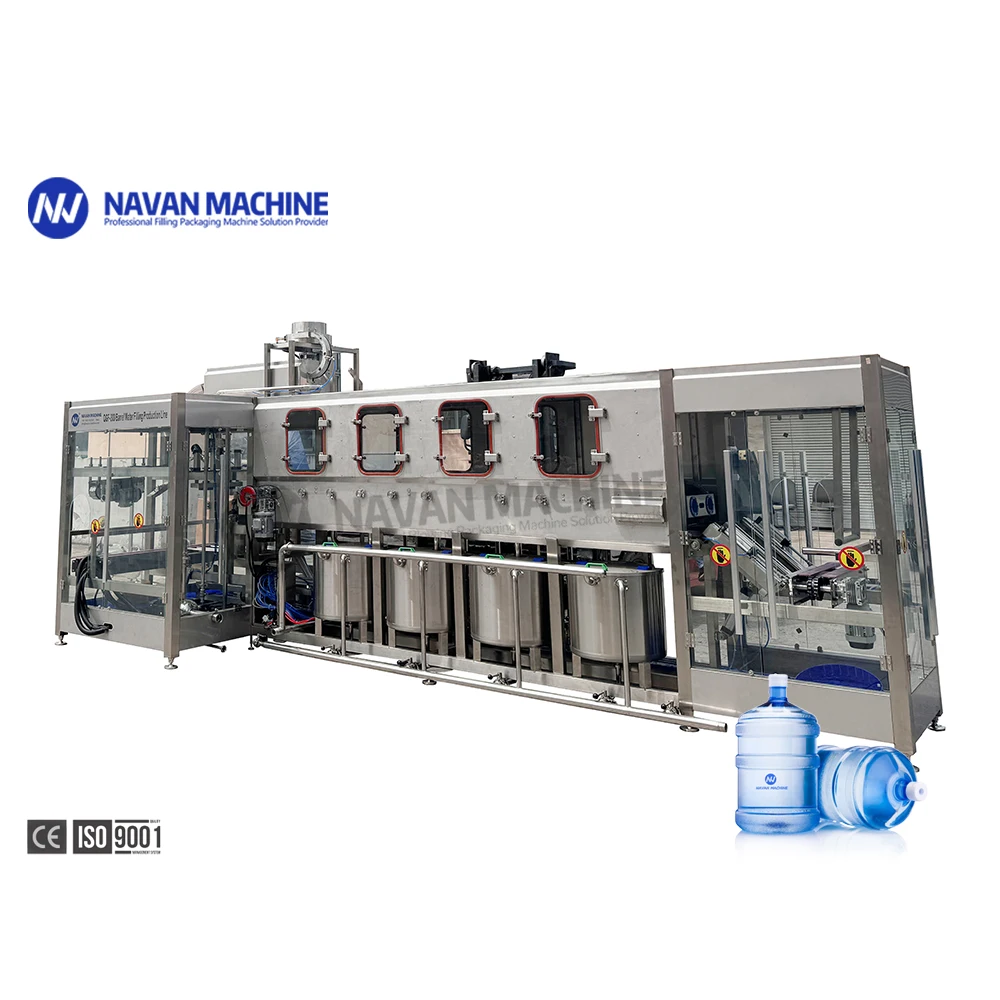
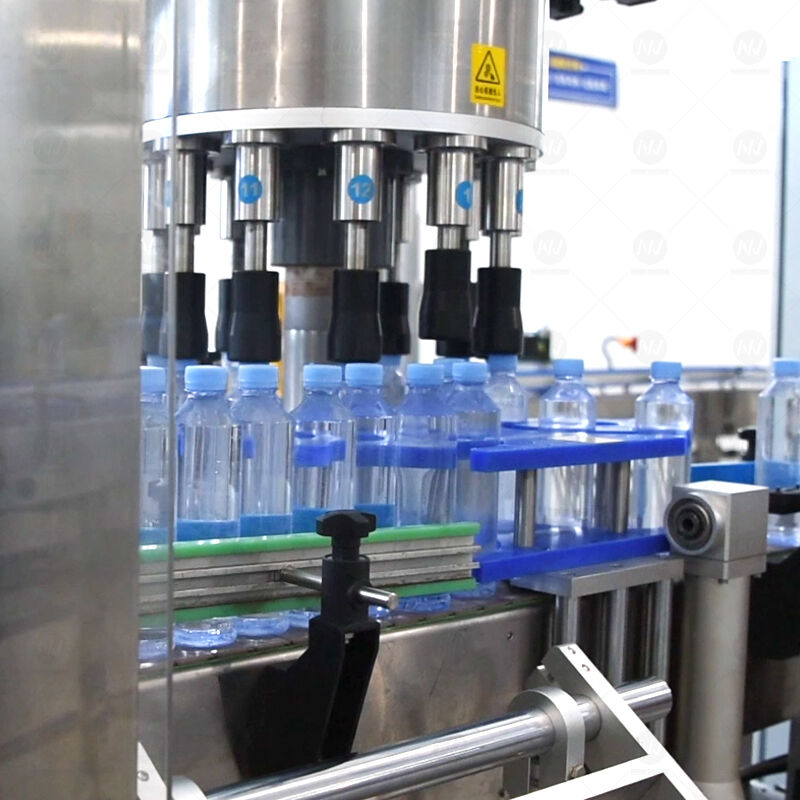
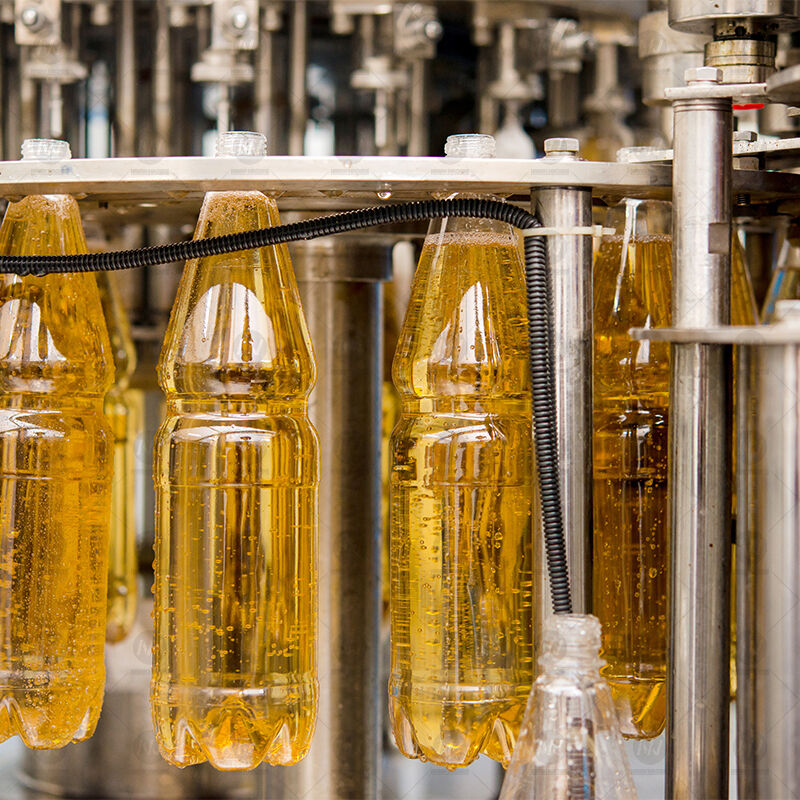
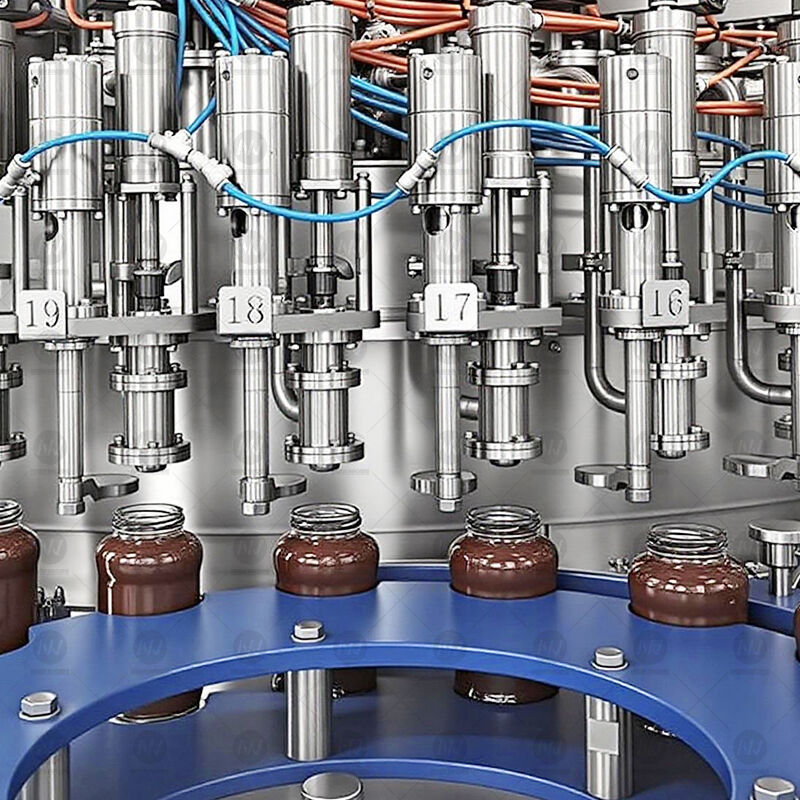
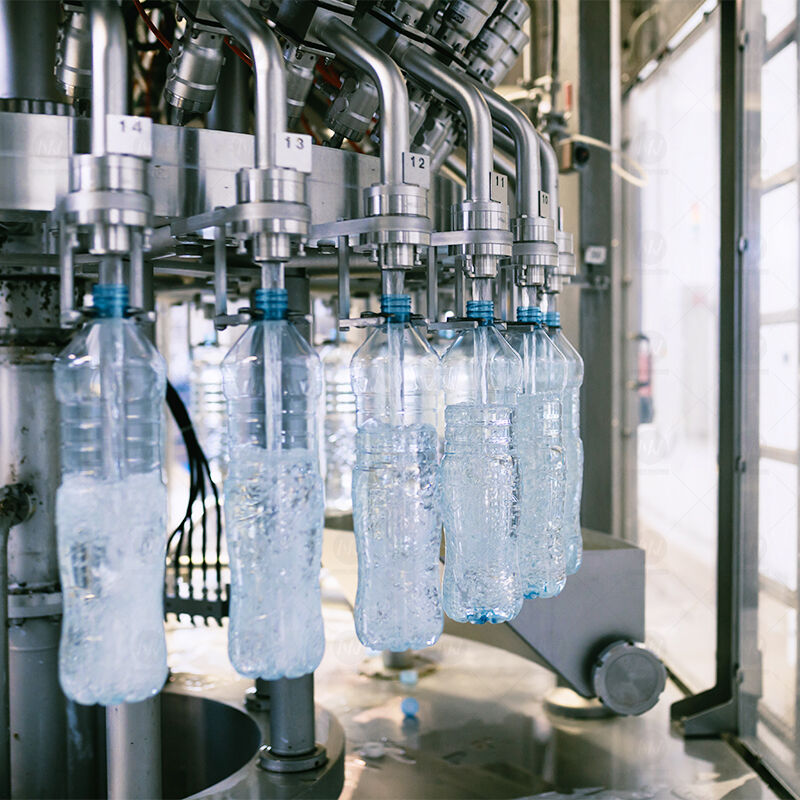
A carbonated filling machine represents a sophisticated piece of industrial equipment designed specifically for packaging carbonated beverages while maintaining optimal CO2 levels and product quality. These advanced systems handle the complete filling process for sparkling drinks, soft drinks, beer, and other carbonated products with precision and efficiency. The primary function of a carbonated filling machine involves evacuating air from containers, pre-pressurizing them with CO2, filling with carbonated liquid, and sealing to preserve carbonation levels. Modern carbonated filling machines incorporate counter-pressure filling technology, which ensures that CO2 remains dissolved in beverages during the packaging process. This sophisticated approach prevents foaming and maintains the desired fizz that consumers expect. The technological features of these machines include precise pressure control systems, automatic bottle handling mechanisms, and advanced sensors that monitor fill levels and detect irregularities. Most carbonated filling machines operate using programmable logic controllers that allow operators to adjust parameters such as filling speed, pressure levels, and volume accuracy. The equipment typically features stainless steel construction to meet hygiene standards and resist corrosion from acidic beverages. Applications for carbonated filling machines span across multiple industries, including soft drink manufacturing, brewery operations, mineral water production, and specialty beverage companies. These machines accommodate various container types, from glass bottles to plastic bottles and aluminum cans, making them versatile solutions for different packaging requirements. Production capacities range from small-scale operations handling hundreds of bottles per hour to high-speed industrial lines processing thousands of containers per minute. The integration capabilities allow carbonated filling machines to work seamlessly with other packaging equipment, including bottle washers, cappers, labelers, and case packers, creating complete production lines that maximize efficiency and minimize manual intervention.

New Product Recommendations

Carbonated filling machines deliver exceptional precision in maintaining CO2 levels throughout the packaging process, ensuring every bottle contains the perfect amount of carbonation that consumers expect. This precision eliminates product waste and reduces customer complaints about flat beverages, directly impacting your bottom line and brand reputation. The advanced counter-pressure technology prevents foaming during filling, which means faster production speeds and less product loss compared to traditional filling methods. You can achieve consistent fill levels across thousands of bottles, maintaining quality standards that build customer trust and loyalty. These machines significantly reduce labor costs by automating complex filling processes that previously required multiple operators. A single technician can monitor entire production runs, allowing you to reallocate workforce to other critical areas of your operation. The automated systems also eliminate human error in measuring and filling, resulting in more consistent products and reduced material waste. Energy efficiency represents another major advantage, as modern carbonated filling machines use optimized pressure systems that consume less compressed air and electricity compared to older equipment. This reduction in utility costs adds up to substantial savings over time, especially for high-volume producers. The hygienic design of carbonated filling machines meets strict food safety standards, featuring easy-to-clean surfaces and sanitary construction that prevents contamination. This design reduces downtime for cleaning and maintenance while ensuring compliance with health regulations. The machines handle multiple container sizes and types without extensive changeover procedures, providing flexibility to respond quickly to market demands or seasonal product variations. Quick changeover capabilities mean you can switch between different products or package sizes in minutes rather than hours, maximizing production efficiency. Reliability and uptime are crucial advantages, as quality carbonated filling machines operate continuously for extended periods with minimal maintenance requirements. This reliability translates to predictable production schedules and consistent delivery commitments to customers. The integration capabilities allow these machines to connect seamlessly with existing production lines, creating automated workflows that reduce handling costs and improve overall efficiency. Remote monitoring features enable operators to track performance metrics and identify potential issues before they cause expensive downtime.

Tips And Tricks

How Does a Water Filling Line Maintain Hygiene and Product Purity?

31

Oct

How Does a Water Filling Line Maintain Hygiene and Product Purity?

Ensuring Safety and Quality in Beverage Production Systems The modern beverage industry faces an ever-growing challenge to maintain impeccable hygiene standards while meeting increasing production demands. At the heart of this challenge lies the wate...
View More
What Factors Should You Consider When Choosing a Bottle Filling Machine?

31

Oct

What Factors Should You Consider When Choosing a Bottle Filling Machine?

Essential Considerations for Industrial Bottle Filling Equipment Selecting the right bottle filling machine for your production line is a crucial decision that impacts efficiency, product quality, and bottom-line profitability. Whether you're expandi...
View More
What Technologies Ensure Freshness and Shelf Life in Beer Filling Systems?

31

Oct

What Technologies Ensure Freshness and Shelf Life in Beer Filling Systems?

Modern Innovations in Beer Filling Technology The brewing industry has witnessed remarkable technological advancements in beer filling systems, revolutionizing how breweries maintain product freshness and extend shelf life. Today's sophisticated beer...
View More
How Does a Jam Filling Machine Handle Thick and Sticky Products Efficiently?

31

Oct

How Does a Jam Filling Machine Handle Thick and Sticky Products Efficiently?

Understanding Modern Industrial Jam Processing Equipment The food processing industry has witnessed remarkable technological advancements, particularly in the realm of handling viscous products. At the heart of efficient jam production lies the sophi...
View More

Get a Free Quote

Our representative will contact you soon.
Email
Name
Company Name
Message
0/1000

carbonated filling machine

Advanced Counter-Pressure Technology

Advanced Counter-Pressure Technology

The counter-pressure filling technology stands as the cornerstone feature that sets professional carbonated filling machines apart from standard liquid filling equipment. This sophisticated system works by creating a controlled environment where the pressure inside containers matches the pressure of the carbonated beverage being filled, preventing CO2 from escaping during the packaging process. When bottles enter the filling station, the carbonated filling machine first evacuates existing air and replaces it with CO2 gas at the same pressure as the beverage. This preliminary step ensures that when liquid enters the container, there is no pressure differential that would cause violent foaming or carbonation loss. The filling valve then opens gradually, allowing carbonated liquid to flow smoothly into the pressurized container without turbulence. This gentle filling process preserves the delicate balance of dissolved CO2 that gives beverages their characteristic fizz and taste profile. The technology includes precise pressure sensors that continuously monitor and adjust pressure levels throughout the filling cycle, ensuring consistent results across every container. Modern carbonated filling machines feature programmable pressure settings that accommodate different beverage types, from lightly carbonated waters to highly pressurized soft drinks. The system automatically compensates for variables such as liquid temperature, ambient conditions, and product formulation to maintain optimal filling conditions. This advanced control prevents common issues like under-carbonation, which leads to flat-tasting products, or over-pressurization, which can cause container deformation or dangerous pressure buildup. The counter-pressure technology also extends product shelf life by minimizing oxygen exposure during filling, preserving flavor integrity and preventing oxidation that can affect taste and appearance. For manufacturers, this technology translates to reduced product waste, improved quality consistency, and enhanced customer satisfaction. The precision control capabilities allow operators to fine-tune filling parameters for different products without extensive equipment modifications, providing operational flexibility that supports diverse product lines and seasonal variations.
Automated Quality Control Systems

Automated Quality Control Systems

Modern carbonated filling machines incorporate comprehensive automated quality control systems that continuously monitor and verify product quality throughout the filling process, eliminating defective products before they reach consumers. These intelligent systems use multiple sensor technologies to detect fill level accuracy, container integrity, cap placement, and carbonation levels in real-time. The fill level detection system employs advanced sensors that measure liquid height with millimeter precision, automatically rejecting containers that fall outside predetermined tolerances. This capability ensures consistent product presentation and prevents customer complaints about short-filled bottles. The carbonated filling machine quality control system also includes pressure monitoring that verifies proper carbonation levels in each container, identifying products with insufficient or excessive CO2 content. Automated reject mechanisms remove non-conforming products from the production line without stopping the entire operation, maintaining continuous production flow while ensuring quality standards. The system generates detailed production reports that track quality metrics, rejection rates, and performance trends, providing valuable data for process optimization and regulatory compliance. Visual inspection systems integrated into the carbonated filling machine can detect foreign objects, liquid discoloration, or foam irregularities that might indicate contamination or processing issues. These cameras operate at high speeds, inspecting hundreds of containers per minute without slowing production. The automated quality control extends to container inspection, checking for cracks, chips, or dimensional variations that could affect filling accuracy or product safety. Cap torque monitoring ensures proper sealing force, preventing leaks while avoiding over-tightening that could damage containers or caps. The system maintains electronic records of all quality checks, supporting traceability requirements and facilitating rapid response to quality issues. Integration with production management systems allows quality data to be shared across the facility, enabling coordinated responses to quality trends or issues. The automated nature of these quality control systems reduces reliance on manual inspection, eliminating human error and subjective judgment while providing consistent, objective quality assessment. This comprehensive quality monitoring builds consumer confidence, reduces warranty claims, and protects brand reputation through consistent product excellence.
Flexible Production Capabilities

Flexible Production Capabilities

The exceptional flexibility of modern carbonated filling machines enables manufacturers to adapt quickly to changing market demands, seasonal variations, and diverse product portfolios without significant downtime or equipment modifications. These versatile systems accommodate multiple container types, sizes, and materials through innovative changeover mechanisms that minimize production interruptions. Quick-change components allow operators to switch between different bottle sizes or shapes in minutes rather than hours, maximizing production efficiency and responsiveness to market opportunities. The carbonated filling machine flexibility extends to handling various beverage types, from lightly carbonated waters to highly pressurized sodas, energy drinks, and alcoholic beverages, each requiring different filling parameters and techniques. Programmable control systems store recipes for different products, enabling operators to switch between formulations with simple menu selections that automatically adjust pressure settings, fill volumes, and timing parameters. This recipe management capability ensures consistent quality across different products while reducing setup time and operator training requirements. The machines feature adjustable conveyor systems and container handling mechanisms that accommodate bottles ranging from small personal sizes to large family containers without mechanical modifications. Format change procedures are simplified through color-coded components and intuitive design that guides operators through adjustment processes, reducing the potential for errors and minimizing changeover time. The flexibility also includes speed adjustment capabilities that allow operators to optimize production rates based on product characteristics, container materials, or quality requirements. Delicate products or specialized containers can be processed at slower speeds to ensure quality, while standard products can run at maximum throughput to meet volume demands. Integration flexibility enables carbonated filling machines to work with various upstream and downstream equipment configurations, adapting to existing facility layouts and future expansion plans. The modular design philosophy allows manufacturers to add capabilities such as additional filling heads, inspection systems, or handling equipment as production requirements grow. This scalability protects equipment investments while providing room for business expansion. Remote parameter adjustment capabilities enable production managers to optimize performance from central control rooms, coordinating multiple production lines for maximum efficiency. The combination of mechanical flexibility, electronic adaptability, and operational versatility makes these carbonated filling machines valuable long-term investments that evolve with changing business needs.

Get a Free Quote

Our representative will contact you soon.
Email
Name
Company Name
Message
0/1000

Get a Free Quote

Our representative will contact you soon.
Email
Name
Company Name
Message
0/1000
TopTop