bottling equipment
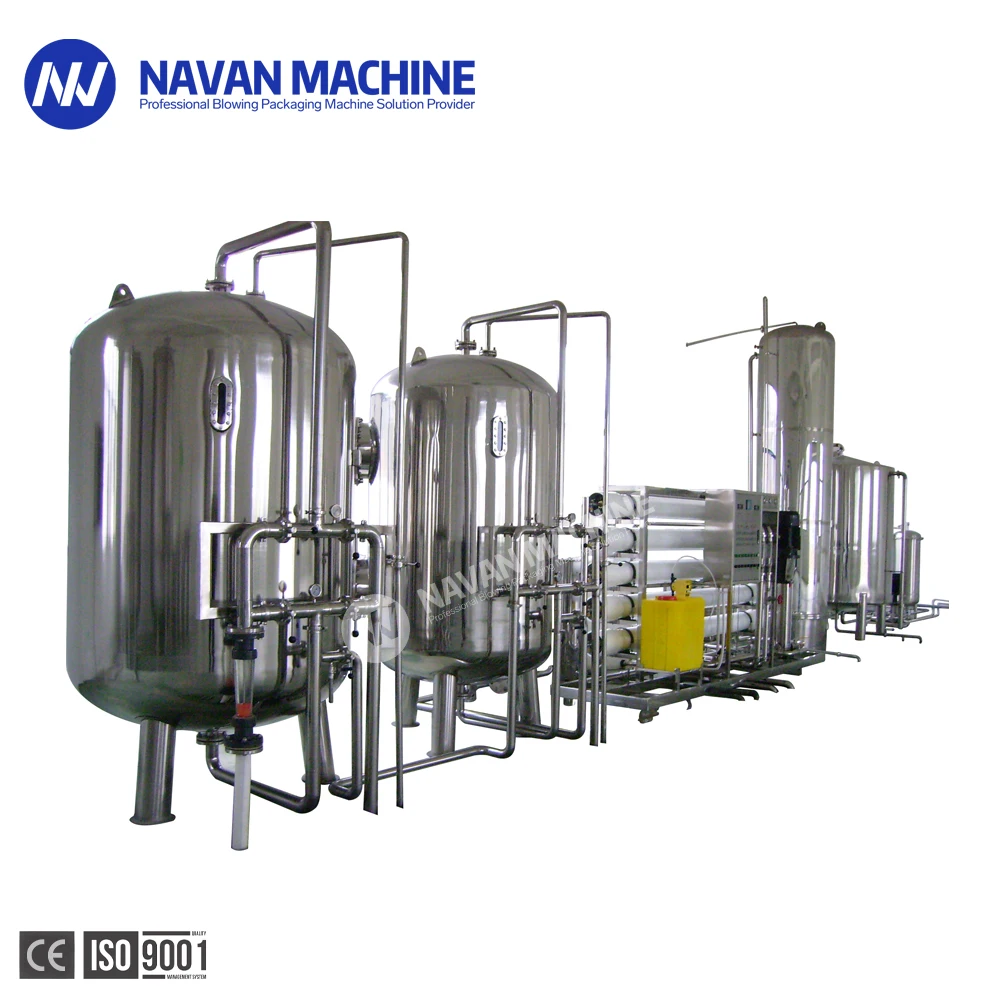
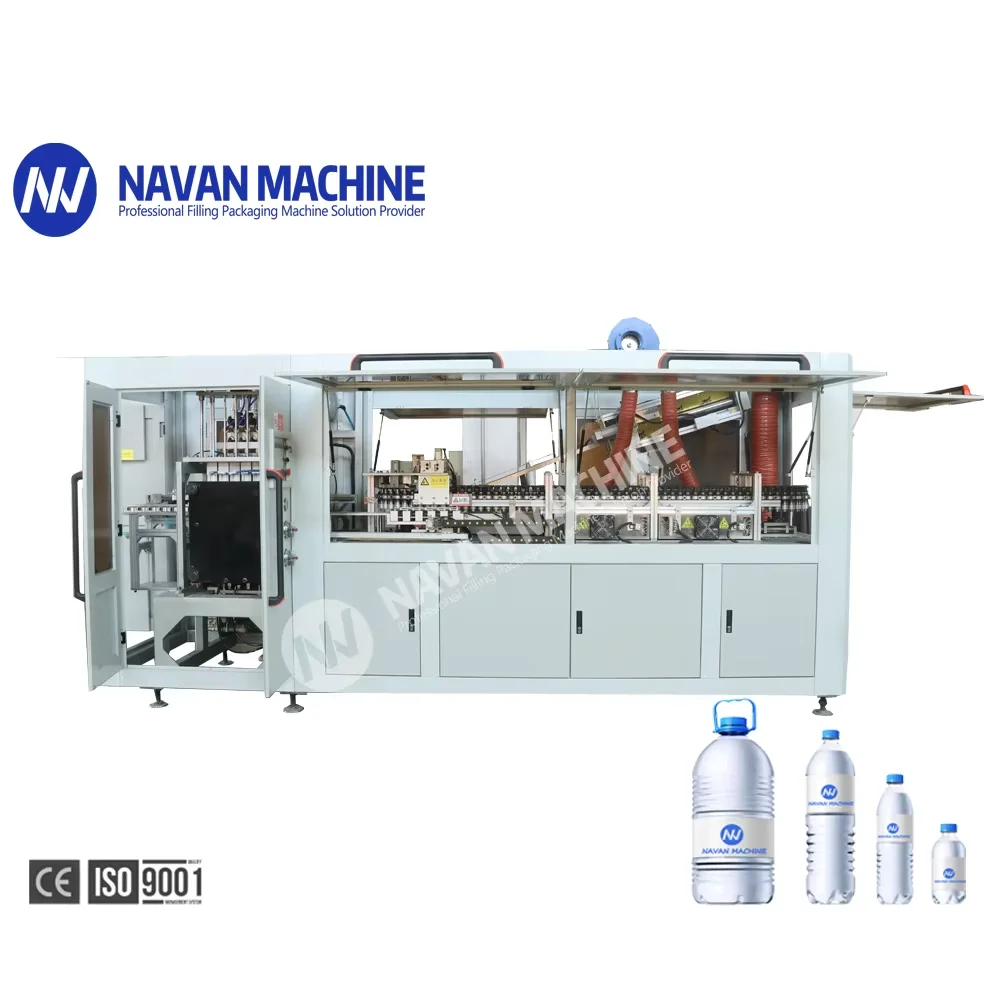
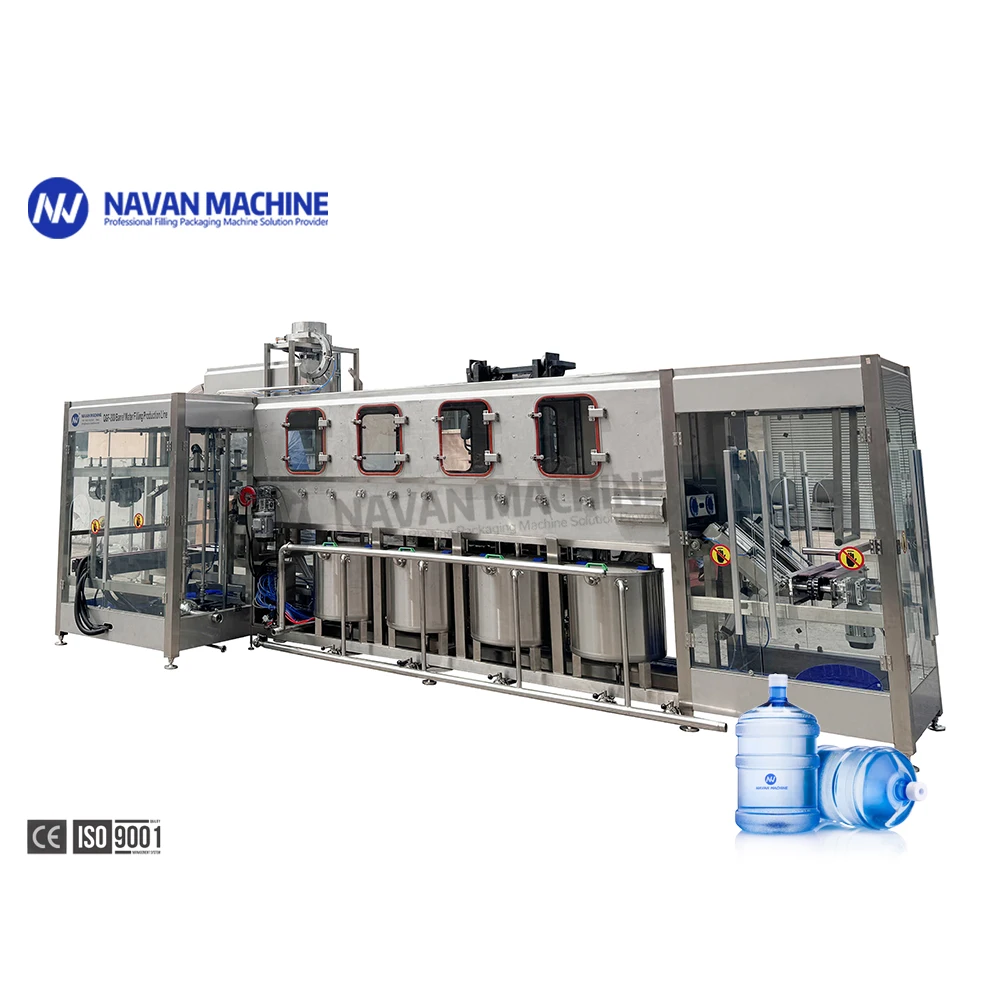
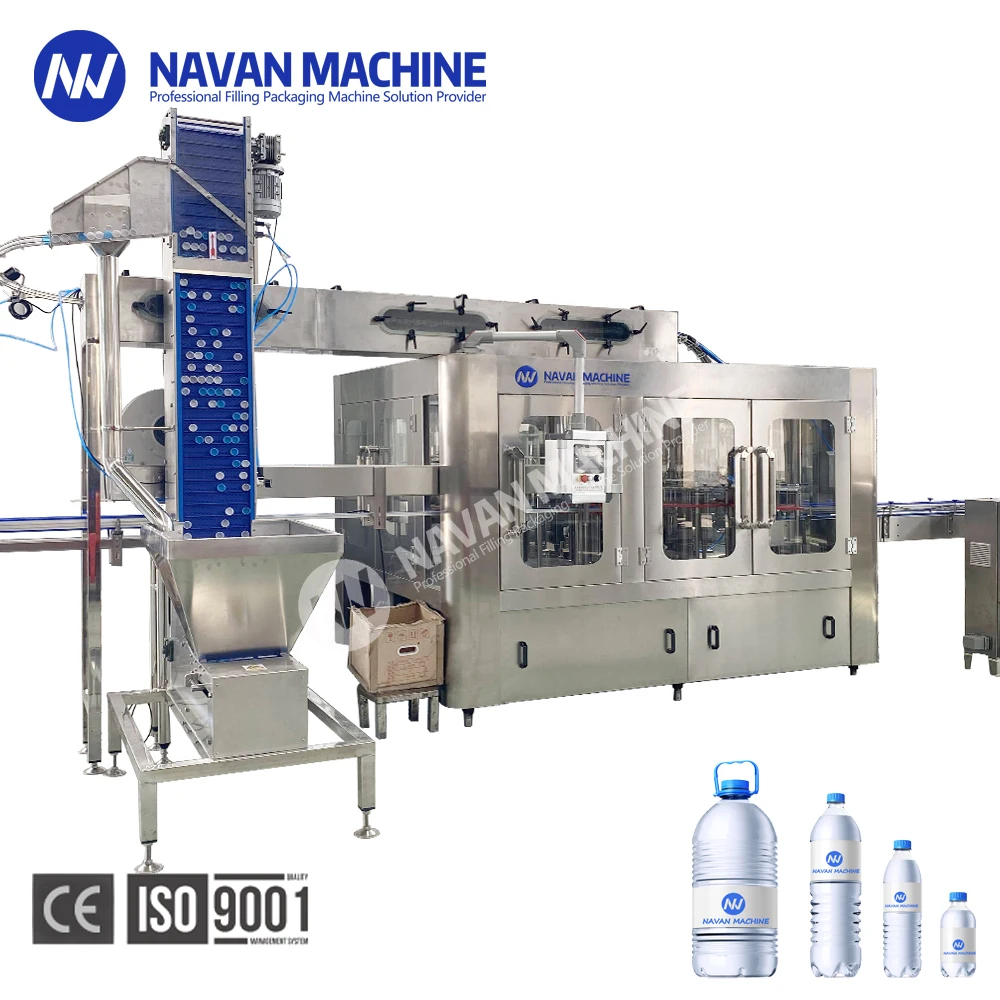
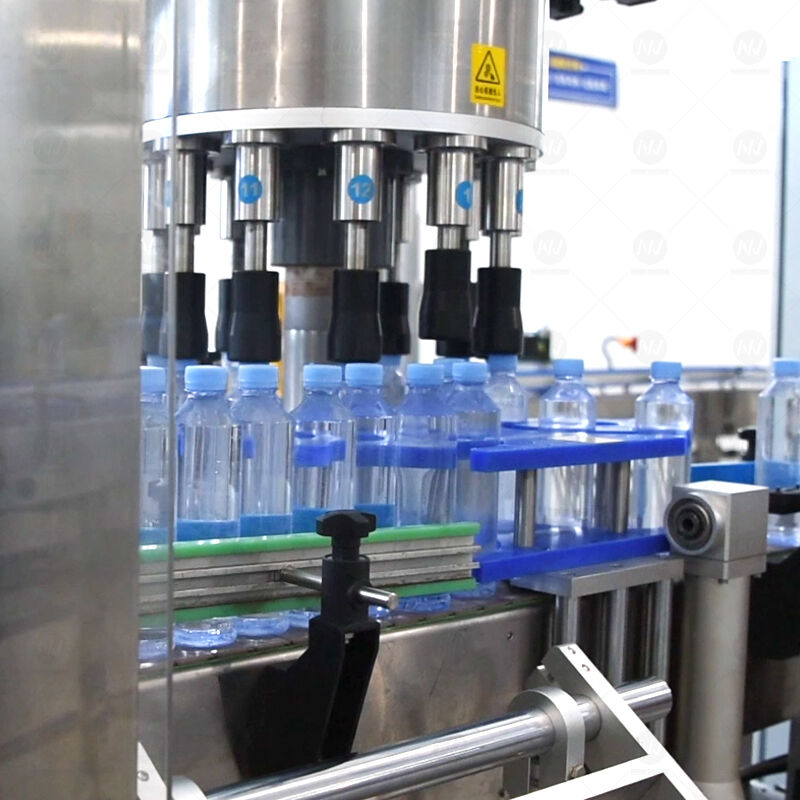
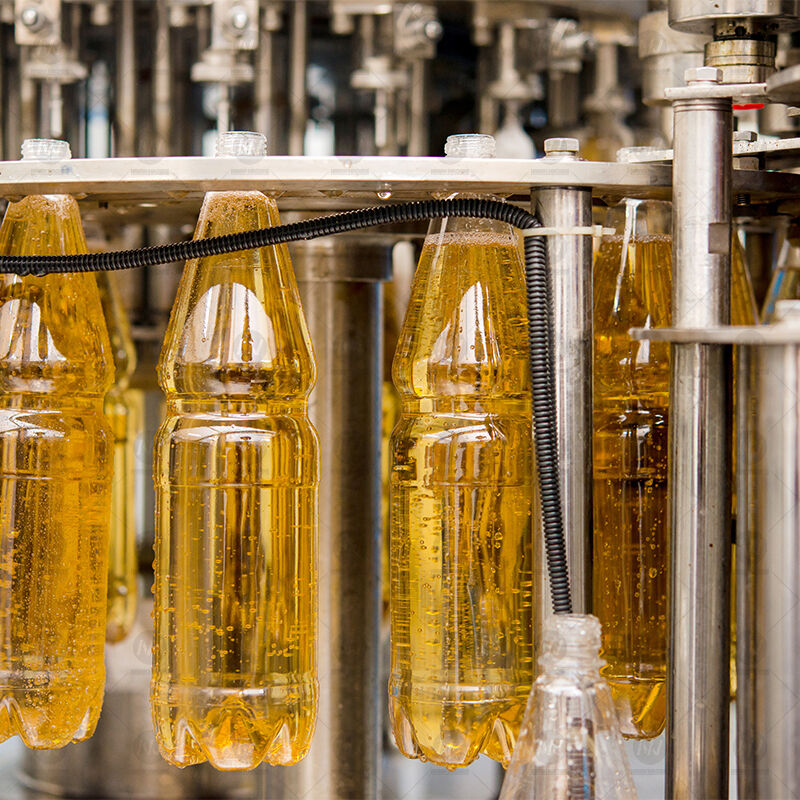
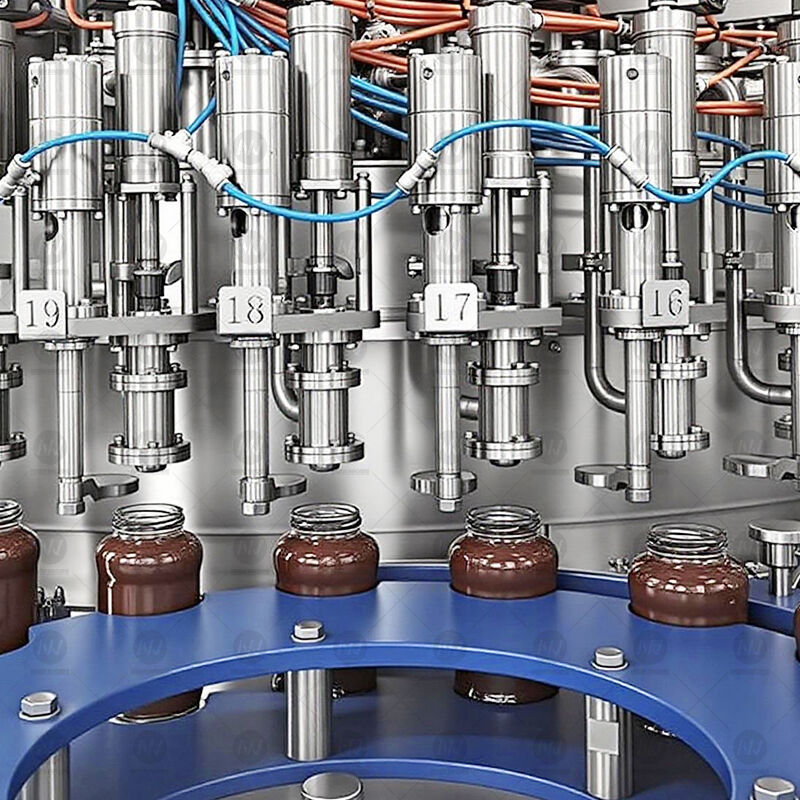
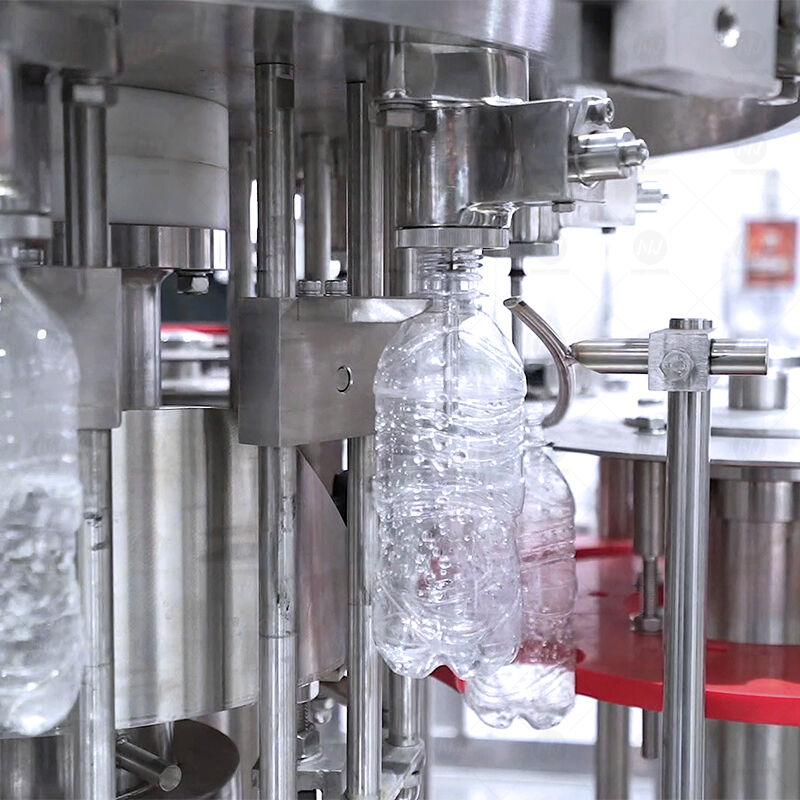
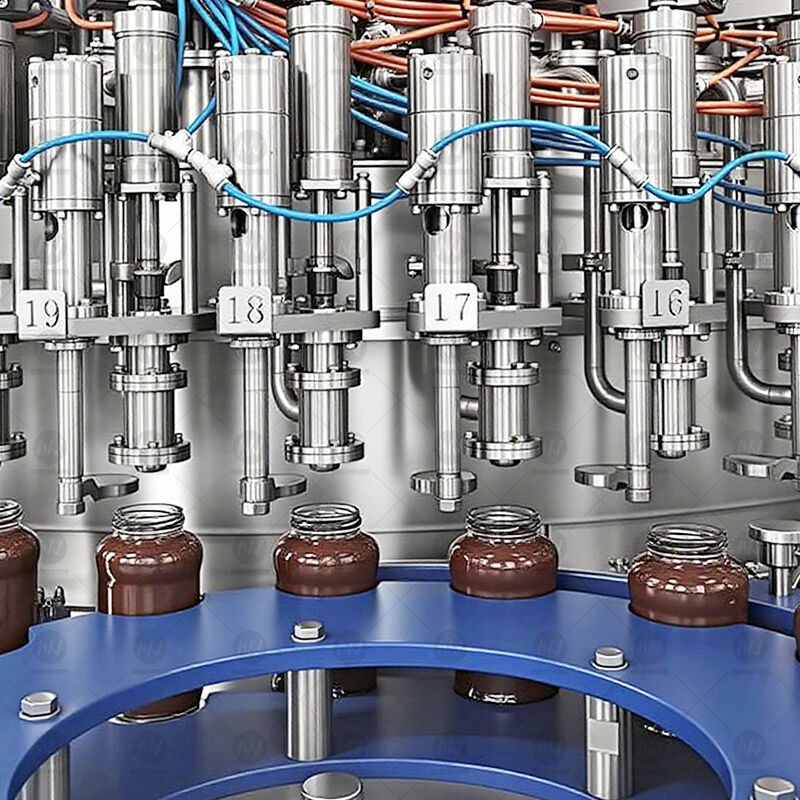
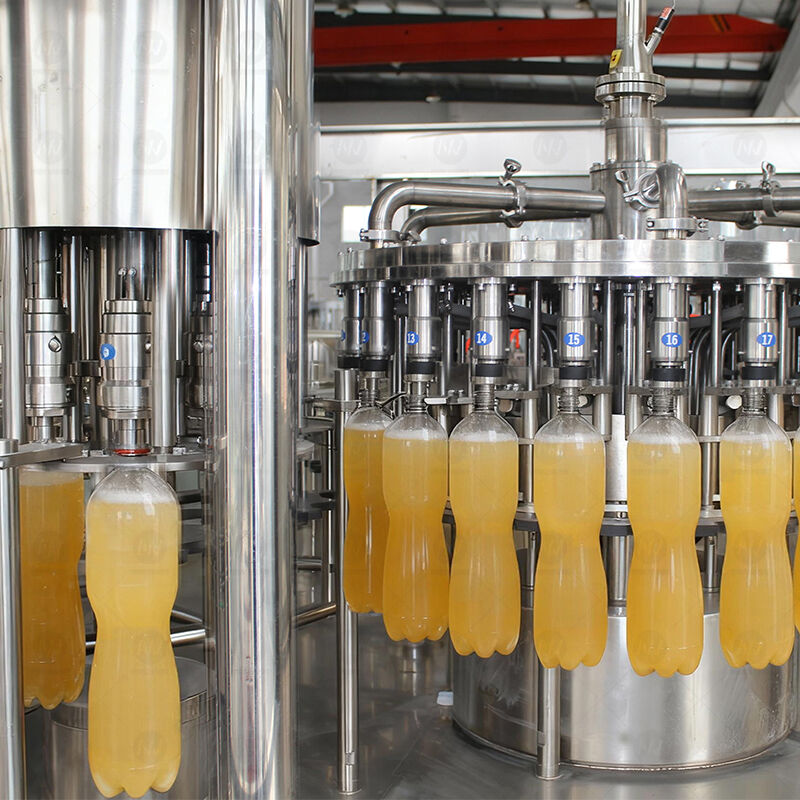
Bottling equipment represents a cornerstone technology in modern manufacturing operations, delivering comprehensive solutions for liquid packaging across diverse industries. These sophisticated systems encompass automated machinery designed to fill, cap, seal, and label containers with precision and efficiency. The primary functions of bottling equipment include accurate volume dispensing, container handling, closure application, and quality control verification. Advanced bottling equipment integrates multiple processes into streamlined production lines that can handle various container sizes, shapes, and materials ranging from glass bottles to plastic containers and aluminum cans. The technological features of contemporary bottling equipment showcase remarkable innovation, incorporating programmable logic controllers, servo-driven mechanisms, and touchscreen interfaces that enable operators to adjust parameters quickly. These systems utilize precision filling valves, automated capping heads, and sophisticated conveyor systems that maintain consistent product flow while minimizing contamination risks. Modern bottling equipment also features integrated inspection systems using cameras and sensors to detect defects, ensuring every package meets quality standards before reaching consumers. The applications of bottling equipment span numerous sectors including beverage production, pharmaceutical manufacturing, cosmetics packaging, and chemical processing. In beverage facilities, bottling equipment handles everything from water and soft drinks to alcoholic beverages and energy drinks. Pharmaceutical companies rely on specialized bottling equipment to package medicines, syrups, and liquid supplements under sterile conditions. The cosmetics industry utilizes this technology for packaging perfumes, lotions, and beauty products, while chemical manufacturers depend on robust bottling equipment for packaging cleaning products, oils, and industrial fluids. The versatility of modern bottling equipment allows manufacturers to switch between different products and container formats with minimal downtime, maximizing operational flexibility and return on investment.
 EN
EN