Professional Soda Filling Machine Solutions - High-Speed Carbonated Beverage Production Equipment

Requesting a Call:

+8615601563990

Online Support

[email protected]

WhatsApp

+86-15601563990

soda filling machine

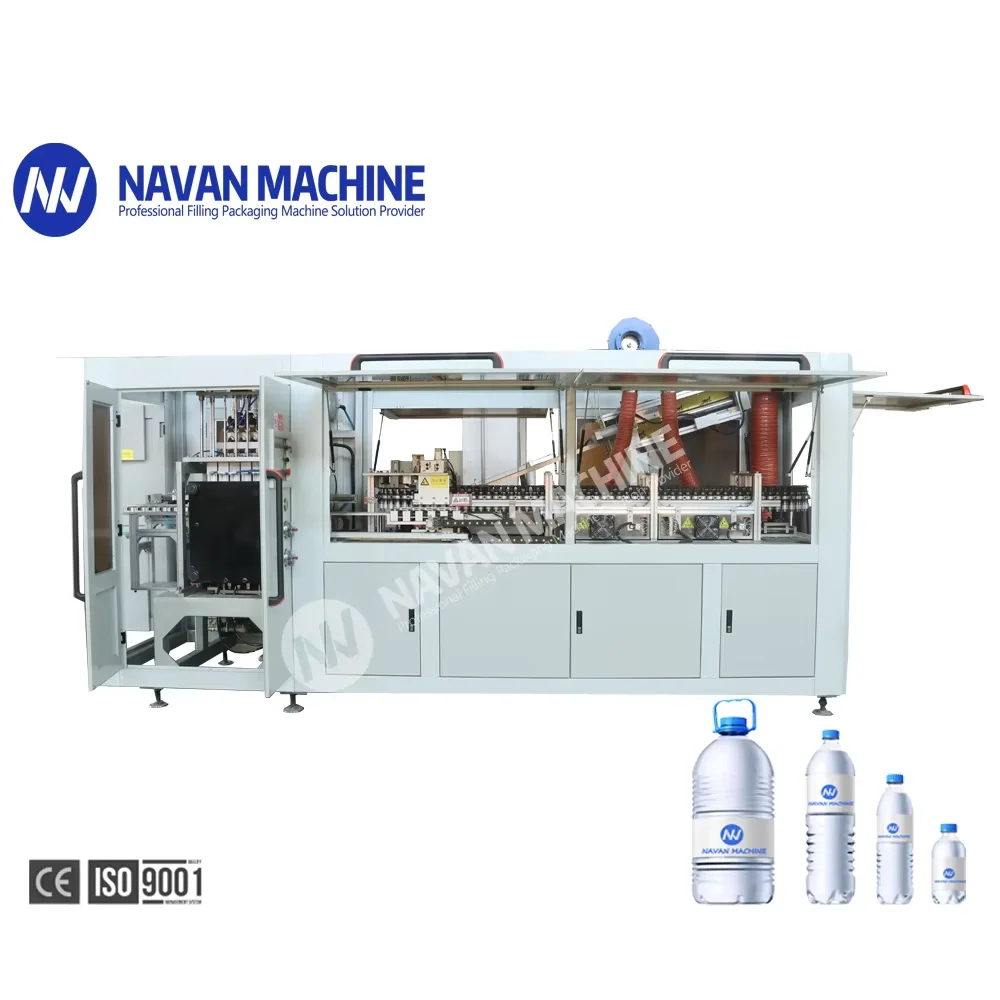
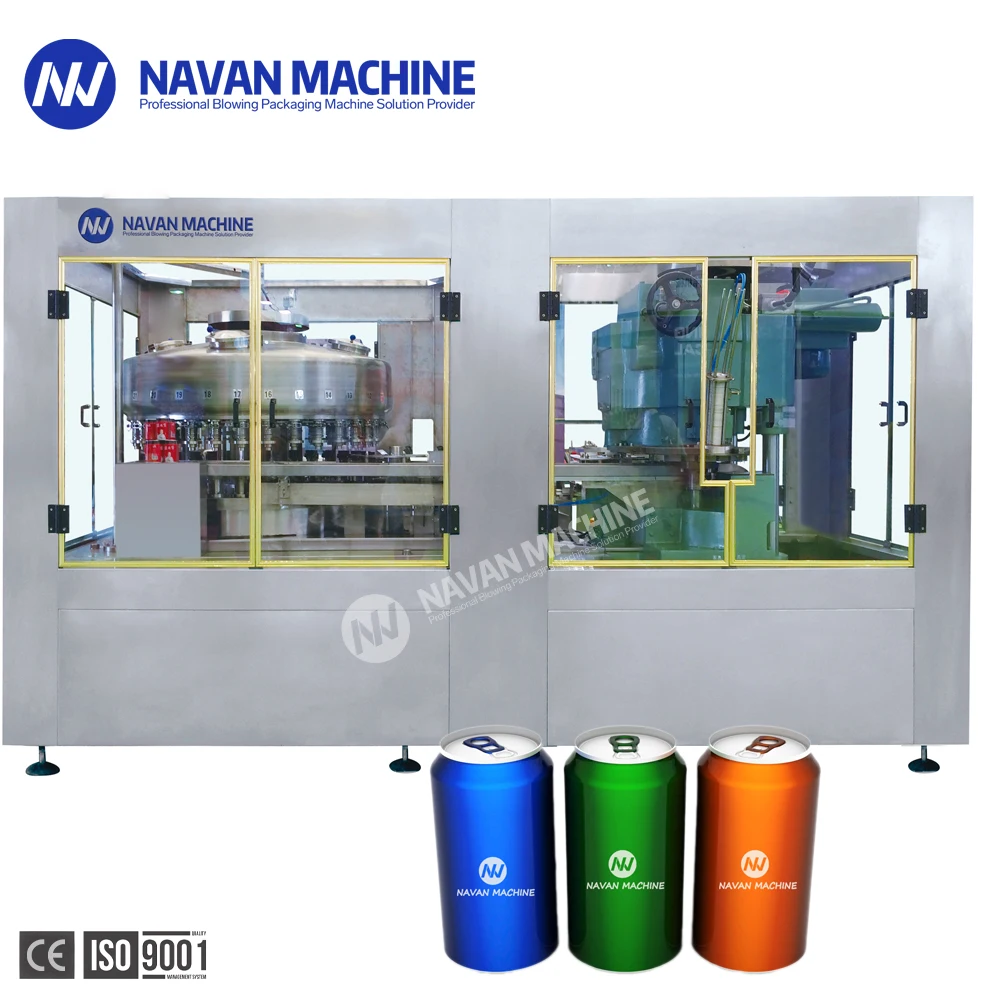
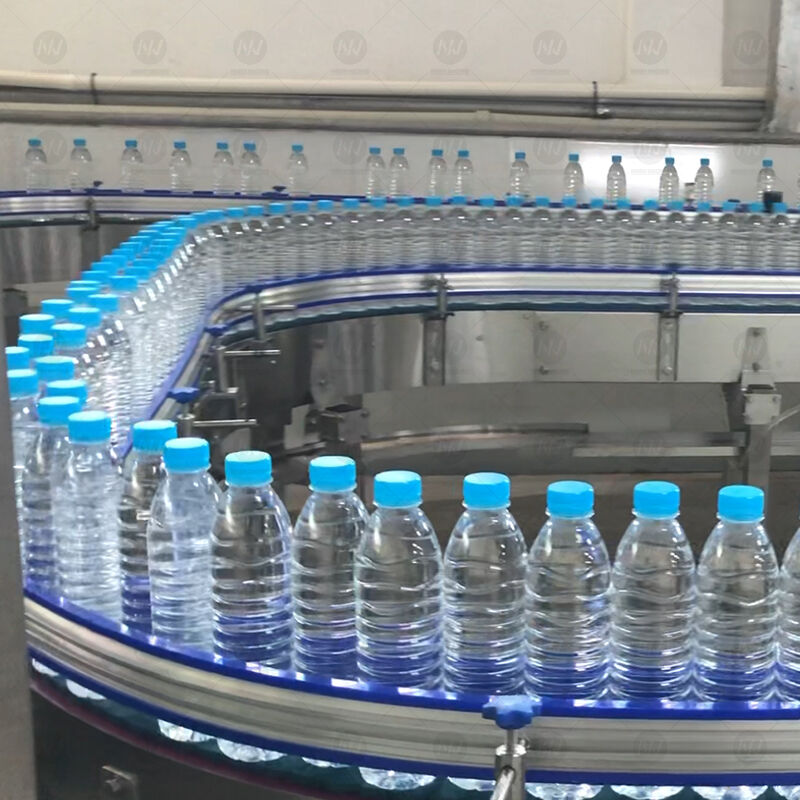
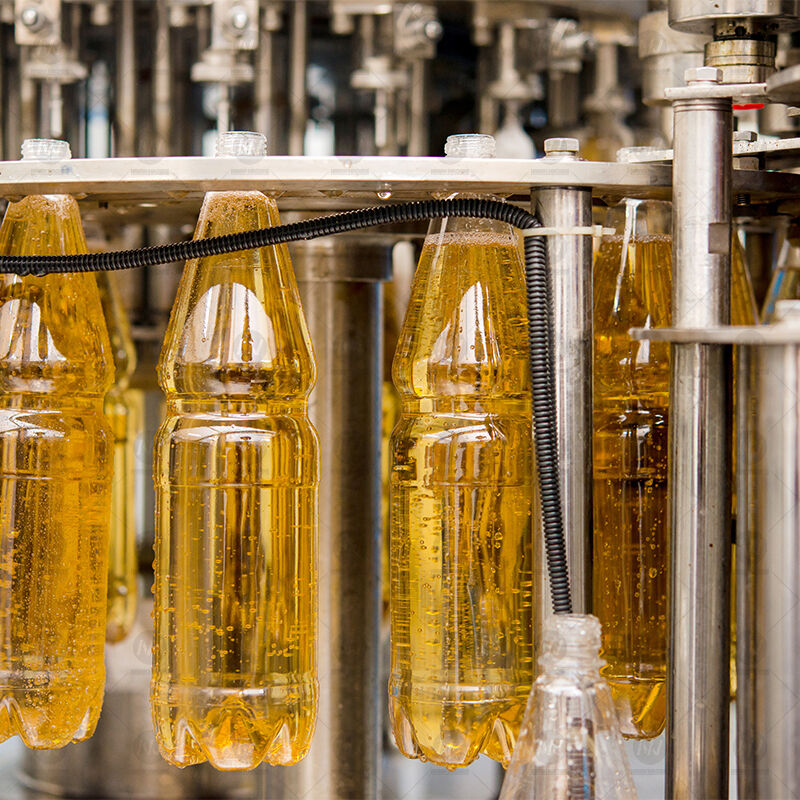
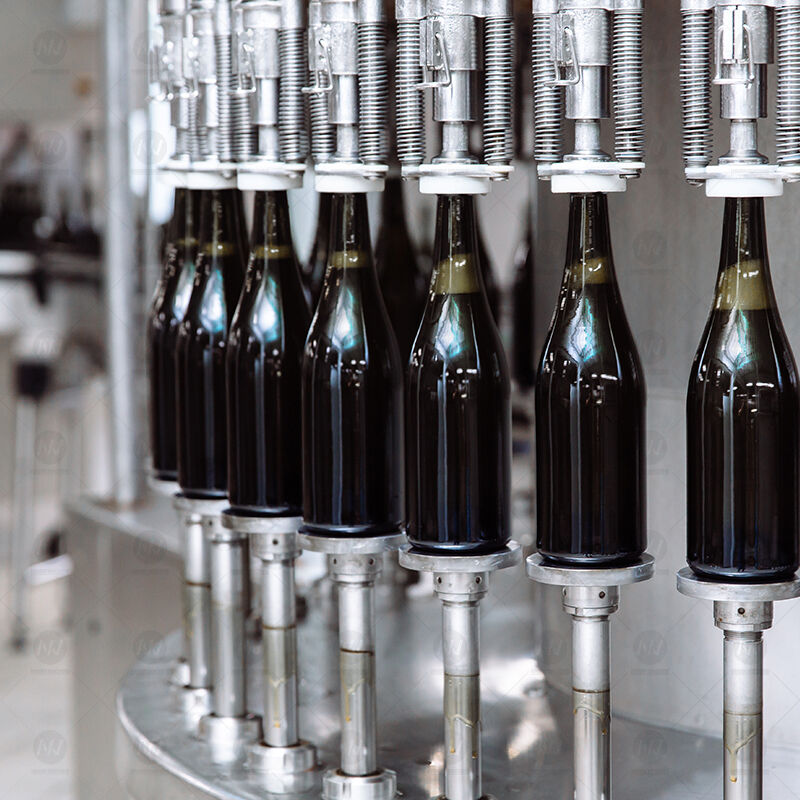
A soda filling machine represents a sophisticated piece of industrial equipment designed specifically for the automated bottling of carbonated beverages in commercial production environments. This specialized machinery serves as the cornerstone of modern beverage manufacturing operations, enabling companies to efficiently package carbonated drinks while maintaining product quality and consistency. The soda filling machine operates through a complex system of precision valves, pressure controls, and automated mechanisms that work together to deliver accurate filling volumes while preserving the carbonation levels essential for consumer satisfaction. These machines incorporate advanced technology to handle the unique challenges associated with carbonated beverage production, including maintaining proper CO2 levels, preventing foam formation, and ensuring sterile filling conditions. Modern soda filling machines feature multiple filling heads that can simultaneously process numerous bottles, significantly increasing production throughput compared to manual or semi-automatic alternatives. The equipment typically includes integrated cleaning systems, quality control sensors, and programmable logic controllers that allow operators to customize filling parameters for different product specifications. Key technological features include counter-pressure filling systems that prevent carbonation loss, variable speed controls for different production requirements, and automatic bottle handling mechanisms that reduce manual labor needs. These machines accommodate various bottle sizes and materials, from glass to PET plastic containers, making them versatile solutions for diverse product lines. The filling process involves precise pressure equalization, controlled liquid dispensing, and proper sealing to maintain product integrity throughout the packaging cycle. Applications span across small craft beverage producers to large-scale industrial operations, with machines available in different capacities ranging from hundreds to thousands of bottles per hour depending on specific production requirements and facility constraints.

New Products

The implementation of a soda filling machine delivers substantial operational benefits that directly impact production efficiency and bottom-line profitability for beverage manufacturers. These automated systems eliminate the inconsistencies associated with manual filling processes, ensuring every bottle contains precisely the correct volume of product while maintaining optimal carbonation levels throughout the packaging operation. The machine significantly reduces labor costs by automating repetitive tasks that would otherwise require multiple workers, allowing companies to reallocate human resources to more strategic activities within their operations. Speed represents another crucial advantage, with modern soda filling machines capable of processing thousands of bottles per hour compared to manual methods that might achieve only hundreds of units in the same timeframe. This dramatic increase in throughput enables manufacturers to meet growing market demands while reducing per-unit production costs through economies of scale. Quality control benefits emerge from the machine's ability to maintain consistent filling pressures, temperatures, and sanitization protocols that human operators might struggle to replicate consistently over extended periods. The equipment's automated systems continuously monitor filling parameters and can immediately detect deviations from specified standards, preventing defective products from reaching consumers and protecting brand reputation. Hygiene standards improve significantly through automated cleaning cycles and closed-system operations that minimize contamination risks compared to open manual filling processes. The machine's precision engineering reduces product waste by eliminating overfilling and spillage common in manual operations, contributing to improved material utilization and cost savings. Flexibility features allow manufacturers to quickly switch between different product formulations and bottle sizes without extensive downtime, supporting diverse product portfolios and seasonal demand variations. Integration capabilities enable seamless connection with existing production line equipment, creating efficient workflows that minimize handling requirements and reduce potential damage to finished products. Safety improvements result from reduced human contact with moving machinery and chemical cleaning agents, creating safer working environments for production staff. Long-term reliability and durability characteristics ensure consistent performance over many years of operation, providing predictable return on investment and reduced maintenance expenses compared to alternative production methods.

Latest News

How Does a Water Filling Line Maintain Hygiene and Product Purity?

31

Oct

How Does a Water Filling Line Maintain Hygiene and Product Purity?

Ensuring Safety and Quality in Beverage Production Systems The modern beverage industry faces an ever-growing challenge to maintain impeccable hygiene standards while meeting increasing production demands. At the heart of this challenge lies the wate...
View More
What Are the Long-Term Benefits of Investing in Advanced Water Filling Lines?

31

Oct

What Are the Long-Term Benefits of Investing in Advanced Water Filling Lines?

Transforming Beverage Production Through Modern Automation The beverage industry is witnessing a revolutionary transformation as manufacturers increasingly turn to advanced water filling lines to streamline their operations. These sophisticated syste...
View More
What Technologies Ensure Freshness and Shelf Life in Beer Filling Systems?

31

Oct

What Technologies Ensure Freshness and Shelf Life in Beer Filling Systems?

Modern Innovations in Beer Filling Technology The brewing industry has witnessed remarkable technological advancements in beer filling systems, revolutionizing how breweries maintain product freshness and extend shelf life. Today's sophisticated beer...
View More
How Does a Jam Filling Machine Handle Thick and Sticky Products Efficiently?

31

Oct

How Does a Jam Filling Machine Handle Thick and Sticky Products Efficiently?

Understanding Modern Industrial Jam Processing Equipment The food processing industry has witnessed remarkable technological advancements, particularly in the realm of handling viscous products. At the heart of efficient jam production lies the sophi...
View More

Get a Free Quote

Our representative will contact you soon.
Email
Name
Company Name
Message
0/1000

soda filling machine

Advanced Counter-Pressure Filling Technology

Advanced Counter-Pressure Filling Technology

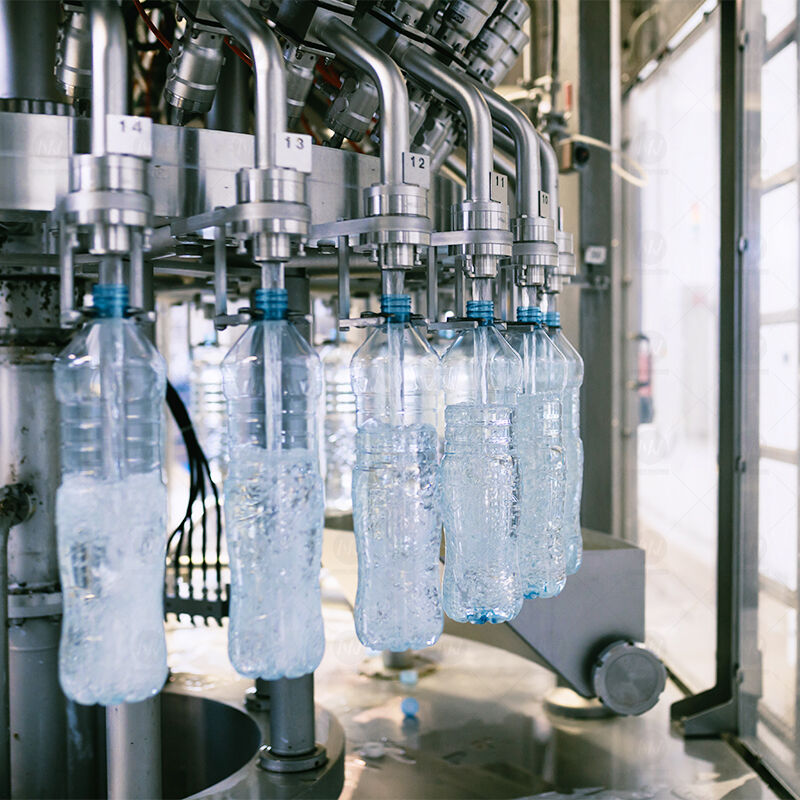
The sophisticated counter-pressure filling system represents the most critical technological advancement in modern soda filling machines, addressing the fundamental challenge of maintaining carbonation integrity during the packaging process. This innovative technology operates by creating an environment where the bottle's internal pressure matches the pressure within the filling tank, preventing the rapid escape of carbon dioxide that would otherwise occur when carbonated liquid encounters atmospheric pressure. The system begins by purging bottles with CO2 gas to eliminate oxygen and create an inert atmosphere, followed by pressurization to match the liquid's carbonation pressure before filling commences. This precise pressure equalization prevents the violent foaming and carbonation loss that plague traditional filling methods, ensuring that consumers receive products with the intended fizz and taste profile. The technology employs sophisticated pressure sensors and automated control valves that continuously monitor and adjust pressure levels throughout the filling cycle, maintaining optimal conditions even as production speeds increase. Advanced models incorporate pressure mapping capabilities that can accommodate different carbonation levels for various product formulations, allowing manufacturers to produce everything from lightly carbonated flavored waters to highly carbonated cola products on the same equipment. The counter-pressure system also includes safety mechanisms that prevent overpressurization and protect both equipment and operators from potential hazards associated with high-pressure operations. Quality benefits extend beyond carbonation preservation to include reduced oxidation and improved shelf stability, as the oxygen-free filling environment prevents degradation reactions that can affect flavor and color over time. The technology's precision enables manufacturers to achieve consistent carbonation levels across all bottles in a production run, eliminating the product variation that can lead to consumer complaints and brand damage. Implementation of counter-pressure filling technology typically results in measurable improvements in product quality metrics, including carbonation retention testing and sensory evaluation scores, providing manufacturers with competitive advantages in increasingly crowded beverage markets.
Multi-Head High-Speed Production Capability

Multi-Head High-Speed Production Capability

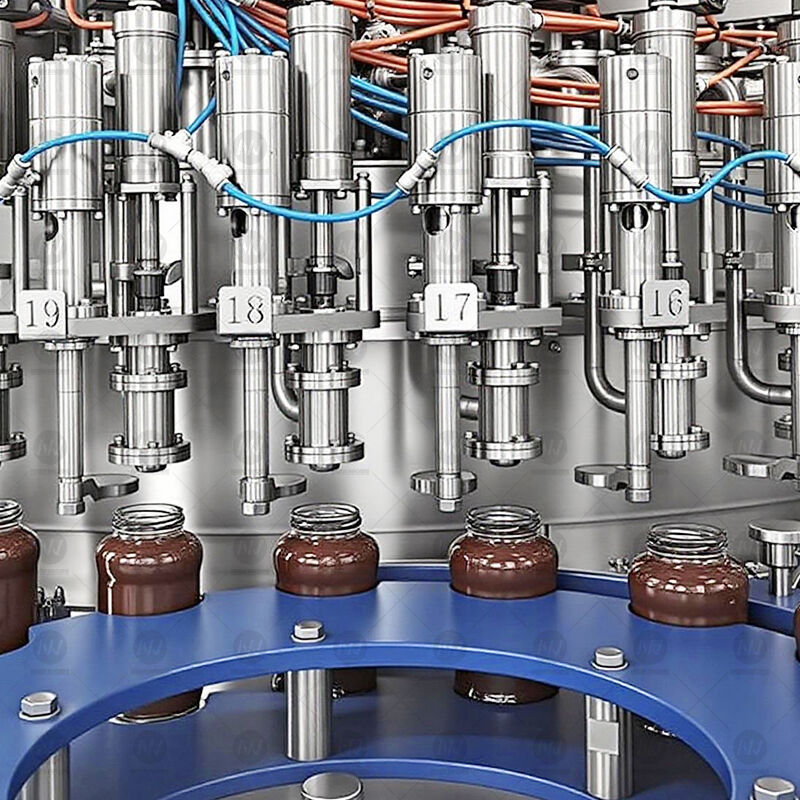
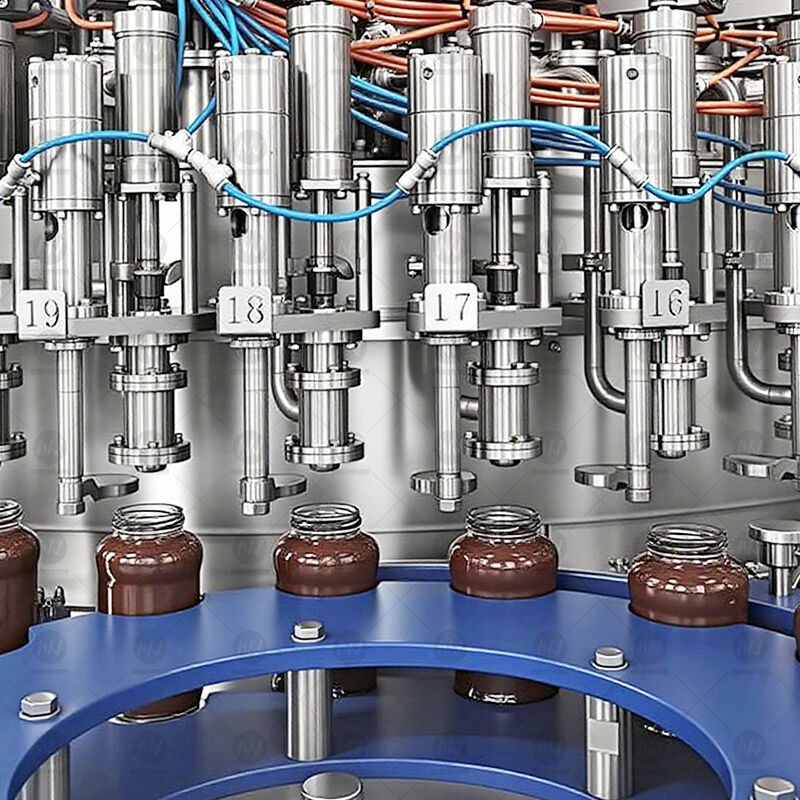
The multi-head configuration of modern soda filling machines delivers unprecedented production capabilities that transform manufacturing economics for beverage companies of all sizes. These systems feature multiple filling stations arranged in a circular or linear configuration, with each head capable of independently processing bottles while maintaining synchronization with the overall production line rhythm. Advanced machines may incorporate 12, 24, 48, or even more filling heads, with each additional head exponentially increasing throughput potential without proportionally increasing floor space requirements or operational complexity. The engineering behind multi-head systems requires precise timing mechanisms that ensure bottles arrive at each filling station exactly when needed, with sophisticated conveyor systems and bottle handling equipment working in perfect coordination to maintain continuous flow. Speed capabilities of these systems often exceed 1000 bottles per hour per filling head, meaning a 24-head machine can potentially process 24,000 bottles hourly under optimal conditions, representing production volumes that would be impossible to achieve through manual methods or single-head equipment. The economic implications prove substantial, as the high-speed capability enables manufacturers to reduce per-unit labor costs, utility expenses, and facility overhead by maximizing production density within existing building footprints. Quality consistency across all filling heads ensures uniform product standards regardless of which station processes individual bottles, with centralized control systems monitoring and adjusting parameters for all heads simultaneously. Flexibility features allow operators to easily disable specific heads for maintenance or cleaning without shutting down the entire production line, maintaining productivity even during routine maintenance activities. The multi-head design also provides redundancy benefits, as temporary head failures do not completely halt production, though they may reduce overall throughput until repairs are completed. Integration with automated bottle handling systems creates seamless workflows where empty bottles automatically feed into the filling stations and filled bottles continue to capping and labeling equipment without manual intervention. Advanced models include individual head monitoring systems that track performance metrics for each filling station, enabling predictive maintenance schedules and optimizing overall equipment effectiveness through data-driven operational decisions.
Comprehensive Automation and Control Systems

Comprehensive Automation and Control Systems

The integration of advanced automation and control systems in modern soda filling machines represents a paradigm shift from traditional manual operations to intelligent, self-managing production environments that optimize efficiency while minimizing human intervention requirements. These sophisticated systems employ programmable logic controllers (PLCs) and human-machine interfaces (HMIs) that provide operators with intuitive control over all aspects of the filling process, from initial setup through quality monitoring and maintenance scheduling. The automation capabilities extend to recipe management, where operators can store and recall specific filling parameters for different products, automatically adjusting pressure settings, fill volumes, and timing sequences when switching between product lines. Real-time monitoring systems continuously collect data on production rates, fill accuracy, carbonation levels, and equipment performance, providing management with comprehensive insights into operational efficiency and product quality trends. Automated quality control features include weight checking systems that verify fill volumes, carbonation sensors that ensure proper CO2 levels, and vision systems that detect contamination or packaging defects before products leave the production line. The control systems also manage automated cleaning-in-place (CIP) cycles that sanitize filling equipment according to predetermined schedules or triggered by contamination detection, ensuring consistent hygiene standards without manual intervention. Integration capabilities allow the soda filling machine to communicate with upstream and downstream equipment, creating coordinated production lines where bottle conveyance, filling, capping, and labeling operations work in perfect synchronization. Advanced predictive maintenance features analyze equipment performance data to identify potential failures before they occur, scheduling maintenance activities during planned downtime periods rather than experiencing unexpected production interruptions. Energy management systems optimize power consumption by automatically adjusting motor speeds and system pressures based on production demands, reducing utility costs while maintaining performance standards. Remote monitoring capabilities enable technical support teams to diagnose problems and provide assistance without requiring on-site visits, reducing maintenance costs and minimizing production downtime. The comprehensive data logging capabilities support regulatory compliance requirements by maintaining detailed records of production parameters, cleaning cycles, and quality control measurements that regulatory agencies may require for food safety audits.

Get a Free Quote

Our representative will contact you soon.
Email
Name
Company Name
Message
0/1000

Get a Free Quote

Our representative will contact you soon.
Email
Name
Company Name
Message
0/1000
TopTop