Intelligent Vision Inspection System for Quality Assurance
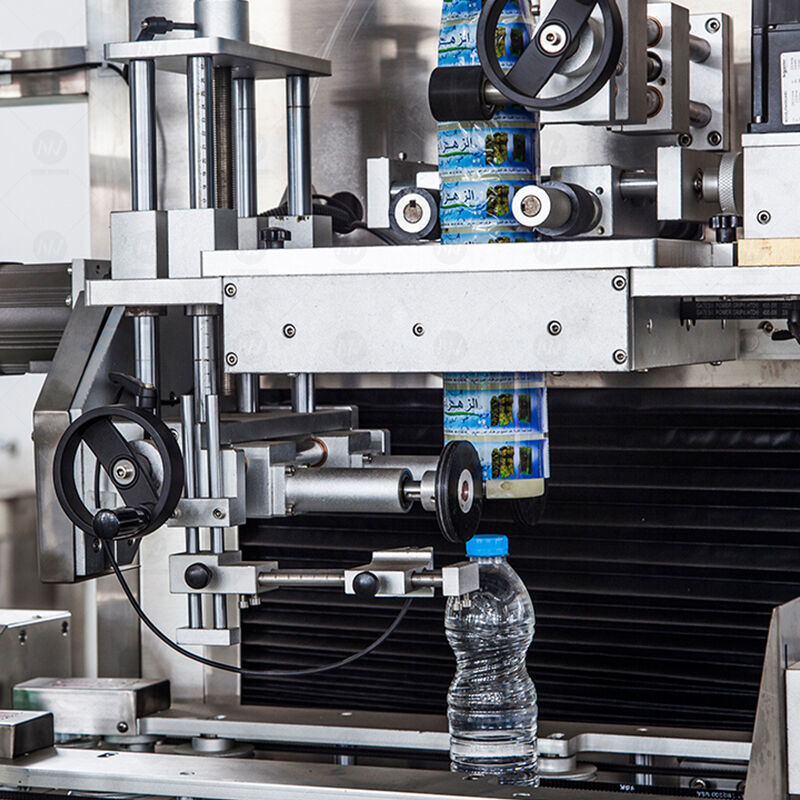
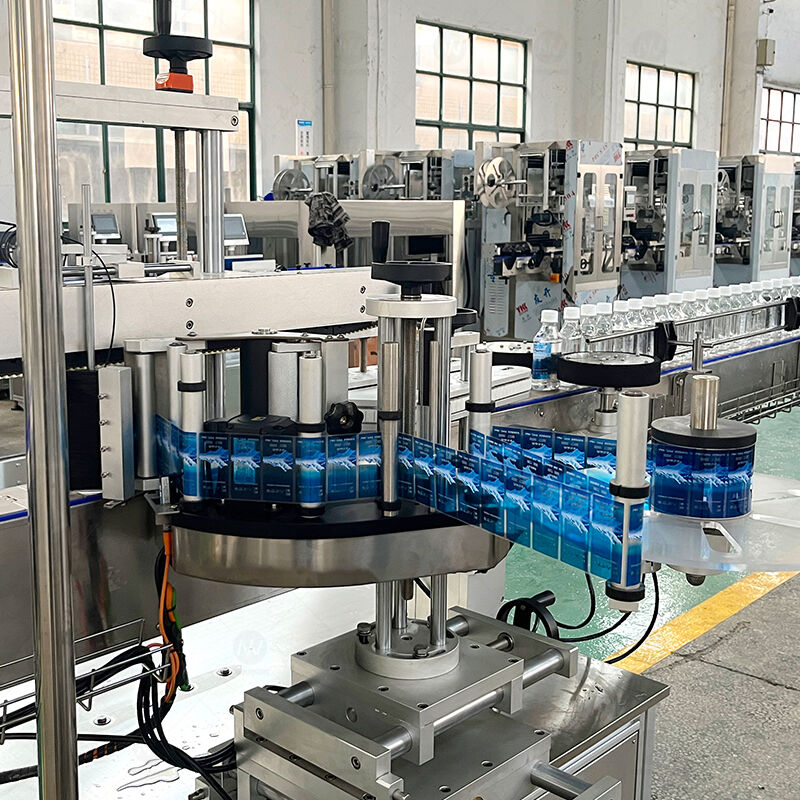
The integrated vision inspection system represents a revolutionary advancement in glass bottle labeling machine technology, providing comprehensive quality assurance through automated visual verification of label placement and appearance. This sophisticated system employs high-resolution cameras and advanced image processing algorithms to examine every labeled bottle in real-time, detecting even minute defects or variations that could compromise product quality or brand standards. The vision system captures multiple images of each bottle from different angles, analyzing label position, orientation, wrinkle formation, edge alignment, and overall appearance against predetermined quality parameters. Machine learning capabilities enable the system to continuously improve its detection accuracy by learning from operator feedback and historical data, adapting to subtle variations in label materials, lighting conditions, and production parameters. The inspection process occurs at full production speed without slowing down the manufacturing line, providing 100 percent quality verification rather than the statistical sampling methods used in traditional quality control approaches. When defects are detected, the system immediately signals rejection mechanisms that remove faulty products from the production line while generating detailed reports about the nature and frequency of detected issues. This comprehensive data collection helps production managers identify trends, optimize machine settings, and implement preventive measures to reduce future defect rates. The vision system can simultaneously monitor multiple quality criteria including label presence, correct positioning within tolerance zones, proper adhesion without bubbles or wrinkles, text legibility, and color consistency for printed labels. Customizable inspection parameters allow operators to set specific quality standards for different products, accommodating varying requirements across product lines or customer specifications. The system interfaces with production management software to provide real-time quality metrics, trend analysis, and predictive maintenance alerts based on performance patterns. False positive rates remain extremely low due to sophisticated algorithms that distinguish between actual defects and acceptable variations in bottle shape, surface texture, or ambient lighting conditions. Remote monitoring capabilities enable quality managers to oversee inspection results from multiple production lines simultaneously, receiving instant notifications when quality thresholds are exceeded or when manual intervention is required.
 EN
EN