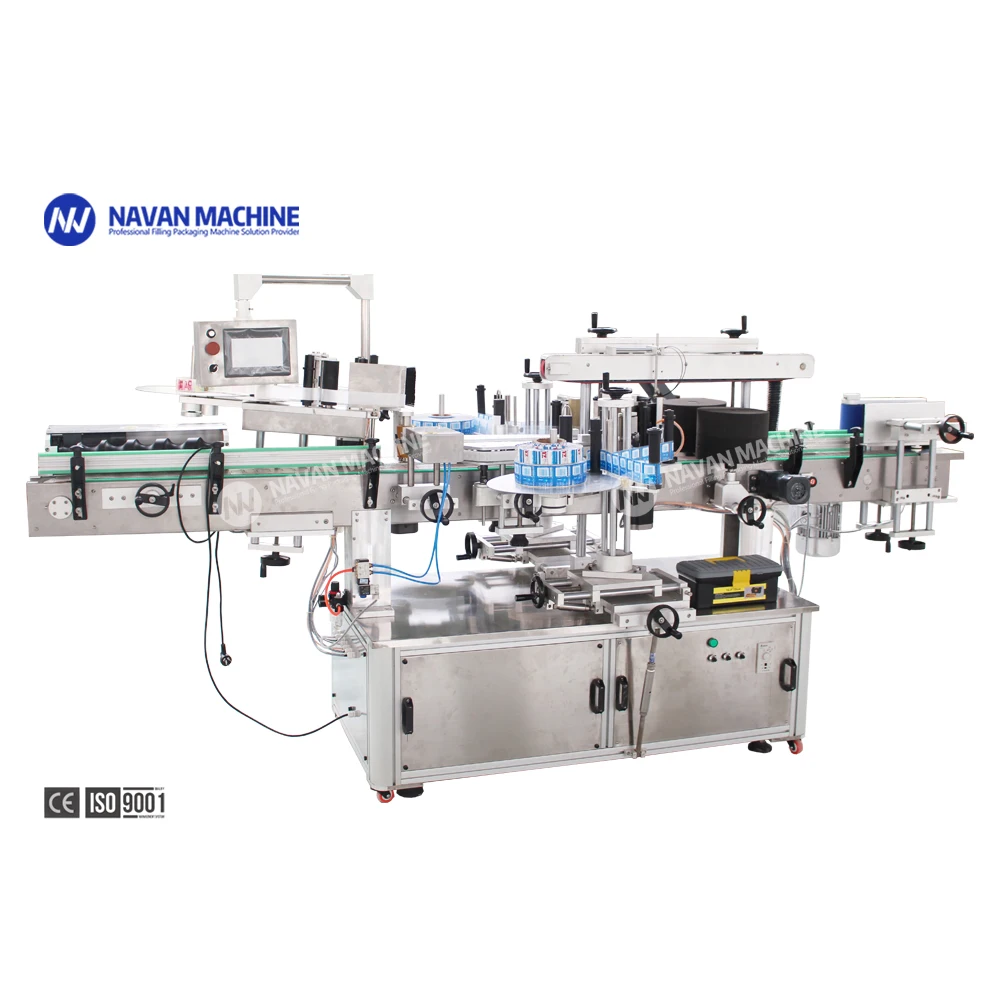
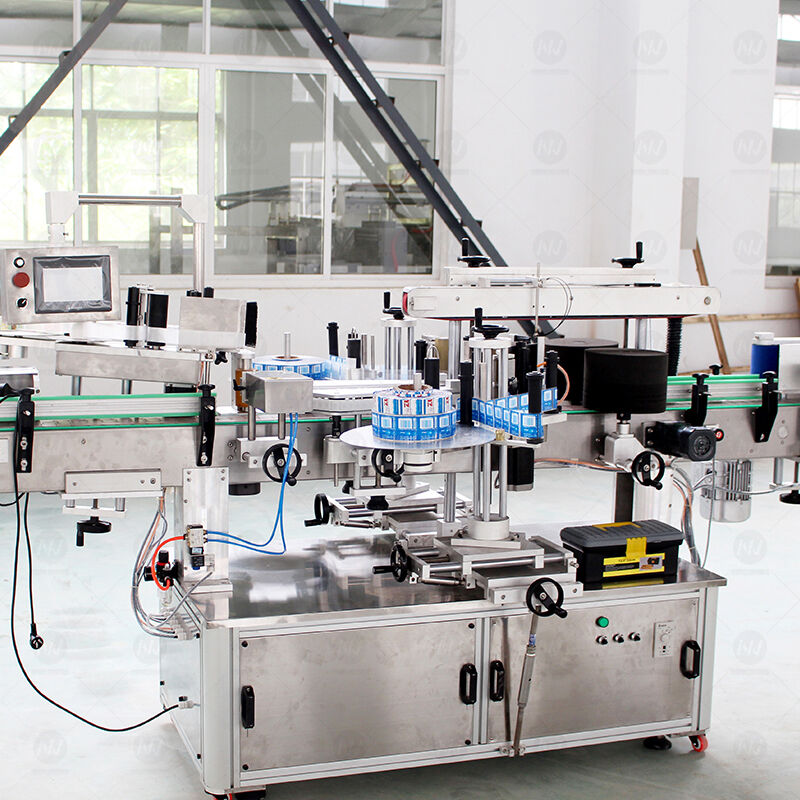
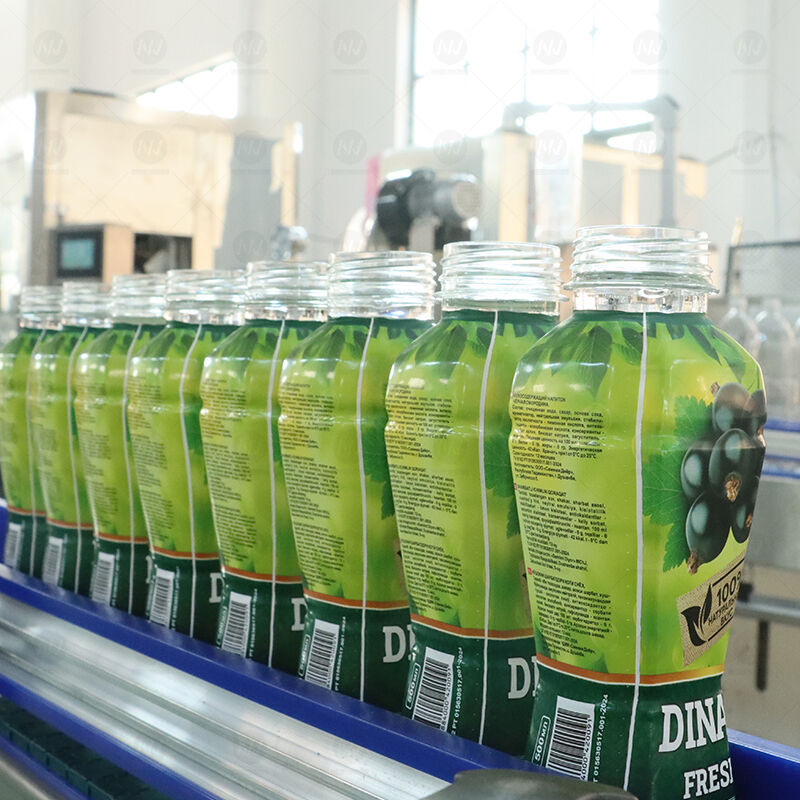
hot glue labeling machine
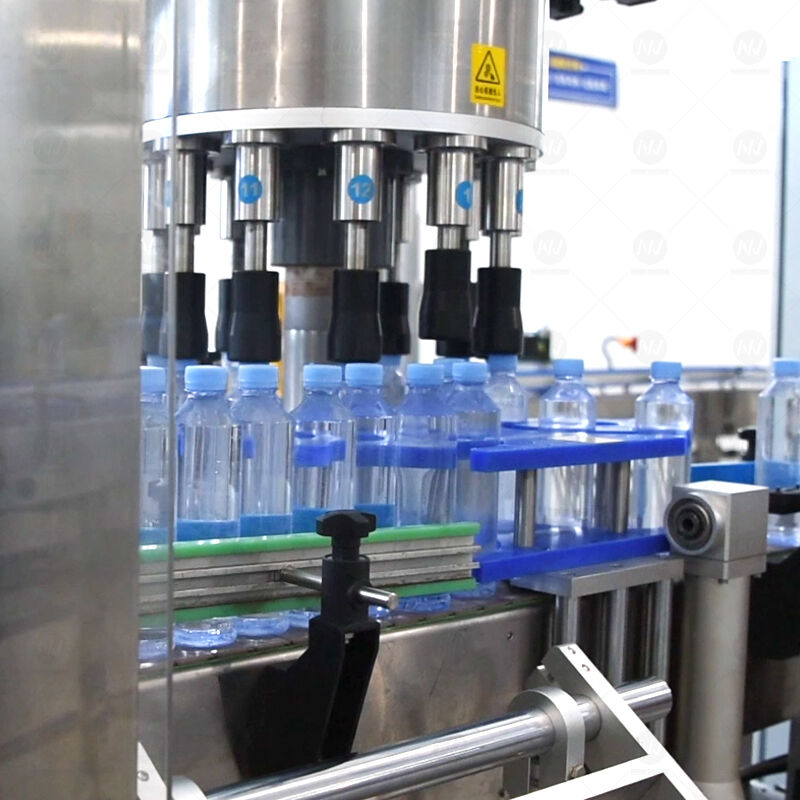
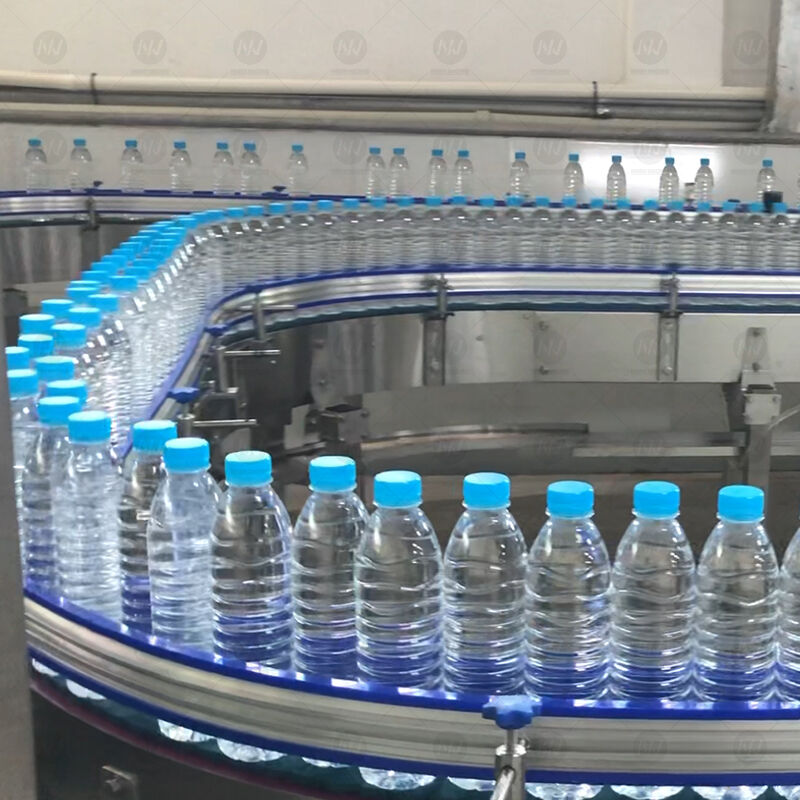
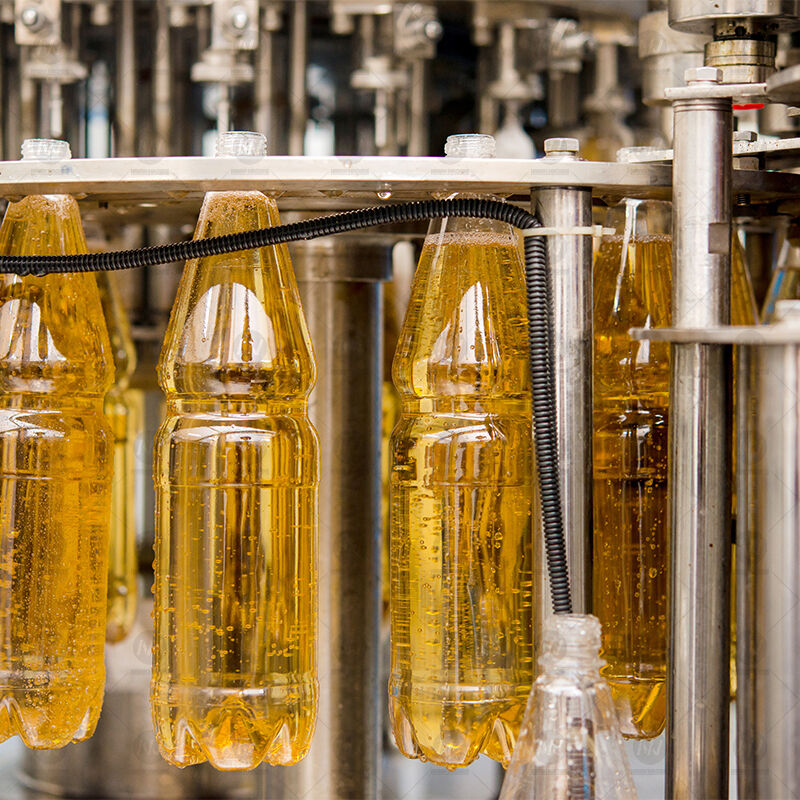
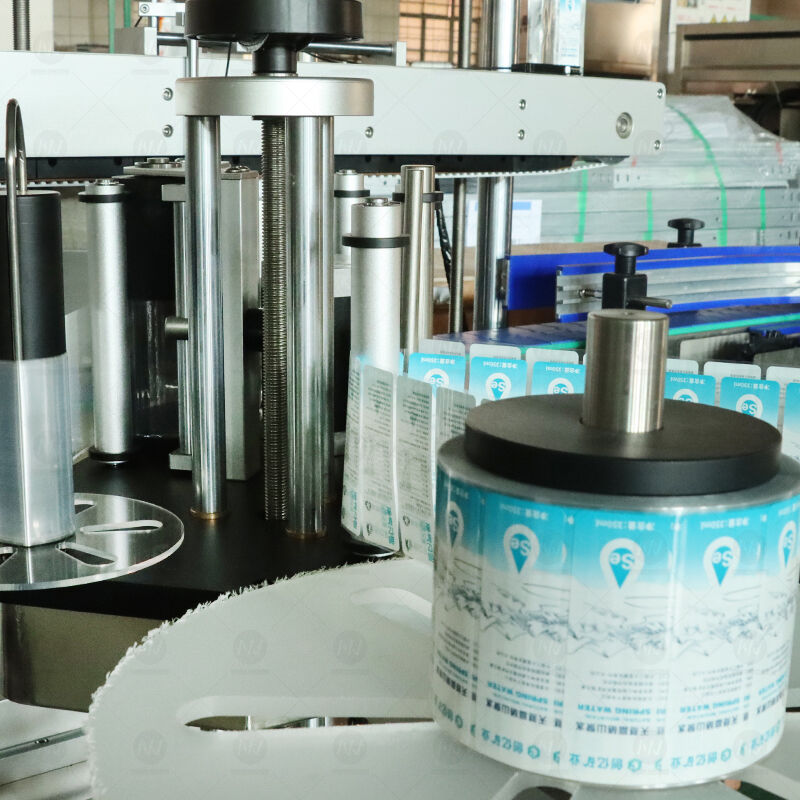
A hot glue labeling machine represents a sophisticated automated solution designed to apply labels to various containers and products using thermoplastic adhesive technology. This industrial equipment operates by heating solid adhesive materials to their melting point, creating a molten adhesive that bonds labels securely to target surfaces. The hot glue labeling machine integrates precision engineering with advanced control systems to deliver consistent, reliable labeling performance across diverse manufacturing environments. The core functionality revolves around a heated applicator system that maintains optimal adhesive temperatures while ensuring uniform distribution across label surfaces. Modern hot glue labeling machines incorporate programmable logic controllers that manage temperature regulation, adhesive flow rates, and application timing with exceptional accuracy. These systems feature adjustable speed controls, allowing operators to match production line requirements while maintaining label placement precision. The technology encompasses multiple application methods, including contact and non-contact dispensing systems, accommodating various label sizes, shapes, and substrate materials. Key technological features include temperature monitoring systems that prevent adhesive degradation, automated feeding mechanisms for continuous operation, and integrated quality control sensors that verify proper label placement. The machine's modular design enables customization for specific production requirements, supporting various container geometries from cylindrical bottles to rectangular boxes. Applications span numerous industries including food and beverage, pharmaceuticals, cosmetics, household products, and industrial chemicals. The hot glue labeling machine excels in high-speed production environments where traditional adhesive methods prove inadequate. Its versatility extends to challenging labeling scenarios involving curved surfaces, extreme temperatures, or moisture-rich environments where conventional adhesives fail. The system's robust construction ensures reliable operation in demanding industrial settings while minimizing maintenance requirements and maximizing production uptime.
 EN
EN