Versatile Multi-Format Compatibility
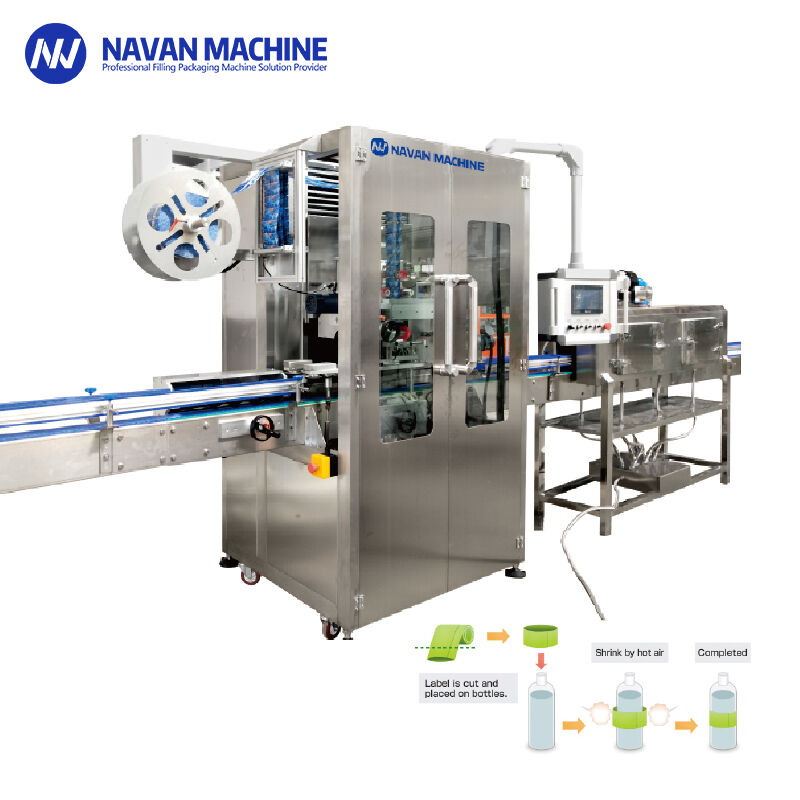
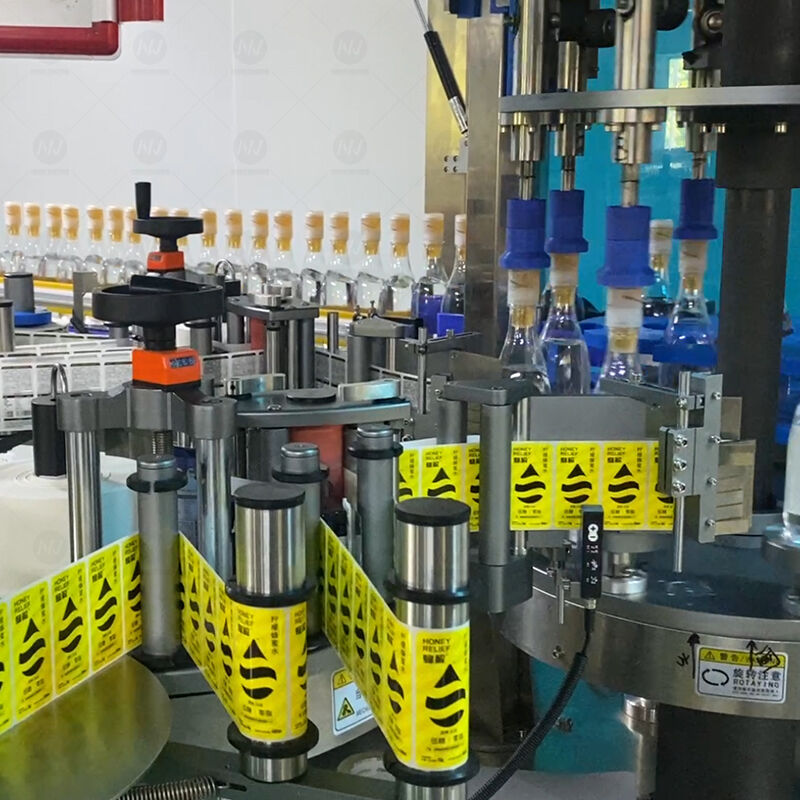
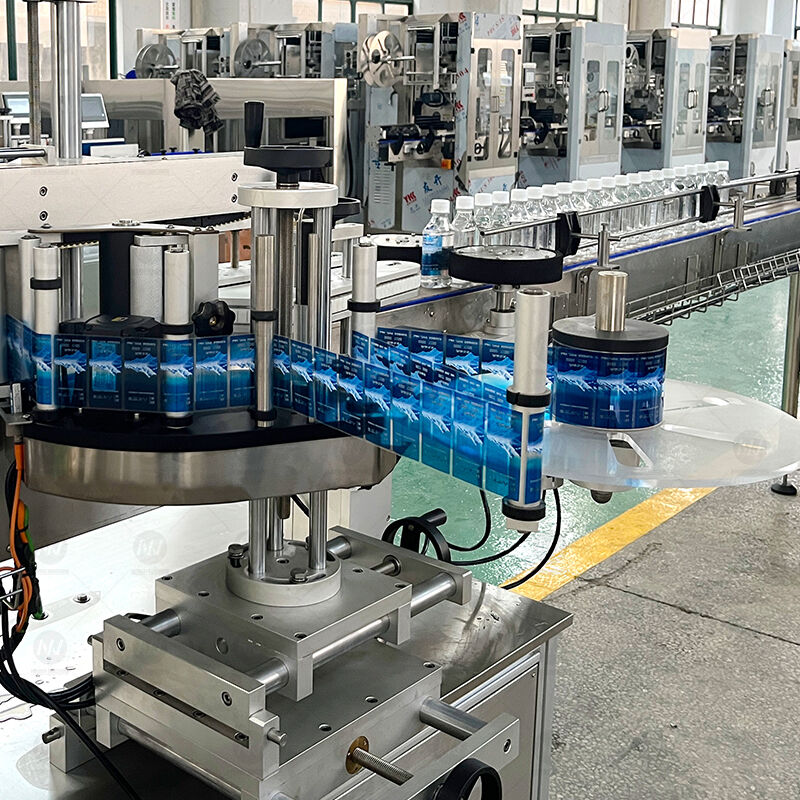
The versatile multi-format compatibility of opp labeling machines represents a revolutionary advancement in packaging equipment design, enabling manufacturers to handle diverse product lines with a single, adaptable system. This comprehensive compatibility extends to various container shapes including round bottles, square containers, oval tubes, flat packages, and irregularly shaped products that traditionally required specialized equipment. The machine's intelligent design incorporates adjustable guide rails, flexible label applicators, and programmable positioning systems that can be quickly reconfigured to accommodate different product specifications without requiring mechanical modifications or extensive downtime. The multi-format compatibility encompasses not only product shapes and sizes but also various label types and materials commonly used in modern packaging. The opp labeling machine can handle different label widths, lengths, and thicknesses while maintaining consistent application quality across all formats. This flexibility extends to specialized labels such as tamper-evident seals, promotional stickers, regulatory compliance labels, and multi-part labels that require precise alignment and application. The system's ability to automatically adjust tension, pressure, and timing parameters for different label characteristics ensures optimal adhesion and appearance regardless of the specific label type being used. The economic advantages of multi-format compatibility are substantial, as manufacturers can consolidate their labeling operations and reduce equipment investment costs. Instead of purchasing separate machines for different product lines, companies can utilize a single opp labeling machine to handle their entire range of packaging requirements. This consolidation reduces maintenance costs, spare parts inventory, operator training requirements, and floor space needs while improving overall equipment utilization rates. The versatility also enables manufacturers to introduce new products or packaging formats without significant capital investment, supporting innovation and market responsiveness. The operational benefits include simplified production planning, reduced changeover times, and improved scheduling flexibility. Operators can switch between different product formats using intuitive touchscreen interfaces that store preset configurations for common packaging types. Quick-change components and tool-free adjustments minimize setup times, allowing for efficient small-batch production and customized packaging solutions. This flexibility is particularly valuable in today's market environment where product variety and customization are increasingly important competitive factors.
 EN
EN