Professional Honey Filling Machine - Advanced Automated Packaging Solutions for Commercial Honey Production

Requesting a Call:

+8615601563990

Online Support

[email protected]

WhatsApp

+86-15601563990

honey filling machine

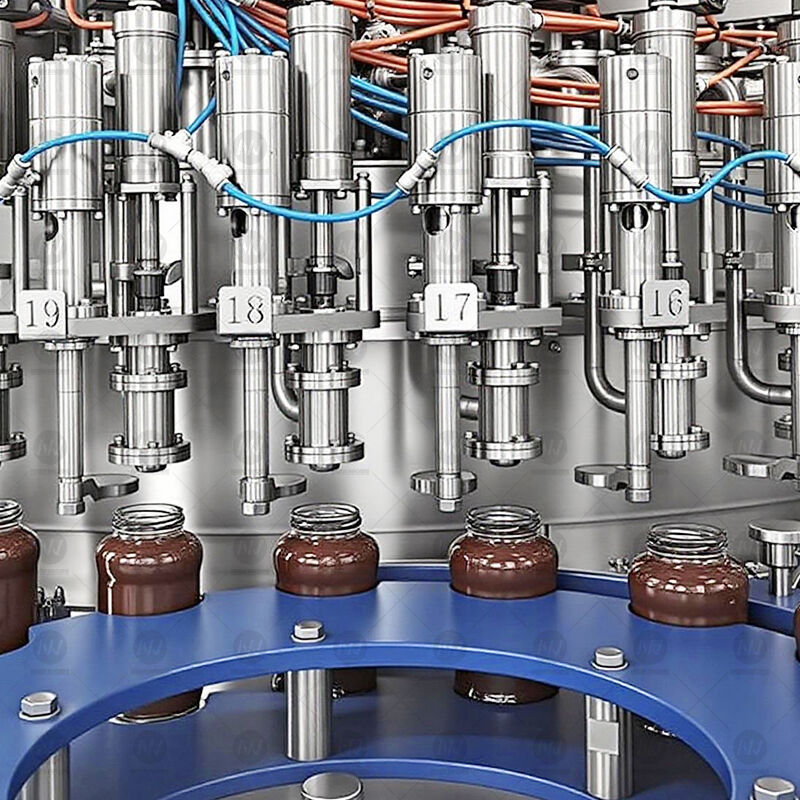
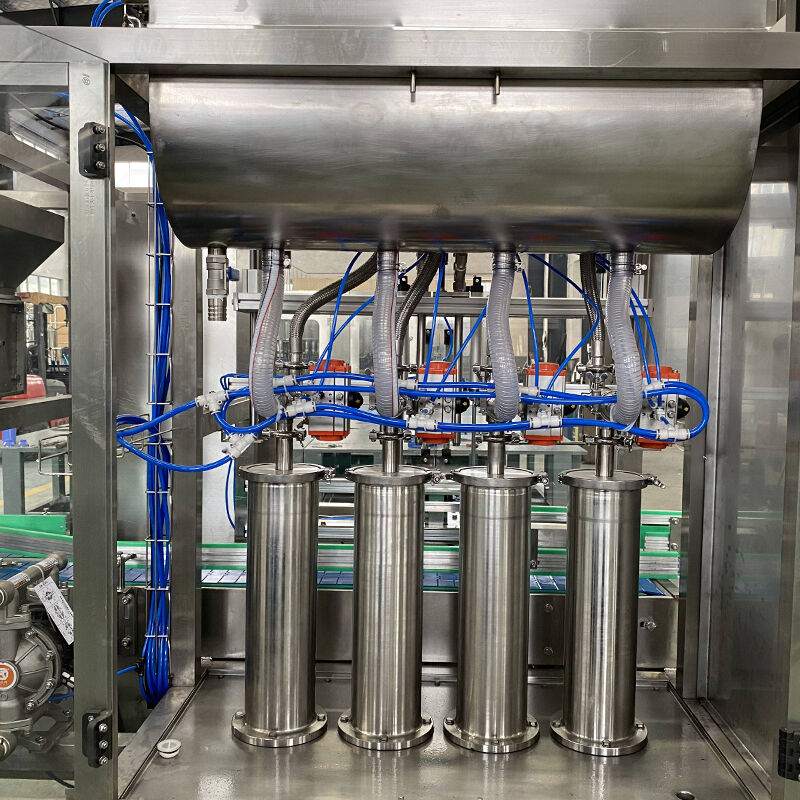
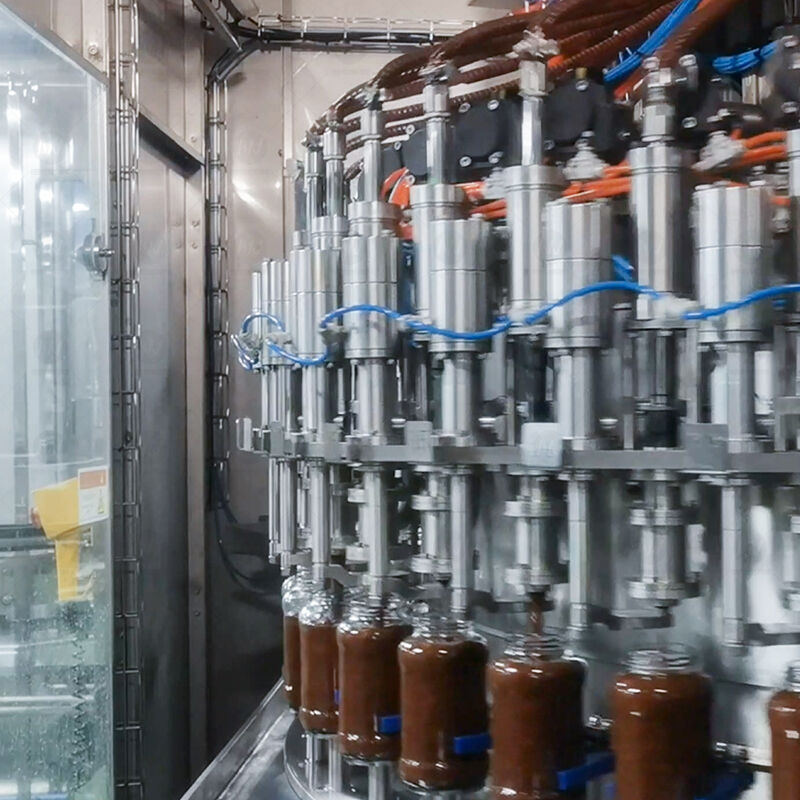
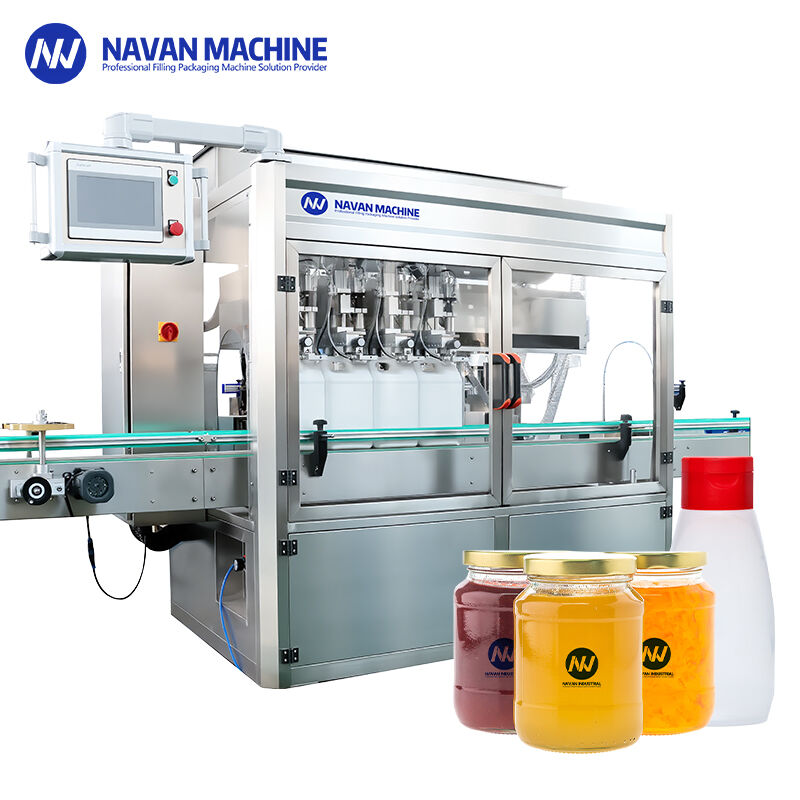
A honey filling machine represents a specialized piece of industrial equipment designed specifically for accurately dispensing and packaging honey into containers of various sizes and types. This sophisticated machinery addresses the unique challenges associated with honey's viscous properties, ensuring precise volume control while maintaining product integrity throughout the packaging process. Modern honey filling machines incorporate advanced technological components that handle the thick, sticky nature of honey with remarkable efficiency and consistency. The primary function of a honey filling machine centers on delivering predetermined quantities of honey into jars, bottles, or other containers with minimal waste and maximum accuracy. These systems typically feature heated filling nozzles that maintain optimal honey temperature, preventing crystallization and ensuring smooth flow during the packaging operation. The equipment accommodates different container shapes and sizes, making it versatile for various production requirements. Advanced models include programmable logic controllers that allow operators to adjust filling volumes, speeds, and temperatures according to specific product specifications. The technological features of honey filling machines encompass several critical components that work in harmony to achieve optimal performance. Temperature control systems maintain honey at ideal viscosity levels, while precision pumps ensure accurate dosing. Many units incorporate servo-driven mechanisms for enhanced accuracy and repeatability. Anti-drip systems prevent product waste and maintain clean container exteriors, while automated capping mechanisms can be integrated for complete packaging solutions. The applications of honey filling machines span across multiple industries, from small artisanal honey producers to large-scale commercial operations. Beekeeping cooperatives utilize these machines to package their harvest efficiently, while food manufacturers incorporate honey filling equipment into broader production lines for products containing honey as an ingredient. The versatility of these machines makes them suitable for organic honey producers, specialty food companies, and industrial food processing facilities that require consistent, high-quality honey packaging solutions.

New Products

The advantages of implementing a honey filling machine in production operations deliver substantial benefits that directly impact operational efficiency and product quality. First and foremost, these machines dramatically increase production speed compared to manual filling methods. While hand-filling containers requires significant time and labor, automated honey filling equipment can process hundreds of containers per hour, depending on the model and configuration. This enhanced speed translates directly into reduced labor costs and increased output capacity, allowing businesses to meet growing demand without proportional increases in workforce requirements. Accuracy represents another crucial advantage that honey filling machines provide to manufacturers. Manual filling often results in inconsistent volumes, leading to product giveaway or customer dissatisfaction. Automated systems deliver precise measurements within tight tolerances, typically achieving accuracy levels of plus or minus one percent. This precision ensures compliance with regulatory requirements while minimizing product waste, contributing to improved profit margins and customer satisfaction. The consistency achieved through automated filling also enhances brand reputation and customer trust. Product quality maintenance stands as a significant benefit of using specialized honey filling equipment. These machines minimize exposure to contaminants through enclosed filling systems and sanitary design features. Temperature control capabilities prevent honey degradation and maintain optimal viscosity throughout the filling process. This controlled environment reduces the risk of crystallization, fermentation, or other quality issues that can occur with manual handling. Additionally, the reduced human contact decreases the likelihood of contamination, ensuring product safety and extending shelf life. Cost reduction emerges as a compelling advantage across multiple operational areas. Beyond labor savings, honey filling machines reduce product waste through precise dispensing and anti-drip features. The consistency in fill levels eliminates overfilling, which directly impacts material costs. Reduced spillage and cleanup requirements lower maintenance expenses, while improved efficiency allows for better utilization of production space and resources. Long-term operational benefits include reduced worker fatigue and injury risk, as employees no longer need to perform repetitive manual filling tasks. Flexibility in production planning becomes possible with automated honey filling systems, as manufacturers can quickly adjust to different container sizes, fill volumes, and production schedules. This adaptability supports diverse product lines and seasonal demand variations, providing strategic advantages in competitive markets.

Latest News

How Does a Water Filling Line Maintain Hygiene and Product Purity?

31

Oct

How Does a Water Filling Line Maintain Hygiene and Product Purity?

Ensuring Safety and Quality in Beverage Production Systems The modern beverage industry faces an ever-growing challenge to maintain impeccable hygiene standards while meeting increasing production demands. At the heart of this challenge lies the wate...
View More
What Factors Should You Consider When Choosing a Bottle Filling Machine?

31

Oct

What Factors Should You Consider When Choosing a Bottle Filling Machine?

Essential Considerations for Industrial Bottle Filling Equipment Selecting the right bottle filling machine for your production line is a crucial decision that impacts efficiency, product quality, and bottom-line profitability. Whether you're expandi...
View More
What Are the Long-Term Benefits of Investing in Advanced Water Filling Lines?

31

Oct

What Are the Long-Term Benefits of Investing in Advanced Water Filling Lines?

Transforming Beverage Production Through Modern Automation The beverage industry is witnessing a revolutionary transformation as manufacturers increasingly turn to advanced water filling lines to streamline their operations. These sophisticated syste...
View More
How Does a Jam Filling Machine Handle Thick and Sticky Products Efficiently?

31

Oct

How Does a Jam Filling Machine Handle Thick and Sticky Products Efficiently?

Understanding Modern Industrial Jam Processing Equipment The food processing industry has witnessed remarkable technological advancements, particularly in the realm of handling viscous products. At the heart of efficient jam production lies the sophi...
View More

Get a Free Quote

Our representative will contact you soon.
Email
Name
Company Name
Message
0/1000

honey filling machine

Advanced Temperature Control Technology

Advanced Temperature Control Technology

The sophisticated temperature control technology integrated into modern honey filling machines represents a revolutionary advancement that addresses one of the most challenging aspects of honey packaging. This innovative system maintains precise temperature regulation throughout the entire filling process, ensuring optimal honey viscosity and preventing the crystallization issues that commonly plague manual filling operations. The technology utilizes strategically placed heating elements within the filling nozzles, reservoir tanks, and distribution lines to create a controlled thermal environment that keeps honey at its ideal flow consistency. The importance of temperature control in honey filling operations cannot be overstated, as honey's natural tendency to crystallize and thicken at lower temperatures creates significant challenges for consistent packaging. When honey becomes too thick, it flows poorly through filling equipment, leading to inaccurate fill levels, extended cycle times, and potential equipment damage. Conversely, excessive heat can degrade honey's natural enzymes and alter its flavor profile, compromising product quality. The advanced temperature control system addresses these concerns by maintaining honey within a narrow temperature range that preserves product integrity while ensuring optimal flow characteristics. This technology employs multiple temperature sensors positioned throughout the filling system to monitor honey temperature in real-time. Sophisticated control algorithms automatically adjust heating elements to maintain consistent temperatures, compensating for environmental factors and production variables. The system can accommodate different honey varieties, from light clover honey to thick wildflower varieties, by adjusting temperature parameters according to specific viscosity requirements. This adaptability ensures consistent performance regardless of seasonal variations in honey characteristics or changes in product specifications. The value proposition of advanced temperature control extends beyond operational efficiency to encompass significant cost savings and quality improvements. Manufacturers benefit from reduced product waste, as consistent temperatures eliminate the need for rework or disposal of improperly filled containers. The technology also extends equipment lifespan by preventing the buildup of crystallized honey in pumps, valves, and nozzles, reducing maintenance requirements and associated downtime costs. Furthermore, the consistent product quality achieved through precise temperature control enhances brand reputation and customer satisfaction, contributing to long-term business success and market competitiveness.
Precision Volumetric Dispensing System

Precision Volumetric Dispensing System

The precision volumetric dispensing system incorporated in modern honey filling machines delivers unparalleled accuracy in product allocation, representing a technological breakthrough that transforms honey packaging operations from variable manual processes into highly controlled automated procedures. This sophisticated system employs advanced servo-driven piston pumps and flow meters that work in concert to achieve filling accuracies within plus or minus 0.5 percent of target volumes, far exceeding the capabilities of traditional filling methods. The precision achieved through this technology ensures regulatory compliance while maximizing cost efficiency through reduced product giveaway and consistent container weights. The volumetric dispensing system utilizes state-of-the-art sensors and feedback mechanisms to monitor and adjust filling parameters in real-time. These components continuously measure actual dispensed volumes against predetermined targets, automatically compensating for variables such as honey temperature, viscosity changes, and container variations. The system's ability to adapt to different honey consistencies throughout production runs ensures consistent fill levels regardless of seasonal variations in honey characteristics or changes between different honey sources. This adaptability proves particularly valuable for producers who work with multiple honey varieties or experience natural variations in their product throughout the year. The technological sophistication of the precision dispensing system extends to its programmable control interface, which allows operators to easily adjust filling parameters for different container sizes and fill volumes. The system stores multiple filling programs, enabling quick changeovers between different packaging configurations without lengthy setup procedures. This flexibility supports diverse product lines and packaging formats, from small artisanal jars to large commercial containers. The user-friendly interface provides real-time monitoring of filling performance, including statistical data on fill accuracy, production rates, and system efficiency, enabling data-driven optimization of production processes. The economic benefits of precision volumetric dispensing create substantial value for honey producers across all scales of operation. Reduced product giveaway directly improves profit margins, as even small reductions in overfilling can result in significant cost savings over large production volumes. The consistency in fill levels also enhances customer satisfaction and brand reputation, as consumers receive exactly what they expect in each container. Additionally, the precision system reduces the need for manual quality checks and rework, streamlining production workflows and reducing labor requirements while maintaining superior quality standards that exceed manual filling capabilities.
Integrated Anti-Drip and Sanitary Design Features

Integrated Anti-Drip and Sanitary Design Features

The integrated anti-drip and sanitary design features of advanced honey filling machines represent critical innovations that address both operational efficiency and food safety requirements in honey packaging operations. These sophisticated systems incorporate specialized nozzle designs, automated cleaning mechanisms, and food-grade materials that collectively ensure clean, hygienic filling processes while minimizing product waste and contamination risks. The anti-drip technology employs precision-engineered filling nozzles with spring-loaded shut-off valves that create clean breaks in honey flow, preventing drips and maintaining pristine container exteriors throughout the packaging process. The sanitary design philosophy encompasses every aspect of the honey filling machine's construction, from material selection to surface finishes and accessibility for cleaning. All product-contact surfaces utilize FDA-approved stainless steel grades with specific surface treatments that resist honey adhesion and facilitate thorough cleaning. The design eliminates crevices, dead spaces, and hard-to-reach areas where honey residue might accumulate, ensuring complete cleanability and preventing bacterial growth or cross-contamination between production runs. Smooth, polished surfaces and rounded corners throughout the filling system enable effective cleaning and sanitization procedures that meet stringent food safety standards. The anti-drip functionality delivers significant operational advantages beyond cleanliness considerations. By preventing honey drips during and after filling, the system eliminates product waste that would otherwise accumulate on container exteriors, work surfaces, and equipment components. This waste reduction directly impacts material costs while reducing the frequency and intensity of cleanup procedures. Clean container exteriors also enhance product presentation and reduce the risk of label adhesion problems or customer complaints about sticky packaging. The precision shut-off capability ensures that each container receives exactly the intended fill volume without excess product on exterior surfaces. The integrated cleaning systems within these machines incorporate automated wash-in-place capabilities that streamline sanitization procedures between production runs and at the end of production cycles. These systems circulate cleaning solutions through all product pathways, ensuring thorough removal of honey residues and maintaining food safety standards. The automated cleaning capability reduces labor requirements for maintenance while ensuring consistent sanitization results. Some advanced models include validation systems that confirm cleaning effectiveness before resuming production operations. The combination of anti-drip technology and sanitary design creates substantial value for honey producers by reducing operational costs, improving food safety compliance, and enhancing product quality. The systems support regulatory requirements for food manufacturing while providing the reliability and consistency necessary for commercial honey packaging operations. These features prove particularly valuable for producers serving retail markets where package appearance and food safety standards directly impact consumer acceptance and brand reputation.

Get a Free Quote

Our representative will contact you soon.
Email
Name
Company Name
Message
0/1000

Get a Free Quote

Our representative will contact you soon.
Email
Name
Company Name
Message
0/1000
TopTop