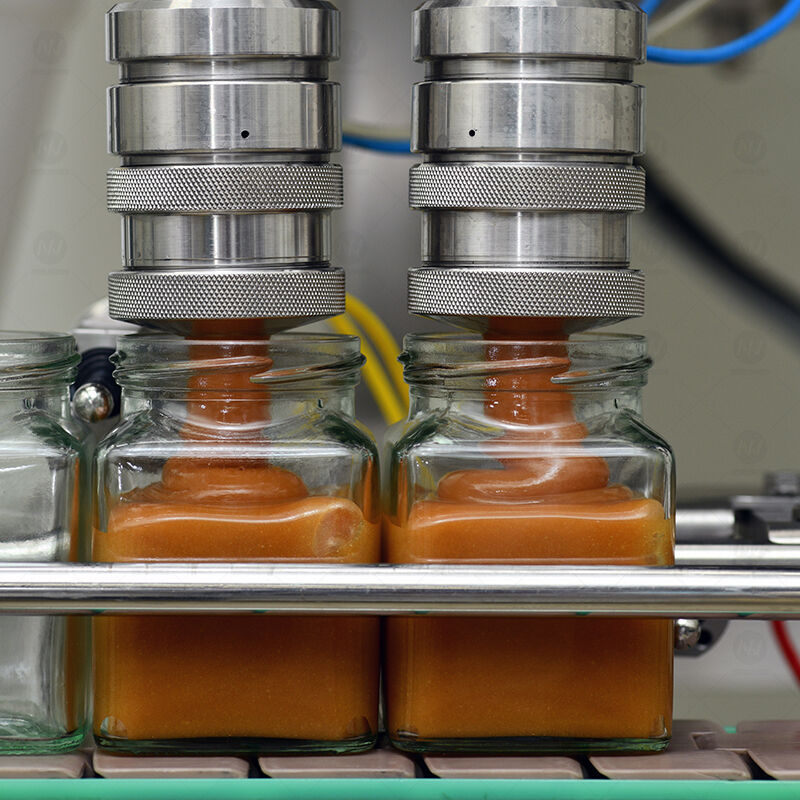
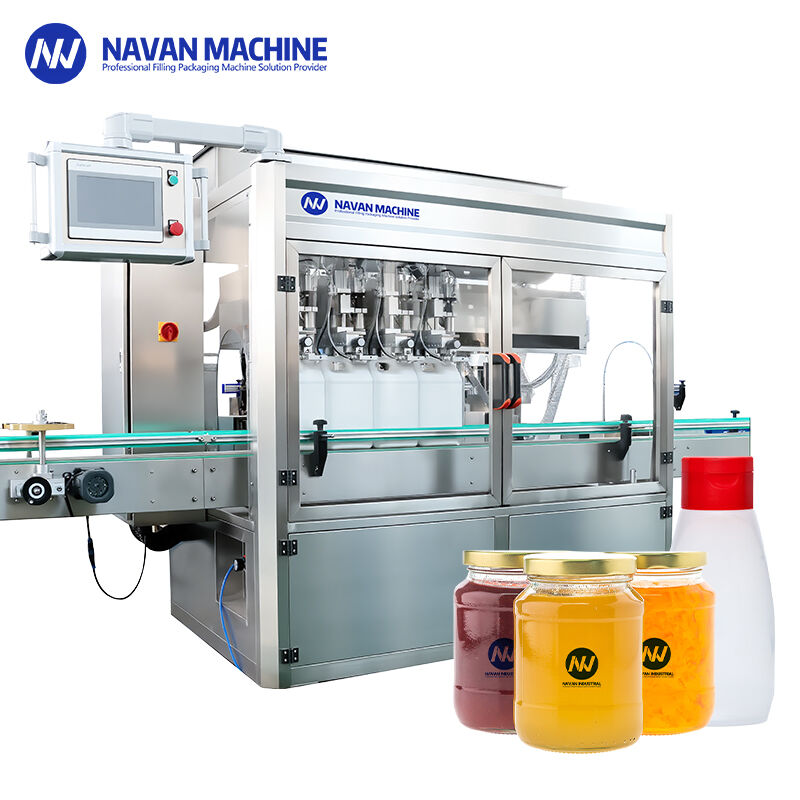
Professional Jam Filling Machine - Automated Food Processing Equipment for Efficient Production

Requesting a Call:

+8615601563990

Online Support

[email protected]

WhatsApp

+86-15601563990

jam filling machine

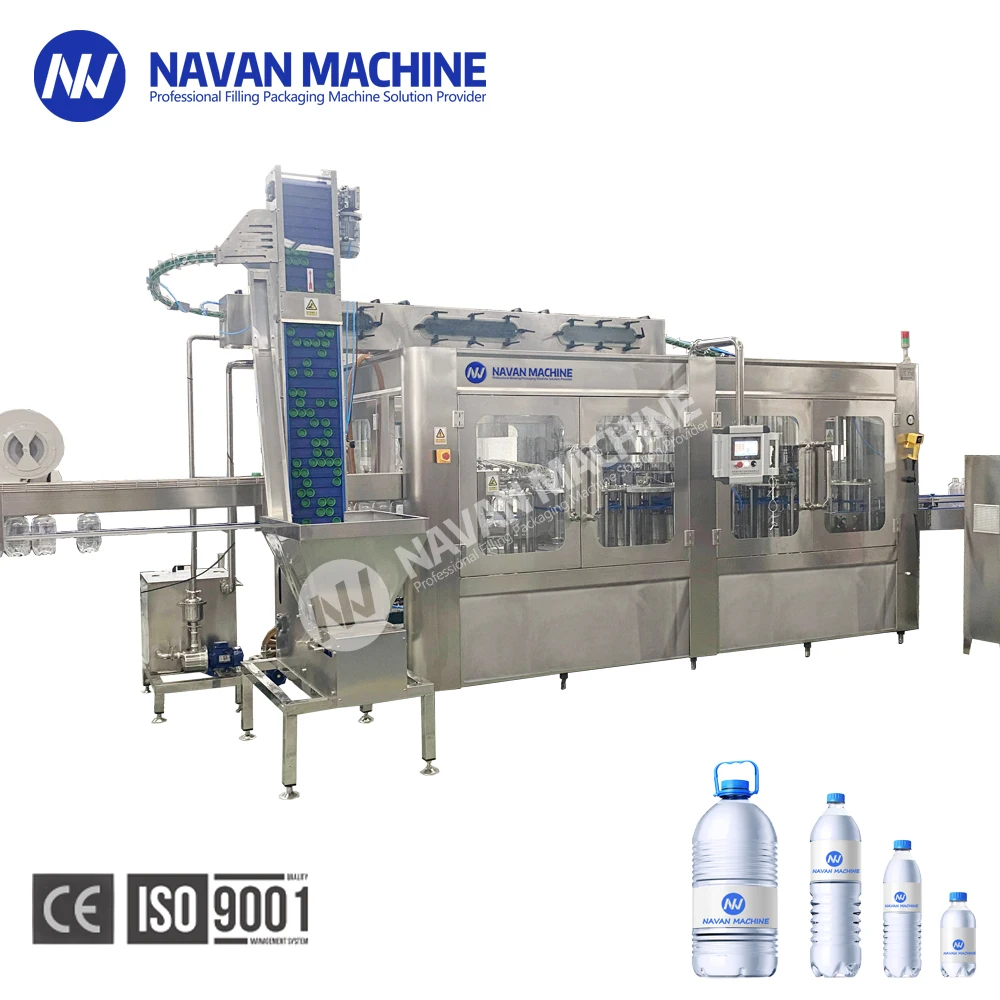
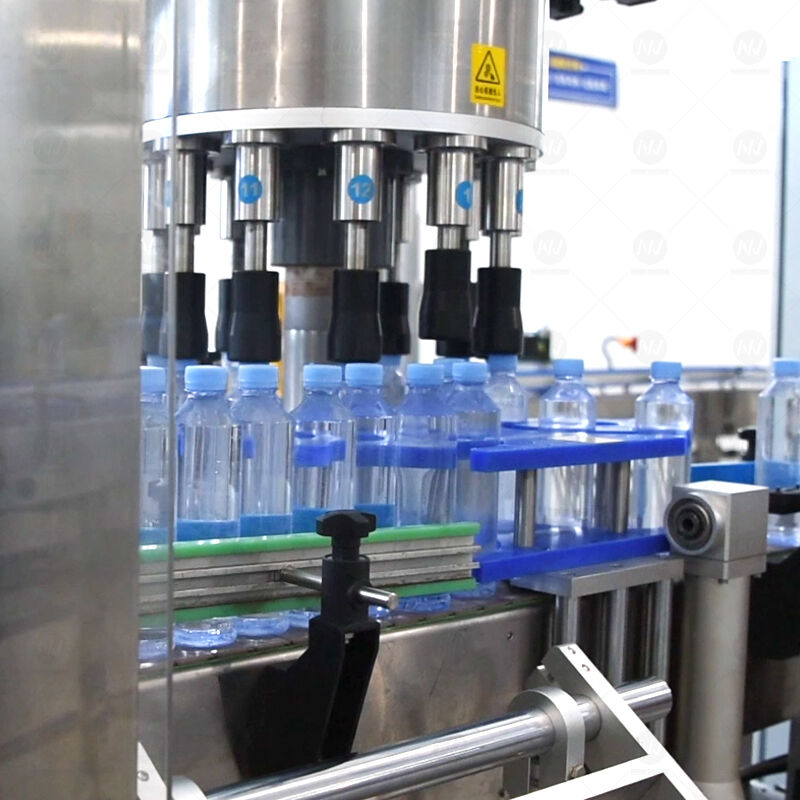
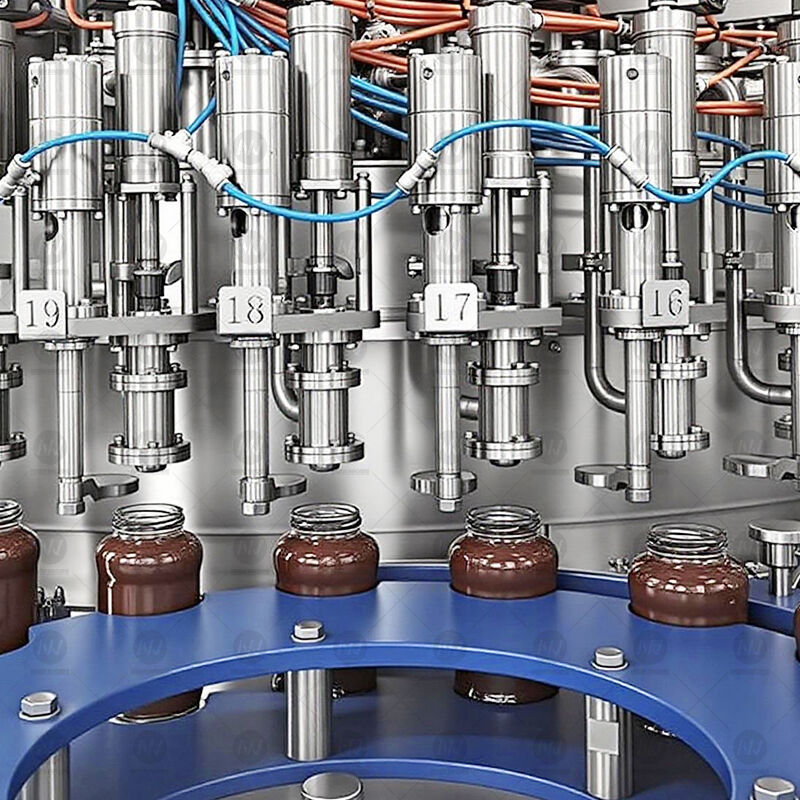
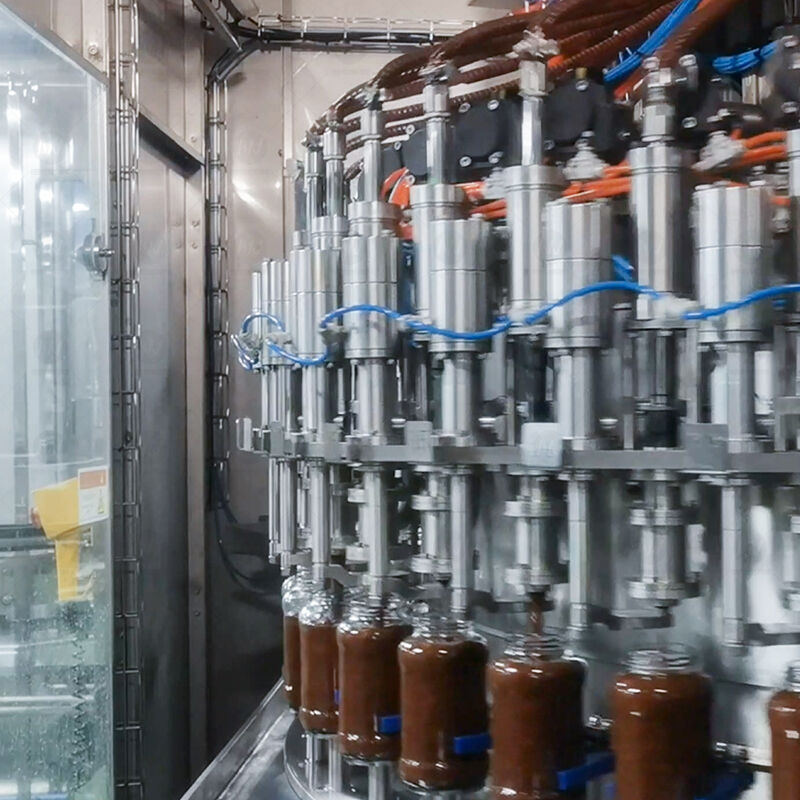
A jam filling machine represents a sophisticated piece of industrial equipment designed specifically for efficiently dispensing viscous fruit preserves, jellies, and similar products into containers with remarkable precision and consistency. These automated systems have revolutionized food processing operations by eliminating manual filling processes that were previously time-consuming and inconsistent. Modern jam filling machines incorporate advanced servo-driven mechanisms that ensure accurate portion control while maintaining product integrity throughout the filling process. The primary function of these machines centers on delivering predetermined quantities of jam into jars, bottles, or other packaging formats with minimal waste and maximum efficiency. These systems typically feature stainless steel construction that meets strict food safety standards and facilitates easy cleaning and maintenance procedures. The technological framework includes programmable logic controllers that allow operators to adjust filling volumes, speed settings, and timing parameters according to specific production requirements. Most contemporary jam filling machines utilize positive displacement pumps or pneumatic cylinders to create consistent flow rates regardless of product viscosity variations. Temperature control systems maintain optimal product consistency during filling operations, preventing issues related to crystallization or texture changes. Integration capabilities enable these machines to connect seamlessly with upstream and downstream equipment such as jar sterilizers, capping machines, and labeling systems. Quality control sensors monitor fill levels continuously, automatically rejecting containers that fall outside acceptable parameters. Variable speed drives accommodate different production rates while maintaining filling accuracy across all operational speeds. The versatility of jam filling machines extends beyond traditional fruit preserves to include honey, syrups, sauces, and other viscous food products. Advanced models feature touch-screen interfaces that simplify operation and provide real-time production data for process optimization. Safety features include emergency stop systems, protective guards, and automatic shutdown protocols that protect both operators and equipment during unexpected situations.

New Products

Jam filling machines deliver substantial operational benefits that directly impact production efficiency and profitability for food processing businesses. These automated systems dramatically reduce labor costs by eliminating the need for manual filling operations, allowing companies to reallocate personnel to higher-value tasks while maintaining consistent output levels. The precision filling capabilities ensure uniform product weights across all containers, reducing material waste and improving customer satisfaction through consistent product presentation. Speed advantages become immediately apparent as these machines can fill hundreds of containers per hour compared to manual processes that typically handle only dozens of units in the same timeframe. Hygiene standards improve significantly since automated filling reduces human contact with food products, minimizing contamination risks and helping businesses meet stringent food safety regulations. The consistent filling accuracy prevents overfilling, which directly translates to cost savings on expensive ingredients while ensuring compliance with weight regulations. Flexibility represents another major advantage as operators can quickly adjust settings to accommodate different container sizes, product formulations, and filling volumes without requiring extensive setup procedures. Quality control improves through built-in monitoring systems that detect and reject improperly filled containers, maintaining brand reputation and reducing customer complaints. Maintenance requirements remain minimal due to robust construction and accessible component design, resulting in higher equipment uptime and lower operational disruptions. Energy efficiency features help reduce operational costs while supporting environmental sustainability initiatives. The scalability of these systems allows businesses to increase production capacity without proportional increases in labor requirements, supporting growth objectives effectively. Integration capabilities enable seamless connection with existing production lines, maximizing return on investment by leveraging current infrastructure. Documentation and traceability features provide detailed production records that support quality assurance programs and regulatory compliance requirements. Training requirements are minimal due to intuitive control interfaces, reducing the learning curve for new operators and minimizing the risk of operational errors. The consistent performance of jam filling machines eliminates production variability, enabling more accurate demand forecasting and inventory management. Return on investment typically occurs within months due to labor savings, reduced waste, and increased throughput capabilities.

Latest News

How Does a Water Filling Line Maintain Hygiene and Product Purity?

31

Oct

How Does a Water Filling Line Maintain Hygiene and Product Purity?

Ensuring Safety and Quality in Beverage Production Systems The modern beverage industry faces an ever-growing challenge to maintain impeccable hygiene standards while meeting increasing production demands. At the heart of this challenge lies the wate...
View More
What Factors Should You Consider When Choosing a Bottle Filling Machine?

31

Oct

What Factors Should You Consider When Choosing a Bottle Filling Machine?

Essential Considerations for Industrial Bottle Filling Equipment Selecting the right bottle filling machine for your production line is a crucial decision that impacts efficiency, product quality, and bottom-line profitability. Whether you're expandi...
View More
What Technologies Ensure Freshness and Shelf Life in Beer Filling Systems?

31

Oct

What Technologies Ensure Freshness and Shelf Life in Beer Filling Systems?

Modern Innovations in Beer Filling Technology The brewing industry has witnessed remarkable technological advancements in beer filling systems, revolutionizing how breweries maintain product freshness and extend shelf life. Today's sophisticated beer...
View More
How Does a Jam Filling Machine Handle Thick and Sticky Products Efficiently?

31

Oct

How Does a Jam Filling Machine Handle Thick and Sticky Products Efficiently?

Understanding Modern Industrial Jam Processing Equipment The food processing industry has witnessed remarkable technological advancements, particularly in the realm of handling viscous products. At the heart of efficient jam production lies the sophi...
View More

Get a Free Quote

Our representative will contact you soon.
Email
Name
Company Name
Message
0/1000

jam filling machine

Advanced Precision Control Technology

Advanced Precision Control Technology

The sophisticated precision control technology integrated into modern jam filling machines represents a breakthrough in food processing automation that delivers unparalleled accuracy and consistency across all production parameters. This advanced system employs high-resolution servo motors coupled with precision load cells that monitor product weight in real-time, ensuring each container receives exactly the predetermined amount of jam regardless of variations in product temperature, viscosity, or ambient conditions. The control system utilizes advanced algorithms that compensate for environmental factors and product characteristics, automatically adjusting dispensing parameters to maintain consistent results throughout extended production runs. Digital feedback loops continuously monitor filling performance, making micro-adjustments thousands of times per minute to correct any deviations from target specifications. This level of precision translates directly into significant cost savings by eliminating product giveaway, which can account for substantial material losses in high-volume operations. The technology incorporates predictive analytics that learn from historical performance data, optimizing filling parameters proactively rather than reactively. Touch-screen interfaces provide operators with intuitive control over all system parameters, allowing for quick recipe changes and real-time production monitoring without requiring specialized technical knowledge. The precision control system includes fail-safe mechanisms that automatically halt production if sensors detect parameters outside acceptable ranges, preventing defective products from reaching customers. Quality assurance features include statistical process control capabilities that generate detailed reports on filling accuracy, production rates, and system performance trends. This data proves invaluable for continuous improvement initiatives and regulatory compliance documentation. The advanced control technology supports multiple filling modes including volumetric, gravimetric, and hybrid approaches, allowing operators to select the optimal method for specific product characteristics and production requirements. Integration with enterprise resource planning systems enables real-time production tracking and automated inventory management, streamlining overall business operations while maintaining complete traceability throughout the manufacturing process.
Exceptional Versatility and Adaptability

Exceptional Versatility and Adaptability

The exceptional versatility and adaptability of contemporary jam filling machines make them invaluable assets for food processors handling diverse product portfolios and varying production requirements. These systems accommodate an impressive range of product viscosities, from thin fruit syrups to thick chunky preserves, without requiring mechanical modifications or extensive changeover procedures. The adaptability extends to container compatibility, with quick-change components that enable processing of different jar sizes, shapes, and materials within minutes rather than hours. This flexibility proves crucial for businesses that need to respond rapidly to market demands or seasonal production variations. The modular design philosophy allows companies to start with basic configurations and expand capabilities as business needs evolve, protecting initial investments while supporting growth initiatives. Product changeover procedures are streamlined through automated cleaning-in-place systems that eliminate cross-contamination risks while minimizing downtime between different product runs. The versatility encompasses temperature handling capabilities, with systems designed to process both hot-fill applications requiring elevated temperatures and cold-fill products that maintain optimal texture at ambient conditions. Multiple filling head configurations accommodate various production volumes, from small-batch artisanal operations to high-speed commercial production lines. The adaptability includes integration flexibility, allowing seamless connection with different upstream preparation equipment and downstream packaging systems regardless of manufacturer specifications. Recipe management systems store unlimited product configurations, enabling operators to switch between different formulations instantly while maintaining all associated parameters. The versatility extends to packaging formats, supporting traditional glass jars, plastic containers, flexible pouches, and specialized packaging systems with minimal adjustment requirements. Quality control adaptability allows customization of inspection parameters for different products, ensuring appropriate standards are maintained across diverse product lines. International compliance capabilities enable the same equipment to meet varying regulatory requirements across different markets, supporting global business expansion initiatives. The adaptability includes future-proofing features that allow software updates and hardware upgrades to incorporate emerging technologies and evolving industry standards, ensuring long-term value retention.
Superior Hygiene and Food Safety Standards

Superior Hygiene and Food Safety Standards

Superior hygiene and food safety standards built into modern jam filling machines address the critical requirements of contemporary food processing operations while exceeding regulatory expectations across international markets. The comprehensive sanitary design incorporates smooth, crevice-free surfaces throughout all product contact areas, eliminating potential harboring sites for bacteria or other contaminants that could compromise product safety. Stainless steel construction utilizing food-grade materials ensures chemical resistance and durability while facilitating thorough cleaning procedures. The hygienic design extends to component accessibility, with quick-disconnect fittings and swing-away assemblies that provide complete access to all product pathways for inspection and sanitization. Automated cleaning-in-place systems deliver consistent, validated cleaning cycles that remove all product residues while using precisely controlled cleaning solutions and temperatures. These systems document each cleaning cycle, providing complete traceability for food safety audits and regulatory compliance. The enclosed filling environment protects products from airborne contaminants while maintaining controlled atmospheric conditions that preserve product quality. HEPA filtration systems ensure incoming air meets pharmaceutical-grade cleanliness standards, further reducing contamination risks. Temperature monitoring and control systems maintain optimal product conditions throughout the filling process, preventing bacterial growth while preserving nutritional and sensory characteristics. The elimination of manual handling during filling operations significantly reduces human contamination risks while improving overall product safety. Validation protocols provide documented evidence that all food safety systems function as designed, supporting HACCP implementation and regulatory approval processes. Materials of construction comply with FDA, EU, and other international food contact regulations, ensuring global market acceptance. Preventive maintenance programs include regular sanitation verification testing, confirming that cleaning procedures achieve required cleanliness levels. The design facilitates rapid product changeovers while maintaining complete separation between different formulations, preventing cross-contamination issues. Emergency sanitization procedures enable rapid response to potential contamination events, minimizing production disruptions while ensuring product safety. Documentation systems provide complete production records that support traceability requirements and quality assurance programs, demonstrating ongoing commitment to food safety excellence throughout all aspects of the filling operation.

Get a Free Quote

Our representative will contact you soon.
Email
Name
Company Name
Message
0/1000

Get a Free Quote

Our representative will contact you soon.
Email
Name
Company Name
Message
0/1000
TopTop