Professional Jam Jar Filling Machine Solutions - Automated Filling Equipment for Food Production

Requesting a Call:

+8615601563990

Online Support

[email protected]

WhatsApp

+86-15601563990

jam jar filling machine

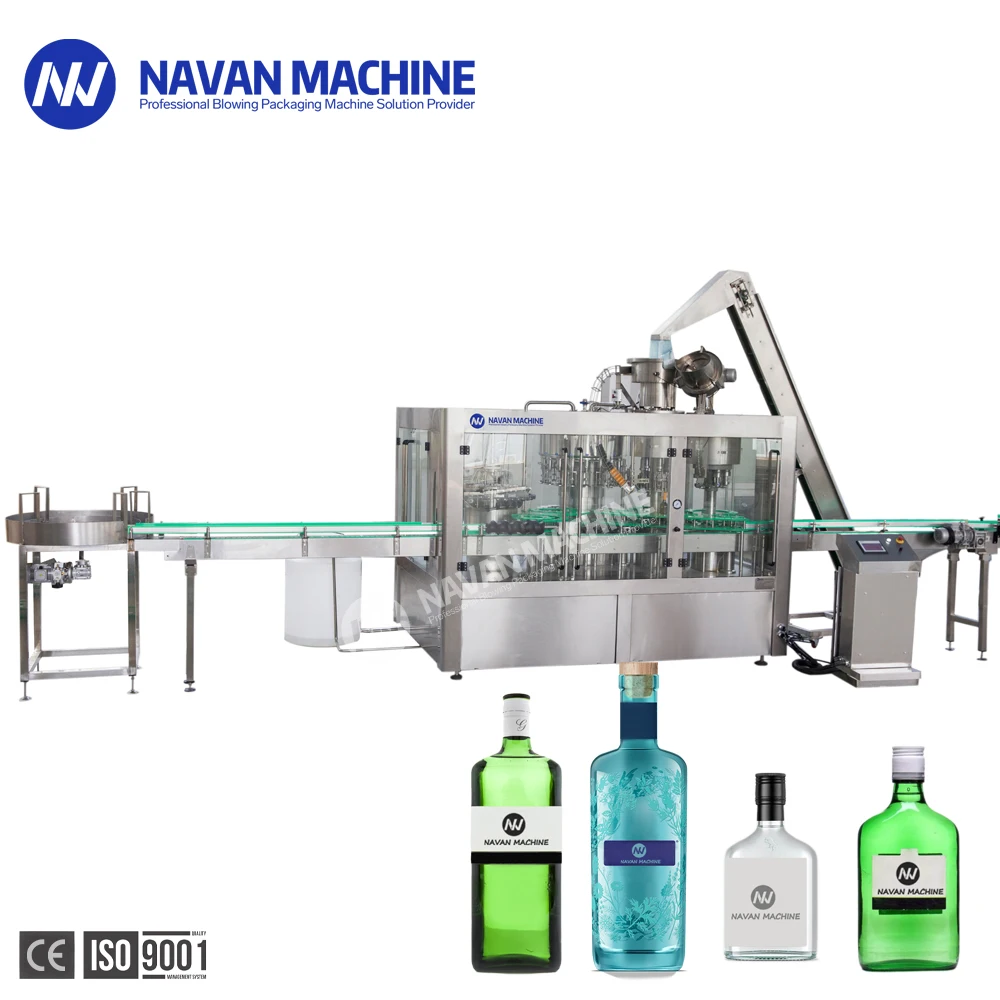
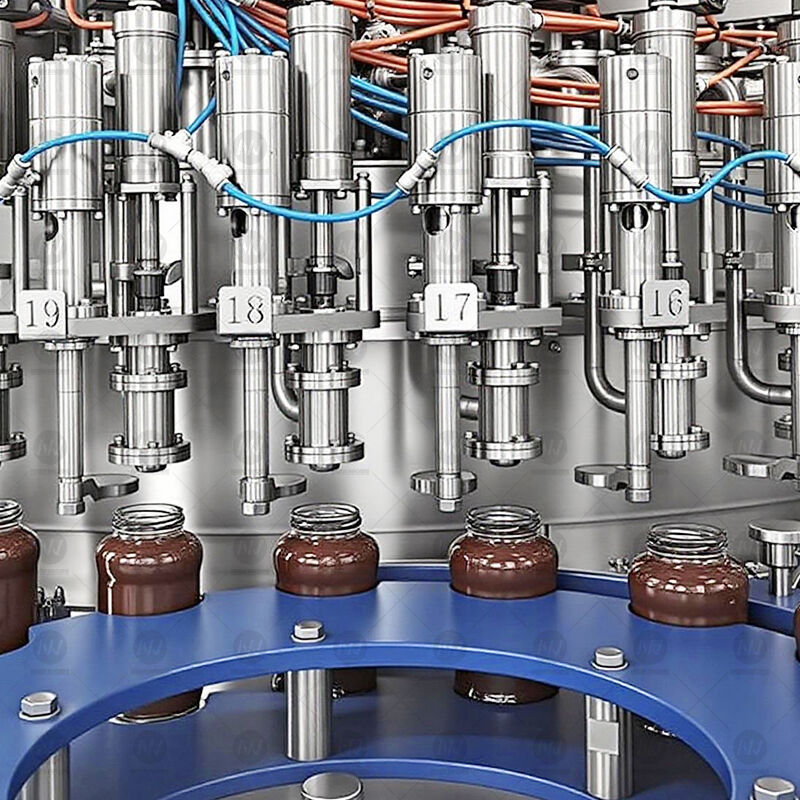
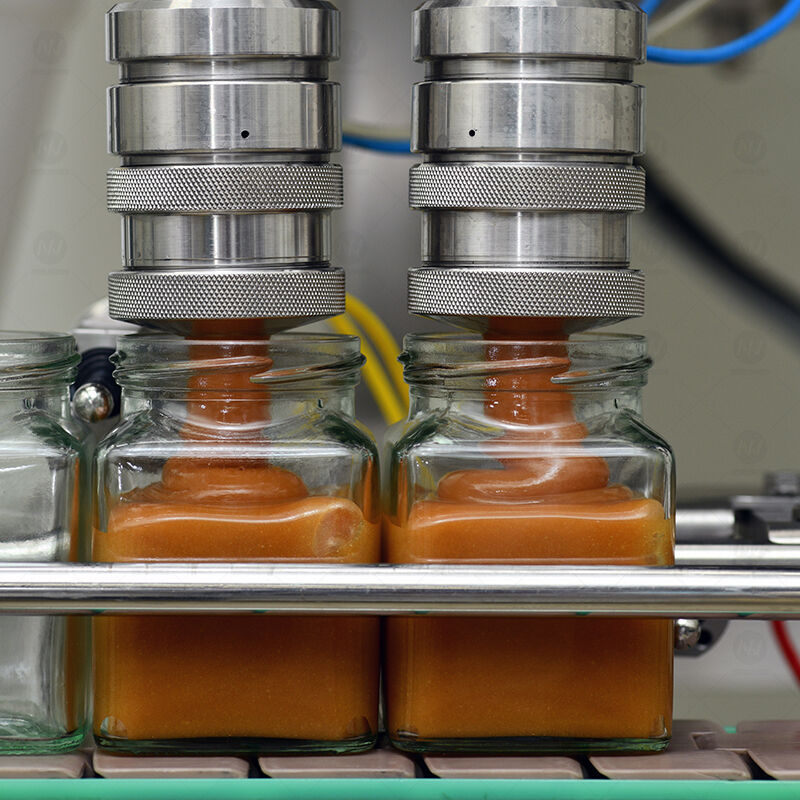
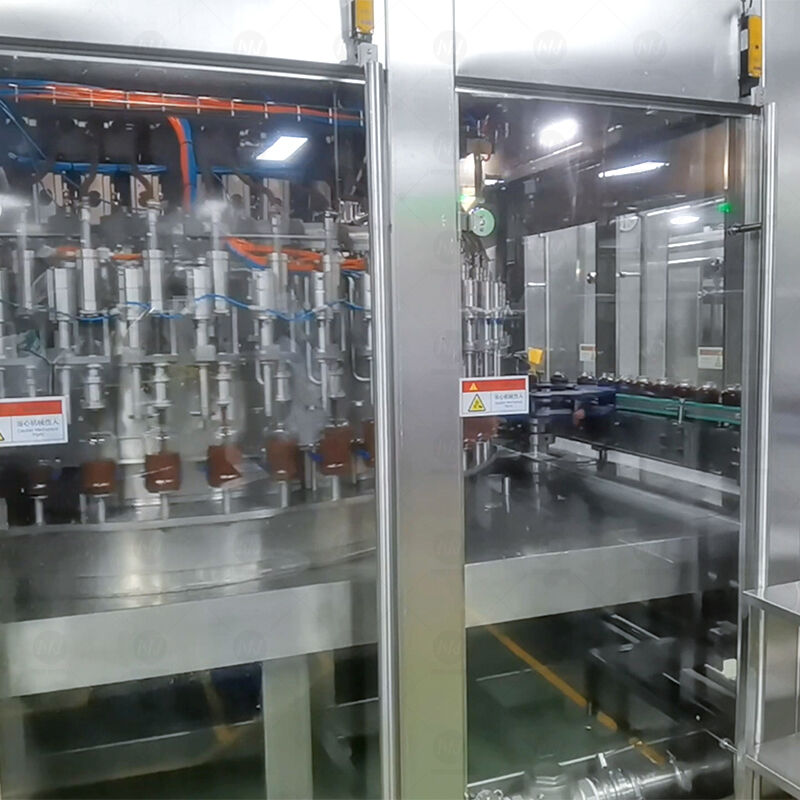
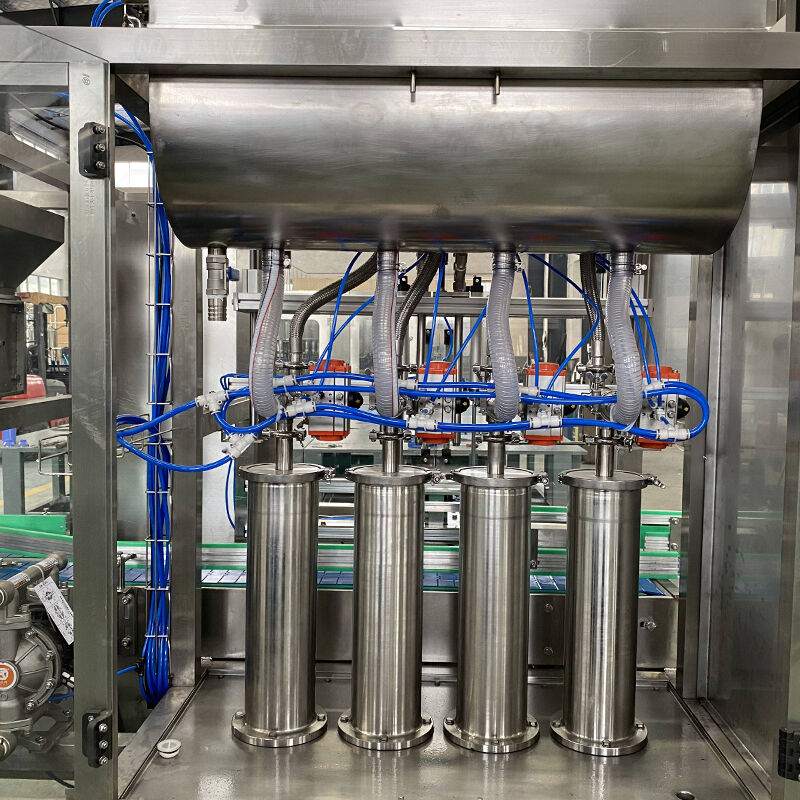
The jam jar filling machine represents a sophisticated piece of industrial equipment designed specifically for the automated packaging of preserves, jellies, marmalades, and various fruit-based products into glass containers. This specialized machinery operates through a comprehensive system that combines precision engineering with advanced automation technology to deliver consistent, efficient, and hygienic filling operations. The primary function of a jam jar filling machine centers around accurately dispensing predetermined quantities of viscous products into containers while maintaining strict quality control standards throughout the production process. Modern jam jar filling machines incorporate multiple operational phases including container positioning, product heating and temperature maintenance, volumetric or weight-based dispensing, lid placement, and sealing operations. The technological framework of these systems typically features programmable logic controllers that enable operators to adjust filling volumes, control processing speeds, and monitor operational parameters in real-time. Temperature control systems maintain optimal product consistency during the filling process, ensuring that jam maintains proper viscosity for accurate dispensing while preventing crystallization or separation issues. The machine construction utilizes food-grade stainless steel components that meet international hygiene standards and facilitate thorough cleaning and sanitization procedures. Servo-driven mechanisms provide precise control over filling operations, enabling the system to accommodate various jar sizes and shapes without requiring extensive reconfiguration. Safety systems include emergency stop mechanisms, protective barriers, and automated error detection protocols that halt operations when irregularities are detected. Applications for jam jar filling machines span across commercial food production facilities, artisanal preserve manufacturers, co-packing operations, and large-scale industrial food processing plants. These versatile systems can handle production volumes ranging from small batch operations producing hundreds of units per hour to high-capacity lines processing thousands of containers hourly, making them suitable for businesses of various scales within the food manufacturing sector.

New Product Releases

Jam jar filling machines deliver substantial operational benefits that directly impact production efficiency and profitability for food manufacturers. The automation capabilities eliminate manual filling processes, reducing labor costs while simultaneously increasing production speeds and maintaining consistent product quality across all filled containers. This mechanized approach ensures that each jar receives precisely the same amount of product, eliminating variations that commonly occur with manual filling methods and reducing product waste significantly. The enhanced accuracy of automated filling systems translates to improved cost control, as manufacturers can calculate exact ingredient usage and minimize overages that negatively impact profit margins. Hygiene improvements represent another critical advantage, as the enclosed filling environment reduces contamination risks compared to open manual filling processes. The stainless steel construction and sanitizable components enable thorough cleaning protocols that meet food safety regulations and prevent cross-contamination between production runs. Speed advantages become apparent when comparing manual filling operations to mechanized systems, with jam jar filling machines capable of processing hundreds or thousands of containers per hour depending on configuration and product characteristics. This increased throughput enables manufacturers to meet larger order volumes and expand market reach without proportional increases in labor costs. Quality consistency improvements extend beyond fill weights to include proper seal integrity, uniform product distribution, and reduced air incorporation that can affect product shelf life and appearance. The programmable nature of modern jam jar filling machines allows manufacturers to store multiple product recipes and container configurations, enabling quick changeovers between different products or package sizes without extensive manual adjustments. Maintenance requirements remain minimal due to robust construction and quality components, resulting in reduced downtime and lower long-term operational costs. The investment in automated filling equipment typically generates positive returns through reduced labor expenses, decreased product waste, improved production capacity, and enhanced product quality that supports premium pricing strategies. Scalability features allow manufacturers to increase production volumes as business grows without requiring complete equipment replacement, making jam jar filling machines a strategic investment for expanding food production operations.

Latest News

How Does a Water Filling Line Maintain Hygiene and Product Purity?

31

Oct

How Does a Water Filling Line Maintain Hygiene and Product Purity?

Ensuring Safety and Quality in Beverage Production Systems The modern beverage industry faces an ever-growing challenge to maintain impeccable hygiene standards while meeting increasing production demands. At the heart of this challenge lies the wate...
View More
What Are the Long-Term Benefits of Investing in Advanced Water Filling Lines?

31

Oct

What Are the Long-Term Benefits of Investing in Advanced Water Filling Lines?

Transforming Beverage Production Through Modern Automation The beverage industry is witnessing a revolutionary transformation as manufacturers increasingly turn to advanced water filling lines to streamline their operations. These sophisticated syste...
View More
What Technologies Ensure Freshness and Shelf Life in Beer Filling Systems?

31

Oct

What Technologies Ensure Freshness and Shelf Life in Beer Filling Systems?

Modern Innovations in Beer Filling Technology The brewing industry has witnessed remarkable technological advancements in beer filling systems, revolutionizing how breweries maintain product freshness and extend shelf life. Today's sophisticated beer...
View More
How Does a Jam Filling Machine Handle Thick and Sticky Products Efficiently?

31

Oct

How Does a Jam Filling Machine Handle Thick and Sticky Products Efficiently?

Understanding Modern Industrial Jam Processing Equipment The food processing industry has witnessed remarkable technological advancements, particularly in the realm of handling viscous products. At the heart of efficient jam production lies the sophi...
View More

Get a Free Quote

Our representative will contact you soon.
Email
Name
Company Name
Message
0/1000

jam jar filling machine

Advanced Precision Filling Technology

Advanced Precision Filling Technology

The cornerstone of modern jam jar filling machine performance lies in its sophisticated precision filling technology that ensures accurate product dispensing with minimal waste and maximum consistency. This advanced system incorporates servo-controlled dispensing mechanisms that operate with remarkable accuracy, typically achieving fill weight variations of less than one percent across thousands of containers. The technology employs either volumetric or gravimetric filling methods, with many premium systems offering both options to accommodate different product characteristics and production requirements. Volumetric systems utilize precisely calibrated chambers that dispense exact volumes of product, while gravimetric systems employ load cells and real-time weight monitoring to achieve target weights with exceptional accuracy. The servo-driven actuators respond instantaneously to control signals, enabling rapid starts and stops that prevent dripping and ensure clean fills even with highly viscous jam products. Temperature control integration maintains optimal product flow characteristics throughout the filling process, preventing consistency variations that could affect fill accuracy or product quality. The system continuously monitors filling parameters and automatically adjusts dispensing rates to compensate for product temperature fluctuations or viscosity changes that naturally occur during extended production runs. Multiple filling heads can operate simultaneously while maintaining individual accuracy standards, enabling high-speed production without sacrificing precision. The control system stores product-specific parameters for different jam varieties, automatically adjusting dispensing volumes, flow rates, and temperature settings when switching between products. Error detection algorithms immediately identify filling discrepancies and remove non-conforming containers from the production line, maintaining quality standards and preventing defective products from reaching packaging stages. This precision technology significantly reduces product giveaway, which directly improves profit margins while ensuring customer satisfaction through consistent product weights. The advanced filling systems also minimize air incorporation during dispensing, preserving product appearance and extending shelf life by reducing oxidation potential.
Comprehensive Hygiene and Safety Systems

Comprehensive Hygiene and Safety Systems

Modern jam jar filling machines prioritize food safety through comprehensive hygiene and safety systems that exceed industry standards and regulatory requirements. The entire product contact pathway utilizes food-grade stainless steel construction with sanitary welding techniques that eliminate crevices where bacteria could potentially accumulate. Surface finishes meet pharmaceutical-grade standards with smooth, non-porous textures that facilitate thorough cleaning and prevent product buildup during extended production runs. The machine design incorporates Clean-in-Place capabilities that enable automated cleaning cycles without requiring complete disassembly, significantly reducing downtime while ensuring consistent sanitation standards. High-pressure spray systems reach all product contact surfaces with cleaning solutions, followed by sanitizing rinses that eliminate potential contaminants. The enclosed filling environment prevents external contamination from airborne particles or operator contact, maintaining sterile conditions throughout the packaging process. HEPA filtration systems provide positive air pressure within critical zones, further protecting products from environmental contamination during filling operations. Safety systems include comprehensive guarding around moving components, emergency stop capabilities accessible from multiple locations, and light curtains that immediately halt operations when safety zones are breached. Automated monitoring systems continuously track critical parameters such as temperature, pressure, and flow rates, alerting operators to any deviations that could compromise product safety or quality. The control system maintains detailed production logs that document all operational parameters for traceability purposes, supporting food safety audits and regulatory compliance requirements. Operator training systems ensure personnel understand proper safety procedures and hygiene protocols, reducing risks associated with human error. The machine construction facilitates rapid cleaning between product changeovers, preventing cross-contamination when processing different jam varieties or flavors. Regular sanitization protocols can be programmed into the control system, ensuring consistent hygiene standards regardless of operator experience levels.
Flexible Production Capabilities and Scalability

Flexible Production Capabilities and Scalability

The exceptional flexibility and scalability of jam jar filling machines enable manufacturers to adapt to changing market demands while maximizing production efficiency across diverse product portfolios. These versatile systems accommodate multiple jar sizes ranging from small specialty containers to large family-size packages without requiring extensive mechanical modifications or lengthy changeover procedures. Quick-change components allow operators to switch between different container formats in minutes rather than hours, significantly improving production scheduling flexibility and enabling efficient small-batch production runs. The modular design architecture supports capacity expansion through additional filling heads or integrated conveyor sections, allowing manufacturers to increase throughput as business volumes grow without replacing entire systems. Programmable recipe management enables storage of hundreds of different product formulations, each with specific filling parameters, temperatures, and processing requirements that can be recalled instantly when switching production runs. Variable speed control allows optimization of production rates based on product characteristics, with slower speeds for highly viscous products and maximum speeds for standard consistency jams. The system accommodates various jam types including chunky preserves with large fruit pieces, smooth jellies, and specialty products with unique flow characteristics through adjustable dispensing parameters. Integration capabilities with upstream and downstream equipment create comprehensive production lines that minimize manual handling and reduce contamination risks. Advanced human-machine interfaces provide intuitive control systems that enable operators to monitor multiple production parameters simultaneously while making real-time adjustments to optimize performance. Remote monitoring capabilities allow production managers to track system performance from mobile devices, enabling proactive maintenance scheduling and immediate response to operational issues. The scalable architecture supports future technology upgrades including enhanced automation features, improved control systems, or additional quality monitoring equipment without requiring complete system replacement. This flexibility ensures that initial equipment investments remain valuable as production requirements evolve and technology advances, providing long-term value for growing food manufacturing operations.

Get a Free Quote

Our representative will contact you soon.
Email
Name
Company Name
Message
0/1000

Get a Free Quote

Our representative will contact you soon.
Email
Name
Company Name
Message
0/1000
TopTop