Advanced Water Production Line Solutions - Complete Manufacturing Systems for Premium Water Processing

Requesting a Call:

+8615601563990

Online Support

[email protected]

WhatsApp

+86-15601563990

water production line

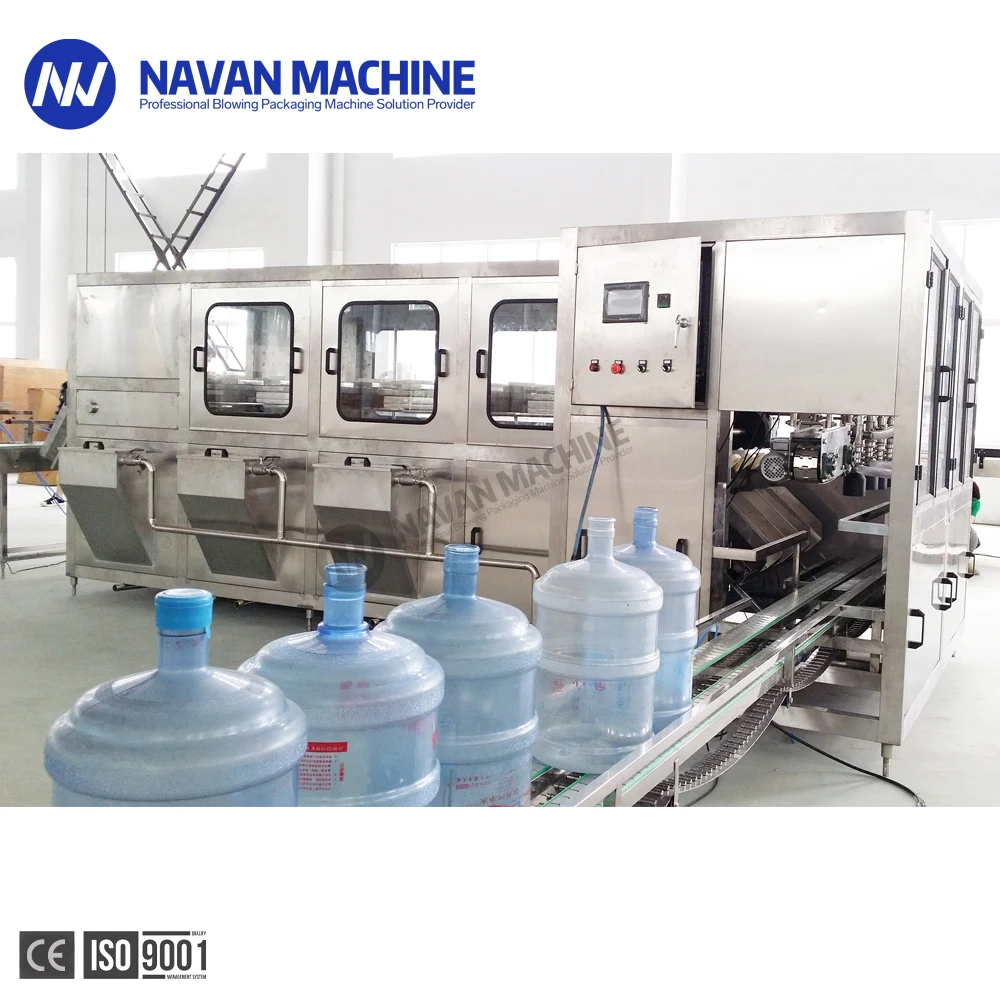
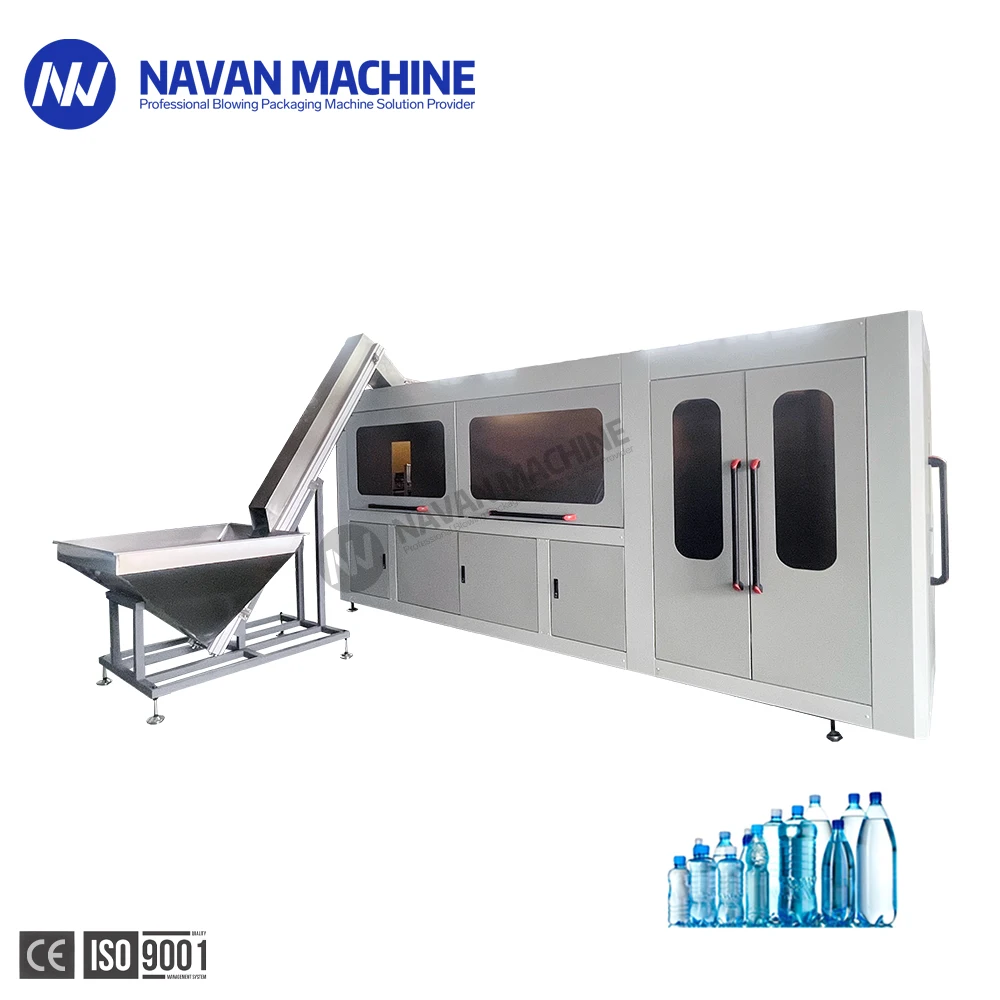
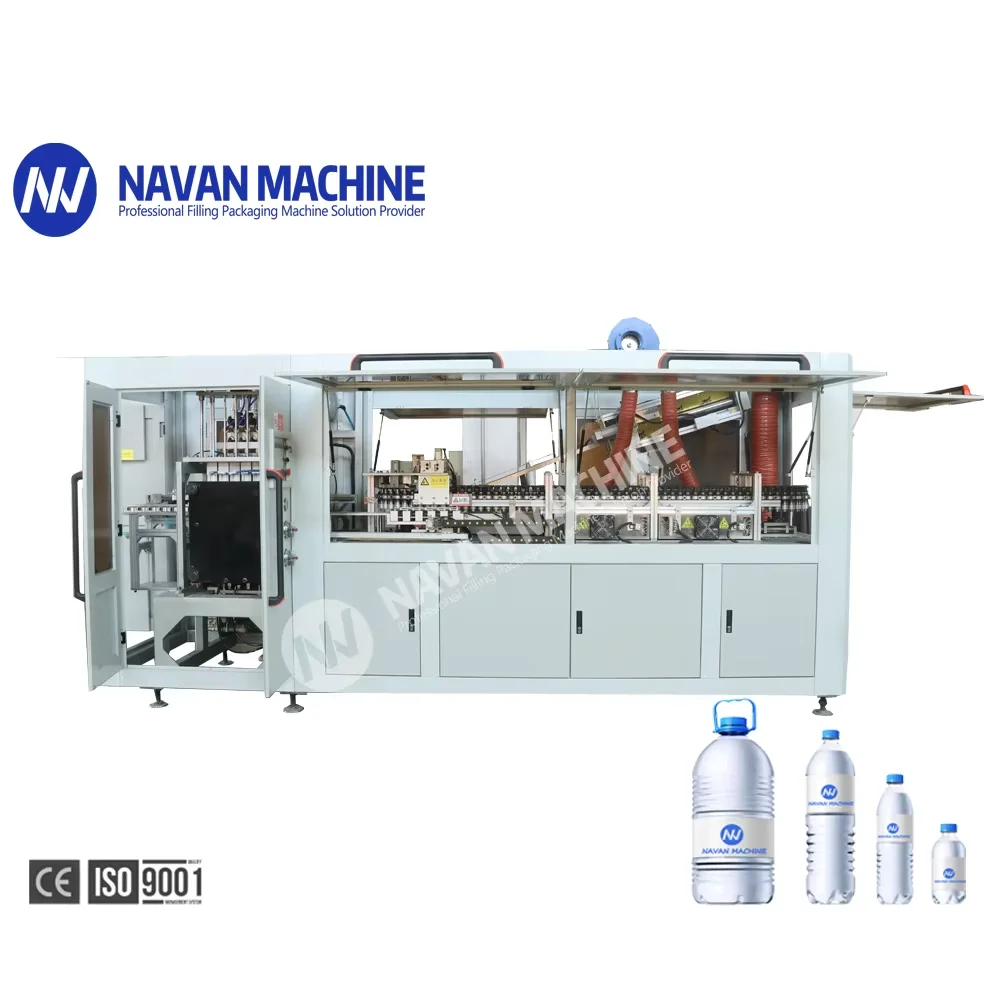
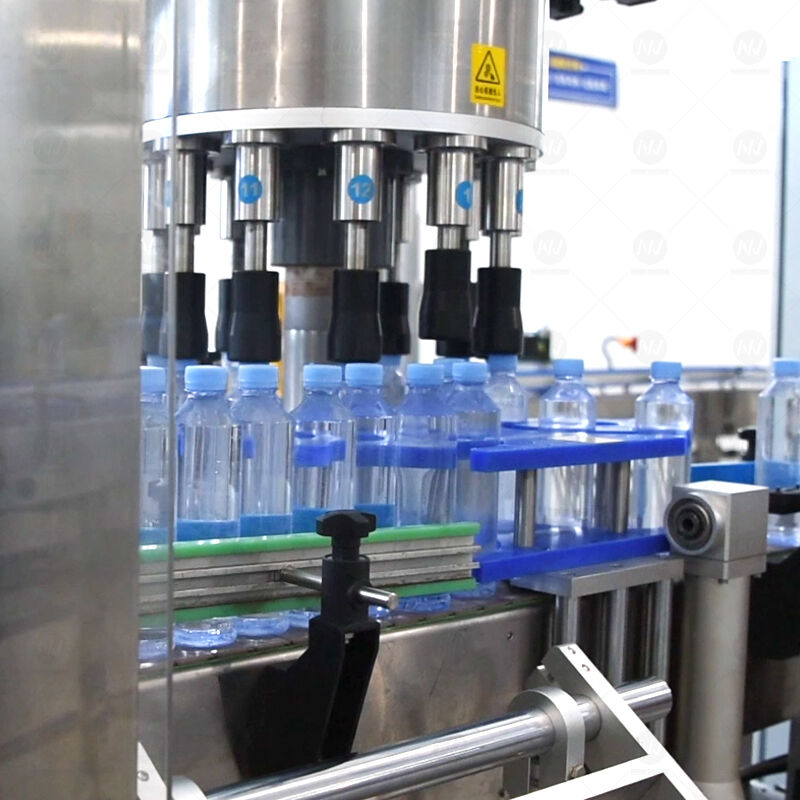
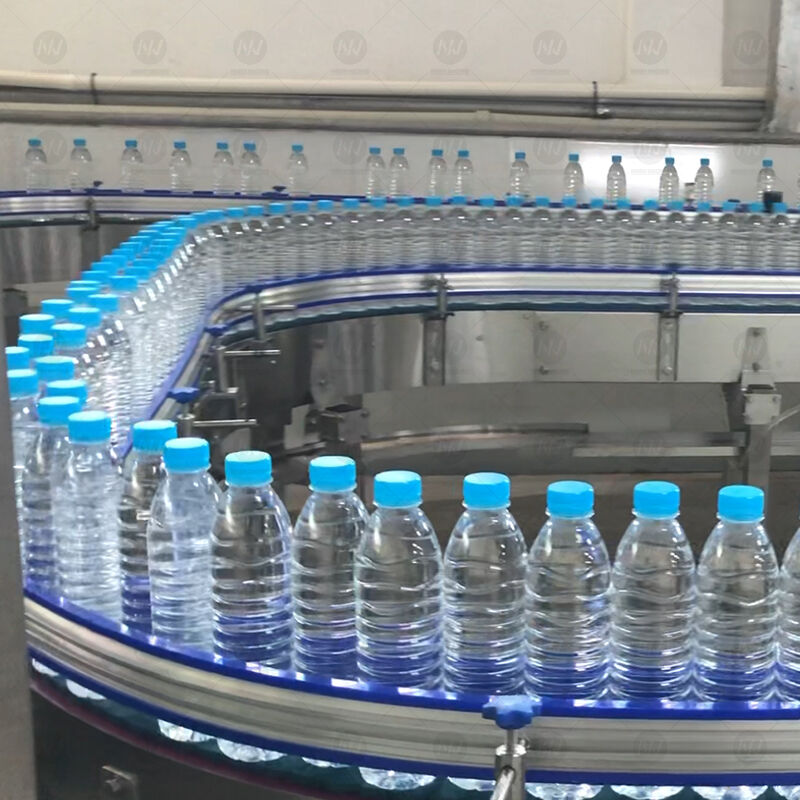
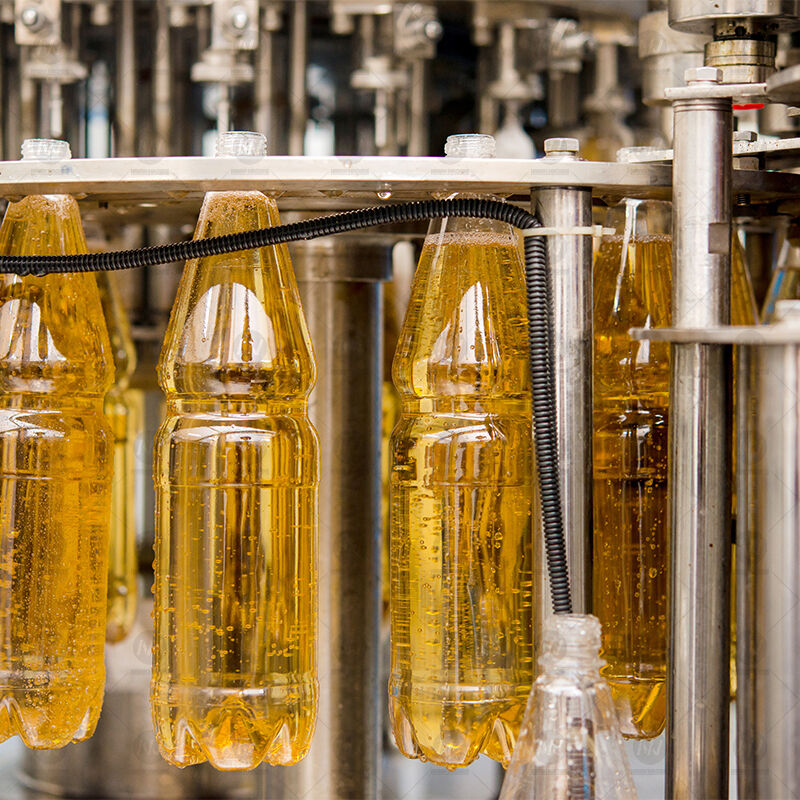
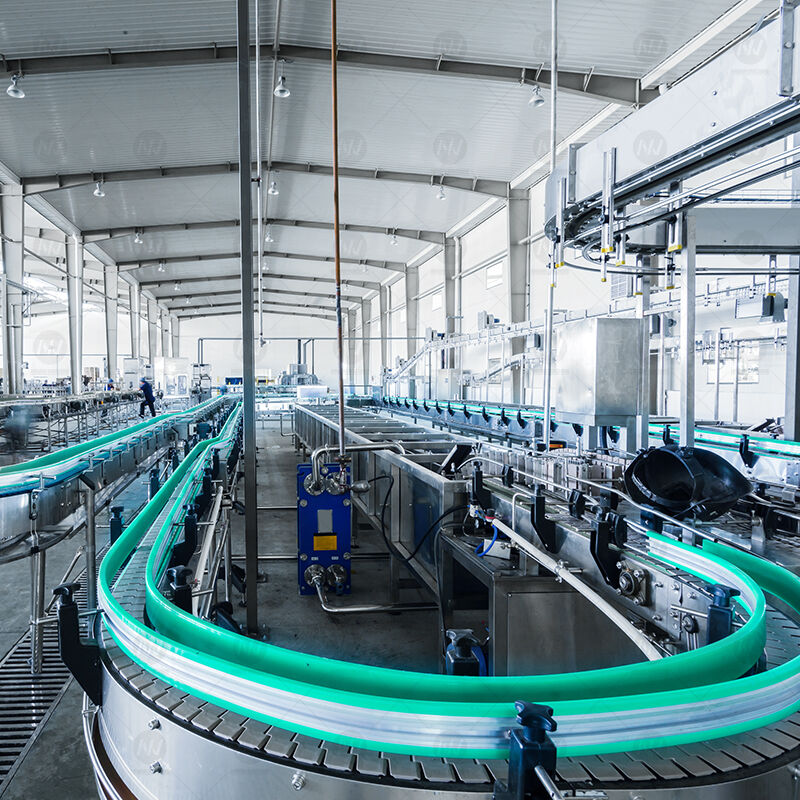
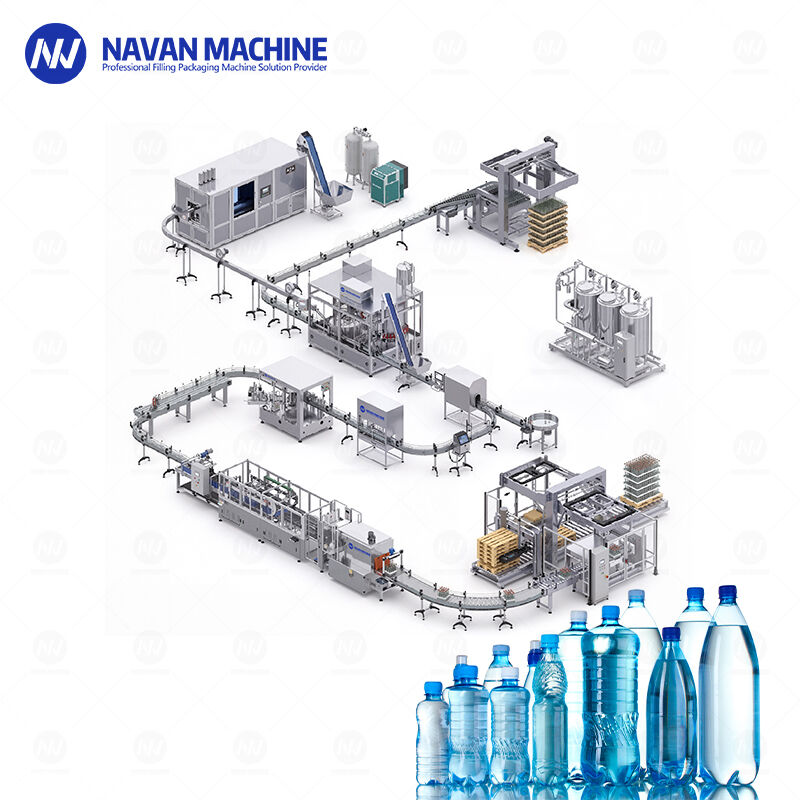
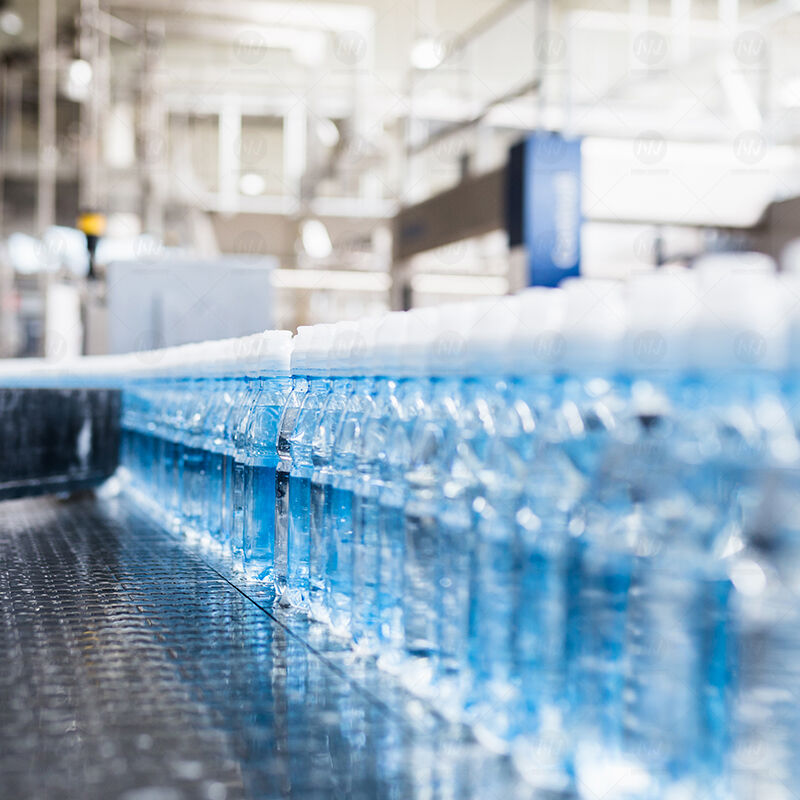
A water production line represents a sophisticated manufacturing system designed to process, purify, and package water products for commercial distribution. This comprehensive industrial solution integrates multiple stages of water treatment and bottling operations to ensure consistent quality and safety standards. The water production line encompasses various components including intake systems, filtration units, sterilization chambers, filling machines, capping equipment, and labeling stations. Modern water production facilities utilize advanced automation technology to monitor every aspect of the manufacturing process, from raw water sourcing to final product packaging. The system incorporates multiple filtration stages including sediment removal, carbon filtration, reverse osmosis, and ultraviolet sterilization to eliminate contaminants and ensure pristine water quality. Quality control mechanisms are embedded throughout the production line to maintain strict compliance with health regulations and industry standards. The technological framework includes programmable logic controllers, sensors, and monitoring systems that track flow rates, temperature, pressure, and chemical composition in real-time. These production lines can accommodate various bottle sizes and packaging formats, from small personal bottles to large industrial containers. The modular design allows manufacturers to customize their water production line configuration based on capacity requirements and product specifications. Integration capabilities enable seamless coordination between different production stages, optimizing efficiency and minimizing waste. Advanced cleaning and sanitization protocols ensure hygienic conditions throughout the manufacturing process. The water production line typically features stainless steel construction materials that resist corrosion and maintain sanitary conditions. Automated systems reduce manual intervention while improving consistency and reducing contamination risks. The production line can process thousands of bottles per hour, making it suitable for both small-scale operations and large commercial enterprises seeking reliable water manufacturing solutions.

New Products

The implementation of a modern water production line delivers numerous practical benefits that directly impact operational efficiency and profitability. Cost reduction emerges as a primary advantage, as automated systems significantly decrease labor requirements while maintaining consistent output quality. The streamlined production process eliminates bottlenecks and reduces manufacturing time, enabling companies to meet growing market demands effectively. Energy efficiency represents another crucial benefit, with contemporary water production lines incorporating smart technologies that optimize power consumption during various operational phases. The automated monitoring systems prevent waste by detecting anomalies early and adjusting parameters accordingly, resulting in substantial material savings over time. Quality assurance capabilities built into the water production line ensure every bottle meets regulatory standards, reducing the risk of costly recalls and maintaining brand reputation. The scalable design allows businesses to expand production capacity without completely overhauling existing infrastructure, providing flexibility for future growth. Maintenance requirements are minimized through robust engineering and predictive maintenance features that alert operators to potential issues before they cause downtime. The water production line enhances product consistency by eliminating human error variables and maintaining precise control over critical parameters such as fill levels, contamination prevention, and packaging integrity. Regulatory compliance becomes simplified through integrated documentation systems that automatically record production data required for audits and certifications. The rapid return on investment typically occurs within two to three years due to reduced operational costs and increased production efficiency. Worker safety improves significantly as automated systems handle hazardous processes and reduce exposure to chemicals or high-pressure equipment. The production line accommodates various product variations without extensive reconfiguration, enabling manufacturers to respond quickly to market opportunities and customer preferences. Environmental benefits include reduced water waste through recycling systems and lower carbon footprint due to optimized energy usage. The comprehensive monitoring capabilities provide valuable data analytics that help identify optimization opportunities and improve overall operational performance. Long-term durability ensures reliable operation for decades with proper maintenance, making the water production line a sound investment for sustainable business growth.

Practical Tips

How Does a Water Filling Line Maintain Hygiene and Product Purity?

31

Oct

How Does a Water Filling Line Maintain Hygiene and Product Purity?

Ensuring Safety and Quality in Beverage Production Systems The modern beverage industry faces an ever-growing challenge to maintain impeccable hygiene standards while meeting increasing production demands. At the heart of this challenge lies the wate...
View More
What Factors Should You Consider When Choosing a Bottle Filling Machine?

31

Oct

What Factors Should You Consider When Choosing a Bottle Filling Machine?

Essential Considerations for Industrial Bottle Filling Equipment Selecting the right bottle filling machine for your production line is a crucial decision that impacts efficiency, product quality, and bottom-line profitability. Whether you're expandi...
View More
What Are the Long-Term Benefits of Investing in Advanced Water Filling Lines?

31

Oct

What Are the Long-Term Benefits of Investing in Advanced Water Filling Lines?

Transforming Beverage Production Through Modern Automation The beverage industry is witnessing a revolutionary transformation as manufacturers increasingly turn to advanced water filling lines to streamline their operations. These sophisticated syste...
View More
What Technologies Ensure Freshness and Shelf Life in Beer Filling Systems?

31

Oct

What Technologies Ensure Freshness and Shelf Life in Beer Filling Systems?

Modern Innovations in Beer Filling Technology The brewing industry has witnessed remarkable technological advancements in beer filling systems, revolutionizing how breweries maintain product freshness and extend shelf life. Today's sophisticated beer...
View More

Get a Free Quote

Our representative will contact you soon.
Email
Name
Company Name
Message
0/1000

water production line

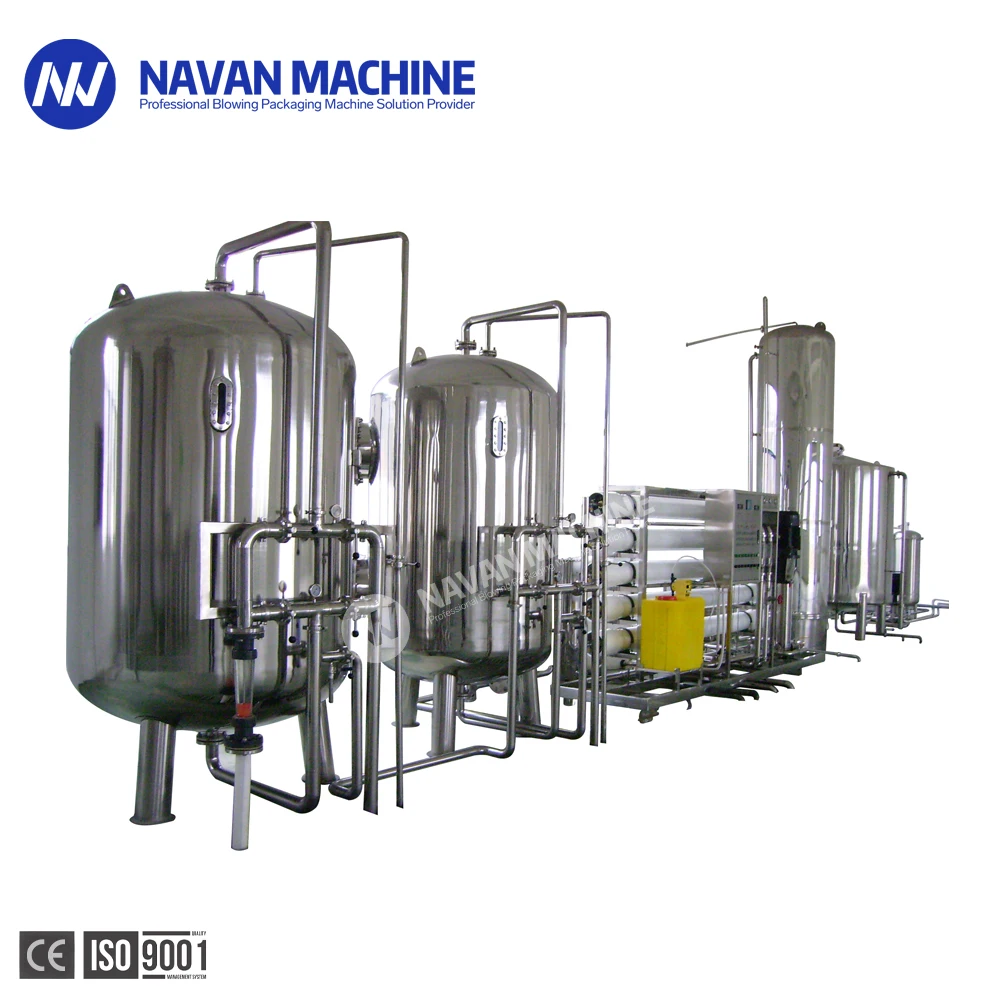
Advanced Multi-Stage Filtration Technology

Advanced Multi-Stage Filtration Technology

The cornerstone of any exceptional water production line lies in its sophisticated multi-stage filtration system that guarantees superior water purity and safety. This advanced filtration technology employs a carefully orchestrated sequence of purification processes designed to eliminate virtually all contaminants from source water. The initial stage typically involves coarse filtration to remove large particles and sediments, followed by activated carbon filtration that eliminates chlorine, organic compounds, and taste-affecting substances. The heart of the system features reverse osmosis technology, which forces water through semi-permeable membranes to remove dissolved minerals, bacteria, viruses, and microscopic pollutants. Ultraviolet sterilization provides an additional layer of protection by destroying any remaining microorganisms without introducing chemicals into the water. The multi-stage approach ensures comprehensive purification while maintaining essential mineral balance when required. Each filtration stage is monitored by sophisticated sensors that continuously assess water quality parameters including turbidity, conductivity, pH levels, and microbial content. The system automatically adjusts filtration intensity based on source water conditions, ensuring consistent output quality regardless of input variations. Advanced membrane technology utilized in the water production line offers superior longevity and efficiency compared to traditional filtration methods. The modular design allows for easy maintenance and replacement of individual filtration components without disrupting the entire production process. Pre-treatment systems protect expensive filtration equipment from damage while extending operational lifespan. The filtration technology incorporates automatic backwashing cycles that maintain optimal performance and prevent membrane fouling. Quality monitoring equipment provides real-time feedback on filtration effectiveness, enabling immediate adjustments when necessary. This comprehensive filtration approach eliminates the need for chemical additives while ensuring water meets or exceeds all safety standards. The technology adapts to different water sources, making the production line suitable for various geographical locations and water quality conditions. Energy-efficient pumps and pressure systems optimize the filtration process while minimizing operational costs. The advanced filtration technology represents a significant competitive advantage, enabling manufacturers to produce premium quality water products that command higher market prices and build strong customer loyalty.
Intelligent Automation and Control Systems

Intelligent Automation and Control Systems

Modern water production lines incorporate cutting-edge intelligent automation and control systems that revolutionize manufacturing efficiency and product consistency. These sophisticated systems utilize programmable logic controllers, advanced sensors, and machine learning algorithms to optimize every aspect of the production process. The intelligent automation continuously monitors critical parameters including water flow rates, temperature, pressure levels, and contamination indicators to ensure optimal operating conditions. Real-time data analysis enables the system to make instantaneous adjustments that maintain product quality while maximizing throughput. The control systems feature intuitive human-machine interfaces that allow operators to monitor production status, adjust parameters, and troubleshoot issues efficiently. Predictive maintenance capabilities analyze equipment performance data to identify potential problems before they cause production disruptions, significantly reducing unexpected downtime. The automation system manages complex production schedules, automatically switching between different product configurations and bottle sizes without manual intervention. Quality control integration ensures that every bottle meets specifications through automated inspection systems that detect fill levels, cap placement, and label positioning. The intelligent systems maintain detailed production records for regulatory compliance and quality assurance purposes, automatically generating reports and documentation. Remote monitoring capabilities enable management to oversee production operations from any location, providing flexibility and rapid response to operational issues. The automation reduces labor costs while eliminating human error factors that can compromise product quality or safety. Energy management features optimize power consumption by coordinating equipment operation and implementing energy-saving modes during low-demand periods. The control systems integrate seamlessly with enterprise resource planning software, enabling real-time production planning and inventory management. Advanced diagnostic capabilities provide comprehensive system health monitoring and performance optimization recommendations. The automation handles complex cleaning and sterilization cycles automatically, ensuring hygienic conditions throughout the water production line. Scalability features allow the control systems to accommodate production line expansions and upgrades without major reconfiguration. The intelligent automation significantly improves operator safety by managing hazardous processes and implementing comprehensive safety protocols. These advanced control systems represent a significant technological advantage that enhances productivity, reduces costs, and ensures consistent product quality in the competitive water manufacturing industry.
Flexible Production Capacity and Scalability

Flexible Production Capacity and Scalability

The exceptional flexibility and scalability of modern water production lines provide manufacturers with unparalleled adaptability to meet changing market demands and business growth requirements. This versatile design philosophy enables companies to start with basic production capabilities and systematically expand their operations as market opportunities develop. The modular architecture allows for incremental capacity increases without disrupting existing production operations or requiring complete system replacement. Flexible bottle handling systems accommodate various container sizes ranging from small personal bottles to large commercial containers, enabling manufacturers to diversify their product offerings efficiently. Quick changeover capabilities allow the water production line to switch between different bottle formats, closure types, and labeling requirements with minimal downtime. The scalable design supports production rates from hundreds to thousands of bottles per hour, making it suitable for both emerging businesses and established enterprises. Advanced conveyor systems and automated material handling equipment ensure smooth product flow regardless of production volume fluctuations. The flexibility extends to packaging options, with systems capable of handling different closure types, label designs, and secondary packaging requirements. Seasonal demand variations are easily managed through adjustable production schedules and capacity utilization optimization. The water production line can accommodate future technology upgrades and additional processing stages without major infrastructure modifications. Modular filtration systems allow for capacity expansion or technology enhancement as water quality requirements evolve. The flexible design supports private labeling operations, enabling manufacturers to produce multiple brands simultaneously with distinct packaging specifications. Energy systems scale proportionally with production capacity, maintaining operational efficiency across different production volumes. Quality control systems adapt to various product specifications while maintaining consistent monitoring and documentation capabilities. The scalability includes environmental control systems that manage facility conditions regardless of production intensity. Storage and handling systems accommodate varying inventory requirements and production cycles efficiently. Maintenance procedures scale with system complexity, ensuring reliable operation at any capacity level. The flexible production line design enables rapid response to market opportunities and competitive pressures. Financial benefits include optimized capital investment timing and improved return on investment through phased expansion capabilities. This remarkable flexibility and scalability make the water production line an ideal long-term investment that grows with business success.

Get a Free Quote

Our representative will contact you soon.
Email
Name
Company Name
Message
0/1000

Get a Free Quote

Our representative will contact you soon.
Email
Name
Company Name
Message
0/1000
TopTop