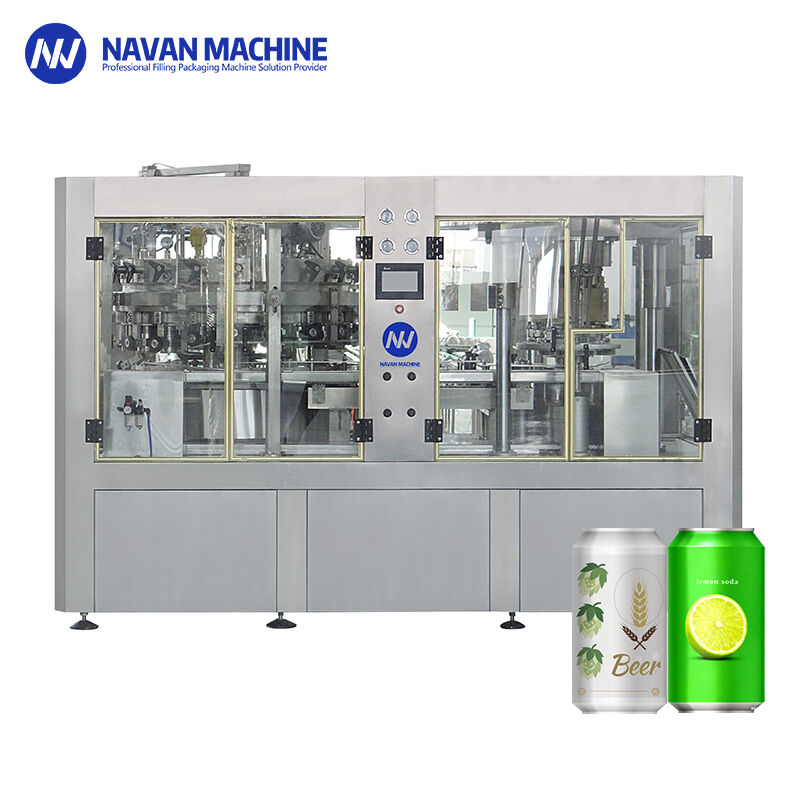
Advanced Carbonated Can Filling Machine - High-Speed Automated Beverage Packaging Solutions

Requesting a Call:

+8615601563990

Online Support

[email protected]

WhatsApp

+86-15601563990

carbonated can filling machine

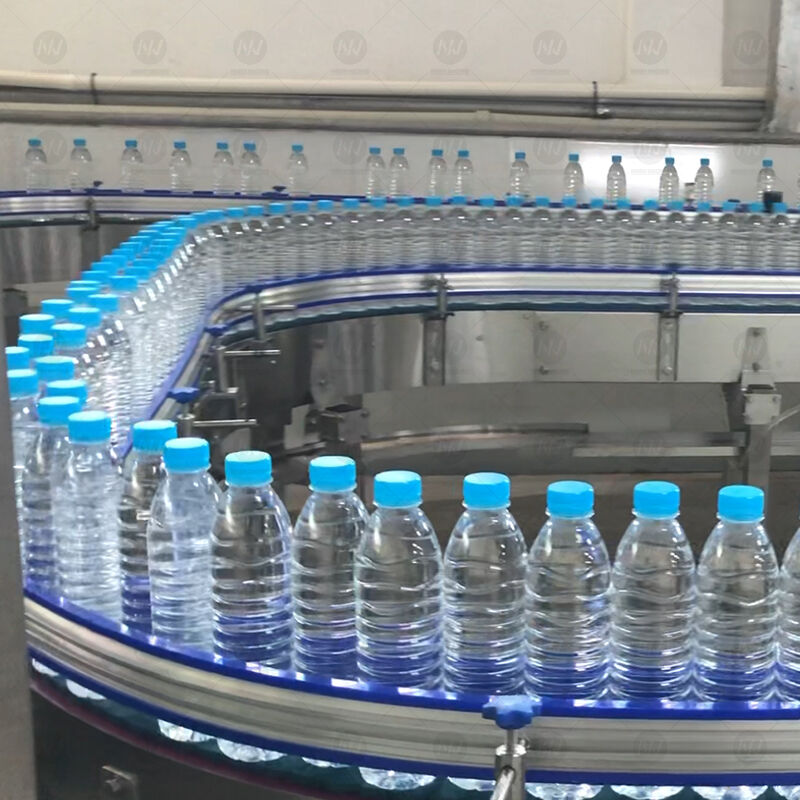
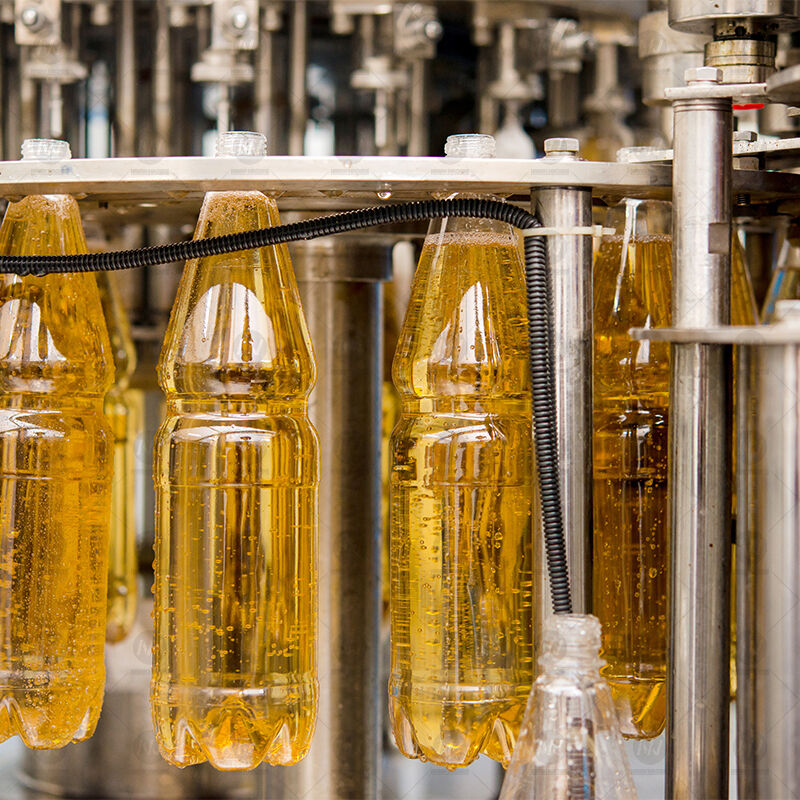
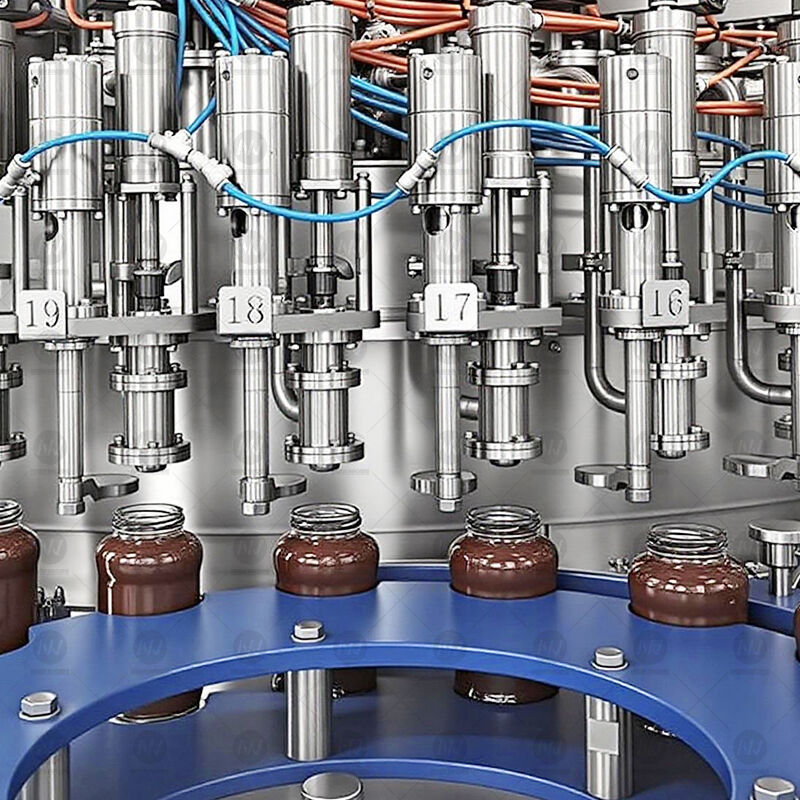
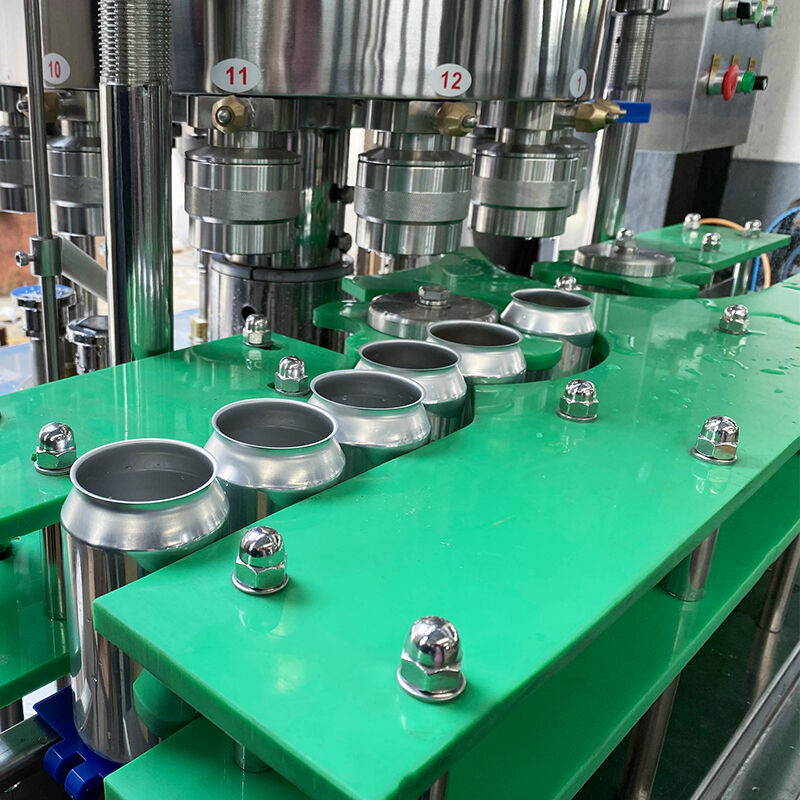
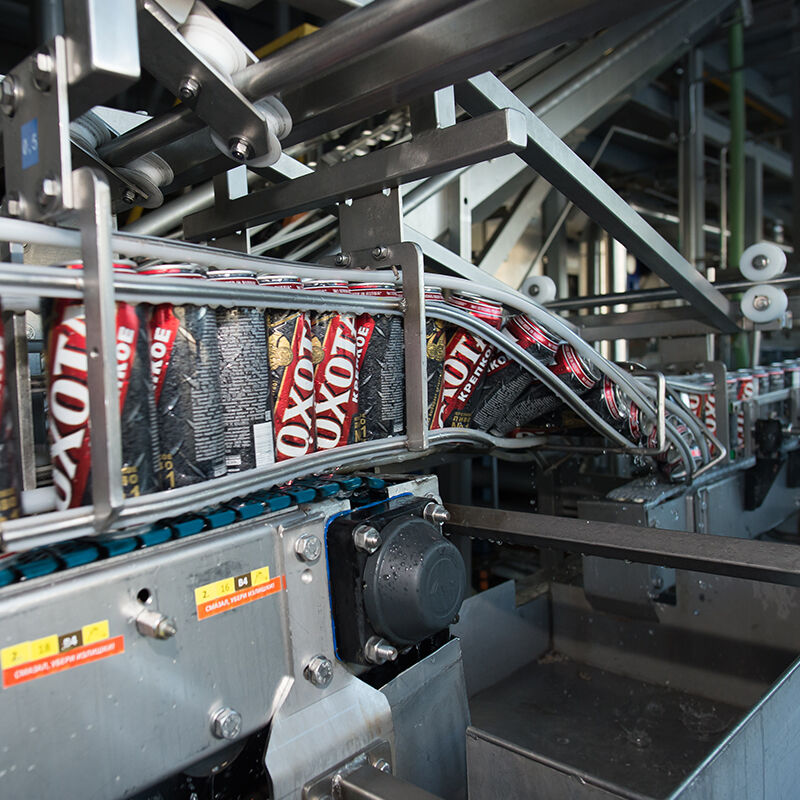
A carbonated can filling machine represents a sophisticated piece of industrial equipment designed specifically for filling aluminum cans with carbonated beverages while maintaining optimal CO2 levels and product quality. This automated system serves as the cornerstone of modern beverage production facilities, handling everything from soft drinks and energy drinks to sparkling water and beer. The primary function of a carbonated can filling machine involves precise liquid dispensing, pressure control, and sealing operations that preserve carbonation levels throughout the packaging process. The machine operates through a multi-stage process that begins with can cleaning and sanitization, followed by counter-pressure filling that prevents CO2 loss during liquid transfer. Advanced sensors monitor fill levels, ensuring consistent volume accuracy across thousands of units per hour. The technological features of modern carbonated can filling machines include servo-driven filling valves that provide precise control over liquid flow rates, programmable logic controllers that manage entire production sequences, and integrated quality control systems that detect and reject defective containers. These machines incorporate stainless steel construction for hygiene compliance and corrosion resistance, while variable speed drives allow operators to adjust production rates based on demand. The filling process utilizes counter-pressure technology, where cans are first pressurized with CO2 to match beverage pressure levels before filling begins, preventing foam formation and carbonation loss. Applications for carbonated can filling machines span across numerous beverage categories including cola drinks, flavored sodas, energy beverages, sparkling juices, and alcoholic drinks like beer and hard seltzers. Manufacturing facilities rely on these machines to maintain production efficiency while meeting strict quality standards required by food safety regulations. The equipment integrates seamlessly with existing packaging lines, connecting to can conveyors, cap application systems, and downstream labeling equipment for complete automation.

New Product Releases

Carbonated can filling machines deliver exceptional production efficiency that transforms beverage manufacturing operations through automated processes and consistent output capabilities. These systems significantly reduce labor costs by eliminating manual filling operations while simultaneously increasing production speeds to handle thousands of cans per hour with minimal human intervention. The precision engineering ensures accurate fill levels that minimize product waste and maximize profit margins, as each can receives exactly the specified volume without overfilling or underfilling issues that plague manual operations. Quality consistency represents another major advantage, as carbonated can filling machines maintain uniform carbonation levels across entire production runs, ensuring every consumer receives the same refreshing experience regardless of when their beverage was produced. This consistency builds brand reputation and customer loyalty while reducing costly product recalls or quality complaints. The hygienic design of modern carbonated can filling machines meets stringent food safety requirements through easily cleanable stainless steel surfaces and automated cleaning cycles that eliminate contamination risks. This sanitary approach protects consumer health while reducing liability concerns for manufacturers. Flexibility stands out as a key benefit, allowing operators to quickly switch between different beverage formulations, can sizes, and production volumes without extensive downtime or equipment modifications. This adaptability enables manufacturers to respond rapidly to market demands and seasonal variations in product popularity. Cost effectiveness emerges through reduced material waste, lower energy consumption compared to older filling methods, and decreased maintenance requirements due to advanced component design. The initial investment in a carbonated can filling machine typically pays for itself within months through increased efficiency and reduced operational expenses. Environmental benefits include reduced product spillage, optimized resource utilization, and compatibility with sustainable packaging initiatives that many companies pursue. The machines also offer enhanced safety features that protect workers from potential hazards associated with pressurized systems and moving machinery. Integration capabilities allow seamless connection with existing production lines, quality monitoring systems, and enterprise resource planning software for comprehensive manufacturing control. Real-time monitoring provides operators with instant feedback on production metrics, enabling quick adjustments to maintain optimal performance throughout production runs.

Tips And Tricks

How Does a Water Filling Line Maintain Hygiene and Product Purity?

31

Oct

How Does a Water Filling Line Maintain Hygiene and Product Purity?

Ensuring Safety and Quality in Beverage Production Systems The modern beverage industry faces an ever-growing challenge to maintain impeccable hygiene standards while meeting increasing production demands. At the heart of this challenge lies the wate...
View More
What Are the Long-Term Benefits of Investing in Advanced Water Filling Lines?

31

Oct

What Are the Long-Term Benefits of Investing in Advanced Water Filling Lines?

Transforming Beverage Production Through Modern Automation The beverage industry is witnessing a revolutionary transformation as manufacturers increasingly turn to advanced water filling lines to streamline their operations. These sophisticated syste...
View More
What Technologies Ensure Freshness and Shelf Life in Beer Filling Systems?

31

Oct

What Technologies Ensure Freshness and Shelf Life in Beer Filling Systems?

Modern Innovations in Beer Filling Technology The brewing industry has witnessed remarkable technological advancements in beer filling systems, revolutionizing how breweries maintain product freshness and extend shelf life. Today's sophisticated beer...
View More
How Does a Jam Filling Machine Handle Thick and Sticky Products Efficiently?

31

Oct

How Does a Jam Filling Machine Handle Thick and Sticky Products Efficiently?

Understanding Modern Industrial Jam Processing Equipment The food processing industry has witnessed remarkable technological advancements, particularly in the realm of handling viscous products. At the heart of efficient jam production lies the sophi...
View More

Get a Free Quote

Our representative will contact you soon.
Email
Name
Company Name
Message
0/1000

carbonated can filling machine

Advanced Counter-Pressure Technology

Advanced Counter-Pressure Technology

The revolutionary counter-pressure filling system represents the most critical technological advancement in carbonated can filling machine design, delivering unparalleled carbonation preservation throughout the entire packaging process. This sophisticated mechanism operates by first pressurizing empty cans with CO2 gas to match the internal pressure of the carbonated beverage before any liquid transfer begins. This pressure equalization prevents the violent foam formation and carbonation loss that would otherwise occur when pressurized liquid meets atmospheric conditions inside an empty container. The system utilizes precision pressure sensors and automated control valves that continuously monitor and adjust gas pressure levels with remarkable accuracy, ensuring optimal conditions for each individual can. During the filling cycle, the carbonated can filling machine gradually introduces liquid through specially designed filling valves that maintain laminar flow patterns, preventing turbulence that could cause additional CO2 escape. The controlled environment created by counter-pressure technology preserves the beverage's intended taste profile, mouthfeel, and shelf stability that consumers expect from premium carbonated products. This technology becomes particularly valuable when processing highly carbonated beverages or temperature-sensitive formulations that require precise handling conditions. The economic impact of effective counter-pressure systems extends beyond quality preservation, as reduced carbonation loss translates directly into cost savings through decreased CO2 consumption and improved product yield. Manufacturers benefit from consistent carbonation levels that meet regulatory requirements and brand specifications without the need for expensive rework or product disposal. The technology also enables faster filling speeds compared to traditional methods, as the controlled pressure environment allows for higher liquid flow rates without compromising quality. Advanced carbonated can filling machines incorporate multiple pressure zones within single systems, allowing simultaneous processing of different beverage types with varying carbonation requirements. This flexibility proves invaluable for co-packing operations or facilities producing diverse product lines. The reliability of modern counter-pressure systems reduces equipment downtime and maintenance costs while providing operators with precise control over critical process parameters that directly influence final product quality and customer satisfaction.
Precision Fill Level Control

Precision Fill Level Control

Exceptional fill level accuracy represents a cornerstone feature of modern carbonated can filling machines, delivering consistent volume control that directly impacts product quality, regulatory compliance, and profitability across all production runs. Advanced servo-controlled filling valves work in conjunction with sophisticated level detection systems to ensure each can receives precisely the specified liquid volume, typically maintaining accuracy within plus or minus one milliliter across thousands of units per hour. This remarkable precision stems from integrated weight-based monitoring systems that continuously measure each can before, during, and after the filling process, automatically adjusting valve timing and flow rates to compensate for any detected variations. The carbonated can filling machine utilizes multiple sensor technologies including ultrasonic level detection, capacitive sensing, and optical measurement systems that provide real-time feedback to central control processors. These processors analyze filling data instantaneously and make micro-adjustments to maintain optimal performance even as production conditions change throughout extended manufacturing runs. The economic benefits of precise fill control extend far beyond simple volume accuracy, as consistent filling reduces product giveaway costs that can significantly impact profit margins when multiplied across millions of units annually. Manufacturers avoid both underfilling violations that could trigger regulatory penalties and overfilling waste that directly reduces profitability per unit sold. The system accommodates various can sizes and beverage viscosities through programmable parameters that operators can adjust quickly without stopping production lines. Quality control integration allows the carbonated can filling machine to automatically reject containers that fall outside acceptable fill tolerances, preventing defective products from reaching consumers while maintaining statistical process control records for regulatory documentation. Advanced models incorporate predictive algorithms that learn from historical filling data to anticipate and prevent potential accuracy issues before they occur. The reliability of precision fill control systems reduces customer complaints related to inconsistent product volumes while supporting brand reputation for quality and value. Environmental benefits emerge through reduced product waste and optimized resource utilization that supports sustainability initiatives. The technology also enables accurate inventory management and production planning by providing precise data on actual product output versus raw material consumption, supporting efficient supply chain operations and cost accounting accuracy.
Automated Cleaning and Sanitization Systems

Automated Cleaning and Sanitization Systems

Comprehensive automated cleaning and sanitization capabilities integrated within carbonated can filling machines ensure consistent hygiene standards while minimizing production downtime and labor requirements associated with manual cleaning procedures. These sophisticated systems execute pre-programmed cleaning cycles that thoroughly sanitize all product-contact surfaces using precisely controlled combinations of cleaning chemicals, rinse water, and sanitizing agents delivered at optimal temperatures and contact times. The automated approach eliminates human error factors that could compromise cleaning effectiveness while providing documented validation of each cleaning cycle for regulatory compliance and quality assurance purposes. Advanced carbonated can filling machines incorporate Clean-in-Place technology that circulates cleaning solutions through dedicated piping systems, reaching all internal surfaces including filling valves, product tanks, and transfer lines without requiring equipment disassembly. This integrated approach significantly reduces cleaning time compared to manual methods while ensuring thorough coverage of critical areas where contamination could occur. The system monitors cleaning solution concentrations, temperatures, and circulation times through integrated sensors that provide real-time feedback to central control systems, automatically adjusting parameters to maintain optimal cleaning conditions throughout each cycle. Programmable cleaning protocols accommodate different beverage types and contamination levels, allowing operators to select appropriate cleaning intensity based on production requirements and changeover needs. The carbonated can filling machine automatically documents all cleaning activities through integrated data logging systems that create permanent records for regulatory audits and quality management reviews. Water conservation features optimize rinse cycles and chemical usage to minimize environmental impact while maintaining cleaning effectiveness. The sanitization process utilizes food-grade chemicals and validated procedures that meet stringent industry standards for beverage production facilities. Automated systems reduce chemical exposure risks for workers while ensuring consistent application of sanitizing agents across all equipment surfaces. The technology supports rapid product changeovers by enabling thorough cleaning between different beverage formulations, preventing cross-contamination and flavor carryover issues that could compromise product quality. Validation capabilities include microbial testing integration and residue detection systems that verify cleaning effectiveness before production resumes. Economic benefits include reduced labor costs for cleaning operations, minimized chemical waste through precise usage control, and decreased downtime through faster cleaning cycles that maximize productive manufacturing time.

Get a Free Quote

Our representative will contact you soon.
Email
Name
Company Name
Message
0/1000

Get a Free Quote

Our representative will contact you soon.
Email
Name
Company Name
Message
0/1000
TopTop