water bottle filling machine price
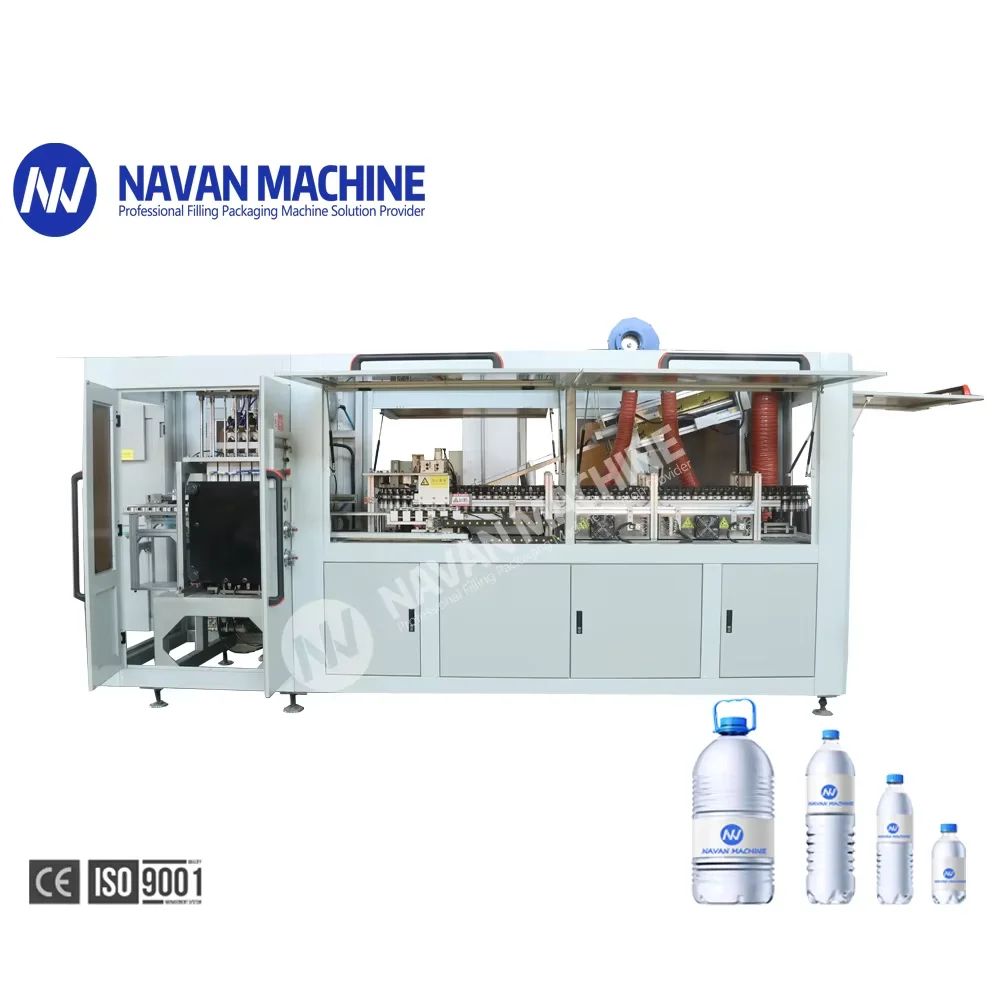
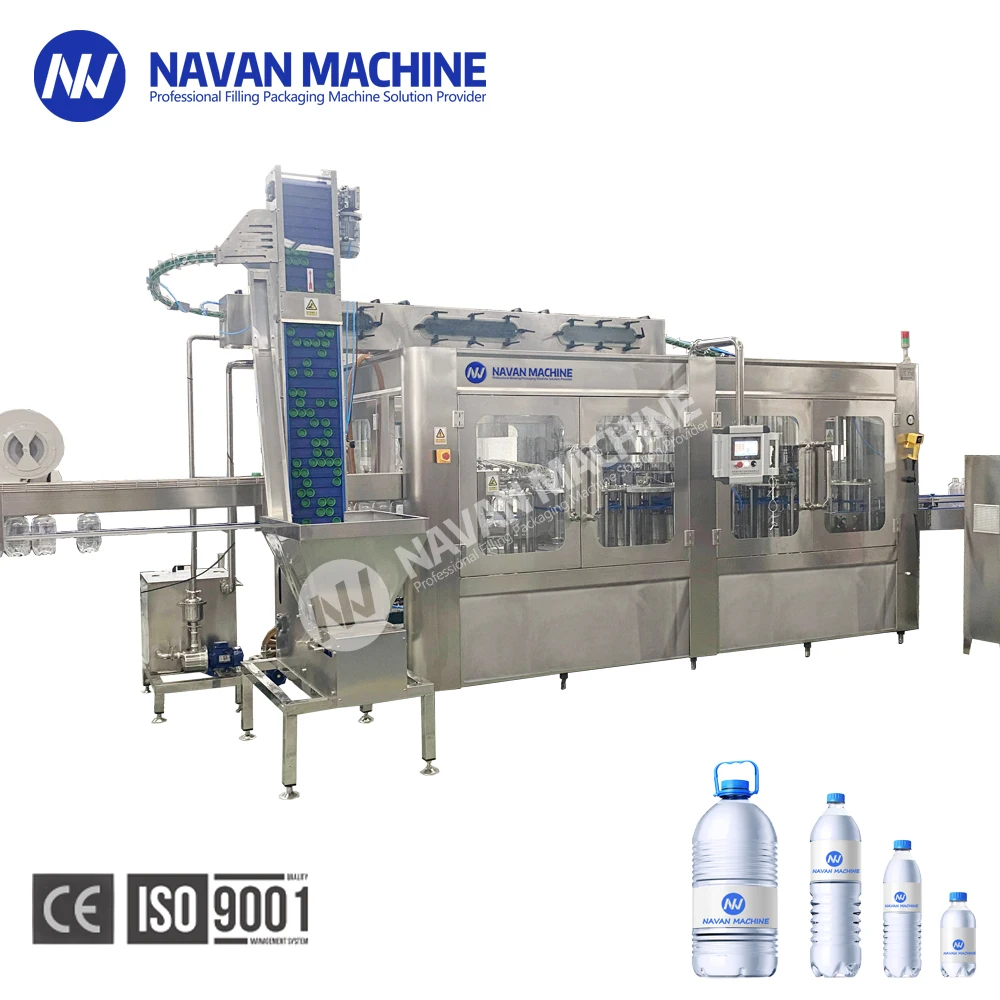
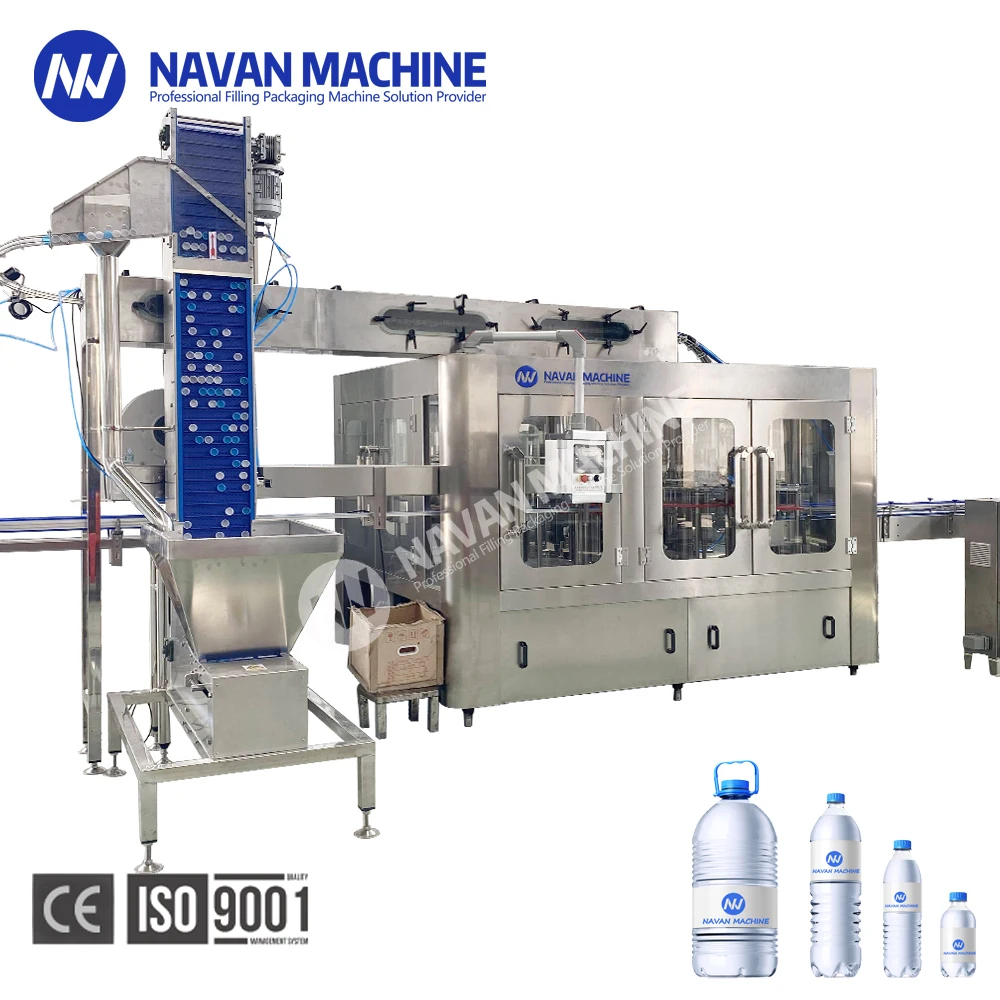
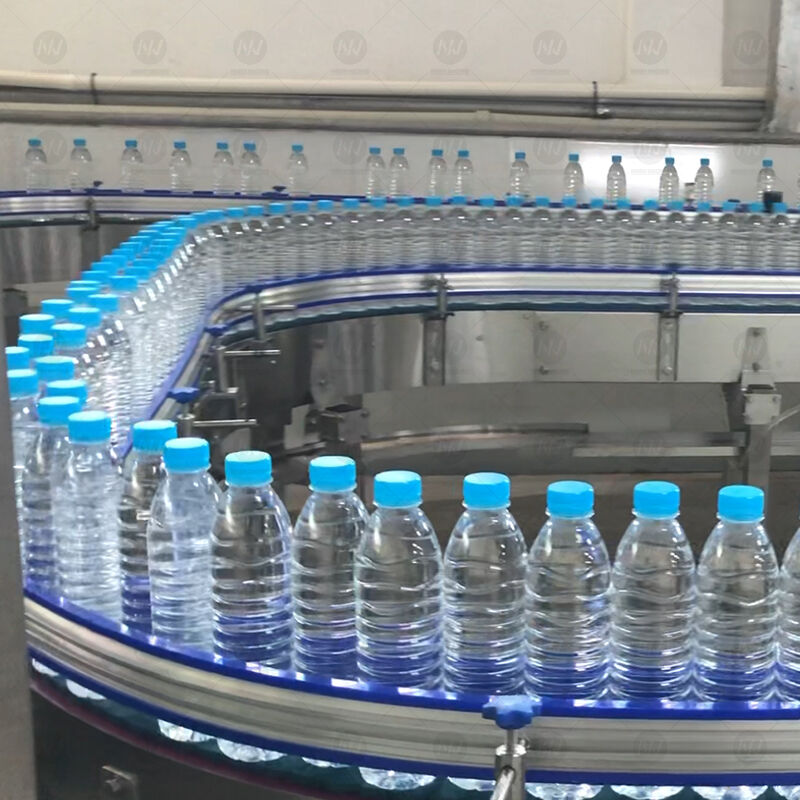
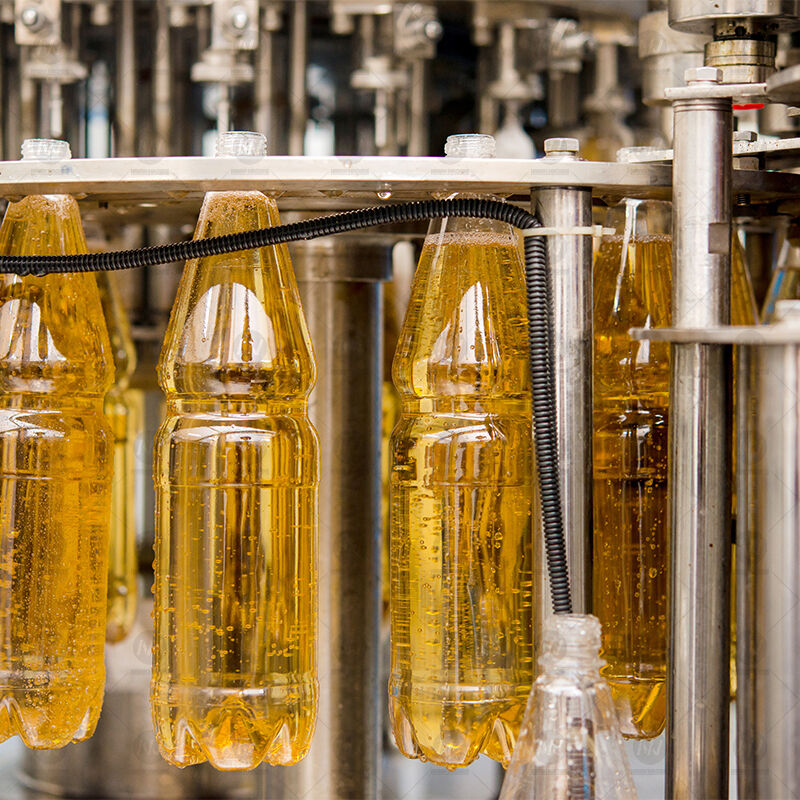
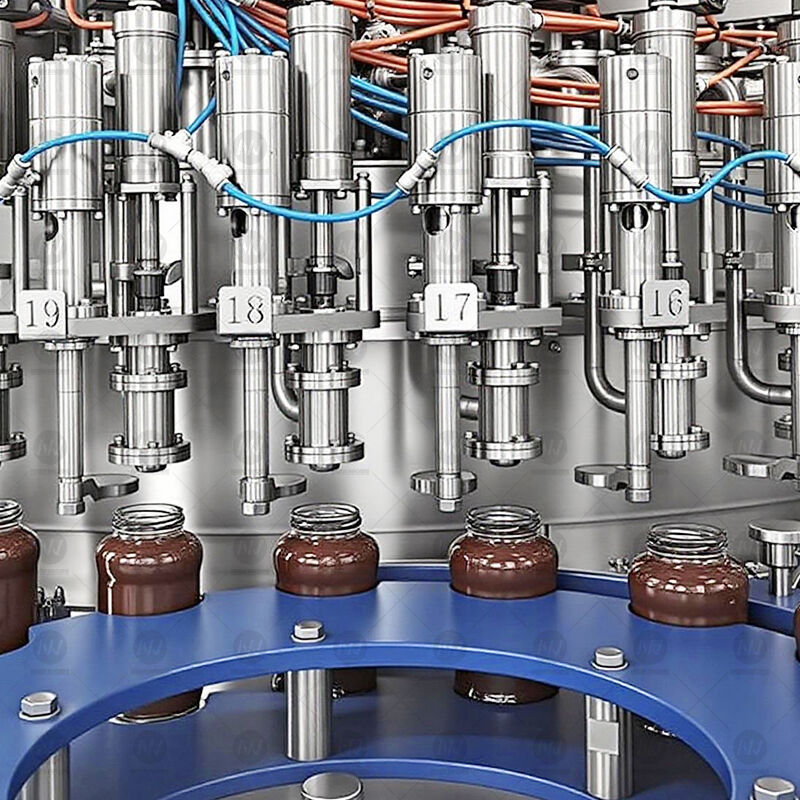
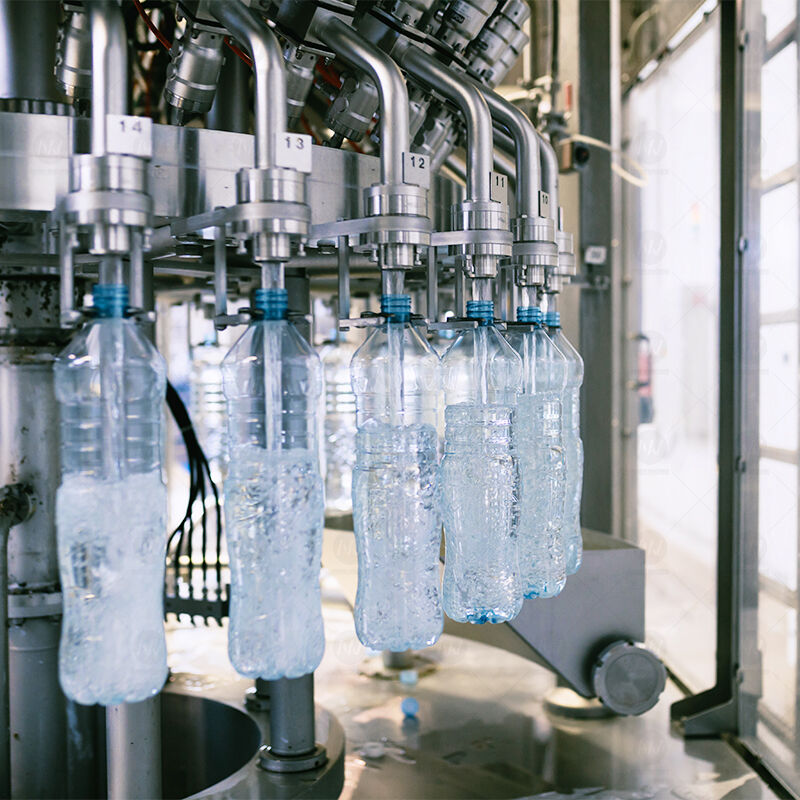
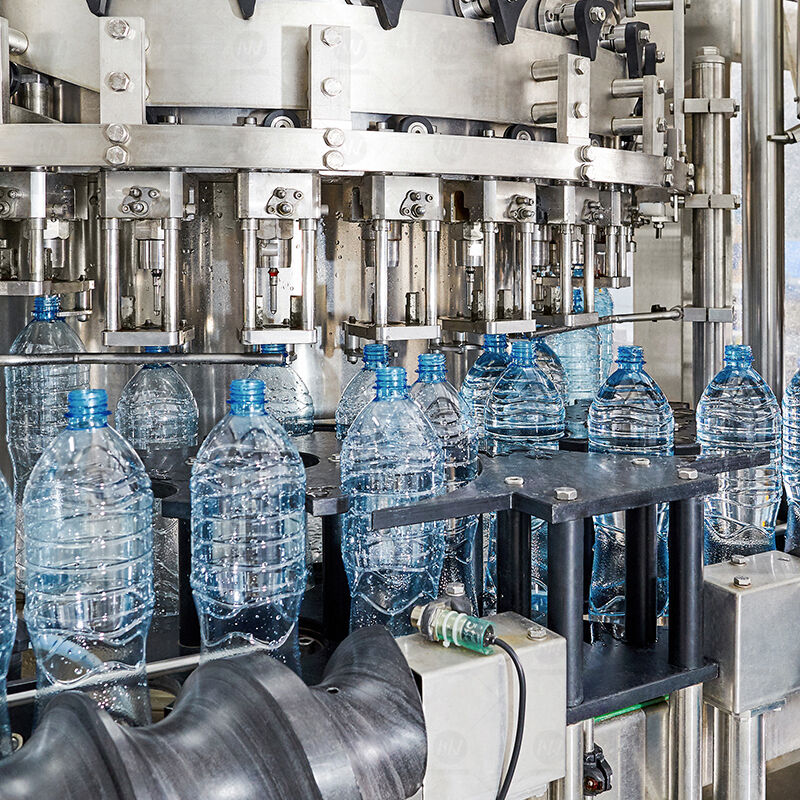
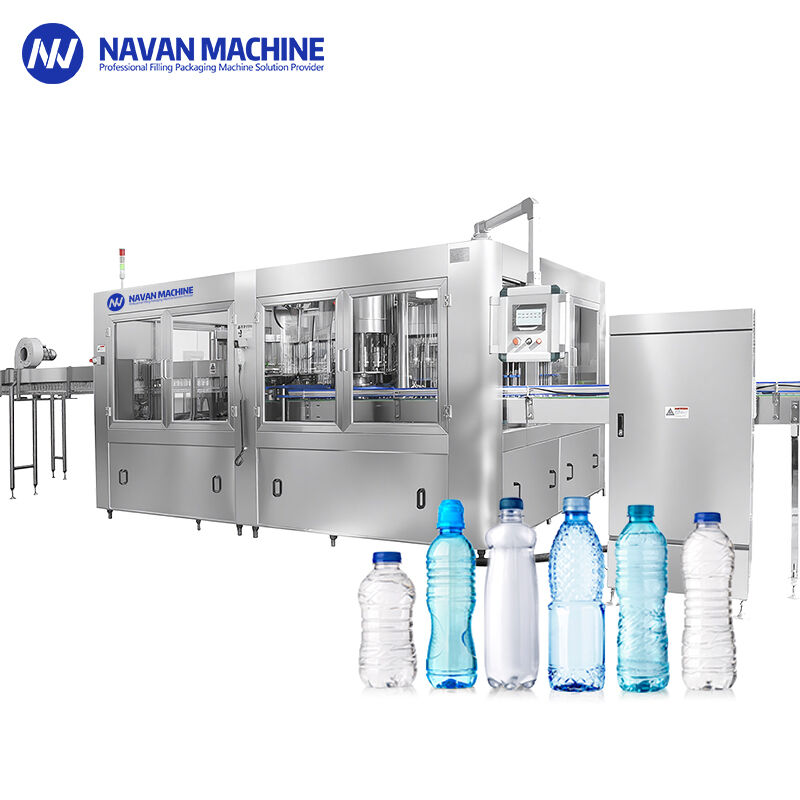
Water bottle filling machine price represents a crucial investment consideration for businesses entering the beverage production industry. These sophisticated automated systems transform raw water into packaged products through multiple integrated processes. The primary functions encompass water treatment, bottle sanitization, precise liquid filling, capping, labeling, and quality control monitoring. Modern water bottle filling machines incorporate advanced PLC control systems that ensure consistent operation and minimize human error during production cycles. The technological features include stainless steel construction for hygiene compliance, variable speed controls for different bottle sizes, automatic bottle detection sensors, and integrated cleaning-in-place systems. These machines typically operate through rotary or linear filling mechanisms, with rotary systems offering higher production speeds suitable for large-scale operations. The applications span across commercial bottled water companies, beverage manufacturers, pharmaceutical industries, and small-scale entrepreneurs establishing water bottling businesses. Production capacities range from 500 bottles per hour for entry-level models to over 36,000 bottles per hour for industrial-grade systems. The water bottle filling machine price varies significantly based on automation level, production capacity, construction materials, and additional features like blow molding integration or advanced quality control systems. Entry-level semi-automatic machines start around $5,000, while fully automated production lines can exceed $200,000. Factors influencing pricing include bottle size compatibility, filling accuracy specifications, energy efficiency ratings, and manufacturer reputation. Investment considerations should evaluate long-term operational costs, maintenance requirements, spare parts availability, and technical support services. The technology continuously evolves with innovations in servo-driven filling valves, touchscreen interfaces, remote monitoring capabilities, and energy-efficient designs that reduce operational expenses while maintaining production quality standards.

 EN
EN